Diseño de Interiores con IA Antes y Después: Transformaciones Reales de Habitaciones Reveladas
Sé testigo de impresionantes transformaciones de diseño de interiores con IA, antes y después. Sube la foto de tu habitación a Habitas y obtén rediseños fotorrealistas en segundos. Descubre resultados de usuarios reales y planes de acción.
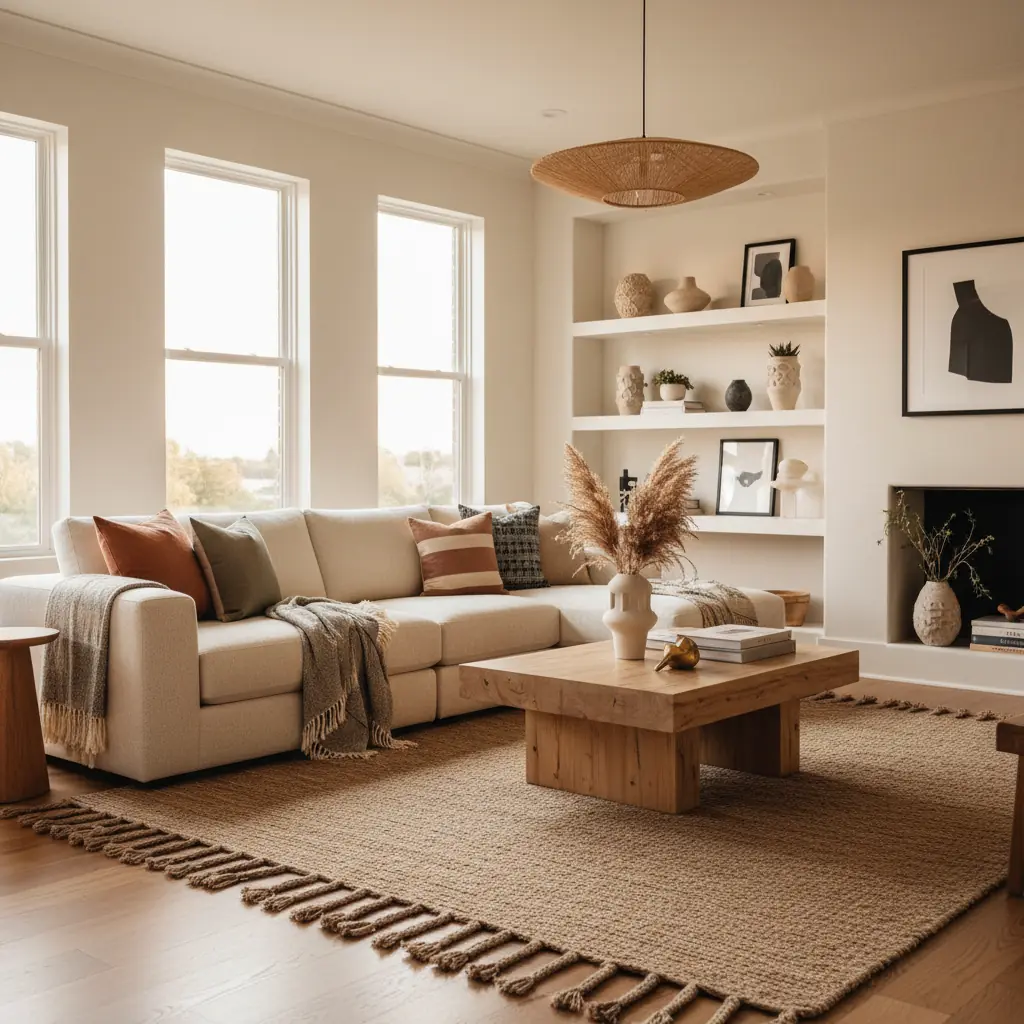
El Poder de Ver Tu Habitación Realmente Transformada por la IA
El camino hacia un espacio bellamente rediseñado a menudo comienza con una visión. Tradicionalmente, esta visión podría construirse a partir de innumerables tableros de Pinterest, recortes de revistas y visitas a salas de exhibición. Si bien estos recursos ofrecen una inspiración valiosa, a menudo se quedan cortos en un aspecto crucial: aplicar esa inspiración directamente a _tu_ espacio único. Las imágenes genéricas, por muy atractivas que sean, rara vez tienen en cuenta las dimensiones específicas de tu habitación, la luz natural, las peculiaridades arquitectónicas o los elementos estructurales existentes.
Aquí es donde el diseño de interiores con IA revoluciona el proceso. La verdadera magia ocurre cuando ves tu habitación real —con sus ventanas específicas, altura de techo y encantadoras excentricidades— completamente reimaginada en un nuevo estilo. Las plataformas impulsadas por IA como Habitas usan la foto de tu habitación como lienzo, comprendiendo meticulosamente su geometría única y luego superponiendo inteligentemente un nuevo diseño. Las paredes permanecen en el mismo lugar. Las ventanas no se mueven. Pero todo lo demás —mobiliario, colores, materiales, iluminación, textiles y decoración— se transforma en un diseño cohesivo e impresionante que parece haber sido profesionalmente escenificado y fotografiado.
Esta capacidad no solo despierta la creatividad, sino que también proporciona una profunda tranquilidad. Estudios demuestran que visualizar un diseño de antemano puede reducir el tiempo de toma de decisiones hasta en un 50% para los propietarios, minimizando la ansiedad asociada con las opciones de renovación y decoración. Te ayuda a superar la "parálisis del diseño" al presentar opciones concretas y fotorrealistas, permitiéndote pasar con confianza de ideas abstractas a planes tangibles.
¿Cómo Transforma la IA de Diseño de Interiores la Foto de Tu Habitación?
El proceso de transformar tu habitación de su estado actual a un futuro potencial es notablemente simple, pero impulsado por tecnología sofisticada. En esencia, implica unos pocos pasos intuitivos:
1. **Sube una Foto Clara:** Comienza subiendo una foto bien iluminada y clara de cualquier habitación que desees transformar. La calidad de tu foto inicial es primordial para el realismo del resultado. 2. **Selecciona el Estilo Deseado:** Elige entre una amplia gama de estilos de diseño, ya sea la calidez minimalista del estilo Scandinavian, el equilibrio sereno de Japandi, las líneas elegantes del Moderno, el atractivo rústico del Industrial, o incluso estéticas de nicho como el Biofílico o el Art Decó. 3. **Genera Variantes Fotorrealistas:** En menos de 60 segundos, la IA genera tres variantes fotorrealistas distintas. Cada variante interpreta tu estilo elegido de manera ligeramente diferente, ofreciéndote una gama de opciones creativas para comparar y contrastar.
Pero, ¿cómo logra la IA resultados tan realistas? No se trata solo de superponer imágenes. Habitas emplea algoritmos avanzados de visión por computadora y aprendizaje automático que van más allá de los simples filtros de imagen. La IA analiza meticulosamente tu foto subida para comprender:
- **Relaciones Espaciales:** Identifica las dimensiones de la habitación, la ubicación de las paredes, las aberturas de puertas y ventanas, y la distribución general. Sabe dónde están los objetos en el espacio 3D. - **Condiciones de Iluminación:** La IA evalúa las fuentes de luz natural y artificial, comprendiendo cómo cae la luz y crea sombras, lo cual es fundamental para una renderización realista. - **Elementos Estructurales:** Distingue entre elementos permanentes (como una chimenea, estanterías empotradas o una viga estructural) y aquellos que se pueden cambiar (mobiliario, pintura, decoración). Esto asegura que los diseños generados respeten la arquitectura subyacente de tu habitación.
Esta profunda comprensión de la geometría y las características inherentes de tu espacio es precisamente la razón por la que los resultados parecen tan reales y no artificiales. La estructura central permanece precisa, mientras que todo el lenguaje de diseño se aplica cuidadosamente, creando una experiencia inmersiva de "antes y después". Para profundizar en la tecnología, lee nuestra publicación sobre [Cómo funciona el diseño de interiores con IA](/blog/ai-interior-design-how-it-works).
¿Qué Hace que los Resultados de IA Antes y Después Sean Verdaderamente Excelentes?
La calidad de tu transformación generada por IA depende en gran medida de la información que proporciones. Para asegurar los resultados de antes y después más impresionantes y precisos, considera estos consejos:
- **Comienza con una Foto de Alta Calidad:** Una foto clara y bien iluminada tomada desde una esquina de la habitación generalmente produce los mejores resultados. La luz natural es ideal, ya que proporciona la representación de color y el mapeo de sombras más precisos para la IA. Evita la fotografía con flash si es posible, ya que puede aplanar la imagen. - **Los Planos Amplios Son Mejores:** Incluye la mayor parte posible de la habitación en tu foto. Los planos de ángulo amplio dan a la IA más contexto sobre el espacio general, sus dimensiones y cómo se conectan las diferentes áreas. Evita los planos extremadamente cercanos de solo una esquina, ya que esto limita la capacidad de la IA para rediseñar toda la habitación de manera cohesiva. - **Considera Despejar (Ligeramente):** Si bien la IA puede eliminar el mobiliario existente, un espacio moderadamente despejado le da a la IA un lienzo más claro para trabajar. Esto la ayuda a enfocarse en las características permanentes de la habitación y su volumen general. - **Proporciona Instrucciones Específicas:** Cuanta más información le des a la IA, más personalizados y útiles serán los resultados. - **Elementos a Mantener:** Si tienes una chimenea que te encanta, una pieza de arte preciada o un asiento de ventana que debe quedarse, anótalo. Esto ayuda a la IA a integrar estos elementos queridos en el nuevo diseño. - **Ambiente o Función Deseada:** "Quiero un rincón de lectura acogedor", o "Esto necesita ser un home office altamente funcional", pueden guiar las elecciones de diseño de la IA. - **Preferencias de Color:** "Concéntrate en tonos neutros cálidos" o "Incorpora un toque de verde esmeralda" pueden refinar la paleta.
Plataformas como Habitas están diseñadas para ser intuitivas, pero recuerda: la IA es una herramienta poderosa que se beneficia de una buena guía. Al proporcionar información detallada, le das a la IA la capacidad de entregar transformaciones verdaderamente personalizadas e impresionantes.
Más Allá de la Estética: Los Beneficios Prácticos de las Transformaciones con IA
Si bien el impacto visual de un antes y después con IA es innegablemente convincente, los beneficios se extienden mucho más allá de la estética. Utilizar la IA para tus necesidades de diseño de interiores ofrece ventajas prácticas significativas:
- **Ahorro de Costos y Evitar Errores Costosos:** Los servicios tradicionales de diseño de interiores pueden ser caros, y cometer errores de diseño durante una renovación puede ser aún más costoso. Imagina pintar una habitación entera solo para que no te guste el color, o comprar un sofá que no encaja en el espacio. La visualización con IA te ayuda a evitar estos escollos al permitirte experimentar virtualmente antes de hacer cualquier compromiso financiero. Una renovación típica de una sala de estar en 2026 puede oscilar entre $5,000 y $25,000 dependiendo del alcance; la IA ayuda a asegurar que cada dólar se gaste bien. - **Eficiencia de Tiempo:** La velocidad a la que la IA genera opciones de diseño no tiene precedentes. Esperar semanas para que un diseñador tradicional produzca tableros de inspiración o renderizaciones 3D es cosa del pasado. Con la IA, obtienes múltiples conceptos fotorrealistas en minutos, acelerando significativamente tu proceso de toma de decisiones. Esto significa menos tiempo agonizando por las elecciones y más tiempo disfrutando de tu espacio recién planificado. - **Mayor Confianza en la Toma de Decisiones:** Ver tu habitación real transformada elimina las conjeturas. Puedes aprobar con confianza los colores de pintura, los estilos de mobiliario y los cambios de distribución porque ya los has visto cobrar vida en tus propias paredes. Esto aumenta la confianza y reduce el estrés de la renovación. - **Sostenibilidad a Través de Elecciones Informadas:** El diseño impulsado por IA también puede contribuir a prácticas más sostenibles. Al visualizar exactamente lo que necesitas y cómo se verá, es menos probable que compres artículos innecesarios o tomes decisiones que lleven al desperdicio de material. La implementación de un plan de diseño generado por IA puede reducir el desperdicio de material en un estimado de 15-20% debido a una planificación precisa.
Para un desglose completo de lo que implica un plan profesional, explora nuestra guía sobre [Guía de Transformación de Habitaciones Antes y Después](/blog/before-after-room-transformation-guide). Y compara las ventajas en nuestro artículo [Diseño de Interiores con IA vs. Contratar un Diseñador Humano Costoso](/blog/ai-interior-design-vs-hiring-cost).
¿Quiénes se Benefician Más del Diseño de Interiores con IA Antes y Después?
La versatilidad del diseño de interiores con IA significa que su poder de "antes y después" puede servir a una diversa gama de usuarios:
- **Propietarios y Arrendatarios:** Ya sea que estés planeando una renovación importante o simplemente quieras refrescar tu decoración, la IA te permite visualizar posibles cambios sin compromiso. Los arrendatarios pueden experimentar con colores de pintura, arreglos de muebles y opciones de decoración temporales sin violar los acuerdos de arrendamiento. - **Agentes Inmobiliarios y Home Stagers:** La IA es una herramienta invaluable para el home staging virtual. Los agentes pueden mostrar a los posibles compradores cómo podría verse una propiedad vacía o anticuada, ayudándoles a visualizar todo su potencial. Las casas con home staging profesional se venden un 25% más rápido y por un 6-10% más en promedio, lo que convierte a la IA en una alternativa rentable. - **Desarrolladores Inmobiliarios y Arquitectos:** Antes de iniciar la construcción, los desarrolladores pueden usar la IA para exhibir diferentes opciones de diseño para nuevas construcciones o unidades remodeladas a clientes potenciales, acelerando los ciclos de venta. - **Diseñadores de Interiores:** La IA no reemplaza la creatividad humana; la aumenta. Los diseñadores pueden usar la IA para generar rápidamente conceptos iniciales para los clientes, ahorrando horas en bocetos y renderizaciones preliminares, y enfocando su experiencia en refinar los detalles. - **Propietarios de Pequeños Negocios:** Desde escaparates de tiendas minoristas hasta cafeterías o espacios de oficina, los propietarios de negocios pueden usar la IA para visualizar nuevos diseños, elementos de marca o mejoras en el flujo de clientes antes de invertir en cambios físicos.
Explorando Estilos de Diseño con IA: Una Mirada Más Profunda
Uno de los aspectos más emocionantes del diseño de interiores con IA es su capacidad para interpretar y aplicar una amplia gama de estilos de diseño a tu habitación. Profundicemos en algunos de los más populares y cómo la IA puede darles vida:
- **Escandinavo:** Caracterizado por el minimalismo, la funcionalidad y un enfoque en la luz natural y los materiales. La IA a menudo sugerirá muebles de madera clara, paredes blancas o gris suave, textiles acogedores y arreglos despejados, creando una sensación luminosa y aireada. - **Japandi:** Una mezcla armoniosa del minimalismo japonés y la calidez escandinava. La IA identifica elementos como líneas limpias, texturas naturales (madera, bambú, cerámica), una paleta de colores tenue y un énfasis en la funcionalidad y la serenidad. - **Moderno:** Definido por líneas limpias, una falta de ornamentación y un enfoque en la funcionalidad. Las transformaciones de IA en este estilo presentarán formas geométricas, espacios abiertos, un esquema de color neutro con acentos audaces ocasionales y materiales como vidrio, acero y concreto. - **Industrial:** Este estilo celebra los materiales crudos y los elementos estructurales expuestos. La IA incorporaría paredes de ladrillo, tuberías expuestas, pisos de concreto, accesorios metálicos y muebles _vintage_ o reutilizados, evocando una estética de _loft_ urbano. - **Biofílico:** Una tendencia emergente que busca conectar a los ocupantes con la naturaleza. La IA puede introducir plantas de interior, mejoras de luz natural, formas orgánicas y materiales que imitan el exterior (madera, piedra), incluso integrando patrones y vistas inspirados en la naturaleza.
Descubre más inspiración para diversas estéticas en nuestra guía sobre [Los Mejores Estilos de Diseño de Interiores 2026](/blog/best-interior-design-styles-2026/). La fortaleza de la IA reside no solo en aplicar estos estilos, sino en comprender sus principios fundamentales y traducirlos en una experiencia visual cohesiva única para tu habitación.
El Ojo de la IA: Cómo Habitas Comprende Tu Espacio
El realismo logrado por la IA de Habitas no es magia; es el resultado de algoritmos sofisticados entrenados con vastos conjuntos de datos de principios de diseño de interiores, estilos arquitectónicos y propiedades de materiales. Cuando subes una foto, los algoritmos avanzados de IA de Habitas realizan una serie de análisis complejos:
1. **Reconocimiento y Segmentación de Objetos:** La IA primero identifica y separa varios elementos en tu habitación: paredes, piso, techo, ventanas, puertas, mobiliario existente y decoración. Esto le permite comprender qué se puede cambiar y qué debe respetarse. 2. **Percepción de Profundidad y Reconstrucción 3D:** Utilizando la estimación de profundidad monocular, la IA infiere la distribución 3D de tu habitación a partir de una única imagen 2D. Esto es crucial para colocar correctamente el nuevo mobiliario, calcular las sombras y asegurar una perspectiva realista. 3. **Simulación de Iluminación y Materiales:** La IA analiza las fuentes de luz existentes y aplica una iluminación realista a los nuevos elementos de diseño. También comprende cómo los diferentes materiales (madera, tela, metal, pintura) interactúan con la luz, simulando con precisión reflejos, texturas y brillos. 4. **Aplicación y Armonización de Estilo:** Basándose en el estilo que elegiste, la IA selecciona y coloca inteligentemente mobiliario, accesorios, colores y texturas. Asegura que todos los elementos trabajen juntos armoniosamente, adhiriéndose a las reglas y principios estilísticos que has seleccionado, mientras mantiene la integridad estructural.
Este proceso iterativo asegura que cada variante de diseño no sea solo una imagen bonita, sino una interpretación reflexiva de tu visión dentro de las limitaciones de tu habitación real.
De la Visualización a la Realidad: Dando el Salto a la Habitación de Tus Sueños
Las imágenes fotorrealistas de "antes y después" son solo el comienzo del viaje con Habitas. Lo que realmente distingue al diseño de interiores con IA es el puente que construye entre la visualización y la ejecución tangible. Cada transformación viene con un plan de ejecución accionable, una hoja de ruta detallada diseñada para guiarte desde el sueño digital hasta la decoración del mundo real.
Este plan integral generalmente incluye:
- **Listas de Compras Detalladas:** Recomendaciones específicas para piezas de mobiliario, accesorios de iluminación, textiles, colores de pintura y artículos de decoración. Estas sugerencias a menudo incluyen enlaces a productos reales o categorías, con alternativas de presupuesto para adaptarse a varios rangos de precios. - **Pasos de Acción Priorizados:** El plan clasifica los cambios por prioridad (por ejemplo, estructural, mobiliario principal, decoración) y dificultad, lo que te permite abordar tu proyecto de renovación o rediseño en fases manejables. - **Paletas de Colores y Muestras:** Códigos de color de pintura precisos y sugerencias para coordinar muestras de textiles para asegurar la consistencia. - **Guías de Distribución y Disposición:** Detalles sobre cómo organizar el nuevo mobiliario para un flujo y funcionalidad óptimos, a menudo con medidas sugeridas.
Esto no es solo una imagen bonita; es una herramienta de gestión de proyectos. Puedes entregar el PDF detallado a tu contratista, dándoles una visión clara y especificaciones. O, si eres un entusiasta del bricolaje, puedes abordar el proyecto tú mismo, un fin de semana a la vez, con la confianza de que cada paso te acerca a un resultado cohesivo e impresionante. La claridad y el detalle proporcionados pueden agilizar significativamente el proceso de renovación, haciendo de la habitación de tus sueños una realidad alcanzable.
Preguntas Frecuentes
### ¿Qué tan precisos son los resultados de diseño de interiores con IA antes y después?
Los resultados de diseño de interiores con IA, especialmente de plataformas avanzadas como Habitas, son altamente precisos y fotorrealistas. La IA utiliza visión por computadora sofisticada para analizar la geometría 3D, la iluminación y los elementos estructurales existentes de tu habitación a partir de la foto que subiste. Esto le permite generar nuevos diseños que respetan las dimensiones físicas y las características de tu espacio, haciendo que las transformaciones se vean increíblemente reales, no solo superposiciones superficiales. La precisión depende significativamente de la calidad de tu foto inicial y la claridad de tu información.
### ¿Puede el diseño de interiores con IA ahorrarme dinero en mi renovación?
Absolutamente. El diseño de interiores con IA puede ahorrarte dinero de varias maneras. En primer lugar, te ayuda a evitar errores costosos al permitirte visualizar diferentes diseños, arreglos de muebles y esquemas de color _antes_ de comprar artículos o comenzar las renovaciones. Esto evita retrabajos y materiales desperdiciados. En segundo lugar, en comparación con los servicios tradicionales de diseño de interiores que pueden costar miles, las plataformas de IA ofrecen un costo inicial significativamente más asequible. Por último, los planes de ejecución accionables a menudo incluyen alternativas económicas para los elementos especificados, lo que te ayuda a mantener tus límites financieros.
### ¿Qué calidad de foto es mejor para las transformaciones con IA?
Para obtener los mejores resultados de transformación con IA, busca una foto clara y bien iluminada tomada desde una esquina de la habitación, capturando la mayor parte del espacio posible. La luz natural es ideal, ya que proporciona una representación precisa del color y sombras naturales. Asegúrate de que la foto no esté borrosa y evita el flash fuerte, que puede aplanar la imagen. Si bien la IA puede trabajar con diversas calidades, una imagen de alta resolución y bien compuesta producirá los diseños de antes y después más detallados y realistas.
### ¿Cuánto tiempo toma obtener ideas de diseño con IA para mi habitación?
Una de las mayores ventajas del diseño de interiores con IA es la velocidad. Después de subir tu foto y seleccionar el estilo deseado, plataformas como Habitas pueden generar tres variantes de diseño fotorrealistas en menos de 60 segundos. Esta rápida entrega te permite experimentar con numerosos estilos e ideas en una fracción del tiempo que tomaría con los métodos de diseño tradicionales, haciendo que el proceso de exploración de diseño sea increíblemente eficiente.
### ¿Puedo usar el diseño de interiores con IA para espacios comerciales o solo para casas?
El diseño de interiores con IA es altamente versátil y puede utilizarse eficazmente tanto para espacios residenciales como comerciales. Si bien muchos usuarios son propietarios de viviendas, negocios como cafeterías, tiendas minoristas, oficinas e incluso propiedades de alquiler a corto plazo (como Airbnbs) pueden beneficiarse enormemente. La IA puede ayudar a visualizar nuevos diseños, integraciones de marca, mejoras en el flujo de clientes u opciones de _staging_, proporcionando un plan visual claro para cualquier entorno comercial.
### ¿El diseño de interiores con IA sugiere productos reales que puedo comprar?
Sí, muchas plataformas avanzadas de diseño de interiores con IA, incluyendo Habitas, van más allá de simplemente generar imágenes. A menudo proporcionan planes de ejecución accionables que incluyen recomendaciones de productos específicos. Estas recomendaciones pueden variar desde colores de pintura con códigos de marca hasta muebles, accesorios de iluminación y artículos de decoración, a menudo con enlaces a productos reales disponibles para la compra o categorías para la obtención. Esto ayuda a cerrar la brecha entre la visualización y la materialización del diseño.