Diseño de Interiores con IA: Cómo Funciona y Transforma tu Hogar en 2026
Una inmersión profunda en cómo la IA transforma fotos de habitaciones en rediseños fotorrealistas.
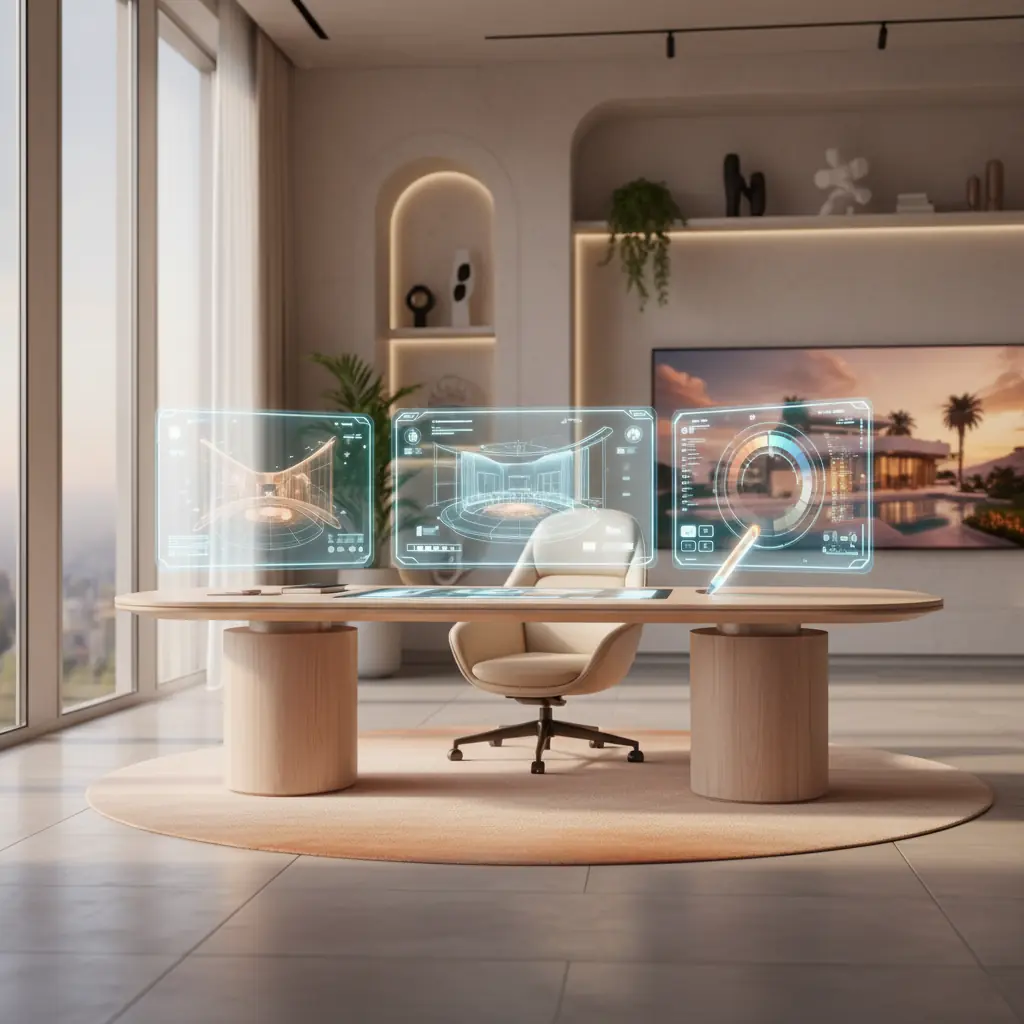
El Auge de la IA en el Diseño de Interiores: Democratizando la Transformación del Hogar
El diseño de interiores ha sido durante mucho tiempo un ámbito asociado con costos significativos, tiempo y exclusividad. El proceso tradicional de contratar a un diseñador profesional, participar en revisiones constantes de mood boards y esperar semanas por conceptos finalizados podía fácilmente acumular miles de dólares, haciendo que los servicios de diseño a medida fueran inaccesibles para muchos. Este panorama está cambiando fundamentalmente, gracias al impacto revolucionario de la inteligencia artificial.
En 2026, la IA ya no es un concepto futurista, sino una herramienta práctica y accesible que transforma la forma en que abordamos la estética y funcionalidad del hogar. Los modelos modernos de IA han evolucionado para analizar una simple fotografía de una habitación, deconstruir meticulosamente su estructura espacial —identificando paredes, ventanas, puertas e incluso dimensiones intrincadas— y posteriormente generar rediseños fotorrealistas. Estos diseños preservan impecablemente la arquitectura subyacente de tu espacio mientras que reimaginan y transforman completamente su estética, todo en una fracción del tiempo y costo tradicionales. Esto democratiza el proceso de diseño, poniendo capacidades de visualización de grado profesional en manos de propietarios, inquilinos y profesionales inmobiliarios por igual.
Más allá de los Píxeles: Cómo la IA Entiende la Arquitectura de tu Habitación
En el corazón del diseño de interiores con IA reside la sofisticada tecnología de visión por computadora e IA generativa. Cuando subes una fotografía de tu habitación a una plataforma como Habitas, el paso inicial y más crítico implica la capacidad de la IA para "entender" la imagen. No se trata solo de reconocer objetos; se trata de una profunda comprensión espacial.
La IA emplea primero algoritmos avanzados de visión por computadora para crear una segmentación semántica detallada de la imagen. Esto significa que identifica y etiqueta cada elemento distinto dentro de la habitación: los límites exactos del suelo, las paredes, el techo, las ventanas y las puertas. Puede distinguir entre características arquitectónicas fijas (como una chimenea o estanterías empotradas) y elementos móviles (como muebles, alfombras o artículos decorativos). Algunos sistemas de vanguardia incluso estiman dimensiones del mundo real y la perspectiva de la cámara, lo que permite un mapeo espacial altamente preciso. Esta comprensión fundamental de la geometría de tu habitación es primordial; asegura que cualquier rediseño posterior encajará de manera realista dentro de tu espacio existente, respetando sus proporciones y limitaciones únicas.
Este complejo análisis, que le tomaría a un diseñador humano horas medir y dibujar, es completado por la IA en cuestión de segundos. Por ejemplo, mientras que un diseñador tradicional podría tardar de 2 a 4 semanas en el desarrollo de conceptos iniciales y revisiones, las herramientas de diseño de interiores con IA pueden generar docenas de opciones de diseño personalizadas en cuestión de momentos.
El Motor Creativo: IA Generativa y Transformación de Estilo
Una vez que la IA ha mapeado la estructura de tu habitación, comienza la transformación creativa. Esta fase aprovecha potentes modelos de IA generativa, a menudo basados en arquitecturas de difusión, que han sido entrenados con vastos conjuntos de datos que comprenden millones de fotografías de interiores profesionales, planos arquitectónicos y guías de estilo. Estos conjuntos de datos abarcan un inmenso espectro de estéticas de diseño, desde el minimalista Scandinavian hasta el vibrante Bohemio, el opulento Art Deco y el sereno Japandi. Para profundizar en estéticas específicas, explora nuestra guía sobre [los mejores estilos de diseño de interiores para 2026](/blog/best-interior-design-styles-2026).
Basándose en tus preferencias de estilo seleccionadas —ya sea que ingreses palabras clave, elijas de una lista predefinida (por ejemplo, "Minimalista Moderno", "Boho Chic", "Retiro Costero") o incluso subas imágenes de inspiración— la IA se embarca en la síntesis de nuevos elementos visuales. Reemplaza inteligentemente muebles, selecciona materiales apropiados (madera, tela, metal, piedra), sugiere colores de pintura e integra accesorios complementarios. Fundamentalmente, lo hace mientras preserva la geometría y la iluminación subyacentes de tu habitación original.
El proceso generativo no se trata solo de intercambiar objetos; se trata de comprender la _esencia_ de un estilo. Si seleccionas "Japandi", la IA recurrirá a su entrenamiento para proponer líneas limpias, texturas naturales como madera clara y lino, una paleta de colores neutros y arreglos de mobiliario minimalistas. Esto no es un ensamblaje aleatorio; es un diseño informado y estéticamente cohesivo. El resultado es una imagen fotorrealista que parece indistinguible de una fotografía profesionalmente capturada de tu habitación real, pero completamente reimaginada. Para una visión completa del realismo de estas salidas, consulta [¿Son Realistas los Diseños de Habitaciones Generados por IA?](/blog/ai-generated-room-designs-realistic).
De la Visión a la Realidad: El Plan de Ejecución Accionable
El verdadero avance en el diseño de interiores con IA moderno va mucho más allá de generar imágenes estéticamente agradables. La verdadera innovación radica en acortar la brecha entre "Me encanta este diseño" y "Realmente puedo hacerlo". Herramientas como Habitas no solo proporcionan renders hermosos; generan planes de ejecución detallados y accionables que empoderan a los usuarios para hacer realidad su visión.
Estos planes integrales son más que simples listas de compras. Enumeran cada cambio propuesto: piezas de mobiliario específicas a adquirir (a menudo con enlaces directos a minoristas), códigos de color de pintura precisos a utilizar, materiales para pisos, accesorios de iluminación a instalar e incluso acentos decorativos. Cada elemento del plan viene con metadatos cruciales:
- **Niveles de Prioridad:** Diferenciando entre cambios esenciales (por ejemplo, un nuevo sofá) y mejoras opcionales (por ejemplo, cojines decorativos). - **Niveles de Dificultad:** Indicando si una tarea es adecuada para entusiastas del bricolaje o requiere ayuda profesional (por ejemplo, pintar una pared vs. un trabajo eléctrico complejo). - **Alternativas de Presupuesto:** Ofreciendo sugerencias escalonadas para productos, asegurando que el diseño sea alcanzable en diversas limitaciones financieras. Por ejemplo, un sofá de alta gama podría tener una alternativa de gama media y económica listada. - **Guías de Instalación:** A veces incluyendo enlaces a tutoriales o guías para tareas más complejas. - **Recomendaciones de Distribución:** Proporcionando la ubicación óptima para muebles y decoración, a menudo con diagramas. Para asistencia avanzada en la distribución, explora nuestra [herramienta de organización de muebles con IA](/blog/ai-furniture-arrangement-tool).
Este nivel de detalle transforma una hermosa imagen en una hoja de ruta de proyecto tangible. Puedes entregar este PDF con confianza a un contratista, sabiendo exactamente qué debe hacerse, o abordar la renovación tú mismo, habitación por habitación, con una guía clara paso a paso. Esto reduce drásticamente las conjeturas y la fatiga por decisiones que a menudo acompañan a las renovaciones del hogar. Al considerar el [costo del diseño de interiores con IA vs. contratar a un diseñador tradicional](/blog/ai-interior-design-vs-hiring-cost), los ahorros en tiempo y posibles tarifas de gestión de proyectos se hacen evidentes.
Qué Esperar de los Diseños Generados por IA: Fortalezas y Limitaciones
Los diseños de IA son notablemente precisos para fines de visualización. Sobresalen en preservar la estructura existente de tu habitación, manteniendo proporciones realistas y aplicando muebles, colores y materiales apropiados al estilo de manera impecable. El fotorrealismo logrado es a menudo impresionante, permitiéndote "ver" realmente tu espacio transformado antes de asumir cualquier compromiso financiero. Esta capacidad es invaluable para visualizar cambios significativos como una [renovación de baño](/blog/bathroom-remodel-ideas) o una remodelación completa de sala de estar.
Sin embargo, es crucial entender que si bien la IA sobresale en la visualización, estos diseños no son planos arquitectónicos. Normalmente no tienen en cuenta problemas estructurales ocultos, ubicaciones específicas de tomas de corriente más allá de la colocación general, o requisitos complejos de fontanería. Son herramientas conceptuales potentes, una "estrella polar" para tu viaje de renovación.
El mejor enfoque es aprovechar los diseños de IA como una visión fundamental, y luego combinarlos con la experiencia práctica de contratistas o la investigación de productos específicos. El plan de ejecución proporcionado por plataformas como Habitas está diseñado para acortar esta brecha, ofreciendo pasos accionables. Usa la IA para explorar infinitas posibilidades de [esquemas de color para salas de estar](/blog/color-schemes-for-living-rooms) o distribuciones de muebles innovadoras, luego utiliza los enlaces de productos y la guía proporcionados para llevar esos elementos a tu espacio real. Este enfoque sinérgico maximiza los beneficios de la IA al mismo tiempo que reconoce la necesidad de la experiencia humana para la ejecución física.
¿Quién se Beneficia Más del Diseño de Interiores con IA?
La accesibilidad y el poder del diseño de interiores con IA lo convierten en una herramienta indispensable para una amplia gama de usuarios:
- **Propietarios e Inquilinos:** ¿Cansados de espacios anticuados pero inseguros de por dónde empezar? La IA ofrece inspiración infinita sin el compromiso ni el costo de los diseñadores tradicionales. Es perfecta para visualizar un [rediseño de dormitorio](/blog/bedroom-redesign-cost-breakdown) o encontrar soluciones para [formas de habitación incómodas](/blog/awkward-room-shape-solutions). - **Agentes Inmobiliarios:** El home staging impacta significativamente la comercialización de una propiedad. Las estadísticas muestran que las casas con home staging profesional se venden un 25% más rápido en promedio. La IA permite a los agentes escenificar virtualmente propiedades vacías o refrescar las ocupadas, ayudando a los compradores potenciales a visualizar todo el potencial de la casa, a menudo a una fracción del costo del home staging físico. - **Contratistas y Remodeladores:** Los visuales generados por IA proporcionan una comunicación clara entre contratistas y clientes. Mostrar a un cliente exactamente cómo se verá su cocina o baño remodelado reduce los malentendidos y asegura la alineación en el resultado final. Una renovación de baño de gama media puede costar entre $10,000 y $25,000, haciendo que una visualización clara sea crucial para gestionar las expectativas. - **Entusiastas y Estudiantes del Diseño de Interiores:** Una fantástica herramienta de aprendizaje para experimentar con diferentes estilos, paletas de colores y arreglos de muebles sin limitaciones físicas ni gastos. - **Minoristas de Muebles y Decoración:** Pueden integrar herramientas de IA para permitir a los clientes colocar virtualmente productos en sus hogares, mejorando significativamente la experiencia de compra en línea y reduciendo las devoluciones.
Más Allá de la Estética: IA para Espacios Habitables Optimizados
El diseño de interiores con IA está evolucionando más allá del mero atractivo visual, comenzando a incorporar principios de funcionalidad, accesibilidad e incluso sostenibilidad en sus recomendaciones.
- **Distribuciones Optimizadas:** Los modelos avanzados de IA pueden analizar las dimensiones de la habitación y sugerir arreglos de muebles que maximicen el flujo, creen zonas distintas y mejoren la usabilidad. Esto es particularmente útil para áreas de estar de planta abierta o apartamentos más pequeños donde la optimización del espacio es crítica. - **Ergonomía y Accesibilidad:** Las futuras iteraciones de la IA probablemente ofrecerán recomendaciones para elecciones de muebles ergonómicos o distribuciones accesibles, atendiendo a necesidades específicas como envejecer en casa o acomodar a personas con desafíos de movilidad. - **Recomendaciones de Materiales:** La IA puede sugerir materiales no solo basándose en la preferencia estética, sino también en la durabilidad, los requisitos de mantenimiento e incluso la eco-amigabilidad. Por ejemplo, podría recomendar opciones de madera sostenible o pinturas con bajo contenido de VOC (compuestos orgánicos volátiles), alineándose con el creciente deseo de [diseño biofílico](/blog/biophilic-design-guide) y entornos de vida más saludables. - **Diseño de Iluminación:** Más allá de solo sugerir accesorios, la IA podría analizar la entrada de luz natural y proponer soluciones de iluminación que mejoren el estado de ánimo, la productividad o la relajación, adaptadas a diferentes momentos del día.
Esta capa más profunda de inteligencia transforma la IA de una simple herramienta de renderizado en un asistente de diseño holístico, capaz de considerar un espectro más amplio de necesidades humanas e impactos ambientales.
El Futuro de la IA en el Diseño del Hogar: ¿Qué Sigue?
La rápida evolución de la IA promete aplicaciones aún más innovadoras en el diseño del hogar. Espera ver una integración perfecta con tecnologías de realidad aumentada (RA) y realidad virtual (RV). Imagina caminar por tu habitación diseñada con IA con un visor de RV, experimentando la escala y el ambiente antes de mover un solo mueble. O usar una aplicación de RA en tu teléfono para ver un nuevo sofá o color de pintura superpuesto perfectamente en tu habitación existente en tiempo real.
Desarrollos futuros probablemente incluirán una personalización más sofisticada, donde la IA aprenda tus gustos cambiantes y sugiera diseños que anticipen tus preferencias, en lugar de solo reaccionar a entradas explícitas. La conectividad con sistemas de hogar inteligente también podría convertirse en estándar, permitiendo que la IA recomiende distribuciones y productos que se integren sin problemas con tu iluminación inteligente, control de temperatura y sistemas de entretenimiento. El objetivo es crear no solo espacios hermosos, sino entornos de vida inteligentemente diseñados, receptivos y profundamente personalizados.
Conclusión: Potenciando tu Viaje de Diseño
El diseño de interiores con IA está revolucionando la transformación del hogar al hacer que la visualización de grado profesional y la planificación accionable sean accesibles para todos. Al aprovechar el poder de la visión por computadora avanzada y la IA generativa, plataformas como Habitas te empoderan para explorar innumerables posibilidades de diseño, de forma rápida y asequible. Si bien la IA proporciona una visión increíble y una hoja de ruta detallada, recuerda combinarla con tu propio discernimiento y, cuando sea necesario, la experiencia de profesionales para la ejecución física. Abraza esta tecnología para liberar todo el potencial de tu hogar, transformando la inspiración en una realidad tangible y deslumbrante.
Preguntas Frecuentes
### ¿Qué tan precisas son las herramientas de diseño de interiores con IA?
Las herramientas de diseño de interiores con IA son notablemente precisas para fines de visualización. Sobresalen en mapear la estructura existente de tu habitación, manteniendo proporciones realistas y aplicando nuevos elementos de diseño (muebles, colores, materiales) de manera fotorrealista. Esto te permite ver exactamente cómo se vería una habitación transformada. Sin embargo, son herramientas de visualización, no planos arquitectónicos, por lo que, si bien proporcionan un excelente marco conceptual, es posible que no tengan en cuenta detalles estructurales intrincados, la colocación precisa de tomas de corriente o las especificidades de fontanería requeridas para la construcción.
### ¿Puede la IA reemplazar a un diseñador de interiores humano?
Aunque la IA democratiza significativamente el diseño y proporciona potentes herramientas de visualización, es poco probable que reemplace por completo a los diseñadores de interiores humanos en un futuro cercano. La IA sobresale en la generación de ideas, la visualización de conceptos y la provisión de planes de ejecución. Sin embargo, los diseñadores humanos aportan una empatía invaluable, una comprensión matizada de las necesidades del estilo de vida, la resolución de problemas para desafíos arquitectónicos complejos y la capacidad de obtener piezas únicas y personalizadas. La IA puede ser un asistente altamente efectivo para los diseñadores, acelerando el trabajo preliminar y la comunicación con el cliente, pero los aspectos personalizados, creativos y de resolución de problemas de los diseñadores humanos siguen siendo distintivos.
### ¿Qué tipo de estilos puede generar el diseño de interiores con IA?
Las plataformas de diseño de interiores con IA pueden generar una vasta gama de estilos de diseño de interiores. Su entrenamiento con millones de imágenes diversas les permite comprender y replicar estéticas como Scandinavian, Japandi, Minimalista Moderno, Bohemio, Industrial, Costero, Moderno de Mediados de Siglo, Art Deco, Tradicional, Ecléctico y muchos más. Los usuarios a menudo pueden seleccionar entre categorías de estilo predefinidas, ingresar palabras clave descriptivas o incluso subir imágenes de inspiración para guiar a la IA en la creación de diseños personalizados.
### ¿Es el diseño de interiores con IA de uso gratuito?
Muchas plataformas de diseño de interiores con IA ofrecen un modelo freemium, proporcionando algunas características básicas o un número limitado de diseños de forma gratuita. Esto permite a los usuarios probar las capacidades y familiarizarse con la herramienta. Sin embargo, para características más avanzadas, salidas de mayor resolución, planes de ejecución completos o generaciones de diseño ilimitadas, la mayoría de las plataformas operan bajo un modelo de suscripción o un sistema de créditos por diseño. El costo es típicamente significativamente menor que contratar a un diseñador humano tradicional, haciendo que la visualización de grado profesional sea mucho más accesible.
### ¿Cuánto tiempo tarda la IA en diseñar una habitación?
Una de las ventajas más significativas del diseño de interiores con IA es la velocidad. Después de subir una foto de una habitación y seleccionar el estilo y las preferencias deseadas, las herramientas de IA pueden generar múltiples conceptos de diseño únicos en cuestión de segundos a unos pocos minutos. Esto contrasta drásticamente con los días o incluso semanas que podría tardar un diseñador humano en desarrollar los mood boards iniciales y las representaciones 3D, haciendo de la IA una solución increíblemente eficiente para la visualización y la iteración rápidas.