Diseño Airbnb de 5 Estrellas: Domina la Satisfacción del Huésped y Aumenta las Reservas
Qué es lo que realmente importa en el diseño de un Airbnb —desde la calidad de la cama hasta los rincones instagrameables— basado en el comportamiento de los huéspedes y los datos de los Superhosts.
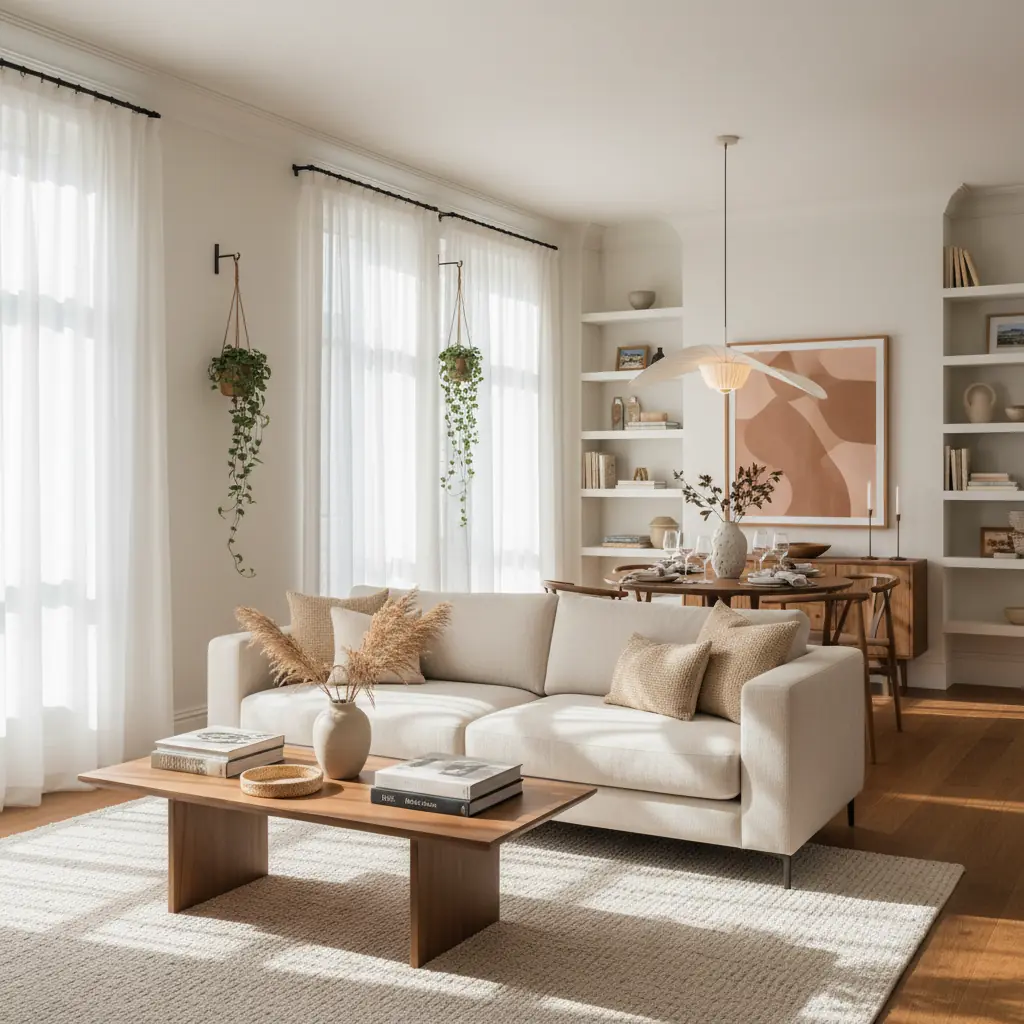
Lo que a los Huéspedes _Realmente_ le Importa: Más Allá de la Estética
Al diseñar un Airbnb o un alquiler a corto plazo, es tentador dejarse llevar por estéticas de moda y detalles decorativos. Sin embargo, años de datos de Superhosts y comentarios de huéspedes resaltan constantemente una jerarquía de prioridades diferente. Los huéspedes buscan una estadía cómoda, funcional y sin complicaciones. El atractivo estético es un extra, pero nunca un sustituto de la comodidad fundamental.
**Los 5 Principales Factores de Satisfacción del Huésped (en orden de importancia):**
1. **Comodidad de la Cama:** Esto es innegociable. Una cama realmente cómoda puede elevar por sí sola toda la experiencia del huésped. Los huéspedes a menudo pasan un tercio de su tiempo en su alquiler en la cama; una mala experiencia de sueño casi siempre resultará en una calificación más baja, sin importar lo elegante que sea la sala de estar. - **Consejo Práctico:** Invierte en un colchón de alta calidad. Aunque una marca de lujo no siempre es necesaria, evita las opciones más baratas. Un colchón de espuma viscoelástica (memory foam) de gama media o un colchón híbrido bien valorado (por ejemplo, de Casper, Tuft & Needle, o incluso buenas opciones de Zinus para anfitriones con presupuesto ajustado) es una elección inteligente. Ofrece una variedad de almohadas – al menos dos por huésped (una suave, una firme) – para satisfacer diferentes preferencias de sueño. Las sábanas de algodón de alto número de hilos (300-600 TC) se sienten lujosas sin desequilibrar el presupuesto. Finalmente, las cortinas blackout son esenciales para promover un sueño reparador, especialmente para viajeros que se adaptan a nuevas zonas horarias. Considera tratamientos de ventana en capas para mayor flexibilidad: cortinas translúcidas para privacidad diurna y cortinas blackout para la noche.
2. **Presión y Temperatura del Agua de la Ducha:** Una ducha fuerte y constante con abundante agua caliente es un lujo simple que marca una gran diferencia. La baja presión o el agotamiento rápido del agua caliente son quejas comunes. - **Consejo Práctico:** Revisa tu alcachofa de ducha. A veces, un reemplazo simple y económico por una alcachofa de bajo flujo puede mejorar significativamente la presión. Asegúrate de que la capacidad de tu calentador de agua sea suficiente para el número de huéspedes que aloja tu alquiler, especialmente si tienes varios baños. Un tanque de 40 galones suele ser adecuado para un alquiler de 1-2 personas, pero un calentador de 50 galones o sin tanque podría ser necesario para propiedades más grandes.
3. **Calidad y Versatilidad de la Iluminación:** La buena iluminación a menudo se pasa por alto, pero impacta profundamente el ambiente y la funcionalidad de un espacio. Los huéspedes necesitan luz brillante y clara para tareas como cocinar, leer o trabajar, pero también luz ambiental más suave para la relajación. - **Consejo Práctico:** Implementa un esquema de iluminación por capas. - **Ambiental:** Luces de techo (iluminación empotrada, accesorios de techo elegantes) para iluminación general. Usa reguladores (dimmers) para ajustar el brillo. - **Funcional:** Iluminación debajo de los gabinetes en la cocina, lámparas de noche con puertos USB, lámparas de pie en los rincones de lectura. Busca lúmenes adecuados para actividades específicas. Por ejemplo, la iluminación funcional de la cocina debe ser de alrededor de 500-1000 lux. - **Acento:** Apliques de pared, luces para cuadros o tiras de LED para resaltar características arquitectónicas o obras de arte, añadiendo profundidad y calidez. - Asegúrate de que todas las bombillas tengan una temperatura de color consistente (por ejemplo, blanco cálido 2700K-3000K para salas de estar, blanco más frío 3500K-4000K para áreas de trabajo como cocinas y baños).
4. **Limpieza Impecable:** Esto es fundamental. Incluso el espacio más bellamente diseñado quedará corto si no está impecable. El polvo, la suciedad o los olores persistentes son motivos de descontento instantáneos. - **Consejo Práctico:** Implementa una lista de verificación de limpieza rigurosa y considera servicios de limpieza profesionales. Presta especial atención a los baños (lechada, alcachofas de ducha, espejos) y cocinas (electrodomésticos, encimeras, fregaderos). Ofrece toques adicionales como ropa de cama con aroma fresco y limpieza profesional de pisos.
5. **Funcionalidad y Surtido de la Cocina:** Una cocina bien equipada permite a los huéspedes sentirse como en casa, ahorrar dinero en salir a comer y disfrutar cocinando. - **Consejo Práctico:** Ve más allá de lo básico. Equipa con utensilios de cocina de calidad, cuchillos afilados, una buena cafetera (y opciones de café/té locales), especias esenciales y aceites básicos para cocinar. Amplio espacio en el mostrador y una distribución funcional son clave. No solo proporciones platos; piensa en copas de vino, tazas, platos para servir y recipientes de almacenamiento. Los estudios muestran que el **78% de los huéspedes de alquileres vacacionales priorizan una cocina totalmente equipada** al elegir una reserva, lo que la convierte en una inversión crítica.
Recuerda, los huéspedes pasarán por alto fácilmente muebles económicos o una decoración minimalista si estas comodidades básicas se cumplen. Invertir aproximadamente el **40% de tu presupuesto de diseño inicial** solo en la experiencia del dormitorio (colchón, ropa de cama de calidad, cortinas blackout, iluminación versátil con carga) se correlaciona directamente con calificaciones de comodidad más altas, que son cruciales para la clasificación de tu anuncio y el estatus de Superhost.
El Poder del "Rincón Instagrameable": Marketing Estratégico en Redes Sociales
Aquí hay un hallazgo contraintuitivo de Superhosts exitosos de Airbnb: no necesitas transformar todo tu alquiler en una página de revista. En su lugar, concentra tu energía creativa en crear **un solo rincón o característica verdaderamente digna de Instagram**. Esta inversión estratégica produce retornos desproporcionadamente altos a través del contenido generado por el usuario (CGU).
¿Por qué funciona esto? En la era de las redes sociales, a los viajeros les encanta compartir sus experiencias. Un lugar único y fotogénico dentro de tu alquiler se convierte en un telón de fondo natural para las fotos de los huéspedes, que luego comparten en plataformas como Instagram, TikTok y Facebook. Esta difusión orgánica actúa como marketing gratuito y auténtico para tu anuncio, llegando a nuevas audiencias de manera mucho más efectiva de lo que a menudo puede hacerlo la publicidad pagada. Se estima que el **CGU es 2.4 veces más influyente que el contenido creado por la marca** en las decisiones de compra, lo que destaca su inmenso valor.
**Cómo Crear tu Rincón Instagrameable Característico:**
1. **Identifica Puntos Potenciales:** Busca áreas con buena luz natural, una vista por la ventana o una pared en blanco que pueda albergar un punto focal. Los puntos exitosos comunes incluyen: - **Un Rincón de Lectura:** Un sillón cómodo, una lámpara de pie única, una pequeña mesa auxiliar y una pila de libros interesantes junto a una ventana. - **Pared de Acento:** Un papel tapiz audaz, un color de pintura único o una gran obra de arte detrás de la cama o en la sala de estar. - **Baño Impactante:** Una ducha bellamente embaldosada, un tocador vintage o un espejo único. - **Oasis al Aire Libre:** Un patio, balcón o área de jardín con luces de guirnalda, asientos cómodos y plantas atractivas. - **Muro Galería:** Una colección curada de arte local, impresiones abstractas o fotos de viajes enmarcadas.
2. **Estudia a tu Competencia:** Revisa los anuncios de Airbnb de alto rendimiento en tu área. Presta mucha atención a las reseñas de los huéspedes; específicamente, observa las fotos que han compartido. ¿Con qué elementos interactúan? ¿Qué vistas capturan? Esto te dará pistas sobre lo que resuena localmente.
3. **Invierte con Inteligencia, No con Extravagancia:** Tu rincón instagrameable no requiere un presupuesto masivo. A menudo, se trata de una curaduría cuidadosa y toques únicos. - Un espejo grande y protagonista (a menudo se encuentra asequible en IKEA o de segunda mano) puede reflejar la luz y añadir dramatismo. - Un tapiz de macramé de $30-$50 o una pieza de arte abstracto única. - Un letrero de neón personalizado de $50-$100 con una frase divertida o el nombre de tu alquiler. - Una colección de plantas vibrantes y saludables en macetas elegantes. - Una pieza de mobiliario única, como un aparador de estilo moderno de mediados de siglo o un carrito de bar vintage, adornado con accesorios interesantes.
4. **La Clave es el Contraste:** Los rincones instagrameables más efectivos se destacan sobre un telón de fondo relativamente simple y limpio. No satures todo el espacio con demasiados elementos que compitan. Un punto focal fuerte atrae la vista y permite una fotografía más atractiva. Herramientas como Habitas pueden ayudarte a visualizar cómo se verían diferentes elementos decorativos o paredes de acento en tu espacio real, asegurando que el rincón elegido realmente resalte antes de realizar cualquier compra. Considera cómo una pieza específica, como una silla distintiva o una obra de arte audaz, podría anclar el espacio, y experimenta con la ubicación utilizando la [herramienta de disposición de muebles con IA](/blog/ai-furniture-arrangement-tool) de Habitas.
Estrategia de Color y Durabilidad de Materiales: Diseñando para la Longevidad y el Atractivo
Diseñar para un alquiler a corto plazo es un acto de equilibrio: necesitas un espacio que se vea acogedor y elegante, pero también uno que pueda soportar la rotación constante, los derrames y el desgaste. Esto significa tomar decisiones estratégicas tanto en tu paleta de colores como en la selección de materiales.
### Eligiendo tu Paleta de Colores para Alquileres
Una paleta de base neutra es casi siempre la opción más segura y efectiva para propiedades de alquiler.
- **¿Por qué los Neutros?** Los blancos cálidos, grises claros, beiges suaves y taupes apagados proporcionan un telón de fondo limpio y relajante que atrae a la más amplia gama de huéspedes. También hacen que los espacios se sientan más grandes y luminosos. Fundamentalmente, los neutros sirven como un lienzo versátil, permitiéndote actualizar fácilmente el aspecto con colores de acento y decoración intercambiables sin necesidad de una repintada completa. - **Añadiendo Personalidad con un Color de Acento:** Una vez establecida tu base neutra, introduce personalidad a través de un único y consistente color de acento. Este tono elegido debe aparecer en dosis pequeñas y deliberadas en todo el espacio, quizás en cojines decorativos, una obra de arte, un jarrón decorativo o una silla única. - **Ejemplos de Colores de Acento Efectivos:** _ **Teal Profundo o Azul Marino:** Sofisticado y relajante, combina bien con tonos de madera cálidos y acentos de latón. _ **Terracota Cálida u Óxido:** Terroso y acogedor, excelente para añadir calidez, especialmente en propiedades con temática desértica o del suroeste. _ **Verde Salvia u Olivo:** Orgánico y sereno, ideal para diseños biofílicos o propiedades cerca de la naturaleza. _ **Amarillo Mostaza o Naranja Quemado:** Añade un toque de energía alegre sin ser abrumador. La consistencia de un solo color de acento crea una sensación cohesiva y cuidadosamente diseñada, incluso si las piezas individuales son económicas.
### Priorizando Materiales Duraderos: La Jerarquía para Propiedades de Alquiler
Para los materiales, el orden de prioridad debe ser: fácil de limpiar > resistente a manchas > resistente a arañazos > reemplazable. Estas elecciones minimizan el tiempo de limpieza, reducen los costos de reemplazo y mantienen el atractivo estético con el tiempo.
1. **Pisos: El Vinil de Lujo (LVP) es tu Mejor Aliado.** - Mientras que la madera dura ofrece una calidez y un atractivo innegables, se raya fácilmente, es susceptible a daños por agua y requiere un pulido profesional periódicamente. - El LVP, por otro lado, está diseñado para espacios comerciales de alto tráfico. Es prácticamente impermeable, altamente resistente a los arañazos, fácil de limpiar con solo un trapeador húmedo y está disponible en innumerables estilos que imitan la madera dura, el azulejo y la piedra de manera tan realista que los huéspedes a menudo no pueden notar la diferencia en las fotos. La vida útil promedio de un LVP de calidad en un entorno de alquiler puede ser de **15 a 25 años**, superando significativamente a la madera dura tradicional en durabilidad y mantenimiento.
2. **Tapicería: Adopta las Telas de Alto Rendimiento.** - Olvídate del lino delicado o del algodón que se mancha fácilmente. Las telas de alto rendimiento como Crypton, Sunbrella, Olefin o las mezclas de poliéster están específicamente diseñadas para la durabilidad y la resistencia a las manchas. - Estas telas repelen líquidos, resisten la decoloración y son increíblemente fáciles de limpiar, a menudo requiriendo solo un paño húmedo. Las telas modernas de alto rendimiento están lejos de ser los materiales rígidos y ásperos del pasado; son suaves, lujosas y vienen en una vasta gama de texturas y colores, lo que las hace prácticamente indistinguibles de las telas regulares en apariencia y comodidad. Por ejemplo, un sofá de tela de alto rendimiento de calidad puede aumentar la vida útil de tus asientos **hasta en un 300%** en comparación con la tapicería estándar en un alquiler de alto tráfico.
3. **Encimeras: Cuarzo sobre Piedra Natural.** - El mármol y el granito son innegablemente hermosos, pero son porosos y susceptibles a grabados, manchas (de vino, café, cítricos) y astillas, especialmente en un alquiler donde los huéspedes pueden no ser tan cuidadosos como los propietarios. - Las encimeras de cuarzo ofrecen un rendimiento superior. Compuestas de cuarzo natural y resinas, son no porosas, altamente resistentes a arañazos, manchas y calor. Tampoco requieren sellado y son increíblemente fáciles de mantener. En términos de estética, los diseños modernos de cuarzo pueden imitar perfectamente las vetas y patrones del mármol natural o el aspecto moteado del granito, proporcionando un atractivo de lujo con una durabilidad inigualable.
### El Dilema del Blanco: El Blanco Roto es tu Aliado
Si bien una estética completamente blanca puede sentirse limpia y minimalista, es una pesadilla para la limpieza y la longevidad en un alquiler, particularmente para los artículos con los que los huéspedes interactúan con frecuencia.
- **Evita:** Sofás blancos, alfombras blancas y ropa de cama blanca pura para artículos de alto uso. Estos muestran cada mota de suciedad, cada derrame y cada marca de roce, lo que lleva a limpiezas frecuentes, altos costos de reemplazo y una apariencia perpetuamente "menos que limpia". - **Adopta el Blanco Roto y el Crema:** Estos tonos ofrecen el mismo efecto visual brillante y aireado que el blanco puro, pero con una ocultación de manchas dramáticamente mejor y una mayor indulgencia en general. - **Para la ropa de cama:** Opta por blancos en capas – una funda de edredón blanco roto y duradera combinada con sábanas blancas puras (que son más fáciles de blanquear si es necesario). Incorpora cojines decorativos y mantas estampadas o de color para añadir interés visual y ocultar pequeñas imperfecciones. - **Para las alfombras:** Elige alfombras con patrones sutiles o texturas moteadas en blanco roto, gris claro o beige. Estas disimulan la suciedad y el desgaste mucho mejor que el blanco sólido. - **Para los sofás:** Si debes tener un sofá de color claro, elige una tela de alto rendimiento en blanco roto o gris claro con una ligera textura.
Estas estrategias de materiales y colores pueden no ser los aspectos más glamorosos del diseño de interiores, pero son cruciales para la rentabilidad y sostenibilidad a largo plazo de tu negocio de Airbnb. Para obtener más información sobre cómo crear espacios acogedores pero duraderos, explora nuestra guía sobre [ideas para una habitación blanca](/blog/all-white-room-design-tips) que equilibra la estética con la practicidad.
Asignación Inteligente del Presupuesto por Habitación: Maximizando el ROI en el Diseño de tu Alquiler
Un error común para los nuevos anfitriones de Airbnb es la mala asignación de su presupuesto de diseño, a menudo gastando de más en tendencias pasajeras y de menos en elementos fundamentales. Para un Airbnb típico de una habitación, un presupuesto de diseño total realista generalmente oscila entre **$3,000 y $7,000**, dependiendo de si estás amueblando un espacio completamente vacío o renovando uno existente. Aquí hay un desglose estratégico para maximizar tu retorno de inversión:
### Desglose Recomendado de Asignación de Presupuesto:
- **Dormitorio (35%):** - **Colchón y Base:** Esta es tu inversión principal. Un colchón de tamaño queen o king de alta calidad (aprox. $500-$1000) y una base de cama resistente son innegociables. - **Ropa de Cama:** Sábanas de calidad, almohadas (¡recuerda dos tipos por huésped!), funda de edredón y una manta (aprox. $200-$400). - **Mesas de Noche e Iluminación:** Mesas de noche funcionales con capacidades de carga y buenas lámparas de noche ($150-$300). - **Cortinas Blackout y Barras:** ($100-$250). - **Almacenamiento en Armario:** Ganchos, un maletero y quizás una pequeña cómoda ($50-$150).
- **Sala de Estar (25%):** - **Sofá/Asientos:** Un sofá o seccional cómodo y duradero (¡la tela de alto rendimiento es clave!) que acomode a tu capacidad máxima de huéspedes ($500-$1200). - **Mesa de Centro y Mesas Auxiliares:** Piezas funcionales que complementen el sofá ($100-$300). - **Smart TV:** Un Smart TV de buen tamaño con capacidades de streaming ($200-$400). - **Alfombra de Área:** Define el espacio y añade comodidad ($100-$300, elige una duradera/estampada). - **Sillón de Acento/Puf:** Si el espacio lo permite, para asientos adicionales ($100-$250). - **Decoración:** Piezas mínimas y curadas como arte, una planta o algunos libros ($50-$150).
- **Cocina y Comedor (20%):** - **Juego de Comedor:** Mesa y sillas para sentar a tu capacidad máxima de huéspedes ($200-$600). - **Pequeños Electrodomésticos:** Cafetera de calidad, tostadora, microondas, tetera ($150-$300). - **Utensilios de Cocina:** Juego completo de ollas, sartenes, cuchillos afilados, herramientas de cocina ($200-$400). - **Vajilla y Cristalería:** Suficientes juegos para el máximo de huéspedes más algunos extras ($100-$250). - **Surtido Básico:** Especias, aceites, café, té ($50-$100, reabastecimiento regular). - **Almacenamiento:** Organización de despensa, recipientes para guardar alimentos ($50-$100).
- **Baño y Áreas Comunes (20%):** - **Artículos Esenciales de Baño:** Cortina de ducha de calidad, alfombras de baño, buenas toallas (2-3 juegos por huésped), dispensador de artículos de tocador ($150-$300 por baño). - **Espejos:** Espejo de cuerpo entero en un dormitorio o pasillo, espejo de baño de calidad ($50-$200). - **Entrada:** Ganchos para abrigos, zapatero, pequeña consola ($50-$150). - **Lavandería (si aplica):** Lavadora/secadora, detergente para ropa ($50-$100). - **Artículos de Limpieza:** Para uso de huéspedes y limpieza ($50-$100). - **Varios:** Router WiFi, detectores de humo/CO, botiquín de primeros auxilios, guías locales ($100-$200).
El mayor error que cometen los nuevos anfitriones es gastar de más en artículos puramente decorativos mientras gastan de menos en elementos funcionales que impactan directamente la comodidad y satisfacción del huésped. Una colección de $200 en libros para la mesa de centro puede verse muy bien en las fotos, pero no contribuye en nada a la capacidad de un huésped para dormir bien o cocinar una comida. Esos mismos $200, si se reasignan a una cafetera de primera calidad, un juego de cuchillos de cocina afilados y toallas de baño de felpa, elevarán significativamente la experiencia del huésped y se traducirán directamente en esas codiciadas calificaciones de 5 estrellas por "valor" y "amenidades". Para un desglose más detallado de los costos de diseño de dormitorios, consulta nuestra guía sobre el [costo de rediseño de un dormitorio](/blog/bedroom-redesign-cost-breakdown).
Diseño para la Eficiencia: Reduciendo el Tiempo de Limpieza y los Costos de Rotación
En el mundo de alto riesgo de los alquileres a corto plazo, la eficiencia es primordial. Cada decisión de diseño debe pasar la "prueba de rotación": ¿puede tu equipo de limpieza dejar esta habitación en perfectas condiciones en menos de 15 minutos? Los Superhosts entienden que minimizar el tiempo de limpieza impacta directamente la rentabilidad, permitiendo ventanas de reserva más ajustadas y menores costos laborales. Los estudios muestran que los procesos de rotación eficientes pueden ahorrar a los anfitriones **hasta un 15-20% en gastos anuales de limpieza** mientras mantienen altas tasas de ocupación.
### Principios Clave de Diseño para Rotaciones Más Rápidas:
1. **Simplifica la Ropa de Cama:** - **Fundas Nórdicas, No Sábanas Superiores:** En lugar de una sábana superior tradicional, usa un edredón con una funda lavable. Esto acelera significativamente la preparación de la cama; los limpiadores solo necesitan quitar y reemplazar dos artículos principales (funda de edredón y sábana bajera) en lugar de tres o cuatro. - **Limita los Cojines Decorativos:** Si bien son estéticamente agradables, cada cojín decorativo necesita ser retirado, ahuecado y reemplazado estratégicamente. Limita las camas a uno o dos cojines decorativos por lado de huésped, o mejor aún, opta solo por las almohadas para dormir con fundas elegantes. - **Ropa de Cama Neutra y de Fácil Cuidado:** Como se mencionó, los blancos rotos, grises o patrones sutiles son más indulgentes que el blanco puro, requiriendo un tratamiento de manchas menos intensivo.
2. **Elige Almacenamiento Cerrado en Lugar de Estantes Abiertos:** - Los estantes abiertos (por ejemplo, en cocinas o salas de estar) acumulan polvo rápidamente y requieren un estilismo cuidadoso y el desempolvado de cada artículo individual durante cada rotación. - Opta por gabinetes cerrados, cajones y consolas. Estos proporcionan un aspecto limpio y despejado, son más fáciles de limpiar y evitan la acumulación de polvo en los artículos almacenados. Los huéspedes también pueden guardar sus pertenencias personales más fácilmente.
3. **Selecciona Azulejos de Gran Formato con Mínima Boquilla:** - En baños y cocinas, las líneas de boquilla son conocidas por acumular suciedad, moho y manchas. Los azulejos de mosaico intrincados con muchas líneas de boquilla son hermosos pero una pesadilla para limpiar. - Elige azulejos de gran formato (por ejemplo, 24x24 pulgadas o más grandes) para pisos y paredes de ducha. Esto reduce significativamente la cantidad de boquilla a limpiar, haciendo que los pisos y las paredes sean más rápidos de desinfectar. Utiliza un color de boquilla más oscuro o resistente a las manchas si es posible. Para más información sobre renovaciones de baños, consulta nuestras [ideas para remodelar un baño](/blog/bathroom-remodel-ideas).
4. **Prioriza Superficies Fáciles de Limpiar:** - **Materiales de los Muebles:** Elige muebles con superficies lisas y no porosas. Los acabados de madera, metal, vidrio o laminados son más rápidos de limpiar que las piezas texturizadas o cubiertas de tela. - **Tapicería:** Una vez más, las telas de alto rendimiento son tu mejor aliado. Los derrames se pueden limpiar rápidamente, evitando manchas profundas que requieren una limpieza exhaustiva. - **Acabados de Paredes:** Un acabado de pintura mate lavable o cáscara de huevo es preferible a la pintura mate, que muestra marcas y roces más fácilmente. Considera una pintura lavable en áreas de alto tráfico.
5. **Minimiza el Desorden y los Artículos Decorativos:** - Cada artículo en tu alquiler es un artículo que necesita ser desempolvado, limpiado o movido durante la limpieza. - Adopta una filosofía de "menos es más". Selecciona algunas piezas decorativas impactantes en lugar de muchas pequeñas baratijas. Asegúrate de que estas piezas sean fáciles de manejar y limpiar. Por ejemplo, un solo jarrón grande con flores artificiales es más fácil de manejar que un estante lleno de pequeñas y complejas figuras.
Al integrar estos principios de diseño, no solo estás creando un espacio atractivo; estás construyendo una operación altamente eficiente que ahorra tiempo, reduce costos y ayuda a mantener esas cruciales calificaciones de limpieza de 5 estrellas.
Errores Comunes de Diseño de Airbnb a Evitar a Toda Costa
Incluso los anfitriones experimentados pueden caer en errores de diseño comunes que disminuyen la experiencia del huésped y afectan las calificaciones. Evitar estos escollos es tan importante como implementar las mejores prácticas.
1. **Tematizar Excesivamente tu Espacio:** - **El Error:** Este es quizás el error de diseño más común. Una casa de playa no necesita conchas marinas en cada superficie, almohadas con estampado de anclas, letreros que digan "La vida es mejor en la playa" y decoración de cuerda náutica. Un loft urbano no necesita engranajes industriales excesivos y tuberías expuestas. La tematización excesiva se siente cursi, poco auténtica y limita tu atractivo a una audiencia más amplia. - **La Solución:** Adopta la sutileza. Uno o dos guiños cuidadosamente elegidos a la ubicación o la cultura local son suficientes. Esto podría ser una pieza de arte local, materiales naturales que reflejen el entorno (por ejemplo, madera a la deriva para una casa costera, piedra para un refugio de montaña) o una selección curada de guías que destaquen los favoritos locales. Deja que la ubicación inspire, no dicte, cada elección de diseño. Por ejemplo, para un ambiente costero, concéntrate en una paleta de colores serena y texturas naturales, como se explora en nuestras [ideas para salas de estar costeras](/blog/coastal-living-room-ideas).
2. **Iluminación Insuficiente (Especialmente Iluminación Funcional):** - **El Error:** Muchos anfitriones priorizan la iluminación ambiental, pero descuidan la iluminación funcional. Los huéspedes necesitan luz brillante y clara para tareas específicas como cocinar, leer, maquillarse o trabajar en una computadora portátil. Una cocina con poca luz o una mesita de noche sin lámpara de lectura pueden ser increíblemente frustrantes. - **La Solución:** Implementa una estrategia de iluminación por capas en cada habitación. Asegúrate de que haya suficiente luz ambiental superior, pero, fundamentalmente, añade iluminación funcional donde sea necesaria: iluminación bajo los gabinetes en la cocina, lámparas de pie o de escritorio en las áreas de asientos y espacios de trabajo, y luces de tocador fuertes y claras en los baños. Los reguladores (dimmers) también son esenciales para permitir que los huéspedes ajusten el ambiente.
3. **No Tener un Espejo de Cuerpo Entero:** - **El Error:** Esto parece menor, pero los huéspedes que se visten para salir (lo cual es común durante los viajes) notarán y apreciarán absolutamente un espejo de cuerpo entero. No tener uno es una pequeña inconveniencia que se suma. - **La Solución:** Coloca al menos un espejo de cuerpo entero en un lugar conveniente, típicamente un dormitorio o un pasillo cerca de un dormitorio. Es una amenidad de bajo costo y alto impacto.
4. **Mala Ubicación y Velocidad del WiFi:** - **El Error:** En el mundo conectado de hoy, un WiFi rápido y confiable es tan esencial como el agua caliente. Colocar el router en un rincón oscuro o no probar las velocidades en todas las habitaciones puede provocar zonas muertas y huéspedes frustrados tratando de trabajar o transmitir contenido. - **La Solución:** Coloca el router WiFi en una ubicación central, idealmente sin obstáculos. Invierte en un sistema WiFi de malla para propiedades más grandes para asegurar una cobertura consistente en todo el lugar. Muestra claramente el nombre y la contraseña de la red en un lugar prominente. Crucialmente, prueba la velocidad de internet en cada habitación que usarán tus huéspedes. Cualquier cosa por debajo de **50 Mbps de velocidad de descarga** generalmente se considera inadecuada para múltiples usuarios transmitiendo y trabajando simultáneamente.
5. **Ignorar los Espacios Exteriores:** - **El Error:** Un patio, balcón o jardín descuidado es una oportunidad perdida. Los espacios exteriores, cuando están bien diseñados, añaden efectivamente otra "habitación" a tu anuncio, aumentando su valor percibido sin incrementar los metros cuadrados interiores. - **La Solución:** Trata tu área exterior como una extensión de tu diseño interior. Amuebla con asientos cómodos y resistentes a la intemperie (incluso si es solo un pequeño juego de bistró para un balcón). Añade luces de guirnalda o faroles solares acogedores para el ambiente. Considera una pequeña alfombra exterior, algunas plantas en maceta y quizás una pequeña mesa para bebidas. Un espacio exterior bien diseñado puede aumentar significativamente el atractivo y justificar una tarifa nocturna más alta.
6. **Olvidar la Accesibilidad o la Practicidad (Más Allá de la Estética):** - **El Error:** Centrarse únicamente en lo "bonito" a expensas de las necesidades prácticas del huésped. Esto podría significar enchufes de difícil acceso, ganchos insuficientes en los baños, falta de botes de basura fácilmente accesibles o muebles que son demasiado grandes o demasiado pequeños para el espacio. - **La Solución:** Piensa como un huésped que se queda unos días. Recorre tu espacio con ojo crítico: ¿Hay suficientes puntos de carga cerca de las camas y los escritorios? ¿Hay ganchos para toallas y abrigos? ¿Hay un lugar designado para el equipaje? ¿Los muebles están proporcionados correctamente para la habitación?
Recuerda, los huéspedes buscan una experiencia fluida, cómoda y funcional. Herramientas como Habitas pueden ser invaluables en el proceso de diseño, permitiéndote visualizar diferentes direcciones de diseño para tu alquiler antes de comprometerte con las compras. Esto es especialmente valioso cuando equilibras la estética con los requisitos cruciales de durabilidad y practicidad de un alquiler a corto plazo. Utilizando visualizaciones generadas por IA, puedes iterar sobre diseños y ver cómo diversas disposiciones de muebles y paletas de colores, como las creadas con un [generador de paletas de colores con IA](/blog/ai-color-palette-generator), encajarán en tu espacio sin ningún compromiso físico. Esta previsión ayuda a evitar errores costosos y garantiza que tus elecciones de diseño sean hermosas y funcionales.
---
Preguntas Frecuentes
### ¿Cuál es el presupuesto promedio para amueblar un Airbnb?
El presupuesto promedio para amueblar un Airbnb de una habitación suele oscilar entre $3,000 y $7,000, asumiendo que estás comenzando desde cero o realizando una renovación significativa. Esta cifra puede fluctuar según el tamaño de la unidad, el nivel de lujo deseado y si estás adquiriendo artículos nuevos o de segunda mano. Priorizar las inversiones en artículos esenciales para la comodidad del huésped, como colchones, ropa de cama de calidad y artículos de cocina básicos, ofrecerá el mayor retorno de inversión.
### ¿Cuáles son las características más importantes para obtener reseñas de 5 estrellas en Airbnb?
Según los datos de Superhosts, las características más importantes para obtener consistentemente reseñas de 5 estrellas son: la comodidad de la cama, una fuerte presión de agua en la ducha, iluminación de alta calidad y versátil, una limpieza impecable y una cocina totalmente funcional y bien surtida. Si bien la estética es un plus, los huéspedes priorizan estas comodidades y funcionalidades básicas por encima de los elementos decorativos.
### ¿Cómo puedo hacer que mi Airbnb se destaque con un presupuesto limitado?
Para hacer que tu Airbnb se destaque con un presupuesto limitado, concéntrate en crear un rincón o característica "digna de Instagram" en lugar de decorar todo el espacio de forma lujosa. Esto podría ser una pared de acento única, un rincón de lectura acogedor o un área exterior bellamente diseñada. Además, invierte en mejoras de alto impacto y bajo costo, como iluminación de calidad, pintura fresca, arte local y algunas plantas saludables. El uso estratégico de colores de acento y materiales duraderos también puede elevar el valor percibido.
### ¿Qué materiales son mejores para propiedades de alquiler de alto tráfico?
Para propiedades de alquiler de alto tráfico, prioriza materiales que sean fáciles de limpiar, resistentes a las manchas y a los arañazos. El Vinil de Lujo (LVP) para pisos es ideal por su durabilidad y resistencia al agua. Las telas de alto rendimiento (como Crypton, Sunbrella o mezclas de poliéster de alta calidad) son esenciales para la tapicería, resistiendo derrames y el desgaste. Para las encimeras, el cuarzo ofrece el aspecto de la piedra natural con una durabilidad superior y un mantenimiento mínimo, lo que lo convierte en una opción mucho mejor que el mármol o el granito para alquileres.
### ¿Cómo pueden las herramientas de IA ayudar con el diseño interior de mi Airbnb?
Las herramientas de diseño de interiores con IA como Habitas pueden optimizar significativamente tu proceso de diseño de Airbnb. Te permiten visualizar diferentes distribuciones, ubicaciones de muebles, esquemas de color y opciones de decoración directamente en fotos de tu espacio real antes de comprometerte con cualquier compra. Esto ayuda a tomar decisiones informadas, evitar errores costosos, optimizar la utilización del espacio y asegurar que tu diseño equilibre la estética con las necesidades funcionales y de durabilidad de un alquiler a corto plazo. Puedes experimentar rápidamente con varios estilos y ver representaciones realistas. Para una inmersión más profunda en cómo funciona esta tecnología, explora [diseño de interiores con IA: cómo funciona](/blog/ai-interior-design-how-it-works).
### ¿Debo usar un tema específico para mi Airbnb?
Si bien un tema específico puede añadir carácter, generalmente es mejor evitar tematizar excesivamente tu Airbnb. Una decoración excesivamente temática puede parecer cursi, limitar tu atractivo a una audiencia de nicho y rápidamente parecer anticuada. En su lugar, opta por un enfoque sutil donde tu diseño se inspire en el entorno o la cultura local a través de materiales naturales, una pieza de arte local curada o un color de acento consistente. Esto crea una atmósfera más sofisticada y ampliamente atractiva que resuena con una gama más amplia de huéspedes.