Refugios Análogos: Diseña Tu Espacio Libre de Tecnología para Concentración y Calma
Escapa de la sobrecarga digital con un espacio análogo. Descubre cómo diseñar una habitación libre de tecnología para leer, escuchar música, meditar y conectar genuinamente. Encuentra tu calma.
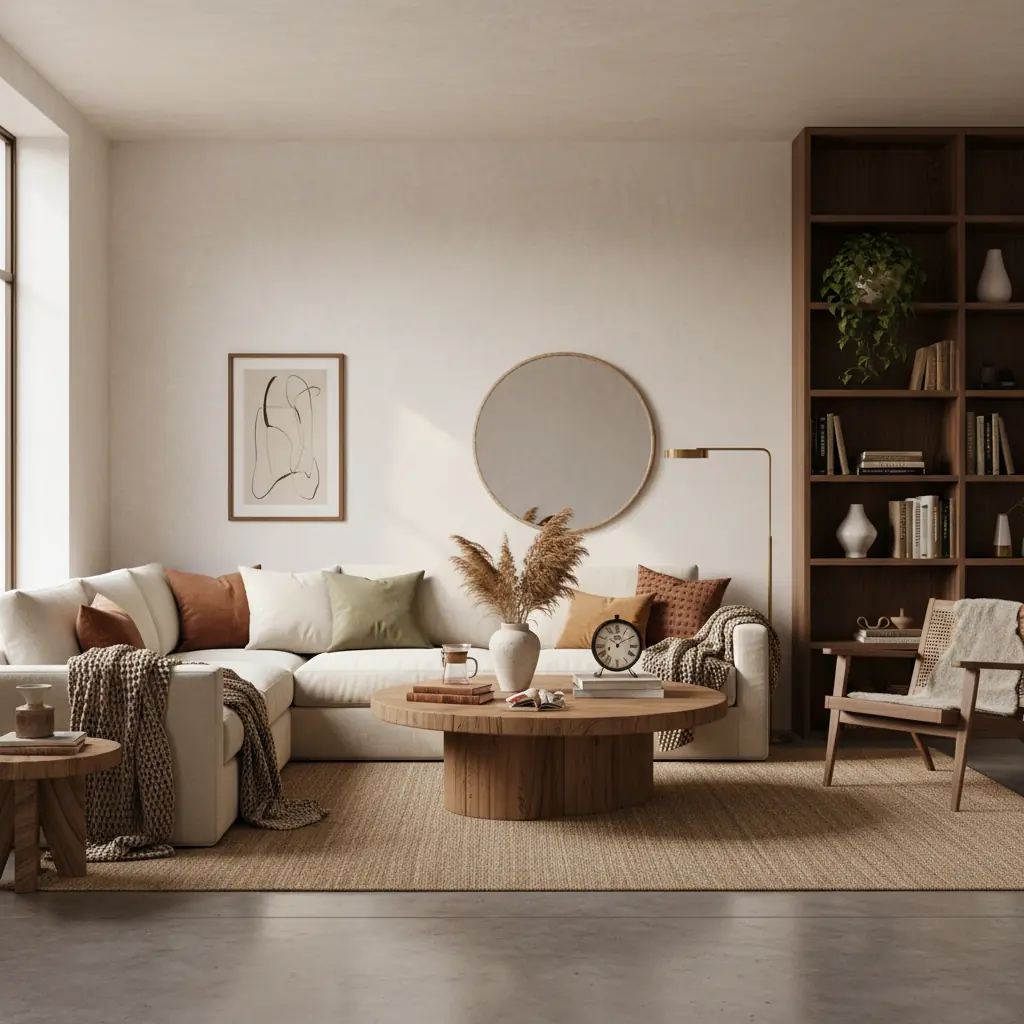
La Revolución Silenciosa: Por Qué las Habitaciones Libres de Tecnología Son la Nueva Característica de los Hogares Inteligentes
Los hogares inteligentes fueron anunciados como el futuro definitivo de la vida: sistemas de iluminación controlados por voz, termostatos gestionados por apps, electrodomésticos inteligentes sin interrupciones y pantallas integradas en cada superficie concebible. Y de hecho, para gran parte de nuestra vida diaria, esta conveniencia tecnológica se ha vuelto indispensable. Sin embargo, en medio de esta realidad hiperconectada, una fascinante contratendencia está ganando un impulso significativo: la creación deliberada de "espacios análogos". Estas son zonas dedicadas dentro del hogar donde la tecnología, particularmente las pantallas y las distracciones digitales, está intencionalmente ausente. Sin parlantes inteligentes, sin notificaciones, sin pantallas luminosas omnipresentes, solo objetos físicos, sensaciones táctiles y una profunda tranquilidad.
Esta no es una postura antitecnológica. Todo lo contrario. Muchas personas que adoptan espacios análogos están a la vanguardia del mundo digital, trabajando en tecnología o dependiendo en gran medida de herramientas digitales para su sustento. Para ellos, la habitación análoga funciona como una válvula de escape vital, una declaración espacial que dice: "aquí es donde dejo de estar disponible". Es un límite físico que ayuda a solidificar los límites mentales. Este movimiento refleja una adopción cultural más amplia de la vida intencional: no un rechazo total de la tecnología, sino un esfuerzo consciente por ubicarla apropiadamente, recuperando espacios de calma y atención enfocada en un mundo cada vez más ruidoso. Una encuesta reciente indicó que el **68% de los adultos busca activamente formas de reducir el tiempo de pantalla y participa regularmente en prácticas de desintoxicación digital**, destacando una demanda significativa de estos espacios dedicados.
¿Qué Define un Espacio Análogo? De Rincones a Refugios
El principio central de un espacio análogo es la _sustracción_. En lugar de agregar características, el diseño gira en torno a la eliminación de estímulos que contribuyen a la fatiga digital y la atención fragmentada. Las manifestaciones más comunes de espacios análogos incluyen:
### Acogedores Rincones de Lectura: Un Santuario para la Palabra Escrita
Más que una silla y un libro, un verdadero rincón de lectura es un refugio intencional. A menudo se define por un sillón o diván extragrande y sumamente cómodo, estratégicamente ubicado cerca de la luz natural, idealmente una ventana con una vista agradable. Los acompañantes esenciales incluyen una lámpara de pie de tono cálido (nunca una iluminación cenital dura), una pequeña mesa auxiliar para una taza de té o un diario, y un librero curado al alcance de la mano. La belleza reside en su simplicidad y la ausencia de interferencias digitales. No hay tomas de corriente visibles, no hay televisión y, ciertamente, no hay cargador de teléfono, lo que te anima a dejar tus dispositivos en otro lugar. Considera agregar mantas suaves, cojines y un reposapiés para mejorar la comodidad y fomentar la permanencia. Para más ideas sobre cómo crear zonas de lectura acogedoras, explora nuestra guía sobre [las mejores plantas para el diseño de interiores](/blog/best-plants-for-interior-design) para añadir un toque de biofilia.
### Salas de Escucha Inmersivas: El Ritual del Sonido
Las salas de escucha dedicadas, particularmente aquellas centradas en discos de vinilo o sistemas de audio de alta fidelidad, están experimentando un resurgimiento significativo. La configuración es elegantemente escasa: una tornamesa de calidad, un par de parlantes de estantería o de pie bien ubicados, una silla o sofá cómodo para escuchas prolongadas y una colección de discos. Esa es la esencia. El acto de seleccionar un álbum, limpiar cuidadosamente el vinilo, colocarlo en el plato y soltar la aguja es un ritual que exige una calidad de atención diferente a la de simplemente tocar una playlist en un servicio de streaming. Fomenta una apreciación más profunda por la música y el momento. Las consideraciones acústicas, como alfombras o tapices estratégicamente ubicados, pueden mejorar la calidad del sonido y sumergirte aún más en la experiencia auditiva.
### Rincones de Meditación Serenos: Cultivando la Paz Interior
Quizás el espacio análogo más simple pero más profundo es el rincón de meditación. Este requiere elementos físicos mínimos: un cómodo cojín o banco de meditación, quizás una pequeña mesa baja o un estante para una vela, un difusor de aceites esenciales (operado manualmente, por supuesto) o una pequeña planta. El diseño enfatiza el espacio libre, un ambiente despejado que apoya visualmente el despeje mental. El objetivo es crear una atmósfera propicia para la atención plena, la respiración y la introspección, libre de cualquier pitido o alerta externa. La intencionalidad detrás de su creación transforma un simple rincón en un poderoso santuario para la paz interior.
### Estudios Creativos y Espacios de Escritura: Desbloqueando la Expresión Análoga
Más allá del consumo tranquilo, los espacios análogos pueden adaptarse a actividades creativas. Imagina un pequeño escritorio con solo materiales de arte – pinturas, lápices, cuadernos de dibujo – o un diario bellamente encuadernado y una selección de plumas fuente. Estos espacios invitan a un tipo diferente de compromiso, fomentando la creación física y la reflexión sin la distracción de las herramientas digitales. Esto fomenta estados de fluidez, donde el tiempo parece desvanecerse y la creatividad puede florecer sin impedimentos.
Creando el Ambiente: Elementos de Diseño Esenciales para Espacios Análogos
La atmósfera de un espacio análogo es primordial. Cada elección de diseño debe contribuir a una sensación de calma, concentración y atemporalidad.
### El Suave Abrazo de la Iluminación Cálida
La iluminación es quizás el elemento más crítico. Los fluorescentes superiores ásperos, los LEDs de luz fría (cualquier cosa por encima de 3000K) y las luces de trabajo deslumbrantes están fuera. En su lugar, adopta un esquema de iluminación en capas compuesto por lámparas de mesa, lámparas de pie y apliques de pared equipados con bombillas de tono cálido (2700K o menos, o incluso bombillas de filamento con tinte ámbar). Las velas también son muy recomendables por su brillo suave y parpadeante. El objetivo es una iluminación que no exija atención, sino que proporcione una iluminación ambiental suave que haga que la habitación se sienta acogedora, íntima y profundamente tranquila. Esto crea una invitación visual para que el cerebro baje el ritmo, preparándolo para la relajación y la concentración.
### Texturas Táctiles y Materiales Orgánicos
En un espacio análogo, los sentidos se involucran de una manera diferente. Los materiales deben invitar al tacto, ofreciendo una rica experiencia sensorial que las interfaces digitales a menudo carecen. Piensa en tapicería de lino, mantas de lana afelpadas, estanterías de madera dura natural, vasijas de cerámica artesanal y el peso satisfactorio de los libros encuadernados en cuero. Estos materiales contrastan fuertemente con las superficies frías y lisas de vidrio, plástico y aluminio dominantes en los productos tecnológicos. Una paleta de colores que tiende a ser cálida y apagada – terracota, blancos hueso cremosos, verdes salvia suaves, nogales profundos y ocres delicados – refuerza aún más esta conexión con la naturaleza y evita la estética de alto contraste y austera a menudo asociada con la tecnología moderna. La incorporación de elementos de [diseño biofílico](/blog/biophilic-design-guide), como muebles de madera natural o plantas de interior, puede mejorar esta conexión y reducir aún más el estrés. Para obtener más información sobre la selección de tonos armoniosos, consulta nuestra guía sobre [esquemas de color para salas de estar](/blog/color-schemes-for-living-rooms).
### El Arte de Esconder: Eliminando las Señales Tecnológicas
Fundamentalmente, un espacio análogo debe carecer de cables, tomas de corriente, estaciones de carga y, especialmente, pantallas _visibles_. La mera presencia de estas señales visuales puede activar sutilmente nuestro cerebro digital, provocando una expectativa subconsciente de notificaciones o tareas. Si una habitación tiene un soporte de TV existente, un puerto Ethernet o una multitud de tomas de corriente, son necesarias soluciones creativas. Cubre los soportes de pared con una llamativa obra de arte o un tapiz decorativo de tela. Utiliza los muebles estratégicamente para ocultar las tomas de corriente, o invierte en atractivas soluciones de almacenamiento que oculten cables y regletas. La ausencia intencional de estos significantes tecnológicos es lo que realmente permite que el cerebro se desconecte del ámbito digital y se asiente en un estado de profunda calma y presencia.
Cómo Crear Tu Zona Análoga en Cualquier Hogar
No necesitas una extensa propiedad o una habitación de invitados dedicada para crear un espacio análogo eficaz. Incluso en apartamentos pequeños o ambientes de planta abierta, el principio de demarcación intencional es clave.
### Identificando Tu Rincón Análogo
Una esquina de un dormitorio, una sección tranquila de una sala de estar delimitada por un librero alto o un divisor de ambiente, o incluso un armario profundo transformado en un acogedor refugio de lectura, pueden servir maravillosamente. El factor crítico es un límite físico o visual claro que distinga la zona análoga del resto de tu hogar habilitado digitalmente. Este límite te indica a ti y a los miembros de tu hogar que este espacio tiene un propósito diferente.
### Un Enfoque Paso a Paso para Desconectarse
1. **Despeja y Elimina:** Comienza quitando cualquier cosa digital: la televisión, el parlante inteligente, la tableta, el cargador del teléfono, incluso los relojes inteligentes. Ponlos en otra habitación, o idealmente, en una caja designada de "tecnología apagada" a la que solo accedes cuando sales de tu espacio análogo. 2. **Define Tu Propósito:** ¿Qué actividad análoga quieres que ancle este espacio? ¿Libros, discos, materiales de arte, un diario? Deja que este propósito guíe tus adiciones. 3. **Agrega Elementos Clave:** Introduce un asiento cómodo y acogedor. Asegúrate de tener una iluminación adecuada y cálida. Trae los objetos físicos relacionados con tu actividad elegida. 4. **Abraza la Tactilidad y el Confort:** Coloca textiles suaves – una alfombra de lana, cojines de lino, una manta de cachemira. Estas adiciones invitan a la relajación y hacen que el espacio sea más atractivo. 5. **Personaliza con Objetos Significativos:** Exhibe objetos que te traigan alegría o fomenten la reflexión – una obra de arte, una colección de piedras únicas, una foto familiar o un jarrón de cerámica lleno de flores frescas.
Visualizar estos cambios puede ser un desafío, especialmente en una habitación existente. Herramientas como Habitas te permiten subir una foto de tu espacio actual, describir el ambiente de "refugio análogo" que buscas y ver instantáneamente opciones realistas. Ya sea que estés considerando un rincón de meditación minimalista o una sala de escucha completa, Habitas puede generar múltiples conceptos de diseño, ayudándote a refinar tu visión antes de que incluso reorganices un solo mueble. Mientras que un diseñador de interiores tradicional podría tardar de 2 a 4 semanas en entregar conceptos detallados de habitaciones, una plataforma de IA como Habitas puede generar múltiples opciones de diseño realistas para un espacio análogo en menos de 60 segundos, acelerando drásticamente tu proceso de diseño. Para obtener más información sobre la planificación eficiente del diseño, explora nuestra [herramienta de organización de muebles con IA](/blog/ai-furniture-arrangement-tool).
La Profunda Conexión con el Bienestar: Más Allá de la Desintoxicación Digital
El auge de los espacios análogos es mucho más que una tendencia fugaz; es una respuesta directa a una necesidad humana fundamental de concentración, presencia y descanso genuino. Este movimiento está sólidamente respaldado por un creciente cuerpo de investigación sobre la fatiga de pantalla, la fragmentación de la atención y el vínculo profundo entre nuestro entorno físico y nuestra salud mental, emocional e incluso física.
El estudio de 2025 de la Universidad de California, que encontró que los participantes que pasaban 30 minutos diarios en un espacio designado sin pantallas reportaron **23% menos niveles de estrés** después de cuatro semanas, es solo una pieza de un rompecabezas más grande. Otros estudios indican que las empresas que adoptan "salas de concentración" o zonas tranquilas dentro de sus oficinas reportan un **aumento del 15-20% en la productividad del trabajo profundo** entre los empleados. Este principio se traduce directamente en el entorno doméstico, sugiriendo que los espacios análogos dedicados pueden aumentar la concentración y la creatividad personal.
Los diseñadores de interiores reconocen cada vez más el espacio análogo como un componente esencial de la vida moderna, pasándolo de un lujo a una necesidad. Es similar a una cocina o un baño: satisface un requisito humano fundamental. La conversación ha pasado de "¿debería tener uno?" a "¿dónde encaja mejor?". Incluso en los apartamentos más compactos, la creación deliberada de una zona libre de tecnología actúa como una poderosa señal para tu sistema nervioso. Comunica que el descanso, la contemplación y el compromiso profundo con el mundo físico no solo están permitidos, sino que están intencionalmente integrados en la arquitectura misma de tu hogar. Además, los hogares que cuentan con espacios flexibles o de bienestar dedicados, incluyendo habitaciones análogas cuidadosamente diseñadas, pueden ver un aumento promedio en el valor percibido del **3-5%** para compradores exigentes que priorizan el bienestar y la vida consciente.
Esta inversión en tu paisaje mental tiene beneficios tangibles, incluida una mejor calidad del sueño. Los estudios muestran que eliminar las pantallas del dormitorio y adoptar una rutina análoga antes de dormir puede mejorar la calidad del sueño hasta en un **25%**. Un espacio análogo se convierte en un refugio de las constantes demandas del mundo digital, un lugar donde puedes recargar tus baterías mentales, fomentar la creatividad y reconectar contigo mismo y tus seres queridos sin interrupciones. Es una filosofía de diseño que defiende la vida lenta, la presencia intencional y el valor perdurable de la experiencia humana.
Preguntas Frecuentes
### ¿Por qué los espacios análogos se están volviendo tan populares en 2026?
Los espacios análogos están ganando popularidad como una contrarrespuesta directa a la naturaleza digital omnipresente de la vida moderna y los hogares inteligentes. La gente experimenta fatiga digital, fragmentación de la atención y un anhelo de concentración y presencia genuinas. Estos espacios ofrecen un refugio deliberado, una zona de "desintoxicación digital" que promueve la calma, la creatividad y una conexión más profunda con uno mismo y con los demás, reflejando un cambio cultural más amplio hacia una vida intencional y consciente.
### ¿Cuáles son los principios clave de diseño para crear una habitación análoga eficaz?
El principio de diseño fundamental para una habitación análoga es la sustracción: eliminar los estímulos digitales en lugar de agregar características. Los elementos clave incluyen iluminación cálida y difusa (lámparas de mesa, apliques de pared, velas), materiales táctiles y naturales (madera, lino, lana, cerámica), una paleta de colores tenue y cálida, y, lo más importante, la ausencia total de pantallas, cables o desorden relacionado con la tecnología visibles. El enfoque es crear un ambiente sensorialmente rico que fomente la relajación y la concentración.
### ¿Puedo crear un espacio análogo en un apartamento o casa pequeña?
Absolutamente. No necesitas una habitación de invitados entera. Un espacio análogo puede crearse eficazmente en un apartamento o casa pequeña utilizando una esquina de un dormitorio, una sección de una sala de estar separada visualmente por un librero o una mampara, o incluso un armario transformado. La clave es establecer un límite claro, tanto físico como psicológico, que designe el área como una zona libre de tecnología. Comienza despejando los elementos digitales y luego agrega asientos cómodos, iluminación cálida y objetos relacionados con tu actividad análoga elegida.
### ¿Cómo contribuye un espacio análogo al bienestar y la salud mental?
Los espacios análogos son herramientas poderosas para mejorar el bienestar y la salud mental al proporcionar un refugio de las constantes demandas digitales. Las investigaciones indican que pueden reducir significativamente los niveles de estrés, mejorar la calidad del sueño y aumentar la concentración y la productividad del trabajo profundo. Al crear un entorno dedicado libre de notificaciones y pantallas, estos espacios fomentan la atención plena, la introspección y la relajación genuina, ayudando a combatir la fatiga de pantalla y la fragmentación de la atención inherentes a nuestro mundo hiperconectado.
### ¿Qué tipo de actividades son las más adecuadas para un espacio análogo?
Los espacios análogos son ideales para actividades que requieren atención enfocada, contemplación tranquila o compromiso práctico sin distracciones digitales. Las actividades populares incluyen leer libros físicos, escuchar discos de vinilo, meditar, escribir en un diario, dibujar, pintar, tejer, tocar un instrumento musical (acústico) o participar en conversaciones profundas con otros. El objetivo es elegir actividades que te sumerjan en el momento presente y fomenten la creatividad o la relajación.
### ¿Cómo puede Habitas ayudarme a diseñar mi propio espacio análogo?