Diseño Biofílico: Cómo Traer la Naturaleza a Casa para Salud y Serenidad
Descubre el poder del diseño biofílico para crear hogares más saludables y tranquilos. Conoce consejos prácticos para integrar plantas, luz natural, materiales orgánicos y más, respaldado por la ciencia.
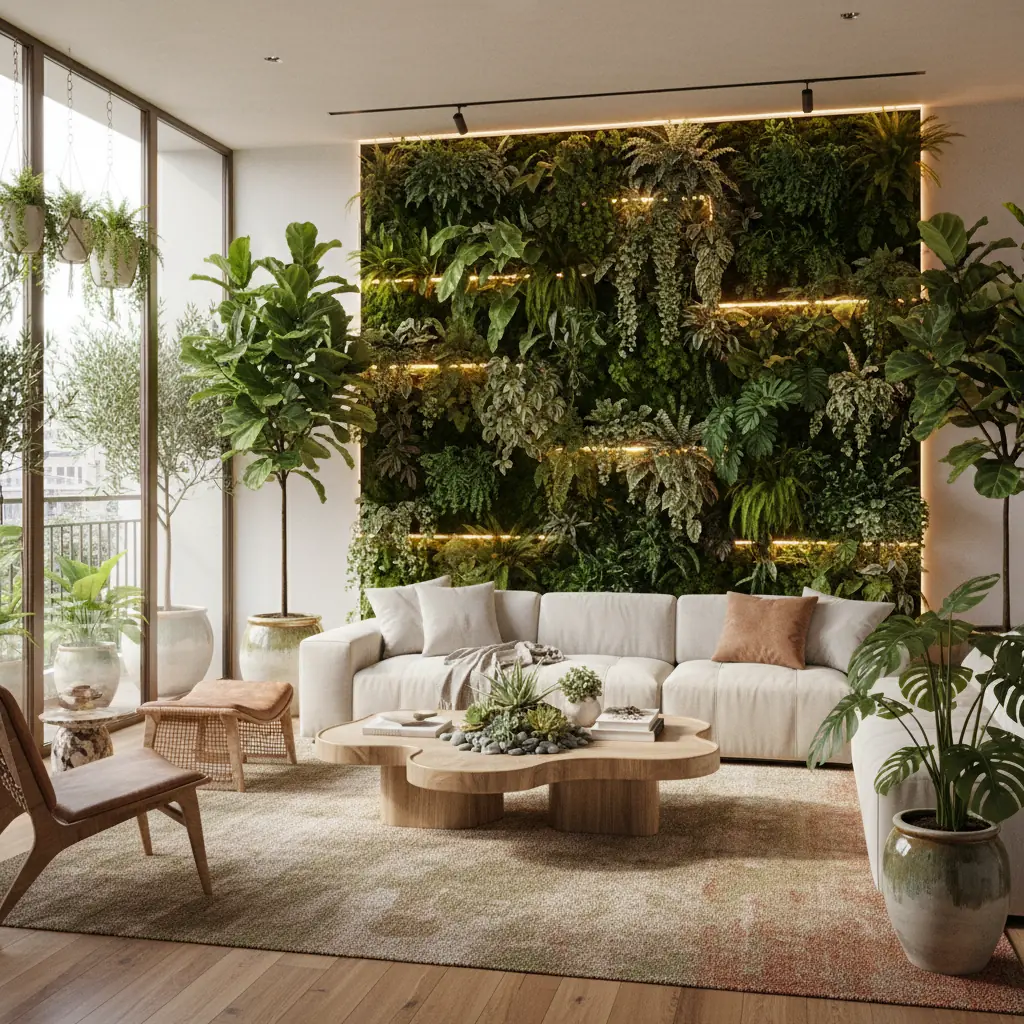
¿Qué es el Diseño Biofílico y Por Qué es Importante para Tu Hogar?
El diseño biofílico se basa en una idea simple y profunda: los humanos evolucionamos en la naturaleza y nuestros cerebros aún anhelan la conexión con los entornos naturales. El término proviene de la "hipótesis de la biofilia" del biólogo E.O. Wilson —que los humanos tenemos una tendencia innata a buscar conexiones con la naturaleza y otros sistemas vivos. En nuestras vidas cada vez más urbanizadas y dominadas por pantallas, esta conexión a menudo se interrumpe por nuestros ambientes interiores. Cuando pasamos más del 90% de nuestro tiempo en interiores, la desconexión de la naturaleza puede provocar estrés, fatiga, disminución del bienestar e incluso deterioro de la función cognitiva.
En términos prácticos de diseño de interiores, el diseño biofílico significa incorporar intencionalmente elementos de la naturaleza en los entornos construidos. Esto va mucho más allá de colocar un helecho en maceta en una esquina; es un enfoque holístico. El verdadero diseño biofílico considera los patrones de luz natural, las formas orgánicas, los elementos de agua, los materiales naturales, las plantas vivas e incluso las vistas enmarcadas de la naturaleza como insumos de diseño fundamentales, no como elementos secundarios. Se trata de crear espacios que calmen nuestros instintos primarios y apoyen nuestra salud mental y física.
La evidencia es convincente. Estudios del informe global Human Spaces encontraron que las personas que trabajan en entornos con elementos naturales reportan un 15% más de bienestar y un 6% más de productividad. Los pacientes de hospital con vistas a la naturaleza se recuperan más rápido. Los estudiantes en aulas iluminadas naturalmente con materiales naturales obtienen mejores resultados. Los datos muestran consistentemente que integrar la naturaleza en nuestros espacios no es meramente decorativo, es profundamente funcional y contribuye a una mejor calidad de vida. De hecho, la investigación indica que los hogares diseñados con principios biofílicos pueden alcanzar un valor superior, con algunos estudios que sugieren un aumento en el valor percibido de la propiedad de hasta un 7% debido a una mayor deseabilidad y habitabilidad.
Explorando los Tres Pilares Fundamentales del Diseño Biofílico
Comprender los principios fundamentales del diseño biofílico nos ayuda a ir más allá de la estética superficial para crear espacios verdaderamente impactantes. Estos tres pilares aseguran una integración integral de la naturaleza.
### 1. Naturaleza Directa: Trayendo Elementos Vivos al Interior
Este primer pilar implica elementos vivos y reales dentro de tu espacio. Las plantas son lo más obvio y accesible, pero la naturaleza directa se extiende a mucho más. Esto incluye fuentes de agua (una fuente de mesa, un estanque interior), flores cortadas, aromas naturales (de madera real, hierbas frescas o aceites esenciales en lugar de ambientadores sintéticos) e incluso la presencia de mascotas. La clave es que estos elementos estén vivos, sean dinámicos y activen múltiples sentidos. Una suculenta de plástico no activa la misma respuesta neurológica que una real; tu cerebro sabe la diferencia, incluso si conscientemente no la percibes. El suave susurro de las hojas, el sutil aroma terroso o el crecimiento visible de una planta viva crea una conexión inherente con la vida misma.
### 2. Luz y Aire Natural: Optimizando el Flujo Ambiental
El segundo pilar se centra en maximizar la luz natural y la calidad del aire. La iluminación adecuada para el ciclo circadiano (brillante y blanco-azulada por la mañana para aumentar el estado de alerta, calentándose y atenuándose gradualmente por la noche para apoyar la producción de melatonina) es, sin duda, la intervención biofílica de mayor impacto. Esto se puede lograr a través de tratamientos de ventanas bien pensados, sistemas de iluminación inteligentes que imitan los ciclos de la luz diurna, o simplemente orientando tu espacio de trabajo para capturar la luz de la mañana. Las ventanas operables que permiten la entrada de aire fresco y sonido ambiental —el canto de los pájaros, el relajante golpeteo de la lluvia, el susurro de las hojas— te conectan directamente con el entorno exterior, mejorando tu sentido de pertenencia y reduciendo la sensación de confinamiento. Priorizar la ventilación natural también mejora la calidad del aire interior, un aspecto crítico y a menudo pasado por alto de la salud del hogar.
### 3. Materiales y Formas Naturales: Texturas, Patrones y Formas Orgánicas
El tercer pilar aprovecha nuestra preferencia innata por las texturas, patrones y formas naturales. Las vetas de la madera, la textura de la piedra rústica, las fibras tejidas, las curvas orgánicas y los patrones fractales (las formas ramificadas autosimilares y las geometrías irregulares que se encuentran abundantemente en la naturaleza, como las ramas de los árboles o las costas) desencadenan respuestas neurológicas positivas. Es por eso que una habitación con pisos de madera, una encimera de piedra y una alfombra de yute tejida se siente fundamentalmente diferente a una habitación con laminado, plástico y alfombra sintética, incluso si la paleta de colores es idéntica. Estos materiales brindan riqueza sensorial y nos recuerdan el mundo natural, fomentando una sensación de calidez, autenticidad y arraigo. Considera la creciente tendencia del [diseño de muebles curvos](/blog/curved-furniture-design-trend), que a menudo imita las líneas suaves y orgánicas que se encuentran en los paisajes naturales, ofreciendo comodidad y atractivo visual.
Implementaciones Sencillas que Hacen una Verdadera Diferencia en Tu Hogar
No necesitas una renovación completa para incorporar el diseño biofílico en tu espacio habitable. Pequeños cambios intencionales pueden generar beneficios significativos.
### Integración Estratégica de Plantas
Comienza con las plantas, pero sé estratégico. En lugar de esparcir pequeñas macetas por cada superficie, usa menos plantas, pero más grandes, que creen una presencia genuina. Una _Ficus lyrata_ (fiddle leaf fig) de seis pies en la esquina de una sala, un _Pothos_ colgante que cae desde un estante alto, o un grupo de _Sansevierias_ (snake plants) en un dormitorio, se leen como decisiones de diseño intencionales en lugar de desorden de plantas de interior. Para espacios con poca luz, las plantas ZZ, _Pothos_ y _Aspidistras_ (cast iron plants) son casi indestructibles. Considera opciones de nuestra guía sobre las [mejores plantas para diseño de interiores](/blog/best-plants-for-interior-design). Los jardines verticales o "muros verdes" también pueden ser transformadores. Si bien un muro verde profesional puede ser una inversión, los sistemas modulares de bricolaje de empresas como Sage Vertical o Plantwalldesign lo hacen factible por menos de $1,000 para una pieza central significativa, ofreciendo un rico punto focal de naturaleza directa.
### Adoptando Materiales Naturales
Los materiales naturales son la segunda intervención más sencilla. Cambia los cojines decorativos sintéticos por lino, algodón orgánico o cáñamo. Reemplaza una mesa de centro de vidrio o metal por una de madera maciza o piedra. Elige una alfombra de yute, sisal o lana en lugar de polipropileno. Agrega una tabla de cortar de madera a la encimera de la cocina, una jabonera de piedra al baño. Introduce una lámpara de ratán o una cesta tejida para almacenamiento. Estos pequeños cambios de materiales se acumulan en una experiencia sensorial fundamentalmente diferente, involucrando el tacto y la vista con sus texturas y patrones inherentes. Al seleccionar acabados, piensa en cómo Habitas puede ayudarte a visualizar diversas paletas de materiales naturales, ofreciendo opciones desde un [generador de paleta de colores con IA](/blog/ai-color-palette-generator) para asegurar la cohesión.
### La Presencia Calmante de Fuentes de Agua
Las fuentes de agua merecen más atención de la que suelen recibir en el diseño residencial. Una pequeña fuente de mesa recirculante (existen muchas opciones excelentes por menos de $60) agrega sonido ambiental y humedad. El sonido del agua en movimiento es uno de los estímulos más consistentemente calmantes estudiados en psicología ambiental, conocido por reducir el estrés y mejorar la concentración. Coloca una en un home office o dormitorio y nota la diferencia en una semana. Más allá de las pequeñas fuentes, incluso un simple cuenco de agua con flores flotantes puede ofrecer un momento de reflexión y una conexión sutil con este elemento vital.
### Incorporando Aromas y Sonidos Naturales
No olvides las dimensiones auditivas y olfativas. En lugar de ambientadores artificiales, difunde aceites esenciales (como lavanda, cedro o cítricos) o usa flores y hierbas frescas. Abre las ventanas para dejar entrar sonidos naturales como el canto de los pájaros o la lluvia, o usa máquinas de sonido que reproduzcan sonidos de la naturaleza. Incluso el suave susurro de las cortinas de lino con la brisa puede contribuir a la experiencia biofílica.
Una Guía Biofílica Habitación por Habitación
Adaptar los elementos biofílicos a la función de cada habitación maximiza su impacto.
### Sala de Estar: Conexión y Reunión
En la sala de estar, prioriza las plantas grandes cerca de las ventanas, los muebles de materiales naturales y la máxima luz diurna. Si tu distribución lo permite, orienta los asientos principales hacia una ventana con vista. Usa cortinas ligeras en lugar de cortinas opacas para mantener el flujo de luz y ofrecer privacidad. Considera un muro verde como elemento decorativo principal; los sistemas modulares de empresas como Sage Vertical o Plantwalldesign hacen que esto sea factible para una instalación de bricolaje. El acceso a la luz natural también puede reducir la fatiga visual en un 34% y los dolores de cabeza en un 24% entre quienes pasan mucho tiempo en interiores, haciéndolo esencial para los espacios de vida compartidos. Complementa estos elementos con mantas de lana acogedoras, mesas auxiliares de madera y quizás un [sofá curvo](/blog/curved-furniture-trend) para introducir formas orgánicas.
### Dormitorio: Santuario para el Descanso
Los dormitorios deben centrarse en los ciclos de luz natural y en materiales naturales relajantes para promover un sueño reparador. Usa persianas o cortinas opacas para dormir, pero asegúrate de que las ventanas laterales tengan cortinas transparentes para permitir que la luz de la mañana se filtre. La ropa de cama de lino, un marco de cama de madera maciza (evitando tableros de partículas o metal siempre que sea posible) y una o dos plantas de bajo mantenimiento (_Sansevierias_ son ideales, liberan oxígeno por la noche) crean una atmósfera serena. Evita los aromas artificiales; en su lugar, coloca un pequeño ramo de eucalipto en la ducha o un cuenco de lavanda seca en la mesita de noche. El objetivo es crear un ambiente tranquilo y sensorialmente rico que apoye un descanso profundo.
### Home Office: Aumentando la Concentración y la Productividad
Los home office se benefician más del diseño biofílico porque el rendimiento cognitivo está directamente relacionado con la exposición al entorno natural. Posiciona tu escritorio cerca de una ventana para obtener la máxima luz diurna y una vista de la naturaleza. Coloca una planta a la vista; incluso una pequeña puede impactar significativamente el estado de ánimo y la concentración. Usa una lámpara de escritorio que imite los cambios de temperatura de la luz natural a lo largo del día. Si no tienes ventana, una fotografía grande de la naturaleza (no un póster, sino una impresión de alta calidad que muestre patrones naturales fractales) proporciona un beneficio cognitivo significativo en comparación con una pared en blanco. Integrar una pequeña fuente de agua de mesa también puede ayudar a la concentración. Habitas puede ayudarte a visualizar cómo los elementos biofílicos transformarían la configuración actual de tu oficina antes de que te comprometas a realizar cambios, permitiéndote experimentar con diferentes distribuciones y arreglos de plantas utilizando [diseños de habitaciones generados por IA](/blog/ai-generated-room-designs-realistic).
### Cocina y Comedor: Frescura y Vitalidad
En la cocina, opta por encimeras de piedra natural (granito, mármol, cuarzo), gabinetes de madera y hierbas frescas en macetas en los alféizares de las ventanas. Maximiza la luz natural y las vistas. Para las áreas de comedor, una mesa de madera maciza es un poderoso elemento biofílico. Decora con un cuenco de fruta fresca, un jarrón de flores cortadas o un mantel de lino natural. Estos elementos refuerzan la conexión con los orígenes naturales de los alimentos y promueven una sensación de bienestar durante las comidas.
Beneficios para la Salud Respaldados por la Investigación: Por Qué Funciona el Diseño Biofílico
El impacto del diseño biofílico no es solo estético; está científicamente validado.
La reducción del estrés es medible y significativa. Un metaanálisis de 2023 en la revista _Environment and Behavior_ encontró que la exposición a plantas de interior reduce los niveles de cortisol (la "hormona del estrés") en un promedio del 12% en comparación con entornos sin plantas. La exposición a la luz natural durante el día mejora la calidad del sueño en un promedio de 46 minutos por noche, según una investigación de la Universidad Northwestern. Incluso mirar escenas de la naturaleza (fotografías, videos) durante tan solo cinco minutos reduce la frecuencia cardíaca y el estrés reportado por los propios individuos.
Los beneficios cognitivos están igualmente bien documentados. Un estudio de la Universidad de Melbourne encontró que una "micropausa" de 40 segundos mirando un jardín verde en la azotea restauró la atención y redujo los errores en una tarea posterior en un 8%. La humedad de las plantas (manteniendo los niveles interiores al 40-60%) reduce la transmisión de virus en el aire y mejora la comodidad respiratoria, lo que lleva a menos días de enfermedad. Ciertas plantas —lirios de la paz (_Spathiphyllum_), cintas (_Chlorophytum comosum_), gomeros (_Ficus elastica_)— filtran de forma medible contaminantes comunes del interior como el formaldehído y el benceno, contribuyendo a una mejor calidad del aire interior. Esta combinación de beneficios mentales y físicos hace del diseño biofílico una herramienta poderosa para mejorar el bienestar general.
Errores Comunes de Diseño Biofílico a Evitar
Aunque es accesible, el diseño biofílico puede aplicarse incorrectamente. Evitar estos errores comunes asegura un beneficio genuino.
### Descuidar la Salud de las Plantas
El mayor error es tratar las plantas como decoración estática en lugar de elementos de diseño vivos. Una planta moribunda es peor que ninguna planta; señala negligencia en lugar de naturaleza, creando una impresión negativa. Elige plantas que coincidan con tus condiciones de luz reales y tu voluntad real de regarlas y cuidarlas. Tres plantas prósperas contribuyen más beneficios biofílicos que quince que luchan por sobrevivir. Investiga las necesidades específicas de cada planta y considera tu estilo de vida antes de realizar una compra.
### Ignorar el Compromiso Multisensorial
Otro error común es ignorar las dimensiones auditivas y olfativas. El diseño biofílico involucra todos los sentidos, no solo la vista. El sonido de una fuente de agua, el aroma de la madera natural, la sensación de un tejido de lino en la piel o la suave calidez de la luz solar natural, estas entradas multisensoriales son las que crean el beneficio neurológico completo. Una habitación llena de plantas detrás de una ventana sellada con muebles sintéticos e iluminación LED dura es solo parcialmente biofílica; se pierde la experiencia sensorial holística que ofrece la verdadera naturaleza.
### Cayendo en la Trampa del "Maximalismo Selva"
Finalmente, evita la trampa del "maximalismo selva" donde el diseño biofílico se convierte en acumulación de plantas o una explosión abrumadora de elementos naturales sin curaduría. El objetivo es crear una sensación de conexión con la naturaleza, no replicar un invernadero o abrumar un espacio. Edita tu colección de plantas como editarías cualquier elemento de diseño: cada planta debe tener un propósito, un lugar y espacio para respirar. La belleza de la naturaleza a menudo reside en su equilibrio y amplitud. Utiliza herramientas como Habitas para previsualizar diferentes configuraciones biofílicas en tu habitación real para que puedas encontrar el equilibrio adecuado antes de comprar un carrito lleno de plantas en el vivero. Nuestras [aplicaciones de diseño de interiores con IA](/blog/ai-interior-design-apps-compared-2026) pueden ayudarte a visualizar cómo unos pocos elementos biofílicos cuidadosamente colocados pueden transformar un espacio sin que se sienta recargado. Usar Habitas para visualizar estos cambios puede ahorrarte hasta el 80% del tiempo que normalmente se dedica a las consultas de diseño tradicionales y a los _mood boards_, entregando conceptos en minutos.
---
Preguntas Frecuentes
### ¿Cuáles son los principales beneficios del diseño biofílico en un hogar?
Los principales beneficios del diseño biofílico incluyen una significativa reducción del estrés, mejora del estado de ánimo y la función cognitiva, mejor calidad del sueño y un bienestar físico general optimizado. Al reconectar a los residentes con elementos naturales como plantas, luz natural y materiales orgánicos, los espacios biofílicos promueven la calma, aumentan la concentración y contribuyen a un entorno interior más saludable, reduciendo la exposición a contaminantes y mejorando la calidad del aire.
### ¿Cómo puedo empezar a incorporar el diseño biofílico en un apartamento pequeño?
Incluso en un apartamento pequeño, puedes integrar eficazmente el diseño biofílico. Comienza maximizando la luz natural utilizando cortinas transparentes y manteniendo las ventanas despejadas. Agrega algunas plantas estratégicamente ubicadas y adecuadas para tus condiciones de luz (por ejemplo, un _Pothos_ colgante en un estante alto o una _Sansevieria_ en una esquina). Introduce materiales naturales como una tabla de cortar de madera, una cesta tejida o cojines de lino. Una pequeña fuente de agua de mesa también puede añadir un elemento auditivo relajante sin ocupar mucho espacio.
### ¿Es caro implementar el diseño biofílico?
El diseño biofílico no tiene por qué ser costoso. Muchas intervenciones impactantes son económicas. Por ejemplo, las plantas se pueden comprar a precios accesibles y los materiales naturales como alfombras de yute o ropa de cama de algodón a menudo son comparables en precio a las alternativas sintéticas. Maximizar la luz natural es gratis y las pequeñas fuentes de agua son económicas. Si bien las instalaciones a gran escala como muros verdes o muebles a medida con materiales naturales pueden ser inversiones, comenzar con opciones más pequeñas y conscientes puede brindar beneficios significativos sin gastar una fortuna.
### ¿Qué tipo de plantas son mejores para el diseño biofílico?
Para el diseño biofílico, concéntrate en plantas que sean fáciles de cuidar y adecuadas para las condiciones de luz de tu hogar. Plantas grandes y frondosas como las _Ficus lyrata_ (fiddle leaf figs), _Monsteras_ o lirios de la paz (_Spathiphyllum_) crean una fuerte presencia natural. Las plantas colgantes como _Pothos_ o _Philodendrons_ añaden interés visual. Para opciones de bajo mantenimiento, considera las plantas ZZ, las _Sansevierias_ (snake plants) o las _Aspidistras_ (cast iron plants). Las mejores plantas son aquellas que prosperan en tu espacio y que puedes cuidar constantemente, ya que las plantas saludables proporcionan el mayor beneficio biofílico.