Master Home Staging: Sell Your House Faster & For More in 2026
Unlock your home's selling potential with expert staging tips for 2026. Learn decluttering, lighting, and room priorities to attract buyers and boost offers.
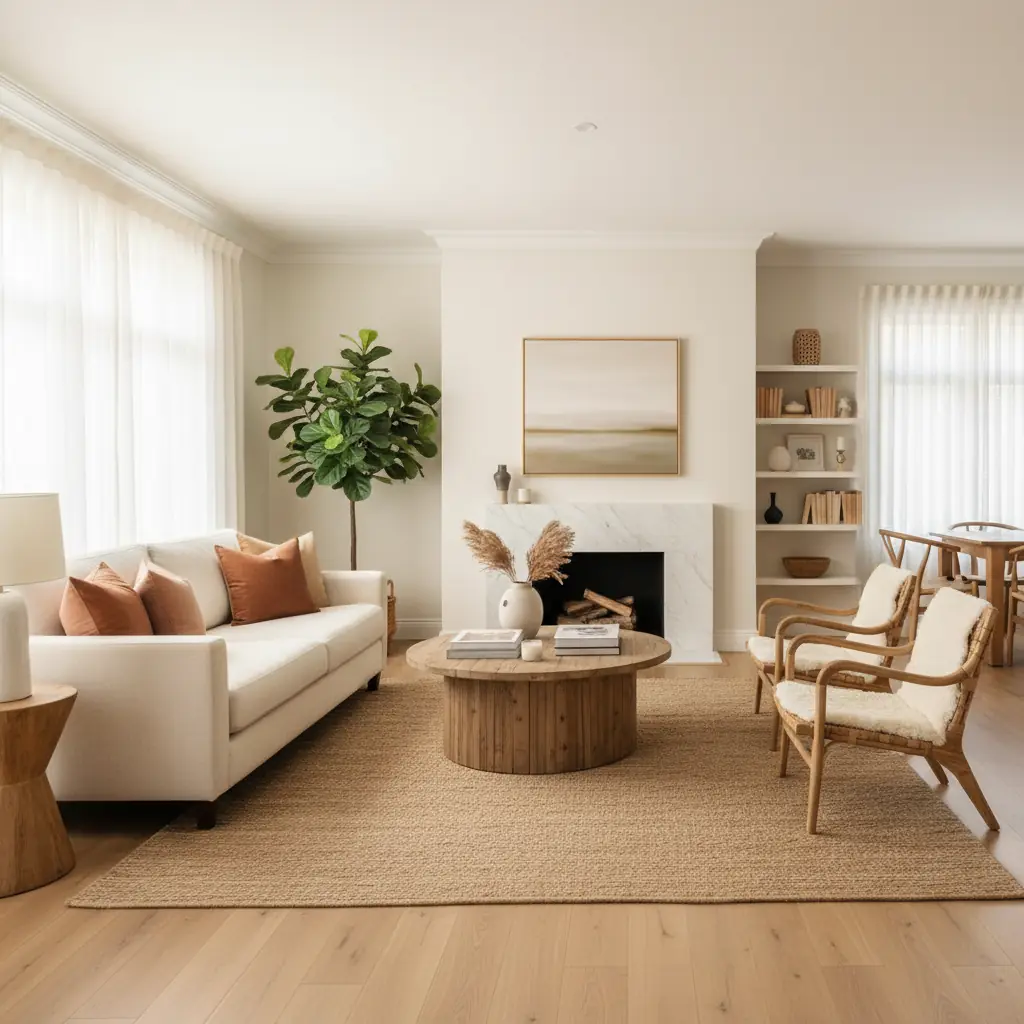
Why Staging Works: The Psychology Behind a Faster Sale
Selling a home is as much an emotional transaction as it is a financial one. When a prospective buyer steps into your property, they’re not just evaluating square footage or counter materials; they’re trying to imagine their future life unfolding within those walls. This is where the profound psychology of home staging comes into play.
Staging works because it addresses a fundamental human need: the desire to belong and envision oneself in a positive future. If a home is cluttered with personal artifacts – family photos, religious symbols, quirky collections, or even simply too much furniture – a buyer's brain processes it as "someone else's home." This creates an immediate emotional barrier, making it difficult, if not impossible, for them to project their own life, their own memories, and their own aspirations onto the space. This emotional disconnect can kill a deal before it even starts.
The core objective of staging is to transform your home into a neutral, yet warm and inviting, canvas. It’s not about creating a sterile, soulless showroom or mimicking a magazine spread. Instead, it’s about strategically removing visual obstacles and subtly guiding the buyer's imagination. You want them to effortlessly picture themselves cooking dinner in that spacious kitchen, unwinding in that serene living room, or waking up refreshed in that peaceful bedroom. In fact, studies show that **73% of home buyers say staging helps them visualize a property as their future home**, underscoring its critical role in sparking that emotional connection. By doing so, you're not just selling a house; you're selling a dream.
What Rooms Should You Prioritize for Staging?
Not all rooms are created equal in the eyes of a potential buyer. To maximize your return on effort and investment, it's crucial to focus your staging energy where it matters most. Here's a priority order that typically yields the best results:
### 1. The Living Room: Your Home's First Impression
The living room is often the first interior space buyers encounter and where they envision spending the majority of their leisure time. It needs to feel spacious, comfortable, and inviting. Arrange furniture to create natural conversation areas, ensuring clear pathways. A well-staged living room signals the overall feel of the home.
### 2. The Kitchen: The Heart of the Home
The kitchen is arguably the most expensive room to renovate, making its current condition a major selling point or deterrent. Buyers scrutinize kitchens for functionality, style, and potential. They’re evaluating whether it works for them "as-is" or if they'll need to undertake a costly renovation – a typical kitchen renovation can cost anywhere from **$15,000 to $50,000**, depending on scope and finishes. Focus on clear countertops, modern (or well-maintained) appliances, and a sense of cleanliness.
### 3. The Master Bedroom: A Private Retreat
Buyers spend a significant portion of their time in a home within the master bedroom – often up to 30% of their total time inside the property. This space needs to feel like a serene, luxurious retreat. Emphasize comfort, space, and tranquility. A well-made bed with quality linens, soft lighting, and minimal clutter are key. For more ideas on creating a dream bedroom, explore our [bedroom redesign cost breakdown](/blog/bedroom-redesign-cost-breakdown) to understand potential updates.
### 4. Home Office Spaces: The Post-2020 Essential
Since 2020, dedicated home office spaces have skyrocketed in importance. Buyers are looking for functional, comfortable areas to work or study. Even a small nook can be transformed into a productive workspace with the right desk, chair, and lighting.
### 5. Entryway & Dining Room: Welcoming and Social Hubs
The entryway sets the tone immediately upon entering. Make it clear, bright, and welcoming. The dining room, while perhaps used less frequently, is where buyers imagine hosting family and friends. A simple, elegant table setting can convey this purpose effectively.
### 6. Bathrooms: Cleanliness and Modernity
While not typically the _first_ rooms to stage, clean, updated bathrooms are non-negotiable. Focus on sparkling surfaces, fresh towels, and eliminating any signs of mold or wear. Consider minimal, spa-like accessories. For more insights, check out our [bathroom remodel ideas](/blog/bathroom-remodel-ideas).
Guest bedrooms and utility rooms generally require minimal staging beyond basic tidiness and ensuring they are clean and functional.
The 50% Decluttering Formula: Maximizing Perceived Space
Professional home stagers swear by a simple, yet profoundly effective, rule: remove 50% of everything. This isn't just about tidiness; it's a strategic psychological play to make spaces feel larger, brighter, and more inviting.
### Implementing the Formula: A Room-by-Room Approach
- **Bookshelves**: Take half the books off the shelves. Group the remaining books by color or size, and intersperse them with a few carefully chosen decorative objects. This creates visual breathing room and a curated look. - **Kitchen Counters**: Clear almost everything off. A bowl of fresh fruit, a single high-end coffee maker, or a small plant are usually all you need. Twelve items on a counter scream "cluttered and small." - **Closets and Storage Areas**: Yes, buyers _will_ open closets. Remove half the clothes, neatly hang the remaining items, and organize shoes. A half-empty closet makes buyers believe there's ample storage, regardless of the actual square footage. Conversely, a packed closet suggests a lack of storage, triggering buyer anxiety. - **Furniture**: This is crucial. Removing just one piece of furniture from each room can make the entire space feel significantly larger and easier to navigate. For instance, in a living room, if you have two accent chairs, consider removing one. A tool like Habitas, with its [AI furniture arrangement tool](/blog/ai-furniture-arrangement-tool), can help you visualize optimal layouts before you start heavy lifting. - **Surfaces**: Start with countertops, nightstands, coffee tables, and desks. Clear them almost entirely. Then, add back one to three carefully chosen items per surface. A single elegant vase with flowers, a stack of two aesthetically pleasing books, and a unique candle on a coffee table reads as intentional and sophisticated. Overloading surfaces with personal knick-knacks or too many decorative items creates visual noise.
This decluttering isn't just about appearance; it's about perceived space. Research suggests that **homes with excessive clutter can appear 20% smaller** than their actual square footage, directly impacting buyer perception and potentially, offer prices. When a buyer can see the floor, the full length of a counter, and the back of a closet, their brain registers more space, making the home feel more generous and valuable.
Depersonalization Without Sterilization: Creating the "Boutique Hotel" Feel
The biggest staging misstep is overdoing depersonalization to the point where a home feels cold, sterile, and unlived-in. The goal is not an empty apartment, but rather a sophisticated "boutique hotel" vibe – warm, inviting, and aspirational, yet devoid of specific personal identity.
### What to Remove and What to Introduce
- **Personal Photos**: Pack away all family photos, diplomas, children's artwork from the fridge, and anything with your name or initials (e.g., monogrammed towels). - **Collections**: While cherished, extensive collections of figurines, stamps, or memorabilia can be distracting. Store them away. - **Religious/Political Items**: These are deeply personal and can alienate buyers with different beliefs. - **Pet Items**: Tuck away pet beds, food bowls, and toys during showings. Ensure no lingering pet odors.
Once you’ve removed these items, the key is to replace them with warm, neutral, and high-quality alternatives that evoke a feeling of comfort and luxury:
- **Art**: Swap personal photos for abstract art or tasteful landscape prints. These add sophistication without revealing identity. - **Textiles**: Introduce plush throw blankets, decorative pillows in neutral tones (creams, grays, soft blues), and high-quality, freshly laundered bedding. - **Towels**: Use crisp, folded white or cream towels in bathrooms. This instantly evokes a spa-like feel. - **Greenery**: A fresh bowl of lemons or apples in the kitchen, a single orchid in the bathroom, or a well-maintained potted plant in the living room adds life and color without being distracting. - **Sensory Experience**: Beyond sight, consider subtle, pleasant scents (lightly scented candles, diffusers with natural aromas like citrus or linen – avoid anything overpowering) and soft background music if appropriate for open houses.
Think about the last luxurious hotel you visited. It felt welcoming, visually appealing, and comfortable, yet it had no personal attachment. That's the ideal you're striving for – a space that feels curated and aspirational, allowing any buyer to envision themselves happily living there. For inspiration on versatile color schemes that appeal to a wide audience, you might find our guide on using an [AI color palette generator](/blog/ai-color-palette-generator) helpful.
Lighting Optimization: The Most Underrated Staging Tool
Lighting is a game-changer – often the single most cost-effective staging improvement you can make, with a massive impact on how buyers perceive space, mood, and cleanliness. Effective lighting can genuinely transform a room, making it feel larger, warmer, and more inviting.
### Key Lighting Strategies:
- **Consistent Color Temperature**: Replace all light bulbs with consistent warm white LEDs (2700K-3000K). Avoid mixed temperatures (some cool, some warm) as this creates visual discord. LEDs are energy-efficient and provide excellent brightness, ideally at 800+ lumens for general room lighting. This uniformity instantly elevates a room's perceived quality. - **Maximize Natural Light**: - **Drapery**: Remove heavy, dark drapes or valances. Opt for light, sheer curtains or blinds that can be fully opened during showings. The goal is to let in as much natural light as possible. - **Window Cleaning**: This is often overlooked but profoundly impactful. Clean windows allow maximum light penetration and make the entire home feel brighter and better maintained. It makes a bigger difference than most furniture rearrangement. - **The Three-Source Rule**: Every room should have at least three distinct light sources at different heights. This layering creates depth, eliminates dark corners, and generates a warm, inviting glow that a single overhead fixture can never achieve. - **Overhead Lighting**: Recessed lighting, chandeliers, or flush mounts for ambient light. - **Mid-Level Lighting**: Floor lamps, table lamps, or wall sconces to add warmth and task lighting. - **Accent Lighting**: Under-cabinet lighting in kitchens, picture lights, or small directional lights to highlight architectural features or artwork. - **Eliminate Dark Corners**: A room with no dark corners feels significantly larger – up to 30% more spacious in some estimates. Add table lamps or floor lamps to illuminate any dim areas. This instantly expands the perceived boundaries of the room.
By strategically optimizing your lighting, you’re not just illuminating a space; you’re sculpting its mood and maximizing its appeal. **Optimized lighting can increase perceived home value by 5-10%**, making it an investment with a high return.
Small Updates, Big Impact: The Low-Cost Renovation Edge
While major renovations aren't typically part of staging, small, targeted updates can yield significant returns, especially when they address common buyer pain points or dated aesthetics. These aren't about reinventing the wheel, but rather polishing it to a shine.
### What to Focus On:
- **Fresh Paint**: A neutral, fresh coat of paint throughout the home is perhaps the most impactful and cost-effective upgrade. Neutral colors (grays, whites, greiges, very light blues) make rooms feel larger, brighter, and provide that coveted "blank canvas" for buyers. Avoid bold, personal colors. A fresh coat of neutral paint can offer an **ROI of up to 150% in resale value**, making it an almost guaranteed win. For advice on appealing shades, consider our guide on the [best paint colors for 2026](/blog/best-paint-colors-2026). - **Hardware Updates**: Outdated cabinet knobs, drawer pulls, and door handles can instantly date a kitchen or bathroom. Swapping these for modern, brushed nickel, matte black, or brass finishes is a surprisingly inexpensive change that creates a high-end feel. - **Minor Repairs**: Fix dripping faucets, squeaky doors, holes in walls, and loose tiles. These seemingly minor issues can signal a lack of maintenance to buyers, raising concerns about bigger, hidden problems. Attend to them before showings. - **Deep Cleaning**: Beyond decluttering, a professional deep clean (or a meticulous DIY job) is essential. Sparkling bathrooms, a pristine kitchen, and clean floors assure buyers the home is well-cared for. This includes cleaning baseboards, grout, and even light fixtures.
These small investments demonstrate pride of ownership and eliminate easy excuses for buyers to offer less.
Curb Appeal: The All-Important First Impression
The staging process doesn't begin when a buyer walks through your front door; it starts the moment they pull up to the curb. Curb appeal is paramount because it sets the initial expectation and emotional tone for the entire showing. Remember, **90% of buyers form an opinion on a home within the first 15 seconds of seeing it, heavily influenced by curb appeal.**
### Enhancing Your Home's Exterior:
- **Landscaping**: Trim overgrown bushes, mow the lawn, weed flower beds, and lay down fresh mulch. A neat, tidy yard signals that the interior is likely just as well-maintained. - **Entryway**: Your front door should be inviting. A fresh coat of paint in a complementary color, polished hardware, and a welcoming doormat make a huge difference. Add a potted plant or two for warmth. - **Power Washing**: Power wash the exterior of your home, driveway, and walkways to remove dirt, grime, and mildew. This instantly brightens the entire property. - **Outdoor Furniture**: If you have a porch or patio, arrange comfortable, clean outdoor furniture. This invites buyers to envision themselves relaxing outside. - **Repairs**: Address any visible exterior repairs: broken fence slats, loose shutters, peeling paint, or damaged gutters.
A strong first impression from the outside creates an immediate positive bias, making buyers more receptive to what they see inside.
DIY Staging vs. Professional: Making the Right Call for Your Sale
Deciding whether to DIY your home staging or hire a professional is a common dilemma for sellers. Both approaches have their merits, and the best choice often depends on your budget, time, the value of your home, and your personal comfort level.
### DIY Staging: The Cost-Effective Path
For many homes, especially those under $500K or with owners who have a good eye for design, DIY staging can achieve about 80% of the desired effect. Your costs will primarily be for supplies: new light bulbs, fresh white towels, a few strategically placed plants, a neutral throw blanket, and perhaps a new piece of artwork. Expect to spend $200-$500 on these items. The investment here is more in your time and effort.
To empower DIY stagers, tools like Habitas offer a powerful middle ground. You can upload photos of each room and use our AI-powered platform to visualize different staging approaches and furniture arrangements. This [AI-assisted pre-staging planning](/blog/ai-interior-design-how-it-works) lets you make smart, informed decisions about where to invest your limited staging budget, seeing how changes would look before you move a single piece of furniture or buy a single item. This can be invaluable for understanding the impact of decluttering or a new layout.
### Professional Staging: The Premium Advantage
Professional staging truly makes financial sense for:
- **Homes above $500K**: The higher price point often justifies the investment, as even a slight increase in selling price or speed can easily cover the staging cost. - **Vacant Properties**: An empty house feels cold and uninviting, making it hard for buyers to gauge scale or envision living there. Professional stagers bring in furniture and decor to create a warm, inviting environment. - **Homes on the Market for More Than 30 Days**: If your home isn't selling, staging can be the critical intervention needed to refresh its appeal and attract new interest.
While professional staging can cost anywhere from a few hundred dollars for a consultation to several thousand for a full vacant home stage, the ROI is often substantial. Nationally, **professionally staged homes spend 73% less time on the market compared to non-staged homes**, and can sell for 6-20% more than their unstaged counterparts. When considering the cost of professional staging versus the potential increase in sale price and reduction in time on market, it often proves to be a wise financial decision. For a deeper dive into the cost implications, you can explore our comparison of [AI interior design vs. hiring a human designer](/blog/ai-interior-design-vs-hiring-cost).
Ultimately, whether you choose a DIY approach, leverage AI tools, or enlist a professional, the goal remains the same: to present your home in its best possible light, appealing to the widest range of buyers, and securing the fastest, most profitable sale.
Frequently Asked Questions
### How much does home staging typically cost?
The cost of home staging varies significantly based on the level of service, the size of the home, and whether it's occupied or vacant. A professional staging consultation can range from $200 to $600. For occupied homes, "light staging" (using existing furniture supplemented with rented decor) might cost $800 to $2,000 per month. Full staging for a vacant home, including furniture rental and design, can range from $2,000 to $8,000 or more for the initial setup, plus ongoing monthly rental fees. DIY staging, conversely, might only cost a few hundred dollars for supplies like fresh paint, new towels, and plants.
### Should I stage an empty house?
Yes, staging an empty house is highly recommended and often crucial for attracting buyers. Vacant homes tend to feel cold, sterile, and smaller than they actually are, making it incredibly difficult for buyers to visualize scale or imagine living in the space. Furniture provides perspective, defines room functions, and adds warmth. Studies consistently show that professionally staged vacant homes sell faster and for higher prices than empty ones, justifying the investment.
### What is the most important room to stage?
While all key areas contribute, the **living room** and **kitchen** are generally considered the most important rooms to stage. The living room is often the first interior space a buyer sees and where they imagine spending the most time. The kitchen is second because it's the most expensive room to renovate, so buyers are closely evaluating its current condition and functionality. After these, the master bedroom is also a high priority, as it needs to feel like a private, comfortable retreat.
### How long does it take to stage a house effectively?
The timeline for staging can vary widely. A DIY staging project, focusing on decluttering, depersonalizing, cleaning, and minor updates, could take anywhere from a few days to a couple of weeks, depending on the current state of the home and the homeowner's availability. For professional staging, a consultation might be scheduled within days, followed by the actual staging (which involves design, furniture selection, and setup) taking 1-3 days once the plan is finalized and furniture is sourced. Overall, it's best to plan for at least 1-2 weeks for a thorough staging process before professional photos are taken.
### Can virtual staging actually help sell a home?
Yes, virtual staging can be a highly effective and cost-efficient alternative, especially for vacant properties or those with awkward layouts. It involves digitally adding furniture, decor, and accessories to photos of an empty or poorly furnished room, creating realistic, appealing images. Virtual staging helps buyers visualize the potential of a space, improves online appeal, and can significantly reduce the cost and logistical challenges of physical staging. Many buyers find it helpful in imagining themselves in the home, leading to increased interest and faster sales.