Secretos de Diseño de Casas Modelo: Logra el Look Perfecto en tu Hogar
Descubre las técnicas profesionales que usan los diseñadores de casas modelo para que cada habitación se sienta espaciosa, luminosa y acogedora. Aprende a aplicar estos ingeniosos trucos para elevar la estética de tu propio hogar.
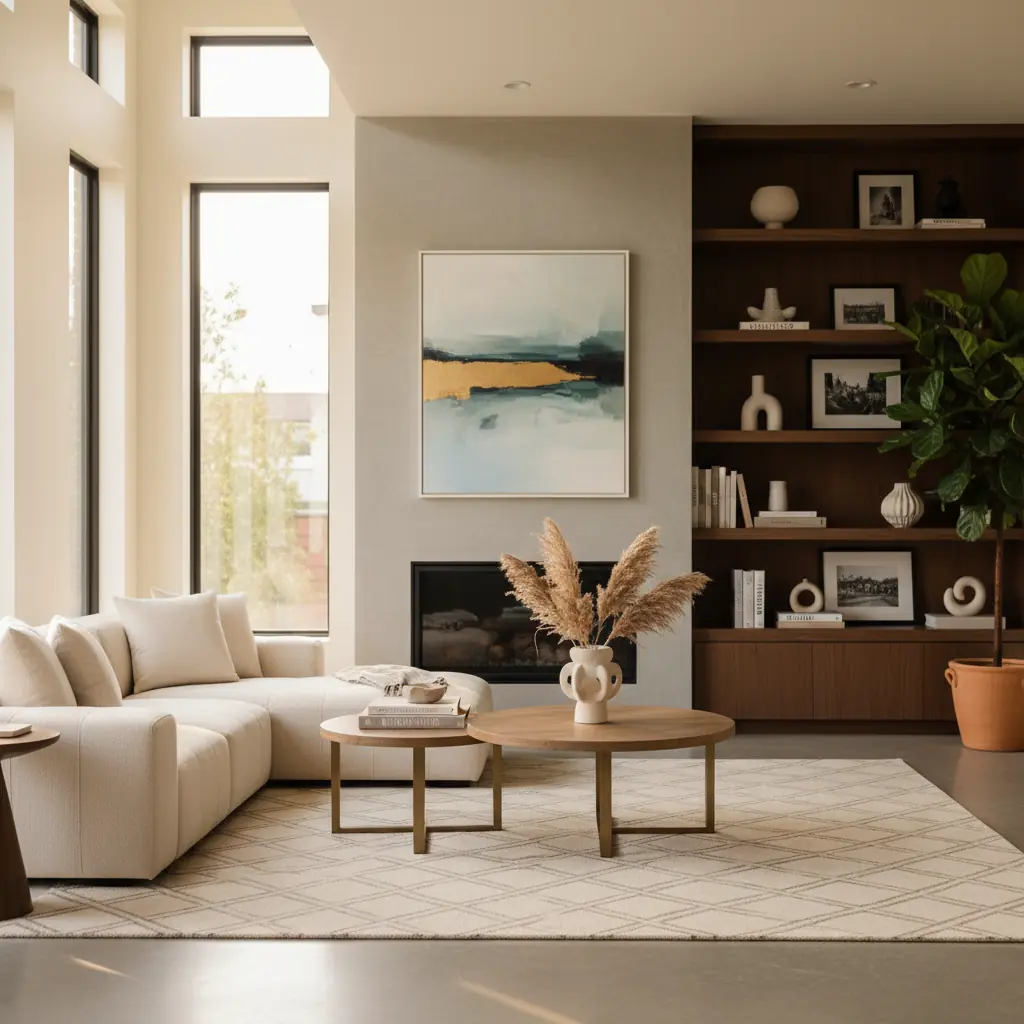
El secreto no está en los muebles caros, sino en el diseño estratégico
Entra a cualquier casa modelo e instantáneamente lo sientes: una sensación de aspiración, calma y perfección sin esfuerzo. Cada habitación se siente espaciosa, bañada en luz e impecablemente proporcionada. La mayoría de la gente asume que esto proviene únicamente de muebles de diseño caros, una generosa superficie o brillantez arquitectónica. Si bien esos factores pueden contribuir, la verdadera magia es mucho más deliberada. Los diseñadores de casas modelo emplean un conjunto específico y altamente sistemático de técnicas que manipulan expertamente la percepción, haciendo que los espacios se sientan significativamente más grandes, luminosos y cohesivos de lo que realmente podrían ser.
Estas técnicas no son secretos comerciales celosamente guardados; más bien, son principios fundamentales bien documentados en el mundo del diseño de interiores y el home staging. La diferencia crucial radica en su aplicación: los diseñadores de casas modelo los aplican rigurosamente y sin compromisos, mientras que la mayoría de los propietarios tienden a aplicarlos de manera inconsistente o a pasarlos por alto por completo. ¿La buena noticia? No necesitas un presupuesto ilimitado o un diseñador profesional en tu equipo para replicar estos efectos. Con un poco de comprensión y esfuerzo intencional, puedes aplicar estos mismos trucos poderosos para transformar tus propios espacios habitables.
¿Cómo hacen las casas modelo para que las habitaciones luzcan más grandes y luminosas?
### Escala Estratégica: Espejos de gran tamaño y muebles a escala reducida
Uno de los secretos más impactantes y a menudo pasados por alto en el diseño de casas modelo es la manipulación precisa de la escala. Los diseñadores casi siempre optan por muebles sutilmente más pequeños que las piezas residenciales estándar. Imagina un sofá de 78 pulgadas de largo en lugar de 84, o una mesa de comedor diseñada para seis personas cómodamente en lugar de ocho. Las mesas de noche suelen ser más estrechas, y los sillones pueden tener una huella más compacta. Esta sutil reducción de tamaño crea una potente ilusión óptica: las habitaciones parecen significativamente más espaciosas porque hay más superficie de piso visible, mayor espacio para respirar entre las piezas y un amplio espacio libre alrededor de los pasillos. Este uso intencional del "espacio negativo" evita que las habitaciones se sientan desordenadas o abarrotadas, mejorando la sensación de fluidez y amplitud.
Los espejos son la otra mitad, igualmente crucial, de esta ecuación espacial. Las casas modelo despliegan estratégicamente espejos de gran tamaño, a menudo de 4 a 6 pies de alto o ancho. Su ubicación es clave: directamente frente a las ventanas. Este posicionamiento inteligente logra dos efectos notables. Primero, refleja la luz natural más profundamente en la habitación, duplicando efectivamente la fuente de luz percibida e iluminando cada rincón. Segundo, y quizás de manera más impresionante, crea la ilusión de espacio adicional al reflejar la habitación sobre sí misma, expandiendo los límites visuales. Para un impacto máximo, un solo espejo grande y llamativo supera consistentemente a una disposición de múltiples espejos más pequeños, tanto para la reflexión de la luz como para la expansión espacial. De hecho, los estudios sugieren que los espejos colocados estratégicamente pueden hacer que una habitación parezca hasta un **50% más grande y el doble de luminosa** al reflejar eficientemente la luz existente.
¿Qué paletas de colores hacen que un hogar se sienta más lujoso?
### Paletas monocromáticas y la regla 60-30-10 para una elegancia atemporal
Las casas modelo son una clase magistral de armonía visual, y su estrategia de color es fundamental para ello. Raramente encontrarás más de tres colores principales en una habitación determinada, y estos colores se adhieren meticulosamente a la clásica proporción 60-30-10. Esta regla dicta:
- **60% color dominante:** Este es el tono fundamental, que generalmente cubre paredes, piezas de mobiliario grandes (como sofás) y revestimientos de suelo extensos. - **30% color secundario:** Este color proporciona contraste y profundidad, apareciendo en muebles de acento (por ejemplo, un sillón), textiles (cortinas, alfombras) y, a veces, una pared destacada. - **10% color de acento:** Este es el "toque" – utilizado con moderación en accesorios como cojines decorativos, objetos decorativos, flores frescas o piezas de arte seleccionadas.
El color dominante es casi universalmente un neutro cálido. Esto significa alejarse de los blancos fríos y crudos que pueden sentirse clínicos y abrazar tonos como el blanco cálido, el greige (una mezcla de gris y beige) o el beige suave. Esta paleta se elige cuidadosamente por varias razones: se fotografía maravillosamente, atrae a la más amplia gama posible de gustos y, fundamentalmente, hace que las habitaciones se sientan más grandes porque no hay transiciones de color discordantes que "corten" visualmente el espacio. La continuidad visual permite que la vista fluya sin interrupciones, mejorando la percepción de amplitud. Las estadísticas muestran que las casas con colores de pintura interior neutros, como los que se usan comúnmente en las casas modelo, pueden aumentar el valor percibido del hogar entre un **1% y un 2%** y ampliar significativamente el atractivo para los compradores. Para explorar paletas sofisticadas, considera usar un [generador de paletas de colores con IA](/blog/ai-color-palette-generator).
¿Por qué es tan importante la iluminación en el diseño del hogar?
### Iluminación: el presupuesto que las casas modelo triplican
Si hay un área en la que las casas modelo superan drásticamente el presupuesto del propietario promedio, es la iluminación. Una casa modelo típica asignará al menos tres veces el presupuesto de iluminación de un propietario promedio. Mientras que un propietario podría gastar entre $500 y $1,000 por habitación en accesorios de iluminación, una casa modelo a menudo invierte **$1,500-$3,000 o más**, reconociendo su profundo impacto en el ambiente y la percepción. Cada habitación individual cuenta con iluminación por capas, combinando estratégicamente tres tipos:
- **Iluminación ambiental:** La luz general y fundamental en una habitación, a menudo proporcionada por accesorios de techo como luces empotradas, candelabros o plafones. - **Iluminación de tarea:** Iluminación focalizada para actividades específicas, como lámparas de lectura junto a un sofá, luces debajo de los gabinetes en una cocina o apliques junto a un tocador. - **Iluminación de acento:** Utilizada para resaltar características arquitectónicas, obras de arte u objetos decorativos, incluyendo luces para cuadros, tiras de LED debajo de estantes flotantes o luces ascendentes detrás de plantas.
Fundamentalmente, la temperatura de color de todas las fuentes de luz es meticulosamente consistente en toda la casa: un blanco cálido a 2700K. Nunca encontrarás tubos fluorescentes fríos o una mezcla discordante de diferentes temperaturas de bombillas. Esta consistencia crea un brillo uniforme y acogedor que imita la luz natural del día y contribuye a una sensación cohesiva y de alta gama. Las casas modelo también maximizan obsesivamente la luz natural. Esto significa usar cortinas transparentes o ningún tipo de cubrimiento de ventanas, asegurándose de que ningún mueble bloquee las ventanas y optando por pisos de colores claros que reflejen la luz hacia arriba. Si tu casa tiene una habitación que consistentemente se siente oscura, tu acción inmediata y más impactante debería ser agregar dos o tres fuentes de luz adicionales (combinando ambiental, de tarea y de acento) antes de considerar cualquier otro cambio de diseño.
¿Cómo crean las casas modelo una sensación "curada" sin desorden?
### Vacío estratégico y el arte de los estantes estilizados
La sensación curada e impecable de las casas modelo no se logra a través de una ornamentación interminable; nace de la escasez intencional, lo que llamamos "vacío estratégico". A diferencia de la mayoría de los hogares donde cada superficie se convierte en un punto de aterrizaje, las casas modelo comprenden el poder del espacio negativo. Las estanterías suelen estar solo un 60% llenas, permitiendo que la vista descanse y aprecie los pocos artículos exhibidos. Los mostradores de la cocina pueden presentar solo un electrodoméstico elegante, como una tetera de alta gama o una batidora de pie, junto con un simple frutero o una sola planta. Los tocadores del baño se mantienen al mínimo: un solo dispensador de jabón elegante, una pequeña planta vibrante y quizás una toalla de mano cuidadosamente doblada. Esto no es minimalismo por sí mismo; es una elección deliberada para dejar respirar la arquitectura, el mobiliario y los elementos de diseño principales. Mejora la percepción del espacio y exhibe elementos de verdadero valor decorativo.
El estilismo de estanterías en las casas modelo sigue una fórmula muy específica y repetible:
- **Agrupa los elementos en números impares:** Los grupos de tres y cinco son visualmente más atractivos y dinámicos. - **Varía las alturas dentro de cada grupo:** Crea interés visual mezclando objetos altos, medianos y bajos. - **Mezcla materiales y texturas:** Combina diferentes elementos como un objeto de madera, una pieza metálica, un elemento orgánico (como una planta pequeña o una piedra) y algo de cerámica o vidrio. - **Deja espacio negativo entre los grupos:** No amontones todo. Permite espacio para respirar para que cada viñeta pueda ser apreciada.
Si adoptas solo un principio del diseño de casas modelo, que sea este: eliminar tres elementos de cualquier superficie dada en tu hogar casi siempre hará que se vea mejor, más intencional y menos desordenado.
El Poder del Flujo y la Distribución: Diseñando para el Movimiento
Más allá de los elementos individuales, las casas modelo sobresalen en la creación de un flujo continuo que guía a los visitantes a través del espacio. Esto implica una cuidadosa consideración de la disposición de los muebles para asegurar pasillos despejados y líneas de visión sin obstáculos. Los diseñadores posicionan los muebles para definir zonas funcionales (sala de estar, comedor, rincones de lectura) mientras mantienen una sensación abierta y aireada. Notarás que los sofás y las sillas a menudo se retiran ligeramente de las paredes, permitiendo un mejor flujo de energía y una atmósfera más acogedora. Los pasillos son siempre generosos, asegurando que los visitantes puedan moverse libremente sin tropezar con los muebles. Esta disposición deliberada no solo hace que una casa se sienta más grande, sino también más intuitiva y cómoda. La utilización de herramientas como un [diseñador de distribución de muebles con IA](/blog/ai-furniture-arrangement-tool) puede ayudarte a visualizar diseños óptimos para tu propio espacio, asegurando transiciones fluidas y zonas funcionales.
Capas de Textura y la Sutil Implicación de los Sentidos
Aunque las paletas de colores son sobrias, las casas modelo son ricas en textura. Los diseñadores superponen magistralmente diferentes materiales para añadir profundidad e interés sin introducir desorden visual. Piensa en una sala de estar: una suave alfombra de lana bajo los pies, un sofá de lino, cojines decorativos de terciopelo, una cesta de ratán tejida y una mesa de centro de madera pulida. Esta interacción de texturas —suave, áspera, blanda, dura— involucra los sentidos y crea una experiencia lujosa y táctil. Es una forma sutil pero potente de hacer que un espacio se sienta más rico y acogedor. Más allá de la textura, las casas modelo a menudo emplean sutiles señales sensoriales, como una fragancia ligera y limpia (nunca abrumadora), mejorando aún más la experiencia aspiracional general.
Accesorios y Arte Curados: Los Toques Finales
Cada accesorio y obra de arte en una casa modelo se elige con un propósito. Se trata de calidad sobre cantidad. En lugar de numerosos artículos pequeños y dispares, encontrarás algunas piezas cuidadosamente seleccionadas que complementan la estética de la habitación. El arte a menudo se escala apropiadamente para la pared que adorna, sirviendo como punto focal o como un elemento cohesivo que une una paleta de colores. Estos elementos se sienten personales sin ser excesivamente específicos, permitiendo a los compradores potenciales imaginar sus propias vidas dentro del espacio. Al seleccionar arte, considera piezas que evoquen calma o sofisticación, y al elegir accesorios, prioriza aquellos con formas, texturas interesantes o una conexión con tu esquema de color elegido.
Cómo aplicar estos trucos de casas modelo en tu hogar (sin el presupuesto de una casa modelo)
Absolutamente no necesitas un presupuesto de casa modelo para integrar estas potentes técnicas de diseño en tus propios espacios habitables. Comienza con los cambios de mayor impacto y menor costo, y avanza gradualmente.
1. **Despeja sin Piedad:** Este es el primer paso más efectivo y económico. Despeja cada superficie —encimeras de cocina, tocadores de baño, estanterías, mesas de centro— al mínimo. Luego, agrega de nuevo, lenta e intencionalmente, solo aquellos elementos que cumplen un propósito visual claro o que son genuinamente apreciados. Recuerda la regla de la casa modelo: quitar tres elementos casi siempre mejora una superficie. 2. **Optimiza tu Iluminación:** Reemplaza todas las bombillas existentes con LEDs de luz blanca cálida de 2700K consistentes. Luego, identifica las habitaciones que actualmente dependen únicamente de la iluminación de techo y agrega al menos una lámpara de pie o una lámpara de mesa. El objetivo es una iluminación por capas en cada habitación. 3. **Introduce un Espejo de Gran Tamaño:** Esto cambia las reglas del juego para la percepción espacial y la luz. Busca en tiendas de segunda mano, Goodwill, Facebook Marketplace o tiendas de consignación locales espejos grandes (de más de 4 pies de alto) a precios increíblemente asequibles (a menudo entre $20 y $50). Colócalo estratégicamente frente a la ventana más grande de la habitación. 4. **Evalúa la Escala de los Muebles:** Si alguna habitación se siente realmente estrecha, no te apresures a comprar muebles nuevos. Primero, intenta quitar una pieza. Te sorprenderá el impacto que puede tener eliminar un solo elemento mal ajustado en el tamaño percibido y el flujo de la habitación. Para distribuciones más complejas, Habitas puede ayudarte a visualizar varias disposiciones de muebles al instante. Herramientas como [Habitas](/blog/ai-interior-design-how-it-works) te permiten subir una foto de tu habitación real y experimentar con diferentes distribuciones y escalas de muebles, facilitando ver el impacto de estos cambios antes de comprometerte. 5. **Simplifica tu Paleta de Colores:** Recorre tu hogar y evalúa la narrativa de color de cada habitación. Si una habitación tiene más de tres colores dominantes compitiendo por la atención, simplifica. Esto podría significar reemplazar cojines decorativos que no combinan con otros en tu color de acento elegido, cambiar una alfombra recargada y llamativa por una neutral y textural, o repintar una pared de acento para que coincida con el tono dominante de la habitación. El objetivo es la continuidad visual. 6. **Superpone Texturas:** Incluso con un presupuesto limitado, puedes introducir riqueza textural. Agrega una manta económica a tu sofá, cambia las cortinas viejas por unas de lino transparente o coloca una cesta tejida en una esquina. Estas pequeñas adiciones añaden profundidad sin desorden.
Al implementar estos cambios estratégicos, no solo estás redecorando; estás aplicando los mismos principios visuales sofisticados que hacen que las casas modelo se sientan perfectamente sin esfuerzo, transformando tu propio hogar en un refugio aspiracional y acogedor. Recuerda, los propietarios que preparan estratégicamente sus propiedades utilizando estos principios a menudo ven retornos significativos; las casas con staging profesional pueden venderse hasta un **7% más caro** que las casas sin staging, y las estadísticas de la Asociación Nacional de Agentes Inmobiliarios muestran que a menudo se venden un **50% más rápido** en promedio, demostrando el poder de estos secretos de diseño.
Preguntas Frecuentes
### ¿Cuáles son las principales diferencias entre una casa decorada y una casa modelo?
La diferencia principal radica en la intencionalidad y el propósito. Un hogar decorado a menudo refleja el gusto personal, las posesiones acumuladas y la comodidad individual. Una casa modelo, por el contrario, está meticulosamente diseñada para atraer al público más amplio posible, mostrar las mejores características de la propiedad y crear una ilusión de estilo de vida aspiracional. Utiliza trucos específicos de psicología del diseño —como muebles a escala, iluminación por capas y vacío estratégico— para manipular la percepción, haciendo que los espacios se sientan más grandes, luminosos y universalmente atractivos que un hogar típicamente habitado.
### ¿Cómo eligen los colores los diseñadores de casas modelo?
Los diseñadores de casas modelo optan casi exclusivamente por paletas monocromáticas cálidas y neutras. Generalmente se adhieren a la regla 60-30-10: 60% color neutro cálido dominante (p. ej., greige, beige suave en las paredes), 30% color neutro secundario (p. ej., beige ligeramente más oscuro o gris claro en textiles) y 10% color de acento (un verde, azul o terracota tenue). Esta elección es estratégica: los neutros se fotografían maravillosamente, atraen a una amplia gama de gustos y permiten que el espacio en sí sea el punto focal, creando una ilusión de mayor tamaño y sofisticación.
### ¿Los muebles de las casas modelo son más pequeños que los muebles regulares?
Sí, los muebles de las casas modelo suelen ser sutilmente más pequeños en comparación con los muebles minoristas estándar. Los sofás pueden ser unas pocas pulgadas más cortos, las mesas de comedor de tamaño para menos comensales y las mesas de noche más estrechas. Esta reducción intencional de tamaño es un truco óptico inteligente diseñado para hacer que las habitaciones parezcan más espaciosas al dejar más superficie de piso visible y espacio para respirar alrededor de cada pieza. No se trata de ser incómodo, sino de maximizar la apertura percibida del espacio.
### ¿Cuál es la temperatura de iluminación ideal para un hogar acogedor?
La temperatura de iluminación ideal para un hogar acogedor y cohesivo, que refleje los estándares de las casas modelo, es un blanco cálido consistente a 2700K (Kelvin). Esta temperatura de color produce un brillo suave y acogedor que imita la luz incandescente natural, creando un ambiente cálido y confortable. Evitar temperaturas mezcladas y una iluminación fría y cruda es crucial para lograr esa sensación armoniosa y de alta gama que se ve en las casas modelo.
### ¿Cómo puedo hacer que mi sala de estar pequeña se vea más grande como una casa modelo?
Para hacer que una sala de estar pequeña se sienta más grande como una casa modelo, comienza por despejar a fondo para maximizar el espacio negativo. Incorpora un espejo de gran tamaño colocado estratégicamente frente a una ventana para reflejar la luz y expandir visualmente la habitación. Elige piezas de mobiliario a escala reducida y arréglalas para asegurar pasillos despejados. Opta por una paleta de colores monocromática cálida y neutra para paredes y elementos más grandes, e introduce iluminación por capas (ambiental, de tarea, de acento) con bombillas consistentes de 2700K para iluminar cada rincón.