Modern Living Room Ideas for 2026: The Ultimate Guide
Fresh modern living room ideas from minimalist to warm contemporary.
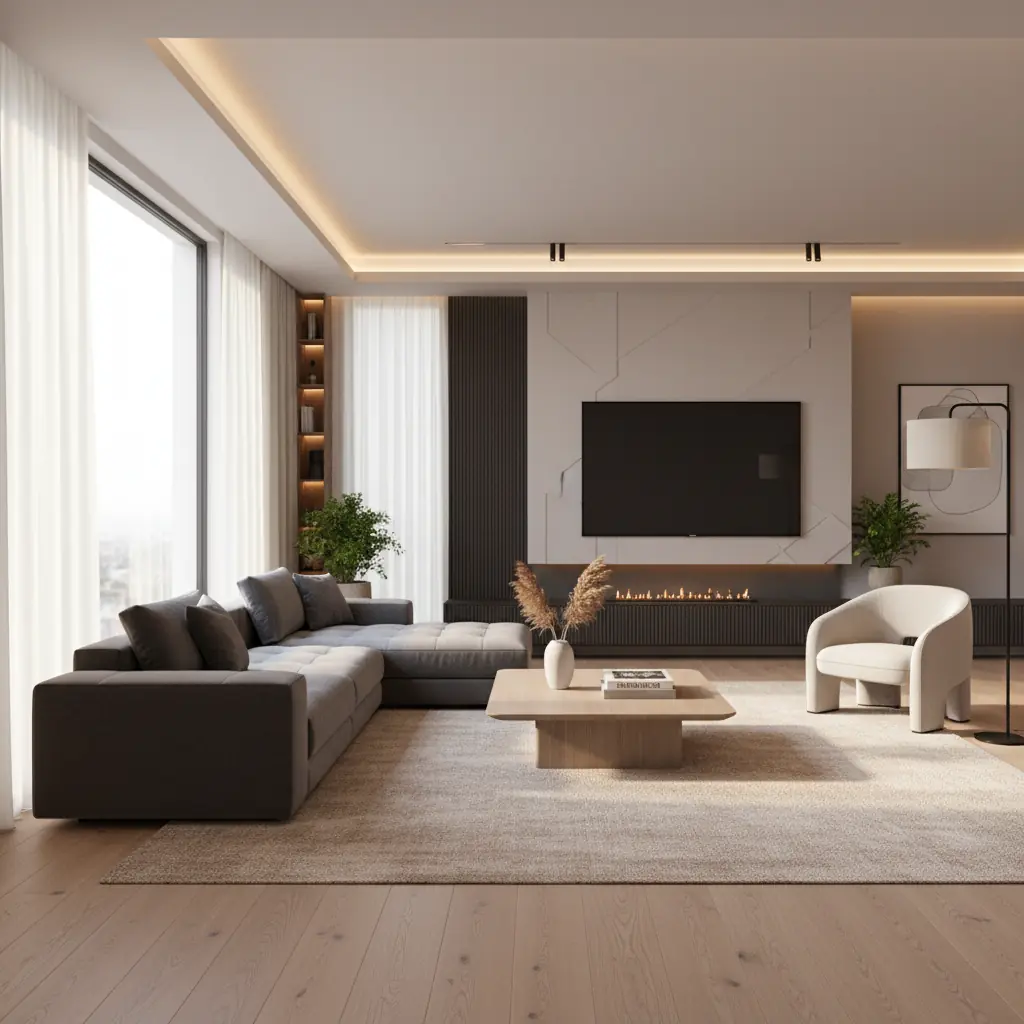
What Defines a Modern Living Room in 2026? A Shift Towards Warmth
Modern living room design in 2026 has definitively evolved beyond the cold, stark minimalism of decades past. The prevailing aesthetic now embraces a sophisticated blend of clean architectural lines with an inviting warmth, achieved through thoughtfully selected natural materials, soft, tactile textures, and an unwavering focus on intentional comfort. The result is a space that feels deeply sophisticated without ever crossing into sterile territory.
The biggest, most impactful shift this year is toward what designers widely refer to as "warm minimalism." These are rooms that are expertly edited and highly intentional, designed with a philosophy of "less but better," ensuring that every element earns its place. Yet, crucially, they never feel empty or unwelcoming. Imagine fewer, exceptionally well-crafted pieces rather than many mediocre ones. Picture less overt color, but an abundance of richer, more nuanced texture that engages the senses. This approach reflects a growing desire for homes that offer sanctuary, fostering calm and connection in an increasingly digital world. This trend is further supported by recent market data, indicating that **homes featuring well-designed, inviting interiors often sell up to 25% faster** than those lacking cohesive design.
The Architectural Foundation: Clean Lines & Purposeful Spatial Design
Every truly modern living room begins with a commitment to clean sight lines and a sense of visual tranquility. This means furniture with simple, elegant geometric forms, clear floor space that encourages fluid movement, and an overarching sense of visual order. This isn't about emptiness; it's about a disciplined approach where every single piece within the room justifies its presence and contributes to the overall harmony.
Low-profile sofas, often with sleek frames and deep, comfortable cushions, serve as the foundational anchors of the space, drawing the eye without dominating the room. Coffee tables, crafted from luxurious materials like honed marble, smoked glass, or rich dark wood, transcend mere functionality to become sculptural elements in their own right. The true genius lies in proportion and scale: oversized pieces in a compact room create a cramped, uncomfortable feeling, while appropriately scaled furniture makes even a modest space feel expansively designed and effortlessly sophisticated. Consider modular systems that can adapt to your needs, or even built-in shelving that offers storage without visual clutter. For more on optimizing layouts, explore how an [AI furniture arrangement tool](/blog/ai-furniture-arrangement-tool) can help you perfectly scale and place your pieces.
What Are the Best Color Strategies for Modern Living Rooms Now?
The era of the all-white, sterile modern living room is, thankfully, behind us. In 2026, the most compelling modern spaces build upon a foundation of warm neutrals. Think soft greiges that blur the lines between gray and beige, creamy warm whites that reflect light beautifully, and gentle, earthy clay tones that bring a subtle, organic grounding. These foundational hues then act as a perfect canvas for one or two carefully selected accent tones.
Consider incorporating a deep, muted olive green for a touch of natural sophistication, a rich, earthy terracotta to evoke warmth and ancient craftsmanship, or a sophisticated, muted navy for an element of grounded elegance. These accent colors add depth and personality without clashing with or overwhelming the modern vocabulary. Monochromatic schemes remain particularly effective, especially when executed with varying shades and textures of the same core tone. This creates a layered sophistication that multi-color palettes rarely achieve, focusing the eye on form and texture. To experiment with different palettes for your modern space, an [AI color palette generator](/blog/ai-color-palette-generator) can offer countless sophisticated combinations tailored to your preferences.
Materials That Ground the Space: Sensory Richness & Tactile Appeal
The judicious selection of materials is perhaps the most critical element in defining a modern living room that embodies warm minimalism. Natural stone—think a substantial marble coffee table, a sleek travertine side table, or subtle alabaster accents—brings an undeniable sense of permanence and luxury. Warm woods, such as rich walnut or lightly bleached oak, introduce an organic texture and a grounding natural element that instantly elevates the space. Tactile fabrics like plush bouclé, breathable linen, or sumptuous cashmere chenille provide sensory richness, inviting touch and adding depth.
The inherent contrast between smooth and textured, hard and soft, creates the visual interest that pure, unadorned minimalism often lacks. This thoughtful layering of materials not only enhances the aesthetic but also contributes to the longevity and durability of your design. Indeed, investing in durable, natural materials like solid wood or stone can significantly add long-term value to your home, with some studies suggesting an **ROI of 8-15% on quality home improvements** that prioritize these elements.
Beyond Furniture: The Power of Intentional Lighting Design
In a modern living room, lighting transcends mere illumination; it becomes an integral design element, sculpting the space and dictating its mood. Statement lighting is, quite simply, non-negotiable. A boldly sculptural pendant light suspended over a coffee table or a striking floor lamp positioned strategically in a corner acts as functional art, often becoming the most memorable and defining element in the room.
However, a truly sophisticated lighting plan employs layers:
- **Ambient Lighting:** This is your general, soft illumination, often achieved through recessed lighting, cove lighting, or flush-mount fixtures, designed to provide overall brightness without harshness. - **Task Lighting:** Essential for activities like reading or working, task lighting might come from an elegant table lamp or a focused floor lamp placed beside an armchair. - **Accent Lighting:** This is where you highlight architectural features, artwork, or sculptural elements. Picture subtle wall grazers or strategically placed spot lights that draw attention to key pieces. By combining these layers, you can create various moods, from bright and invigorating to soft and intimate, all at the flick of a switch. Consider smart lighting systems that allow you to control color temperature and brightness, adapting the room's ambiance throughout the day.
How Do You Select Art & Decor for a Modern Space? Curated Personality
In a modern living room, the selection of art and decor is an exercise in thoughtful curation rather than accumulation. The guiding principle is quality over quantity. Each piece should feel intentional, contributing to the room's narrative without creating visual noise.
- **Art:** Choose impactful, often oversized, pieces that make a statement. Abstract works, minimalist photography, or large-scale textural pieces are excellent choices. Consider framing to be part of the art itself – sleek, simple frames in black, white, or natural wood. - **Sculptural Objects:** Beyond paintings, incorporate sculptural vases, unique ceramic pieces, or even a statement rock that brings an organic, earthy feel. These pieces add three-dimensional interest and a sense of sophisticated design. - **Greenery:** Introduce living elements with thoughtfully placed plants. Large-leafed plants like a Fiddle Leaf Fig or a sculptural Sansevieria bring life and a touch of biophilic design without disrupting clean lines. Elegant ceramic or concrete planters integrate seamlessly with modern aesthetics. - **Personal Touches:** While maintaining an edited aesthetic, don't shy away from incorporating personal touches. A small collection of meaningful books on a sleek shelf, a framed personal photograph, or a unique souvenir from a journey can add character without becoming clutter. The key is integration and restraint.
Textile Layering: Infusing Comfort and Softness
Textiles are the unsung heroes of warm minimalism, adding depth, comfort, and a crucial layer of sensory appeal without compromising the clean aesthetic. They provide the softness and invitation that counterbalances the architectural precision of modern design.
- **Rugs:** An area rug is fundamental. It defines zones, anchors furniture, and adds a significant layer of texture and warmth. Opt for natural fibers like wool, jute, or sisal in neutral tones, or choose a subtle geometric pattern to introduce a soft graphic element. The rug should be large enough for at least the front legs of all major seating pieces to rest upon it, creating a cohesive visual. - **Throws:** Drape a luxurious throw – think cashmere, chunky knit wool, or a soft linen blend – over a sofa or armchair. This adds an instant touch of comfort and an inviting tactile element. - **Pillows:** Select throw pillows in varying textures rather than loud patterns. Bouclé, velvet, washed linen, or even subtle leather can add depth and comfort. Stick to a refined color palette that complements your existing neutrals and accent tones. - **Window Treatments:** Choose window treatments that enhance the modern aesthetic. Simple linen or cotton drapes in a warm neutral, hung high and wide to frame the window, offer softness and control light without fuss. Motorized blinds or shades offer a sleek, minimalist solution.
Sustainability & Ethical Choices in Modern Design
Modern living in 2026 isn't just about aesthetics; it's increasingly about conscience. Sustainable and ethical design choices are becoming an integral part of the modern design philosophy, reflecting a global shift towards environmental responsibility.
- **Eco-Friendly Materials:** Prioritize furniture and decor made from recycled, reclaimed, or sustainably sourced materials. Look for certifications that guarantee responsible forestry (e.g., FSC for wood) or ethical manufacturing practices. - **Longevity and Durability:** Embrace the "buy less, choose well" mantra. Investing in high-quality, durable pieces that are built to last reduces waste and supports skilled craftsmanship. This aligns perfectly with the "fewer pieces, better quality" principle of warm minimalism. - **Conscious Sourcing:** Support local artisans and businesses, or brands committed to fair trade practices. Consider antique or vintage pieces, which add character and a unique story while being inherently sustainable. A recent study found that **60% of consumers are willing to pay more for sustainable and ethically sourced home goods**, highlighting a growing market for responsible design.
The Japandi Influence: Blending Modern & Traditional Serenity
One of the most exciting evolutions within modern design is the rise of Japandi – a harmonious blend of Japanese minimalism and Scandinavian functionality. This style exemplifies warm minimalism perfectly, creating spaces that are calm, serene, and deeply connected to nature.
In a Japandi-influenced modern living room, you'll find:
- **Natural Materials:** Abundant use of light woods (birch, oak), rattan, bamboo, and natural fibers like linen and cotton. - **Subdued Color Palettes:** Soft grays, warm whites, muted blues, and natural greens, often contrasted with a single black accent. - **Clean Lines & Simplicity:** Furniture forms are understated, functional, and without excessive ornamentation. - **Biophilic Elements:** An emphasis on bringing the outdoors in through plants, natural light, and organic textures. This connection to nature aligns with the broader principles of [biophilic design](/blog/biophilic-design-guide). - **Craftsmanship:** Appreciation for handmade items and artisanal details that add soul to the space. Japandi shows how modern design can draw from diverse cultural influences to create truly unique and inviting environments. It's an excellent example of the [best interior design styles for 2026](/blog/best-interior-design-styles-2026) that balance aesthetics with a sense of well-being.
Bringing Your Vision to Life: Practical Steps to a Modern Living Room
Transforming your living room into a modern sanctuary of warm minimalism is an exciting journey. Here’s a practical roadmap to guide you:
1. **Define Your Style:** Start by gathering inspiration. What elements of warm minimalism resonate most with you? Create a mood board using images, textures, and color swatches. 2. **Assess Your Space:** Take detailed measurements of your room. Consider natural light, existing architectural features, and traffic flow. This step is crucial for planning furniture placement and scale. 3. **Declutter Ruthlessly:** Before adding anything new, remove everything that doesn't serve a purpose or bring you joy. A modern space thrives on intentionality and visual clarity. 4. **Establish a Budget:** Determine how much you're willing to invest. A full living room makeover can range significantly, but a typical refresh might cost between $5,000 and $20,000, depending on the scope and quality of furnishings. Setting a clear budget helps guide your purchasing decisions. For a deeper dive into potential costs, compare the [AI interior design vs. human designer cost](/blog/ai-interior-design-vs-hiring-cost). 5. **Plan Your Layout:** Use floor plans or even painter's tape on the floor to visualize furniture placement. Ensure adequate walkways and conversational areas. 6. **Source Key Pieces:** Start with the largest items like your sofa and rug, then move to coffee tables, side tables, and lighting. Prioritize quality and longevity. 7. **Layer Textures & Decor:** Once the main furniture is in place, add textiles, art, plants, and sculptural objects. Remember the "less but better" philosophy. 8. **Evaluate & Refine:** Live with your new space for a bit. What feels right? What could be adjusted? Design is an iterative process.
Visualize Your Modern Living Room with Habitas AI
The gap between a brilliant design idea and its real-world application is where most living room redesigns encounter hurdles. Will that bouclé sofa truly fit? Does the deep olive accent wall complement your existing flooring? This uncertainty often leads to costly mistakes and design fatigue.
This is precisely where Habitas steps in, revolutionizing the design process. Our AI-powered platform allows you to upload a photo of your actual living room and instantly apply these modern ideas, seeing them come to life in your unique space. Imagine generating multiple design concepts for warm minimalism, Japandi-inspired aesthetics, or sophisticated contemporary looks—all within seconds. While a traditional interior designer might take 2-4 weeks to deliver initial concepts, **AI platforms like Habitas can generate high-fidelity visualizations in less than 60 seconds.** You can compare different approaches, experiment with various furniture arrangements, color palettes, and material combinations, all without committing to a single purchase. Once you've perfected your vision, Habitas can even provide an execution plan, helping you transform your favorite AI-generated design into a tangible reality. It's about empowering you to make confident, informed design decisions, significantly reducing guesswork and boosting your design confidence. For a full understanding, explore [AI interior design: how it works](/blog/ai-interior-design-how-it-works).
The Future of Modern Living: Adaptability and Personal Expression
The modern living room of 2026 is a dynamic and evolving space, far removed from rigid formulas. It champions a blend of aesthetic purity with human-centric comfort, sustainable practices, and the embrace of advanced technology. It's a space designed for living, for connecting, and for expressing a curated sense of self. As design continues to evolve, expect an even greater emphasis on adaptability, well-being, and personalized aesthetics, making your living room not just a beautiful space, but a true reflection of modern life.
Frequently Asked Questions
### What is "warm minimalism" in living room design?
Warm minimalism is a contemporary interior design approach that combines the clean lines, uncluttered spaces, and functional aesthetic of traditional minimalism with an added layer of warmth and comfort. It prioritizes natural materials (wood, stone), soft textures (bouclé, linen), and a neutral color palette often featuring creamy whites, greiges, and earthy tones, sometimes with a single muted accent color. The goal is to create spaces that feel edited and sophisticated, yet inviting and deeply comfortable, avoiding the stark or cold feeling associated with older minimalist styles.
### How much does it cost to implement modern living room ideas?
The cost to implement modern living room ideas can vary significantly based on the scope of the project, the quality of materials and furniture chosen, and whether you hire professional help. A simple refresh involving new paint, a few decor pieces, and textiles might cost a few hundred to a couple of thousand dollars. A more extensive overhaul, including new furniture, statement lighting, and perhaps some custom elements, could range from $5,000 to $20,000+. Hiring a traditional interior designer for a living room can range from **$2,000 to $10,000+ for design fees alone**, excluding furniture purchases. However, utilizing AI tools like Habitas can significantly reduce design costs by empowering you to visualize and plan independently.
### How do I choose the right furniture for a modern living room?
When choosing furniture for a modern living room, prioritize pieces with clean lines, simple geometric forms, and a sense of visual lightness. Look for low-profile sofas, sleek coffee tables, and chairs that offer comfort without bulk. Focus on quality over quantity, investing in well-made pieces from natural materials like solid wood, metal, glass, or stone. Consider the scale of your room to ensure furniture is appropriately sized, preventing the space from feeling cramped or empty. Modular furniture can also offer flexibility. For optimal placement and sizing, an [AI furniture arrangement tool](/blog/ai-furniture-arrangement-tool) can be invaluable.
### Can a modern living room also be comfortable and inviting?
Absolutely. The evolution of modern living room design, particularly with the rise of "warm minimalism," emphasizes comfort and inviting aesthetics. Designers achieve this by integrating soft, tactile fabrics like bouclé, linen, and cashmere, incorporating warm wood tones and natural stone, and layering lighting to create ambiance. Deep, comfortable seating, plush rugs, and strategically placed throws contribute to a cozy atmosphere, while a curated selection of art and personal touches ensures the space feels lived-in and welcoming without sacrificing its clean, sophisticated edge.
### What are common mistakes to avoid in modern living room design?
One common mistake is a strict adherence to outdated, cold minimalism, resulting in a sterile or uninviting space. Another is over-cluttering the room with too many decor items, which negates the clean-line philosophy. Ignoring scale and proportion—placing oversized furniture in a small room or too many small pieces in a large one—is also a frequent pitfall. Additionally, neglecting proper lighting design, using only harsh overhead lights, can flatten the room's appeal. Lastly, choosing low-quality materials to save money often detracts from the sophisticated, lasting appeal central to modern design.