Optimización del Diseño de Oficinas para una Productividad Máxima: Una Guía Basada en Investigación
Descubrimientos respaldados por investigación sobre cómo el diseño de oficinas afecta la productividad — desde elementos biofílicos y luz natural hasta la psicología del color y la gestión acústica.
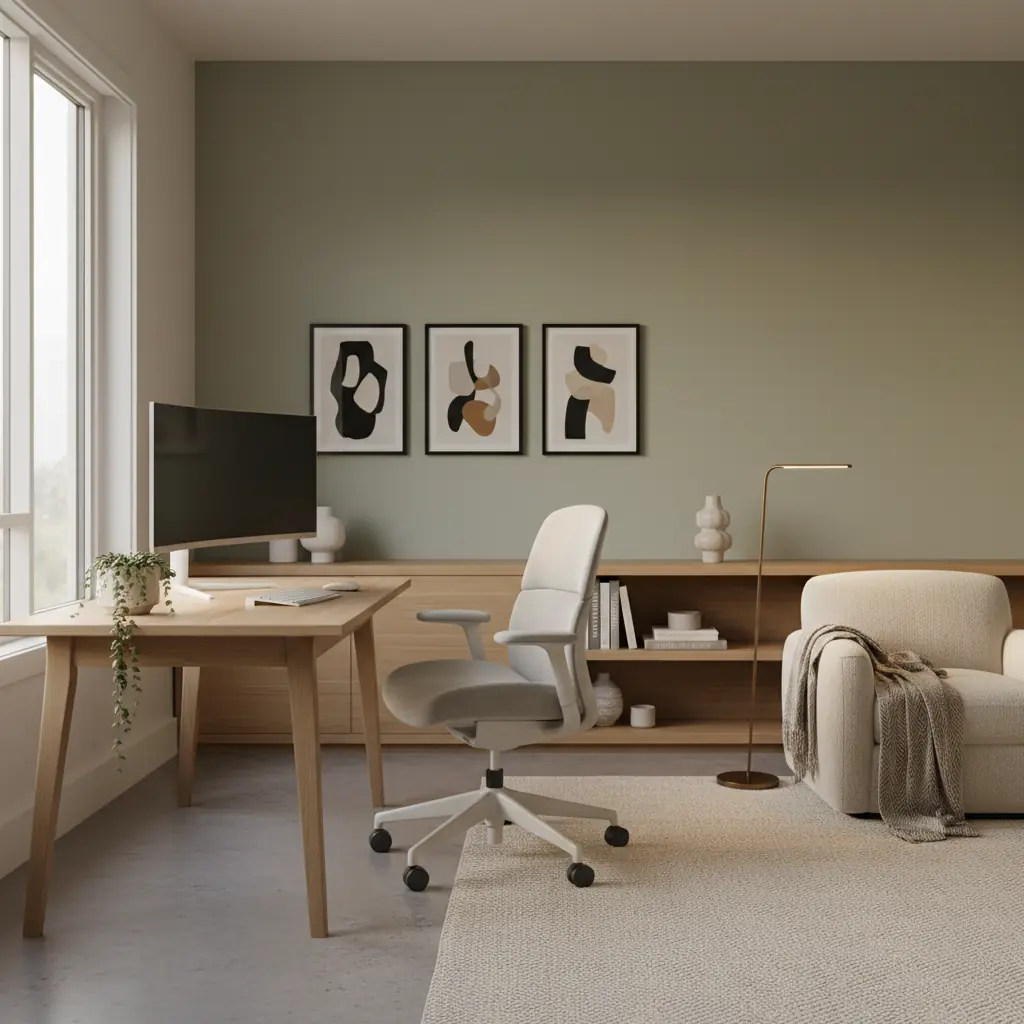
Lo que la ciencia dice sobre el diseño de espacios de trabajo y el rendimiento del empleado
La relación entre el diseño de oficinas y la productividad es una de las áreas más estudiadas en la psicología ambiental, y los hallazgos son claros: el espacio de trabajo físico tiene un impacto medible y significativo en el rendimiento cognitivo, la creatividad, el bienestar de los empleados y, en última instancia, el éxito empresarial. Esto no es solo una opinión o una tendencia de diseño pasajera, es un conjunto de investigaciones revisadas por pares y replicadas en cientos de estudios a nivel mundial.
Un estudio histórico del World Green Building Council encontró que los factores de diseño de oficinas representan una variación del 5% al 15% en la productividad de los empleados. Dado que los costos de personal suelen representar el 90% de los gastos operativos de una empresa, incluso una ganancia de productividad del 5% gracias a un mejor diseño supera drásticamente el costo de implementarlo. De hecho, muchas organizaciones informan que por cada dólar invertido en un diseño de oficina enfocado en el bienestar, ven un retorno promedio de $3.50 en un mejor rendimiento de los empleados y una reducción de los costos de atención médica. Esto no se trata solo de estética; se trata de crear un entorno que active y mejore el potencial humano, impactando directamente en tus resultados financieros.
Diseño biofílico: Aprovechando la naturaleza para una oficina más productiva
El diseño biofílico — la práctica de incorporar elementos naturales en entornos construidos — es la intervención de diseño más respaldada por evidencia para impulsar la productividad y el bienestar. Sus principios provienen de nuestra conexión humana innata con la naturaleza, un concepto conocido como biofilia. Cuando estamos rodeados de elementos naturales, nuestros niveles de estrés disminuyen, nuestra función cognitiva mejora y nuestra sensación de bienestar se eleva.
Un estudio de la Universidad de Exeter encontró que enriquecer una oficina con plantas aumentaba la productividad en un 15%. Otro estudio publicado en la revista PLOS ONE encontró que los trabajadores con vistas a elementos naturales reportaron un 15% más de bienestar y un 6% más de productividad que aquellos sin ellas. Los mecanismos psicológicos en juego son profundos: la naturaleza ayuda a restaurar la función cognitiva al reducir la fatiga mental, promover una sensación de calma y estimular la creatividad.
No necesitas un muro verde o un extenso jardín interior para cosechar estos beneficios, aunque estos pueden ser impactantes. La investigación demuestra que incluso intervenciones modestas hacen maravillas:
- **Plantas de escritorio:** Fáciles de implementar y altamente efectivas. Incluso una pequeña planta puede marcar la diferencia. - **Materiales naturales:** Prioriza muebles y acabados hechos de madera real, piedra, corcho o arcilla. Si los materiales reales no son factibles, busca alternativas de alta calidad que imiten de manera convincente las texturas y patrones naturales. Un escritorio de madera real (o un material con un aspecto de madera convincente) desencadena una respuesta psicológica diferente a una superficie laminada blanca, aunque funcionalmente sean idénticos. - **Patrones inspirados en la naturaleza:** Incorpora formas orgánicas en el diseño de muebles, textiles o arte. Busca patrones fractales, esos diseños geométricos repetitivos que se encuentran en los copos de nieve o las hojas de helecho, que se sabe que son visualmente calmantes y estimulantes. - **Vistas de la naturaleza:** Maximiza las ventanas existentes que ofrecen vistas de árboles, cielo o agua. Si las vistas naturales son limitadas, considera fotografía de naturaleza de alta calidad o incluso instalaciones de video. - **Fuentes de agua:** El sonido del agua que fluye suavemente puede ser increíblemente relajante, ayudando a enmascarar ruidos que distraen y crear una atmósfera serena. - **Integración de luz natural:** Aunque a menudo se considera por separado, la luz natural es una piedra angular del diseño biofílico, conectándonos con los ciclos diarios y estacionales de la naturaleza.
Para una inmersión más profunda en la integración de la naturaleza en tus espacios, explora nuestra [guía completa de diseño biofílico](/blog/biophilic-design-guide).
Luz natural y temperatura óptima: Los elementos fundamentales de un espacio de trabajo productivo
Al diseñar una oficina, algunos factores son innegociables para la productividad, y la luz natural encabeza esa lista. Un estudio de la Universidad de Cornell encontró que los trabajadores en oficinas con luz natural optimizada reportaron un aumento del 18% en la productividad y una disminución del 84% en la fatiga visual, dolores de cabeza y visión borrosa. La explicación tiene sus raíces en nuestra biología: la luz natural ayuda a regular nuestros ritmos circadianos, el reloj interno del cuerpo que afecta directamente el estado de alerta, el estado de ánimo y la función cognitiva. Sin una exposición suficiente a la luz natural, especialmente por la mañana, nuestros cuerpos luchan por producir melatonina en los momentos adecuados, lo que lleva a la fatiga y a una reducción del enfoque.
Si estás diseñando una oficina y solo puedes optimizar una cosa, elige la luz natural. Esto significa maximizar el acceso a las ventanas, usar superficies claras y reflectantes para que la luz rebote más profundamente en el espacio y evitar tratamientos de ventana pesados que bloqueen la iluminación natural. Considera un acristalamiento inteligente que pueda ajustar el tinte para manejar el deslumbramiento sin oscurecer completamente la vista, o incorpora estantes de luz para reflejar la luz del día hacia arriba y más profundamente en las habitaciones.
### La temperatura y calidad del aire ideales para un rendimiento óptimo
Más allá de la luz, la temperatura también tiene un efecto profundo y medible en la función cognitiva. Una investigación publicada en la revista _Indoor Air_ encontró que el rendimiento disminuye en un 2% por cada grado Celsius por encima de los 25 grados (77 grados Fahrenheit). El rango óptimo de confort térmico para la mayoría de los trabajadores de oficina es de 21 a 23 grados Celsius (70 a 73 grados Fahrenheit). Proporcionar controles de temperatura individuales o calefacción/refrigeración por zonas permite a los empleados personalizar su entorno inmediato, lo que aumenta significativamente la comodidad y el control percibido, ambos vinculados a una mayor satisfacción y rendimiento.
La calidad del aire, a menudo un factor pasado por alto, es inmensamente importante. Los altos niveles de dióxido de carbono (CO2), comunes en salas de reuniones mal ventiladas o en oficinas de planta abierta densamente ocupadas, pueden reducir la función cognitiva hasta en un 15% cuando superan las 1,000 ppm. Dolores de cabeza, fatiga y dificultad para concentrarse son síntomas de una mala calidad del aire interior. Abrir ventanas periódicamente, invertir en filtros de aire de partículas de alta eficiencia (HEPA) o implementar sistemas avanzados de climatización (HVAC) con ventilación controlada por demanda son inversiones en productividad, no meros lujos de comodidad. Los estudios indican que invertir en sistemas HVAC avanzados con filtración mejorada puede reducir los días de enfermedad de los empleados hasta en un 10-12%, lo que se traduce en ahorros significativos para las empresas.
Cómo la psicología del color influye en el enfoque y la creatividad en la oficina
El color en los entornos de oficina no es meramente estético; diferentes tonos tienen efectos medibles en la psicología humana, influyendo en el estado de ánimo, los niveles de energía e incluso el rendimiento en tareas cognitivas. Una investigación de la Universidad de Columbia Británica encontró que los entornos azules mejoran el rendimiento creativo en tareas que requieren imaginación, mientras que los entornos rojos mejoran el rendimiento en tareas orientadas a los detalles que requieren precisión.
Comprender estos impactos permite elegir colores estratégicamente que apoyen actividades específicas:
- **Azul y verde:** Estos tonos fríos se asocian con la calma, la estabilidad y la inteligencia. Usa tonos azules o azul verdosos en áreas designadas para el enfoque y el trabajo profundo (oficinas individuales, zonas tranquilas, bibliotecas). El verde, con su fuerte asociación con la naturaleza, es excelente para espacios destinados a la calma, la restauración y la reflexión, como salas de descanso, áreas de meditación o rincones de lectura tranquilos. - **Amarillo y naranja:** Los colores cálidos como el amarillo y el naranja son conocidos por evocar energía, optimismo y creatividad. Úsalos con moderación y estratégicamente en espacios colaborativos donde la energía y la lluvia de ideas creativa sean el objetivo, como salas de reuniones de equipo o áreas de descanso informales. Ten precaución con los colores cálidos demasiado saturados, ya que demasiada intensidad puede provocar sobreestimulación o ansiedad. Las versiones tenues o pastel suelen ser más efectivas para una exposición prolongada. - **Rojo:** Si bien el rojo puede estimular la atención al detalle y es útil para tareas breves que requieren precisión, la exposición prolongada aumenta las hormonas del estrés y puede provocar agitación. Evita los rojos saturados en áreas grandes. Si se usa, aplícalo como un pequeño acento para llamar la atención o indicar urgencia. - **Neutros:** Los neutros cálidos y apagados (como grises suaves, beiges y blancos rotos) sirven como excelentes colores de fondo. Proporcionan un lienzo tranquilo y no distractor que se puede acentuar con colores más vibrantes en zonas específicas.
Para obtener ayuda en la creación de la paleta perfecta para tu oficina, un [generador de paleta de colores con IA](/blog/ai-color-palette-generator) puede proporcionar recomendaciones inteligentes basadas en los estados de ánimo deseados y los elementos existentes.
Diseños abiertos vs. privados vs. híbridos: Diseñando para diversos estilos de trabajo
El debate sobre la oficina abierta ha sido ampliamente zanjado por la investigación, y los resultados no son halagadores para el modelo tradicional de planta abierta. Aunque inicialmente concebido para fomentar la colaboración y la comunicación, un estudio de la Harvard Business School encontró que la transición a una oficina abierta redujo la interacción cara a cara en un 73% mientras aumentaba el correo electrónico y la mensajería en un 67%. Los trabajadores en oficinas abiertas gastan una energía cognitiva significativa filtrando las distracciones auditivas y visuales, lo que lleva a una disminución medible de la productividad para el trabajo enfocado. Las interrupciones constantes y la falta de privacidad también pueden contribuir a un aumento del estrés y una menor satisfacción laboral.
La evidencia apoya abrumadoramente un enfoque híbrido: proporcionar espacios variados para diferentes modos de trabajo. El objetivo es ofrecer un "menú de ambientes" que empodere a los trabajadores para elegir el entorno más adecuado para su tarea actual y su preferencia personal.
- **Zonas de trabajo profundo:** Estas requieren espacios privados y tranquilos, como oficinas cerradas, cabinas tipo "phone-booth" o bibliotecas tranquilas dedicadas. Estas áreas deben diseñarse para minimizar las distracciones, con un excelente tratamiento acústico y control individual de la iluminación y la temperatura, siempre que sea posible. - **Centros de colaboración:** Las áreas abiertas pueden ser muy efectivas para el trabajo en equipo, la lluvia de ideas y las interacciones espontáneas. Estos espacios deben contar con mobiliario flexible, superficies escribibles (pizarras blancas, paredes de vidrio) y tecnología que facilite el intercambio de pantallas y las videoconferencias. El diseño acústico aquí debe apuntar a contener el sonido dentro de la zona, evitando que se propague a las áreas tranquilas. - **Zonas sociales y de recarga:** La interacción casual, que a menudo impulsa el aprendizaje informal y la innovación, se desarrolla mejor en áreas comunes cómodas y acogedoras. Piensa en cafeterías, salones relajados y espacios de cocina bien equipados. Estas áreas promueven un sentido de comunidad y brindan oportunidades para que los empleados se relajen y recarguen energías, lo cual es vital para la productividad a largo plazo. - **Los modelos híbridos son el futuro:** Las mejores oficinas no se comprometen con un solo diseño; proporcionan una gama diversa de entornos y permiten a los trabajadores elegir según su tarea actual. Esta flexibilidad es crucial en el dinámico panorama laboral actual. Herramientas como Habitas pueden ayudar a visualizar diferentes diseños de oficina y arreglos de mobiliario antes de comprometerse con decisiones costosas de muebles y construcción, asegurando que tu espacio se alinee perfectamente con las necesidades de tu equipo.
La transición a un modelo de oficina híbrido bien diseñado, aunque inicialmente cuesta entre $500 y $1,500 por empleado para reconfiguraciones y nuevo equipo, puede generar una mejora del 20-30% en la satisfacción de los empleados y un aumento del 15% en las tasas de retención en dos años. Esta inversión fomenta una fuerza laboral más ágil y resiliente. Si tienes dificultades para optimizar tu diseño actual, una [herramienta de disposición de muebles con IA](/blog/ai-furniture-arrangement-tool) puede ayudarte a explorar posibilidades de forma rápida y eficiente.
Gestión del sonido y la inesperada ventaja del home office
El ruido es consistentemente reportado como la queja número uno en los entornos de oficina, y con razón. La investigación muestra que incluso un ruido de fondo moderado (el nivel típico de 60-65 decibelios de una oficina abierta) reduce significativamente el rendimiento en tareas cognitivas complejas entre un 5% y un 10%. El cerebro gasta una considerable energía intentando filtrar sonidos irrelevantes, dejando menos capacidad para el trabajo concentrado.
Una gestión eficaz del sonido en un entorno de oficina implica un enfoque multifacético:
- **Sistemas de enmascaramiento de sonido:** Estos sistemas emiten un ruido blanco (o rosa) suave y discreto que eleva el nivel de sonido ambiental, haciendo que el habla humana sea ininteligible más allá de una corta distancia (generalmente de 4 a 6 metros). Esto crea una privacidad percibida y reduce el impacto disruptivo de las conversaciones. - **Absorción acústica:** Implementa paneles acústicos en paredes y techos, usa alfombras o tapetes en suelos duros y selecciona muebles con propiedades de absorción de sonido. Estos materiales absorben las ondas sonoras, reduciendo el eco y la reverberación. - **Bloqueo de sonido:** Utiliza estratégicamente divisiones sólidas, de piso a techo, para oficinas privadas y salas de reuniones. Considera ventanas de doble panel si el ruido externo es un problema. - **Diseño estratégico:** Coloca equipos ruidosos lejos de las áreas de trabajo tranquilas. Crea zonas de amortiguación entre diferentes áreas funcionales.
### Aprovechando el home office para una productividad óptima
Aquí es donde los home office suelen tener una ventaja estructural. El home office promedio es inherentemente más silencioso, ofrece más control sobre la temperatura y la iluminación, y proporciona el espacio privado y cerrado que la investigación demuestra que es óptimo para el trabajo profundo. La ausencia de interrupciones constantes de los compañeros y la capacidad de personalizar el propio entorno pueden conducir a ganancias sustanciales de productividad.
Si trabajas desde casa, es crucial invertir en tu entorno de la misma manera que lo haría una empresa:
- **Iluminación adecuada:** No dependas únicamente de la iluminación de techo. Invierte en una buena lámpara de trabajo que proporcione iluminación ajustable y sin deslumbramiento. La exposición a la luz natural sigue siendo primordial. - **Elementos biofílicos:** Agrega una o dos plantas, incorpora materiales naturales y asegúrate de tener una vista al exterior si es posible. - **Temperatura y calidad del aire constantes:** Mantén tu rango de temperatura óptimo y asegura una buena ventilación. - **Tratamiento acústico:** Si tu entorno doméstico es ruidoso, considera agregar alfombras, cortinas pesadas o incluso paneles acústicos caseros para minimizar las distracciones. - **Ergonomía:** Invertir en una silla de oficina ergonómica y un escritorio ajustable de pie puede conducir a una reducción del 10-15% en las molestias musculoesqueléticas y un aumento del 5-7% en la producción diaria por empleado. - **Establecimiento de límites:** Psicológicamente, es importante delinear tu espacio de "trabajo" de tu espacio de "vida", incluso si es solo una esquina de una habitación. Esto ayuda a tu cerebro a cambiar entre los modos de trabajo y relajación.
La investigación sugiere que la ganancia de productividad al optimizar un home office puede ser sustancial, potencialmente del 10% al 20% en comparación con un entorno corporativo de planta abierta típico, siempre que crees un espacio dedicado y de apoyo. Habitas también puede ayudarte a diseñar y visualizar tu home office ideal, permitiéndote experimentar con distribuciones, colores y muebles para crear un espacio que maximice tu enfoque y bienestar.
Preguntas Frecuentes
### ¿Cuáles son los elementos de diseño más impactantes para impulsar la productividad en la oficina?
Los elementos de diseño más impactantes para impulsar la productividad en la oficina son la luz natural, los elementos biofílicos (plantas, materiales naturales), la temperatura y calidad del aire óptimas, y una gestión acústica efectiva. Estos factores influyen directamente en la función cognitiva, el estado de ánimo y los niveles de estrés, lo que lleva a mejoras medibles en el rendimiento, la creatividad y el bienestar de los empleados.
### ¿Cuánto aumenta la productividad un buen diseño de oficina?
La investigación indica que un buen diseño de oficina puede aumentar la productividad de los empleados entre un 5% y un 15%. Intervenciones específicas muestran ganancias aún mayores; por ejemplo, las oficinas con luz natural optimizada reportan un aumento del 18%, y aquellas enriquecidas con plantas ven un impulso del 15%. El retorno de la inversión a menudo supera con creces los costos de diseño iniciales, especialmente considerando que los costos de personal suelen ser el gasto más grande de una empresa.
### ¿Por qué la luz natural es tan importante para los trabajadores de oficina?
La luz natural es crucial porque regula nuestros ritmos circadianos, que son los relojes internos de nuestro cuerpo que controlan los ciclos de sueño-vigilia, el estado de alerta y el estado de ánimo. Una exposición adecuada a la luz natural, particularmente por la mañana, ayuda a mantener estos ritmos, lo que lleva a una mayor alerta, mejor estado de ánimo, reducción de la fatiga visual y, en última instancia, mayor rendimiento cognitivo y productividad.
### ¿Cuál es la mejor distribución de oficina para la colaboración y el enfoque?
La mejor distribución de oficina es un modelo híbrido que ofrece una variedad de espacios para apoyar diferentes modos de trabajo. Esto incluye zonas privadas y tranquilas (oficinas cerradas, cabinas) para el trabajo de concentración profunda, centros de colaboración abiertos y flexibles para interacciones en equipo y lluvia de ideas, y áreas sociales cómodas para conexiones informales y descansos. Este enfoque permite a los empleados elegir el entorno más adecuado para su tarea actual, maximizando tanto la productividad individual como la sinergia del equipo.
### ¿Puede el color realmente afectar la productividad en una oficina?
Sí, el color puede afectar de forma medible la productividad y el estado de ánimo en una oficina. Los colores fríos como el azul y el verde a menudo se asocian con la calma, el enfoque y la creatividad, lo que los hace adecuados para áreas de trabajo profundo. Los colores cálidos como el amarillo y el naranja pueden estimular la energía y el optimismo, ideales para espacios colaborativos o de lluvia de ideas, aunque deben usarse con moderación para evitar la sobreestimulación. Comprender la psicología del color permite a los diseñadores aplicar estratégicamente los tonos para apoyar actividades específicas y estados emocionales deseados dentro de las diferentes zonas de una oficina.