Textured Walls 2026: The Ultimate Guide to Limewash, Microcement & Beyond
Flat paint is out. Explore the best textured wall finishes for 2026 — limewash, Venetian plaster, microcement, fluted panels, and more.
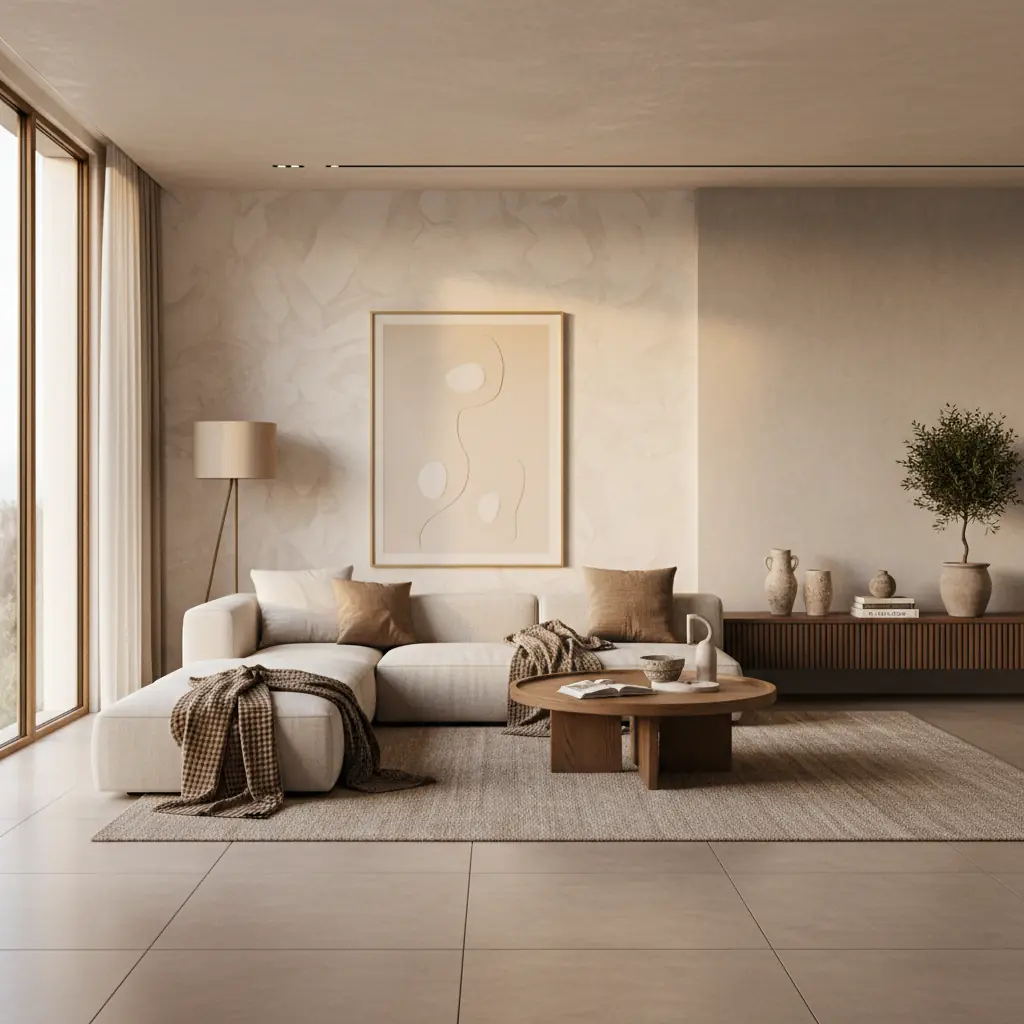
Why Are Flat Walls Out and Textured Walls In for 2026?
For decades, flat matte paint has reigned supreme as the undisputed champion of wall finishes. It's easy to apply, budget-friendly, and, frankly, inoffensive. But in 2026, this once-minimalist staple is increasingly perceived as unfinished rather than effortlessly chic. Modern designers and discerning homeowners are now craving walls that possess depth, movement, and an undeniable tactile quality. Imagine a limewashed wall catching the morning light, subtly shifting its character throughout the day, or a microcement surface inviting a curious touch. Flat paint, by contrast, simply exists.
This shift isn't just a fleeting trend; it's a fundamental re-evaluation of how we interact with our living spaces. Social media undoubtedly accelerated this transition – textured walls photograph beautifully, creating immediate visual interest without the need for excessive art or accessories. However, the appeal of textured finishes extends far beyond their Instagrammability. They inherently add perceived value to a space. Real estate professionals consistently report that homes featuring distinctive walls in plaster, limewash, or fluted panels often attract more attention and, crucially, command higher offers. In fact, recent market analysis suggests that homes with unique, professionally applied interior finishes can see an average increase in asking price of **5-10%**, appealing to buyers looking for move-in ready, character-filled homes.
Beyond aesthetics, textured walls contribute to a more enriching sensory experience. They can evoke feelings of warmth, grounding, or sophisticated calm, transforming a sterile room into a sanctuary. This aligns perfectly with the growing emphasis on [biophilic design](/blog/biophilic-design-guide) and creating spaces that promote well-being.
What Are the Most Popular Textured Wall Finishes?
The world of textured walls is rich and diverse, offering options for every style and budget. Here’s a detailed look at the leading contenders for 2026:
### Limewash Paint: Accessible Elegance
Limewash paint stands as the most accessible entry point into the world of textured walls. Crafted from slaked lime and natural pigments, it delivers a soft, chalky, cloud-like finish, characterized by subtle, organic variations across its surface. The effect is reminiscent of sun-drenched Mediterranean villas or ancient European estates, imparting a timeless, earthy elegance. Leading brands like Portola Paints and Bauwerk Colour offer extensive ranges of pre-mixed limewash in a spectrum of colors, making it easier than ever to achieve this sought-after look. The finish is distinctly matte with a gentle depth that plays beautifully with light.
**Key Characteristics:**
- **Aesthetic:** Soft, mottled, chalky, cloud-like. Evokes rustic, Mediterranean, modern organic, or Wabi-Sabi styles. - **Environmental:** Naturally breathable, non-toxic, and often low-VOC, contributing to healthier indoor air quality. - **Best For:** Bedrooms, living rooms, dining rooms, and any space where a calming, understated yet rich atmosphere is desired. Avoid high-splash areas in kitchens or bathrooms unless properly sealed. - **Maintenance:** Generally low maintenance. Can be spot-cleaned carefully. Minor scuffs often blend into the natural variation.
### Venetian Plaster: Polished Perfection
Venetian plaster represents the pinnacle of luxury in textured wall finishes. This exquisite material is applied in multiple thin layers using a specialized trowel, then burnished to a smooth, often slightly glossy finish that perfectly mimics polished marble or natural stone. Its color palette typically leans towards warm neutrals – think ivory, sand, taupe, terracotta, and subtle greys – enhancing its sophisticated allure. A Venetian plaster feature wall behind a headboard or a full-room treatment in a formal living area can elevate a space to gallery-like status.
**Key Characteristics:**
- **Aesthetic:** Smooth, reflective, stone-like appearance with incredible depth and subtle movement. Luxuriously sophisticated, ideal for classical, transitional, and high-end modern interiors. - **Durability:** Extremely hard and durable once cured, resistant to minor impacts. - **Best For:** Feature walls, high-impact areas like formal living rooms, dining rooms, entryways, and even fireplace surrounds. - **Maintenance:** Easy to clean with a damp cloth once properly sealed.
### Microcement (or Micro-topping): Industrial Chic Reimagined
Microcement, sometimes referred to as micro-topping, is the go-to choice for achieving a sleek, industrial-modern aesthetic. It delivers a smooth, matte, and utterly seamless surface that has rapidly grown in popularity. Its unique composition allows it to be applied thinly over almost any existing surface, making it incredibly versatile for walls, floors, and even countertops. This continuity creates a visually expansive and cohesive feel. Particularly favored in bathrooms and kitchens, microcement is highly durable and waterproof when properly sealed, making it ideal for high-moisture environments where hygiene and clean lines are paramount.
**Key Characteristics:**
- **Aesthetic:** Seamless, minimalist, concrete-like finish. Can be tinted in a wide range of colors, from industrial greys to earthy tones and even vibrant hues. Perfect for modern, industrial, minimalist, and contemporary styles. - **Versatility:** Can be applied over tiles, concrete, plasterboard, wood, and more, offering incredible flexibility for renovations. - **Best For:** Bathrooms (including showers and wet rooms), kitchens (backsplashes, counters), floors, and feature walls in modern living spaces. - **Maintenance:** Easy to clean and highly resistant to stains and water when sealed.
### Fluted Wood Panels: Rhythmic Warmth
Fluted wood panels introduce vertical rhythm and inherent warmth to any space. Characterized by their parallel, concave, or convex grooves, these panels create a dynamic play of light and shadow. They have become incredibly popular as accent features behind beds, in entryways, and as subtle architectural detailing in living rooms. Available in various wood types (oak, walnut, pine), finishes (natural, stained, painted), and even budget-friendly MDF options, fluted panels can be adapted to almost any interior style, from Japandi to contemporary luxury.
**Key Characteristics:**
- **Aesthetic:** Adds architectural interest, vertical lines, and a sense of rhythm. Can range from rustic to highly refined depending on the wood and finish. Enhances modern, Scandinavian, Japandi, and transitional designs. - **Acoustics:** Can offer some sound-dampening benefits, making them great for bedrooms or home offices. - **Best For:** Headboard walls, entryway statements, hallway accents, or even integrated into cabinetry and built-ins. - **Maintenance:** Dusting and occasional cleaning depending on the finish.
### Clay Plaster: Earthy and Organic
Clay plaster offers a deeply earthy, organic texture that is both visually appealing and highly functional. Made from natural clays, sands, and fibers, it's celebrated for its exceptional moisture-regulating properties. This makes it a fantastic choice for bathrooms, kitchens, or homes in humid climates, as it naturally absorbs and releases moisture, contributing to a stable indoor environment. Its matte, soft finish and subtle color variations bring a sense of natural tranquility and warmth.
**Key Characteristics:**
- **Aesthetic:** Soft, breathable, matte, and highly textural. Creates a warm, natural, and inviting atmosphere. Ideal for biophilic, rustic, Wabi-Sabi, and modern organic interiors. - **Health Benefits:** Non-toxic, zero-VOC, and excellent for indoor air quality. Naturally regulates humidity. - **Best For:** Bedrooms, living rooms, eco-conscious homes, and spaces where natural materials are prioritized. - **Maintenance:** Generally durable, but can be susceptible to abrasion. Some types can be repaired easily.
### Stone Cladding (Thin Veneer): Dramatic Naturalism
For the most dramatic impact, thin stone veneer cladding is an undeniable choice. This involves applying thin cuts of natural stone (or manufactured stone that mimics it) directly to walls. From rugged ledgestone to refined limestone or slate, stone cladding instantly introduces architectural grandeur and a connection to nature. While it's the most expensive option, the visual weight and textural richness it brings are unparalleled.
**Key Characteristics:**
- **Aesthetic:** Authentic, robust, and commanding. Varies widely depending on the type of stone, from rugged and rustic to smooth and contemporary. - **Durability:** Extremely durable and long-lasting, resistant to wear and tear. - **Best For:** Fireplace surrounds, dramatic entryways, exterior feature walls, or as an accent in a modern living space. - **Maintenance:** Varies by stone type; typically involves brushing or occasional washing.
### Tadelakt: Moroccan Water Resistance
Briefly mentioned, Tadelakt is a traditional Moroccan lime plaster renowned for its naturally waterproof and breathable finish. Burnished with river stones and treated with olive oil soap, it creates a unique, softly undulating surface ideal for bathrooms, showers, and even basins, offering a beautiful, seamless, and hygienic alternative to tiles.
**Key Characteristics:**
- **Aesthetic:** Smooth, soft, slightly undulating, and highly polished, often with subtle color variation. Luxurious, spa-like, and organic. - **Functionality:** Naturally waterproof and antifungal. - **Best For:** High-moisture areas: bathrooms, showers, wet rooms, sinks, hammams.
How Much Do Textured Wall Finishes Cost Per Square Foot?
Understanding the cost of textured wall finishes is crucial for budgeting your design project. Prices can vary significantly based on material, complexity of application, and whether you opt for DIY or professional installation. These figures represent typical ranges for professional installation, unless otherwise noted:
- **Limewash Paint:** $2-4 per square foot for DIY materials, or $4-8 installed professionally. This remains the most budget-friendly option and is relatively forgiving if you decide to change your mind later. - **Venetian Plaster:** $8-15 per square foot installed. While DIY is technically possible, it requires significant skill and practice. Expect a steep learning curve and potential material waste on initial attempts. - **Microcement:** $10-20 per square foot installed, with variations depending on the intricacy of surface preparation and the number of coats. This is firmly in professional territory; improper application can lead to costly cracking or peeling. - **Fluted Wood Panels:** $6-12 per square foot for materials, plus installation costs which can add another $3-8 depending on the complexity of the design. - **Clay Plaster:** $5-10 per square foot installed. - **Stone Cladding (Thin Veneer):** $15-30+ per square foot, making it the most expensive but also the most visually impactful option. - **Tadelakt:** $20-40+ per square foot installed due to the specialized skill and labor-intensive application required.
It's important to note that these costs typically include materials and labor for a prepared surface. Additional costs might arise from extensive wall preparation, priming, or specialized sealing, especially for wet areas. When considering the total project budget, remember that professional installation, while a higher upfront cost, often provides better longevity and a superior finish, potentially saving you money on future repairs or re-dos.
DIY vs. Professional Installation: Weighing the Risks
Deciding between a DIY project and hiring a professional is a critical step, particularly with specialized wall finishes.
**Limewash is genuinely DIY-friendly.** The beauty of its application lies in its forgiving nature – uneven strokes or subtle imperfections actually add to its character rather than detracting from it. Typically, two coats are applied over a primed wall using a large masonry brush in a crosshatch or overlapping stroke pattern. A 12x12 room can often be completed in a single weekend. Similarly, fluted wood panels are also quite DIY-accessible if you're comfortable with basic carpentry tools like a saw, level, and construction adhesive.
However, for finishes like **Venetian plaster, microcement, and clay plaster, professional installation is strongly recommended** unless you possess prior extensive experience with trowel work and plastering techniques. While the raw material cost for a DIY attempt might seem attractive (often $3-5 per square foot for materials only), a botched application can quickly turn into a costly nightmare. This could involve stripping everything down, re-prepping the wall, and purchasing new materials – ultimately costing more than hiring a seasoned professional from the outset. Skilled artisans not only have the precise tools and materials but also the years of experience to ensure a flawless, durable, and aesthetically pleasing finish. They also understand the nuances of surface preparation, which is critical for the longevity of these specialized materials.
Before committing to any finish, especially if you're exploring DIY, tools like Habitas can be invaluable. You can [upload a photo of your actual room](/blog/ai-generated-room-designs-realistic) and visualize how different finishes would look, generating realistic renders with various textures applied to your walls. This allows you to experiment with styles and get a clear picture of the outcome without any physical commitment or wasted materials.
Which Rooms Suit Which Texture Best?
Matching the right texture to the right room goes beyond aesthetics; it involves considering functionality, mood, and how light interacts within the space.
- **Bedrooms:** Limewash or clay plaster are ideal choices. Their soft, warm, and calming finishes create a serene sanctuary, looking especially beautiful in the gentle light of morning or evening. Apply to the wall behind the headboard for a focal point, or go full-room for a luxurious, cocoon-like effect. Avoid microcement here, as its industrial coolness might feel too stark for a sleeping space. For more bedroom inspiration, explore [bedroom redesign cost breakdown](/blog/bedroom-redesign-cost-breakdown).
- **Living Rooms:** Venetian plaster or limewash truly shine here. These finishes offer enough visual depth and character to serve as a sophisticated backdrop for art and furniture without competing for attention. A full Venetian plaster living room evokes the grandeur of an art gallery, while limewash creates a more relaxed, inviting atmosphere. You might also consider fluted wood panels as an accent for an entertainment unit wall or a reading nook. To refine your living room's aesthetic, consider [color schemes for living rooms](/blog/color-schemes-for-living-rooms).
- **Bathrooms:** Microcement or tadelakt are superior choices. Both materials excel in moisture-rich environments, creating a seamless, spa-like aesthetic that is both beautiful and highly functional. Their waterproof properties make them perfect for shower walls, vanity surrounds, and even floors. Clay plaster can also work in well-ventilated bathrooms due to its moisture-regulating properties, but avoid direct water contact areas. For more ideas, see our [bathroom remodel ideas](/blog/bathroom-remodel-ideas).
- **Entryways and Hallways:** These high-traffic areas benefit from durable, eye-catching surfaces that hide scuffs and add immediate drama. Fluted wood panels provide vertical interest and warmth, making a strong first impression. Stone cladding, though more expensive, creates an undeniable statement of luxury and permanence. Venetian plaster can also be used here for a polished, grand welcome.
- **Kitchens:** Microcement is excellent for backsplashes (when properly sealed) or on general walls away from intense cooking zones, offering a modern, clean look. Limewash can also be used on kitchen walls that are less exposed to grease and splashes, providing a softer alternative. Avoid Venetian plaster near stoves or sinks, as grease stains can be notoriously difficult to remove from its polished surface, and it may not hold up as well to frequent scrubbing. For a more avant-garde choice, consider [concrete in interior design](/blog/concrete-in-interior-design) for industrial kitchen aesthetics.
- **Home Offices & Studies:** A textured wall can define this focused space, adding sophistication without distraction. A limewashed accent wall can be calming, while fluted panels behind a desk add architectural interest and subtle sound diffusion.
Beyond the Wall: Integrating Texture Throughout Your Home
The journey of texture doesn't end with your walls; it's a foundational element that informs the entire design narrative of your home. A beautifully textured wall serves as a canvas, influencing your choices in furniture, textiles, and even lighting. When you introduce the organic depth of limewash, for instance, you might find yourself gravitating towards natural wood furniture, linen fabrics, and soft, diffused lighting that enhances its subtle variations. Conversely, the sleekness of microcement might call for minimalist furniture, metallic accents, and more deliberate, architectural lighting.
Consider how the tactile qualities of your walls can extend to other surfaces: a plush wool rug, a coarse-knit throw, a polished stone countertop, or a smooth ceramic vase. Each element contributes to a cohesive sensory experience, transforming a room from merely functional to truly immersive. This holistic approach to texture helps create spaces that feel rich, layered, and deeply personal.
Sustainability and Health Benefits of Textured Walls
Beyond their aesthetic appeal, many textured wall finishes offer significant environmental and health advantages, aligning with the growing demand for [sustainable interior design practices](https://www.habitas.ai/blog/best-interior-design-styles-2026).
- **Natural Materials:** Limewash, clay plaster, and tadelakt are primarily composed of natural, mineral-based ingredients. They are often low-VOC (Volatile Organic Compounds) or zero-VOC, meaning they release minimal to no harmful chemicals into your indoor air. This is a stark contrast to many conventional paints that can off-gas for years, impacting air quality. A recent survey revealed that **75% of homeowners prioritize non-toxic materials** for their living spaces, underscoring this growing consciousness. - **Breathability and Humidity Regulation:** Clay plaster and limewash are renowned for their breathability. They allow walls to 'breathe,' regulating indoor humidity levels naturally. This can lead to a more comfortable living environment, reduce the likelihood of mold and mildew growth, and even save on energy costs by minimizing the need for artificial dehumidification. Studies have shown that improved indoor air quality and biophilic elements can reduce stress levels by up to **20%**. - **Durability and Longevity:** While some textured finishes may have a higher upfront cost, many are incredibly durable and long-lasting. Materials like Venetian plaster and microcement, when professionally applied, can last for decades with minimal maintenance, reducing the need for frequent re-painting or repairs and thus lowering their environmental footprint over time. - **Biophilic Connection:** The use of natural textures and earthy tones connects us to the outdoors, fostering a sense of calm and well-being. This biophilic principle is fundamental to creating healthy, restorative spaces.
Choosing a textured wall finish isn't just a design decision; it's an investment in the beauty, health, and longevity of your home. With the right choice, you can create a space that is not only visually stunning but also supports a healthier, more sustainable lifestyle.
Frequently Asked Questions
### Are textured walls difficult to clean?
The ease of cleaning textured walls depends heavily on the specific material and whether it has been properly sealed. Smooth, sealed finishes like microcement or burnished Venetian plaster are relatively easy to clean with a damp cloth and mild soap. More porous or matte textures, such as limewash or clay plaster, might require more gentle cleaning or specific techniques to avoid damaging the finish. Generally, it's best to address spills or marks immediately and follow the manufacturer's specific cleaning recommendations.
### Do textured walls add value to a home?
Yes, textured walls can significantly add perceived and actual value to a home. They contribute to a custom, high-end look that differentiates a property from standard flat-painted interiors. Features like Venetian plaster or carefully applied microcement can be seen as architectural upgrades, appealing to buyers who value unique design and quality craftsmanship. As mentioned earlier, homes with distinctive interior finishes can often command higher asking prices.
### How long do textured wall finishes last?
The longevity of a textured wall finish varies by material. High-quality Venetian plaster and microcement, when expertly applied and maintained, can last for 20-30 years or more without needing significant repair. Limewash may last 5-10 years before a refresh might be desired, though its subtle fading can also be part of its charm. Fluted wood panels are extremely durable and can last for decades with proper care. The lifespan is directly related to the quality of materials, professional application, and ongoing maintenance.
### Can I paint over a textured wall?
It is technically possible to paint over most textured walls, but the outcome will depend on the existing texture. Painting over a subtle limewash might work, but you will lose the translucent effect and depth. Painting over a heavily textured surface like clay plaster or stone cladding will obscure the texture and may require significant prep work, including sanding or skimming with joint compound, to achieve a smooth paintable surface. For best results, consult a professional painter or the original material manufacturer.
### What are the most durable textured wall options?
For maximum durability, especially in high-traffic or moisture-prone areas, microcement and Venetian plaster are excellent choices. Microcement is exceptionally hard-wearing and waterproof when sealed, making it ideal for kitchens, bathrooms, and commercial spaces. Venetian plaster, once fully cured, offers a very hard and resilient surface. Stone cladding is also incredibly durable, built to withstand significant wear and tear.
### What interior design styles complement textured walls best?
Textured walls are incredibly versatile and can enhance a wide range of interior design styles. Limewash perfectly complements rustic, Mediterranean, modern organic, and [bohemian bedroom ideas](/blog/bohemian-bedroom-ideas). Venetian plaster suits classical, transitional, and luxurious contemporary aesthetics. Microcement is a staple for industrial, minimalist, and sleek modern designs. Fluted wood panels are at home in Scandinavian, Japandi, and contemporary spaces, while clay plaster elevates biophilic and Wabi-Sabi interiors.