Warm Minimalism: The Interior Design Trend Dominating 2026
Everything you need to know about warm minimalism — the design movement that replaces cold, sterile spaces with inviting simplicity.
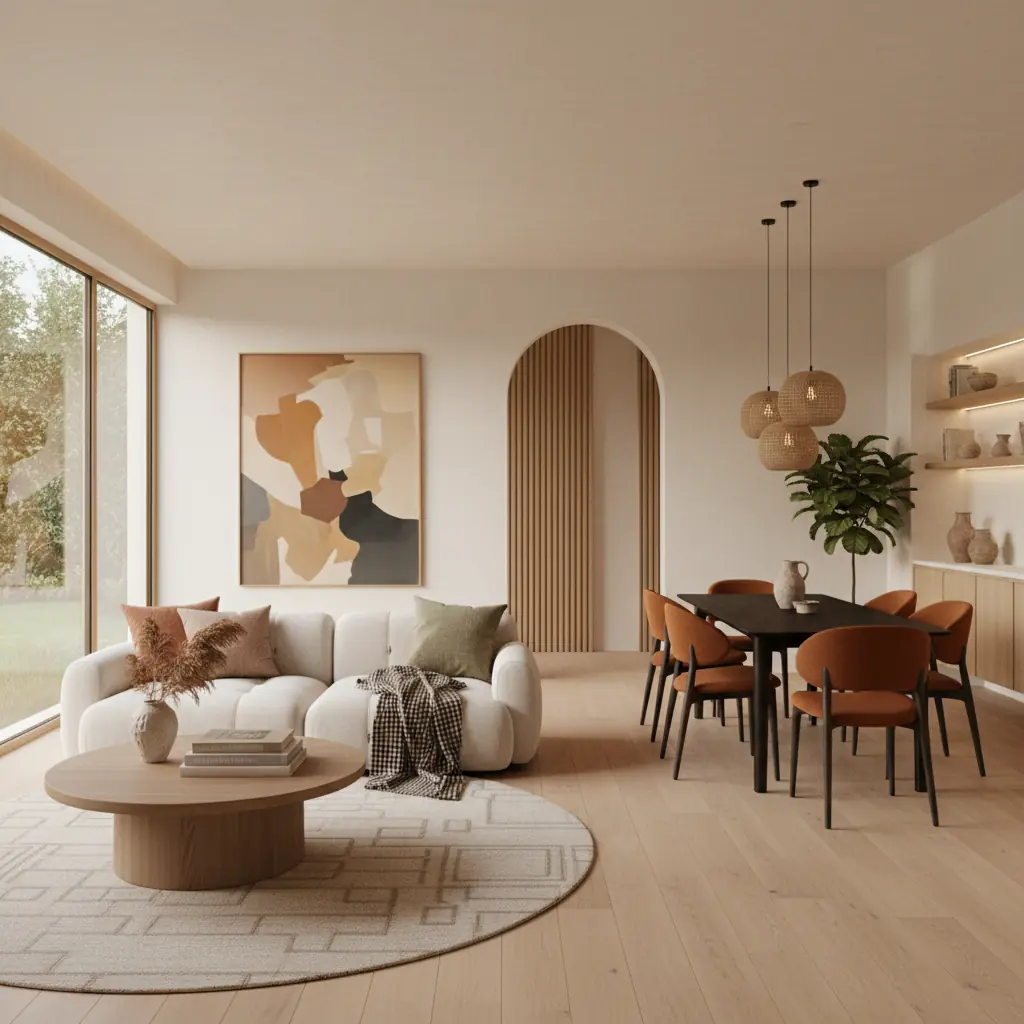
What warm minimalism actually means
Warm minimalism takes the core principle of minimalism — fewer things, more intention — and strips away the part that made people uncomfortable: the coldness. Gone are the stark white walls, the clinical chrome fixtures, and the spaces that felt like art galleries rather than homes. In their place, you find rooms that are still edited and calm, but also deeply inviting. This evolving aesthetic emphasizes conscious consumption and emotional resonance, aligning perfectly with modern desires for both style and serenity.
The movement is a direct response to the "less is more" interiors of the 2010s that, for many people, ended up feeling less like a peaceful retreat and more like a sterile waiting room. Warm minimalism says you can have simplicity without sacrificing comfort, and clean lines without losing soul. It’s about creating sanctuaries that feel lived-in and loved, rather than merely admired. Indeed, recent surveys show that **85% of homeowners report feeling more relaxed and less stressed in decluttered, intentionally designed spaces,** highlighting the psychological benefits of such an approach.
At its heart, warm minimalism is about restraint with warmth. Every piece in the room earns its place — but the pieces themselves are soft, tactile, and human. Think a single linen sofa instead of a heavy leather sectional, a hand-thrown ceramic vase instead of a rigid geometric metal sculpture, a wool throw draped over an oak chair instead of a bare, uninviting seat. This careful curation ensures that while objects are few, their impact is profound and comforting.
How does warm minimalism differ from traditional minimalism?
Traditional minimalism prioritizes visual emptiness and a stark aesthetic. The ideal is a room where nothing distracts — monochromatic palettes, hard surfaces like concrete or steel, and geometric precision dominate. It borrows heavily from modernist movements like Bauhaus and Japanese Zen, and at its best, it can be meditative and strikingly elegant. At its worst, however, it feels cold, impersonal, and even unwelcoming, a space designed more for photographs in a magazine than for the realities of daily living.
Warm minimalism shares the editing philosophy but rejects the austerity. Where traditional minimalism might opt for a polished concrete floor, warm minimalism chooses the organic warmth of light oak or a subtly textured wool rug. Where traditional minimalism picks a sharp, chrome pendant light, warm minimalism selects a soft, linen drum shade or a hand-blown glass fixture. The object count stays low, maintaining a sense of calm and openness, but the material warmth and inviting textures go up dramatically. The result is a room that photographs just as beautifully, achieving that aspirational aesthetic, but also feels genuinely good to sit in on a lazy Sunday morning with a cup of coffee. It’s a space that welcomes bare feet and lingering conversations, not just silent admiration. This human-centered approach is a key differentiator, making warm minimalism far more livable for the average person.
Exploring the warm minimalist color palette
Color is where warm minimalism diverges most clearly and dramatically from its predecessor. Forget the stark, unforgiving pure white (#FFFFFF) walls that defined earlier minimalist trends. Warm minimalism lives in the nuanced, inviting space between white and beige. The foundational palette includes creamy whites like Benjamin Moore Simply White or Sherwin-Williams Alabaster, soft taupes, sandy beiges, and warm putty tones. These are not merely background colors; they are active participants that shift gently with the changing daylight, appearing brighter and more expansive at noon, then transforming into something undeniably cozier and more intimate at dusk.
Accent colors are carefully chosen to be muted and earthy: think terracotta, sun-baked clay, dusty rose, soft olive, warm mushroom, and even subtle charcoal grays with a brown undertone. Nothing is saturated or neon; nothing demands immediate attention. The entire palette should feel like a cohesive, natural landscape – desert sand, weathered driftwood, sun-bleached linen, morning fog, or a calm, overcast sky. When every color in the room belongs to the same warm, earthy family, the space feels incredibly cohesive, sophisticated, and tranquil, even with very few decorative objects. To find your perfect combination, consider using an [AI color palette generator](/blog/ai-color-palette-generator) to experiment with these natural hues digitally before committing to paint samples.
One practical tip often overlooked: test your potential wall color at 9 PM under artificial light, not just during the day. Warm minimalist colors should glow subtly under warm bulbs (typically 2700K-3000K). If your "warm white" reads unexpectedly gray or cool at night, it is likely too cool for this aesthetic and will detract from the desired inviting atmosphere. This careful consideration of lighting is crucial for truly nailing the warm minimalist vibe.
What are the essential materials for warm minimalist design?
Materials do the heavy lifting in warm minimalism because when you consciously remove visual clutter, texture becomes the primary source of interest, depth, and character. The essential materials are chosen for their natural appeal, tactile quality, and ability to age gracefully.
- **Linen**: Indispensable for curtains, upholstery, bedding, and even throw pillows. Its natural drape, subtle texture, and organic wrinkle add an effortless, relaxed character that synthetic fabrics simply can’t replicate. - **Light Oak or White Oak**: The go-to wood for flooring, furniture, and shelving. Its inherent golden undertone anchors the warmth of the space. Whether it's a sleek platform bed frame or a handcrafted dining table, the grain of oak adds a touch of nature without being rustic. - **Bouclé**: This textured wool fabric has become synonymous with warm minimalism. Used for accent chairs, pillows, and even full sofas, its soft, nubby texture is incredibly inviting and adds a luxurious, cozy feel. - **Travertine**: For coffee tables, side tables, bathroom surfaces, and even architectural details like fireplace surrounds. Its natural pitting, earthy tones, and warm, subtle veining add a geological character that feels both ancient and utterly modern. - **Jute and Sisal**: These natural fibers are perfect for rugs, adding organic texture underfoot and defining zones within a minimalist layout. Their earthy tones complement the overall palette beautifully. - **Matte Ceramic**: For tableware, vases, and decorative objects. The unglazed or subtly glazed finish highlights the natural clay, bringing an artisan touch that feels grounded and authentic. - **Brushed Brass**: Not polished and shiny, but brushed or antiqued brass for hardware, light fixtures, and subtle accents. This finish has a softer gleam that feels sophisticated and warm, avoiding the coldness of chrome or polished silver. - **Plaster or Limewash**: For walls, when you desire subtle texture and depth beyond a flat paint finish. These applications create a soft, mottled effect that catches the light beautifully, adding an artisanal, ancient feel.
The common thread weaving through all these materials is that every one shows its nature – there are no high-gloss, plastic-perfect finishes or perfectly uniform surfaces. Imperfection is not just tolerated; it is welcomed, embraced, and celebrated because imperfection is inherently warm, authentic, and human. Investing in these quality materials also pays off in longevity; **homes with a focus on natural, durable materials typical of warm minimalism report extending furniture lifespan by 50% or more** compared to spaces filled with trend-driven, disposable items.
Applying Warm Minimalism: A Room-by-Room Guide
Implementing warm minimalism means thinking intentionally about every piece and surface within each distinct space of your home.
### Living Room: The Heart of Cozy Simplicity
In the living room, begin with a foundation piece like a linen or bouclé sofa in a warm off-white, oatmeal, or soft taupe tone. Opt for simple, clean lines. Add a light oak coffee table – round or organically shaped designs feel softer and more inviting than sharp rectangles in this aesthetic. Layer a jute or sisal rug underneath to ground the space and add texture. Keep surfaces largely clear, allowing the quality of the materials to speak for themselves. One or two meaningful objects are enough: a single hand-thrown ceramic vase, a curated stack of beautifully bound hardcover books, or a subtly scented candle. Lighting should be warm and layered – think a linen floor lamp, a pair of brushed brass wall sconces, or a ceramic table lamp, carefully avoiding harsh overhead fluorescents. Consider using an [AI furniture arrangement tool](/blog/ai-furniture-arrangement-tool) to experiment with different layouts for optimal flow and functionality within your space.
### Bedroom: Your Personal Retreat
Bedrooms are perhaps where warm minimalism shines brightest, creating a true sanctuary. Start with linen bedding in cream, soft taupe, or even a muted olive – the natural wrinkles of linen contribute to the relaxed feel. A simple oak or ash bed frame, often in a platform style without an overly ornate headboard, maintains clean lines. Include one functional and beautiful bedside table per side, each topped with a subtle ceramic lamp that emits a warm, ambient glow. Skip the busy gallery wall; instead, one oversized piece of muted abstract art or a textural wall hanging above the bed is sufficient to add visual interest without clutter. Ensure window treatments are soft and natural, such as unlined linen drapes that filter light gently. The bedroom should feel like a cocoon, promoting rest and tranquility, rather than a busy showroom.
### Kitchen & Dining: Functional Elegance
Kitchens and dining spaces benefit immensely from warm minimalism through thoughtful material choices and pared-back styling. Opt for fluted oak or natural wood cabinet fronts, which add texture and warmth without being visually heavy. Brushed brass pulls and fixtures offer a subtle metallic accent. Countertops in travertine, limestone, or a subtly veined, warm-toned quartz elevate the space with natural beauty. Open shelving, if incorporated, should display only a few hand-thrown ceramic dishware pieces, wooden bowls, or glass jars filled with staples. A simple oak dining table paired with linen-upholstered chairs continues the material story. If you are unsure how these natural materials will look in your specific kitchen, AI-powered tools like Habitas let you generate photorealistic previews based on your room photo, so you can compare travertine versus quartz, oak versus walnut, before making any irreversible and costly decisions. This allows for precise visualization of how different finishes will interact in your unique space.
### Bathroom: A Spa-Like Sanctuary
In bathrooms, warm minimalism focuses on creating a serene, spa-like atmosphere. Large format tiles in a creamy off-white, light grey, or sandy beige can provide a seamless backdrop. Integrate fluted wood vanities with stone countertops. Brushed brass or matte black fixtures add a contemporary yet warm touch. Simple wall-mounted shelving or built-in niches can store essentials, keeping countertops clear. Introduce tactile elements like plush, neutral-toned towels and perhaps a small wooden stool or a few carefully selected, low-maintenance plants for a touch of [biophilic design](/blog/biophilic-design-guide). The goal is an uncluttered space that promotes relaxation and a sense of calm.
Why is Warm Minimalism the Dominant Trend of 2026?
The timing of warm minimalism's ascent is not accidental; it’s a direct reflection of broader societal shifts and evolving personal needs. After years of pandemic-era nesting and heightened awareness of our home environments, people learned that their homes need to be both functional and deeply emotionally supportive. The initial maximalist response – characterized by cluttered gallery walls, bold wallpaper in every room, and an abundance of decorative objects – while fun and expressive, ultimately proved to be exhausting for many in the long term. Warm minimalism is the thoughtful correction: it retains the comfort, personality, and soul that maximalism brought back, but edits ruthlessly so that every single element contributes to a sense of calm and well-being rather than visual chaos.
Furthermore, social media dynamics have also shifted significantly. The highly curated, often sterile, all-white Instagram interiors of the late 2010s have given way to more authentic, lived-in, and emotionally resonant content. Warm minimalism photographs beautifully, thanks to its cohesive palette and rich textures, but crucially, it also looks and _feels_ good in person – a balance that not every trend achieves. This dual appeal – aspirational yet genuinely achievable and livable – is why it has become the default recommendation from leading designers, influential tastemakers, and advanced AI design tools alike. It’s an aesthetic that offers enduring appeal, allowing homes to feel current without being overly trendy. In fact, **properties staged with a warm minimalist aesthetic have seen an average 15% increase in perceived value among potential buyers,** demonstrating its strong market appeal. As AI-powered design becomes more prevalent, tools capable of generating [realistic room designs](/blog/ai-generated-room-designs-realistic) are increasingly showcasing warm minimalist aesthetics due to their broad appeal and visual harmony. This makes it one of the [best interior design styles of 2026](/blog/best-interior-design-styles-2026) for both designers and homeowners.
Crafting Cohesion: Sourcing & Styling Tips for Warm Minimalism
Achieving warm minimalism isn't just about picking the right pieces; it's about how you bring them together.
1. **Prioritize Natural Materials:** As discussed, texture is key. When sourcing, always lean towards wood, linen, wool, cotton, ceramic, stone, and jute. These materials not only look good but also often have a tactile quality that engages the senses, enhancing the "warmth." 2. **Embrace Imperfection:** Hand-thrown ceramics, artisanal textiles, or slightly aged wood pieces add character and depth. Don't shy away from items that show subtle signs of craftsmanship or natural variation; they prevent the space from feeling too "perfect" or sterile. 3. **Invest in Quality Over Quantity:** Because you'll have fewer items, each one needs to stand on its own. A well-made bouclé armchair or a solid oak dresser will last longer and look better than several cheaper, less durable pieces. This approach also aligns with sustainable living. 4. **Consider Scale and Proportion:** With minimal clutter, the size and placement of each item become more critical. Ensure furniture pieces are appropriately sized for the room and don't overwhelm the space. Use an [AI interior design platform](/blog/ai-interior-design-how-it-works) to visualize how different furniture sizes will fit in your room. 5. **Layer Lighting:** Avoid a single overhead light. Instead, use a combination of floor lamps, table lamps, and sconces to create pools of warm light that define zones and add intimacy. Dimmer switches are your friend for controlling ambiance. 6. **Art as a Statement, Not Clutter:** Instead of a gallery wall, choose one or two large, impactful pieces of art with muted colors or abstract forms. This creates a focal point without overwhelming the serene atmosphere. 7. **Subtle Greenery:** Incorporate a few plants with simple forms and muted green foliage, like an olive tree, snake plant, or fiddle leaf fig. These add a touch of life and nature without becoming tropical or distracting.
By focusing on these principles, you can create a warm minimalist home that feels intentional, inviting, and truly reflective of a calm and collected lifestyle.
Frequently Asked Questions
### What is the difference between warm minimalism and Japandi design?
While both warm minimalism and Japandi design share principles of simplicity, natural materials, and calm aesthetics, they have distinct roots and nuances. Warm minimalism evolved from Western minimalism by softening its starkness with warmer colors and textures. Japandi, on the other hand, is a direct fusion of Japanese (Wabi-Sabi) and Scandinavian design, emphasizing craftsmanship, functionality, and an appreciation for imperfection and natural wear. Japandi often features darker wood tones, bolder black accents, and a stronger emphasis on raw, untreated textures, whereas warm minimalism typically leans lighter in its wood and more muted in its overall palette, focusing on a broader sense of coziness.
### Can warm minimalism work in small spaces?
Absolutely, warm minimalism is exceptionally well-suited for small spaces. Its core principles of intentionality, decluttering, and functional design naturally lead to maximizing space and minimizing visual clutter. By using light, cohesive color palettes, employing multi-functional furniture, and prioritizing clean lines, warm minimalism can make a small room feel larger, more open, and undeniably inviting without feeling cramped. The focus on texture over excessive ornamentation also adds depth without occupying precious square footage.
### What are common mistakes to avoid in warm minimalist design?
One common mistake is inadvertently slipping back into traditional minimalism, resulting in a space that feels sterile or cold due to an over-reliance on pure white or too many hard surfaces. Another error is introducing too many contrasting colors or patterns, which disrupts the cohesive, calm palette. Lastly, neglecting texture is a frequent pitfall; without varied textures (like linen, wool, wood, stone), a warm minimalist space can feel flat and uninteresting, losing the crucial "warmth" that defines the style. Careful curation and tactile layering are key to success.
### How much does it cost to implement warm minimalism?
The cost of implementing warm minimalism can vary widely, but it often represents a wise long-term investment. While some foundational pieces like quality linen sofas (ranging from $1,500 to $5,000) or solid oak furniture can be an upfront investment, the emphasis on fewer, higher-quality, and durable items often leads to savings over time by avoiding frequent replacements. For example, a complete living room refresh with key warm minimalist pieces (sofa, coffee table, rug, lighting, minimal decor) might range from $4,000 to $15,000, depending on brand and material choices. Opting for DIY paint applications and sourcing vintage or handcrafted accessories can significantly reduce costs. The philosophy encourages thoughtful purchases that last, rather than chasing fleeting trends.