Disposición de Muebles con IA: Revolucionando Diseños de Habitaciones con Tecnología Inteligente
Descubre cómo las herramientas de IA para la disposición de muebles revolucionan los diseños de habitaciones, optimizando el flujo de tráfico, la luz y la función. Ve cómo la IA transforma tu espacio con diseño inteligente.
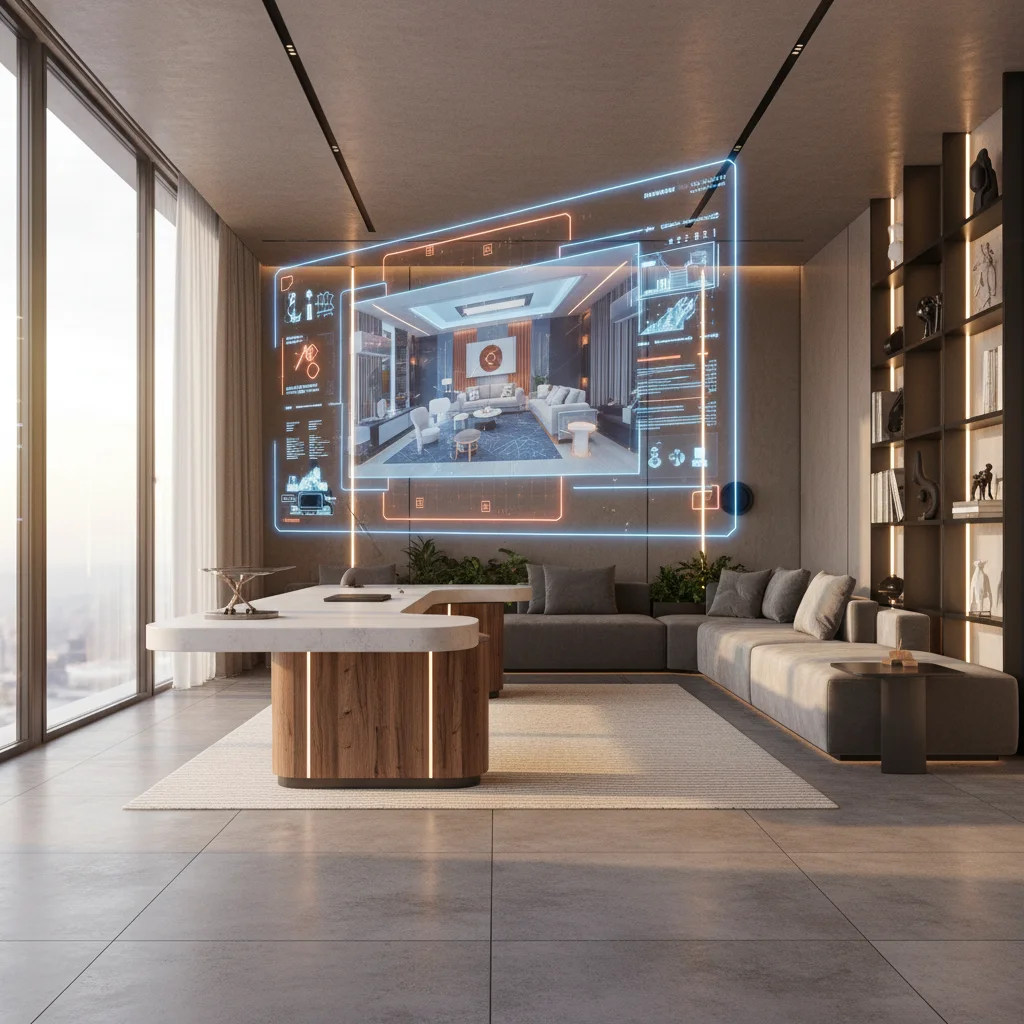
Por qué la disposición de muebles es más difícil de lo que parece
La mayoría de las personas abordan la disposición de los muebles de forma intuitiva: colocan el sofá contra la pared más grande, centran la alfombra debajo de la mesa de centro, inclinan un sillón hacia la vista de la ventana. Estas ubicaciones instintivas a menudo producen resultados funcionales, pero rara vez logran una optimización real. El proceso de organizar una habitación de manera efectiva es sorprendentemente complejo, ya que abarca simultáneamente la comodidad psicológica, el equilibrio estético y la usabilidad práctica.
Los diseñadores de interiores profesionales, en contraste, emplean una metodología sistemática. Consideran meticulosamente una multitud de variables: los caminos de flujo de tráfico primario y secundario, las distancias óptimas para la conversación, los puntos focales estratégicos, la dirección y calidad de la luz natural, el equilibrio visual y la distribución del peso, y las proporciones espaciales generales de la habitación. Tener en cuenta todos estos factores interconectados, evaluar posibles conflictos y visualizar el resultado para cada posible disposición es un desafío cognitivo significativo. No es de extrañar que muchos propietarios se sientan abrumados y se conformen con un "suficientemente bueno" en lugar de un "excelente".
Esta intrincada red de consideraciones es precisamente el tipo de problema en el que la IA sobresale. Una herramienta de diseño con IA puede evaluar cientos, incluso miles, de posibles disposiciones de muebles en cuestión de segundos. Puntúa cada configuración según una serie de criterios objetivos: dimensiones precisas de separación, líneas de visión despejadas, equilibrio simétrico o asimétrico y flujo de tráfico eficiente. La IA luego presenta inteligentemente las disposiciones que funcionan de manera óptima en todos estos criterios simultáneamente. Esta poderosa capacidad no anula el gusto personal o las preferencias estilísticas; en cambio, reduce drásticamente el tedioso y a menudo frustrante proceso manual de prueba y error que suele acompañar a cualquier reconfiguración de la habitación. De hecho, los estudios demuestran que un espacio habitable bien diseñado, como los optimizados por IA, puede reducir el estrés percibido hasta en un 20% en comparación con diseños desorganizados, fomentando una mayor sensación de calma y orden.
¿Qué analizan realmente las herramientas de diseño con IA?
Cuando una herramienta de IA para la disposición de muebles asume la tarea de analizar una habitación, su operación comienza con un plano digital preciso. Este plano es increíblemente detallado, abarcando no solo las dimensiones generales de la habitación, sino también las posiciones exactas de ventanas, aberturas de puertas, características arquitectónicas estructurales como columnas o empotrados, y las dimensiones precisas de cada mueble a colocar. El núcleo de este análisis a menudo implica un sofisticado **modelado de holguras**. Esto no se trata solo de asegurar que puedas caminar por la habitación; se trata de mantener anchos mínimos despejados para varias rutas. Típicamente, las rutas de tráfico primarias (como de una puerta a un pasillo) requieren al menos 90 centímetros (aproximadamente 36 pulgadas) de ancho libre, mientras que las rutas secundarias (a un sillón o una estantería) podrían requerir 60 centímetros (aproximadamente 24 pulgadas). Fundamentalmente, la IA también asegura que los muebles no obstruyan el giro de las puertas, bloqueen el acceso a las ventanas para ventilación o limpieza, o impidan la función de elementos empotrados. Para el diseño accesible, la IA incluso puede modelar requisitos específicos, asegurando caminos lo suficientemente anchos para sillas de ruedas o radios de giro para dispositivos de movilidad.
Más allá de las holguras puramente funcionales, las herramientas de diseño con IA profundizan en la **geometría de la conversación**. Las distancias y ángulos en los que las piezas de asientos se miran entre sí influyen profundamente en la calidad y la intimidad de la interacción social dentro de una habitación. Los asientos dispuestos dentro de tres a cuatro metros (10 a 13 pies) y en un ángulo de cuarenta y cinco grados entre sí suelen definir un área de conversación cómoda y atractiva. Los asientos colocados más allá de este rango, o dispuestos en paralelo en lugar de en ángulo, tienden a sentirse incómodos, desconectados o demasiado formales para una interacción fácil. Las herramientas de IA puntúan meticulosamente los diseños basándose en la eficacia con la que establecen estas geometrías sociales óptimas, equilibrándolas con las holguras funcionales necesarias.
Pero el análisis se extiende aún más. Las herramientas avanzadas de IA pueden evaluar el peso visual y el equilibrio, asegurando que las piezas grandes de mobiliario se distribuyan armoniosamente y no hagan que un lado de la habitación se sienta "pesado". Pueden identificar y optimizar puntos focales – ya sea una chimenea, un televisor o una vista impresionante – asegurando que los asientos principales estén orientados para aprovecharla. Algunas plataformas sofisticadas incluso pueden interpretar las preferencias del usuario por estilos de diseño específicos, como el minimalista o el bohemio, y generar diseños que se alineen con esos principios estéticos. Por ejemplo, un diseño minimalista podría priorizar el espacio abierto y las líneas limpias, mientras que un enfoque maximalista permitiría arreglos más superpuestos y diversos. Para comprender más sobre la tecnología subyacente, nuestra publicación sobre [cómo funciona el diseño de interiores con IA](/blog/ai-interior-design-how-it-works) podría resultarte particularmente reveladora.
El papel fundamental de la luz natural en las recomendaciones de diseño con IA
La luz es innegablemente una de las variables más transformadoras en la colocación de muebles, sin embargo, a menudo es una consideración secundaria en la disposición manual. La mayoría de las personas no consideran sistemáticamente su profundo impacto. Las herramientas de diseño con IA equipadas con capacidades de modelado de luz natural representan un avance significativo. Estas herramientas pueden analizar meticulosamente qué áreas de una habitación reciben luz solar directa en diferentes momentos del día y a lo largo de varias estaciones. Este modelado avanzado permite a la IA sugerir colocaciones de muebles que posicionan estratégicamente las áreas de trabajo (como un escritorio o un rincón de lectura) en zonas bien iluminadas, protegen las pantallas del deslumbramiento debilitante y orientan los asientos para maximizar vistas ventajosas mientras evitan simultáneamente el sol directo en los ojos de los ocupantes durante los períodos de uso típicos. Esto no solo mejora la comodidad, sino que también afecta la productividad y el estado de ánimo.
En los dormitorios, el modelado de la luz resulta particularmente invaluable. Considere una cama colocada de manera que los rayos fuertes y directos del sol de la mañana incidan sobre la almohada; esto puede alterar severamente los ciclos de sueño y provocar una experiencia de despertar desagradable. Por el contrario, una cama orientada para recibir una luz suave y difusa por la tarde podría crear un ambiente de despertar y vespertino dramáticamente diferente y más sereno. Estas consideraciones sutiles pero impactantes son increíblemente fáciles de pasar por alto en una vista estática y bidimensional del plano. Sin embargo, son intrínsecamente capturadas y optimizadas por herramientas de IA que modelan con precisión la trayectoria solar para su ubicación geográfica específica, orientación de la habitación e incluso la altura y el tipo de estructuras circundantes. Optimizar la colocación de muebles para la luz natural puede reducir el uso de iluminación artificial durante el día en un promedio del 15-20%, contribuyendo a la eficiencia energética y a un hogar más sostenible. La integración de la IA para factores ambientales tan matizados eleva verdaderamente el diseño de interiores de meramente estético a profundamente funcional y experimental.
Disposición con IA versus prueba y error manual: Una comparación marcada
El enfoque tradicional para el diseño de una habitación a menudo es sinónimo de prueba y error física. Esto implica el laborioso proceso de mover muebles pesados, empujar piezas de un lado a otro y una contemplación interminable hasta lograr una disposición "suficientemente buena". Este proceso no solo es físicamente exigente, tomando horas de esfuerzo extenuante, sino que también suele concluir por puro agotamiento en lugar de porque se haya descubierto la disposición verdaderamente óptima. Además, este método hace que sea poco práctico explorar configuraciones genuinamente poco convencionales o innovadoras – imagine intentar flotar un sofá pesado en el centro de la habitación, organizar los asientos alrededor de dos áreas de conversación distintas, u orientar una mesa de comedor grande en diagonal en una esquina. El costo físico de la experimentación es simplemente demasiado alto. En promedio, los propietarios de viviendas dedican entre 10 y 20 horas a la disposición manual de muebles a lo largo de un año, un proceso que la IA puede reducir a meros minutos.
Aquí es donde las herramientas de IA transforman fundamentalmente el proceso de diseño. Empoderan tanto a propietarios como a diseñadores para explorar una vasta gama de configuraciones que la prueba y error física casi con certeza nunca alcanzaría. Se necesitan solo treinta segundos para probar virtualmente una mesa de comedor diagonal en una herramienta de diseño con IA, descubrir si funciona o no, e iterar. Compare eso con treinta minutos o más de mover físicamente la mesa, darse cuenta de que no encaja y luego volver a moverla. Esta libertad sin precedentes para experimentar con arreglos no convencionales, sin ningún costo físico o riesgo de daño, produce rutinariamente diseños que los habitantes nunca habrían concebido o descubierto a través de métodos tradicionales y laboriosos. Herramientas como Habitas te permiten explorar docenas de configuraciones, visualizarlas instantáneamente y refinar tus elecciones con facilidad, lo que lleva a resultados más rápidos y satisfactorios. Esta capacidad de prototipar y visualizar rápidamente diversas opciones no solo ahorra tiempo, sino que también fomenta la creatividad, ayudándote a desbloquear todo el potencial de tu habitación. Para una inmersión más profunda en cómo la IA se compara con los métodos de diseño tradicionales, explora nuestro artículo sobre [IA vs Diseñador de Interiores Humano](/blog/ai-vs-human-interior-designer).
Más allá de lo básico: Consideraciones avanzadas de IA para el diseño espacial
Las herramientas modernas de diseño con IA van mucho más allá del simple análisis de holguras y luz. Están evolucionando para incorporar aspectos más matizados del diseño de interiores, haciendo que sus recomendaciones sean cada vez más sofisticadas y personalizadas.
Un avance clave es la integración de las preferencias del usuario y los estilos estéticos. En lugar de solo sugerir diseños funcionales, la IA ahora puede aprender de tus gustos expresados. Si prefieres un "rincón de lectura acogedor" o quieres "maximizar el espacio abierto" para entretener, la IA puede priorizar estos objetivos en su evaluación algorítmica. Incluso puede sugerir diseños que se alineen con estilos de diseño específicos, ya sean los principios minimalistas de Japandi, el encanto ecléctico de Bohemian, o la elegancia estructurada del diseño tradicional. Por ejemplo, una IA podría priorizar la simetría y las disposiciones clásicas de muebles para un estilo tradicional, mientras opta por arreglos más asimétricos, en capas y con materiales mixtos para un estilo bohemio. Descubrir los [mejores estilos de diseño de interiores para 2026](/blog/best-interior-design-styles-2026) puede ayudarte a articular tus preferencias a una herramienta de IA.
Además, la IA se está volviendo experta en el manejo de **espacios multifuncionales**. En casas o apartamentos más pequeños, una sola habitación a menudo necesita servir como sala de estar, home office e incluso un dormitorio de invitados. Las herramientas de IA pueden analizar estos requisitos complejos y proponer diseños flexibles que permitan transiciones fáciles entre funciones, quizás sugiriendo muebles modulares o una zonificación optimizada. Pueden tener en cuenta el movimiento necesario para un sofá cama extraíble o la ubicación ideal de un escritorio plegable, asegurando que cada función sea compatible sin comprometer las otras. Esta capacidad es particularmente útil al tratar con [formas de habitaciones incómodas](/blog/awkward-room-shape-solutions) donde las soluciones tradicionales a menudo se quedan cortas.
¿Quién se beneficia más de las herramientas de disposición de muebles con IA?
La utilidad de la disposición de muebles con IA se extiende a una amplia gama de usuarios, cada uno encontrando ventajas únicas en sus capacidades.
- **Propietarios de viviendas:** Para aquellos que se embarcan en una renovación, se mudan a una nueva casa o simplemente buscan refrescar un espacio existente, la IA ofrece una capacidad inigualable para visualizar cambios antes de comprometerse con costosas compras de muebles o con un reordenamiento físico que requiere mucho tiempo. Desmitifica el proceso de maximizar espacios pequeños o de adaptarse a características arquitectónicas únicas. - **Inquilinos:** Dada la naturaleza a menudo temporal de los alquileres, invertir fuertemente en soluciones permanentes de diseño de interiores puede no ser factible. Las herramientas de IA proporcionan a los inquilinos una forma rentable y flexible de personalizar sus espacios, haciendo que las residencias temporales se sientan más como un hogar sin un esfuerzo físico o compromiso extensos. - **Agentes Inmobiliarios y Escenógrafos (Stagers):** En el competitivo mercado inmobiliario, la presentación es clave. La IA permite a los agentes y escenógrafos profesionales generar rápidamente visualizaciones de propiedades con "staging" digital, mostrando todo el potencial de una casa a los posibles compradores. Las casas presentadas con diseños de muebles optimizados se venden hasta un 25% más rápido y por un 6-8% más en promedio, una ventaja competitiva significativa. Esto ayuda a los compradores a visualizarse en el espacio, incluso antes de que pongan un pie dentro. - **Pequeñas Empresas y Oficinas:** Para los emprendedores que están estableciendo nuevas oficinas, espacios comerciales o locales de hostelería, la IA puede optimizar los diseños para la productividad de los empleados, el flujo de clientes y la estética de la marca. Garantiza configuraciones ergonómicas, un uso eficiente del espacio y una atmósfera acogedora, todo ello cumpliendo con los requisitos operativos específicos.
Dónde las herramientas de diseño con IA aún se quedan cortas
Si bien las herramientas de diseño con IA ofrecen capacidades revolucionarias, es crucial reconocer sus limitaciones actuales. Ningún algoritmo de IA, por sofisticado que sea, puede tener en cuenta completamente las intrincadas **cualidades experienciales de un espacio**. No puede cuantificar el sentimiento específico evocado por una vista particular desde un sofá, la calidad única de la luz que se filtra en un rincón a una hora determinada, o la respuesta emocional instintiva que uno tiene al entrar en una habitación por primera vez. Estas dimensiones subjetivas, sensoriales y emocionales aún requieren ocupar el espacio en persona e interactuar con él a nivel humano. Las herramientas de IA sobresalen en producir puntos de partida sólidos y funcionalmente optimizados, y en eliminar fallas de diseño obvias, pero aún no sustituyen la evaluación final y matizada de un ser humano que realmente vivirá o usará la habitación.
La calidad de las recomendaciones de diseño de IA también está inherentemente limitada por la **precisión y la exhaustividad de los datos de entrada**. Este es el clásico principio de "datos basura, resultados basura". Una herramienta de IA que trabaja con un plano aproximado y dibujado a mano inevitablemente producirá resultados menos precisos o incluso impracticables que una alimentada con dibujos arquitectónicos precisos. Del mismo modo, las dimensiones de los muebles introducidas de forma aproximada en lugar de exacta pueden dar lugar a diseños que parecen perfectos digitalmente, pero que crean problemas frustrantes de holgura física o relaciones espaciales incómodas en la realidad. La regla de "mide dos veces, corta una vez" se aplica profundamente a las herramientas de diseño de habitaciones con IA; los datos de entrada meticulosos son innegociables para una salida óptima. Además, si bien la IA puede aprender de los estilos de diseño existentes, todavía tiene dificultades con la expresión artística verdaderamente _innovadora_ o con la predicción de tendencias de diseño radicales y emergentes que aún no se han codificado en datos. El resultado verdaderamente "realista" de la IA depende en gran medida de esta calidad de los datos, como se destaca en nuestra discusión sobre [diseños de habitaciones generados por IA: ¿qué tan realistas son?](/blog/ai-generated-room-designs-realistic). Si bien Habitas ofrece una precisión y capacidades de visualización inigualables, el toque humano sigue siendo esencial para dotar a un espacio de alma y narrativa personal.
El futuro de la IA en el diseño espacial: Predictivo y personalizado
La trayectoria de la IA en el diseño espacial apunta hacia capacidades cada vez más predictivas y personalizadas. Imagine una IA que no solo disponga sus muebles, sino que también _aprenda_ sus hábitos diarios a través de la integración con el hogar inteligente, sugiriendo ajustes que optimicen su estilo de vida único. Podría recomendar girar su sillón de lectura para aprovechar el sol de la tarde o sugerir mover un escritorio más cerca de una ventana durante horas de trabajo específicas.
Más adelante, la IA podría volverse experta en predecir tendencias de diseño emergentes incluso antes de que se popularicen, ofreciendo sugerencias de diseño vanguardistas basadas en cambios sociológicos e innovaciones materiales. La integración de la realidad aumentada (RA) también desempeñará un papel fundamental, permitiendo a los usuarios no solo visualizar, sino literalmente "ver" los arreglos de muebles generados por IA superpuestos en su habitación física real a través de un teléfono inteligente o gafas de RA. Esta experiencia inmersiva en tiempo real cerrará la brecha entre la planificación digital y la realidad física, haciendo que las evaluaciones finales sean aún más intuitivas y precisas. El futuro promete una IA que actúe no solo como un asistente de diseño, sino como un socio dinámico y en evolución en la creación de entornos que se adaptan y mejoran la vida humana.
Preguntas Frecuentes
### ¿Qué tan precisas son las herramientas de disposición de muebles con IA?
La precisión de las herramientas de disposición de muebles con IA es directamente proporcional a la calidad y precisión de los datos de entrada proporcionados. Cuando se les dan las dimensiones exactas de la habitación, la ubicación precisa de las características arquitectónicas (ventanas, puertas, enchufes) y las medidas exactas de los muebles, las herramientas de IA pueden generar diseños altamente precisos y funcionales. La IA moderna puede modelar holguras hasta el centímetro, simular trayectorias de luz y calcular distancias de conversación óptimas con una precisión notable. Sin embargo, si los datos de entrada son aproximados o incompletos, las recomendaciones de la IA serán menos confiables, lo que puede llevar a posibles discrepancias en el espacio físico.
### ¿Pueden las herramientas de diseño con IA igualar mi estilo personal?
Sí, cada vez más, las herramientas de diseño con IA son capaces de comprender e integrar las preferencias de estilo personal. Muchas plataformas permiten a los usuarios seleccionar entre varias estéticas de diseño predefinidas (por ejemplo, moderno, minimalista, bohemio, tradicional) o introducir palabras clave específicas que describan el aspecto y la sensación deseados. Los modelos avanzados de IA incluso pueden analizar imágenes de habitaciones que admiras para inferir tus preferencias de estilo y luego generar diseños y opciones de muebles que se alineen con esos gustos. Si bien la IA podría no inventar un estilo completamente nuevo, sobresale en aplicar y adaptar estilos existentes a tu espacio y preferencias específicos.
### ¿Es caro usar IA para el diseño de habitaciones?
El costo de usar IA para el diseño de habitaciones varía ampliamente. Muchos planificadores de habitaciones básicos impulsados por IA están disponibles de forma gratuita o mediante suscripciones de bajo costo, ofreciendo funcionalidades de diseño fundamentales. Las plataformas más avanzadas, que incluyen características como renderizado 3D, modelado de luz, integración de estilo personalizado y una biblioteca más amplia de muebles, suelen tener una tarifa de suscripción más alta. Sin embargo, incluso estas herramientas premium son generalmente significativamente más asequibles que contratar a un diseñador de interiores tradicional para un proyecto completo de diseño de habitaciones. La inversión en herramientas de IA a menudo se recupera rápidamente a través del tiempo ahorrado, la evitación de costosos errores de reorganización y la optimización de las compras de muebles.
### ¿Qué datos necesitan las herramientas de diseño con IA para funcionar eficazmente?
Para funcionar eficazmente, las herramientas de diseño con IA requieren varias piezas clave de datos:
1. **Dimensiones de la habitación:** Largo, ancho y altura del techo precisos. 2. **Características arquitectónicas:** Ubicaciones y dimensiones exactas de ventanas, puertas, tomas de corriente, estanterías empotradas, chimeneas y cualquier columna estructural. 3. **Dimensiones de los muebles:** Largo, ancho y alto exactos de cada pieza de mobiliario que se pretende colocar. 4. **Preferencias del usuario:** Funcionalidad deseada para la habitación (ej. área de conversación, home office, comedor), preferencias de estilo estético y cualquier requisito específico (ej. accesibilidad para sillas de ruedas, zonas para mascotas). 5. **Ubicación geográfica y orientación:** Para un modelado de luz avanzado, la IA necesita conocer la ubicación geográfica de la habitación y su orientación cardinal (norte, sur, este, oeste).
### ¿Puede la IA ayudar con diseños de habitaciones pequeñas o incómodas?
Absolutamente. Las herramientas de disposición de muebles con IA son particularmente poderosas para habitaciones pequeñas o con formas incómodas, donde la planificación manual puede ser extremadamente desafiante. Estas habitaciones a menudo requieren soluciones creativas para maximizar el espacio, asegurar un flujo adecuado e integrar múltiples funciones. La IA puede explorar rápidamente innumerables configuraciones para rincones estrechos, pasajes angostos o habitaciones con ángulos inusuales, identificando las soluciones más eficientes y estéticamente agradables que los diseñadores humanos podrían pasar por alto debido a la carga cognitiva o la falta de tiempo. Puede sugerir ingeniosas integraciones de almacenamiento, arreglos de muebles flexibles y estrategias de zonificación óptimas adaptadas a las limitaciones únicas del espacio.
### ¿La IA reemplaza por completo a los diseñadores de interiores humanos?
No, la IA no reemplaza por completo a los diseñadores de interiores humanos. En cambio, sirve como una herramienta poderosa que aumenta y mejora el proceso de diseño. La IA sobresale en los aspectos analíticos, repetitivos y basados en datos del diseño, como la optimización de holguras, luz y diseños funcionales. Puede generar rápidamente múltiples opciones y visualizarlas, liberando a los diseñadores para que se centren en los aspectos más subjetivos, creativos y experienciales: comprender la psicología del cliente, buscar piezas únicas, crear elementos a medida y añadir el "alma" matizada que hace que un espacio se sienta verdaderamente personal y acogedor. La IA maneja la mecánica, permitiendo a los diseñadores humanos elevar el arte y la conexión emocional de su trabajo.