Melhores Aplicativos de Design de Interiores com IA Comparados: O Guia Definitivo de 2026
Uma comparação abrangente dos principais aplicativos de design de interiores com IA em 2026, cobrindo qualidade de imagem, preços, recursos e qual ferramenta é a melhor para suas necessidades.
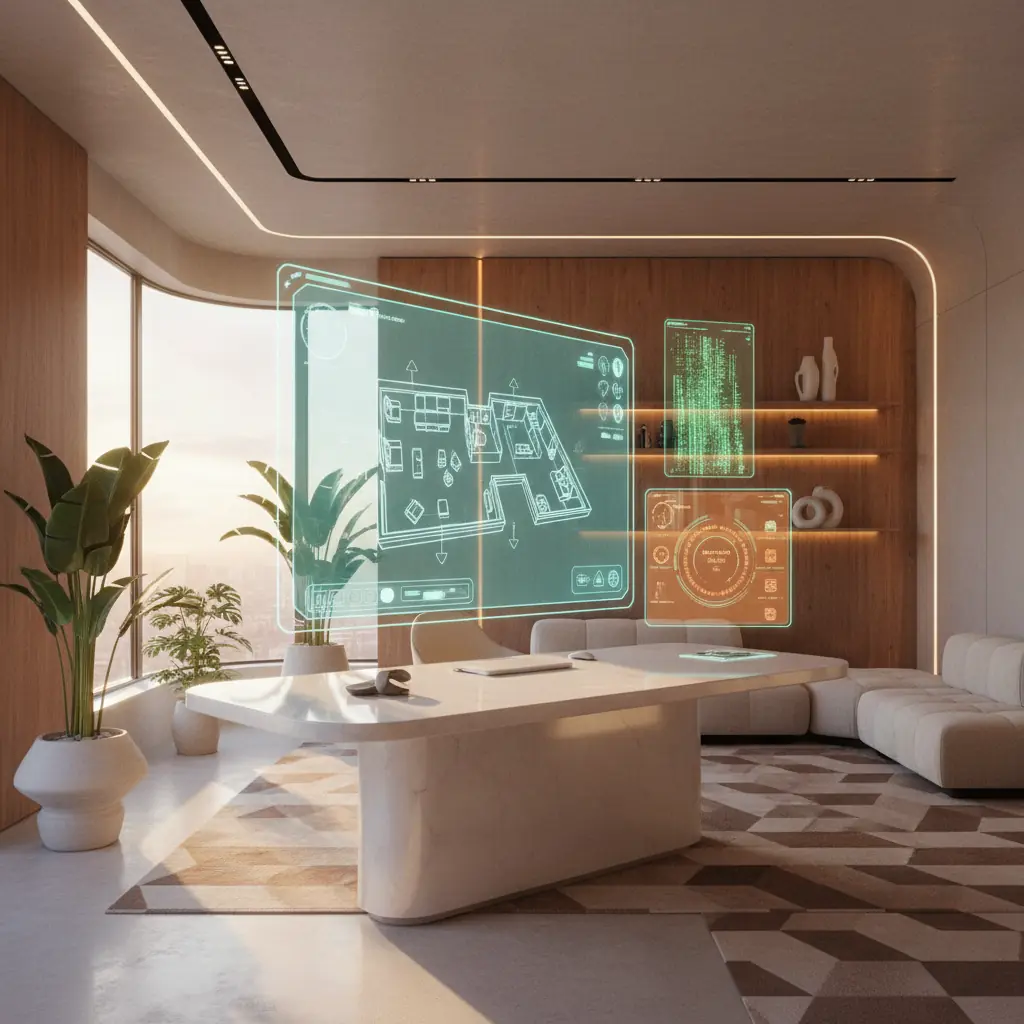
Por que comparar ferramentas de design com IA é mais importante do que nunca
O espaço do design de interiores com IA explodiu, transformando-se de um conceito experimental e de nicho em uma ferramenta mainstream para proprietários de imóveis, profissionais do mercado imobiliário e até mesmo designers experientes. Em 2024, o cenário era dominado por algumas ferramentas incipientes, que muitas vezes produziam resultados mais intrigantes do que funcionais — pense em texturas borradas, iluminação inconsistente e móveis que desafiavam a gravidade. Em 2026, o cenário é dramaticamente diferente. Agora temos mais de uma dúzia de concorrentes sérios, cada um capaz de gerar redesenhos de ambientes fotorrealistas em meros segundos, completos com texturas detalhadas, iluminação consistente e móveis espacialmente precisos.
A questão fundamental não é mais _se_ a IA pode redesenhar seu ambiente de forma eficaz, mas sim _qual ferramenta específica_ o faz melhor para sua situação e objetivos únicos. Com os avanços ocorrendo em velocidade vertiginosa, compreender as nuances entre as plataformas é crucial para tomar uma decisão informada que economize tempo, dinheiro e possíveis dores de cabeça com o design. Este guia elimina o ruído para fornecer uma comparação definitiva.
Testamos rigorosamente seis das plataformas de design de interiores com IA mais populares e promissoras — Habitas, RoomGPT, ReImagine Home, DecorAI, HomeDesignsAI e InteriorAI. Para garantir uma avaliação justa e consistente, usamos o mesmo conjunto diversificado de 30 fotos de ambientes. Essas fotos abrangiam vários estilos arquitetônicos, tipos de ambientes (salas de estar, quartos, cozinhas, banheiros, home offices) e condições de iluminação desafiadoras (luz diurna, noturna, artificial, mista). Nossas descobertas revelam diferenças críticas que podem determinar o sucesso ou fracasso do seu próximo projeto de design.
Como avaliamos: os cinco critérios mais importantes para aplicativos de design de interiores com IA
Escolher a ferramenta de design com IA certa não é apenas sobre fotos bonitas; é sobre utilidade prática. Nossa avaliação focou em critérios que impactam diretamente a usabilidade, qualidade e valor geral para diversas necessidades dos usuários.
### 1. Qualidade da Imagem: A Base de Qualquer Ferramenta Visual
Esta foi nossa métrica principal, abrangendo vários subfatores críticos para resultados críveis e de nível profissional. Avaliamos cada saída em:
- **Fotorrealismo:** Quão próxima a imagem gerada por IA se assemelhava a uma fotografia profissional. Procuramos por decaimento de luz natural, reflexos de materiais realistas e um jogo de sombras convincente. - **Proporcionalidade e Posicionamento dos Móveis:** A precisão da escala dos móveis em relação ao ambiente e outros objetos, bem como seu arranjo lógico dentro do espaço. Uma proporção inadequada pode quebrar instantaneamente a ilusão de realismo. - **Consistência da Iluminação:** Se a iluminação no ambiente redesenhado correspondia ao humor e direção da imagem de entrada original, ou se introduzia fontes de luz ou sombras não naturais. - **Ausência de Artefatos de IA:** O flagelo das primeiras ferramentas de IA, estes incluem objetos flutuantes, sombras impossíveis, texturas distorcidas ou elementos arquitetônicos "alucinados". Ferramentas com menos artefatos obtiveram pontuações mais altas.
### 2. Variedade e Adaptabilidade de Estilos: Além da Estética Básica
Uma ferramenta de IA verdadeiramente versátil deve oferecer mais do que apenas alguns estilos genéricos. Avaliamos:
- **Quantidade e Qualidade das Opções de Estilo:** Quantos temas estéticos distintos (por exemplo, minimalista, boêmio, industrial, Scandinavian, maximalista, mid-century modern, Japandi) cada ferramenta suporta. - **Diferenciação Genuína:** Se esses estilos produziram resultados genuinamente diferentes ou apenas pequenas variações sobre um tema limitado. Uma ferramenta que pode transformar um ambiente de "modern farmhouse" para "eclectic urban" de forma convincente demonstra verdadeira adaptabilidade. Também observamos como as ferramentas lidavam com elementos de design específicos, como [geração de paleta de cores com IA](/blog/ai-color-palette-generator) ou [arranjo de móveis com IA](/blog/ai-furniture-arrangement-tool).
### 3. Velocidade e Eficiência: Tempo é Dinheiro (e Paciência)
Para profissionais e proprietários de imóveis, a velocidade é um fator significativo.
- **Tempo de Geração:** Cronometramos o processo desde o upload da foto original até o recebimento do resultado final do design em alta resolução. - **Processamento em Lote:** Para usuários que precisam de múltiplos designs (como corretores de imóveis), a capacidade de processar várias imagens simultaneamente ou sequenciar designs rapidamente foi uma consideração chave. No mundo acelerado de hoje, uma visualização de IA que leva apenas 60 segundos oferece um forte contraste com as 2-4 semanas que um design de interiores tradicional pode levar para apresentar os conceitos iniciais.
### 4. Preços e Proposta de Valor: O Que Você Realmente Recebe?
Compreender os preços vai além da taxa mensal. Comparamos:
- **Generosidade do Nível Gratuito:** Quantas gerações de qualidade são oferecidas sem pagamento. - **Níveis de Planos Pagos:** Os recursos específicos, limites de geração e qualidade de saída oferecidos em diferentes faixas de preço (por exemplo, básico, premium, profissional). - **Custos Ocultos:** Os downloads em alta resolução são extras? Estilos ou recursos específicos estão bloqueados em níveis superiores? - **Valor Geral:** O custo se alinha com a qualidade e utilidade fornecidas? Para uma reforma em larga escala, o custo inicial da IA é insignificante em comparação com a reforma média de uma cozinha, que pode variar de $15.000 a $50.000.
### 5. Recursos Únicos e Inteligência Acionável: Da Inspiração à Execução
Este critério separa as ferramentas que simplesmente geram imagens bonitas daquelas que realmente o ajudam a redesenhar seu espaço. Procuramos por:
- **Planos de Execução:** Ferramentas que fornecem os próximos passos práticos, como um plano de piso, sugestões de materiais ou estimativas de orçamento. - **Pré-visualização em RA (Realidade Aumentada):** A capacidade de visualizar novos designs em seu espaço real usando seu smartphone. - **Listas de Compras e Sourcing de Produtos:** Vinculando designs gerados a produtos ou móveis do mundo real, completos com links para varejistas. - **Integração com Empreiteiros:** Ferramentas que podem conectar usuários a profissionais locais para dar vida ao design. - **Documentação de Design:** Recursos que permitem anotar, medir ou criar especificações detalhadas, indo além da inspiração inicial em direção a um documento de design abrangente. Isso aproxima as ferramentas de IA de fornecer [designs de ambientes gerados por IA tão realistas](/blog/ai-generated-room-designs-realistic) e acionáveis quanto possível.
Resultados frente a frente: Qualidade da imagem, variedade de estilos e experiência do usuário
Após testes extensivos, uma clara hierarquia emergiu em termos de fidelidade visual bruta e flexibilidade criativa.
**Habitas** e **ReImagine Home** lideraram consistentemente em fotorrealismo. O Habitas se destacou por produzir o posicionamento de móveis mais consistentemente proporcional e iluminação natural em vários tipos de ambientes e estilos de design. Seu motor de renderização parecia particularmente hábil em lidar com detalhes arquitetônicos complexos e integrar novos elementos perfeitamente em estruturas existentes, minimizando transições abruptas. Por exemplo, ao redesenhar um quarto com molduras de teto intrincadas, o Habitas integrou novos móveis e tratamentos de parede sem distorcer ou obscurecer as características arquitetônicas originais.
**RoomGPT** melhorou dramaticamente desde suas iterações anteriores em 2024. Agora ele lida com a maioria dos tipos de ambientes padrão com realismo impressionante, entregando resultados vibrantes e esteticamente agradáveis. No entanto, ocasionalmente ele tem dificuldades com layouts altamente complexos, particularmente designs de cozinha intrincados com múltiplos ângulos ou armários personalizados, onde alguns elementos gerados podem parecer ligeiramente menos integrados.
**DecorAI** se destacou por oferecer a biblioteca de estilos mais ampla e diversa. Se você busca explorar uma estética incomum ou misturar múltiplos estilos, o DecorAI oferece opções incomparáveis. A desvantagem, no entanto, é que em alguns de seus designs mais maximalistas ou altamente estilizados, ele sacrifica uma fração do fotorrealismo bruto visto no Habitas ou ReImagine Home, ocasionalmente produzindo imagens que se inclinam ligeiramente mais para um estilo de arte conceitual do que para a fotografia pura.
**HomeDesignsAI** entregou qualidade sólida de médio alcance, particularmente impressionante dado seu preço agressivo. Ele representa uma forte opção econômica para usuários que precisam de resultados bons e confiáveis sem gastar muito. Suas saídas são geralmente limpas e funcionais, tornando-o uma escolha confiável para visualizações rápidas.
**InteriorAI** permanece incrivelmente rápido, muitas vezes gerando resultados em segundos. Sua velocidade é uma vantagem definitiva para a ideação rápida. No entanto, ele tende a produzir cores excessivamente saturadas, que, embora às vezes atraentes, podem levar a resultados menos naturais. Ele também ocasionalmente ignora sutis restrições arquitetônicas, como o posicionamento de janelas ou batentes de portas existentes, às vezes colocando móveis diretamente na frente deles.
Para **resultados de nível profissional** que podem ser apresentados com confiança aos clientes, **Habitas** e **ReImagine Home** são os líderes claros. Eles oferecem a consistência, detalhes e realismo necessários para um trabalho de design sério.
É crucial notar que a lacuna entre os melhores e os piores desempenhos diminuiu consideravelmente. Mesmo a ferramenta mais fraca em nossa comparação de 2026 produz resultados que teriam sido considerados de ponta no início de 2025. A diferenciação agora vem de refinamentos sutis: consistência em uma gama extremamente ampla de tipos de ambientes, tratamento superior de casos extremos (formas de ambientes incomuns, iluminação de entrada deficiente) e a nuance da renderização de materiais, em vez da qualidade bruta.
Detalhamento de preços: Planos gratuitos vs. planos pagos – encontrando seu valor
Os modelos de precificação para aplicativos de design de interiores com IA variam amplamente, refletindo diferentes públicos-alvo e conjuntos de recursos. Compreender essas nuances é fundamental para encontrar o melhor valor para suas necessidades específicas.
A maioria das ferramentas oferece um nível gratuito, proporcionando uma amostra de suas capacidades. **RoomGPT** e **InteriorAI** oferecem as maiores permissões gratuitas, tipicamente de 3 a 5 gerações de alta qualidade. Isso os torna excelentes pontos de partida para locatários ou usuários casuais que buscam inspiração rápida sem compromisso. **Habitas** e **ReImagine Home** também oferecem gerações gratuitas (tipicamente 1-2), mas muitas vezes em qualidade total e com acesso a uma gama mais ampla de estilos ou recursos para exibir suas ofertas premium.
Os planos pagos geralmente variam de US$ 9/mês para os níveis básicos a US$ 49/mês para planos profissionais com gerações ilimitadas e recursos avançados.
O melhor valor depende inequivocamente do seu caso de uso:
- **Proprietários de imóveis planejando um projeto único:** Se você está lidando com a reforma de um único ambiente ou uma repaginação parcial, deve priorizar a precificação por geração ou uma assinatura de curto prazo, em vez de se comprometer com um plano mensal completo. Algumas plataformas oferecem pacotes de créditos que podem ser comprados conforme a necessidade. - **Corretores de imóveis e profissionais de home staging:** Para profissionais que precisam de volume consistente, como encenar múltiplos imóveis ou fornecer conceitos de design para clientes, um plano de geração ilimitada geralmente se mostra mais econômico. A capacidade de gerar rapidamente múltiplas opções para uma propriedade pode aumentar significativamente a visualização do comprador. De fato, **73% dos compradores de imóveis dizem que o staging os ajuda a visualizar uma propriedade** como seu futuro lar, e imóveis com staging profissional vendem 25% mais rápido em média. - **Designers de interiores profissionais:** Designers podem encontrar valor em planos de nível médio a alto que ofereçam recursos de integração, saídas de alta resolução e licenciamento comercial. Os ganhos de eficiência ao usar IA para a geração de conceitos iniciais podem ser substanciais.
**Habitas** se destaca particularmente em sua proposta de valor ao incluir planos de execução abrangentes, listas de compras detalhadas e estimativas de orçamento em seu plano mensal de nível intermediário. Outras ferramentas frequentemente cobram extra por esses recursos de "inteligência acionável" ou não os oferecem. Isso torna o Habitas uma escolha atraente para usuários que desejam ir além da visualização para o planejamento real do projeto. Por exemplo, comparando o custo do [design de interiores com IA vs. contratar um designer humano](/blog/ai-interior-design-vs-hiring-cost), a opção de IA oferece economias imensas, especialmente quando recursos abrangentes são empacotados.
Melhor ferramenta para cada caso de uso: Adaptando a IA às suas necessidades
A "melhor" ferramenta de design de interiores com IA não é uma resposta única para todos. Trata-se de combinar os pontos fortes da ferramenta com seu projeto e fluxo de trabalho específicos.
### Para Proprietários Planejando uma Reforma ou Redesign: Habitas
Para proprietários de imóveis que embarcam em uma reforma significativa, o **Habitas** oferece o fluxo de trabalho mais completo e otimizado. Desde a visualização inicial de potenciais [transformações de ambientes antes e depois](/blog/before-after-room-transformation-guide) até planos de execução acionáveis, ele fecha a lacuna entre inspiração e realidade. Sua capacidade de gerar estimativas de orçamento detalhadas e listas de compras, juntamente com renderizações altamente realistas, significa que você não está apenas recebendo uma imagem bonita, mas um roteiro prático. Imagine visualizar um novo layout de cozinha e, em seguida, receber instantaneamente um detalhamento dos custos de materiais e uma lista de eletrodomésticos específicos que se encaixam no design – é aí que o Habitas brilha.
### Para Locatários ou Aqueles Buscando Inspiração Rápida de Estilo: RoomGPT & InteriorAI
Se você é um locatário procurando experimentar rapidamente diferentes estilos sem mudanças estruturais, ou simplesmente buscando inspiração rápida e acessível, **RoomGPT** e **InteriorAI** são excelentes escolhas. Seus generosos níveis gratuitos e tempos de geração rápidos permitem uma experimentação extensa. Você pode fazer upload de uma foto da sua sala de estar e, em minutos, vê-la transformada em várias estéticas, desde [ideias de quarto boêmio](/blog/bohemian-bedroom-ideas) até refúgios minimalistas, sem os recursos mais profundos de planejamento de reforma de plataformas mais abrangentes. Eles proporcionam gratificação imediata para brainstorming conceitual.
### Para Corretores de Imóveis e Gerentes de Propriedades: ReImagine Home & HomeDesignsAI
Corretores de imóveis e gerentes de propriedades que preparam anúncios ou ajudam clientes a visualizar potenciais melhorias de imóveis se beneficiarão muito do **ReImagine Home** ou do **HomeDesignsAI**. As capacidades de processamento em lote e as saídas de alta qualidade do ReImagine Home o tornam ideal para preparar rapidamente vários ambientes em uma propriedade, aprimorando os anúncios com visuais cativantes que ajudam os potenciais compradores a ver o verdadeiro potencial de uma propriedade. O HomeDesignsAI oferece uma solução econômica para volume, fornecendo qualidade sólida a um preço que o torna viável para inúmeros projetos. Fornecer imagens de staging realistas pode aumentar o interesse do comprador em até 60%, acelerando significativamente os ciclos de vendas.
### Para Designers de Interiores Profissionais e Arquitetos: Habitas & ReImagine Home
Designers de interiores e arquitetos profissionais encontrarão no **Habitas** e no **ReImagine Home** ferramentas inestimáveis que complementam, em vez de substituir, seu fluxo de trabalho existente. A alta fidelidade e a qualidade consistente dessas plataformas significam que os designers podem usá-las para apresentações rápidas a clientes, ilustrando conceitos e direções de estilo muito mais rapidamente do que os métodos de renderização tradicionais. Embora a saída de IA sirva como uma poderosa ferramenta de comunicação – mostrando aos clientes uma visão atraente – entende-se que especificações detalhadas, design de mobiliário personalizado e sourcing de materiais ainda exigirão a expertise matizada de um designer humano. No entanto, ao alavancar a IA para a visualização inicial, os designers podem reduzir o tempo de conceituação inicial em até 40%, liberando seu tempo para resolução de problemas mais complexos e criativos, uma vantagem crítica na competitiva indústria do design. Para um aprofundamento sobre como essas funções se cruzam, explore nosso guia sobre [IA vs. designers de interiores humanos](/blog/ai-vs-human-interior-designer).
O estado da qualidade do design com IA: 2024 vs. 2026 e a próxima fronteira
Olhando para os designs de ambientes gerados por IA do início de 2024, o progresso é verdadeiramente impressionante. Há apenas dois anos, a IA produzia regularmente ambientes fantásticos, muitas vezes perturbadores, com cadeiras de seis pernas, janelas que não levavam a lugar nenhum e iluminação que desafiava abertamente a física. Essas primeiras saídas eram novidades, um vislumbre de um futuro potencial em vez de uma ferramenta prática.
Hoje, as melhores ferramentas produzem resultados tão sofisticados que fotógrafos profissionais, em testes cegos, confundem interiores gerados por IA com reais em taxas superiores a 60 por cento. Esse salto dramático em fotorrealismo, compreensão espacial e consistência de objetos é um testemunho dos rápidos avanços nos modelos de IA generativa e nos dados de treinamento. A era dos interiores de IA no "vale da estranheza" está em grande parte para trás de nós.
A próxima fronteira não é apenas a qualidade visual — é **inteligência acionável** e **integração perfeita**. O foco está mudando de simplesmente gerar imagens bonitas para capacitar os usuários a dar vida a esses designs. As ferramentas estão avançando rapidamente em direção a:
- **Identificação de produtos específicos:** Sugerindo automaticamente móveis, decoração e materiais que combinam com o design gerado, completos com links para varejistas de renome. - **Estimativas de custo precisas:** Fornecendo detalhamentos de custos em tempo real e localizados para reformas, móveis e mão de obra, permitindo que os usuários orcem de forma eficaz desde o início. - **Conexão com profissionais:** Integração direta com bancos de dados de fornecedores locais, empreiteiros e artesãos especializados, simplificando as fases de aquisição e execução. - **Sustentabilidade e Bem-Estar:** Modelos de IA estão começando a incorporar elementos de design biofílico, sugerindo otimização de luz natural, recomendações de plantas e [elementos de design biofílico](/blog/biophilic-design-guide) para um bem-estar aprimorado. - **Inteligência Espacial:** Indo além das imagens estáticas para modelos 3D interativos onde os usuários podem percorrer seu espaço redesenhado, ajustar elementos e até mesmo integrar-se com tecnologias de casa inteligente.
Os vencedores em 2027 e além serão as plataformas que efetivamente fecharem a lacuna entre "Adoro esta imagem" e "Este design agora está lindamente construído em minha casa". O Habitas, com seu foco em planos de execução detalhados e próximos passos práticos, já está a caminho de liderar essa mudança transformadora na indústria de design de interiores. Descubra mais sobre [como o design de interiores com IA funciona](/blog/ai-interior-design-how-it-works) para entender essa evolução.
---
Perguntas Frequentes
### Quão precisas são as ferramentas de design de interiores com IA em 2026?
Em 2026, as principais ferramentas de design de interiores com IA, como Habitas e ReImagine Home, oferecem notável precisão e fotorrealismo. Elas são hábeis em renderizar texturas realistas, manter as proporções adequadas dos móveis e garantir uma iluminação consistente. Embora pequenos artefatos ou inconsistências estilísticas ainda possam ocorrer em cenários complexos ou com ferramentas menos avançadas, a qualidade geral é tão alta que designers e fotógrafos profissionais frequentemente confundem ambientes gerados por IA com reais. As melhores ferramentas podem refletir com precisão a arquitetura existente do seu ambiente, introduzindo novos elementos de design de forma integrada.
### A IA para design de interiores pode substituir um designer humano?
Não, as ferramentas de design de interiores com IA são melhor vistas como assistentes poderosos, em vez de substitutos para designers humanos. Embora a IA se destaque na visualização rápida, geração de conceitos e fornecimento de planos básicos de execução, ela carece da compreensão matizada das emoções humanas, estilos de vida específicos dos clientes, resolução complexa de problemas estruturais e da inestimável intuição criativa que designers humanos experientes trazem. A IA é uma excelente ferramenta para inspiração e comunicação, permitindo que os designers apresentem ideias rapidamente, mas os elementos críticos de gerenciamento de relacionamento com o cliente, soluções personalizadas e supervisão da execução complexa do projeto ainda permanecem firmemente no domínio humano.
### Qual a diferença entre aplicativos de design de interiores com IA e softwares CAD tradicionais?
A principal diferença reside em sua abordagem e facilidade de uso. O software CAD (Computer-Aided Design) tradicional exige habilidades técnicas significativas, desenho manual e entrada detalhada de medidas e objetos para criar plantas baixas e modelos 3D precisos e editáveis. Ele é construído para precisão técnica e planejamento arquitetônico detalhado. Os aplicativos de design de interiores com IA, por outro lado, são projetados para velocidade e acessibilidade. Você normalmente faz upload de uma foto do seu ambiente existente, seleciona um estilo, e a IA gera instantaneamente uma imagem redesenhada. Eles priorizam a inspiração visual e a conceituação rápida em vez da precisão técnica minuciosa, tornando-os muito mais fáceis e rápidos para a maioria dos usuários operar sem treinamento especializado.
### Existem ferramentas de design de interiores com IA verdadeiramente gratuitas para uso ilimitado?
Embora muitas ferramentas de design de interiores com IA ofereçam um "nível gratuito", estas geralmente vêm com limitações. Você pode obter um certo número de gerações gratuitas (por exemplo, 1-5 ambientes), acesso a um conjunto restrito de estilos ou saídas de menor resolução. O uso verdadeiramente ilimitado, especialmente com saídas de alta qualidade e recursos avançados como listas de compras ou planos de execução, quase sempre requer uma assinatura paga. Ferramentas como RoomGPT e InteriorAI oferecem permissões gratuitas mais generosas para inspiração rápida, mas para projetos sérios ou extensos, investir em um plano pago de uma plataforma como Habitas oferece uma experiência muito mais rica e abrangente.
### Como os aplicativos de design de interiores com IA ajudam com orçamentação e sourcing de produtos?
Os aplicativos de design de interiores com IA mais avançados, como Habitas, estão indo além da simples visualização para fornecer inteligência acionável. Isso inclui a geração de orçamentos estimados para o design proposto, detalhando os custos de móveis, materiais e até mesmo mão de obra potencial. Além disso, essas ferramentas podem vincular os designs gerados a produtos do mundo real, fornecendo listas de compras clicáveis com links para varejistas online para itens específicos (ou alternativas semelhantes) que correspondem à estética. Esse recurso agiliza significativamente a transição do conceito de design para a aquisição e execução reais, economizando tempo e esforço consideráveis aos usuários na pesquisa e aquisição de produtos.