Design de Interiores com IA Antes e Depois: Transformações Reais de Ambientes Reveladas
Testemunhe transformações impressionantes de design de interiores com IA antes e depois. Carregue a foto do seu ambiente no Habitas e obtenha redesigns fotorrealistas em segundos. Veja resultados reais de usuários e planos acionáveis.
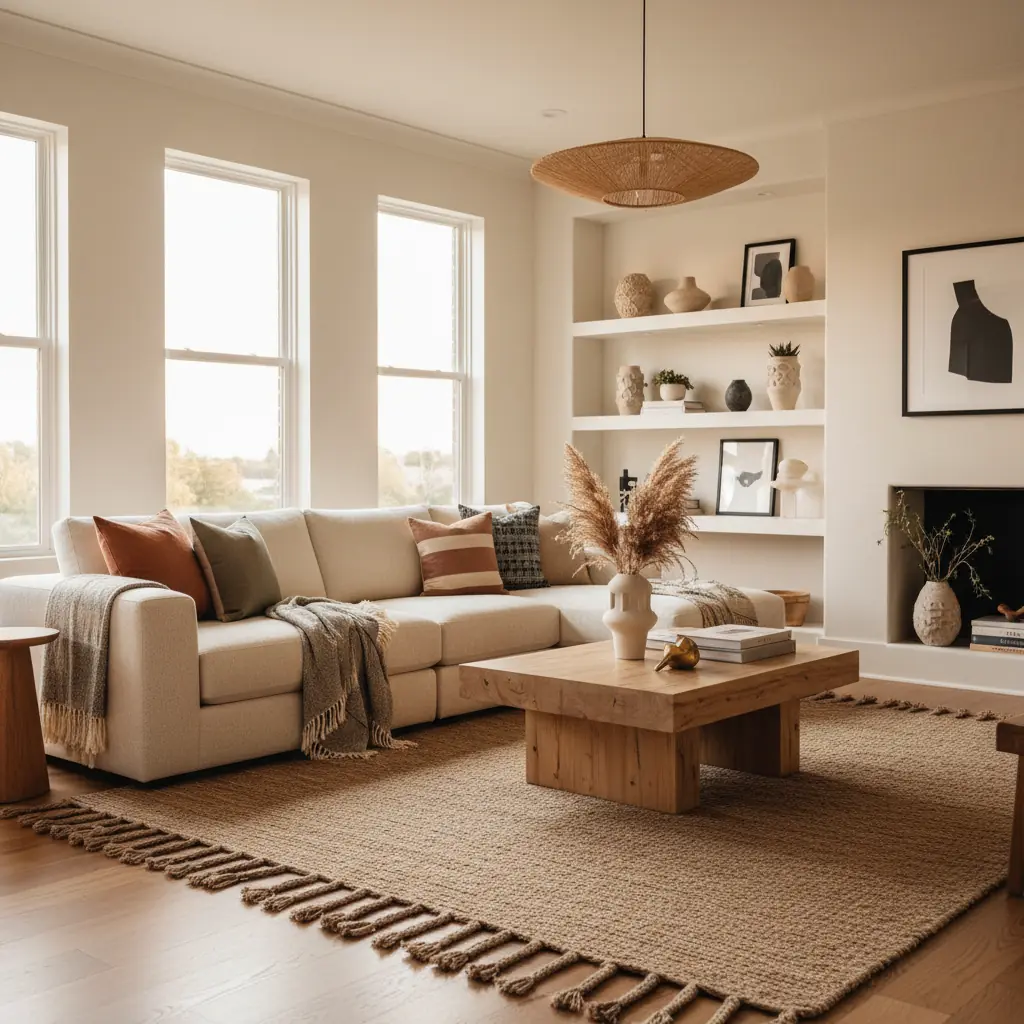
O Poder de Ver Seu Ambiente Real Transformado por IA
A jornada para um espaço lindamente redesenhado geralmente começa com uma visão. Tradicionalmente, essa visão pode ser montada a partir de inúmeros quadros do Pinterest, recortes de revistas e visitas a showrooms. Embora esses recursos ofereçam inspiração valiosa, eles muitas vezes ficam aquém de um aspecto crucial: aplicar essa inspiração diretamente ao _seu_ espaço único. Imagens genéricas, por mais atraentes que sejam, raramente levam em conta as dimensões específicas do seu ambiente, a luz natural, as peculiaridades arquitetônicas ou os elementos estruturais existentes.
É aqui que o design de interiores com IA revoluciona o processo. A verdadeira magia acontece quando você vê seu ambiente real — com suas janelas específicas, pé-direito e excentricidades charmosas — completamente reimaginado em um novo estilo. Plataformas baseadas em IA como o Habitas usam a foto do seu ambiente como tela, compreendendo meticulosamente sua geometria única e, em seguida, aplicando inteligentemente um novo design. As paredes permanecem no mesmo lugar. As janelas não se movem. Mas todo o resto — móveis, cores, materiais, iluminação, têxteis e decoração — se transforma em um design coeso e deslumbrante que parece ter sido profissionalmente montado e fotografado.
Essa capacidade não apenas estimula a criatividade, mas também proporciona uma profunda paz de espírito. Estudos mostram que visualizar um design antecipadamente pode reduzir o tempo de tomada de decisão em até 50% para proprietários, minimizando a ansiedade associada às escolhas de reforma e decoração. Isso ajuda a superar a "paralisia do design" ao apresentar opções concretas e fotorrealistas, permitindo que você passe com confiança de ideias abstratas para planos tangíveis.
Como o Design de Interiores com IA Transforma a Foto do Seu Ambiente?
O processo de transformar seu ambiente do estado atual para um potencial futuro é notavelmente simples, mas impulsionado por tecnologia sofisticada. Em sua essência, envolve algumas etapas intuitivas:
1. **Carregue uma Foto Nítida:** Comece carregando uma foto bem iluminada e nítida de qualquer ambiente que você deseja transformar. A qualidade da sua foto inicial é fundamental para o realismo do resultado. 2. **Selecione Seu Estilo Desejado:** Escolha entre uma ampla gama de estilos de design – seja o calor minimalista do Scandinavian, o equilíbrio sereno do Japandi, as linhas elegantes do Moderno, o apelo bruto do Industrial, ou mesmo estéticas de nicho como Biofílico ou Art Déco. 3. **Gere Variantes Fotorrealistas:** Em menos de 60 segundos, a IA gera três variantes fotorrealistas distintas. Cada variante interpreta o estilo escolhido de forma ligeiramente diferente, oferecendo uma gama de opções criativas para você comparar e contrastar.
Mas como a IA alcança resultados tão realistas? Não é apenas sobrepor imagens. O Habitas emprega algoritmos avançados de visão computacional e machine learning que vão além de simples filtros de imagem. A IA analisa meticulosamente a foto carregada para entender:
- **Relações Espaciais:** Ela identifica as dimensões do ambiente, o posicionamento das paredes, as aberturas de portas e janelas e o layout geral. Ela sabe onde os objetos estão no espaço 3D. - **Condições de Iluminação:** A IA avalia as fontes de luz natural e artificial, compreendendo como a luz incide e cria sombras, o que é crítico para uma renderização realista. - **Elementos Estruturais:** Ela distingue entre elementos permanentes (como uma lareira, prateleiras embutidas ou uma viga estrutural) e aqueles que podem ser alterados (móveis, pintura, decoração). Isso garante que os designs gerados respeitem a arquitetura subjacente do seu ambiente.
Essa compreensão profunda da geometria e das características inerentes do seu espaço é precisamente o motivo pelo qual os resultados parecem tão reais, e não artificiais. A estrutura central permanece precisa, enquanto toda a linguagem de design é cuidadosamente aplicada, criando uma experiência imersiva de "antes e depois". Para aprofundar na tecnologia, leia nosso post sobre [Como o Design de Interiores com IA Funciona](/blog/ai-interior-design-how-it-works).
O Que Torna os Resultados de IA de Antes e Depois Realmente Ótimos?
A qualidade da sua transformação gerada por IA depende em grande parte da entrada que você fornece. Para garantir os resultados mais impressionantes e precisos de antes e depois, considere estas dicas:
- **Comece com uma Foto de Alta Qualidade:** Uma foto clara e bem iluminada, tirada de um canto do ambiente, geralmente produz os melhores resultados. A luz natural é ideal, pois proporciona a representação de cores e o mapeamento de sombras mais precisos para a IA. Evite fotografia com flash, se possível, pois pode achatar a imagem. - **Fotos Panorâmicas São Melhores:** Inclua o máximo possível do ambiente em sua foto. Fotos de grande angular dão à IA mais contexto sobre o espaço geral, suas dimensões e como diferentes áreas se conectam. Evite fotos extremamente próximas de apenas um canto, pois isso limita a capacidade da IA de redesenhar todo o ambiente de forma coesa. - **Considere Desorganizar (Ligeiramente):** Embora a IA possa remover móveis existentes, um espaço moderadamente organizado oferece à IA uma tela mais limpa para trabalhar. Isso a ajuda a se concentrar nos recursos permanentes do ambiente e no volume geral. - **Forneça Instruções Específicas:** Quanto mais informações você der à IA, mais personalizado e útil será o resultado. - **Elementos a Manter:** Se você tem uma lareira que adora, uma obra de arte valiosa ou um banco de janela que deve permanecer, anote. Isso ajuda a IA a integrar esses elementos queridos ao novo design. - **Humor ou Função Desejada:** "Quero um canto de leitura aconchegante" ou "Este precisa ser um home office altamente funcional" podem guiar as escolhas de design da IA. - **Preferências de Cores:** "Focar em neutros quentes" ou "Incorporar um toque de verde esmeralda" pode refinar a paleta.
Plataformas como o Habitas são projetadas para serem intuitivas, mas lembre-se: a IA é uma ferramenta poderosa que se beneficia de uma boa orientação. Ao fornecer entradas ponderadas, você capacita a IA a entregar transformações verdadeiramente personalizadas e deslumbrantes.
Além da Estética: Os Benefícios Práticos das Transformações com IA
Embora o impacto visual de um antes e depois com IA seja inegavelmente atraente, os benefícios se estendem muito além da estética. A utilização da IA para suas necessidades de design de interiores oferece vantagens práticas significativas:
- **Economia de Custos e Evitar Erros Caros:** Serviços tradicionais de design de interiores podem ser caros, e cometer erros de design durante uma reforma pode ser ainda mais custoso. Imagine pintar um ambiente inteiro apenas para não gostar da cor, ou comprar um sofá que não cabe no espaço. A visualização por IA ajuda você a evitar essas armadilhas, permitindo que você experimente virtualmente antes de fazer qualquer compromisso financeiro. Uma reforma típica de sala de estar em 2026 pode variar de US$ 5.000 a US$ 25.000, dependendo do escopo; a IA ajuda a garantir que cada dólar seja bem gasto. - **Eficiência de Tempo:** A velocidade com que a IA gera opções de design é incomparável. Esperar semanas por um designer tradicional para produzir mood boards ou renderizações 3D é coisa do passado. Com a IA, você obtém vários conceitos fotorrealistas em minutos, acelerando significativamente seu processo de tomada de decisão. Isso significa menos tempo agonizando sobre escolhas e mais tempo desfrutando do seu espaço recém-planejado. - **Confiança Aprimorada na Tomada de Decisão:** Ver seu ambiente real transformado elimina suposições. Você pode aprovar com confiança cores de tinta, estilos de móveis e alterações de layout porque já os viu ganharem vida em suas próprias paredes. Isso aumenta a confiança e reduz o estresse da reforma. - **Sustentabilidade Através de Escolhas Informadas:** O design impulsionado por IA também pode contribuir para práticas mais sustentáveis. Ao visualizar exatamente o que você precisa e como ficará, você tem menos probabilidade de comprar itens desnecessários ou fazer escolhas que levem ao desperdício de material. A implementação de um plano de design gerado por IA pode reduzir o desperdício de material em cerca de 15-20% devido ao planejamento preciso.
Para uma análise completa do que constitui um plano profissional, explore nosso guia sobre [Guia de Transformação de Ambientes Antes e Depois](/blog/before-after-room-transformation-guide). E compare as vantagens ainda mais em nosso artigo [Design de Interiores com IA vs. Contratar um Designer Humano Caro](/blog/ai-interior-design-vs-hiring-cost).
Quem Mais Se Beneficia do Design de Interiores com IA Antes e Depois?
A versatilidade do design de interiores com IA significa que seu poder de "antes e depois" pode servir a uma gama diversificada de usuários:
- **Proprietários e Inquilinos:** Esteja você planejando uma grande reforma ou simplesmente queira renovar sua decoração, a IA permite que você visualize mudanças potenciais sem compromisso. Inquilinos podem experimentar cores de tinta, arranjos de móveis e opções de decoração temporária sem violar os contratos de aluguel. - **Corretores de Imóveis e Home Stagers:** A IA é uma ferramenta inestimável para home staging virtual. Corretores podem mostrar a potenciais compradores como uma propriedade vazia ou desatualizada poderia parecer, ajudando-os a visualizar todo o seu potencial. Imóveis com home staging profissional vendem 25% mais rápido e por 6-10% a mais em média, tornando a IA uma alternativa econômica. - **Incorporadoras e Arquitetos:** Antes de iniciar a construção, as incorporadoras podem usar a IA para apresentar diferentes opções de design para novas construções ou unidades remodeladas a potenciais clientes, acelerando os ciclos de vendas. - **Designers de Interiores:** A IA não substitui a criatividade humana; ela a aumenta. Designers podem usar a IA para gerar rapidamente conceitos iniciais para clientes, economizando horas em esboços preliminares e renderizações, e concentrando sua expertise em refinar os detalhes. - **Pequenos Empresários:** De lojas de varejo a cafés ou espaços de home office, empresários podem usar a IA para visualizar novos layouts, elementos de branding ou melhorias no fluxo de clientes antes de investir em mudanças físicas.
Explorando Estilos de Design com IA: Um Olhar Mais Próximo
Um dos aspectos mais empolgantes do design de interiores com IA é sua capacidade de interpretar e aplicar uma vasta gama de estilos de design ao seu ambiente. Vamos nos aprofundar em alguns populares e como a IA pode trazê-los à vida:
- **Scandinavian:** Caracterizado por minimalismo, funcionalidade e foco em luz natural e materiais. A IA frequentemente sugere móveis de madeira clara, paredes brancas ou cinza suave, têxteis aconchegantes e arranjos descomplicados, criando uma sensação luminosa e arejada. - **Japandi:** Uma mistura harmoniosa de minimalismo japonês e calor Scandinavian. A IA identifica elementos como linhas limpas, texturas naturais (madeira, bambu, cerâmica), uma paleta de cores suaves e ênfase na funcionalidade e serenidade. - **Moderno:** Definido por linhas limpas, ausência de ornamentação e foco na funcionalidade. Transformações de IA neste estilo apresentarão formas geométricas, espaços abertos, um esquema de cores neutras com acentos ousados ocasionais e materiais como vidro, aço e concreto. - **Industrial:** Este estilo celebra materiais brutos e elementos estruturais expostos. A IA incorporaria paredes de tijolos, tubulações expostas, pisos de concreto, luminárias de metal e móveis vintage ou reaproveitados, evocando uma estética de loft urbano. - **Biofílico:** Uma tendência emergente que busca conectar os ocupantes com a natureza. A IA pode introduzir plantas internas, melhorias na luz natural, formas orgânicas e materiais que imitam o exterior (madeira, pedra), até mesmo integrando padrões e vistas inspirados na natureza.
Descubra mais inspiração para várias estéticas em nosso guia para os [Melhores Estilos de Design de Interiores 2026](/blog/best-interior-design-styles-2026/). A força da IA reside não apenas na aplicação desses estilos, mas na compreensão de seus princípios fundamentais e na tradução deles para uma experiência visual coesa e única para o seu ambiente.
O Olho da IA: Como o Habitas Entende Seu Espaço
O realismo alcançado pela IA do Habitas não é mágica; é o resultado de algoritmos sofisticados treinados em vastos conjuntos de dados de princípios de design de interiores, estilos arquitetônicos e propriedades de materiais. Quando você carrega uma foto, os algoritmos avançados de IA do Habitas realizam uma série de análises complexas:
1. **Reconhecimento e Segmentação de Objetos:** A IA primeiro identifica e separa vários elementos em seu ambiente: paredes, piso, teto, janelas, portas, móveis existentes e decoração. Isso permite que ela entenda o que pode ser alterado e o que precisa ser respeitado. 2. **Percepção de Profundidade e Reconstrução 3D:** Usando a estimativa de profundidade monocular, a IA infere o layout 3D do seu ambiente a partir de uma única imagem 2D. Isso é crucial para posicionar corretamente novos móveis, calcular sombras e garantir uma perspectiva realista. 3. **Simulação de Iluminação e Materiais:** A IA analisa as fontes de luz existentes e aplica iluminação realista aos novos elementos de design. Ela também entende como diferentes materiais (madeira, tecido, metal, tinta) interagem com a luz, simulando com precisão reflexos, texturas e brilho. 4. **Aplicação e Harmonização de Estilo:** Com base no estilo escolhido, a IA seleciona e posiciona inteligentemente móveis, luminárias, cores e texturas. Ela garante que todos os elementos trabalhem juntos harmoniosamente, aderindo às regras e princípios estilísticos que você selecionou, mantendo a integridade estrutural.
Esse processo iterativo garante que cada variante de design não seja apenas uma imagem bonita, mas uma interpretação cuidadosa da sua visão dentro das restrições do seu ambiente real.
Da Visualização à Realidade: Dando o Salto para o Seu Ambiente dos Sonhos
As imagens fotorrealistas de "antes e depois" são apenas o começo da jornada do Habitas. O que realmente diferencia o design de interiores com IA é a ponte que ele constrói entre a visualização e a execução tangível. Cada transformação vem com um plano de execução acionável – um roteiro detalhado projetado para guiá-lo do sonho digital à decoração do mundo real.
Este plano abrangente geralmente inclui:
- **Listas de Compras Detalhadas:** Recomendações específicas para peças de mobiliário, luminárias, têxteis, cores de tinta e itens de decoração. Essas sugestões frequentemente incluem links para produtos reais ou categorias, completas com alternativas orçamentárias para atender a vários preços. - **Etapas de Ação Priorizadas:** O plano categoriza as mudanças por prioridade (por exemplo, estruturais, móveis principais, decoração) e dificuldade, permitindo que você aborde seu projeto de reforma ou redesenho em fases gerenciáveis. - **Paletas de Cores e Amostras:** Códigos de cores de tinta precisos e sugestões para amostras de têxteis coordenados para garantir a consistência. - **Guias de Layout e Arranjo:** Detalhes sobre como organizar novos móveis para um fluxo e funcionalidade ideais, frequentemente com sugestões de medidas.
Isso não é apenas uma imagem bonita; é uma ferramenta de gerenciamento de projetos. Você pode entregar o PDF detalhado ao seu empreiteiro, capacitando-o com uma visão clara e especificações. Ou, se você é um entusiasta do faça você mesmo, pode abordar o projeto sozinho, um fim de semana de cada vez, confiante de que cada etapa o aproxima de um resultado coeso e deslumbrante. A clareza e os detalhes fornecidos podem agilizar significativamente o processo de reforma, tornando seu ambiente dos sonhos uma realidade alcançável.
Perguntas Frequentes
### Quão precisos são os resultados de design de interiores com IA de antes e depois?
Os resultados de design de interiores com IA, especialmente de plataformas avançadas como o Habitas, são altamente precisos e fotorrealistas. A IA usa visão computacional sofisticada para analisar a geometria 3D do seu ambiente, iluminação e elementos estruturais existentes a partir da foto que você carregou. Isso permite que ela gere novos designs que respeitam as dimensões físicas e características do seu espaço, fazendo com que as transformações pareçam incrivelmente reais, e não apenas sobreposições superficiais. A precisão depende significativamente da qualidade da sua foto inicial e da clareza da sua entrada.
### O design de interiores com IA pode me economizar dinheiro na minha reforma?
Absolutamente. O design de interiores com IA pode economizar dinheiro de várias maneiras. Primeiramente, ele ajuda você a evitar erros caros, permitindo que você visualize diferentes designs, arranjos de móveis e esquemas de cores _antes_ de comprar itens ou iniciar reformas. Isso evita retrabalho e desperdício de materiais. Em segundo lugar, comparado aos serviços tradicionais de design de interiores que podem custar milhares, as plataformas de IA oferecem um custo inicial significativamente mais acessível. Por último, os planos de execução acionáveis frequentemente incluem alternativas orçamentárias para itens especificados, ajudando você a aderir aos seus limites financeiros.
### Qual qualidade de foto é melhor para transformações com IA?
Para os melhores resultados de transformação com IA, procure uma foto clara e bem iluminada, tirada de um canto do ambiente, capturando o máximo de espaço possível. A luz natural é ideal, pois fornece representação precisa de cores e sombras naturais. Certifique-se de que a foto não esteja borrada e evite flash forte, que pode achatar a imagem. Embora a IA possa funcionar com várias qualidades, uma imagem de alta resolução e bem composta produzirá os designs de antes e depois mais detalhados e realistas.
### Quanto tempo leva para obter ideias de design com IA para o meu ambiente?
Uma das maiores vantagens do design de interiores com IA é a velocidade. Após carregar sua foto e selecionar o estilo desejado, plataformas como o Habitas podem gerar três variantes de design fotorrealistas em menos de 60 segundos. Essa agilidade permite que você experimente inúmeros estilos e ideias em uma fração do tempo que levaria com métodos de design tradicionais, tornando o processo de exploração de design incrivelmente eficiente.
### Posso usar o design de interiores com IA para espaços comerciais ou apenas residenciais?
O design de interiores com IA é altamente versátil e pode ser usado efetivamente tanto para espaços residenciais quanto comerciais. Embora muitos usuários sejam proprietários de casas, empresas como cafés, lojas de varejo, home offices e até propriedades de aluguel de curta duração (como Airbnbs) podem se beneficiar imensamente. A IA pode ajudar a visualizar novos layouts, integrações de branding, melhorias no fluxo de clientes ou opções de staging, fornecendo um plano visual claro para qualquer ambiente comercial.
### O design de interiores com IA sugere produtos reais que posso comprar?
Sim, muitas plataformas avançadas de design de interiores com IA, incluindo o Habitas, vão além de apenas gerar imagens. Elas frequentemente fornecem planos de execução acionáveis que incluem recomendações de produtos específicos. Essas recomendações podem variar de cores de tinta com códigos de marca a peças de mobiliário, luminárias e itens de decoração, frequentemente com links para produtos reais disponíveis para compra ou categorias para aquisição. Isso ajuda a preencher a lacuna entre a visualização e a concretização do design.