Design Biofílico: Como Trazer a Natureza para Casa para Saúde e Serenidade
Descubra o poder do design biofílico para criar lares mais saudáveis e calmos. Encontre dicas práticas para integrar plantas, luz natural, materiais orgânicos e muito mais, com base científica.
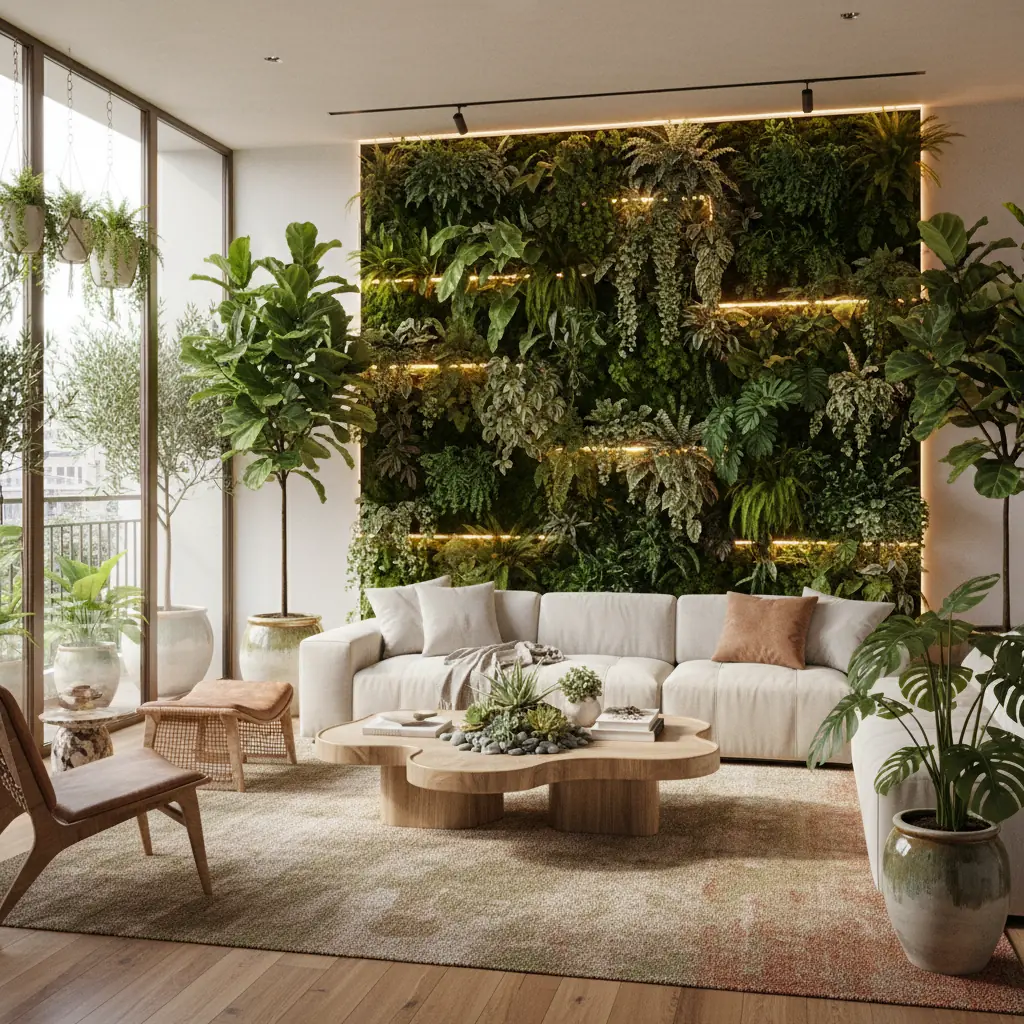
O que é Design Biofílico e Por Que Ele é Importante para Sua Casa?
O design biofílico está enraizado em uma ideia simples e profunda: os humanos evoluíram na natureza, e nossos cérebros ainda anseiam por uma conexão com ambientes naturais. O termo vem da "hipótese da biofilia" do biólogo E.O. Wilson — que os humanos têm uma tendência inata a buscar conexões com a natureza e outros sistemas vivos. Em nossas vidas cada vez mais urbanizadas e dominadas por telas, essa conexão é frequentemente rompida por nossos ambientes internos. Quando passamos mais de 90% do nosso tempo em ambientes fechados, a desconexão da natureza pode levar a estresse, fadiga, bem-estar reduzido e até mesmo função cognitiva prejudicada.
Em termos práticos de design de interiores, o design biofílico significa incorporar intencionalmente elementos da natureza em ambientes construídos. Isso vai muito além de colocar uma samambaia em um vaso no canto; é uma abordagem holística. O verdadeiro design biofílico considera padrões de luz natural, formas orgânicas, elementos aquáticos, materiais naturais, plantas vivas e até vistas emolduradas da natureza como insumos de design fundamentais — não como complementos. Trata-se de criar espaços que acalmam nossos instintos primais e apoiam nossa saúde mental e física.
A evidência éP compelling. Estudos do Relatório Global Human Spaces descobriram que pessoas trabalhando em ambientes com elementos naturais relatam 15% mais bem-estar e 6% mais produtividade. Pacientes hospitalares com vistas para a natureza se recuperam mais rapidamente. Alunos em salas de aula com luz natural e materiais naturais obtêm melhores resultados. Os dados mostram consistentemente que integrar a natureza em nossos espaços não é meramente decorativo — é profundamente funcional, contribuindo para uma melhor qualidade de vida. De fato, pesquisas indicam que casas projetadas com princípios biofílicos podem ter um valor premium, com alguns estudos sugerindo um aumento no valor percebido da propriedade em até 7% devido à maior desejabilidade e habitabilidade.
Explorando os Três Pilares Fundamentais do Design Biofílico
Compreender os princípios fundamentais do design biofílico nos ajuda a ir além da estética superficial para criar espaços verdadeiramente impactantes. Esses três pilares garantem uma integração abrangente da natureza.
### 1. Natureza Direta: Trazendo Elementos Vivos para Dentro
Este primeiro pilar envolve elementos reais e vivos dentro do seu espaço. As plantas são as mais óbvias e acessíveis, mas a natureza direta se estende a muito mais. Isso inclui elementos aquáticos (uma fonte de mesa, um lago interno), flores cortadas, aromas naturais (de madeira verdadeira, ervas frescas ou óleos essenciais, em vez de purificadores de ar sintéticos) e até mesmo a presença de animais de estimação. O ponto chave é que esses elementos são vivos, dinâmicos e envolvem múltiplos sentidos. Uma suculenta de plástico não ativa a mesma resposta neurológica que uma real — seu cérebro sabe a diferença, mesmo que você não a perceba conscientemente. O suave farfalhar das folhas, o sutil aroma terroso ou o crescimento visível de uma planta viva criam uma conexão inerente com a própria vida.
### 2. Luz e Ar Naturais: Otimizando o Fluxo Ambiental
O segundo pilar foca em maximizar a luz natural e a qualidade do ar. A iluminação adequada ao ritmo circadiano (brilhante e branco-azulada pela manhã para aumentar o estado de alerta, gradualmente aquecendo e diminuindo à noite para apoiar a produção de melatonina) é, sem dúvida, a intervenção biofílica de maior impacto. Isso pode ser alcançado por meio de tratamentos de janela bem pensados, sistemas de iluminação inteligentes que imitam os ciclos da luz do dia, ou simplesmente orientando seu espaço de trabalho para capturar a luz da manhã. Janelas operáveis que trazem ar fresco e som ambiente — o canto dos pássaros, o suave barulho da chuva, o farfalhar das folhas — conectam você diretamente ao ambiente externo, melhorando seu senso de lugar e reduzindo a sensação de confinamento. Priorizar a ventilação natural também melhora a qualidade do ar interno, um aspecto crítico e frequentemente negligenciado da saúde do lar.
### 3. Materiais e Formas Naturais: Texturas, Padrões e Formas Orgânicas
O terceiro pilar explora nossa preferência inata por texturas, padrões e formas naturais. Grãos de madeira, textura de pedra bruta, fibras tecidas, curvas orgânicas e padrões fractais (as formas ramificadas auto-semelhantes e geometrias irregulares encontradas abundantemente na natureza, como galhos de árvores ou litorais) todos desencadeiam respostas neurológicas positivas. É por isso que um cômodo com piso de madeira, uma bancada de pedra e um tapete de juta tecido parece fundamentalmente diferente de um cômodo com laminado, plástico e carpete sintético — mesmo que a paleta de cores seja idêntica. Esses materiais proporcionam riqueza sensorial e nos lembram do mundo natural, promovendo uma sensação de calor, autenticidade e conexão com a terra. Considere a tendência crescente do [design de móveis curvos](/blog/curved-furniture-design-trend), que frequentemente imita as linhas suaves e orgânicas encontradas em paisagens naturais, oferecendo conforto e apelo visual.
Implementações Simples que Fazem uma Diferença Real na Sua Casa
Você não precisa de uma reforma completa para infundir o design biofílico em seu espaço de vida. Pequenas mudanças intencionais podem render benefícios significativos.
### Integração Estratégica de Plantas
Comece com as plantas, mas seja estratégico. Em vez de espalhar pequenos vasos por toda a superfície, use menos plantas, mas maiores, que criem uma presença genuína. Uma figueira-lira de quase dois metros em um canto da sala, um pothos pendente caindo de uma prateleira alta, ou um grupo de espadas-de-São-Jorge em um quarto — isso soa como decisões de design intencionais, e não como bagunça de plantas domésticas. Para espaços com pouca luz, plantas ZZ, pothos e aspidistras são quase indestrutíveis. Considere as opções do nosso guia sobre as [melhores plantas para design de interiores](/blog/best-plants-for-interior-design). Jardins verticais ou "paredes vivas" também podem ser transformadores. Embora uma parede viva profissional possa ser um investimento, sistemas modulares DIY de empresas como Sage Vertical ou Plantwalldesign tornam isso viável por menos de US$ 1.000 para uma peça de destaque significativa, oferecendo um rico ponto focal de natureza direta.
### Abraçando Materiais Naturais
Materiais naturais são a segunda intervenção mais fácil. Troque almofadas sintéticas por linho, algodão orgânico ou cânhamo. Substitua uma mesa de centro de vidro ou metal por uma de madeira maciça ou pedra. Escolha um tapete de juta, sisal ou lã em vez de polipropileno. Adicione uma tábua de corte de madeira à bancada da cozinha, uma saboneteira de pedra ao banheiro. Introduza uma luminária de rattan ou uma cesta de vime para armazenamento. Essas pequenas trocas de materiais se acumulam em uma experiência sensorial fundamentalmente diferente, envolvendo o tato e a visão com suas texturas e padrões inerentes. Ao selecionar acabamentos, pense em como a Habitas pode ajudá-lo a visualizar várias paletas de materiais naturais, oferecendo opções de um [gerador de paleta de cores com IA](/blog/ai-color-palette-generator) para garantir a coesão.
### A Presença Calmante de Elementos Aquáticos
Elementos aquáticos merecem mais atenção do que geralmente recebem no design residencial. Uma pequena fonte de mesa recirculante (muitas opções excelentes existem por menos de US$ 60) adiciona som ambiente e umidade. O som da água em movimento é um dos estímulos mais consistentemente calmantes estudados na psicologia ambiental, conhecido por reduzir o estresse e melhorar o foco. Coloque uma em um home office ou quarto e note a diferença em uma semana. Além de pequenas fontes, até mesmo uma simples tigela de água com flores flutuantes pode oferecer um momento de reflexão e uma conexão sutil com este elemento vital.
### Incorporando Aromas e Sons Naturais
Não se esqueça das dimensões auditiva e olfativa. Em vez de sprays artificiais para ambientes, difunda óleos essenciais (como lavanda, cedro ou cítricos) ou use flores e ervas frescas. Abra as janelas para deixar entrar sons naturais como o canto dos pássaros ou a chuva, ou use máquinas de som que reproduzem sons da natureza. Até mesmo o suave farfalhar das cortinas de linho com a brisa pode contribuir para a experiência biofílica.
Um Guia Biofílico Cômodo por Cômodo
Adaptar elementos biofílicos à função de cada cômodo maximiza seu impacto.
### Sala de Estar: Conexão e Convivência
Na sala de estar, priorize plantas grandes perto de janelas, móveis de materiais naturais e a maximização da luz natural. Se o seu layout permitir, oriente os assentos principais para uma janela com vista. Use cortinas translúcidas em vez de blecautes para manter o fluxo de luz enquanto oferece privacidade. Considere uma parede viva como um recurso de destaque — sistemas modulares de empresas como Sage Vertical ou Plantwalldesign tornam isso viável para instalação DIY. O acesso à luz natural também pode reduzir a fadiga ocular em 34% e as dores de cabeça em 24% entre aqueles que passam tempo significativo em ambientes fechados, tornando-o essencial para espaços de convivência. Complemente esses elementos com mantas aconchegantes de lã, mesas de apoio de madeira e talvez um [sofá curvo](/blog/curved-furniture-trend) para introduzir formas orgânicas.
### Quarto: Santuário para Descanso
Os quartos devem focar em ciclos de luz natural e materiais naturais calmantes para promover um sono reparador. Use persianas blackout para dormir, mas certifique-se de que as janelas laterais tenham cortinas translúcidas para permitir a entrada da luz da manhã. Roupa de cama de linho, uma estrutura de cama de madeira maciça (evitando aglomerado ou metal sempre que possível) e uma ou duas plantas de baixa manutenção (espadas-de-São-Jorge são ideais — elas liberam oxigênio à noite) criam uma atmosfera serena. Evite aromas artificiais; em vez disso, coloque um pequeno feixe de eucalipto no chuveiro ou uma tigela de lavanda seca na mesa de cabeceira. O objetivo é criar um ambiente tranquilo e sensorialmente rico que apoie o descanso profundo.
### Home Office: Aumentando o Foco e a Produtividade
Home offices se beneficiam mais do design biofílico porque o desempenho cognitivo está diretamente ligado à exposição ao ambiente natural. Posicione sua mesa perto de uma janela para obter o máximo de luz natural e uma vista para a natureza. Coloque uma planta em seu campo de visão – mesmo uma pequena pode impactar significativamente o humor e o foco. Use uma luminária de mesa que imite as mudanças de temperatura da luz natural ao longo do dia. Se você não tiver janela, uma grande fotografia da natureza (não um pôster — uma impressão de alta qualidade mostrando padrões naturais fractais) proporciona um benefício cognitivo significativo em comparação com uma parede em branco. A integração de um pequeno elemento aquático de mesa também pode auxiliar na concentração. A Habitas pode ajudá-lo a visualizar como os elementos biofílicos transformariam a configuração atual do seu home office antes de você se comprometer com as mudanças, permitindo que você experimente diferentes layouts e arranjos de plantas usando [designs de ambientes gerados por IA](/blog/ai-generated-room-designs-realistic).
### Cozinha e Sala de Jantar: Frescor e Vitalidade
Na cozinha, opte por bancadas de pedra natural (granito, mármore, quartzo), armários de madeira e ervas frescas em vasos nos parapeitos das janelas. Maximize a luz natural e as vistas. Para as áreas de jantar, uma mesa de madeira maciça é um poderoso elemento biofílico. Decore com uma tigela de frutas frescas, um vaso de flores cortadas ou uma toalha de mesa de linho natural. Esses elementos reforçam a conexão com as origens naturais dos alimentos e promovem uma sensação de bem-estar durante as refeições.
Benefícios para a Saúde Apoiados por Pesquisas: Por Que o Design Biofílico Funciona
O impacto do design biofílico não é apenas estético; é cientificamente validado.
A redução do estresse é mensurável e significativa. Uma meta-análise de 2023 na revista _Environment and Behavior_ descobriu que a exposição a plantas de interior reduz os níveis de cortisol (o "hormônio do estresse") em uma média de 12% em comparação com ambientes sem plantas. A exposição à luz natural durante o dia melhora a qualidade do sono em uma média de 46 minutos por noite, de acordo com pesquisas da Northwestern University. Mesmo olhar para cenas da natureza (fotografias, vídeos) por apenas cinco minutos reduz a frequência cardíaca e o estresse auto-relatado.
Os benefícios cognitivos são igualmente bem documentados. Um estudo da Universidade de Melbourne descobriu que uma "micro-pausa" de 40 segundos olhando para um jardim verde no telhado restaurou a atenção e reduziu erros em uma tarefa subsequente em 8%. A umidade das plantas (mantendo os níveis internos em 40-60%) reduz a transmissão de vírus pelo ar e melhora o conforto respiratório, levando a menos dias de doença. Certas plantas — lírios-da-paz, plantas-aranha, árvores-da-borracha — filtram de forma mensurável poluentes comuns do ar interno, como formaldeído e benzeno, contribuindo para uma melhor qualidade do ar interno. Essa combinação de benefícios mentais e físicos torna o design biofílico uma ferramenta poderosa para melhorar o bem-estar geral.
Erros Comuns no Design Biofílico a Evitar
Embora acessível, o design biofílico pode ser mal aplicado. Evitar essas armadilhas comuns garante um benefício genuíno.
### Negligenciar a Saúde das Plantas
O maior erro é tratar as plantas como decoração estática, em vez de elementos de design vivos. Uma planta morrendo é pior do que não ter planta alguma — ela sinaliza negligência, e não natureza, criando uma impressão negativa. Escolha plantas adequadas às suas condições reais de luz e à sua real disposição para regá-las e cuidar delas. Três plantas prósperas contribuem com mais benefício biofílico do que quinze em dificuldade. Pesquise as necessidades específicas de cada planta e considere seu estilo de vida antes de fazer uma compra.
### Ignorar o Engajamento Multissensorial
Outro erro comum é ignorar as dimensões auditiva e olfativa. O design biofílico envolve todos os sentidos, não apenas a visão. O som de um elemento aquático, o aroma da madeira natural, a sensação de um tecido de linho contra a pele ou o calor suave da luz solar natural — essas entradas multissensoriais são o que criam o benefício neurológico completo. Um cômodo cheio de plantas atrás de uma janela selada com móveis sintéticos e iluminação LED agressiva é apenas parcialmente biofílico; ele perde a experiência sensorial holística que a verdadeira natureza oferece.
### Cair na Armadilha do "Maximalismo Selvagem"
Finalmente, evite a armadilha do "maximalismo selvagem", onde o design biofílico se torna um acúmulo excessivo de plantas ou uma explosão avassaladora de elementos naturais sem curadoria. O objetivo é criar um senso de conexão com a natureza — não replicar uma estufa ou sobrecarregar um espaço. Edite sua coleção de plantas como você editaria qualquer elemento de design: cada planta deve ter um propósito, um lugar e espaço para respirar. A beleza da natureza muitas vezes reside em seu equilíbrio e amplitude. Use ferramentas como a Habitas para pré-visualizar diferentes configurações biofílicas em seu ambiente real, para que você possa encontrar o equilíbrio certo antes de comprar um carrinho cheio de plantas no viveiro. Nossos [aplicativos de design de interiores com IA](/blog/ai-interior-design-apps-compared-2026) podem ajudá-lo a visualizar como alguns elementos biofílicos cuidadosamente colocados podem transformar um espaço sem torná-lo bagunçado. Usar a Habitas para visualizar essas mudanças pode economizar até 80% do tempo normalmente gasto em consultorias de design tradicionais e painéis de inspiração, entregando conceitos em minutos.
---
Perguntas Frequentes
### Quais são os principais benefícios do design biofílico em uma casa?
Os principais benefícios do design biofílico incluem redução significativa do estresse, melhora do humor e da função cognitiva, melhor qualidade do sono e bem-estar físico geral aprimorado. Ao reconectar os moradores com elementos naturais como plantas, luz natural e materiais orgânicos, os espaços biofílicos promovem a calma, aumentam o foco e contribuem para um ambiente interno mais saudável, reduzindo a exposição a poluentes e melhorando a qualidade do ar.
### Como posso começar a incorporar o design biofílico em um apartamento pequeno?
Mesmo em um apartamento pequeno, você pode integrar efetivamente o design biofílico. Comece maximizando a luz natural usando cortinas translúcidas e mantendo as janelas desobstruídas. Adicione algumas plantas estrategicamente posicionadas adequadas às suas condições de luz (por exemplo, um pothos pendente em uma prateleira alta ou uma espada-de-São-Jorge em um canto). Introduza materiais naturais como uma tábua de corte de madeira, uma cesta de vime ou almofadas de linho. Uma pequena fonte de água de mesa também pode adicionar um elemento auditivo calmante sem ocupar muito espaço.
### O design biofílico é caro para implementar?
O design biofílico não precisa ser caro. Muitas intervenções impactantes são econômicas. Por exemplo, plantas podem ser compradas a preços acessíveis, e materiais naturais como tapetes de juta ou roupas de cama de algodão são frequentemente comparáveis em preço a alternativas sintéticas. Maximizar a luz natural é gratuito, e pequenos elementos aquáticos são baratos. Embora instalações em larga escala, como paredes vivas ou móveis personalizados de materiais naturais, possam ser investimentos, começar com escolhas menores e conscientes pode trazer benefícios significativos sem estourar o orçamento.
### Que tipo de plantas são melhores para o design biofílico?
Para o design biofílico, foque em plantas que sejam fáceis de cuidar e adequadas às condições de luz da sua casa. Plantas grandes e folhosas como figueiras-lira, monsteras ou lírios-da-paz criam uma forte presença natural. Plantas pendentes como pothos ou filodendros adicionam interesse visual. Para opções de baixa manutenção, considere plantas ZZ, espadas-de-São-Jorge ou aspidistras. As melhores plantas são aquelas que prosperam em seu espaço e das quais você pode cuidar consistentemente, pois plantas saudáveis proporcionam o maior benefício biofílico.