Domine o Home Staging: Venda Sua Casa Mais Rápido e Por Mais em 2026
Desvende o potencial de venda da sua casa com dicas de staging de especialistas para 2026. Aprenda sobre organização, iluminação e prioridades de cômodos para atrair compradores e impulsionar ofertas.
Por Que o Staging Funciona: A Psicologia Por Trás de uma Venda Mais Rápida
Vender uma casa é tanto uma transação emocional quanto financeira. Quando um comprador em potencial entra em sua propriedade, ele não está apenas avaliando a metragem quadrada ou os materiais dos balcões; ele está tentando imaginar sua vida futura se desenrolando dentro daquelas paredes. É aqui que a profunda psicologia do home staging entra em jogo.
O staging funciona porque aborda uma necessidade humana fundamental: o desejo de pertencer e de se imaginar em um futuro positivo. Se uma casa está cheia de artefatos pessoais – fotos de família, símbolos religiosos, coleções peculiares, ou mesmo simplesmente muitos móveis – o cérebro do comprador a processa como "a casa de outra pessoa". Isso cria uma barreira emocional imediata, tornando difícil, senão impossível, para eles projetarem sua própria vida, suas próprias memórias e suas próprias aspirações no espaço. Essa desconexão emocional pode matar um negócio antes mesmo de começar.
O objetivo principal do staging é transformar sua casa em uma tela neutra, porém acolhedora e convidativa. Não se trata de criar um showroom estéril e sem alma ou de imitar uma página de revista. Em vez disso, trata-se de remover estrategicamente os obstáculos visuais e guiar sutilmente a imaginação do comprador. Você quer que eles se imaginem sem esforço cozinhando o jantar naquela cozinha espaçosa, relaxando naquela sala de estar serena ou acordando revigorados naquele quarto tranquilo. De fato, estudos mostram que **73% dos compradores de casas dizem que o staging os ajuda a visualizar uma propriedade como seu futuro lar**, enfatizando seu papel crítico em despertar essa conexão emocional. Ao fazer isso, você não está apenas vendendo uma casa; você está vendendo um sonho.
Quais Cômodos Você Deve Priorizar para o Staging?
Nem todos os cômodos são criados iguais aos olhos de um comprador em potencial. Para maximizar o retorno do seu esforço e investimento, é crucial focar sua energia de staging onde mais importa. Aqui está uma ordem de prioridade que geralmente produz os melhores resultados:
### 1. A Sala de Estar: A Primeira Impressão da Sua Casa
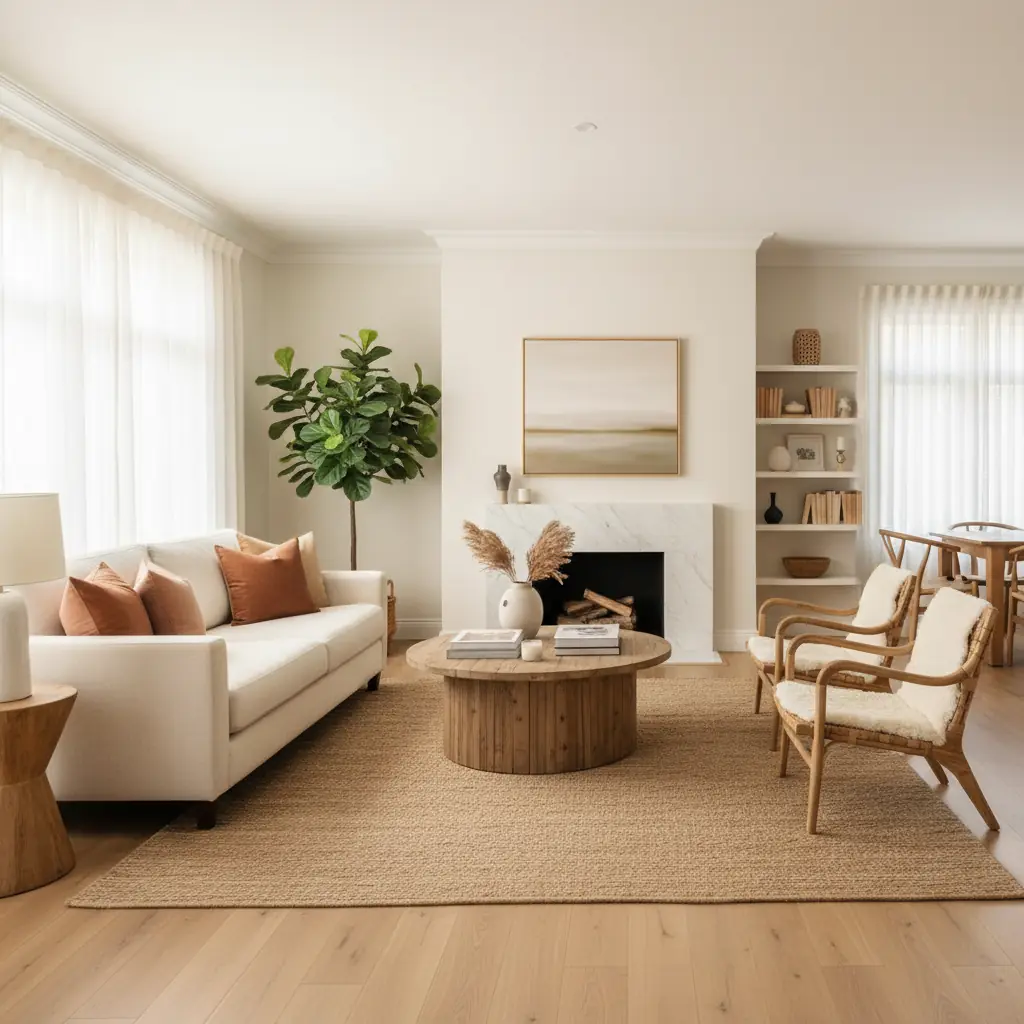
A sala de estar é frequentemente o primeiro espaço interior que os compradores encontram e onde eles imaginam passar a maior parte do seu tempo de lazer. Ela precisa parecer espaçosa, confortável e convidativa. Organize os móveis para criar áreas de conversação naturais, garantindo caminhos livres. Uma sala de estar bem preparada sinaliza a sensação geral da casa.
### 2. A Cozinha: O Coração da Casa
A cozinha é, sem dúvida, o cômodo mais caro para reformar, tornando sua condição atual um grande ponto de venda ou um fator desmotivador. Os compradores examinam as cozinhas em busca de funcionalidade, estilo e potencial. Eles estão avaliando se ela funciona para eles "como está" ou se precisarão realizar uma reforma dispendiosa – uma reforma de cozinha típica pode custar entre **US$ 15.000 e US$ 50.000**, dependendo do escopo e dos acabamentos. Concentre-se em bancadas limpas, eletrodomésticos modernos (ou bem conservados) e uma sensação de limpeza.
### 3. O Quarto Principal: Um Refúgio Privado
Os compradores passam uma parte significativa do tempo em uma casa dentro do quarto principal – muitas vezes até 30% do tempo total dentro da propriedade. Este espaço precisa parecer um retiro sereno e luxuoso. Enfatize o conforto, o espaço e a tranquilidade. Uma cama bem feita com roupas de cama de qualidade, iluminação suave e mínima desordem são fundamentais. Para mais ideias sobre como criar um quarto dos sonhos, explore nosso [guia de custo de redesenho de quarto](/blog/bedroom-redesign-cost-breakdown) para entender as possíveis atualizações.
### 4. Espaços de Home Office: O Essencial Pós-2020
Desde 2020, os espaços dedicados de home office dispararam em importância. Os compradores estão procurando áreas funcionais e confortáveis para trabalhar ou estudar. Até mesmo um pequeno nicho pode ser transformado em um espaço de trabalho produtivo com a mesa, cadeira e iluminação certas.
### 5. Entrada e Sala de Jantar: Centros Acolhedores e Sociais
A entrada define o tom imediatamente ao entrar. Mantenha-a clara, brilhante e acolhedora. A sala de jantar, embora talvez usada com menos frequência, é onde os compradores imaginam receber familiares e amigos. Uma mesa posta simples e elegante pode transmitir esse propósito de forma eficaz.
### 6. Banheiros: Limpeza e Modernidade
Embora geralmente não sejam os _primeiros_ cômodos a serem preparados, banheiros limpos e atualizados são inegociáveis. Concentre-se em superfícies brilhantes, toalhas frescas e elimine qualquer sinal de mofo ou desgaste. Considere acessórios mínimos, estilo spa. Para mais informações, confira nossas [ideias de reforma de banheiro](/blog/bathroom-remodel-ideas).
Quartos de hóspedes e áreas de serviço geralmente exigem um staging mínimo, além da arrumação básica e da garantia de que estão limpos e funcionais.
A Fórmula dos 50% de Organização: Maximizando o Espaço Percebido
Profissionais de home staging juram por uma regra simples, porém profundamente eficaz: remova 50% de tudo. Isso não é apenas sobre arrumação; é um jogo psicológico estratégico para fazer os espaços parecerem maiores, mais brilhantes e mais convidativos.
### Implementando a Fórmula: Uma Abordagem Cômodo por Cômodo
- **Estantes**: Tire metade dos livros das prateleiras. Agrupe os livros restantes por cor ou tamanho e intercale-os com alguns objetos decorativos cuidadosamente escolhidos. Isso cria espaço visual para respirar e um visual curado. - **Bancadas da Cozinha**: Tire quase tudo. Uma fruteira com frutas frescas, uma única cafeteira de alta qualidade ou uma pequena planta são geralmente tudo o que você precisa. Doze itens em uma bancada gritam "bagunçado e pequeno". - **Armários e Áreas de Armazenamento**: Sim, os compradores _irão_ abrir os armários. Remova metade das roupas, pendure os itens restantes de forma organizada e organize os sapatos. Um armário meio vazio faz os compradores acreditarem que há amplo armazenamento, independentemente da metragem quadrada real. Por outro lado, um armário lotado sugere falta de armazenamento, gerando ansiedade no comprador. - **Móveis**: Isso é crucial. Remover apenas uma peça de mobiliário de cada cômodo pode fazer com que todo o espaço pareça significativamente maior e mais fácil de navegar. Por exemplo, em uma sala de estar, se você tiver duas poltronas de destaque, considere remover uma. Uma ferramenta como Habitas, com sua [ferramenta de arranjo de móveis com IA](/blog/ai-furniture-arrangement-tool), pode ajudá-lo a visualizar layouts ideais antes de começar a levantar pesos. - **Superfícies**: Comece com bancadas, mesinhas de cabeceira, mesas de centro e escrivaninhas. Limpe-as quase completamente. Em seguida, adicione de um a três itens cuidadosamente escolhidos por superfície. Um único vaso elegante com flores, uma pilha de dois livros esteticamente agradáveis e uma vela única em uma mesa de centro transmite uma intenção e sofisticação. Sobrecarregar as superfícies com bugigangas pessoais ou muitos itens decorativos cria ruído visual.
Essa organização não é apenas sobre aparência; é sobre espaço percebido. Pesquisas sugerem que **casas com desordem excessiva podem parecer 20% menores** do que sua metragem quadrada real, impactando diretamente a percepção do comprador e, potencialmente, os preços das ofertas. Quando um comprador pode ver o chão, o comprimento total de uma bancada e a parte de trás de um armário, seu cérebro registra mais espaço, fazendo com que a casa pareça mais generosa e valiosa.
Despersonalização Sem Esterilização: Criando a Sensação de "Hotel Boutique"
O maior erro de staging é exagerar na despersonalização a ponto de uma casa parecer fria, estéril e sem vida. O objetivo não é um apartamento vazio, mas sim uma vibração sofisticada de "hotel boutique" – acolhedora, convidativa e aspiracional, mas desprovida de identidade pessoal específica.
### O Que Remover e O Que Introduzir
- **Fotos Pessoais**: Guarde todas as fotos de família, diplomas, obras de arte infantis da geladeira e qualquer coisa com seu nome ou iniciais (por exemplo, toalhas monogramadas). - **Coleções**: Embora muito estimadas, coleções extensas de estatuetas, selos ou recordações podem ser distrativas. Guarde-as. - **Itens Religiosos/Políticos**: Estes são profundamente pessoais e podem alienar compradores com crenças diferentes. - **Itens de Animais de Estimação**: Guarde camas de animais de estimação, potes de comida e brinquedos durante as visitas. Certifique-se de que não haja odores persistentes de animais de estimação.
Depois de remover esses itens, a chave é substituí-los por alternativas quentes, neutras e de alta qualidade que evoquam uma sensação de conforto e luxo:
- **Arte**: Troque fotos pessoais por arte abstrata ou impressões de paisagens de bom gosto. Isso adiciona sofisticação sem revelar identidade. - **Têxteis**: Introduza mantas felpudas, almofadas decorativas em tons neutros (cremes, cinzas, azuis suaves) e roupas de cama de alta qualidade e recém-lavadas. - **Toalhas**: Use toalhas brancas ou creme limpas e dobradas nos banheiros. Isso evoca instantaneamente uma sensação de spa. - **Verde**: Uma fruteira com limões ou maçãs frescas na cozinha, uma única orquídea no banheiro ou uma planta em vaso bem cuidada na sala de estar adicionam vida e cor sem distrair. - **Experiência Sensorial**: Além da visão, considere aromas sutis e agradáveis (velas levemente perfumadas, difusores com aromas naturais como cítricos ou linho – evite qualquer coisa muito forte) e música ambiente suave, se apropriado para casas abertas.
Pense no último hotel luxuoso que você visitou. Ele parecia acolhedor, visualmente atraente e confortável, mas não tinha apego pessoal. Esse é o ideal que você está buscando – um espaço que pareça curado e aspiracional, permitindo que qualquer comprador se imagine feliz morando lá. Para inspiração em esquemas de cores versáteis que atraem um público amplo, você pode achar útil nosso guia sobre o uso de um [gerador de paleta de cores com IA](/blog/ai-color-palette-generator).
Otimização da Iluminação: A Ferramenta de Staging Mais Subestimada
A iluminação é um divisor de águas – muitas vezes a melhoria de staging mais econômica que você pode fazer, com um impacto maciço na forma como os compradores percebem o espaço, o humor e a limpeza. Uma iluminação eficaz pode realmente transformar um cômodo, tornando-o maior, mais quente e mais convidativo.
### Principais Estratégias de Iluminação:
- **Temperatura de Cor Consistente**: Substitua todas as lâmpadas por LEDs brancos quentes consistentes (2700K-3000K). Evite temperaturas mistas (algumas frias, outras quentes), pois isso cria discórdia visual. Os LEDs são eficientes em termos de energia e fornecem excelente brilho, idealmente com mais de 800 lúmens para iluminação geral do ambiente. Essa uniformidade eleva instantaneamente a qualidade percebida de um cômodo. - **Maximize a Luz Natural**: - **Cortinas**: Remova cortinas ou sanefas pesadas e escuras. Opte por cortinas leves e transparentes ou persianas que possam ser totalmente abertas durante as visitas. O objetivo é deixar entrar o máximo de luz natural possível. - **Limpeza das Janelas**: Isso é frequentemente negligenciado, mas profundamente impactante. Janelas limpas permitem a máxima penetração de luz e fazem com que toda a casa pareça mais brilhante e melhor conservada. Isso faz uma diferença maior do que a maioria dos rearranjos de móveis. - **A Regra das Três Fontes**: Todo cômodo deve ter pelo menos três fontes de luz distintas em diferentes alturas. Essa sobreposição cria profundidade, elimina cantos escuros e gera um brilho quente e convidativo que uma única luminária de teto nunca conseguiria. - **Iluminação Suspensa**: Iluminação embutida, lustres ou plafons para luz ambiente. - **Iluminação de Nível Médio**: Abajures de chão, abajures de mesa ou arandelas para adicionar calor e iluminação de tarefa. - **Iluminação de Destaque**: Iluminação sob os armários nas cozinhas, luzes para quadros ou pequenas luzes direcionais para destacar características arquitetônicas ou obras de arte. - **Elimine Cantos Escuros**: Um cômodo sem cantos escuros parece significativamente maior – até 30% mais espaçoso em algumas estimativas. Adicione abajures de mesa ou abajures de chão para iluminar quaisquer áreas escuras. Isso expande instantaneamente os limites percebidos do cômodo.
Ao otimizar estrategicamente sua iluminação, você não está apenas iluminando um espaço; você está esculpindo seu humor e maximizando seu apelo. A **iluminação otimizada pode aumentar o valor percebido do imóvel em 5-10%**, tornando-o um investimento com alto retorno.
Pequenas Atualizações, Grande Impacto: A Vantagem da Reforma de Baixo Custo
Embora grandes reformas geralmente não façam parte do staging, pequenas atualizações direcionadas podem gerar retornos significativos, especialmente quando abordam pontos problemáticos comuns para os compradores ou estéticas desatualizadas. Não se trata de reinventar a roda, mas sim de polir o que já existe até brilhar.
### No Que Focar:
- **Pintura Nova**: Uma camada fresca de tinta neutra em toda a casa é talvez a atualização mais impactante e econômica. Cores neutras (tons de cinza, branco, bege, azuis muito claros) fazem os cômodos parecerem maiores, mais brilhantes e fornecem aquela "tela em branco" cobiçada para os compradores. Evite cores ousadas e pessoais. Uma camada fresca de tinta neutra pode oferecer um **ROI de até 150% no valor de revenda**, tornando-a uma vitória quase garantida. Para conselhos sobre tons atraentes, considere nosso guia sobre as [melhores cores de tinta para 2026](/blog/best-paint-colors-2026). - **Atualização de Ferragens**: Puxadores de armário, gavetas e maçanetas desatualizadas podem instantaneamente envelhecer uma cozinha ou banheiro. Trocar essas peças por acabamentos modernos, como níquel escovado, preto fosco ou latão, é uma mudança surpreendentemente barata que cria uma sensação de alta qualidade. - **Pequenos Reparos**: Conserte torneiras pingando, portas que rangem, buracos nas paredes e azulejos soltos. Esses problemas aparentemente pequenos podem sinalizar falta de manutenção para os compradores, levantando preocupações sobre problemas maiores e ocultos. Resolva-os antes das visitas. - **Limpeza Profunda**: Além da organização, uma limpeza profunda profissional (ou um trabalho meticuloso de "faça você mesmo") é essencial. Banheiros brilhantes, uma cozinha impecável e pisos limpos garantem aos compradores que a casa está bem cuidada. Isso inclui a limpeza de rodapés, rejuntes e até mesmo luminárias.
Esses pequenos investimentos demonstram orgulho na propriedade e eliminam desculpas fáceis para os compradores oferecerem menos.
Curb Appeal: A Primeira Impressão Mais Importante
O processo de staging não começa quando um comprador entra pela sua porta da frente; ele começa no momento em que ele para no meio-fio. O "curb appeal" (atração externa) é primordial porque define a expectativa inicial e o tom emocional para toda a visita. Lembre-se, **90% dos compradores formam uma opinião sobre uma casa nos primeiros 15 segundos de vê-la, fortemente influenciados pelo curb appeal.**
### Aprimorando o Exterior da Sua Casa:
- **Paisagismo**: Apare arbustos excessivamente grandes, corte a grama, remova ervas daninhas dos canteiros e coloque cobertura morta fresca. Um quintal limpo e arrumado sinaliza que o interior provavelmente está tão bem cuidado quanto. - **Entrada**: Sua porta da frente deve ser convidativa. Uma camada fresca de tinta em uma cor complementar, ferragens polidas e um capacho acolhedor fazem uma enorme diferença. Adicione uma ou duas plantas em vasos para calor. - **Lavagem a Pressão**: Lave a pressão o exterior da sua casa, a entrada da garagem e as passarelas para remover sujeira, fuligem e mofo. Isso ilumina instantaneamente toda a propriedade. - **Móveis de Exterior**: Se você tem uma varanda ou pátio, arrume móveis de exterior confortáveis e limpos. Isso convida os compradores a se imaginarem relaxando do lado de fora. - **Reparos**: Resolva quaisquer reparos externos visíveis: ripas de cerca quebradas, persianas soltas, pintura descascando ou calhas danificadas.
Uma forte primeira impressão do lado de fora cria um viés positivo imediato, tornando os compradores mais receptivos ao que veem dentro.
Staging DIY vs. Profissional: Tomando a Decisão Certa Para Sua Venda
Decidir se você deve fazer o seu home staging sozinho (DIY) ou contratar um profissional é um dilema comum para os vendedores. Ambas as abordagens têm seus méritos, e a melhor escolha geralmente depende do seu orçamento, tempo, valor do seu imóvel e seu nível de conforto pessoal.
### Staging DIY: O Caminho Custo-Efetivo
Para muitas casas, especialmente aquelas abaixo de US$ 500 mil ou com proprietários que têm um bom olho para o design, o staging DIY pode atingir cerca de 80% do efeito desejado. Seus custos serão principalmente com suprimentos: novas lâmpadas, toalhas brancas frescas, algumas plantas estrategicamente colocadas, uma manta neutra e talvez uma nova obra de arte. Espere gastar de US$ 200 a US$ 500 nesses itens. O investimento aqui é mais no seu tempo e esforço.
Para capacitar os stagers DIY, ferramentas como Habitas oferecem um poderoso meio-termo. Você pode carregar fotos de cada cômodo e usar nossa plataforma com tecnologia de IA para visualizar diferentes abordagens de staging e arranjos de móveis. Esse [planejamento de pré-staging assistido por IA](/blog/ai-interior-design-how-it-works) permite que você tome decisões inteligentes e informadas sobre onde investir seu orçamento limitado de staging, vendo como as mudanças ficariam antes de mover uma única peça de mobiliário ou comprar um único item. Isso pode ser inestimável para entender o impacto da organização ou de um novo layout.
### Staging Profissional: A Vantagem Premium
O staging profissional realmente faz sentido financeiro para:
- **Casas acima de US$ 500 mil**: O preço mais alto geralmente justifica o investimento, pois mesmo um pequeno aumento no preço de venda ou na velocidade pode facilmente cobrir o custo do staging. - **Propriedades Desocupadas**: Uma casa vazia parece fria e pouco convidativa, dificultando que os compradores avaliem a escala ou imaginem morar lá. Stagers profissionais trazem móveis e decoração para criar um ambiente acolhedor e convidativo. - **Casas no Mercado por Mais de 30 Dias**: Se sua casa não está vendendo, o staging pode ser a intervenção crítica necessária para renovar seu apelo e atrair novo interesse.
Embora o staging profissional possa custar de algumas centenas de dólares por uma consulta a vários milhares para um staging completo de uma casa vazia, o ROI é frequentemente substancial. Nacionalmente, **casas profissionalmente preparadas passam 73% menos tempo no mercado em comparação com casas não preparadas**, e podem vender por 6-20% a mais do que suas contrapartes não preparadas. Ao considerar o custo do staging profissional versus o potencial aumento no preço de venda e a redução no tempo de mercado, muitas vezes se mostra uma sábia decisão financeira. Para uma análise mais aprofundada das implicações de custo, você pode explorar nossa comparação de [design de interiores com IA vs. contratação de um designer humano](/blog/ai-interior-design-vs-hiring-cost).
Em última análise, quer você escolha uma abordagem DIY, aproveite ferramentas de IA ou contrate um profissional, o objetivo permanece o mesmo: apresentar sua casa da melhor maneira possível, atraindo a mais ampla gama de compradores e garantindo a venda mais rápida e lucrativa.
Perguntas Frequentes
### Quanto custa tipicamente o home staging?
O custo do home staging varia significativamente com base no nível de serviço, no tamanho da casa e se ela está ocupada ou vazia. Uma consulta profissional de staging pode variar de US$ 200 a US$ 600. Para casas ocupadas, um "staging leve" (usando móveis existentes complementados com decoração alugada) pode custar de US$ 800 a US$ 2.000 por mês. O staging completo para uma casa vazia, incluindo aluguel de móveis e design, pode variar de US$ 2.000 a US$ 8.000 ou mais para a configuração inicial, além de taxas de aluguel mensais contínuas. O staging DIY, por outro lado, pode custar apenas algumas centenas de dólares em suprimentos como tinta nova, toalhas frescas e plantas.
### Devo fazer staging em uma casa vazia?
Sim, fazer staging em uma casa vazia é altamente recomendado e muitas vezes crucial para atrair compradores. Casas vazias tendem a parecer frias, estéreis e menores do que realmente são, tornando incrivelmente difícil para os compradores visualizarem a escala ou imaginarem morar no espaço. Móveis fornecem perspectiva, definem as funções dos cômodos e adicionam calor. Estudos consistentemente mostram que casas vazias profissionalmente preparadas vendem mais rápido e por preços mais altos do que as vazias, justificando o investimento.
### Qual é o cômodo mais importante para fazer staging?
Embora todas as áreas-chave contribuam, a **sala de estar** e a **cozinha** são geralmente consideradas os cômodos mais importantes para fazer staging. A sala de estar é frequentemente o primeiro espaço interior que um comprador vê e onde ele imagina passar a maior parte do tempo. A cozinha é a segunda porque é o cômodo mais caro para reformar, então os compradores estão avaliando de perto sua condição e funcionalidade atuais. Depois desses, o quarto principal também é uma alta prioridade, pois precisa parecer um refúgio privado e confortável.
### Quanto tempo leva para fazer staging em uma casa de forma eficaz?
O cronograma para o staging pode variar amplamente. Um projeto de staging DIY, focado em organização, despersonalização, limpeza e pequenas atualizações, pode levar de alguns dias a algumas semanas, dependendo do estado atual da casa e da disponibilidade do proprietário. Para o staging profissional, uma consulta pode ser agendada em dias, seguida pelo staging real (que envolve design, seleção de móveis e montagem), levando de 1 a 3 dias depois que o plano é finalizado e os móveis são fornecidos. No geral, é melhor planejar pelo menos 1 a 2 semanas para um processo de staging completo antes que as fotos profissionais sejam tiradas.
### O staging virtual pode realmente ajudar a vender uma casa?
Sim, o staging virtual pode ser uma alternativa altamente eficaz e econômica, especialmente para propriedades vazias ou aquelas com layouts estranhos. Ele envolve adicionar digitalmente móveis, decoração e acessórios a fotos de um cômodo vazio ou mal mobiliado, criando imagens realistas e atraentes. O staging virtual ajuda os compradores a visualizar o potencial de um espaço, melhora o apelo online e pode reduzir significativamente o custo e os desafios logísticos do staging físico. Muitos compradores acham útil para se imaginarem na casa, levando a um aumento de interesse e vendas mais rápidas.