Design de Interiores Sustentável: Escolhas Inteligentes para um Lar Mais Verde
Evite o greenwashing — escolhas reais de design de interiores sustentável que reduzem o impacto ambiental sem sacrificar o estilo.
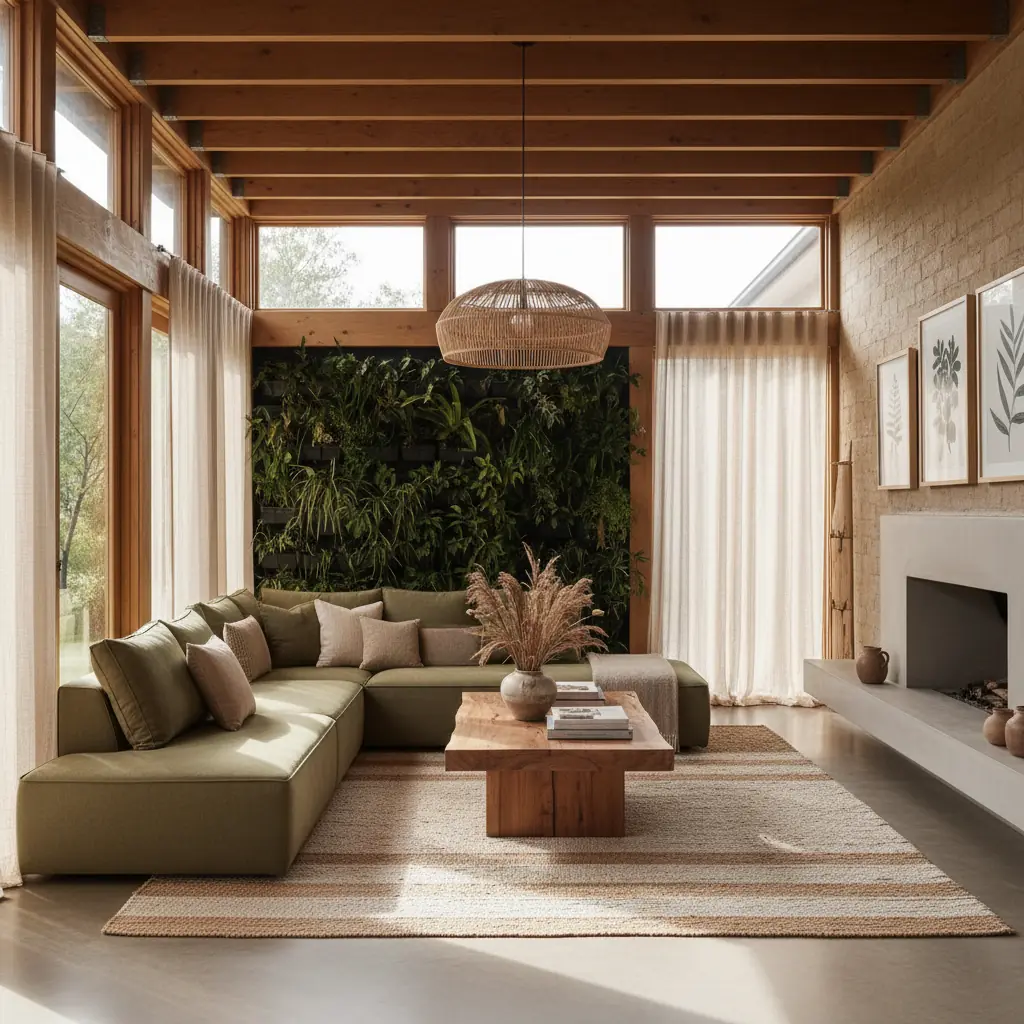
O que o design sustentável realmente significa e por que ele importa
O design de interiores sustentável não é meramente uma estética; é um profundo compromisso em tomar decisões conscientes sobre cada elemento dentro de um espaço. Isso inclui entender a origem dos materiais, como são produzidos, sua vida útil esperada e seu destino final ao término de sua utilidade. Independentemente de um cômodo exalar uma vibe minimalista moderna ou um charme rústico e aconchegante, seu estilo é secundário em relação à sua pegada ambiental. A verdadeira medida da sustentabilidade reside na integridade de sua cadeia de suprimentos, na eficiência energética de seu design e em sua contribuição para um planeta mais saudável e ocupantes mais saudáveis.
O maior equívoco é que a sustentabilidade se resume apenas a comprar produtos rotulados como "eco" ou "verde". Embora tais produtos possam desempenhar um papel, a escolha sustentável mais impactante geralmente envolve a utilização do que já existe. Priorizar o reparo, a reforma ou a aquisição de itens de segunda mão é quase sempre superior a comprar algo novo. Considere uma cômoda de carvalho vintage: ela já "gastou" seu orçamento de carbono, não exigindo novos recursos para sua criação. Em contraste, mesmo uma cômoda nova "sustentável" feita de madeira certificada pelo FSC ainda precisou de energia para colheita, fabricação e transporte, contribuindo para sua pegada de carbono incorporada. Esse pensamento de ciclo de vida é crucial; significa avaliar toda a jornada de um produto, desde a extração da matéria-prima até o descarte, em vez de apenas sua aparência inicial ou alegações de marketing. É uma abordagem que reduz drasticamente o desperdício, uma questão crítica, dado que as atividades de construção e demolição respondem por uma parcela significativa do lixo em aterros sanitários — **globalmente, o resíduo de construção e demolição representa mais de 35% de todo o lixo gerado**, grande parte do qual poderia ser desviado através de design e escolhas de materiais inteligentes.
Escolhas de materiais que realmente reduzem o impacto ambiental
Navegar pelo mundo dos materiais "verdes" pode ser complexo, pois nem todos são criados da mesma forma. Aqui está um detalhamento das escolhas que oferecem benefícios ambientais genuínos:
### Madeira Sustentável e Alternativas à Madeira
- **Madeira de lei certificada pelo FSC**: Esta é uma base sólida. A certificação do Forest Stewardship Council (FSC) garante que os produtos de madeira vêm de florestas gerenciadas de forma responsável, aderindo a rigorosos padrões ambientais, sociais e econômicos. Isso inclui iniciativas de replantio, proteção da biodiversidade e respeito às comunidades indígenas. Embora seja melhor do que a madeira tropical não certificada, ainda envolve a colheita de novos materiais. - **Madeira de demolição (Reclaimed Wood)**: O padrão ouro para a madeira. Obtida de celeiros antigos, fábricas ou edifícios demolidos, a madeira de demolição dispensa completamente a necessidade de nova colheita. Ela reutiliza recursos existentes, salvando florestas antigas e reduzindo o lixo em aterros sanitários. Embora a oferta possa ser limitada e os preços possam ser 30-50% mais altos do que a madeira nova devido ao processamento, seu caráter único e impacto ambiental mínimo geralmente justificam o investimento. - **Madeira Engenheirada (Baixo-VOC)**: Para certas aplicações, produtos de madeira engenheirada como compensado ou MDF feitos com adesivos de baixo ou zero-VOC (Composto Orgânico Volátil) podem ser uma escolha mais eficiente em termos de recursos do que a madeira maciça, especialmente quando adquiridos de forma responsável. Procure por certificações como NAUF (No Added Urea Formaldehyde) ou ULEF (Ultra-Low Emitting Formaldehyde).
### Opções de Revestimento Ecológicas
- **Cortiça**: Colhida da casca de sobreiros sem prejudicar a árvore, a cortiça é um recurso rapidamente renovável. É também naturalmente isolante, macia ao pisar e resistente a mofo e bolor. Suas emissões de ciclo de vida são significativamente menores do que muitas opções de revestimento convencionais. - **Linóleo (Linóleo Verdadeiro)**: Distinto do vinil, o linóleo genuíno é feito de óleo de linhaça oxidado, resina de pinho, farinha de madeira, pó de cortiça e pigmentos naturais, tipicamente com base de juta. É biodegradável, renovável e incrivelmente durável, muitas vezes durando 30-40 anos. Supera consistentemente o bambu em emissões de ciclo de vida e oferece excelente resistência ao desgaste. - **Pedra Natural e Concreto (Usados Conscientemente)**: Embora tanto o concreto quanto a pedra natural sejam intensivos em carbono para produzir inicialmente, sua longevidade excepcional e requisitos mínimos de manutenção podem justificar seu custo de carbono inicial – _desde que sejam planejados para décadas de uso_. Para o concreto, considere opções com conteúdo de agregado reciclado ou especifique materiais de origem local para reduzir as emissões de transporte. Ao integrar o [concreto no design de interiores](/blog/concrete-in-interior-design), seus benefícios de massa térmica também podem reduzir o consumo de energia ao longo do tempo.
### Metais Reciclados e Têxteis Naturais
- **Metais Reciclados**: A utilização de aço, alumínio, latão ou cobre reciclados em luminárias, ferragens e componentes de mobiliário tem uma pegada ambiental substancialmente menor do que a de metais virgens. Por exemplo, a **produção de alumínio reciclado requer 95% menos energia e produz 95% menos emissões de gases de efeito estufa** em comparação com a produção primária de alumínio. Priorizar esses materiais reduz significativamente os impactos da mineração e o consumo de energia. - **Têxteis Orgânicos**: Tecidos como algodão certificado pelo GOTS (Global Organic Textile Standard), linho, cânhamo e Tencel/Lyocell oferecem vantagens ambientais substanciais. A certificação GOTS garante o status orgânico desde a colheita das matérias-primas até a fabricação ambiental e socialmente responsável. O algodão convencional é notavelmente intensivo em água e pesado em pesticidas; escolher opções orgânicas reduz significativamente o desperdício de água e o escoamento químico. O linho e o cânhamo exigem muito menos água e pesticidas para crescer do que o algodão, tornando-os excelentes escolhas. - **Materiais Bio-baseados Inovadores**: O futuro dos materiais sustentáveis está em rápida evolução. Considere opções emergentes como compósitos de micélio à base de cogumelos para elementos decorativos ou isolamento, bio-resinas derivadas de resíduos agrícolas, ou até mesmo "couro vegano" feito de folhas de abacaxi ou cacto. Esses materiais expandem os limites da redução de resíduos e da utilização de recursos renováveis.
### Tintas e Acabamentos para Interiores Mais Saudáveis
- **Tintas de Baixo-VOC e Zero-VOC**: Tintas convencionais liberam Compostos Orgânicos Voláteis (VOCs) no ar por meses, contribuindo para a má qualidade do ar interno, dores de cabeça e problemas respiratórios. Marcas como Benjamin Moore Natura, Sherwin-Williams Harmony e AFM Safecoat oferecem opções de baixo-VOC e zero-VOC que eliminam esses problemas de liberação tóxica, criando um ambiente de vida muito mais saudável. A boa notícia é que essas tintas são frequentemente comparáveis em preço às opções convencionais, tornando-as uma mudança fácil e impactante. Ao considerar uma nova pintura, explorar um [gerador de paleta de cores AI](/blog/ai-color-palette-generator) pode ajudá-lo a visualizar o tom perfeito e saudável para o seu espaço.
A abordagem "segunda mão primeiro": Uma caça ao tesouro para o planeta
Antes de se comprometer com qualquer nova compra, faça do mercado de segunda mão sua primeira parada. Abraçar itens pré-propriedade é, sem dúvida, a escolha mais impactante que você pode fazer no design sustentável. Cada peça de mobiliário ou decoração que você adquire de segunda mão significa um item a menos produzido a partir de materiais virgens e um item a menos indo para um aterro sanitário. É uma declaração poderosa contra a cultura do "fast furniture".
Plataformas como Facebook Marketplace, Chairish, AptDeco, 1stdibs e vendas de propriedades locais são verdadeiras minas de ouro para móveis de alta qualidade e decoração única com 40-70% de desconto nos preços de varejo. Além do benefício ambiental, itens de segunda mão frequentemente ostentam artesanato e materiais superiores em comparação com produtos modernos produzidos em massa. Uma cômoda de madeira maciça da década de 1960 provavelmente durará mais do que vários equivalentes de aglomerado. Além disso, comprar de segunda mão confere ao seu espaço caráter e história que itens novos simplesmente não conseguem replicar.
A chave para o sucesso na aquisição de itens de segunda mão reside na paciência e precisão. Conheça suas medidas exatas, compreenda o estilo desejado e esteja disposto a esperar pela peça certa aparecer. Configure alertas em aplicativos de marketplace para itens específicos e não hesite em viajar um pouco por um achado verdadeiramente excepcional. Para clientes que utilizam o Habitas, defendemos a geração do seu design de quarto ideal primeiro usando nossas ferramentas de IA. Isso fornece dimensões, estilos e requisitos funcionais específicos, tornando a busca subsequente por itens de segunda mão muito mais direcionada e eficiente. Nossa [ferramenta de arranjo de móveis AI](/blog/ai-furniture-arrangement-tool) pode até ajudá-lo a visualizar como um potencial achado de segunda mão pode se encaixar em seu layout existente.
Considere a escala impressionante do desperdício: **estima-se que 12 milhões de toneladas de móveis e utensílios acabem em aterros sanitários nos EUA anualmente**, com grande parte deles ainda utilizável. Ao optar por produtos de segunda mão, você está combatendo diretamente esse desafio ambiental, dando uma segunda vida a peças bonitas e bem feitas e reduzindo a demanda por nova produção.
Estratégias de design energeticamente eficientes além dos eletrodomésticos
O design sustentável vai muito além das escolhas de materiais; ele se entrelaça profundamente com a forma como um ambiente usa e conserva energia passivamente. Um design atencioso pode reduzir drasticamente a dependência de sistemas de aquecimento, ventilação e ar condicionado (HVAC).
- **Otimizando Janelas para Aquecimento e Resfriamento Passivos**: No Hemisfério Norte, janelas estrategicamente posicionadas voltadas para o sul podem fornecer um "aquecimento" significativo e "gratuito" nos meses de inverno, permitindo que a luz solar penetre e aqueça os espaços interiores. No verão, essas mesmas janelas podem ser gerenciadas com beirais externos, toldos ou árvores decíduas que fornecem sombra quando as folhas estão cheias, mas permitem a passagem do sol no inverno. Para todas as janelas, considere vidros duplos ou triplos para minimizar a transferência de calor. - **Aproveitando a Massa Térmica**: Materiais como pisos de concreto, paredes de pedra, lareiras de tijolo ou até mesmo uma parede de gesso substancial possuem "massa térmica" – a capacidade de absorver e armazenar energia térmica. Durante o dia, essas superfícies absorvem calor, liberando-o lentamente de volta para o ambiente à medida que as temperaturas caem à noite, moderando naturalmente as temperaturas internas e reduzindo a necessidade de aquecimento ou resfriamento ativos. Explore designs que exponham ou integrem esses materiais. - **Isolamento Superior: O Herói Desconhecido**: Muitas vezes negligenciado por estar escondido, o isolamento adequado é, sem dúvida, a atualização de economia de energia mais impactante. Adicionar isolamento a paredes, sótãos e espaços de rastejamento pode reduzir os custos de aquecimento e resfriamento em significativos **20-40%**, proporcionando um forte retorno sobre o investimento em poucos anos. Explore opções de isolamento ecologicamente corretas, como jeans reciclado, celulose (de papel reciclado) ou lã mineral. - **Maximizando a Luz Natural (Daylighting)**: Paredes e tetos de cores claras possuem altos valores de refletância, direcionando a luz natural para o interior dos cômodos e reduzindo a necessidade de iluminação artificial durante o dia. Espelhos estrategicamente posicionados podem amplificar ainda mais esse efeito. Além disso, considere tubos de luz ou túneis solares para espaços internos sem acesso direto à janela. Isso reduz o consumo de energia e também melhora o bem-estar através do acesso à luz natural, um princípio fundamental do [design biofílico](/blog/biophilic-design-guide). - **Iluminação Artificial Eficiente**: Quando a iluminação artificial for necessária, opte por lâmpadas LED (Diodo Emissor de Luz). Elas consomem até 80% menos energia do que as lâmpadas incandescentes tradicionais e duram 25 vezes mais. Incorpore controles de iluminação inteligentes, dimmers e sensores de presença para garantir que as luzes estejam acesas apenas quando e onde forem necessárias.
Bandeiras vermelhas do greenwashing e certificações que realmente importam
Na busca por um design sustentável, separar alegações genuínas de um "greenwashing" enganoso é primordial. Greenwashing refere-se à prática de fazer afirmações infundadas ou enganosas sobre os benefícios ambientais de um produto, serviço ou empresa.
**Bandeiras Vermelhas Comuns do Greenwashing:**
- **Alegações Vagas**: Cuidado com termos como "eco-friendly", "natural", "verde", "sustentável" ou "amigo da terra" sem detalhes específicos ou verificação por terceiros. Esses termos são frequentemente não regulamentados e podem ser sem sentido. Um tapete de fibra "natural" ainda pode ser tingido com produtos químicos tóxicos e enviado para o outro lado do mundo, anulando qualquer benefício "natural" percebido. - **Compensações Ocultas**: Um produto pode ostentar uma característica ecológica impressionante enquanto ignora impactos ambientais mais significativos. Por exemplo, um produto feito de "conteúdo reciclado" mas fabricado usando processos altamente poluentes ou enviado de um país distante. - **Falta de Prova/Certificações**: Se uma marca não pode apontar para certificações específicas de terceiros ou fornecer dados claros para apoiar suas alegações, sua sustentabilidade merece escrutínio. - **Alegações Irrelevantes**: Destacar um atributo ambientalmente benigno que já é comum. Por exemplo, alegar que um produto é "livre de CFCs" quando os CFCs (clorofluorcarbonetos) já são proibidos por lei. - **Mal Menor**: Apresentar uma versão ligeiramente mais sustentável de um produto inerentemente insustentável (por exemplo, "cigarros eco-friendly").
**Certificações Confiáveis:**
Essas certificações de terceiros fornecem verificação independente de que os produtos atendem a padrões ambientais e sociais específicos.
- **FSC (Forest Stewardship Council)**: Para produtos de madeira e papel, garantindo o manejo florestal responsável. - **GOTS (Global Organic Textile Standard)**: O padrão líder para têxteis feitos de fibras orgânicas, cobrindo critérios ecológicos e sociais em toda a cadeia de suprimentos. - **GREENGUARD Gold**: Certifica que os produtos (móveis, acabamentos, materiais de construção) têm baixas emissões químicas, contribuindo para uma qualidade do ar interior mais saudável. - **Cradle to Cradle Certified®**: Esta rigorosa certificação avalia produtos em cinco categorias: saúde do material, reutilização do material, energia renovável e gerenciamento de carbono, gestão da água e justiça social. Promove princípios de design circular. - **OEKO-TEX Standard 100**: Garante que os têxteis são testados quanto a substâncias nocivas, assegurando que são seguros de uma perspectiva humano-ecológica. - **Declare Label (Living Building Challenge)**: Um rótulo de ingredientes transparente para produtos de construção, permitindo que os consumidores vejam o que está em um produto, de onde ele veio e para onde vai no final de sua vida útil, semelhante a um rótulo nutricional. - **Declarações Ambientais de Produto (EPDs)**: Fornecem informações verificadas, transparentes e comparáveis sobre o desempenho ambiental do ciclo de vida dos produtos.
Comparativo de custos: Design sustentável vs. convencional (e onde o Habitas se encaixa)
A percepção de que materiais sustentáveis são sempre proibitivamente caros é frequentemente uma visão limitada, focando apenas nos custos iniciais. Embora seja verdade que alguns materiais sustentáveis possam ter um preço inicial 10-25% mais alto – pisos de madeira de lei FSC podem custar de US$ 6 a US$ 12 por pé quadrado versus US$ 4 a US$ 8 para os convencionais, ou cortinas de linho orgânico custando de US$ 80 a US$ 200 por painel versus US$ 40 a US$ 100 para misturas de poliéster – isso raramente conta toda a história. A tinta de baixo-VOC, notavelmente, é frequentemente igual ou até mais barata que a tinta convencional, tornando-a uma escolha óbvia e imediata.
A matemática financeira e ambiental de longo prazo frequentemente favorece as escolhas sustentáveis.
- **Durabilidade e Longevidade**: Móveis de segunda mão de qualidade, peças de madeira maciça, bancadas de pedra natural e metais duráveis são construídos para durar 20-50 anos ou mais, superando em muito os equivalentes de aglomerado ou móveis "fast furniture" que muitas vezes se degradam em 3-7 anos. Quando você calcula o "custo por ano de uso", a opção sustentável "cara" quase sempre se mostra a escolha mais econômica ao longo de sua vida útil. - **Valor de Revenda**: Peças bem feitas e atemporais, de materiais de qualidade, muitas vezes mantêm seu valor ou até se valorizam, especialmente se forem únicas ou de designers renomados. Móveis "fast furniture", em contraste, praticamente não têm valor de revenda. - **Saúde e Bem-estar**: Investir em materiais de baixo-VOC, têxteis orgânicos e acabamentos naturais reduz a exposição a produtos químicos nocivos, levando a uma melhor qualidade do ar interior e menos problemas de saúde. Os benefícios para a saúde, embora mais difíceis de quantificar em dinheiro, são inestimáveis. - **Economia de Energia**: Estratégias de design passivo e materiais energeticamente eficientes se traduzem diretamente em contas de serviços públicos mais baixas por anos. Adicionar isolamento, escolher janelas eficientes e otimizar a luz natural são investimentos que rendem dividendos em custos reduzidos de aquecimento e resfriamento. - **Demanda do Consumidor**: Há uma crescente valorização do mercado por casas sustentáveis. **Pesquisas indicam que mais de 70% dos consumidores estão dispostos a pagar mais por produtos sustentáveis**, refletindo uma mudança social em direção à valorização da responsabilidade ambiental. Isso pode se traduzir em maior valor de propriedade e vendas mais rápidas para casas com design sustentável.
A mudança não é sobre gastar mais; é sobre gastar de forma diferente e investir em qualidade, longevidade e responsabilidade ambiental. Ferramentas como o Habitas podem simplificar significativamente esse processo. Ao ajudá-lo a visualizar designs com materiais e móveis específicos – inclusive incorporando achados de segunda mão – o Habitas capacita você a fazer escolhas informadas e sustentáveis que se alinham à sua estética e aos seus valores, otimizando sua jornada rumo a um lar mais verde. Para uma imagem mais clara de como a IA pode aprimorar seu processo de design de forma sustentável, você pode se interessar por [design de interiores AI vs. custo de contratação](/blog/ai-interior-design-vs-hiring-cost).
Design Biofílico: Conectando-se com a Natureza em Interiores
Um aspecto integral do design de interiores sustentável, o design biofílico foca em conectar os ocupantes com o ambiente natural. Essa abordagem vai além de apenas adicionar algumas plantas de casa; ela integra elementos, padrões e processos naturais ao ambiente construído para melhorar a saúde e o bem-estar.
- **Luz Natural e Vistas**: Maximize a luz natural e proporcione vistas para a natureza exterior. Isso reduz a necessidade de iluminação artificial e impacta positivamente o humor e a produtividade. - **Materiais Naturais**: Incorpore madeira, pedra, cortiça e outras texturas orgânicas. Esses materiais não só possuem menor energia incorporada quando obtidos de forma sustentável, mas também criam uma sensação de calor e autenticidade. - **Vegetação Viva**: Integre as [melhores plantas para design de interiores](/blog/best-plants-for-interior-design) não apenas como decoração, mas como elementos funcionais que purificam o ar e aprimoram a conexão biofílica. Paredes vivas e grandes plantas em vasos podem transformar um espaço. - **Elementos Aquáticos**: A visão e o som da água podem ser calmantes e ajudar a regular a umidade. - **Padrões e Formas Naturais**: Utilize padrões encontrados na natureza, como padrões fractais, texturas variadas e formas orgânicas, para criar um ambiente mais relaxante e estimulante.
Ao intencionalmente entrelaçar esses elementos em um design, os princípios biofílicos aumentam tanto o valor estético quanto o ecológico de um espaço, promovendo a saúde humana e a resiliência juntamente com a sustentabilidade ambiental.
Perguntas Frequentes
### Qual a diferença entre design sustentável e eco-friendly?
Embora frequentemente usados de forma intercambiável, "sustentável" e "eco-friendly" possuem diferenças sutis. "Eco-friendly" geralmente se refere a produtos ou práticas que não são prejudiciais ao meio ambiente. É um termo amplo focado na redução de impactos negativos. O design "sustentável", por outro lado, é um conceito mais abrangente. Ele não apenas visa reduzir danos, mas também se esforça para atender às necessidades do presente sem comprometer a capacidade das gerações futuras de atender às suas próprias necessidades. Isso abrange uma gama mais ampla de considerações, incluindo equidade social, viabilidade econômica e todo o ciclo de vida de um produto ou edifício, visando resultados regenerativos em vez de apenas menos prejudiciais.
### Como posso tornar meu apartamento alugado mais sustentável sem grandes reformas?
Mesmo em um imóvel alugado, mudanças sustentáveis significativas são possíveis. Concentre-se no que você pode mudar facilmente ou levar consigo. Priorize móveis e decoração de segunda mão. Escolha têxteis orgânicos ou reciclados para roupas de cama, cortinas e tapetes. Use tintas de baixo-VOC ou zero-VOC (verifique com seu proprietário primeiro). Troque lâmpadas antigas por LEDs energeticamente eficientes. Incorpore réguas de energia inteligentes para reduzir o consumo em stand-by de eletrônicos. Adicione muitas plantas para melhorar a qualidade do ar e conectar-se com a natureza. Otimize a luz natural e use cortinas térmicas para ajudar no isolamento. Cada pequena escolha contribui para um espaço de vida mais verde.
### Materiais sustentáveis são sempre mais caros que os convencionais?
Nem sempre, e muitas vezes não a longo prazo. Embora alguns materiais sustentáveis possam ter um custo inicial mais alto, isso é frequentemente compensado pela sua durabilidade, longevidade e menor necessidade de substituição. Por exemplo, móveis de segunda mão de qualidade são frequentemente significativamente mais baratos do que alternativas novas e menos duráveis. Tintas de baixo-VOC são muitas vezes comparáveis em preço às opções convencionais. Além disso, a escolha de elementos de design energeticamente eficientes, como isolamento e iluminação LED, leva a economias substanciais nas contas de serviços públicos ao longo do tempo. Ao considerar o custo total de propriedade, incluindo benefícios para a saúde e impacto ambiental, as escolhas sustentáveis muitas vezes provam ser mais econômicas.
### Quais são algumas táticas comuns de greenwashing a serem observadas?
As táticas comuns de greenwashing incluem o uso de termos vagos e não regulamentados como "eco-friendly", "natural" ou "verde" sem certificações específicas ou dados que os comprovem. Outra tática é a "compensação oculta", onde uma marca destaca um pequeno benefício ecológico enquanto ignora um impacto ambiental maior (por exemplo, um produto "natural" enviado de outro continente). Os profissionais de marketing também podem fazer alegações irrelevantes, vangloriando-se de serem "livres de CFCs" para produtos onde os CFCs já foram proibidos há muito tempo. Sempre procure por certificações transparentes de terceiros (como FSC, GOTS, GREENGUARD Gold) e exija informações claras e verificáveis sobre o ciclo de vida e o impacto ambiental de um produto.
### Como o Habitas ajuda a simplificar as escolhas de design sustentável para proprietários?
O Habitas simplifica o processo de design sustentável ao alavancar a IA para ajudá-lo a visualizar e planejar seu espaço de forma eficaz. Nossa plataforma permite que você gere designs de ambientes realistas com base nas fotos reais do seu cômodo, facilitando a experimentação com layouts e estilos que priorizam a longevidade e a eficiência. Por exemplo, você pode visualizar como diferentes materiais, incluindo madeira de demolição ou acabamentos de baixo-VOC, ficariam em seu espaço antes de se comprometer. Nós o capacitamos a encontrar móveis fornecendo dimensões específicas e guias de estilo, tornando a busca por itens de segunda mão mais eficiente. Ao simplificar as etapas de visualização e planejamento, o Habitas ajuda você a tomar decisões informadas que se alinham com princípios sustentáveis, tornando, em última análise, mais fácil criar um lar mais verde e saudável sem sacrificar estilo ou orçamento.