Paredes Texturizadas 2026: O Guia Definitivo para Limewash, Microcimento e Além
Tinta lisa está fora de moda. Explore os melhores acabamentos de parede texturizados para 2026 — limewash, estuque veneziano, microcimento, painéis canelados e muito mais.
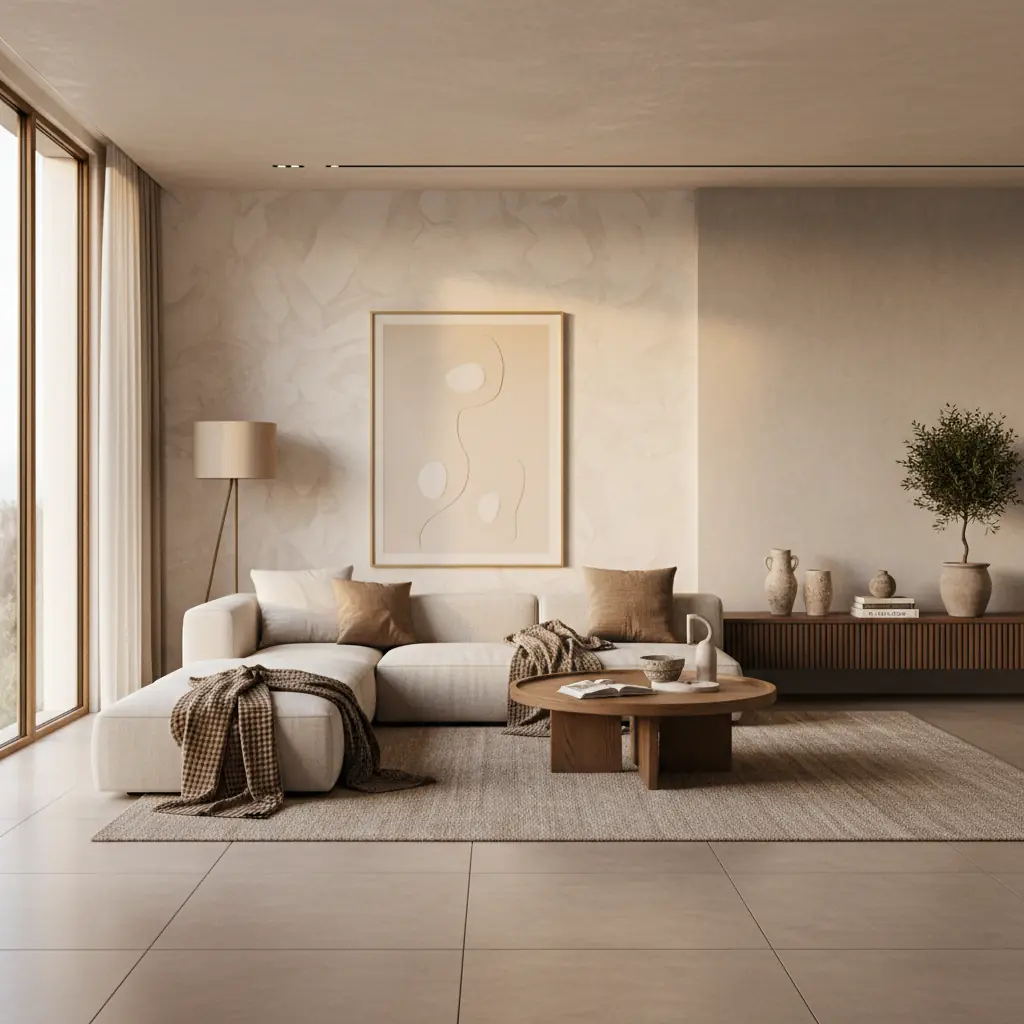
Por que Paredes Lisas Estão Fora e Paredes Texturizadas Estão Dentro em 2026?
Por décadas, a tinta fosca lisa reinou soberana como a campeã indiscutível dos acabamentos de parede. É fácil de aplicar, econômica e, francamente, inofensiva. Mas em 2026, este antes minimalista item essencial é cada vez mais percebido como inacabado, em vez de elegantemente chique. designers modernos e proprietários exigentes agora anseiam por paredes que possuam profundidade, movimento e uma inegável qualidade tátil. Imagine uma parede com limewash capturando a luz da manhã, mudando sutilmente seu caráter ao longo do dia, ou uma superfície de microcimento convidando a um toque curioso. A tinta lisa, por contraste, simplesmente existe.
Essa mudança não é apenas uma tendência passageira; é uma reavaliação fundamental de como interagimos com nossos espaços de convivência. As redes sociais, sem dúvida, aceleraram essa transição – paredes texturizadas fotografam lindamente, criando interesse visual imediato sem a necessidade de excesso de arte ou acessórios. No entanto, o apelo dos acabamentos texturizados se estende muito além de sua "Instagramabilidade". Eles inerentemente adicionam valor percebido a um espaço. Profissionais do mercado imobiliário consistentemente relatam que casas com paredes distintas em estuque, limewash ou painéis canelados frequentemente atraem mais atenção e, crucialmente, geram ofertas mais altas. De fato, análises de mercado recentes sugerem que casas com acabamentos internos únicos e aplicados profissionalmente podem ver um aumento médio no preço de venda de **5-10%**, atraindo compradores que buscam casas prontas para morar e cheias de personalidade.
Além da estética, as paredes texturizadas contribuem para uma experiência sensorial mais rica. Elas podem evocar sensações de calor, enraizamento ou calma sofisticada, transformando um cômodo estéril em um santuário. Isso se alinha perfeitamente com a crescente ênfase no [design biofílico](/blog/biophilic-design-guide) e na criação de espaços que promovam o bem-estar.
Quais São os Acabamentos de Parede Texturizados Mais Populares?
O mundo das paredes texturizadas é rico e diverso, oferecendo opções para cada estilo e orçamento. Aqui está uma visão detalhada dos principais concorrentes para 2026:
### Tinta Limewash: Elegância Acessível
A tinta limewash (ou caiação) se destaca como o ponto de entrada mais acessível no mundo das paredes texturizadas. Feita de cal hidratada e pigmentos naturais, ela oferece um acabamento suave, calcário e com aspecto de nuvem, caracterizado por variações sutis e orgânicas em sua superfície. O efeito remete a villas mediterrâneas ensolaradas ou antigas propriedades europeias, conferindo uma elegância atemporal e terrosa. Marcas líderes como Portola Paints e Bauwerk Colour oferecem extensas gamas de limewash pré-misturado em um espectro de cores, tornando mais fácil do que nunca alcançar este visual tão procurado. O acabamento é distintamente fosco com uma profundidade suave que brinca lindamente com a luz.
**Características Principais:**
- **Estética:** Suave, mosqueado, calcário, com aspecto de nuvem. Evoca estilos rústicos, mediterrâneos, orgânicos modernos ou Wabi-Sabi. - **Ambiental:** Naturalmente respirável, não tóxico e frequentemente com baixo VOC, contribuindo para uma qualidade do ar interior mais saudável. - **Melhor Para:** Quartos, salas de estar, salas de jantar e qualquer espaço onde uma atmosfera calma, discreta e rica seja desejada. Evite áreas de alta umidade em cozinhas ou banheiros, a menos que devidamente selado. - **Manutenção:** Geralmente de baixa manutenção. Pode ser limpo pontualmente com cuidado. Pequenos arranhões geralmente se misturam à variação natural.
### Estuque Veneziano: Perfeição Polida
O estuque veneziano representa o ápice do luxo em acabamentos de parede texturizados. Este material requintado é aplicado em múltiplas camadas finas usando uma espátula especializada, sendo depois polido até um acabamento liso, muitas vezes ligeiramente brilhante, que imita perfeitamente mármore polido ou pedra natural. Sua paleta de cores geralmente se inclina para neutros quentes – pense em marfim, areia, taupe, terracota e cinzas sutis – realçando seu fascínio sofisticado. Uma parede de destaque de estuque veneziano atrás de uma cabeceira ou um tratamento de sala completa em uma área de estar formal pode elevar um espaço a um status de galeria.
**Características Principais:**
- **Estética:** Aparência suave, refletiva, semelhante a pedra, com incrível profundidade e movimento sutil. Luxuosamente sofisticado, ideal para interiores clássicos, transitórios e modernos de alto padrão. - **Durabilidade:** Extremamente duro e durável após a cura, resistente a pequenos impactos. - **Melhor Para:** Paredes de destaque, áreas de alto impacto como salas de estar formais, salas de jantar, entradas e até lareiras. - **Manutenção:** Fácil de limpar com um pano úmido uma vez devidamente selado.
### Microcimento (ou Micro-revestimento): O Chique Industrial Reimaginado
O microcimento, às vezes referido como micro-revestimento, é a escolha ideal para alcançar uma estética industrial-moderna elegante. Ele proporciona uma superfície lisa, fosca e totalmente contínua que cresceu rapidamente em popularidade. Sua composição única permite que seja aplicado finamente sobre quase qualquer superfície existente, tornando-o incrivelmente versátil para paredes, pisos e até bancadas. Essa continuidade cria uma sensação visualmente expansiva e coesa. Particularmente favorecido em banheiros e cozinhas, o microcimento é altamente durável e impermeável quando devidamente selado, tornando-o ideal para ambientes de alta umidade onde a higiene e as linhas limpas são primordiais.
**Características Principais:**
- **Estética:** Acabamento contínuo, minimalista, semelhante a concreto. Pode ser tingido em uma ampla gama de cores, de cinzas industriais a tons terrosos e até matizes vibrantes. Perfeito para estilos modernos, industriais, minimalistas e contemporâneos. - **Versatilidade:** Pode ser aplicado sobre azulejos, concreto, drywall, madeira e muito mais, oferecendo incrível flexibilidade para reformas. - **Melhor Para:** Banheiros (incluindo chuveiros e áreas molhadas), cozinhas (backsplashes, bancadas), pisos e paredes de destaque em espaços de convivência modernos. - **Manutenção:** Fácil de limpar e altamente resistente a manchas e água quando selado.
### Painéis de Madeira Canelados: Calor Rítmico
Os painéis de madeira canelados introduzem ritmo vertical e calor inerente a qualquer espaço. Caracterizados por seus sulcos paralelos, côncavos ou convexos, esses painéis criam um jogo dinâmico de luz e sombra. Eles se tornaram incrivelmente populares como elementos de destaque atrás de camas, em entradas e como detalhes arquitetônicos sutis em salas de estar. Disponíveis em vários tipos de madeira (carvalho, nogueira, pinho), acabamentos (natural, tingido, pintado) e até opções de MDF econômicas, os painéis canelados podem ser adaptados a quase qualquer estilo de interior, do Japandi ao luxo contemporâneo.
**Características Principais:**
- **Estética:** Adiciona interesse arquitetônico, linhas verticais e um senso de ritmo. Pode variar de rústico a altamente refinado, dependendo da madeira e do acabamento. Aprimora designs modernos, Scandinavian, Japandi e transicionais. - **Acústica:** Pode oferecer alguns benefícios de amortecimento de som, tornando-os ótimos para quartos ou home offices. - **Melhor Para:** Paredes de cabeceira, destaques de entrada, detalhes de corredor ou até integrados em armários e móveis planejados. - **Manutenção:** Limpeza de pó e limpeza ocasional, dependendo do acabamento.
### Estuque de Argila: Terroso e Orgânico
O estuque de argila oferece uma textura profundamente terrosa e orgânica que é visualmente atraente e altamente funcional. Feito de argilas naturais, areias e fibras, é celebrado por suas propriedades excepcionais de regulação de umidade. Isso o torna uma escolha fantástica para banheiros, cozinhas ou casas em climas úmidos, pois absorve e libera naturalmente a umidade, contribuindo para um ambiente interno estável. Seu acabamento fosco e suave e as sutis variações de cor trazem uma sensação de tranquilidade natural e calor.
**Características Principais:**
- **Estética:** Suave, respirável, fosco e altamente texturizado. Cria uma atmosfera quente, natural e convidativa. Ideal para interiores biofílicos, rústicos, Wabi-Sabi e orgânicos modernos. - **Benefícios para a Saúde:** Não tóxico, zero VOC e excelente para a qualidade do ar interior. Regula naturalmente a umidade. - **Melhor Para:** Quartos, salas de estar, casas ecologicamente conscientes e espaços onde materiais naturais são priorizados. - **Manutenção:** Geralmente durável, mas pode ser suscetível à abrasão. Alguns tipos podem ser reparados facilmente.
### Revestimento de Pedra (Folha Fina): Naturalismo Dramático
Para o impacto mais dramático, o revestimento de folha fina de pedra é uma escolha inegável. Isso envolve a aplicação de cortes finos de pedra natural (ou pedra manufaturada que a imita) diretamente nas paredes. Desde pedra-rústica a calcário ou ardósia refinada, o revestimento de pedra introduz instantaneamente grandiosidade arquitetônica e uma conexão com a natureza. Embora seja a opção mais cara, o peso visual e a riqueza textural que ela traz são incomparáveis.
**Características Principais:**
- **Estética:** Autêntico, robusto e imponente. Varia amplamente dependendo do tipo de pedra, de áspero e rústico a suave e contemporâneo. - **Durabilidade:** Extremamente durável e de longa duração, resistente ao desgaste. - **Melhor Para:** Lareiras, entradas dramáticas, paredes de destaque exteriores ou como um acento em um espaço de convivência moderno. - **Manutenção:** Varia por tipo de pedra; geralmente envolve escovação ou lavagem ocasional.
### Tadelakt: Resistência Hídrica Marroquina
Brevemente mencionado, o Tadelakt é um reboco de cal marroquino tradicional, conhecido por seu acabamento naturalmente impermeável e respirável. Polido com pedras de rio e tratado com sabão de azeite, ele cria uma superfície única, suavemente ondulante, ideal para banheiros, chuveiros e até pias, oferecendo uma alternativa bonita, contínua e higiênica aos azulejos.
**Características Principais:**
- **Estética:** Suave, macio, ligeiramente ondulante e altamente polido, muitas vezes com variação sutil de cor. Luxuoso, com aspecto de spa e orgânico. - **Funcionalidade:** Naturalmente impermeável e antifúngico. - **Melhor Para:** Áreas de alta umidade: banheiros, chuveiros, áreas molhadas, pias, hammams.
Quanto Custam os Acabamentos de Parede Texturizados Por Metro Quadrado?
Entender o custo dos acabamentos de parede texturizados é crucial para orçar seu projeto de design. Os preços podem variar significativamente com base no material, na complexidade da aplicação e se você opta por DIY ou instalação profissional. Essas figuras representam faixas típicas para instalação profissional, a menos que indicado de outra forma:
- **Tinta Limewash:** $2-4 por metro quadrado para materiais DIY, ou $4-8 instalados profissionalmente. Esta continua sendo a opção mais econômica e é relativamente indulgente se você decidir mudar de ideia mais tarde. - **Estuque Veneziano:** $8-15 por metro quadrado instalado. Embora o DIY seja tecnicamente possível, requer habilidade e prática significativas. Espere uma curva de aprendizado íngreme e potencial desperdício de material nas tentativas iniciais. - **Microcimento:** $10-20 por metro quadrado instalado, com variações dependendo da complexidade da preparação da superfície e do número de demãos. Isso está firmemente no território profissional; a aplicação inadequada pode levar a rachaduras ou descascamentos caros. - **Painéis de Madeira Canelados:** $6-12 por metro quadrado para materiais, mais custos de instalação que podem adicionar outros $3-8 dependendo da complexidade do design. - **Estuque de Argila:** $5-10 por metro quadrado instalado. - **Revestimento de Pedra (Folha Fina):** $15-30+ por metro quadrado, tornando-a a opção mais cara, mas também a de maior impacto visual. - **Tadelakt:** $20-40+ por metro quadrado instalado devido à habilidade especializada e à aplicação intensiva em mão de obra necessárias.
É importante notar que esses custos geralmente incluem materiais e mão de obra para uma superfície preparada. Custos adicionais podem surgir de extensa preparação de parede, aplicação de primer ou selagem especializada, especialmente para áreas molhadas. Ao considerar o orçamento total do projeto, lembre-se de que a instalação profissional, embora com um custo inicial mais alto, geralmente oferece maior longevidade e um acabamento superior, potencialmente economizando dinheiro em reparos ou retrabalhos futuros.
Instalação DIY vs. Profissional: Avaliando os Riscos
Decidir entre um projeto DIY e contratar um profissional é um passo crítico, particularmente com acabamentos de parede especializados.
**O Limewash é realmente amigável para DIY.** A beleza de sua aplicação reside em sua natureza indulgente – pinceladas irregulares ou imperfeições sutis na verdade adicionam ao seu caráter, em vez de prejudicá-lo. Tipicamente, duas demãos são aplicadas sobre uma parede com primer usando um pincel de alvenaria grande em um padrão de traços cruzados ou sobrepostos. Um cômodo de 12x12 pode frequentemente ser concluído em um único fim de semana. Da mesma forma, os painéis de madeira canelados também são bastante acessíveis para DIY se você estiver confortável com ferramentas básicas de carpintaria como serra, nível e adesivo de construção.
No entanto, para acabamentos como **estuque veneziano, microcimento e estuque de argila, a instalação profissional é fortemente recomendada** a menos que você possua experiência anterior extensiva com técnicas de aplicação de espátula e reboco. Embora o custo da matéria-prima para uma tentativa DIY possa parecer atraente (geralmente $3-5 por metro quadrado apenas para materiais), uma aplicação malfeita pode rapidamente se transformar em um pesadelo caro. Isso pode envolver remover tudo, preparar novamente a parede e comprar novos materiais – custando, em última análise, mais do que contratar um profissional experiente desde o início. Artesãos habilidosos não só possuem as ferramentas e materiais precisos, mas também anos de experiência para garantir um acabamento impecável, durável e esteticamente agradável. Eles também entendem as nuances da preparação da superfície, o que é crítico para a longevidade desses materiais especializados.
Antes de se comprometer com qualquer acabamento, especialmente se você estiver explorando o DIY, ferramentas como Habitas podem ser inestimáveis. Você pode [enviar uma foto do seu ambiente real](/blog/ai-generated-room-designs-realistic) e visualizar como diferentes acabamentos ficariam, gerando renders realistas com várias texturas aplicadas às suas paredes. Isso permite que você experimente estilos e obtenha uma imagem clara do resultado sem qualquer compromisso físico ou desperdício de materiais.
Quais Cômodos Combinam Melhor com Cada Textura?
Combinar a textura certa com o cômodo certo vai além da estética; envolve considerar a funcionalidade, o humor e como a luz interage no espaço.
- **Quartos:** Limewash ou estuque de argila são escolhas ideais. Seus acabamentos suaves, quentes e calmantes criam um santuário sereno, parecendo especialmente bonitos na luz suave da manhã ou da noite. Aplique na parede atrás da cabeceira para um ponto focal, ou em todo o quarto para um efeito luxuoso e aconchegante. Evite microcimento aqui, pois sua frieza industrial pode parecer muito austera para um espaço de dormir. Para mais inspiração para quartos, explore [o custo de redesenhar um quarto](/blog/bedroom-redesign-cost-breakdown).
- **Salas de Estar:** O estuque veneziano ou limewash realmente brilham aqui. Esses acabamentos oferecem profundidade visual e caráter suficientes para servir como um cenário sofisticado para arte e móveis sem competir por atenção. Uma sala de estar inteira com estuque veneziano evoca a grandiosidade de uma galeria de arte, enquanto o limewash cria uma atmosfera mais relaxada e convidativa. Você também pode considerar painéis de madeira canelados como um toque de destaque para uma parede de entretenimento ou um canto de leitura. Para refinar a estética da sua sala de estar, considere [esquemas de cores para salas de estar](/blog/color-schemes-for-living-rooms).
- **Banheiros:** Microcimento ou tadelakt são escolhas superiores. Ambos os materiais se destacam em ambientes ricos em umidade, criando uma estética contínua e semelhante a um spa, que é ao mesmo tempo bonita e altamente funcional. Suas propriedades impermeáveis os tornam perfeitos para paredes de chuveiro, bancadas de vaidade e até pisos. O estuque de argila também pode funcionar em banheiros bem ventilados devido às suas propriedades reguladoras de umidade, mas evite áreas de contato direto com a água. Para mais ideias, veja nossas [ideias para reforma de banheiro](/blog/bathroom-remodel-ideas).
- **Entradas e Corredores:** Essas áreas de alto tráfego se beneficiam de superfícies duráveis e atraentes que escondem arranhões e adicionam drama imediato. Os painéis de madeira canelados proporcionam interesse vertical e calor, causando uma forte primeira impressão. O revestimento de pedra, embora mais caro, cria uma inegável declaração de luxo e permanência. O estuque veneziano também pode ser usado aqui para uma recepção polida e grandiosa.
- **Cozinhas:** O microcimento é excelente para backsplashes (quando devidamente selado) ou em paredes gerais longe de zonas de cozimento intensas, oferecendo um visual moderno e limpo. O limewash também pode ser usado em paredes de cozinha menos expostas a gordura e salpicos, proporcionando uma alternativa mais suave. Evite estuque veneziano perto de fogões ou pias, pois manchas de gordura podem ser notoriamente difíceis de remover de sua superfície polida, e pode não resistir tão bem à limpeza frequente. Para uma escolha mais vanguardista, considere [concreto no design de interiores](/blog/concrete-in-interior-design) para estéticas de cozinha industrial.
- **Home Offices & Escritórios:** Uma parede texturizada pode definir este espaço focado, adicionando sofisticação sem distração. Uma parede de destaque com limewash pode ser calmante, enquanto painéis canelados atrás de uma escrivaninha adicionam interesse arquitetônico e difusão sonora sutil.
Além da Parede: Integrando Textura em Toda a Sua Casa
A jornada da textura não termina nas suas paredes; é um elemento fundamental que informa toda a narrativa de design da sua casa. Uma parede lindamente texturizada serve como uma tela, influenciando suas escolhas de móveis, têxteis e até iluminação. Ao introduzir a profundidade orgânica do limewash, por exemplo, você pode se ver gravitando para móveis de madeira natural, tecidos de linho e iluminação suave e difusa que realça suas variações sutis. Por outro lado, a elegância do microcimento pode exigir móveis minimalistas, detalhes metálicos e uma iluminação mais deliberada e arquitetônica.
Considere como as qualidades táteis de suas paredes podem se estender a outras superfícies: um tapete de lã macio, uma manta de tricô grosseiro, uma bancada de pedra polida ou um vaso de cerâmica lisa. Cada elemento contribui para uma experiência sensorial coesa, transformando um cômodo de meramente funcional em verdadeiramente imersivo. Essa abordagem holística da textura ajuda a criar espaços que parecem ricos, em camadas e profundamente pessoais.
Sustentabilidade e Benefícios para a Saúde de Paredes Texturizadas
Além de seu apelo estético, muitos acabamentos de parede texturizados oferecem vantagens significativas para o meio ambiente e a saúde, alinhando-se à crescente demanda por [práticas de design de interiores sustentáveis](https://www.habitas.ai/blog/best-interior-design-styles-2026).
- **Materiais Naturais:** Limewash, estuque de argila e tadelakt são compostos principalmente de ingredientes naturais, à base de minerais. Eles são frequentemente de baixo VOC (Compostos Orgânicos Voláteis) ou zero VOC, o que significa que liberam o mínimo ou nenhum produto químico nocivo no ar interior. Isso contrasta fortemente com muitas tintas convencionais que podem liberar gases por anos, impactando a qualidade do ar. Uma pesquisa recente revelou que **75% dos proprietários priorizam materiais não tóxicos** para seus espaços de convivência, enfatizando essa crescente conscientização. - **Respirabilidade e Regulação da Umidade:** O estuque de argila e o limewash são renomados por sua respirabilidade. Eles permitem que as paredes "respiram", regulando os níveis de umidade interna naturalmente. Isso pode levar a um ambiente de vida mais confortável, reduzir a probabilidade de crescimento de mofo e bolor e até economizar nos custos de energia, minimizando a necessidade de desumidificação artificial. Estudos mostraram que a melhoria da qualidade do ar interior e os elementos biofílicos podem reduzir os níveis de estresse em até **20%**. - **Durabilidade e Longevidade:** Embora alguns acabamentos texturizados possam ter um custo inicial mais alto, muitos são incrivelmente duráveis e de longa duração. Materiais como estuque veneziano e microcimento, quando aplicados profissionalmente, podem durar décadas com manutenção mínima, reduzindo a necessidade de repinturas ou reparos frequentes e, assim, diminuindo sua pegada ambiental ao longo do tempo. - **Conexão Biofílica:** O uso de texturas naturais e tons terrosos nos conecta ao exterior, promovendo uma sensação de calma e bem-estar. Este princípio biofílico é fundamental para criar espaços saudáveis e restauradores.
Escolher um acabamento de parede texturizado não é apenas uma decisão de design; é um investimento na beleza, saúde e longevidade da sua casa. Com a escolha certa, você pode criar um espaço que não é apenas visualmente deslumbrante, mas também apoia um estilo de vida mais saudável e sustentável.
Perguntas Frequentes
### Paredes texturizadas são difíceis de limpar?
A facilidade de limpeza de paredes texturizadas depende muito do material específico e se ele foi devidamente selado. Acabamentos lisos e selados, como microcimento ou estuque veneziano polido, são relativamente fáceis de limpar com um pano úmido e sabão neutro. Texturas mais porosas ou foscas, como limewash ou estuque de argila, podem exigir uma limpeza mais suave ou técnicas específicas para evitar danos ao acabamento. Geralmente, é melhor lidar com derramamentos ou marcas imediatamente e seguir as recomendações de limpeza específicas do fabricante.
### Paredes texturizadas agregam valor a uma casa?
Sim, paredes texturizadas podem adicionar um valor percebido e real significativo a uma casa. Elas contribuem para um visual personalizado e de alto padrão que diferencia uma propriedade de interiores padrão pintados de forma lisa. Recursos como estuque veneziano ou microcimento cuidadosamente aplicados podem ser vistos como melhorias arquitetônicas, atraindo compradores que valorizam design exclusivo e mão de obra de qualidade. Como mencionado anteriormente, casas com acabamentos internos distintos podem frequentemente atingir preços de venda mais altos.
### Quanto tempo duram os acabamentos de parede texturizados?
A longevidade de um acabamento de parede texturizado varia de acordo com o material. Estuque veneziano e microcimento de alta qualidade, quando aplicados e mantidos por especialistas, podem durar 20-30 anos ou mais sem a necessidade de reparos significativos. O limewash pode durar de 5 a 10 anos antes que uma renovação possa ser desejada, embora seu desbotamento sutil também possa fazer parte de seu charme. Os painéis de madeira canelados são extremamente duráveis e podem durar décadas com os devidos cuidados. A vida útil está diretamente relacionada à qualidade dos materiais, aplicação profissional e manutenção contínua.
### Posso pintar sobre uma parede texturizada?
É tecnicamente possível pintar sobre a maioria das paredes texturizadas, mas o resultado dependerá da textura existente. Pintar sobre um limewash sutil pode funcionar, mas você perderá o efeito translúcido e a profundidade. Pintar sobre uma superfície fortemente texturizada como estuque de argila ou revestimento de pedra obscurecerá a textura e pode exigir um trabalho de preparação significativo, incluindo lixamento ou nivelamento com massa corrida, para obter uma superfície lisa e pintável. Para melhores resultados, consulte um pintor profissional ou o fabricante do material original.
### Quais são as opções de parede texturizada mais duráveis?
Para máxima durabilidade, especialmente em áreas de alto tráfego ou propensas à umidade, microcimento e estuque veneziano são excelentes escolhas. O microcimento é excepcionalmente resistente e impermeável quando selado, tornando-o ideal para cozinhas, banheiros e espaços comerciais. O estuque veneziano, uma vez totalmente curado, oferece uma superfície muito dura e resiliente. O revestimento de pedra também é incrivelmente durável, feito para suportar um desgaste significativo.
### Quais estilos de design de interiores complementam melhor as paredes texturizadas?
As paredes texturizadas são incrivelmente versáteis e podem aprimorar uma ampla gama de estilos de design de interiores. O limewash complementa perfeitamente as ideias de quartos rústicos, mediterrâneos, orgânicos modernos e [boêmios](/blog/bohemian-bedroom-ideas). O estuque veneziano se adequa a estéticas clássicas, transicionais e contemporâneas luxuosas. O microcimento é um elemento básico para designs industriais, minimalistas e modernos e elegantes. Os painéis de madeira canelados se encaixam bem em espaços Scandinavian, Japandi e contemporâneos, enquanto o estuque de argila eleva interiores biofílicos e Wabi-Sabi.