IA vs Diseñador de Interiores Humano: Tu Guía Definitiva 2026
Cuándo usar herramientas de diseño con IA y cuándo contratar a un profesional — un desglose honesto.
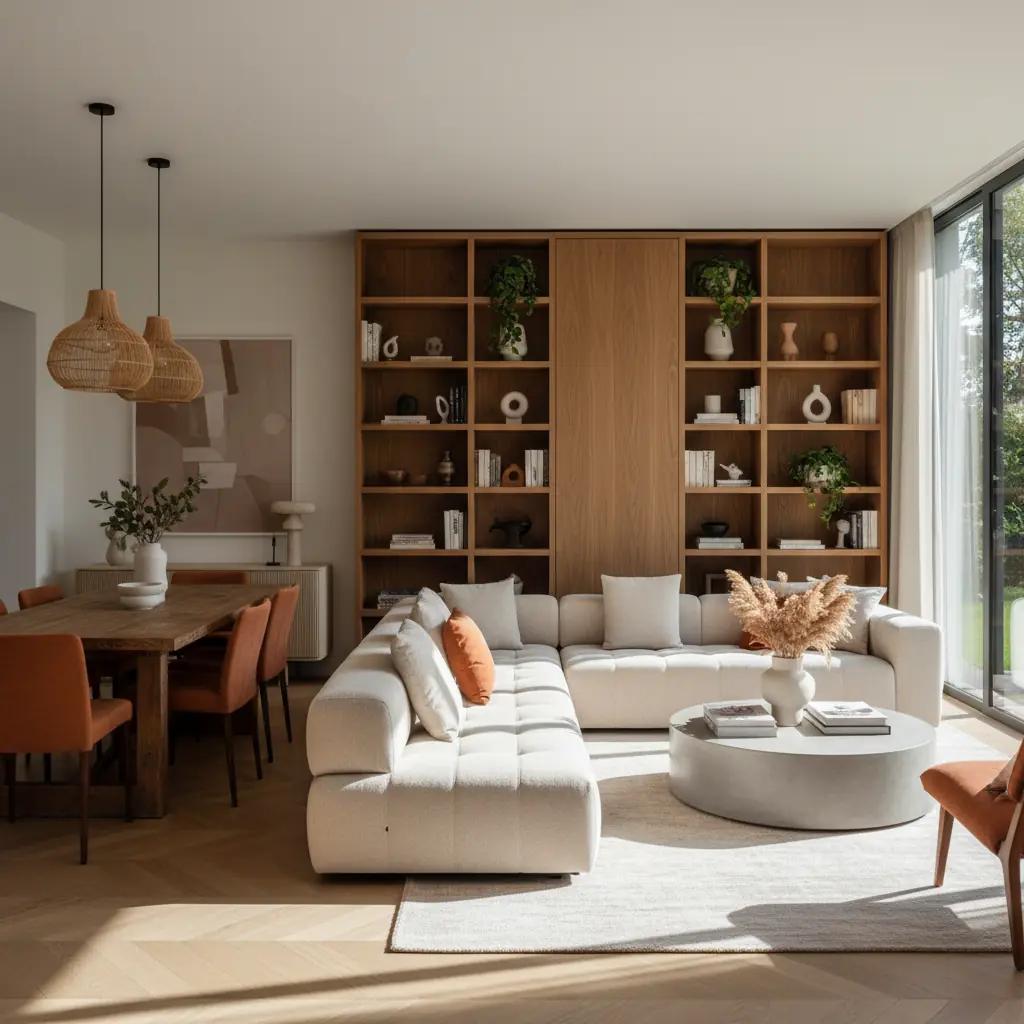
Esto no es una competencia — se trata de elegir la herramienta adecuada para el trabajo
En el cambiante panorama del diseño de interiores, un nuevo y poderoso aliado ha surgido: la inteligencia artificial. Para los propietarios de viviendas, esto plantea una pregunta crucial: "¿Debo contratar a un diseñador de interiores o puede la IA lograr mi visión?" La verdad es que esto no es un juego de suma cero. Las herramientas de diseño con IA y los diseñadores de interiores humanos no son competidores que luchan por el mismo espacio; más bien, son instrumentos distintos, cada uno optimizado para diferentes etapas, presupuestos y complejidades de un proyecto de diseño.
Piénsalo de esta manera: un martillo es indispensable para clavar clavos, pero completamente ineficaz para apretar tornillos. De manera similar, la IA sobresale en áreas donde los diseñadores humanos podrían ser lentos o costosos, mientras que la experiencia humana proporciona una profundidad invaluable donde la IA actualmente no puede llegar. Esta guía ofrecerá un desglose honesto y basado en datos para 2026, ayudándote a comprender lo que ofrece cada opción, lo que realmente cuesta y dónde sobresale genuinamente cada una, para que puedas tomar la decisión más informada para tu viaje de diseño único.
Comparación de Costos: Entendiendo Tu Inversión
El compromiso financiero es a menudo el primer y más significativo factor para muchos propietarios. Desglosemos la inversión típica para cada opción.
### ¿Cuánto cuestan las herramientas de diseño de interiores con IA como Habitas?
**Herramientas de IA como Habitas**: **$0-29/mes**.
- **Accesibilidad**: Generalmente gratuitas para funcionalidades básicas, con características premium que suelen costar entre $10 y $29 al mes para habitaciones ilimitadas, estilos avanzados y resultados de mayor resolución. - **Resultados Instantáneos**: Imagina visualizar el rediseño de una casa completa en minutos, no semanas. El desembolso financiero total para una conceptualización y visualización extensas en múltiples habitaciones puede ser inferior a $30. - **Planes de Ejecución**: Muchas plataformas avanzadas de IA ahora incluyen planes de ejecución básicos, sugerencias de mobiliario e incluso listas de compras, maximizando aún más el valor.
La asequibilidad inigualable de la IA hace que el diseño de alta calidad sea accesible para prácticamente cualquier persona, independientemente de su presupuesto o ubicación geográfica.
### ¿Cuál es la Inversión para Diseñadores de Interiores Profesionales?
**Diseñadores de interiores profesionales**: **$100-300/hora o $2,000-10,000+ por habitación.**
- **Tarifas por Hora**: Para proyectos más pequeños o consultas, los diseñadores pueden cobrar una tarifa por hora de $100-$300. - **Tarifas Fijas**: A menudo, los diseñadores cotizan una tarifa fija por habitación o proyecto, que puede variar desde $2,000 para una simple renovación de dormitorio hasta más de $10,000 para un espacio de sala complejo. - **Porcentaje del Presupuesto del Proyecto**: Para renovaciones más grandes o construcciones nuevas, los diseñadores pueden cobrar un porcentaje del presupuesto total del proyecto, típicamente del 10 al 20%. Esta estructura de tarifas incluye un conjunto completo de servicios: - **Consultas presenciales**: Discusiones detalladas para comprender tu estilo de vida, preferencias y desafíos. - **Abastecimiento (Sourcing)**: Identificación y adquisición de mobiliario, accesorios y acabados, a menudo con acceso a proveedores exclusivos para profesionales y descuentos. - **Gestión de Proyectos**: Supervisión de contratistas, proveedores y plazos. - **Relaciones con Proveedores**: Aprovechamiento de redes establecidas para precios competitivos y mano de obra confiable. - **Personalización**: Diseño de muebles a medida, carpintería arquitectónica y elementos arquitectónicos.
Si bien la inversión en un diseñador humano es significativa, abarca un nivel de servicio personalizado, soluciones a medida y gestión de proyectos práctica que la IA, en su forma actual, simplemente no puede replicar.
Dónde Sobresale el Diseño de Interiores con IA: Velocidad, Exploración y Accesibilidad
Las herramientas de diseño con IA están transformando las etapas iniciales del proceso de diseño, haciéndolo más rápido, más flexible y notablemente accesible.
### Velocidad e Iteración Inigualables
- **Del Concepto a lo Visual en Segundos**: Una ventaja central de la IA es su velocidad. Donde un diseñador humano podría tardar 2-4 semanas en desarrollar conceptos iniciales y mood boards, la IA puede generar docenas de variaciones de diseño para tu habitación real en tan solo 60 segundos. Esta rápida iteración permite una exploración sin precedentes. - **Exploración Ilimitada**: Imagina probar 8 estilos de diseño diferentes —desde [Minimalista Moderno](/blog/best-interior-design-styles-2026) hasta [Bohemio Chic](/blog/bohemian-bedroom-ideas)— para tu sala de estar en solo 10 minutos. La IA elimina la barrera de compromiso y costo para la experimentación. Puedes visualizar varias paletas de colores, distribuciones de muebles y opciones de materiales al instante. Esto reduce drásticamente el riesgo de arrepentimiento de diseño más adelante.
### Visualización Económica
- **Visualiza Antes de Gastar**: Uno de los errores más comunes en el diseño del hogar es hacer compras costosas basándose únicamente en la imaginación, solo para descubrir que las piezas no encajan del todo en el espacio o la estética. La IA te permite visualizar posibles cambios y nuevos elementos en tu habitación real _antes_ de realizar cualquier compromiso financiero. Este enfoque proactivo puede prevenir errores costosos. Hasta el 30% de las decisiones de diseño tomadas sin visualización previa conducen a la insatisfacción del comprador o a costosos retrabajos. - **Democratizando el Diseño**: La IA reduce la barrera de entrada para un diseño de calidad. Para aquellos con un presupuesto ajustado o que simplemente desean una renovación rápida, la IA proporciona inspiración a nivel profesional y visualizaciones prácticas sin las tarifas profesionales. Esto democratiza el acceso al diseño, haciéndolo disponible para cualquier persona, en cualquier lugar, con cualquier presupuesto.
### Objetividad e Inspiración
- **Exploración Estética Imparcial**: Los diseñadores humanos, por muy hábiles que sean, naturalmente tienen sus propias estéticas y filosofías de diseño preferidas. La IA, por otro lado, ofrece pura objetividad. Puede generar diseños basados puramente en tus entradas y estilos elegidos, libre del "ego" o sesgo inherente de un diseñador. Esto puede ser invaluable para explorar opciones que de otra manera no habrías considerado. - **Punto de Partida Creativo**: Para aquellos que se sienten abrumados por las opciones de diseño, la IA puede actuar como un poderoso trampolín para la creatividad. Herramientas como Habitas pueden generar conceptos únicos, sugerir distribuciones innovadoras de muebles o incluso ayudarte a afinar una [paleta de colores](/blog/ai-color-palette-generator) que se adapte perfectamente a tu espacio y estado de ánimo.
**La IA es la mejor opción cuando deseas explorar ideas rápidamente, visualizar cambios antes de comprometerte, manejar renovaciones simples de habitaciones (como un [rediseño de dormitorio](/blog/bedroom-redesign-cost-breakdown) o un home office), o no puedes pagar tarifas de diseño profesional. Te empodera para tomar el control de tu viaje de diseño.** Para ver lo fácil que es transformar tu espacio, explora nuestra guía sobre [cómo funciona el diseño de interiores con IA](/blog/ai-interior-design-how-it-works).
Dónde Sobresalen los Diseñadores de Interiores Humanos: Complejidad, Personalización y Coordinación
Si bien la IA ofrece una utilidad increíble, hay escenarios distintos donde la experiencia matizada de un diseñador de interiores humano se vuelve indispensable.
### Renovaciones Complejas y Cambios Estructurales
- **Más Allá de la Estética**: La experiencia de un diseñador humano se extiende mucho más allá de la estética. Son invaluables para proyectos que involucran cambios estructurales complejos, reconfiguraciones de plomería o trabajos eléctricos. Por ejemplo, una renovación de cocina típica cuesta entre $15,000 y $50,000, y un diseñador puede asegurar que esta inversión significativa se maneje correctamente, desde el diseño hasta la selección de materiales. - **Permisos y Regulaciones**: Navegar por los códigos de construcción locales, permisos y regulaciones de zonificación es un proceso laberíntico que la IA aún no puede manejar. Un diseñador profesional a menudo trabaja en estrecha colaboración con arquitectos y contratistas, comprendiendo los aspectos técnicos y asegurando el cumplimiento en cada paso del camino. Esto es crucial para grandes reformas como una [renovación de baño](/blog/bathroom-renovation-cost-2026) o la adición de una extensión. - **Coordinación de Contratistas**: Desde la evaluación de contratistas confiables hasta la gestión de plazos y presupuestos, un diseñador actúa como tu defensor y gerente de proyecto, asegurando una ejecución impecable y control de calidad.
### Personalización, Abastecimiento y Relaciones con Proveedores
- **Elementos a Medida**: Cuando tu visión requiere muebles personalizados, carpintería integrada o detalles arquitectónicos únicos, un diseñador humano es esencial. Pueden elaborar especificaciones precisas, trabajar con artesanos y supervisar la creación de piezas a medida que se adapten perfectamente a tu espacio y estilo. - **Abastecimiento Exclusivo y Descuentos para Profesionales**: Los diseñadores profesionales tienen acceso a una extensa red de salas de exposición, proveedores y artesanos exclusivos para profesionales, ofreciendo piezas y materiales exclusivos no disponibles para el público en general. Además, sus relaciones establecidas a menudo se traducen en descuentos para profesionales, lo que puede compensar una parte de sus honorarios en proyectos más grandes. - **Curaduría de Arte y Estilismo**: Más allá de los muebles, un diseñador aporta un ojo para la curaduría de arte, el estilismo de accesorios y la creación de espacios en capas, vividos y que cuentan una historia. Este nivel de detalle personalizado y capas sofisticadas está actualmente más allá de la capacidad de la IA.
### Entendiendo los Matices del Estilo de Vida y la Resolución de Problemas
- **Más Allá de la Foto**: La IA interpreta una habitación basándose en sus datos visuales. Un diseñador humano, sin embargo, profundiza en los matices más profundos de tu vida: tu dinámica familiar, rutinas diarias, hábitos de entretenimiento, necesidades de accesibilidad y objetivos a largo plazo para el espacio. Pueden diseñar un hogar que no solo sea hermoso sino genuinamente funcional y que refleje tu estilo de vida único. - **Anticipando Necesidades Futuras**: Para la vida multigeneracional, consideraciones de envejecimiento en el lugar o planificación para una familia en crecimiento, un diseñador puede anticipar necesidades futuras y diseñar soluciones que evolucionen contigo. - **Psicología del Espacio**: Un gran diseñador entiende cómo la luz, el color y la distribución afectan el estado de ánimo y el bienestar. Pueden crear entornos que fomenten la productividad, la relajación o la creatividad, adaptando los aspectos intangibles de un espacio a tu confort psicológico.
**Contrata a un diseñador cuando el proyecto implique construcción, cuando el presupuesto exceda los $20K, cuando necesites una gestión experta de proveedores, o cuando el espacio tenga requisitos complejos (accesibilidad, multigeneracional, comercial).** Ofrecen tranquilidad, ejecución profesional y un resultado verdaderamente a medida.
El Enfoque Híbrido: Lo Mejor de Ambos Mundos
El enfoque más inteligente y rentable para muchos propietarios a menudo implica una combinación estratégica tanto de herramientas de diseño con IA como de experiencia humana. Este modelo híbrido aprovecha las fortalezas de cada uno, lo que lleva a resultados superiores y presupuestos optimizados.
### Aprovechando la IA para Optimizar el Proceso de Diseño
Los propietarios inteligentes comienzan su viaje de diseño con IA. Incluso antes de contactar a un diseñador humano, puedes usar plataformas como Habitas para:
1. **Explorar y Refinar Tu Visión**: Experimenta con innumerables estilos, paletas de colores y distribuciones para tu habitación real. Usa la IA para generar diversos [diseños de habitaciones generados por IA](/blog/ai-generated-room-designs-realistic) hasta que identifiques lo que realmente resuena contigo. 2. **Crear Mood Boards Detallados**: Llega a tu reunión con el diseñador no con ideas vagas, sino con un plan visual claro. Estilos específicos, paletas de colores preferidas, distribuciones de muebles generadas por una [herramienta de organización de muebles con IA](/blog/ai-furniture-arrangement-tool) e imágenes de referencia derivadas de tu habitación real pueden ser invaluables. Esto elimina gran parte de la fase exploratoria de "descubrimiento", que es típicamente facturada a la tarifa por hora del diseñador. 3. **Prevenir Revisiones Costosas**: Al usar la IA para visualizar diferentes opciones de antemano, puedes presentar un concepto solidificado a tu diseñador, reduciendo significativamente el número de revisiones necesarias durante su fase de diseño pagada. Este enfoque proactivo ahorra tanto horas del diseñador como tu dinero. Por ejemplo, las casas con staging profesional (que a menudo comienza con una fuerte visualización) se venden un 25% más rápido en promedio y hasta un 20% más, destacando el ROI de una dirección de diseño clara.
### Asignación Estratégica de Recursos
Otra aplicación brillante del enfoque híbrido es dividir estratégicamente tu proyecto:
- **DIY con IA para Espacios Más Simples**: Utiliza la IA para las habitaciones que te sientas seguro manejando tú mismo, como dormitorios, home offices, habitaciones de invitados o incluso decoración de apartamentos con un presupuesto limitado. Estos espacios a menudo requieren menos intervención estructural y se benefician enormemente de las capacidades de visualización de la IA para actualizaciones estéticas y colocación de muebles. - **Invierte en un Diseñador para Áreas Complejas**: Asigna tu presupuesto de diseño profesional a los espacios más desafiantes y de alto impacto, como cocinas, baños principales (especialmente aquellos con cambios de plomería) o áreas de estar de nueva construcción. Estos son los espacios donde la gestión de proyectos, el conocimiento técnico y los detalles a medida de un diseñador humano realmente brillan y justifican la inversión.
La combinación ofrece el mejor resultado con la menor inversión total, permitiéndote lograr un hogar cohesivo y bellamente diseñado sin comprometer la calidad ni exceder tu presupuesto. Se trata de empoderarte con opciones y control sobre tu viaje de diseño. ¿Quieres ver algunos ejemplos del mundo real? Consulta nuestra [guía de transformación de habitaciones antes y después](/blog/before-after-room-transformation-guide).
Consideraciones Clave al Tomar Tu Decisión
Para determinar verdaderamente el mejor camino para tu proyecto de diseño, hazte estas preguntas críticas:
### ¿Cuál es el Alcance y la Complejidad de Tu Proyecto?
- **Renovaciones Sencillas**: Si buscas actualizar la estética de una habitación, experimentar con nuevas distribuciones de muebles o explorar diferentes esquemas de color sin cambios estructurales, la IA es probablemente tu punto de partida ideal, y potencialmente incluso tu única solución. - **Grandes Renovaciones y Construcciones Nuevas**: Si tu proyecto implica derribar paredes, reubicar sistemas de plomería o eléctricos, lidiar con permisos o diseñar una casa nueva desde cero, un diseñador de interiores humano (a menudo en conjunto con un arquitecto o contratista) es innegociable.
### ¿Cuál es Tu Presupuesto y Plazo?
- **Presupuesto Ajustado / Entrega Rápida**: La IA ofrece visualizaciones instantáneas y conceptualización rentable, perfecta para aquellos con fondos limitados o la necesidad de resultados rápidos. - **Presupuesto Flexible / Plazo Extendido**: Si tienes los medios financieros y el tiempo para un proceso más involucrado, un diseñador humano puede ofrecer un espacio altamente personalizado y hecho a medida con una atención meticulosa a los detalles y la gestión del proyecto. Al considerar el [costo del diseño de interiores con IA vs la contratación](/blog/ai-interior-design-vs-hiring-cost), recuerda el valor oculto que un profesional humano aporta al evitar errores costosos y maximizar el valor a largo plazo.
### ¿Qué Nivel de Personalización Requieres?
- **Soluciones Prediseñadas**: La IA sobresale en generar ideas y buscar elementos estándar que se ajusten a una estética elegida. - **Elementos a Medida y Únicos**: Para gabinetes personalizados, piezas de mobiliario únicas, colecciones de arte integradas o espacios que realmente reflejan una personalidad única, la habilidad de un diseñador humano en el diseño a medida y la colaboración con artesanos es indispensable.
### ¿Qué Tan Involucrado Quieres Estar?
- **Participativo y Creativo**: Si disfrutas de estar profundamente involucrado en el proceso de diseño, tomando decisiones e implementando cambios tú mismo, la IA te empodera con las herramientas para hacerlo de manera efectiva. - **Delegado y Despreocupado**: Si prefieres delegar todo el proceso —desde el concepto hasta la instalación final, incluyendo el enlace con contratistas y la gestión de proveedores— un diseñador humano proporciona ese servicio integral y de nivel conserje.
### ¿Cuál es Tu Visión a Largo Plazo para el Espacio?
- **Actualización a Corto Plazo / Staging**: Para actualizaciones rápidas, preparar una casa para la venta o estilizar un Airbnb, la IA puede proporcionar soluciones excelentes y rentables. - **Hogar para Siempre / Proyecto Legado**: Para un hogar en el que planeas vivir durante décadas, o un espacio que requiere una profunda resonancia emocional y funcionalidad altamente personalizada, el valor a largo plazo y la atención al detalle de un diseñador humano a menudo hacen que la inversión valga la pena.
El Futuro del Diseño de Interiores: Colaboración, No Reemplazo
La conversación en torno a la IA en el diseño de interiores no se trata de reemplazo; se trata de evolución y colaboración. Se proyecta que el mercado de herramientas de diseño con IA crecerá más del 35% anualmente hasta 2030, lo que subraya su creciente relevancia. La IA empodera tanto a propietarios como a diseñadores, haciendo que las etapas iniciales del diseño sean más eficientes, accesibles y creativamente expansivas. Actúa como un asistente increíble, un incansable motor de ideación y una herramienta de visualización que ahorra costos.
Mientras tanto, los diseñadores humanos continúan elevando el arte y la ciencia de crear espacios. Su capacidad única para empatizar, resolver desafíos estructurales complejos, gestionar proyectos intrincados e infundir un espacio con alma y artesanía a medida sigue siendo irremplazable. Los resultados de diseño más exitosos en los próximos años surgirán indudablemente de la sinergia inteligente de estas dos poderosas fuerzas.
Ya sea que te embarques en una pequeña renovación o una gran reforma, comprender las distintas ventajas de la IA y los diseñadores humanos te empoderará para navegar tu viaje de diseño con confianza, eficiencia y resultados sorprendentes.
Preguntas Frecuentes
### ¿Cuáles son los principales beneficios de usar la IA para el diseño de interiores?
El diseño de interiores con IA ofrece varios beneficios clave, incluyendo una velocidad inigualable en la generación de conceptos de diseño, permitiendo a los usuarios explorar docenas de estilos y distribuciones en minutos. Es increíblemente económico, haciendo que la visualización a nivel profesional sea accesible por una fracción del costo de un diseñador humano. La IA también promueve la exploración e iteración ilimitadas, ayudando a los usuarios a prevenir errores costosos al visualizar cambios antes de comprometerse con compras o renovaciones. Democratiza el diseño, ofreciendo inspiración y herramientas prácticas a cualquier persona, independientemente de su presupuesto o experiencia en diseño.
### ¿Cuándo debo contratar definitivamente a un diseñador de interiores humano en lugar de usar IA?
Definitivamente debes contratar a un diseñador de interiores humano para proyectos complejos que involucren cambios estructurales, reconfiguraciones de plomería o eléctricas, y adquisición de permisos. Los diseñadores humanos sobresalen en el diseño de muebles a medida, carpintería arquitectónica personalizada y la gestión de proyectos de renovación intrincados con múltiples contratistas y proveedores. Su capacidad para comprender los matices profundos del estilo de vida, la dinámica familiar y crear espacios con una conexión emocional y funcionalidad a largo plazo está actualmente más allá de las capacidades de la IA. Para grandes inversiones o espacios comerciales, un profesional humano ofrece experiencia, gestión de proyectos y responsabilidad invaluables.
### ¿Qué tan precisas son las visualizaciones de diseño de interiores con IA?
La precisión de las visualizaciones de diseño de interiores con IA ha avanzado significativamente. Las plataformas modernas de IA como Habitas pueden generar imágenes altamente realistas de tu habitación real, incorporando estilos, muebles y paletas de colores elegidos con una precisión impresionante. Si bien sobresalen en la representación visual y la conceptualización, es posible que no tengan en cuenta las medidas estructurales precisas, los matices de los materiales (por ejemplo, texturas específicas de telas bajo diferentes luces) o el ajuste exacto de elementos a medida de la misma manera que lo haría un diseñador humano con planos detallados. Sin embargo, para la visualización inicial y la ideación, su precisión es más que suficiente y mejora continuamente.
### ¿Puede la IA ayudarme a ahorrar dinero en mi proyecto de diseño de interiores?
Sí, la IA puede ayudarte significativamente a ahorrar dinero en tu proyecto de diseño de interiores de varias maneras. En primer lugar, reduce la necesidad de costosas horas de diseñador humano durante la fase de conceptualización inicial, permitiéndote experimentar con innumerables ideas de forma gratuita o por una tarifa mensual baja. En segundo lugar, al visualizar cambios y la colocación de muebles _antes_ de comprar, la IA ayuda a prevenir costosos errores de diseño o el arrepentimiento del comprador, evitando devoluciones o costosos retrabajos. Por último, al empoderarte para manejar las renovaciones de habitaciones más simples por ti mismo, la IA libera tu presupuesto para invertir en un diseñador humano solo para las áreas más complejas y críticas de tu hogar.
### ¿Es el diseño de interiores con IA adecuado para proyectos comerciales?
Si bien la IA puede ser una herramienta valiosa para la generación de conceptos iniciales, la creación de mood boards y la visualización de la planificación del espacio para proyectos comerciales, generalmente no es adecuada como la única solución de diseño. Los proyectos comerciales a menudo implican consideraciones complejas como códigos de construcción, estándares de accesibilidad (cumplimiento de la ADA), ergonomía espacial para funciones comerciales específicas, coordinación de proveedores a gran escala y una gestión estricta de presupuesto/plazos. Estos requisitos intrincados, junto con la necesidad de una profunda comprensión de la identidad de marca y la experiencia del usuario, exigen la experiencia integral y las capacidades de gestión de proyectos de un diseñador de interiores humano o una firma de arquitectura. La IA puede servir como una excelente herramienta de apoyo para una ideación más rápida en un contexto comercial, pero no como un reemplazo de la supervisión humana.