Dominando las Transformaciones de Espacios: Tu Guía de Antes y Después Impulsada por IA
Descubre cómo lograr transformaciones de espacios asombrosas con esta guía definitiva. Aprovecha la visualización con IA para una planificación y ejecución impecables, creando un espacio que amarás.
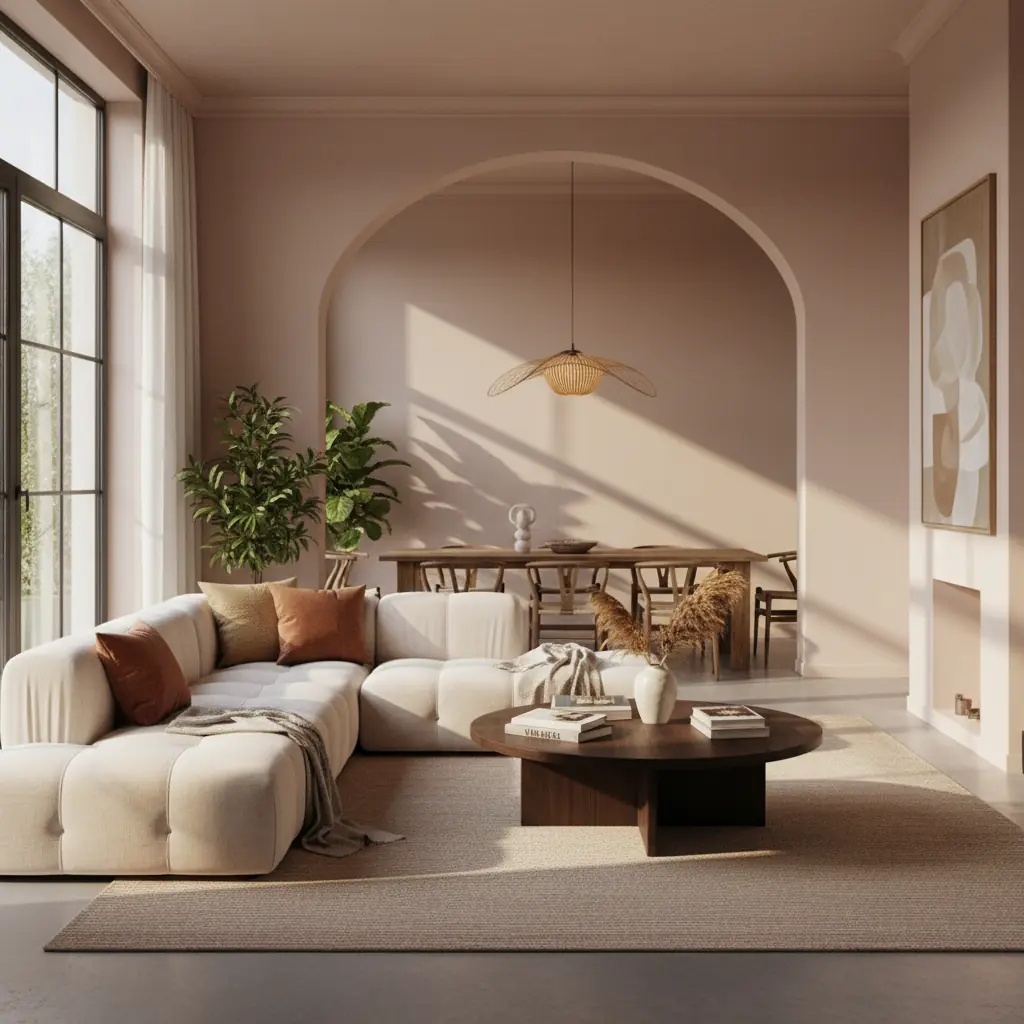
Por qué la mayoría de los cambios de imagen de habitaciones decepcionan (y cómo la IA lo cambia todo)
El encanto de un espacio bellamente transformado es innegable. Navegamos por interminables inspiraciones en redes sociales, soñando con esa sala de estar perfecta, un santuario sereno en el dormitorio o un funcional home office. Sin embargo, el camino de la aspiración a la realidad a menudo está lleno de desafíos. La razón principal por la que los cambios de imagen de habitaciones decepcionan es una brecha significativa entre la visión y la ejecución.
Es probable que hayas experimentado esto: ves algo exquisito en Pinterest o Instagram, compras diligentemente artículos similares y, sin embargo, cuando los colocas en tu hogar, la habitación no se parece en nada a la inspiración. Las proporciones no son las correctas, los colores chocan inexplicablemente bajo tus condiciones de iluminación únicas, y los muebles nuevos simplemente no encajan con la fluidez o la escala de tu espacio. Esto no es un reflejo de tu gusto; es un obstáculo común en la planificación del diseño tradicional. Las investigaciones sugieren que hasta el 30% de los proyectos de renovación del hogar exceden el presupuesto, y una parte significativa no cumple con las expectativas del propietario. Esto a menudo se debe a la falta de un plan claro y ejecutable, y a la incapacidad de visualizar verdaderamente el resultado de antemano.
Aquí es precisamente donde las herramientas de diseño de interiores con IA revolucionan el proceso. En lugar de adivinar o depender de abstractos tableros de inspiración (mood boards), la IA te permite ver la transformación aplicada directamente a _tu habitación real_. No a una casa modelo, no a un apartamento decorado profesionalmente, sino a tu espacio con tus paredes, tus ventanas y tus peculiaridades arquitectónicas existentes. Esto elimina la incertidumbre, permitiéndote iterar diseños hasta que tu visión se traduzca perfectamente.
Paso 1: Capturando Tu Espacio Actual para la Brillantez de la IA
La base de cualquier transformación de espacio exitosa impulsada por IA comienza con una entrada de alta calidad: el estado actual de tu habitación. La capacidad de la IA para generar diseños realistas y precisos depende de la claridad y exhaustividad de las fotos que proporciones. Piensa en ello como darle a la IA su lienzo.
Para preparar tu transformación para el éxito, sigue estos consejos detallados de fotografía:
- **La iluminación óptima es clave:** La luz natural del día funciona mejor. Abre todas las cortinas y persianas para dejar entrar la mayor cantidad de luz ambiental posible. Evita usar flash, ya que puede crear sombras duras y distorsionar los colores. Si la luz natural es insuficiente, utiliza una iluminación artificial consistente y difusa (por ejemplo, luces de techo, lámparas sin un deslumbramiento fuerte). - **Despeja antes de capturar:** Aunque la IA puede eliminar los muebles existentes, comenzar con una habitación relativamente ordenada le da un lienzo más limpio y le ayuda a comprender mejor las verdaderas dimensiones y características arquitectónicas del espacio. Retira objetos pequeños, efectos personales y cualquier cosa que distraiga de la estructura de la habitación. - **Tomas de gran angular y completas:** Captura la mayor parte posible de la habitación. Las tomas de gran angular tomadas desde las puertas o esquinas son ideales, ya que proporcionan a la IA el mayor contexto. Intenta al menos una toma que abarque una pared entera. Para habitaciones más grandes, considera tomar 2-3 fotos de gran angular superpuestas que muestren colectivamente todo el espacio. - **Múltiples perspectivas:** No te detengas en un solo ángulo. Toma fotos desde diferentes esquinas, mostrando varias paredes y sus características (ventanas, puertas, muebles empotrados). Esto le da a la IA una comprensión 3D más robusta de tu habitación. - **Mantén ángulos nivelados:** Sostén tu cámara (o teléfono) lo más nivelado posible. Evita los ángulos extremos hacia arriba o hacia abajo, que pueden distorsionar las perspectivas y dificultar que la IA coloque con precisión los muebles o comprenda las alturas de las paredes. - **Enfócate en la arquitectura:** Asegúrate de que las paredes, techos y pisos sean claramente visibles. Si tienes características arquitectónicas únicas como molduras de techo, revestimiento de paredes o vigas expuestas, asegúrate de que estén bien representadas.
Una foto de alta calidad actúa como el plano, permitiendo que la IA comprenda la escala, la luz y los elementos existentes, que son cruciales para generar diseños que realmente se adapten a _tu_ espacio.
Paso 2: Explorando Estilos sin Compromiso – Por qué la IA Brilla
Una vez que hayas capturado tu habitación, comienza la verdadera diversión: la exploración ilimitada. Aquí es donde la IA realmente brilla, democratizando el proceso de diseño al eliminar las conjeturas y los errores costosos. Podrías comenzar con una idea preconcebida de lo que quieres, quizás una estética Modern Farmhouse para tu sala de estar. Pero, ¿qué pasaría si una variante Japandi o Mid-Century Modern en realidad aportara más alegría y funcionalidad a tu espacio único?
Los métodos de diseño tradicionales implican compilar tableros de inspiración (mood boards), dibujar bocetos o incluso contratar diseñadores para conceptos preliminares, un proceso que puede llevar semanas e incurrir en costos significativos. Mientras que un diseñador de interiores tradicional podría tardar de 2 a 4 semanas en desarrollar conceptos iniciales y tableros de inspiración, las plataformas de IA como Habitas pueden generar docenas de variaciones de diseño personalizadas para tu habitación en menos de 60 segundos. Esta velocidad permite una experimentación sin precedentes.
- **Visualizaciones instantáneas:** Sube tu foto y genera rediseños en múltiples estilos, desde la elegancia minimalista de Scandinavian hasta el encanto rústico de Coastal, las declaraciones audaces de Art Deco o la comodidad acogedora de Bohemian. Ver estas opciones una al lado de la otra, aplicadas directamente a tu habitación, es el camino más rápido y eficiente para la claridad y el descubrimiento de tus verdaderas preferencias de diseño. - **Sin riesgo, todo beneficio:** Experimenta con paletas de colores atrevidas, arreglos de muebles únicos o incluso cambios estructurales (como la adición de muebles empotrados) sin ningún compromiso financiero. Esto te permite salir de tu zona de confort y, potencialmente, descubrir un estilo que no habías considerado. Para una inmersión más profunda en varias estéticas, explora nuestra guía sobre los [mejores estilos de diseño de interiores de 2026](/blog/best-interior-design-styles-2026). - **Comprendiendo la escala y el ajuste:** Uno de los mayores desafíos en el diseño tradicional es visualizar cómo encajarán los muebles nuevos. La IA escala perfectamente los artículos propuestos a las dimensiones de tu habitación, asegurando que el gran sofá seccional que amas no abrume tu sala de estar más pequeña o que una nueva mesa de comedor deje suficiente espacio para el movimiento.
Esta fase exploratoria es crucial para alinear tus aspiraciones con las realidades de tu espacio, ahorrándote tiempo, dinero y posibles decepciones a largo plazo.
Paso 3: Refinando Tu Visión en un Plan Concreto
Una vez que hayas reducido tus opciones a unos pocos estilos preferidos o elementos específicos, el siguiente paso es refinar tu visión. Este proceso iterativo es donde tu creatividad se fusiona verdaderamente con la precisión de la IA. El objetivo aquí es guiar a la IA para que se acerque lo más posible a la habitación de tus sueños antes de que comiencen los cambios físicos.
- **Diseño iterativo con indicaciones específicas:** No te conformes con las primeras generaciones. Utiliza palabras clave específicas, frases descriptivas e imágenes de referencia para guiar a la IA. Por ejemplo, en lugar de simplemente "sala de estar moderna", intenta "sala de estar moderna con tonos de madera cálidos, una chimenea minimalista y un gran sofá seccional en un verde suave". Cuanto más específica sea tu guía, más se acercará la IA a tu visión con cada iteración. - **Aprovechando los Tableros de Inspiración (Digitales y Físicos):** Si bien la IA genera maquetas visuales, un tablero de inspiración (mood board) te ayuda a consolidar ideas, texturas y esquemas de color. Los tableros de inspiración digitales dentro de la plataforma Habitas te permiten arrastrar y soltar elementos, mientras que los tableros físicos pueden involucrar los sentidos táctiles con muestras de tela y muestras de materiales. Luego, puedes alimentar estas ideas consolidadas a la IA como puntos de referencia. - **Exploración de la paleta de colores:** Los colores pueden alterar drásticamente el ambiente de una habitación y la percepción del espacio. Experimenta con diferentes [generadores de paleta de colores con IA](/blog/ai-color-palette-generator) para ver cómo interactúan varios tonos con la luz natural de tu habitación y los muebles propuestos. No pienses solo en los colores de las paredes; considera cómo los colores de acento en textiles, arte y decoración contribuirán al esquema general. - **Preferencias de materiales y texturas:** Especifica los materiales que te encantan: "piso de roble", "sofá de terciopelo", "mesada de concreto", "cortinas de lino". La IA a menudo puede incorporar estas texturas y acabados en las visualizaciones, dándote una sensación más táctil de la habitación futura. - **Incorporando piezas existentes:** Si tienes muebles, obras de arte o artículos sentimentales queridos que deseas conservar, díselo explícitamente a la IA. Puede integrar estas piezas en nuevos diseños, asegurando que tu transformación se sienta personal y respete tus tesoros existentes. Este paso se trata de cerrar la brecha entre lo que tienes y lo que quieres, asegurando la continuidad y evitando un aspecto "nuevo" completamente estéril.
Esta fase de refinamiento transforma ideas generales en un concepto de diseño altamente personalizado y detallado, preparando el escenario para una planificación ejecutable.
Paso 4: Elaborando el Plan de Ejecución – Tu Hoja de Ruta hacia la Realidad
Una hermosa visualización con IA es un punto de partida increíble, pero sin un plan de ejecución claro, sigue siendo solo una imagen. El plan de ejecución generado por plataformas como Habitas es tu hoja de ruta indispensable, transformando una bonita imagen en una habitación tangible y real. Aquí es donde la estrategia se une a la logística, detallando cada cambio necesario para dar vida a tu visión.
Un plan de ejecución integral incluye:
- **Lista de cambios categorizada:** Cada cambio propuesto se lista y categoriza meticulosamente. Esto asegura que ningún elemento se pase por alto y ayuda a agilizar el proceso de compra e implementación. - **Muebles:** Sofás, sillas, mesas, camas, unidades de almacenamiento, estantes. - **Pintura y revestimientos de pared:** Colores de pared, paredes de acento, papel tapiz, paneles. - **Iluminación:** Luminarias (de techo, de pie, de mesa), sistemas de iluminación inteligente, reguladores de intensidad. - **Textiles:** Alfombras, cortinas, mantas, almohadas, tapicería. - **Decoración y accesorios:** Obras de arte, espejos, plantas, objetos decorativos, jarrones. - **Pisos:** Alfombras, madera dura, baldosas, laminados. - **Renovación estructural/menor:** Muebles empotrados, nuevas puertas, actualizaciones de chimeneas (si aplica y está dentro del alcance). - **Niveles de prioridad:** No todo tiene que suceder a la vez. El plan asigna prioridades para ayudarte a secuenciar los cambios para un máximo impacto y eficiencia presupuestaria. - **Esencial:** Cambios fundamentales para el diseño (ej., pintura, piezas de mobiliario principales). - **Recomendado:** Mejoras que contribuyen significativamente a la visión (ej., luminarias clave, alfombras). - **Opcional:** Pequeños artículos de decoración o futuras actualizaciones que se pueden añadir con el tiempo. - **Clasificaciones de dificultad:** Comprender el esfuerzo involucrado es crucial para presupuestar el tiempo y decidir entre hacerlo tú mismo (DIY) o contratar ayuda profesional. - **DIY Fácil:** Pintar, organizar la decoración, colgar cortinas. - **DIY Moderado:** Ensamblar muebles, instalar luminarias simples. - **Necesita ayuda profesional:** Trabajos eléctricos, carpintería compleja, instalación de pisos, plomería. - **Alternativas presupuestarias y desglose de costos:** Este es un componente crítico. El plan proporciona costos estimados para cada artículo y a menudo sugiere alternativas de gama alta, media y económicas. Esto te permite administrar tus finanzas de manera efectiva. Por ejemplo, si tu visualización con IA incluye un sofá de diseñador, el plan podría sugerir un estilo similar de un minorista más asequible. Los estudios indican que una planificación detallada puede reducir los excesos presupuestarios hasta en un 15-20% en proyectos domésticos. Un [desglose de costos típico de un rediseño de dormitorio](/blog/bedroom-redesign-cost-breakdown) podría oscilar entre $1,000 para una renovación cosmética y más de $10,000 para una remodelación completa, y tu plan te ayuda a navegar estas cifras. - **Listas de compras con enlaces:** Siempre que sea posible, el plan puede enlazar directamente a productos específicos o artículos similares que coincidan con el diseño generado por IA, simplificando tu experiencia de compra. - **Sugerencias de cronograma:** Un enfoque por fases con cronogramas sugeridos para cada etapa te ayuda a gestionar las expectativas y seguir el progreso.
Este plan de ejecución integral es lo que realmente diferencia a una plataforma de diseño impulsada por IA. Cierra la brecha final, capacitándote para pasar de una hermosa imagen de "antes y después" a una realidad bellamente transformada con confianza y control.
Paso 5: Ejecutando Tu Transformación en Fases Estratégicas
El plan de ejecución proporciona el "qué", y ahora pasamos al "cómo". No tienes que abordar todo a la vez, ni deberías hacerlo. Ejecutar la transformación de tu habitación en fases ofrece numerosos beneficios: ayuda a gestionar tu presupuesto, conserva tu energía, te permite vivir con los cambios antes de tomar decisiones adicionales y te permite secuenciar las tareas para lograr el máximo impacto visual.
- **Prioriza para el impacto:** Consulta los niveles de prioridad en tu plan de ejecución. Comienza con los cambios que ofrecen la mayor transformación visual con el menor costo o esfuerzo. - **Fase 1: Base (Pintura e Iluminación):** Estos elementos tienen el impacto más profundo en la atmósfera y el tamaño percibido de una habitación. Una nueva capa de pintura en tu paleta de colores elegida puede refrescar instantáneamente un espacio. Actualizar las luminarias o añadir reguladores de intensidad puede alterar drásticamente el ambiente. Para una disposición óptima de los muebles dentro de tu espacio recién pintado, considera usar una [herramienta de organización de muebles con IA](/blog/ai-furniture-arrangement-tool) desde el principio para visualizar las opciones de diseño. - **Fase 2: Muebles grandes y textiles clave:** Una vez que los elementos fundamentales estén en su lugar, introduce las piezas principales de mobiliario: sofá, cama, mesa de comedor. Estas definen la función de la habitación y anclan el diseño. Continúa con textiles clave como alfombras, que unifican el espacio, y cortinas, que añaden suavidad y controlan la luz. - **Fase 3: Muebles más pequeños y elementos funcionales:** Añade mesas auxiliares, estanterías, sillas de acento y almacenamiento funcional. Estas piezas complementan la base y mejoran la usabilidad. - **Fase 4: Decoración y personalización:** Aquí es donde tu habitación cobra vida. Añade obras de arte, espejos, plantas, objetos decorativos y toques personales. Estos elementos proporcionan textura, color y reflejan tu personalidad. - **Gestión del presupuesto:** La división en fases te permite distribuir los costos a lo largo del tiempo, evitando la tensión financiera. Puedes ahorrar para compras más grandes mientras realizas cambios más pequeños y de impacto en el ínterin. - **Mantener la cohesión:** Debido a que estás trabajando a partir de un diseño cohesivo generado por IA, cada pieza que añades en cada fase mejora y completa la habitación, en lugar de hacerla más desarticulada. Estás construyendo hacia un resultado predeterminado y armonioso. - **Resolución de problemas y flexibilidad:** La división en fases también brinda oportunidades para ajustar. Quizás el color de la pintura se vea ligeramente diferente con tus muebles reales que en la visualización, o encuentres una mejor oferta en una alfombra similar. Abordar estos pequeños ajustes al principio del proceso es más fácil que intentar arreglar todo a la vez.
Este enfoque estructurado asegura que tu transformación progrese sin problemas, construyendo impulso y emoción con cada fase completada, culminando en una habitación que coincide perfectamente con tu visión generada por IA.
Más Allá de lo Básico: Funciones Avanzadas de IA para Transformaciones Más Profundas
Si bien los pasos fundamentales proporcionan un marco sólido, las plataformas modernas de diseño de interiores con IA como Habitas ofrecen funcionalidades avanzadas que traspasan los límites de lo posible en una transformación de espacios. Estas características te permiten abordar desafíos de diseño complejos y lograr resultados aún más personalizados.
- **Intercambio virtual de materiales:** Más allá de simplemente cambiar los colores de la pintura, la IA avanzada te permite intercambiar virtualmente materiales de pisos (madera a baldosas, alfombra a laminado), experimentar con diferentes acabados de mesada o incluso previsualizar varios estilos de puertas de gabinetes. Esto es invaluable para renovaciones que involucran elementos fijos, permitiéndote visualizar cambios costosos antes de comprometerte. - **Diseño y búsqueda de muebles a medida:** Imagina que necesitas una mesa consola para un rincón muy específico e incómodo. Algunas herramientas de IA pueden generar diseños de muebles personalizados adaptados a tus dimensiones exactas y preferencias estilísticas, incluso sugiriendo posibles fabricantes o minoristas que ofrecen servicios a medida similares. Esto es particularmente útil para maximizar el espacio en diseños desafiantes, ayudándote a encontrar [soluciones para habitaciones con formas incómodas](/blog/awkward-room-shape-solutions). - **Pruebas A/B de conceptos de diseño:** Para decisiones cruciales, la IA puede presentar dos conceptos de diseño ligeramente diferentes uno al lado del otro, lo que te permite comparar y contrastar fácilmente el impacto de, por ejemplo, una pared de acento oscura versus una pared más clara y texturizada en el mismo espacio. Este enfoque de diseño basado en datos ayuda a confirmar tus preferencias. - **Análisis predictivo de iluminación:** La IA puede simular cómo diferentes esquemas de iluminación (natural y artificial) afectarán tu habitación en varias horas del día. Esto va más allá de simplemente colocar una lámpara; considera la temperatura de la luz, la intensidad y el juego de sombras para crear el ambiente deseado. - **Integración con tecnología de hogar inteligente:** Visualizar características de hogar inteligente como altavoces integrados, estaciones de carga ocultas o persianas automatizadas directamente dentro de tus renders de diseño puede ayudarte a planificar un espacio preparado para el futuro.
Estas características avanzadas van más allá de los simples cambios de imagen estéticos, permitiendo transformaciones más profundas, funcionales y verdaderamente innovadoras que se adaptan a cada detalle de tu estilo de vida.
El ROI de una Transformación Bien Planificada
Más allá de la gratificación estética inmediata, una transformación de habitación cuidadosamente planificada y ejecutada ofrece un valor significativo a largo plazo. No se trata solo de que tu hogar luzca bien; se trata de invertir en tu estilo de vida y en el futuro de tu propiedad.
- **Calidad de vida mejorada:** El retorno de inversión más inmediato es la alegría y el confort diarios derivados de un espacio adaptado a tus necesidades y preferencias. Una habitación bien diseñada puede reducir el estrés, mejorar la productividad (en un home office), fomentar la relajación (en un dormitorio) y facilitar mejores interacciones sociales (en áreas de sala o comedor). Tu hogar se convierte en un verdadero santuario, reflejando tu personalidad y apoyando tu bienestar. - **Mayor valor de la vivienda:** Si estás considerando vender tu casa en el futuro, un interior moderno, cohesivo y estéticamente agradable puede aumentar significativamente su atractivo en el mercado y su valor de reventa. Las remodelaciones menores de baños pueden ofrecer un ROI promedio del 60-70%, y una transformación de sala de estar bien ejecutada puede mejorar significativamente el valor percibido de una casa, con casas con staging (preparadas para la venta) que a menudo se venden por un 1-5% más que las que no lo están. Los compradores suelen estar dispuestos a pagar un precio superior por casas listas para mudarse que se alinean con las tendencias de diseño actuales. - **Eficiencia funcional:** Una transformación no se trata solo de la apariencia; se trata de optimizar el espacio. La planificación impulsada por IA puede identificar ineficiencias en tu diseño actual y proponer soluciones que mejoren la circulación, el almacenamiento y la usabilidad. Esto significa menos desorden, una navegación más fácil y una rutina diaria más optimizada. - **Ahorro de costos a largo plazo:** Al planificar meticulosamente con IA, minimizas el riesgo de errores costosos, retrabajos y compras impulsivas. Contratar a un diseñador de interiores tradicional puede costar entre $75 y $500 por hora o el 10-20% del presupuesto total del proyecto, mientras que las herramientas impulsadas por IA ofrecen una fracción de ese costo para visualizaciones y planes detallados. Esta inversión inicial en planificación se traduce en ahorros significativos a lo largo del proyecto. - **Bienestar personal:** Tu entorno impacta profundamente tu estado de ánimo y mental. Una habitación hermosa, organizada y funcional puede reducir la ansiedad, inspirar la creatividad y contribuir a la felicidad general. La sensación de logro al transformar tu espacio también puede ser un poderoso impulso psicológico.
Una transformación de habitación, especialmente una guiada por herramientas de planificación inteligentes, es más que una simple renovación; es una inversión estratégica en tu calidad de vida y el valor de tu propiedad.
Comienza Tu Transformación con Confianza
El camino de una habitación que toleras a un espacio que adoras no tiene por qué ser una apuesta. Con plataformas de diseño de interiores impulsadas por IA como Habitas, las conjeturas se reemplazan por certeza, la frustración por libertad creativa y el resultado decepcionante por un resultado impresionante garantizado. Al capturar meticulosamente tu espacio, explorar infinitos estilos sin compromiso, refinar tu visión con precisión y ejecutar con un plan detallado y por fases, desbloqueas el verdadero potencial de tu hogar.
Es hora de cerrar la brecha entre tus sueños de diseño y su asombrosa realidad. Comienza tu transformación hoy y descubre lo fácil y gratificante que puede ser el proceso cuando está impulsado por un diseño inteligente.
---
Preguntas Frecuentes
### ¿Cuánto tiempo toma una transformación de habitación típica?
La duración de una transformación de habitación varía significativamente según el alcance, el presupuesto y si estás realizando tareas de bricolaje (DIY) o contratando profesionales. Una renovación puramente cosmética (pintura, nueva decoración) podría tomar de un fin de semana a unos pocos días. Una remodelación importante que involucre muebles nuevos, pisos e iluminación podría tomar de 2 a 4 semanas. Si se involucran cambios estructurales o elementos personalizados, los proyectos podrían extenderse por varios meses. Las herramientas de IA aceleran drásticamente la fase de planificación y visualización, reduciendo el tiempo dedicado a la toma de decisiones en semanas o incluso meses en comparación con los métodos tradicionales.
### ¿Cuál es el costo promedio de un cambio de imagen de habitación?
El costo de un cambio de imagen de una habitación es altamente variable. Una renovación cosmética básica para una sala de estar podría oscilar entre $500 y $2,000 para pintura, nuevos textiles y algunos artículos de decoración. Una transformación de rango medio, que incluya muebles nuevos, iluminación y una alfombra, podría costar entre $2,000 y $10,000. Para una remodelación de lujo completa, que incorpore muebles a medida, materiales de alta gama e instalación profesional, los costos pueden superar fácilmente los $10,000 a $30,000+. Las herramientas de planificación con IA te ayudan a crear un desglose detallado del presupuesto para tu visión específica, permitiéndote optimizar el gasto y encontrar alternativas.
### ¿Puede la IA realmente reemplazar a un diseñador de interiores?
Las herramientas de diseño de interiores con IA no "reemplazan" completamente a los diseñadores de interiores humanos, sino que empoderan tanto a propietarios como a diseñadores. Para muchas personas, las plataformas de IA proporcionan una forma increíblemente accesible, asequible y rápida de visualizar, planificar y ejecutar transformaciones que de otro modo requerirían una inversión significativa en un diseñador humano. La IA sobresale en la visualización rápida, la generación de estilos diversos y la creación de planes de ejecución detallados. Sin embargo, los diseñadores humanos ofrecen consultoría a medida, gestión de proyectos para renovaciones complejas, búsqueda de piezas vintage únicas y una comprensión matizada de las personalidades y estilos de vida de los clientes que la IA actualmente no puede replicar completamente. Son herramientas complementarias.
### ¿Qué tan precisas son las visualizaciones de diseño de interiores con IA?
La precisión de las visualizaciones de diseño de interiores con IA ha avanzado significativamente. Con fotos de entrada de alta calidad y indicaciones detalladas del usuario, la IA puede generar renders altamente realistas que reflejan con precisión la escala, la perspectiva, la iluminación y las texturas de los materiales. La mayoría de las plataformas avanzadas utilizan algoritmos sofisticados para comprender las dimensiones y las relaciones espaciales de tu habitación, asegurando que los muebles y la decoración propuestos se ajusten adecuadamente. Si bien puede haber pequeñas variaciones en el color o la textura en la vida real en comparación con el render debido a la calibración de la pantalla y la iluminación del mundo real, el concepto y la disposición general son notablemente precisos.
### ¿Vale la pena transformar una habitación si no estoy vendiendo mi casa?
Absolutamente. El valor de una transformación de habitación se extiende mucho más allá del potencial de reventa. Una habitación bien diseñada mejora significativamente tu calidad de vida, comodidad y disfrute diario de tu hogar. Puede reducir el estrés, mejorar la funcionalidad, inspirar la creatividad y proporcionar un santuario más personalizado adaptado a tu estilo de vida. Los beneficios psicológicos de vivir en un espacio que realmente refleja tu gusto y apoya tu bienestar son inmensurables, lo que hace que la inversión en tu hogar actual valga la pena, independientemente de los planes de venta futuros.