Designer's Guide: Best Plants for Interior Design & Home Decor
Elevate your home with designer-approved indoor plants. Discover statement floor plants, trailing varieties, and species for every room, curated by Habitas' design experts.
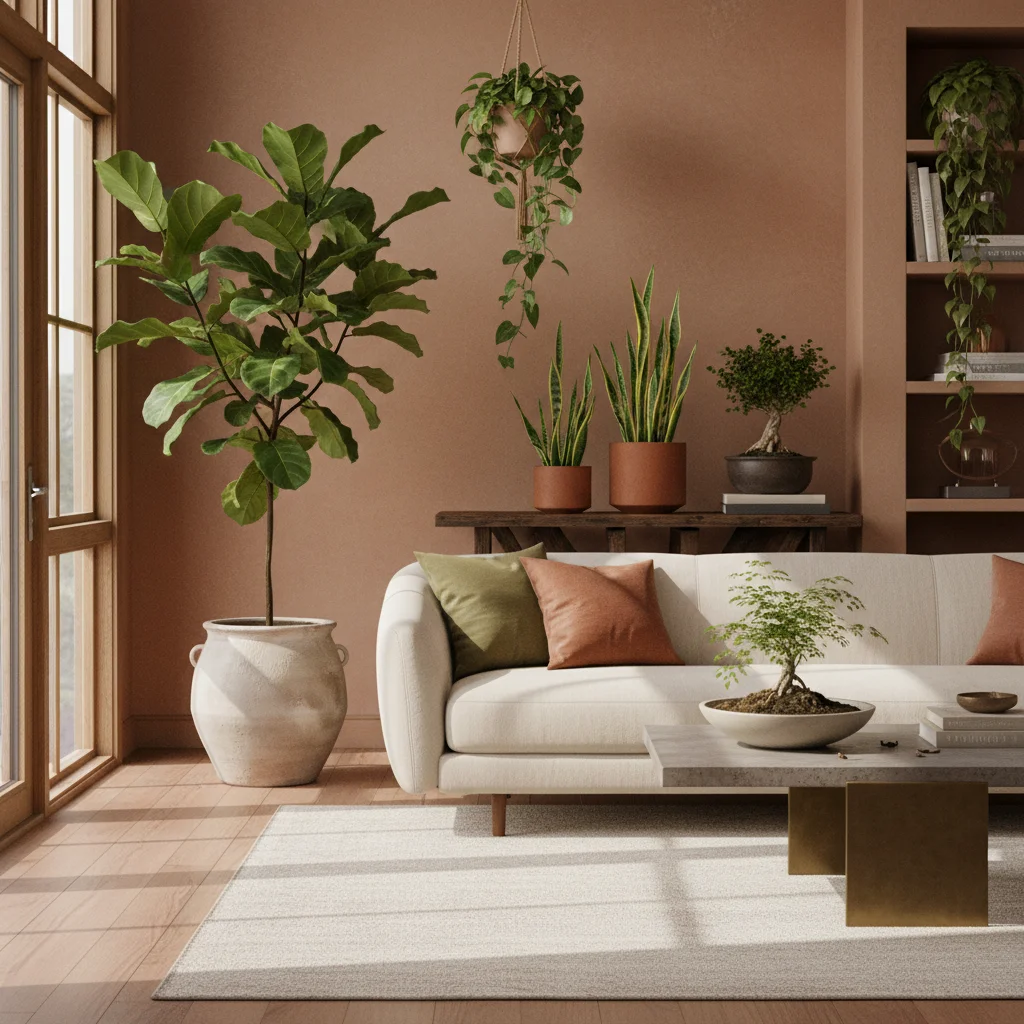
Why plants are a design material, not decoration
Interior designers treat plants the same way they treat furniture — as objects with color, scale, texture, and presence that define space. A tall fiddle leaf fig in the corner of a living room does the same spatial work as a floor lamp: it fills vertical space, creates a focal point, and draws the eye upward. A trailing pothos on a shelf creates the same layering effect as a row of books or a piece of art. The plant is not decoration on top of a design — it is an integral, living part of the design itself.
The difference between a room that looks professionally designed and one that does not often comes down to the thoughtful incorporation of greenery. Plants add the biological irregularity that softens hard architectural lines, the organic color variation that prevents a neutral palette from feeling static, and the undeniable sense of life that distinguishes a home from a hotel. This approach, often referred to as [biophilic design](/blog/biophilic-design-guide), integrates natural elements into the built environment, enhancing well-being and visual appeal. Studies show that incorporating biophilic elements can increase office worker productivity by 8% and enhance well-being by 13% – benefits that translate powerfully to residential spaces. Understanding which plants to use where — and at what scale — is one of the quickest ways to elevate a room from merely furnished to truly designed.
Plants also serve a crucial functional role. Beyond aesthetics, certain indoor plants can reduce airborne toxins by up to 87% within 24 hours, according to NASA studies. They contribute to improved air quality and humidity levels, creating a healthier indoor environment. When you're considering layout and flow, tools like an [AI furniture arrangement tool](/blog/ai-furniture-arrangement-tool) can help visualize how plants will fit into your space, ensuring they complement your overall design strategy rather than clutter it.
Statement floor plants: fiddle leaf fig, olive tree, and banana leaf
Three plants dominate professional interior photography because they are visually architectural at scale, capable of anchoring a room and commanding attention.
### The Iconic Fiddle Leaf Fig (Ficus lyrata)
The fiddle leaf fig (Ficus lyrata) is arguably the most iconic statement plant. Its broad, glossy, deeply veined leaves on a slender, often multi-branched trunk create a tropical sculpture that reads clearly from across a room. They thrive in bright indirect light, prefer consistent watering, and are famously sensitive to being moved – once you find its ideal spot, a place where it receives ample, diffused sunlight, it's best to leave it there to acclimatize and flourish. Their strong vertical presence makes them perfect for filling empty corners, balancing large furniture pieces, or defining zones in open-plan spaces. Think of it as a living art piece that grows with your home.
### The Mediterranean Olive Tree (Olea europaea)
The olive tree (Olea europaea) has emerged as the designer choice of the moment, offering a sophisticated alternative to the fiddle leaf fig. Valued for its silvery-gray, delicate foliage, gnarled trunks, and natural variation that signals authenticity, it brings a sense of ancient calm and European elegance. Olive trees are generally more forgiving than fiddle leaf figs, adapting well to various light conditions (though they still prefer bright light) and suiting minimalist, Mediterranean, and Japandi interiors equally. Their understated elegance and softer color palette make them excellent choices for spaces seeking a serene, organic feel.
### The Dramatic Bird of Paradise (Strelitzia)
For genuine presence and tropical drama, the bird of paradise (Strelitzia nicolai or reginae) offers the largest leaf surface area of any common indoor plant. Its enormous, paddle-shaped leaves create dramatic shadow patterns against walls and fill empty corners with an unmistakable sense of lushness. These plants evoke a resort-like atmosphere and are perfect for spacious living rooms or entryways that can accommodate their impressive scale. They prefer bright light and consistent moisture, rewarding their owners with magnificent, banana-like foliage and, occasionally, vibrant bird-shaped flowers in ideal conditions.
Mid-size plants: monstera, snake plant, and rubber tree
Mid-size plants are essential for bridging the gap between floor-level elements and higher shelves, adding volume and texture at eye level.
### The Sophisticated Monstera Deliciosa
The monstera deliciosa has become the design world standard for mid-size indoor plants. Its instantly recognizable split leaves (fenestrations) are synonymous with sophisticated, modern interiors. Monsteras grow confidently in moderate to bright indoor light, and while they read as aspirational, they are surprisingly unfussy. Place them beside a sofa, on a sturdy credenza, or in a bedroom corner to fill the crucial mid-height zone that so many rooms leave empty. Their sprawling habit adds an organic, almost sculptural quality, creating visual interest without overwhelming the space.
### The Indestructible Snake Plant (Dracaena trifasciata)
The snake plant (Dracaena trifasciata, formerly Sansevieria) deserves its status as one of the most used plants in commercial and residential interiors. Its vertical, architectural form works perfectly in narrow spaces – beside a front door, flanking a fireplace, between windows, or as a room divider. Its striking upright leaves provide a strong vertical line that contrasts beautifully with horizontal furniture. Crucially, the snake plant tolerates low light and irregular watering better than almost any other plant, making it an ideal choice for busy individuals or less-than-ideal growing conditions. It’s the definition of "set it and forget it" design.
### The Rich Rubber Tree (Ficus elastica)
The rubber tree (Ficus elastica) in its burgundy or dark green varieties offers deep, glossy color that effectively anchors a neutral room and ages beautifully. Its substantial leaves and sturdy upright growth habit make it a reliable choice for adding a touch of sophisticated greenery. Available in various sizes, a mid-sized rubber tree can sit on a plant stand, beside a desk, or in a well-lit corner. The dark foliage provides a striking contrast, especially in rooms with lighter walls or minimalist decor, adding depth and visual weight.
Trailing and shelf plants: pothos, string of pearls, and trailing tradescantia
Trailing plants serve a specific and invaluable design function: they bring shelves, bookcases, console tables, and elevated surfaces to life by spilling over edges and introducing organic movement.
### The Versatile Golden Pothos (Epipremnum aureum)
The golden pothos is the professional standard for trailing plants due to its incredible forgiving nature, fast-growing habit, and wide availability. Available in varieties from classic deep green to variegated cream-and-green, which suits brighter palettes, pothos is almost indestructible. It can thrive in a range of light conditions, from low to bright indirect, and tolerates occasional neglect. Drape it from high shelves, let it cascade from hanging planters, or even train it to climb up a wall for a lush, jungle-like effect. Its cheerful presence can instantly soften the hard lines of cabinetry or shelving.
### The Unique String of Pearls (Curio rowleyanus)
String of pearls (Curio rowleyanus) is the most visually distinctive trailing succulent, beloved for its bead-like foliage that creates an unusual and delicate texture when draped from a high shelf. Its unique form adds whimsical elegance, making it a favorite for bohemian or eclectic interiors. This plant requires excellent drainage and bright, indirect light to thrive, making it suitable for a sunny windowsill or a well-lit bathroom shelf. Its delicate tendrils can transform an ordinary space into something truly special.
### The Colorful Trailing Tradescantia
Trailing tradescantia — particularly the purple varieties like 'Nanouk' or 'Zebrina' — adds strong color contrast on shelves and reads beautifully in monochrome interiors where a pop of unexpected plant color is welcome. These vibrant plants are fast-growing and relatively easy to care for, thriving in bright indirect light which enhances their leaf coloration. Their striking hues make them excellent accent pieces, drawing the eye and adding dynamic energy to a display. They're particularly effective when combined with neutral ceramics or concrete planters to let their color truly shine.
Bathroom and kitchen plants: humidity-lovers
Bathrooms and kitchens present unique conditions for plants — typically higher humidity, temperature fluctuations, and variable light. These conditions actually open up possibilities unavailable elsewhere.
### Lush Ferns for the Bathroom Sanctuary
Ferns, particularly the Boston fern (Nephrolepis exaltata) and maidenhair fern (Adiantum capillus-veneris), thrive in bathroom humidity and bring a delicate, layered texture that no other plant category matches. Their feathery fronds evoke a lush, spa-like ambiance. Place them on a small pedestal near natural light, on a shelf above the toilet, or hanging in a corner for maximum impact. Other humidity-loving options include the ZZ plant (Zamioculcas zamiifolia) for its incredible resilience and air plants (Tillandsia) which require no soil and can be artfully arranged in decorative holders or even on shower caddies, making them perfect for smaller spaces.
### Culinary and Decorative Herbs for the Kitchen
In kitchens, a simple herb garden in matching ceramic pots functions as both a design element and a practical resource. Basil, rosemary, mint, and thyme kept on a sunny windowsill or under grow lights create an artisanal, curated aesthetic that tells a story about how the kitchen is used. The scent of fresh herbs also enhances the sensory experience of the space. For a more decorative touch, the monstera adansonii (Swiss Cheese Plant), a smaller relative of the classic monstera with more delicate split leaves, works beautifully on kitchen shelves, tolerating moderate light and the occasional miss on watering. Its trailing or climbing habit can soften the hard lines of kitchen cabinetry.
Matching plants to design styles
Every design aesthetic has corresponding plant choices that reinforce its visual language. Choosing the right plant is about harmonizing form, texture, and scale with the existing style.
### Minimalist and Japandi Interiors
Minimalist and Japandi spaces, characterized by clean lines, natural materials, and a focus on functionality, suit architectural specimens where individual form is clear and uncluttered. Think snake plants, slender olive trees, or a single sculptural cactus. These plants act as living sculptures, providing visual interest without introducing chaos. Their simple forms and muted colors complement the serene aesthetic. For a [Japandi aesthetic](/blog/best-interior-design-styles-2026), consider a bonsai tree or a simple bamboo arrangement to further emphasize tranquility and natural beauty.
### Bohemian and Eclectic Interiors
Bohemian and eclectic interiors, which celebrate global influences, texture, and a sense of layered abundance, embrace a mix of greenery. This style thrives on profusion: hanging planters brimming with pothos or string of pearls, a mix of large-leafed statements like monsteras, and small succulents on every available surface. The goal is to create a lush, layered quality that feels lived-in and organic. Varied foliage types, patterned pots, and macrame hangers all contribute to this rich, worldly aesthetic.
### Scandinavian Interiors
Scandinavian interiors pair naturally with simple, structural plants in neutral ceramic pots. The focus here is on natural light, clean lines, and a cozy yet uncluttered feel. A fiddle leaf fig in a matte white pot, a small olive tree in terra cotta, or a group of small succulents in minimalist gray planters work perfectly. The key is no excess – each plant is chosen for its clear form and ability to enhance the light and airy feel of the room without competing for attention.
### Industrial Interiors
Industrial interiors, with their raw exposed brick, concrete, and metal, benefit greatly from the softening effect of large tropicals. Robust plants in metal, concrete, or distressed ceramic planters can soften the harshness of the urban aesthetic. Tall bird of paradise plants, large rubber trees, or imposing ZZ plants add an organic counterpoint to the rawness of exposed materials. The contrast between the living plant and the industrial backdrop creates a dynamic and appealing visual tension.
### Mid-Century Modern Interiors
Mid-century modern homes often feature clean lines, organic shapes, and a connection to nature. Plants that echo these forms, such as the sculptural fiddle leaf fig, the striking bird of paradise, or the elegant parlor palm, are excellent choices. Paired with iconic planters from the era, these plants enhance the sophisticated yet natural vibe. A cluster of small succulents or cacti in a modernist ceramic bowl can also complement this timeless style.
Understanding your interior aesthetic and selecting plants whose form, scale, and container aesthetic reinforce it — rather than contradict it — is the professional designer approach. You can even use AI tools like Habitas to visualize these different plant options in your actual room photos, ensuring perfect synergy before you make a purchase. This iterative approach allows you to experiment with different plant types and arrangements, finding the ideal green companions for your space.
The Art of the Container: Choosing the Right Pot
The pot is not merely a vessel; it is an extension of the plant and an integral part of your interior design. A designer knows that an ill-suited pot can detract from even the most magnificent plant. When selecting containers, consider material, color, and scale.
- **Material:** Ceramic, terra cotta, concrete, metal, and woven baskets all convey different moods. Terra cotta offers a rustic, earthy feel, ideal for Mediterranean or bohemian styles. Sleek ceramic or concrete pots lend themselves to modern, minimalist, or Japandi aesthetics. Woven baskets add texture and warmth, perfect for a cozier, more eclectic look. - **Color:** The pot's color should complement your room's palette. Neutrals like white, grey, or black are safe bets that let the plant's natural beauty shine. However, a carefully chosen pop of color can become a deliberate design statement, especially with a [color drenching technique](/blog/color-drenching-technique) or to echo an accent color in the room. - **Scale:** Ensure the pot is proportionate to both the plant and the space it occupies. A massive plant in a tiny pot looks top-heavy and unstable, while a small plant in an oversized pot can look lost. For larger floor plants, choose a substantial pot that provides stability and visual weight. For shelf plants, consider grouping smaller pots of varying heights and textures for a dynamic display.
The global indoor plant market is projected to reach over $35 billion by 2027, highlighting a growing appreciation for the holistic value plants bring to our living spaces, from the foliage to the vessel.
Understanding Light: The Foundation of Plant Success
No matter how perfectly a plant fits your aesthetic, it won't thrive without adequate light. Light is a plant's food, and understanding your home's light conditions is paramount to successful plant parenting and design.
- **Bright Indirect Light:** This is the sweet spot for most popular indoor plants like Fiddle Leaf Figs, Monsteras, and Birds of Paradise. It means placing them near a sunny window (south or west-facing) where the sun's rays don't directly hit the leaves for prolonged periods, or filtering direct light with sheer curtains. - **Moderate Light:** Many plants, including Pothos and Rubber Trees, can tolerate moderate light, meaning a spot a few feet away from a bright window or in an east-facing window. - **Low Light:** While no plant truly _thrives_ in darkness, some like the Snake Plant and ZZ Plant can _survive_ and even do surprisingly well in lower light conditions, making them perfect for hallways, bathrooms without windows, or shadier corners.
Assess your space by observing how light shifts throughout the day. This critical step informs not only which plants you can successfully grow but also where they can be placed to maximize both their health and their visual impact.
Beyond Aesthetics: The Health & Wellness Benefits
While the visual impact of plants in interior design is undeniable, their contribution extends far beyond mere aesthetics. Integrating plants into your home is a tangible investment in your health and well-being. This practice is strongly tied to biophilia, the innate human tendency to connect with nature.
- **Improved Air Quality:** As mentioned earlier, plants act as natural air purifiers, absorbing common airborne toxins and releasing oxygen. This can lead to reduced headaches, improved concentration, and a general sense of refreshed air. - **Stress Reduction:** Studies have shown that interacting with plants and being in green spaces can lower blood pressure, reduce muscle tension, and decrease feelings of anxiety. Simply seeing greenery can have a calming effect, transforming a sterile environment into a tranquil sanctuary. - **Enhanced Mood and Productivity:** The presence of nature has been linked to increased positive emotions and improved cognitive performance. For those working from home, a strategically placed plant can boost creativity and focus. - **Increased Humidity:** Especially in dry climates or during winter months with indoor heating, plants release moisture into the air through transpiration, naturally increasing humidity levels, which can be beneficial for skin and respiratory health.
Homes staged with plants and other decor elements often sell up to 9% faster and for 3-5% more than unstaged properties, a testament to the powerful, tangible value plants add by making a space feel healthier, more inviting, and alive.
---
Frequently Asked Questions
### What are the best low-maintenance plants for beginners?
For beginners or those with a busy lifestyle, several plants offer high design impact with minimal care. The Snake Plant (Dracaena trifasciata) is incredibly resilient, tolerating low light and infrequent watering. The ZZ Plant (Zamioculcas zamiifolia) is another robust choice, thriving on neglect. Pothos varieties are fast-growing and forgiving, adapting to various light conditions and bouncing back easily from missed waterings. These plants allow you to introduce greenery into your design without the stress of demanding care routines.
### How do I choose the right size plant for my room?
Choosing the right size plant is crucial for aesthetic balance. For large, open spaces like living rooms, consider statement floor plants (Fiddle Leaf Fig, Olive Tree, Bird of Paradise) that can fill vertical space and become a focal point. For shelves, windowsills, or side tables, opt for mid-size plants like a Monstera or smaller trailing varieties. Always consider the plant's mature size and ensure it won't outgrow its designated spot too quickly. A good rule of thumb is to allow for about 1-2 feet of clearance around larger plants.
### Can I use artificial plants in my interior design?
Yes, artificial plants have come a long way in terms of realism and can be an excellent option for areas with insufficient light, high traffic, or for individuals who travel frequently. High-quality faux plants, especially large statement pieces or trailing varieties, can provide the same visual texture and color without the maintenance. The key is to invest in realistic-looking specimens with good quality foliage and trunks, and to place them thoughtfully, perhaps interspersing them with real plants where possible.
### How often should I water my indoor plants?
Watering frequency depends heavily on the plant type, pot size, soil, humidity, and light conditions. A general rule is to check the top inch or two of soil; if it feels dry, it's likely time to water. Succulents and cacti prefer to dry out completely between waterings, while tropical plants like ferns or monsteras prefer consistently moist (but not soggy) soil. Always ensure your pots have drainage holes to prevent root rot. Err on the side of underwatering rather than overwatering, as it's easier to revive a thirsty plant than an overwatered one.
### What are common mistakes when decorating with plants?
One common mistake is treating plants as mere accessories rather than integral design elements, resulting in haphazard placement. Another error is neglecting the plant's needs; a struggling, yellowing plant detracts from any design. Overcrowding a space with too many small plants can also create clutter rather than cohesion. Finally, ignoring the pot's aesthetic is a frequent oversight; a beautiful plant in a plain plastic nursery pot will never achieve its full design potential. Always consider the plant's health, its container, and its visual relationship to the rest of the room.