Diseño Minimalista para el Hogar: Tu Guía Completa para una Vida Serena
Descubre el diseño de interiores minimalista. Aprende sus principios clave, pasos prácticos y cómo evitar errores comunes para crear espacios hermosos, funcionales y profundamente serenos que se sientan completos.
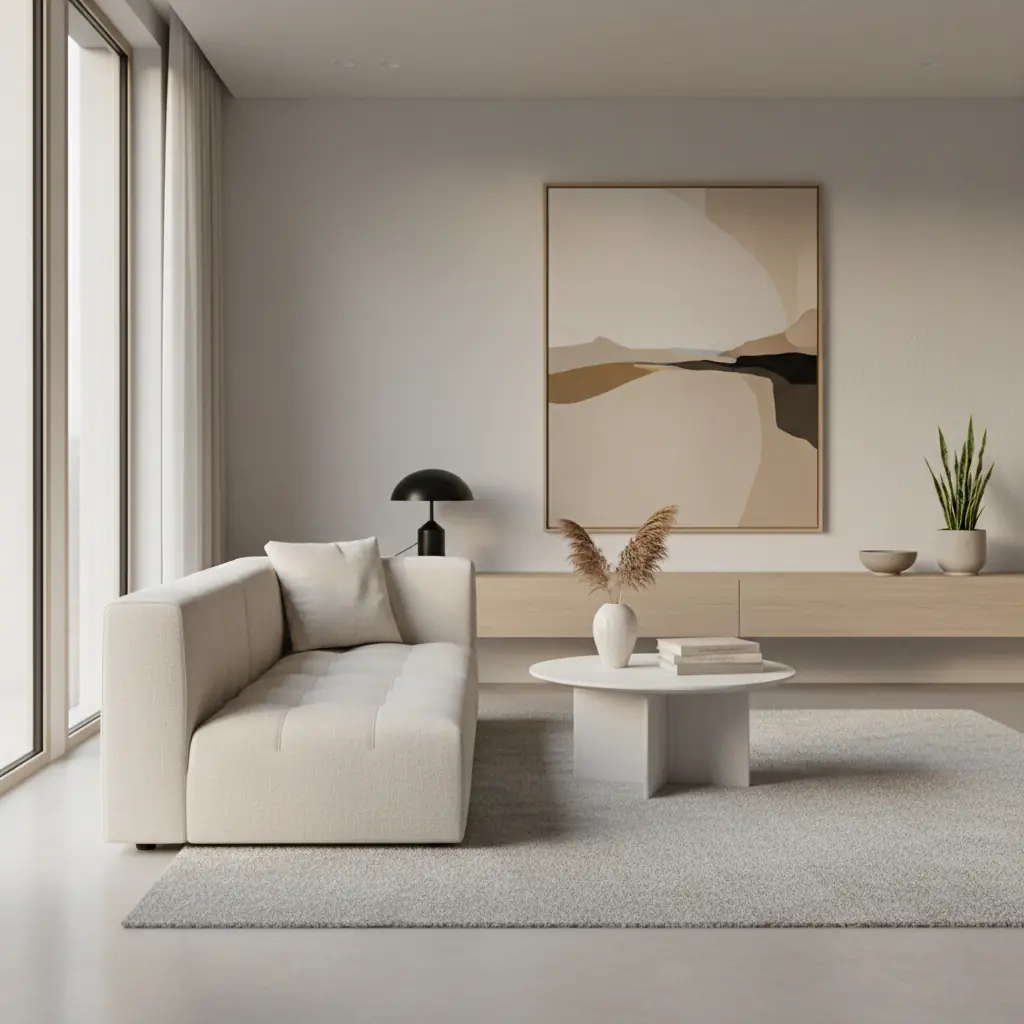
El minimalismo no se trata de tener menos, sino de tener lo suficiente
La mayor idea errónea sobre el diseño minimalista es que significa habitaciones vacías sin personalidad, desprovistas de color o calidez. El minimalismo real está lejos de ser austero; se trata de una selección intencional: elegir menos cosas, pero que cada una aporte un valor genuino, alegría o cumpla un propósito claro. Se trata de crear un entorno donde cada elemento sea apreciado, donde el desorden visual se reduzca y donde el enfoque cambie de la acumulación a la apreciación. ¿El resultado? Una habitación que se siente completa, coherente y profundamente personal, no escasa ni inacabada.
Un hogar minimalista bien diseñado es cálido, funcional y profundamente personal. Simplemente no tiene treinta objetos donde cinco serían suficientes. Prioriza la claridad, la funcionalidad y la calma, ofreciendo un santuario del mundo sobreestimulante exterior.
¿Por qué adoptar el minimalismo más allá de la estética?
Si bien el atractivo estético de un espacio limpio y despejado es innegable, los beneficios de vivir de forma minimalista van mucho más allá de la belleza superficial. Adoptar el minimalismo en el diseño de tu hogar puede impactar significativamente tu bienestar mental, productividad e incluso tu salud financiera.
En primer lugar, un entorno despejado a menudo conduce a una mente despejada. Estudios demuestran que los espacios caóticos o excesivamente desordenados pueden aumentar los niveles de estrés y ansiedad. Por el contrario, un hogar optimizado promueve una sensación de paz y calma, permitiendo una mayor concentración y relajación. Por ejemplo, investigaciones sugieren que los espacios minimalistas y despejados pueden reducir los niveles de estrés entre un 15 y un 20% y mejorar el enfoque cognitivo. Cuando tus ojos no están constantemente buscando objetos extraviados o abrumados por el ruido visual, tu cerebro tiene más capacidad para descansar y rejuvenecer.
En segundo lugar, el diseño minimalista fomenta naturalmente la funcionalidad. Al seleccionar intencionalmente menos artículos, pero de mayor calidad, te aseguras de que todo en tu hogar tenga un propósito. Este enfoque a menudo conduce a un uso más eficiente del espacio, una mejor organización y un hogar que realmente apoya tus rutinas diarias. Imagina una cocina donde cada utensilio tiene su lugar, o una sala de estar donde los asientos son cómodos y propicios para la conversación, libres de baratijas que distraen. En promedio, una sesión de limpieza profunda puede reducir los artículos del hogar entre un 30 y un 40%, lo que lleva a una reducción reportada del 20% en el tiempo dedicado a las tareas diarias como limpiar y ordenar.
Finalmente, el minimalismo promueve el consumo consciente. En lugar de compras impulsivas o acumulación de tendencias pasajeras, inviertes en piezas duraderas, atemporales y verdaderamente amadas. Esto no solo lleva a un hogar más refinado, sino que también reduce el desperdicio y puede ahorrar dinero a largo plazo. Cambia el enfoque de la cantidad a la calidad, lo cual es un principio fundamental que exploraremos más a fondo.
Empieza con la Sustracción: El Paso Fundamental del Diseño Minimalista
Antes de comprar un solo artículo minimalista, el paso más poderoso y transformador que puedes dar es eliminar cosas. Esta purga inicial a menudo se denomina "edición" y es la piedra angular del verdadero diseño minimalista. Es gratuita, inmediata y crea la base limpia que el estilo minimalista requiere. Piénsalo como limpiar el lienzo antes de empezar a pintar.
Retira todo de tus superficies: mesas de centro, estanterías, cómodas, encimeras de cocina. Vacía tus estantes y alacenas. Quita el arte o las decoraciones de tus paredes. Vive con este espacio vacío y limpio durante una semana. Presta atención a cómo se siente. ¿Qué echas de menos de verdad? ¿Qué artículos necesitas realmente para la función diaria o la alegría? La mayoría de la gente descubre que extraña muy poco, y este ejercicio proporciona una profunda comprensión de lo que realmente importa en su hogar.
### ¿Cómo Abordar el Despeje de Forma Efectiva?
Despejar puede sentirse abrumador, especialmente si has acumulado posesiones durante años. Aquí te presentamos un enfoque estructurado para hacerlo manejable:
1. **Trabaja Zona por Zona**: No intentes abordar toda tu casa a la vez. Comienza con una sola habitación, o incluso solo un solo cajón o superficie. Esto evita que la tarea se vuelva demasiado desalentadora. 2. **El Método de las "Cuatro Cajas"**: Para cada artículo, pregúntate: - **Conservar**: ¿Este artículo cumple un propósito claro o me trae alegría genuina? ¿Es una pieza de alta calidad que me encanta? - **Donar/Vender**: ¿Está en buenas condiciones pero ya no lo necesito? ¿Podría beneficiarse otra persona de él? - **Desechar/Reciclar**: ¿Está roto, desgastado o ya no es funcional? - **Reubicar**: ¿Pertenece a otra habitación? 3. **Sé Implacable pero Realista**: El minimalismo no se trata de privación. Si un artículo es verdaderamente esencial o profundamente sentimental, consérvalo. Sin embargo, desafíate a soltar los artículos "por si acaso", los duplicados o las cosas que guardas por culpa. Recuerda, estás curando tu espacio, no vaciándolo. 4. **Digitaliza Siempre que Sea Posible**: Papeles, fotos y documentos antiguos a menudo se pueden escanear y almacenar digitalmente, liberando un valioso espacio físico. 5. **Concéntrate en las Superficies Horizontales**: Estas son a menudo el mayor imán para el desorden. Limpiarlas crea un impacto visual inmediato y una sensación de calma.
Este proceso de "edición" no es solo ordenar; es un profundo acto de autodescubrimiento. Al soltar lo superfluo, haces espacio para lo que realmente mejora tu vida y tu entorno vital. Para ver el poder transformador de esta edición inicial, explora conceptos como las transformaciones de habitaciones antes y después, que ilustran vívidamente el impacto de la sustracción en el diseño. Puedes encontrar inspiración y orientación sobre este proceso en guías como nuestra [guía de transformación de habitaciones antes y después](/blog/before-after-room-transformation-guide).
Calidad sobre Cantidad: Una Inversión en Tu Estilo de Vida
En una habitación maximalista, las piezas baratas o de baja calidad a menudo pueden esconderse entre muchas. En una habitación minimalista, cada pieza es visible, atrayendo la atención a su forma, material y artesanía. Esto significa que la calidad importa más que nunca. Una silla hermosa y bien elaborada vale diez mediocres que se desgastan rápidamente. Una manta lujosa y bien hecha supera a cinco mantas finas y ásperas.
Invertir en calidad significa elegir artículos duraderos, bien diseñados y fabricados con buenos materiales. Estas piezas no solo lucen mejor, sino que también duran más, reduciendo la necesidad de reemplazos frecuentes y alineándose con los principios de vida sostenible. Invertir en muebles de alta calidad puede extender su vida útil hasta en un 50-70% en comparación con las alternativas de "muebles rápidos", convirtiéndolo en una opción más ecológica y económica a largo plazo.
Invierte principalmente en las piezas con las que interactúas a diario: tu sofá, tu mesa de comedor, tu cama. Estos son los anclajes de tu espacio; definen cómo experimentas tu hogar y resisten el mayor desgaste. Un sofá cómodo y bien construido puede ser una herencia apreciada, mientras que uno endeble restará rápidamente valor a tu estética minimalista. Todo lo demás puede ser simple, funcional y cuidadosamente elegido.
### ¿Qué Materiales Definen una Estética Minimalista?
La elección de materiales es crucial en el diseño minimalista. Los materiales naturales, táctiles y auténticos contribuyen a la calidez y autenticidad de un espacio minimalista. Busca:
- **Madera**: Maderas claras como roble, arce o abedul para una sensación escandinava; maderas más oscuras como nogal para un toque de sofisticación. La madera aporta calidez y textura orgánica. - **Piedra**: Mármol, granito o concreto (a menudo pulido para mayor refinamiento) añaden una sensación de permanencia y líneas frías y limpias. Explora el atractivo versátil del [concreto en el diseño de interiores](/blog/concrete-in-interior-design) para espacios minimalistas modernos. - **Metales**: Acero cepillado, hierro negro mate o sutiles acentos de latón pueden introducir un toque industrial o de elegancia sin ser ostentosos. - **Textiles Naturales**: Lino, algodón, lana y yute proporcionan suavidad, textura y absorben el sonido, haciendo que las habitaciones se sientan más acogedoras. - **Vidrio**: El vidrio transparente mantiene los espacios abiertos y ventilados, a menudo utilizado para mesas o elementos decorativos.
Estos materiales, a menudo dejados en su estado natural o con acabados mínimos, enfatizan su belleza inherente y contribuyen a la sensación de calma y autenticidad de un hogar minimalista.
El Papel Indispensable de la Textura en los Espacios Minimalistas
Si bien las paletas de colores pueden ser sobrias, las habitaciones minimalistas necesitan textura para sentirse vivas y acogedoras. Sin contraste de texturas, el minimalismo puede volverse estéril, frío e inabordable. La textura es el arma secreta para añadir profundidad y personalidad sin generar desorden.
Imagina un piso de concreto, que puede sentirse austero por sí solo. Ahora añade una alfombra de lana suave, y de repente la habitación gana calidez y una sensación de arraigo. Una vasta pared blanca, aunque limpia, puede sentirse plana; pero cúbrela con una cortina de lino fluida, y se transforma, atrapando la luz y añadiendo una dimensión suave y orgánica. Una mesa de mármol lisa podría parecer fría hasta que se combina con un jarrón de cerámica artesanal o un individual tejido.
Superpone texturas dentro de la misma familia de colores o dentro de una paleta sobria (lino blanco, lana crema, piedra natural, madera clara, cerámica mate) para crear riqueza e interés visual a través de la variación táctil en lugar del color vibrante. Esta técnica permite que tus ojos aprecien las sutiles diferencias en el material y el acabado, haciendo que el espacio se sienta lujoso y cuidadosamente curado. Piensa en combinar una manta de punto grueso con tapicería de cuero suave, o una lámpara de metal elegante con una mesa auxiliar de madera rústica. Cada elemento añade una capa sensorial, invitando al tacto y atrayendo la vista sin añadir ruido visual. Para saber más sobre cómo crear profundidad en monocromo, consulta nuestra guía sobre [all-white-room-design-tips](/blog/all-white-room-design-tips).
Más Allá del Blanco: Creando Tu Paleta de Colores Minimalista
El mito de que los hogares minimalistas deben ser completamente blancos es persistente pero inexacto. Si bien el blanco, el blanco roto y los neutros claros son fundamentales para muchos diseños minimalistas, no son las únicas opciones. Un espacio minimalista verdaderamente cautivador a menudo incorpora uno o dos tonos tenues o acentos estratégicos para añadir calidez, profundidad y personalidad.
Piensa en una paleta de neutros cálidos: grises suaves, beiges delicados, marrones terrosos o incluso verdes y azules tenues inspirados en la naturaleza. Estos colores pueden crear un telón de fondo calmante que se siente acogedor y sereno. Por ejemplo, una sala de estar con paredes blancas cremosas podría incluir un sofá gris carbón y acentos de madera natural, creando un aspecto equilibrado y sofisticado.
El uso estratégico de tonos más oscuros también puede realzar un esquema minimalista. Una única pared de acento negra puede anclar un espacio y proporcionar un punto focal dramático sin abrumar la simplicidad de la habitación. Se trata de consideración cuidadosa y contención. Utilizar herramientas como un [generador de paletas de colores con IA](/blog/ai-color-palette-generator) puede ayudarte a explorar combinaciones de colores armoniosas que se alineen con los principios minimalistas y visualizarlas en tu espacio antes de comprometerte.
Muebles con Propósito: Selección y Distribución de Piezas
En un hogar minimalista, cada mueble se gana su lugar. Esto significa elegir elementos que no solo sean estéticamente agradables, sino también altamente funcionales, bien proporcionados y complementarios al diseño general.
- **Escala y Proporción**: Evita los muebles que sean demasiado pequeños o demasiado grandes para la habitación. Menos piezas deben estar adecuadamente dimensionadas para el espacio, creando una sensación de equilibrio y fluidez. Un sofá grande y cómodo podría ser perfecto para una sala de estar, mientras que una versión más pequeña y elegante sería adecuada para un apartamento compacto. - **Líneas Limpias**: El mobiliario minimalista suele presentar líneas limpias y sencillas, a menudo sin ornamentación excesiva. Este diseño atemporal asegura que las piezas se integren a la perfección en el espacio y no compitan por la atención. - **Piezas Multifuncionales**: Especialmente en hogares pequeños, los muebles multifuncionales son el mejor amigo de un minimalista. Piensa en otomanas con almacenamiento, sofás cama o mesas de comedor que se puedan extender. - **Espacio Negativo**: Tan importante como el mobiliario en sí es el espacio _alrededor_ de él. Permite que el amplio espacio negativo (áreas vacías) respire. Esto evita que la habitación se sienta abarrotada y resalta la belleza de cada pieza individual. El uso de una [herramienta de organización de muebles con IA](/blog/ai-furniture-arrangement-tool) puede ser increíblemente útil aquí, permitiéndote experimentar con diferentes distribuciones y asegurar un flujo óptimo y espacio negativo antes de mover cualquier elemento físico.
Iluminando Tu Hogar Minimalista: El Poder de la Luz
La iluminación a menudo se pasa por alto, pero juega un papel fundamental en el diseño de interiores minimalista, influyendo en el estado de ánimo, la funcionalidad y la percepción del espacio.
- **Maximiza la Luz Natural**: Aprovecha al máximo la luz natural. Mantén las ventanas mínimamente vestidas con cortinas transparentes o persianas que se puedan abrir por completo. La luz natural hace que una habitación se sienta más grande, más abierta y conecta el interior con el mundo exterior. - **Iluminación Artificial Estratégica**: Superpone tu iluminación artificial para crear profundidad y versatilidad. - **Iluminación Ambiental**: Proporciona iluminación general, a menudo de luces empotradas, apliques de techo o lámparas generales. - **Iluminación de Tarea**: Esencial para actividades específicas como leer o cocinar. Piensa en luces colgantes sobre una isla de cocina o una lámpara de lectura focalizada junto a un sofá. - **Iluminación de Acento**: Resalta características arquitectónicas específicas, obras de arte o texturas, añadiendo interés visual y calidez. Esto podría incluir focos o apliques de pared.
En un espacio minimalista, los accesorios de iluminación pueden ser elementos escultóricos en sí mismos, elegidos por sus líneas limpias y formas simples. Evita las lámparas de araña excesivamente ornamentadas o las lámparas que resten valor a la estética minimalista.
Integrando Personalidad: Arte, Plantas y Objetos Significativos
Una idea errónea común es que los hogares minimalistas carecen de personalidad. Nada más lejos de la realidad. Si bien la cantidad de elementos decorativos se reduce, el impacto de cada pieza elegida se amplifica. Esto permite expresiones muy deliberadas de personalidad y pasión.
- **Arte Curado**: En lugar de una pared de galería llena de muchas piezas pequeñas, opta por una o dos obras de arte impactantes que resuenen profundamente contigo. Una pintura abstracta a gran escala, una llamativa impresión fotográfica o una escultura pueden servir como un potente punto focal sin abarrotar el espacio. - **Verde Vivo**: Las plantas son el mejor amigo de un minimalista. Introducen formas orgánicas, texturas naturales y un toque de vida vibrante sin añadir ruido visual. Plantas grandes y esculturales como un Ficus Lyrata o una Sansevieria pueden realzar dramáticamente la estética de una habitación y contribuir a una mejor calidad del aire. Elige maceteros simples y elegantes que complementen la planta y la paleta de la habitación. Descubre las [mejores plantas para diseño de interiores](/blog/best-plants-for-interior-design) que prosperan en entornos minimalistas. - **Objetos Significativos**: Aquí es donde brilla la verdadera personalidad. Exhibe un puñado de objetos que tengan valor sentimental, evoquen hermosos recuerdos o te inspiren. Esto podría ser una pieza de cerámica única de un viaje, un reloj antiguo transmitido por generaciones o una colección de libros bellamente encuadernados. La clave es exhibirlos con intención, permitiendo que cada artículo tenga espacio para ser admirado.
Al seleccionar y colocar cuidadosamente estos elementos, tu hogar minimalista cuenta tu historia y refleja tu esencia, demostrando que menos puede, de hecho, revelar más.
Errores Comunes a Evitar en Tu Viaje Minimalista
Embarcarse en un viaje de diseño minimalista es emocionante, pero es fácil caer en trampas comunes que pueden hacer que tu espacio se sienta frío o inacabado en lugar de sereno y sofisticado.
- **Todo completamente blanco**: Como se discutió, el minimalismo no significa incoloro. Si bien el blanco es una base fantástica, depender únicamente de él puede hacer que una habitación se sienta estéril, clínica o incluso plana. Introduce uno o dos tonos tenues o neutros cálidos, y recuerda que la textura es clave para añadir profundidad a las paletas monocromáticas. - **Muebles demasiado pequeños para la habitación**: Menos piezas deben tener una escala adecuada, no ser miniaturas. Los muebles de tamaño insuficiente pueden hacer que una habitación se sienta incómoda y desconectada. En su lugar, invierte en piezas sustanciales que dominen su espacio sin abrumarlo. - **Sin elementos suaves**: Las superficies duras sin textiles se sienten institucionales, lo que evoca el error clínico. Incorpora mantas, alfombras, cojines y cortinas hechas de telas naturales y texturizadas para añadir calidez, comodidad y suavidad acústica. - **Falta de almacenamiento**: El minimalismo no se trata de tirar todo; se trata de soluciones de almacenamiento inteligentes. Sin un almacenamiento adecuado y oculto, las superficies se abarrotan rápidamente, lo que frustra el propósito del diseño minimalista. Los gabinetes empotrados, los estantes cerrados elegantes y los muebles con almacenamiento integrado son excelentes inversiones. - **Ignorar el poder de la luz**: Una habitación minimalista sin una iluminación pensada puede sentirse apagada o poco acogedora. Maximiza la luz natural e incorpora iluminación artificial en capas (ambiental, de tarea, de acento) para crear ambiente, resaltar características y asegurar la funcionalidad. - **Ausencia de toques personales**: Un hogar debe reflejar a sus habitantes. Los espacios demasiado despojados pueden sentirse genéricos y sin alma. Integra arte, plantas y objetos significativos cuidadosamente elegidos que cuenten tu historia.
La mejor manera de encontrar tu equilibrio minimalista único y evitar estos errores es visualizándolo. Sube tu habitación a Habitas y prueba Modern Minimal, Scandinavian o Japandi; cada estilo ofrece un sabor diferente de minimalismo adaptado a tu espacio. Puedes ver instantáneamente cómo interactúan varios elementos de diseño, ayudándote a tomar decisiones informadas sobre la estética de tu hogar.
Manteniendo Tu Santuario Minimalista: Hábitos Continuos
Lograr un hogar minimalista es un logro, pero mantenerlo es una práctica continua. La filosofía se extiende más allá de la fase de diseño inicial hacia hábitos diarios que ayudan a mantener tu espacio armonioso y libre de desorden.
- **Regla de "Uno Entra, Uno Sale"**: Por cada artículo nuevo que traigas a tu hogar (un nuevo libro, una nueva prenda de vestir, un nuevo objeto decorativo), comprométete a deshacerte de uno existente. Esta sencilla regla evita la acumulación. - **Orden Diario**: Dedica de 10 a 15 minutos cada día a ordenar. Vuelve a colocar los artículos en sus lugares designados, limpia las superficies y restablece las principales áreas de estar. Este pequeño esfuerzo evita limpiezas importantes y evita que se acumule el desorden. - **Purgas Regulares**: Incluso con las mejores intenciones, el desorden puede volver. Programa una "mini-edición" estacional o trimestral para reevaluar tus pertenencias y deshacerte de cualquier cosa que ya no cumpla un propósito o no te brinde alegría. - **Consumo Consciente**: Antes de realizar una compra, haz una pausa y considera si el artículo es realmente necesario, si es de alta calidad y si se integra a la perfección en tu estética minimalista. Este enfoque consciente te ayuda a resistir las compras impulsivas y las presiones externas.
Al integrar estos hábitos, tu hogar minimalista permanece como una fuente de calma y claridad, un verdadero reflejo de una vida intencional.
Visualiza Tu Sueño Minimalista con Habitas
El viaje hacia un hogar minimalista es profundamente personal y puede ser increíblemente gratificante. Se trata de diseñar un espacio que apoye tu vida, reduzca el estrés y refleje tus valores. Si bien los principios proporcionan una base sólida, ver cómo estos conceptos se traducen en tu entorno específico puede ser un desafío.
Aquí es donde entra Habitas. Nuestra plataforma de diseño de interiores impulsada por IA te permite visualizar sin esfuerzo diferentes estilos minimalistas y opciones de diseño dentro de tu habitación real. Imagina ver instantáneamente tu sala de estar transformada con muebles inspirados en el estilo Japandi, o experimentar con varias paletas de colores neutros y texturas en tus paredes y pisos. Herramientas como Habitas te permiten experimentar con diferentes estilos y distribuciones minimalistas en las fotos reales de tu habitación, proporcionando retroalimentación visual instantánea y ayudándote a tomar decisiones de diseño con confianza. Los usuarios de Habitas reportan un ahorro promedio de 4 a 6 semanas en la fase de planificación del diseño en comparación con los métodos tradicionales, con renderizados de IA a menudo generados en menos de 60 segundos. Esta capacidad te ahorra tiempo y dinero, eliminando errores costosos y asegurando que estés completamente satisfecho con tu diseño antes de realizar cualquier compra o compromiso. Explora cómo [el diseño de interiores con IA funciona](/blog/ai-interior-design-how-it-works) para revolucionar la planificación de tu hogar.
Ya sea que te atraigan las líneas limpias del Modern Minimal, la cálida simplicidad del Scandinavian o el sereno equilibrio del Japandi, Habitas ofrece una oportunidad única para explorar, refinar y dar vida a tu visión minimalista con una facilidad y precisión inigualables.
Preguntas Frecuentes
### ¿Cuáles son los principios fundamentales del diseño de interiores minimalista?
Los principios fundamentales del diseño de interiores minimalista giran en torno a la intencionalidad, la funcionalidad y la claridad. Esto significa priorizar "lo suficiente" sobre "más", despejar a fondo para crear espacio abierto, adoptar líneas limpias y formas simples en los muebles, elegir calidad sobre cantidad, y usar una paleta de colores sobria a menudo realzada por texturas variadas. El objetivo es crear espacios serenos y funcionales que promuevan la calma y reduzcan el ruido visual, donde cada elemento cumple un propósito o aporta alegría.
### ¿Puede el diseño minimalista ser colorido?
¡Absolutamente! Aunque a menudo se asocia con paletas neutras, el diseño minimalista ciertamente puede incorporar color. La clave es usar el color de forma intencional y con moderación. En lugar de tonos vibrantes y chocantes, concéntrate en tonos apagados, matices terrosos, o uno o dos colores de acento cuidadosamente elegidos. Estos podrían ser un verde bosque profundo, un azul empolvado suave o un terracota cálido, utilizados en elementos como una pared de acento, una pieza de mobiliario o textiles. El objetivo es añadir personalidad y calidez sin abrumar la estética limpia.
### ¿Cómo añado calidez a un espacio minimalista?
Añadir calidez a un espacio minimalista es crucial para evitar que se sienta frío o austero. Concéntrate en integrar materiales naturales como madera, lana, lino y cerámica. La superposición de diferentes texturas dentro de una familia de colores similar crea profundidad e interés visual. Incorpora iluminación suave de varias fuentes (ambiental, de tarea, de acento) y utiliza neutros de tonos cálidos (como crema, beige o gris suave) para tu paleta principal. Finalmente, introduce plantas vivas y algunos objetos personales significativos y cuidadosamente elegidos para infundir el espacio con vida y personalidad.
### ¿Es el diseño minimalista adecuado para familias con niños?
Sí, el diseño minimalista puede ser muy adecuado para familias con niños, y en algunos aspectos, incluso más práctico. Fomenta superficies y muebles duraderos y fáciles de limpiar, y prioriza el almacenamiento eficiente y oculto para juguetes y pertenencias. Menos artículos significan menos que ordenar y limpiar, lo que potencialmente reduce el estrés para los padres. El enfoque en el espacio abierto proporciona más lugar para jugar, mientras que un ambiente tranquilo puede ser beneficioso para todos. La clave es elegir materiales aptos para niños e integrar soluciones de almacenamiento inteligentes de forma fluida en el diseño.
### ¿Cuál es la diferencia entre el minimalismo y el diseño escandinavo?
El minimalismo es una filosofía de diseño más amplia centrada en la simplicidad, la funcionalidad y vivir solo con lo esencial. El diseño escandinavo es un estilo específico que a menudo encarna muchos principios minimalistas, pero tiene sus propias características distintivas. El diseño escandinavo típicamente presenta tonos de madera clara (como abedul o pino), un énfasis en la luz natural, muebles funcionales con formas orgánicas y una atmósfera acogedora e invitante conocida como 'hygge'. Si bien ambos comparten líneas limpias y espacios despejados, el diseño escandinavo a menudo se siente intrínsecamente más cálido y rústico-moderno debido a su paleta de materiales específica y su énfasis cultural en la comodidad y el bienestar.