Dominando el Diseño de Habitaciones Orientadas al Norte: Colores, Iluminación y Distribución para Aportar Calidez
Aprovecha al máximo una habitación orientada al norte con los colores de pintura, la configuración de iluminación y la disposición de muebles adecuados.
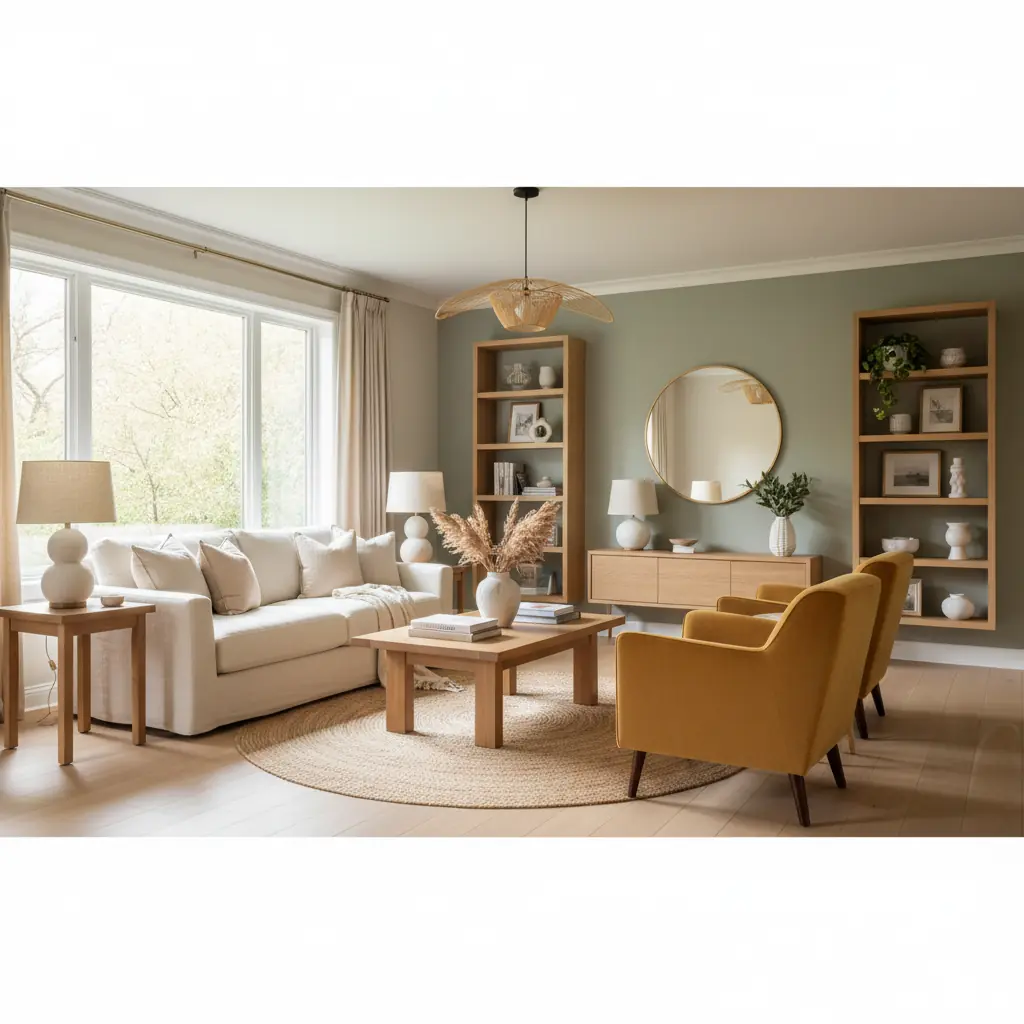
Comprendiendo la Luz de Orientación Norte: La Base de Tu Diseño
Las habitaciones orientadas al norte presentan un desafío y una oportunidad únicos tanto para diseñadores de interiores como para propietarios. A diferencia de sus contrapartes orientadas al sur que se bañan en luz solar directa e intensa, los espacios orientados al norte no reciben exposición directa al sol en ningún momento del día. En cambio, son bañados por una luz ambiental constante, difusa y de tono frío. Esto no es necesariamente una desventaja; de hecho, fotógrafos y artistas a menudo prefieren la luz del norte debido a su uniformidad y ausencia de sombras duras, lo que evita el deslumbramiento y reproduce los colores con precisión.
Sin embargo, en un espacio habitable, esta luz fría, caracterizada por su tono azulado, puede ser problemática. Puede hacer que los colores parezcan planos, transformar los grises cálidos en tonos sucios o con matices morados, y dejar toda la habitación con una sensación de frío perpetuo, independientemente de la configuración del termostato. Estudios demuestran que las personas a menudo perciben las habitaciones orientadas al norte como entre 3 y 5 grados Fahrenheit más frías que las habitaciones orientadas al sur, incluso a la misma temperatura real. Este impacto psicológico hace que comprender y contrarrestar la luz fría sea fundamental para crear una atmósfera verdaderamente cómoda y acogedora.
El desafío principal radica en este cambio de color inherente: cualquier color, ya sea en una muestra de pintura, una muestra de tela o un mueble, tenderá a verse más frío bajo la luz del norte. Un coral vibrante podría parecer apagado, un blanco cremoso podría verse austero, y un beige suave podría adquirir un tinte grisáceo. Esta comprensión fundamental es la piedra angular de cada decisión de diseño exitosa que tomarás para tu habitación orientada al norte.
¿Qué Colores Funcionan Mejor para Habitaciones Orientadas al Norte?
El secreto para elegir la paleta adecuada para una habitación orientada al norte reside en seleccionar colores con subtonos cálidos que neutralicen eficazmente la luz fría del espectro azul. Piénsalo como equilibrar una balanza: la luz fría añade azul, por lo que necesitas añadir colores con un toque de rojo, naranja o amarillo para aportar calidez.
### Adoptando Blancos Cálidos y Blancos Rotados
Mientras que los blancos puros y brillantes pueden sentirse clínicos y fríos en una habitación orientada al norte, los blancos cálidos y los blancos rotos cremosos son tus mejores aliados. Estos tonos contienen sutiles subtonos amarillos, rosados o beige que les permiten leerse como blancos verdaderos y acogedores en lugar de virar hacia un gris azulado.
- **Benjamin Moore Simply White OC-117:** Un blanco versátil, ligeramente cálido, que se mantiene nítido sin sentirse frío. - **Farrow & Ball Wimborne White:** Un blanco roto suave y agradable que evita cualquier austeridad. - **Sherwin-Williams Alabaster SW 7008:** Un popular blanco cremoso que se siente suave y acogedor.
Estos colores proporcionan una sensación luminosa y aireada al tiempo que inyectan sutilmente calidez. Al explorar tus opciones, considera probar nuestro [generador de paletas de colores con IA](/blog/ai-color-palette-generator) para visualizar diferentes tonos de blanco en una representación virtual de tu habitación.
### Invocando Calidez con Amarillos, Rosados y Terracotas
Más allá de los blancos, un espectro de tonos cálidos puede prosperar en entornos orientados al norte:
- **Amarillos Suaves:** Los amarillos mantecosos o apagados pueden introducir un brillo soleado, haciendo que la habitación se sienta más luminosa y alegre. Evita los amarillos demasiado brillantes o primarios, que pueden sentirse estridentes. - **Rosados 'Blush':** Los rosas sutiles, especialmente aquellos con subtonos melocotón o tierra, crean una calidez suave y delicada. Pueden variar desde un delicado rosa hasta un sofisticado rosa empolvado. - **Terracotas y Naranjas Apagados:** Estos tonos terrosos inyectan instantáneamente una calidez acogedora y con base. Combinan maravillosamente con materiales naturales y pueden evocar una sensación de sol mediterráneo. - **Beiges y Grises Cálidos:** Si te encanta la versatilidad de los neutros, opta por beiges con subtonos amarillos o rojos. El 'greige' (gris + beige) es un excelente compromiso, pero ten mucha precaución. Siempre elige un greige con un subtono cálido definido, a veces casi topo, y pruébalo extensivamente en tu pared real. Los grises fríos, una opción muy popular, son conocidos por volverse casi morados o azules bajo la luz orientada al norte.
### El Poder de los Colores Oscuros y Saturados
No temas usar colores oscuros y saturados en habitaciones orientadas al norte. Aunque parezca contraintuitivo, los tonos profundos como el azul marino, el verde bosque, el gris carbón (con subtonos cálidos) o incluso un rico ciruela pueden crear un efecto maravillosamente acogedor y envolvente. En lugar de intentar luchar contra la falta de luz, estos colores la abrazan, haciendo que la habitación se sienta íntima y lujosa. La clave es el compromiso: si optas por tonos oscuros, debes compensar con abundante iluminación artificial cálida y muebles de tonos cálidos para evitar que la habitación se sienta como una cueva o sea opresiva.
### Qué Colores Abordar con Precaución (o Evitar por Completo)
- **Grises Fríos:** A menos que tengan un claro subtono cálido, los grises fríos casi con certeza se volverán azul helado o morado. - **Azules y Verdes Hielados:** Estos colores serán amplificados por la luz fría, haciendo que la habitación se sienta aún más fría. - **Blancos Puros y Austeros:** Sin ningún pigmento cálido, estos pueden sentirse estériles y clínicos.
Recuerda, la percepción del color puede variar hasta en un 10-15% dependiendo de la exposición a la luz natural, lo que hace que la prueba de muestras sea innegociable. Pinta grandes muestras en varias paredes y obsérvalas en diferentes momentos del día y bajo diversas condiciones de iluminación. Para más inspiración, consulta nuestra guía sobre los [mejores colores de pintura para 2026](/blog/best-paint-colors-2026).
Estrategias de Iluminación que Compensan y Elevan
La iluminación artificial es quizás el elemento más crítico para transformar una habitación orientada al norte. Dado que no puedes añadir más luz solar natural, debes replicar su calidez y brillo a través de una iluminación bien pensada.
### Iluminación por Capas para Profundidad y Calidez
La estrategia más efectiva es superponer luz artificial cálida en toda la habitación. Piénsalo en tres niveles:
1. **Iluminación Ambiental:** Esta es tu iluminación general. Las luminarias de techo como plafones, semi-plafones o la iluminación empotrada deben estar equipadas con bombillas que emitan un brillo cálido, idealmente en el rango de 2700K a 3000K. Evita cualquier cosa por encima de 3500K, que tiende a sentirse fría y similar a una oficina. 2. **Iluminación de Tarea:** Esta enfoca la luz en áreas específicas para actividades como leer, cocinar o trabajar. Las lámparas de mesa, las lámparas de pie y los apliques son excelentes para esto. También añaden interés visual y rompen las sombras. 3. **Iluminación de Acento:** Esta destaca características arquitectónicas, obras de arte u objetos decorativos. Las luces para cuadros, las tiras de luces LED debajo de estantes o detrás de unidades multimedia, y las luces empotradas en el piso pueden añadir calidez y dimensión sutiles, evitando que la habitación se sienta plana.
La iluminación desde diferentes direcciones y a múltiples alturas es crucial. Una sola luz de techo proyecta sombras duras y deja las esquinas oscuras. Un par de lámparas de mesa a cada lado de un sofá, combinadas con una lámpara de pie en una esquina y quizás algunas tiras de luces LED, crea una atmósfera mucho más acogedora y dinámica.
### La Importancia de la Cantidad y el Control
Las habitaciones orientadas al norte a menudo se benefician de estar ligeramente "sobreiluminadas" en comparación con sus contrapartes orientadas al sur. Esto no se trata de una luminosidad cegadora, sino de asegurar suficiente luz para disipar la penumbra. Una sala de estar promedio requiere alrededor de 20 lúmenes por pie cuadrado, pero una habitación orientada al norte podría necesitar de 25 a 30 lúmenes por pie cuadrado para sentirse adecuadamente luminosa.
Crucialmente, cada luminaria debe tener un regulador de intensidad (dimmer). Esto te permite aumentar el brillo en días grises y nublados cuando la luz natural es escasa y atenuarlo durante las tardes más luminosas o para crear un ambiente nocturno. Los sistemas de iluminación inteligentes, que pueden programarse para ajustar la intensidad e incluso la temperatura del color a lo largo del día, ofrecen una solución avanzada para una iluminación adaptativa.
Considera accesorios que dirijan la luz hacia arriba (uplighters) para que rebote en el techo, creando una ilusión de altura y suavidad, o accesorios que 'bañen' una pared con luz, como los apliques, para añadir un brillo ambiental y resaltar la textura. Las bombillas con un alto Índice de Reproducción Cromática (CRI) (90+) también son importantes, ya que aseguran que los colores en tu habitación se vean fieles a su tono, en lugar de opacados por una mala calidad de luz.
Distribución, Mobiliario y Ventajas Ocultas: Maximizando el Potencial
Más allá de la pintura y la luz, la disposición de tus muebles y la selección de materiales juegan un papel significativo en la creación de una habitación orientada al norte cálida y acogedora.
### Distribución Estratégica y Tratamientos de Ventanas
**Disposición de Muebles:** Coloca tus asientos principales frente a la ventana siempre que sea posible. Aunque la luz sea indirecta, sigue siendo natural, y mirarla hace que la habitación se sienta más luminosa y conectada con el exterior que sentarse de espaldas a ella. Considera la escala de tus muebles; piezas grandes y voluminosas pueden absorber la luz, haciendo que una habitación se sienta más pequeña y oscura. Para ayudarte a visualizar diferentes arreglos, una [herramienta de organización de muebles con IA](/blog/ai-furniture-arrangement-tool) puede ser invaluable.
**Tratamientos de Ventanas:** Manténlos minimalistas. Las cortinas transparentes que filtran la luz suavemente mientras permiten la máxima entrada de fotones son ideales. En algunos casos, no usar cortinas en absoluto podría ser la mejor opción si la privacidad no es una preocupación. Si necesitas privacidad o control de la luz, opta por persianas enrollables o estores romanos que puedan recogerse completamente y quedar fuera del camino visual de la ventana cuando estén abiertos, maximizando cada centímetro de cristal. Las cortinas pesadas y oscuras solo amplificarán la sensación fría de la habitación. Dado que las habitaciones orientadas al norte también pueden ser más frescas, considera cortinas con forro térmico para aislamiento, asegurándote de que puedan recogerse completamente durante el día.
### Materiales Cálidos y Superficies Reflectantes
**Mobiliario y Textiles:** Elige materiales que intrínsecamente aporten calidez y textura. Maderas naturales con subtonos cálidos (piensa en roble, nogal, cerezo en lugar de fresno o abedul), cuero de tonos cálidos y metales como el latón o el oro son excelentes opciones. Evita el cromo y los metales de tonos fríos, que pueden amplificar la frialdad. Los textiles son primordiales: piensa en bouclé cremoso, terciopelo suave, alfombras de lana texturizada, tejidos gruesos y cojines en tonos ámbar, terracota, mostaza u oliva. Estos materiales añaden calidez táctil y profundidad visual, haciendo que la habitación se sienta más acogedora.
**Espejos y Superficies Reflectantes:** Los espejos estratégicamente colocados son el arma secreta de una habitación orientada al norte. Posiciónalos frente o adyacentes a la ventana para rebotar la luz disponible más profundamente en la habitación, creando una ilusión de espacio expandido y mayor luminosidad. Más allá de los espejos, considera otros elementos reflectantes: una mesa de centro con tapa de cristal, acentos de latón pulido o incluso acabados brillantes en los muebles pueden ayudar a distribuir la luz.
### Aportando Vida y Toques Personales
**Obras de Arte y Decoración:** Las habitaciones orientadas al norte son ideales para exhibir obras de arte, ya que la luz consistente y sin reflejos evita la decoloración y permite que los colores se vean con precisión. Elige arte con colores o motivos cálidos para realzar aún más la atmósfera de la habitación. Integra toques personales como fotos familiares en marcos de tonos cálidos.
**Diseño Biofílico:** Las plantas prosperan con luz consistente e indirecta. Introduce vegetación para añadir vida, color y una sensación de conexión con la naturaleza. Las plantas grandes y frondosas pueden suavizar las esquinas y aportar un toque vibrante. Explora nuestra [guía de diseño biofílico](/blog/biophilic-design-guide) para inspirarte.
### Las Ventajas Subestimadas de las Habitaciones Orientadas al Norte
A pesar de los desafíos, las habitaciones orientadas al norte poseen ventajas genuinas que las convierten en algunos de los espacios más cómodos de un hogar:
- **Sin Reflejos en Pantallas:** Esto las hace ideales para un home office, sala de medios o configuración de juegos, donde la visibilidad de la pantalla es primordial. No tendrás que lidiar con el resplandor del sol durante el día. - **Protección para Obras de Arte y Textiles:** La ausencia de rayos UV directos significa que las obras de arte, fotografías y textiles delicados están protegidos de la decoloración, conservando su vitalidad durante años. Esta es una ventaja significativa para los coleccionistas de arte. - **Calidad de Luz Consistente:** La luz es maravillosamente uniforme durante todo el día. Esto significa que no hay patrones de sombras duras que se muevan por el suelo, ni rayos cegadores a ciertas horas, y un ambiente constante y predecible. Esta consistencia las hace perfectas para guarderías, estudios de arte o rincones de lectura. - **Temperaturas Más Frescas:** Aunque nos esforzamos por añadir calidez visualmente, la frescura natural de las habitaciones orientadas al norte puede ser una bendición en climas más cálidos o durante los meses de verano, lo que podría reducir los costos de energía para la refrigeración.
Al aplicar estratégicamente los colores adecuados, superponer una iluminación cálida y elegir materiales acogedores, una habitación orientada al norte puede transformarse de un espacio frío en una de las áreas más cómodas, íntimas y productivas de tu hogar. Herramientas como Habitas pueden ayudarte a visualizar estos cambios en la foto real de tu habitación antes de comprometerte con un estilo, agilizando tu proceso de diseño y asegurando decisiones confiadas. El uso de herramientas de IA puede reducir la fase inicial de visualización del diseño de semanas a minutos, permitiendo iteraciones más rápidas y decisiones más seguras.
---
Preguntas Frecuentes
### ¿Cuáles son los principales desafíos al diseñar una habitación orientada al norte?
El principal desafío al diseñar una habitación orientada al norte es su exposición constante a una luz fría, difusa e indirecta, que carece de luz solar directa. Este tipo de luz tiende a hacer que los colores parezcan más fríos, a veces transformando los grises cálidos en tonos azules o morados, y puede hacer que la habitación se sienta perpetuamente fría. La ausencia de sol directo también significa que la habitación puede sentirse más oscura y menos acogedora si no se diseña cuidadosamente.
### ¿Qué colores de pintura debo evitar en una habitación orientada al norte?
En general, debes evitar los grises de tonos fríos, los azules helados y los blancos puros y brillantes en una habitación orientada al norte. Estos colores serán amplificados por la luz natural fría, haciendo que la habitación se sienta aún más fría, clínica o lúgubre. Si prefieres los grises, asegúrate de que tengan un fuerte subtono cálido (greige) y pruébalos siempre extensivamente en la pared antes de comprometerte.
### ¿Cómo puedo hacer que una sala de estar orientada al norte se sienta más luminosa y cálida?
Para hacer que una sala de estar orientada al norte se sienta más luminosa y cálida, concéntrate en colores de pintura de tonos cálidos (blancos cremosos, amarillos suaves, rosados "blush", beiges cálidos), iluminación artificial en capas (bombillas de 2700K-3000K con dimmers) y materiales cálidos (madera natural, latón, lana, terciopelo). Maximiza la luz natural con tratamientos de ventana mínimos y utiliza espejos estratégicamente para reflejar la luz más profundamente en el espacio. No temas abrazar colores oscuros y saturados si los equilibras con abundante iluminación cálida y mobiliario para crear una sensación acogedora e íntima.
### ¿Es una habitación orientada al norte buena para un dormitorio o una oficina?
Sí, las habitaciones orientadas al norte suelen ser excelentes para dormitorios y home offices. Para los dormitorios, la luz suave y constante es ideal para dormir, ya que no hay un sol matutino intenso con el que lidiar. Para las oficinas, la falta de deslumbramiento en las pantallas es una ventaja significativa, lo que reduce la fatiga visual y mejora la productividad. La luz consistente también las hace perfectas para espacios creativos como estudios de arte o rincones de lectura, ya que los colores se ven fieles y las sombras son mínimas.
### ¿Cuántas fuentes de luz debería tener una habitación orientada al norte?
Una habitación orientada al norte idealmente debería tener al menos 3 a 5 fuentes de luz distintas, creando capas de luz en lugar de depender de una única luminaria de techo. Esto generalmente incluye iluminación ambiental (luminarias de techo), iluminación de tarea (lámparas de mesa o de pie) e iluminación de acento (apliques, luces para cuadros, tiras de LED). El uso de múltiples fuentes de luz a diferentes alturas ayuda a eliminar sombras, añadir profundidad y crear un brillo cálido y acogedor que imita la luz solar natural. Todas las luminarias deben tener reguladores de intensidad (dimmers) para un control máximo.