Dominando la Decoración de Planos Abiertos: Definiendo Zonas y Flujo
Descubre los secretos para decorar un plano de planta abierto con nuestra guía experta. Aprende a crear zonas funcionales y distintas utilizando alfombras estratégicamente ubicadas, ingeniosas distribuciones de muebles, iluminación por capas y una paleta de colores cohesionada. Mejora el flujo, controla la acústica y personaliza tu espacio de vida moderno para lograr el máximo confort y estilo.
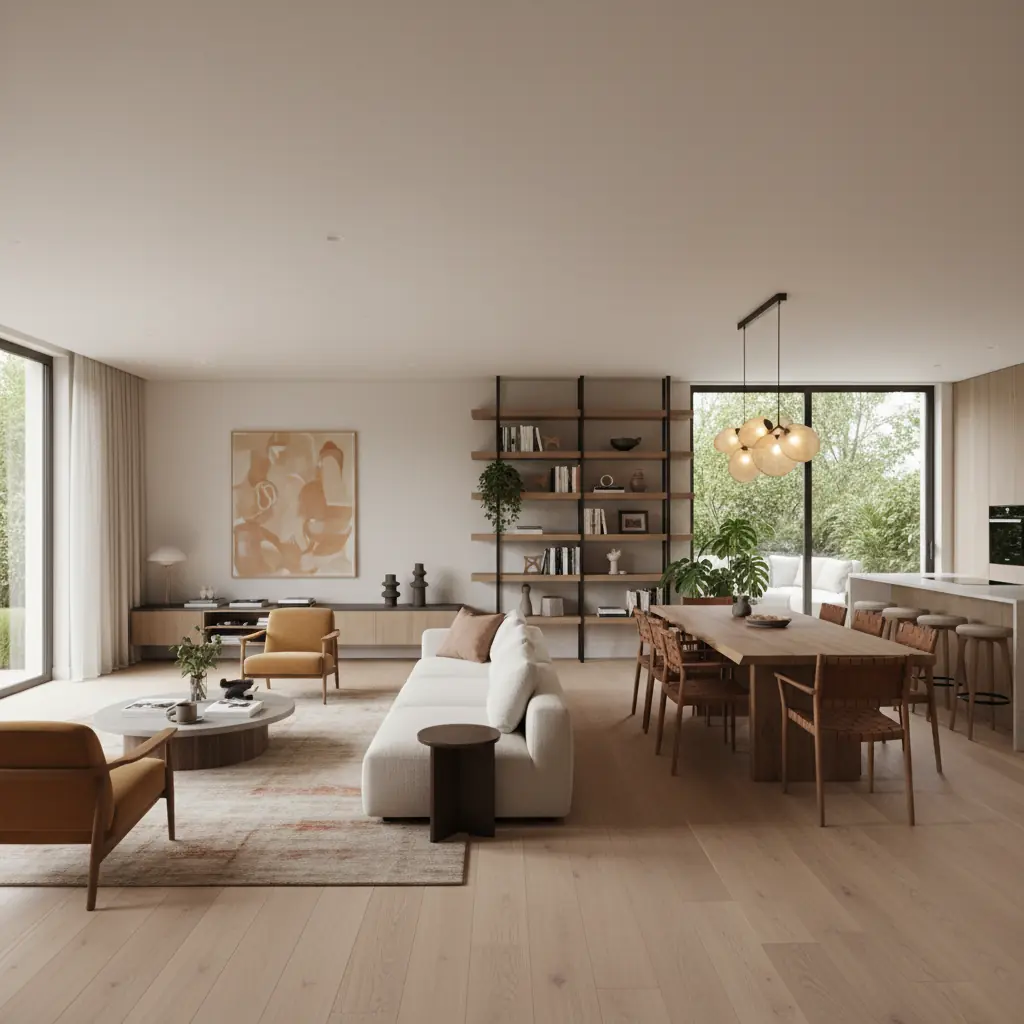
La Paradoja del Plano Abierto: ¿Libertad o Abrumación?
Los planos de planta abiertos arrasaron el mundo del diseño, prometiendo vistas expansivas, un flujo sin esfuerzo y una sensación de libertad ilimitada. La visión era convincente: un espacio lleno de luz donde los miembros de la familia podían interactuar libremente, ya sea cocinando, cenando o relajándose. Sin embargo, muchos propietarios descubrieron rápidamente una realidad menos idílica. En lugar de una vida fluida, se encontraron lidiando con una única y abrumadora extensión donde cada objeto era visible, nada se sentía realmente anclado, y las decisiones de decoración en un rincón enviaban ondas visuales por toda la habitación.
Esta "paradoja del plano abierto" a menudo se manifiesta como una lucha por la definición. La mesa del comedor choca con el sofá, la isla de la cocina interrumpe la línea de visión de la sala, y sin límites claros, ninguna área se siente como si perteneciera a un lugar específico. La falta de paredes puede llevar a desafíos en la privacidad, el control acústico y el establecimiento de ambientes distintos para diferentes actividades. Una encuesta reciente destacó que aproximadamente el 40% de los propietarios con planos abiertos luchan con problemas de privacidad y ruido, confirmando que estas distribuciones requieren soluciones de diseño consideradas más allá de simplemente eliminar paredes.
¿La buena noticia? La solución no es cerrar el espacio con una nueva construcción. Se trata de emplear técnicas de diseño inteligentes para crear paredes invisibles y barreras psicológicas mediante el uso estratégico de alfombras, muebles, iluminación y color. Cuando se ejecuta con habilidad, cada zona funcional dentro de tu hogar de concepto abierto se sentirá intencionada, distinta y con un propósito único, todo mientras se conserva la amplitud y la conexión que hicieron que el diseño fuera atractivo en primer lugar.
Cómo Definir Zonas con Alfombras y una Cuidadosa Disposición de los Muebles
Definir zonas comienza con los elementos más fundamentales: lo que está bajo los pies y lo que llena el espacio. Estas son tus herramientas principales para establecer límites sin levantar paredes físicas.
### El Poder de las Alfombras de Área: Anclando Cada Zona
Las alfombras de área son, sin duda, la herramienta más efectiva para definir zonas en un plano abierto. Piensa en ellas como los anclajes fundamentales para cada área funcional. Cada zona distinta —ya sea tu sala de estar, comedor o incluso un acogedor rincón de lectura— se beneficia inmensamente de su propia alfombra.
Al seleccionar alfombras, el tamaño importa muchísimo. Para la sala de estar principal, elige una alfombra grande que permita que todas las patas delanteras de tu sofá y sillones auxiliares descansen sobre ella, o idealmente, todas las patas de todos los muebles. Esto asienta todo el conjunto y lo hace sentir como una habitación cohesionada. Una alfombra demasiado pequeña que "flote" en medio de tus muebles solo exacerbará la sensación de desconexión.
En el comedor, tu alfombra debe ser lo suficientemente generosa como para extenderse al menos de 60 a 90 centímetros más allá de las sillas del comedor por todos los lados, incluso cuando las sillas están retiradas. Esto asegura que las sillas permanezcan sobre la alfombra cuando se usan, evitando enganches y protegiendo tu suelo. Para la zona de la cocina, especialmente si fluye directamente hacia un espacio de estar, una alfombra de pasillo duradera o una alfombra de área de pelo corto y lavable puede definir el área de trabajo alrededor de una isla o una hilera de fregaderos.
Las alfombras que elijas no necesitan ser idénticas, pero deben compartir un hilo conductor para mantener la armonía visual en todo el espacio. Esto podría ser una familia de colores consistente, patrones complementarios, una textura compartida o incluso un estilo similar (por ejemplo, todas de fibras naturales, todos diseños abstractos). Superponer alfombras también puede añadir profundidad y definir aún más pequeños rincones dentro de una zona más grande, como colocar una alfombra más pequeña y mullida sobre una de yute más grande para delimitar un área de lectura. Elegir la alfombra adecuada puede asentar instantáneamente un espacio, y los estudios demuestran que las zonas bien definidas en un hogar pueden aumentar el valor percibido de la propiedad hasta en un 5% debido a una funcionalidad y atractivo estético mejorados.
### Distribución de Muebles: Creando Paredes Invisibles y Flujo
Una vez que las alfombras establecen la huella de cada zona, la disposición de los muebles refuerza estos límites y dicta el flujo. La clave es pensar en los muebles no solo como elementos funcionales, sino como elementos arquitectónicos que pueden crear "paredes" psicológicas sin bloquear la luz ni las líneas de visión.
- **Muebles Flotantes:** Evita el error común de empujar todos los muebles contra las paredes. En su lugar, ubica piezas clave como sofás y sillones hacia el centro de cada zona designada. El respaldo de un sofá, por ejemplo, puede servir como una potente barrera visual, separando eficazmente un área de estar de un comedor o cocina. Una mesa consola estrecha colocada detrás del sofá añade funcionalidad a esta barrera visual, proporcionando una superficie para lámparas, libros u objetos decorativos, e incluso asientos adicionales si se combina con taburetes. De manera similar, una credenza de perfil bajo o una estantería de fondo abierto bien curada puede crear una sensación de división sin obstruir completamente las vistas. - **Definición de Puntos de Entrada y Salida:** El objetivo es crear una clara sensación de entrada y salida de cada zona. Coloca los muebles para guiar los caminos de circulación a lo largo del perímetro o entre zonas, asegurando que estos caminos sean lo suficientemente anchos (idealmente de 90 a 120 centímetros) para un movimiento cómodo. Esto evita cuellos de botella incómodos y refuerza la sensación de áreas distintas. Herramientas como la [herramienta de organización de muebles con IA de Habitas](/blog/ai-furniture-arrangement-tool) pueden ayudarte a visualizar estos caminos y optimizar los diseños virtualmente, ahorrándote la molestia de mover piezas pesadas físicamente. - **Agrupaciones Estratégicas:** Dispón los asientos hacia el interior, fomentando la conversación y creando agrupaciones íntimas dentro del espacio abierto más grande. Un sofá en L o dos sofás enfrentados con un sillón pueden definir una sala de estar acogedora dentro del plano abierto. - **Aprovechando Elementos Verticales:** Estanterías, biombos decorativos (plegables o de listones) e incluso plantas de interior grandes y estratégicamente ubicadas pueden servir como divisores de ambiente suaves. Una estantería de fondo abierto, por ejemplo, permite el paso de la luz mientras proporciona una ruptura visual y almacenamiento. Estos elementos añaden altura y dimensión, reforzando aún más la idea de espacios separados. Para obtener más consejos sobre cómo lidiar con distribuciones desafiantes, explora nuestra guía sobre [soluciones para formas de habitación incómodas](/blog/awkward-room-shape-solutions).
Usando Color e Iluminación para Señalizar Diferentes Áreas
Más allá de la disposición física de los objetos, los elementos más etéreos del color y la luz juegan un papel crucial en la configuración de la percepción de zonas distintas dentro de un plano abierto. Crean atmósfera, guían la vista y comunican sutilmente un cambio de función o estado de ánimo.
### Psicología del Color y Paletas Cohesionadas
Una paleta de colores cohesionada en todo el plano abierto es esencial para evitar el caos visual y mantener una sensación de armonía general. Piensa en tu paleta principal como el tema unificador, quizás una regla 60-30-10 donde el 60% es tu neutro dominante, el 30% es un color secundario y el 10% es un acento. Sin embargo, dentro de esta paleta general, cada zona debe tener su propio énfasis o punto focal.
Por ejemplo, si tu paleta base consiste en blanco cálido, verde salvia y nogal, la zona de estar podría inclinarse hacia el salvia, incorporándolo a través de cojines decorativos, un sillón auxiliar o incluso una pared de acento con un papel tapiz sutilmente texturizado. El comedor, por otro lado, podría enfatizar la calidez del nogal a través de la mesa y las sillas del comedor, complementado por una lámpara colgante de tono cálido o una obra de arte con marrones y cremas más ricos. Misma familia, diferente punto focal.
- **Paredes de Acento:** Aunque generalmente se usan con moderación en conceptos abiertos para evitar fragmentar el espacio, una pared de acento bien ubicada, quizás detrás de una chimenea o una pieza clave de mobiliario, puede definir sutilmente una zona. Considera un papel tapiz texturizado o un tono ligeramente más oscuro de tu color principal. - **Arte y Decoración:** Una obra de arte de gran formato o una pared de galería puede anclar visualmente una zona, atrayendo la mirada y estableciendo un ambiente específico para esa área. - **Color del Techo:** Un tono ligeramente más oscuro o cálido en el techo de una zona particular puede crear una sensación más acogedora e íntima sin la necesidad de paredes. Para explorar innumerables combinaciones de colores y visualizarlas en tu espacio, prueba un [generador de paleta de colores con IA](/blog/ai-color-palette-generator).
### Iluminación por Capas: Esculpiendo Espacio y Ambiente
La iluminación es quizás la señal no física más fuerte para delinear zonas. No solo ilumina; esculpe el espacio, resalta características y establece el ambiente. La iluminación efectiva en un plano abierto se basa en un enfoque por capas:
- **Iluminación Ambiental:** Proporciona iluminación general, generalmente de luces empotradas, plafones o iluminación de riel. Esto debe ser consistente en todo el espacio abierto para mantener una sensación unificada. - **Iluminación de Tarea:** Luz focalizada para actividades específicas. Una lámpara colgante sobre la mesa del comedor declara inequívocamente "esta es la zona de comedor". La iluminación debajo de los gabinetes en la cocina define las superficies de trabajo. Una lámpara de pie junto a un sillón de lectura señala claramente una zona tranquila y funcional. Las lámparas colgantes de cocina sobre una isla no solo iluminan el área de preparación, sino que también separan físicamente la zona de cocción de los espacios de estar adyacentes. - **Iluminación de Acento:** Diseñada para resaltar características arquitectónicas, obras de arte u objetos decorativos. Las luces para cuadros, los apliques de pared o las luces ascendentes pueden añadir profundidad y llamar la atención sobre elementos específicos dentro de cada zona, personalizando y definiendo aún más su carácter.
Variar las temperaturas de color de la luz también puede diferenciar sutilmente las áreas. Una luz ligeramente más cálida (alrededor de 2700K) en la sala de estar fomenta un ambiente relajado y acogedor, mientras que una temperatura ligeramente más fría (alrededor de 3000K, o incluso 4000K para áreas con tareas intensivas) en la cocina promueve el estado de alerta y la concentración. La clave es la sutileza; una diferencia demasiado marcada puede resultar chocante. Invertir en un esquema de iluminación bien planificado puede hacer que un hogar se sienta significativamente más acogedor; las investigaciones indican que una iluminación óptima puede reducir la fatiga visual en un 30% y mejorar el estado de ánimo en los espacios de vida. Incorpora siempre reguladores de intensidad (dimmers) para todas las capas de iluminación, lo que te permitirá ajustar el ambiente para diferentes momentos del día y actividades.
Transiciones Fluidas de Cocina a Sala y Mantenimiento del Flujo
La transición entre la cocina y las áreas de estar suele ser el límite más desafiante de navegar en un plano abierto. Estos dos espacios suelen implicar diferentes materiales de suelo, funciones distintas y, a veces, necesidades estéticas contrastantes. El objetivo es crear una transición que se sienta natural e intencionada, manteniendo la continuidad mientras se permite que cada zona exprese su propósito.
### Transiciones de Suelo: ¿Cambios Sutiles o Declaraciones Audaces?
Un cambio en el material del suelo es una forma natural, aunque a veces costosa, de crear un límite. Los azulejos en la cocina y la entrada señalan naturalmente una zona más duradera y resistente al agua, mientras que la madera dura o el vinilo de lujo se extiende a las áreas de estar y comedor para brindar calidez y confort. Si el suelo es uniforme en todo el espacio abierto, una alfombra estratégicamente colocada se vuelve aún más crítica para definir estas zonas. Cuando se utilizan diferentes materiales, asegura una transición limpia y nivelada con tiras reductoras apropiadas o transiciones al ras para evitar riesgos de tropiezos y asegurar un aspecto pulido.
### Logrando Continuidad con Distinción
El desafío es hacer que las zonas se sientan distintas cuando estás en ellas, pero conectadas cuando te alejas.
- **Consola Detrás de Isla o Sofá:** Este truco sigue siendo muy efectivo. Una mesa consola estrecha colocada detrás de un sofá que mira hacia la cocina o el comedor proporciona un lugar funcional para llaves, correo u objetos decorativos, creando simultáneamente un límite visual. De manera similar, una barra de desayuno en la parte trasera de una isla de cocina sirve como una clara división funcional. - **Elementos Consistentes:** Incorpora elementos que se repitan en todo el espacio. Usar el mismo tono de madera para la base de tu isla de cocina que para tu mesa de comedor, o seleccionar taburetes de barra que complementen tus sillas de comedor, ayuda a unir sutilmente los espacios. Incluso una obra de arte con un estilo de marco consistente o un motivo recurrente puede actuar como pegamento visual. - **Matices Arquitectónicos:** Considera incorporar sutiles características arquitectónicas. Un cambio en la altura del techo, una viga decorativa o una media pared (muro bajo) pueden proporcionar división sin un cerramiento completo. Una chimenea puede servir como un punto de anclaje natural para una zona de estar, actuando como una ruptura visual de la cocina. - **Muebles Empotrados:** Muebles empotrados a medida que se extienden a través de zonas o definen un área específica pueden proporcionar almacenamiento sin interrupciones y continuidad visual. Por ejemplo, una hilera de gabinetes bajos que se extienda desde la cocina hasta el comedor puede ofrecer almacenamiento integrado y una estética consistente.
### Abordando el Desafío Acústico
Un aspecto frecuentemente pasado por alto en los planos abiertos es la gestión del sonido. El ruido de la cocina (lavavajillas, cocina) o de la sala de estar (televisión, conversaciones) puede permear fácilmente todo el espacio, disminuyendo el confort. De hecho, el ruido es una queja significativa en los planos abiertos, con el 70% de los residentes reportando problemas con el sonido que se propaga entre zonas.
- **Muebles Suaves:** Incorpora muchos muebles suaves: alfombras grandes, cortinas o tapices gruesos, y muebles tapizados (sofás, sillones) son excelentes absorbentes de sonido. Estos materiales absorben el sonido, amortiguando los ecos y creando un ambiente más silencioso. - **Paneles Acústicos:** Paneles acústicos discretos pueden disfrazarse como arte de pared. Muchas opciones modernas son estéticamente agradables y altamente efectivas. - **Ubicación Estratégica de Plantas:** Plantas de interior grandes y frondosas también pueden ayudar a absorber las ondas sonoras y proporcionar divisiones visuales naturales y suaves. - **Materiales Fonoabsorbentes:** Al seleccionar acabados, considera materiales con buenas propiedades de absorción de sonido para techos o paredes si es posible.
### El Papel de la Personalización y las Obras de Arte
Finalmente, infunde cada zona con personalidad. Obras de arte seleccionadas, colecciones preciadas y objetos decorativos únicos pueden distinguir aún más las áreas. Una pieza de arte grande sobre el sofá ancla la sala de estar, mientras que una colección de cerámica en una credenza de comedor le da carácter a ese espacio. Las plantas, estratégicamente colocadas, pueden llenar rincones incómodos, suavizar líneas duras y dar vida a cada zona, haciéndola sentir más completa y distinta.
Mantener el flujo significa mantener las líneas de visión claras y las transiciones suaves. Evita muebles altos y voluminosos en el centro del espacio que bloqueen las vistas de una zona a otra. Las zonas deben sentirse distintas cuando estás en ellas, pero conectadas y armoniosas cuando te alejas para ver todo el plano abierto. Habitas puede ayudarte a experimentar con diferentes distribuciones de muebles en tu espacio real: sube una foto y prueba múltiples opciones de diseño antes de mover una sola pieza de mobiliario. Antes de comprometerte con cambios importantes, visualiza tu nuevo diseño y decoración con la [herramienta de diseño de habitaciones con IA de Habitas](/blog/ai-generated-room-designs-realistic). Puede generar imágenes realistas en minutos, ahorrándote semanas de consulta de diseño tradicional, donde el diseño de una sola habitación puede tardar de 2 a 4 semanas en producirse.
Preguntas Frecuentes
### ¿Cómo hago que mi espacio de concepto abierto se sienta acogedor y atractivo?
Para infundir calidez y confort en un plano abierto, enfócate en la superposición de texturas, la iluminación cálida y la definición de zonas íntimas. Comienza con alfombras grandes y suaves para anclar las áreas de asiento, luego añade muchos muebles tapizados, mantas suaves y almohadas decorativas. Utiliza iluminación de tonos cálidos (alrededor de 2700K) con reguladores de intensidad para crear un brillo suave, e incorpora múltiples fuentes de luz como lámparas de mesa, lámparas de pie y apliques de pared. Define "habitaciones" más pequeñas dentro del espacio abierto utilizando el respaldo de un sofá, una estantería baja o incluso una planta grande para crear una sensación de encierro. Finalmente, introduce toques personales como obras de arte, fotos familiares y objetos decorativos para hacer que el espacio se sienta vivido y único para ti.
### ¿Cuáles son los mayores desafíos o desventajas de un plano abierto?
Aunque atractivos, los planos abiertos conllevan varios desafíos comunes. Los más significativos incluyen la falta de privacidad, ya que no hay paredes para separar actividades o conversaciones, lo que lleva a posibles problemas de ruido. El desorden visual también puede ser un problema, ya que todo está expuesto, lo que dificulta mantener el espacio ordenado. La calefacción y la refrigeración pueden ser menos eficientes en áreas grandes e indivisas. Además, definir zonas distintas para diferentes funciones sin sentirse desconectado o caótico requiere una planificación y estrategia de diseño cuidadosas.
### ¿Cómo puedo elegir un esquema de color cohesionado para toda mi área de planta abierta?
Lograr un esquema de color cohesionado implica seleccionar una paleta principal que fluya naturalmente de una zona a otra, permitiendo variaciones sutiles. Comienza con 1-2 colores neutros dominantes (por ejemplo, blanco cálido, gris claro, beige suave) que sirvan como base para paredes y muebles grandes. Luego, introduce 1-2 colores de acento que se complementen entre sí. Usa estos colores de acento de forma selectiva dentro de cada zona, quizás con un énfasis más fuerte en un área (por ejemplo, un sillón verde de acento en la sala de estar, repetido en pequeños detalles en el comedor). La clave es la repetición y el equilibrio: asegúrate de que cada color aparezca en al menos tres puntos diferentes en todo el espacio abierto para crear un hilo visual. Utilizar una [plataforma de diseño de interiores con IA como Habitas](/blog/ai-color-palette-generator) puede ayudarte a visualizar cómo se verán las diferentes paletas en tu espacio real.
### ¿Está bien tener diferentes materiales de suelo en un plano abierto?
Sí, es absolutamente aceptable, y a menudo deseable, utilizar diferentes materiales de suelo en un plano abierto. Esta puede ser una forma muy efectiva de delimitar zonas de forma natural, especialmente entre la cocina (donde materiales duraderos y resistentes al agua como los azulejos son prácticos) y las áreas de estar (donde la madera dura, la alfombra o el vinilo de lujo podrían preferirse por comodidad y calidez). La clave es asegurar que la transición entre materiales sea suave e intencional. Utiliza tiras de transición adecuadas para crear una ruptura limpia y considera cómo los colores y texturas de los diferentes tipos de suelo se complementan entre sí para mantener la armonía general.
### ¿Cómo reduzco el ruido y mejoro la acústica en un hogar de concepto abierto?
Controlar el sonido en un plano abierto es crucial para la comodidad. Comienza maximizando las superficies suaves: alfombras grandes, cortinas o tapices gruesos y muebles tapizados (sofás, sillones) son excelentes absorbentes de sonido. Incorpora paneles acústicos decorativos en paredes o techos, diseñados para absorber ondas sonoras y que pueden funcionar como arte moderno. Las plantas de interior grandes y frondosas, estratégicamente colocadas, también pueden ayudar a amortiguar los ecos. Para las áreas multimedia, considera trampas de graves o difusores. Por último, incluso pequeños elementos como almohadillas de fieltro bajo las sillas y gabinetes de cierre suave pueden contribuir a un ambiente más silencioso.
### ¿Cuáles son algunos errores comunes a evitar al decorar un plano abierto?
Uno de los mayores errores es no definir las zonas, lo que lleva a un espacio amplio y sin definir. Evita empujar todos los muebles contra las paredes, lo que crea un centro "vacío" incómodo y evita agrupaciones íntimas. No uses demasiados estilos o colores dispares, ya que esto puede resultar en un caos visual. Pasar por alto las capas de iluminación y depender solo de la iluminación cenital es otro error común, ya que crea una atmósfera plana y poco acogedora. Finalmente, descuidar la gestión del sonido puede restar significativamente comodidad y funcionalidad a un espacio de concepto abierto.