Velvet Furniture: The Ultimate Guide to Buying, Care & Styling
Is velvet furniture durable? Learn about performance velvet vs traditional, best colors, care tips, and velvet sofas by budget ($500-$3000) in this complete guide.
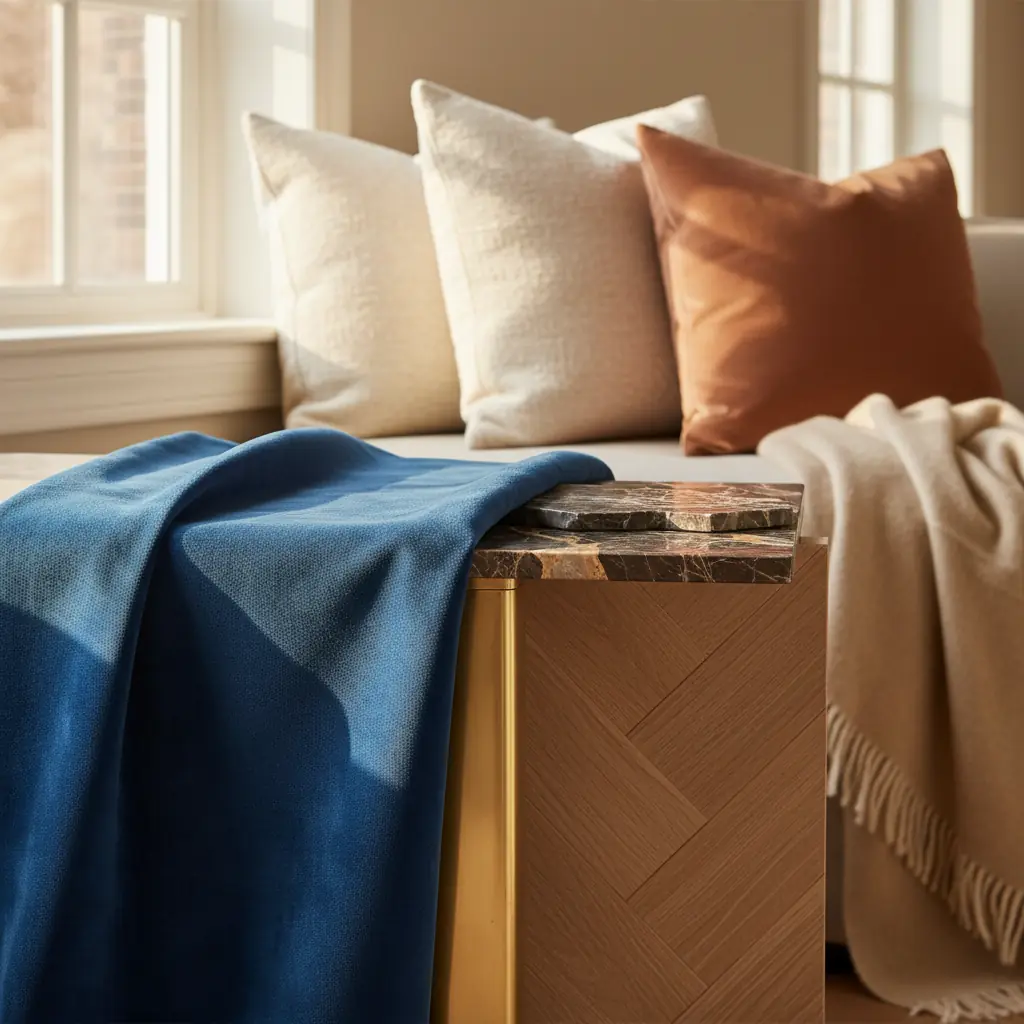
Why Is Velvet Furniture So Popular Right Now?
Velvet has been cycling in and out of interior design trends for centuries, gracing palaces, fashion runways, and chic homes alike. However, the current revival — now entering its fifth year — has demonstrated remarkable staying power, driven by practical innovations as much as enduring aesthetics. This isn't just a fleeting fad; it's a testament to how modern manufacturing has successfully addressed velvet's historical drawbacks, making it a viable and highly desirable choice for contemporary living.
The primary reason for its sustained comeback lies in the advent of **performance velvet fabrics**. These advanced textiles look and feel identical to traditional silk, cotton, or viscose velvet but are engineered to resist stains, withstand significant wear and tear, and even stand up to the antics of pets. This groundbreaking development has effectively eliminated the main objection most people once held: that velvet was simply too delicate, high-maintenance, or impractical for real-life homes. Now, families with children and pets can enjoy the luxury of velvet without constant worry.
Beyond its newfound durability, velvet offers unparalleled aesthetic advantages. The fabric's unique pile structure catches and plays with light in dynamic ways that flat-weave fabrics cannot replicate. This creates a visual depth and subtle sheen that instantly elevates a room, making spaces feel more luxurious, intentional, and welcoming. In an era where homes are increasingly shared on social media and featured in real estate listings, velvet’s photogenic quality is a significant asset, consistently drawing positive attention and enhancing perceived value.
Interior designers frequently observe that velvet pieces generate the most enthusiastic reactions from clients during installations. There’s something about the tactile richness and visual opulence of velvet that triggers a profound emotional response, a sense of comfort and indulgence that goes beyond what materials like cotton, linen, or even leather can offer. This emotional connection, combined with practical resilience, ensures velvet’s prominent place in modern interiors. Globally, the upholstered furniture market is projected to grow by 5.5% annually, with luxury fabrics like velvet seeing even faster adoption in modern design schemes, reflecting a consumer desire for comfort intertwined with elegance and a touch of glamour. Velvet seamlessly blends into many of today's [best interior design styles 2026](/blog/best-interior-design-styles-2026), from Art Deco revivals to modern maximalism and even softened industrial looks.
Performance vs. Traditional Velvet: What's the Difference and Why Does it Matter?
Understanding the distinction between traditional and performance velvet is crucial for making an informed purchasing decision, especially for furniture that will see daily use.
**Traditional Velvet** Historically, velvet was woven from natural fibers like silk, cotton, or viscose. While undeniably beautiful, these traditional velvets are genuinely delicate. They are prone to crushing under sustained pressure, leaving visible indentations where people sit. They absorb stains quickly, making spills a significant concern, and can be easily damaged by water-based cleaning methods, often leaving water marks. This is the velvet your grandmother likely warned you about — exquisite but temperamental. While it still has a place in low-traffic applications like decorative pillows, curtains, or formal, rarely-used accent chairs, it is generally a risky choice for a sofa, dining chair, or other pieces that endure daily wear and tear. Its beauty is best preserved in settings where it won't be regularly touched or soiled.
**Performance Velvet** Also marketed as microvelvet, stain-resistant velvet, or pet-friendly velvet, this modern marvel is typically woven from 100 percent polyester. What sets it apart is its tightly packed, short-pile construction and specialized fiber treatments. The individual polyester fibers are often treated with stain-resistant coatings (similar to the technology found in Scotchgard), which cause liquids to bead up on the surface rather than immediately absorbing into the fabric. This provides a crucial window of time to blot spills away before they can set.
The durability of quality performance velvets is remarkable. They typically score well above 50,000 on the **Wyzenbeek double-rub test**, a standardized industry test that measures a fabric's abrasion resistance. A score of 50,000 means the fabric can withstand 50,000 abrasion cycles before showing significant wear. For context, residential furniture ideally requires a fabric with a rub count above 15,000, while commercial-grade upholstery typically needs to be above 30,000. Performance velvet often exceeds these benchmarks, making it suitable for even high-traffic residential or light commercial environments. With over 67% of U.S. households owning a pet, the demand for durable, pet-friendly fabrics like performance velvet has surged, making it a top choice for busy homes.
The visual difference between premium performance velvet and traditional cotton or silk velvet is often negligible to the untrained eye. Performance velvet may feel very slightly less soft to an experienced hand, or perhaps have a slightly less iridescent sheen than pure silk velvet, but it drapes beautifully, catches light elegantly, and looks equally luxurious. For any piece of furniture that will be sat on daily, endure family life, or host frequent guests, performance velvet is the undisputed champion. Save traditional velvet for purely decorative accent pieces and window treatments where its delicate nature can be appreciated without the demands of daily use.
What Are the Best Velvet Colors for Furniture and How Do You Choose?
Velvet fabric amplifies color in a way that flat-weave materials simply cannot. The unique pile creates a captivating interplay of shadows and highlights that imbue even muted tones with a jewel-like richness and depth. This means colors that might appear somewhat subdued or uninspired in linen or cotton become vibrant, complex, and luxurious when rendered in velvet.
Here are five of the most versatile velvet colors for furniture, along with their stylistic notes:
1. **Emerald Green:** A sophisticated and grounding shade that harmonizes beautifully with natural wood tones, warm metallic accents (like brass or gold), and a variety of neutral wall colors. It evokes a sense of nature and timeless elegance, perfect for both classic and contemporary interiors. 2. **Navy Blue:** A perennial favorite for its ability to exude sophistication and hide minor wear or dust exceptionally well. Navy velvet pairs effortlessly with almost any color scheme, from crisp whites and creams to bold yellows and deep reds. It’s a versatile anchor piece that feels both classic and current. 3. **Blush Pink:** In velvet, blush pink transcends its often-perceived sweetness, becoming a soft, sophisticated, and unexpectedly versatile hue. The fabric's depth gives it a more mature and nuanced feel than in other materials, making it a chic choice for adding warmth and a touch of modern romance. 4. **Mustard Yellow:** For those seeking a bold accent, mustard yellow in velvet is a superb choice. The velvet pile transforms what could otherwise be a garish color into a rich, inviting, and wonderfully warm statement. It pairs wonderfully with grays, navys, and deep greens, adding an optimistic pop to any room. 5. **Charcoal Gray:** While gray can sometimes feel sterile, charcoal gray velvet is anything but. It’s the safe, incredibly versatile neutral that still looks exceptionally luxurious. The velvet pile adds significant visual interest, texture, and depth that a flat gray fabric simply lacks, making it a sophisticated base for layering other colors and textures.
When choosing a velvet color, always consider the **lighting conditions** in your room. Velvet’s light-catching properties mean its appearance can shift dramatically. Velvet in warm, south-facing natural light will appear different from velvet in cool, north-facing light. Deep colors like emerald and navy will become incredibly rich and saturated in warm light but can look almost black or very muted in dim, cool-toned rooms. Conversely, lighter colors like blush, champagne, or even a soft silver gray glow beautifully in all lighting conditions, making them safer choices for darker spaces where you want to maintain brightness.
A practical note: Avoid pure white and very light cream velvet for seating furniture in high-traffic areas, especially if you have children or pets. While performance velvet significantly resists stains better than traditional velvet, very light-colored fabrics still show dust, lint, pet hair, and denim transfer (blue marks from jeans) more visibly than mid-tone or dark velvet. To perfectly visualize these dynamic hues in your unique space, Habitas offers an innovative tool that allows you to experiment with different velvet colors on your actual room photo, helping you find the ideal shade before you commit. You can also use an [AI color palette generator](/blog/ai-color-palette-generator) to explore complementary shades for your chosen velvet.
How Do You Care For and Clean Velvet Furniture?
With its reputation for delicacy, many assume velvet furniture requires excessive maintenance. However, with modern performance velvets and a few simple habits, keeping your velvet pieces beautiful is surprisingly straightforward.
**Daily and Weekly Maintenance:**
- **Brush Gently:** Daily or every few days, brush your velvet fabric gently in the direction of the pile using a soft-bristled clothes brush or a lint-free microfibre cloth. This keeps the pile aligned, prevents crush marks from developing, and helps dislodge superficial dust and pet hair. - **Vacuum Weekly:** Use an upholstery attachment with low suction on your vacuum cleaner. High suction can pull at the fibers, potentially damaging the pile over time. Regular vacuuming prevents dust and small debris from embedding in the fabric. - **Rotate Cushions:** Just like with any sofa, rotating and flipping your cushions regularly (weekly or bi-weekly) helps distribute wear evenly and maintain their shape, prolonging the life of your furniture.
**Spot Cleaning Spills and Stains:**
- **Act Immediately:** Speed is critical with spills. Blot (never rub) liquid spills with a clean, dry microfiber cloth. Rubbing can push the liquid deeper into the fibers and permanently alter the pile. - **For Water-Safe Performance Velvet:** For most food or drink spills, mix a small amount (a pea-sized drop) of mild, clear dish soap with cool water to create a sudsy solution. Lightly dampen a clean cloth (don't soak it) and gently blot the stain from the outside in. Follow by blotting with a cloth dampened only with plain water to rinse, then blot dry with another clean, dry cloth. Allow to air dry completely. - **For Set-In Stains or Crushed Pile:** A handheld garment steamer is your secret weapon. Hold the steamer 6-8 inches from the surface and gently brush the pile with a soft brush as you steam. The combination of heat and moisture helps to lift stains, release wrinkles, and restore crushed pile simultaneously. Always test in an inconspicuous area first.
**Long-Term Care and Professional Cleaning:**
- **Professional Cleaning:** For velvet sofas in daily use, professional cleaning is recommended once a year. Be sure to specify that the upholstery is velvet so the cleaner uses appropriate methods and solutions. Harsh commercial cleaning chemicals can damage the delicate velvet pile and alter its color. A professional can deep clean without causing damage, removing accumulated body oils, dust, and microscopic debris that general cleaning might miss. - **Regular Steaming:** Between professional cleanings, a thorough steaming of your entire velvet piece every three to four months can keep it looking fresh. This prevents the gradual dulling that comes from accumulated dust and body oils and keeps the pile lively.
How Much Does a Quality Velvet Sofa Cost? A Budget Breakdown
The cost of a velvet sofa can vary dramatically, reflecting differences in fabric quality, frame construction, cushion filling, and brand reputation. Understanding what to expect at various price points can help you budget effectively and make a choice that aligns with your needs and expectations for longevity. When budgeting for a velvet sofa, it’s helpful to understand the overall financial commitment of furnishing your home, much like comparing the [AI interior design vs hiring cost](/blog/ai-interior-design-vs-hiring-cost) for your entire project.
**Entry-Level Velvet Sofas ($500 to $1,000)** At this budget range, you'll find velvet sofas from popular direct-to-consumer brands like IKEA (e.g., the Viskafors or Kivik lines often offer velvet covers), Article, Zinus, and various online retailers.
- **Fabric:** Expect polyester performance velvet. While it offers stain resistance and a velvet aesthetic, the texture might be slightly less refined than higher-end options. - **Cushions:** Typically, these sofas feature foam cushions. While comfortable initially, foam tends to lose its shape and density within two to three years, leading to sagging and reduced support. - **Frame:** Frames are usually constructed from basic hardwood or engineered wood (plywood or particleboard). Joinery might be staple-and-glue rather than reinforced. - **Lifespan:** These sofas look great when new and are perfectly fine for apartments, guest rooms, or spaces where you anticipate updating your furniture every few years. Their functional lifespan is generally 2-5 years.
**Mid-Range Velvet Sofas ($1,000 to $2,000)** This is often considered the "sweet spot" for most buyers, where quality improves significantly without reaching luxury price points. Brands like West Elm, CB2, Castlery, and Joybird offer excellent options in this range.
- **Fabric:** You'll find higher-grade polyester performance velvets, often with a softer hand-feel and rub counts well above 50,000, indicating superior durability. Some may even incorporate blends for added texture. - **Cushions:** A notable upgrade here is the introduction of down-wrapped foam cushions. This construction features a supportive foam core enveloped in a layer of down, feathers, or synthetic down alternatives. This provides a much more comfortable, resilient, and longer-lasting sit compared to pure foam. - **Frame:** Kiln-dried hardwood frames (e.g., birch, maple, pine) are standard. Kiln-drying removes moisture, preventing warping and cracking. Joinery methods improve, often incorporating corner blocks, dowels, and screws for enhanced stability. - **Lifespan:** Sofas in this range look premium and, with proper care, can last five to eight years, offering a good balance of aesthetics, comfort, and durability.
**High-End and Investment-Quality Velvet Furniture (Above $2,000)** At this price point, you enter the territory of true investment-quality velvet furniture, offered by brands like Restoration Hardware, Rove Concepts, Arhaus, and many custom upholstery shops.
- **Fabric:** Expect European-milled velvet fabrics, often with exceptional softness, subtle sheen, and intricate weaves. These can still be performance velvets (polyester or blends) but with a much finer finish and often proprietary stain treatments. You might also find options for more traditional silk or cotton velvets for specific, formal applications. - **Construction:** This is where internal craftsmanship truly shines. Look for eight-way hand-tied spring construction — the gold standard for seating comfort and longevity. Each spring is individually tied in eight directions, providing even support and preventing sagging. Sinuous springs are also common at the lower end of this range. - **Cushions:** Premium down-and-feather blends, often with a high ratio of down for ultimate plushness, or multi-density foam cores with generous down wrapping, are typical. These cushions maintain their loft and comfort for years. - **Frame:** Solid, kiln-dried hardwood frames are meticulously constructed, often with mortise-and-tenon or dovetail joinery for maximum strength and durability. These pieces are designed to last 10 to 15 years, often accompanied by extensive frame warranties. - **Customization:** At the $3,000 and above mark, you can also commission custom velvet sofas, allowing you to specify exact dimensions, configurations, fabric choices, and even fill compositions to perfectly match your space and preferences. When visualizing a custom piece, tools like Habitas or an [AI furniture arrangement tool](/blog/ai-furniture-arrangement-tool) can help you confirm the ideal size and placement.
While budget sofas ($500-$1,000) typically offer a lifespan of 2-5 years, investing in a mid-range ($1,000-$2,000) or high-end ($2,000+) velvet sofa can extend its comfort and aesthetic appeal for 8-15 years or more, representing a significant long-term value.
When Is Velvet Furniture Not the Right Choice for Your Home?
While modern performance velvet has overcome many traditional limitations, velvet is not universally appropriate for every environment or lifestyle. Understanding its remaining limitations is key to avoiding frustration and ensuring your furniture investment is a happy one.
**Environmental Considerations:**
- **High-Humidity Environments:** Velvet pile can be sensitive to excessive moisture. Unconditioned sunrooms, bathrooms, or outdoor-adjacent spaces with high humidity can cause the velvet pile to mat, clump, or even develop mildew over time, even with performance fabrics. Maintain consistent indoor climate control for best results. - **Direct, Sustained Sunlight:** Direct and prolonged exposure to sunlight can fade velvet faster than many other fabrics. The intricate pile structure creates more surface area exposed to UV rays, accelerating color degradation. If your sofa sits directly in a sun-drenched window, consider investing in UV-filtering window treatments (sheer blinds, curtains) or selecting a fade-resistant fabric specifically designed for intense light exposure.
**Lifestyle Challenges:**
- **Multiple Large Dogs:** While performance velvet resists pet hair embedding better than some woven fabrics, the pile still visually shows hair, especially on dark colors. If you have multiple large dogs that frequently shed and lounge on furniture, a lint roller or handheld vacuum will become a daily ritual. The fabric is durable, but the appearance might require constant vigilance. - **Cats with a Scratching Habit:** This is perhaps the most significant practical concern. Velvet pile, by its very nature, is inherently snag-prone. Even the most robust performance velvet cannot fully resist determined cat claws. A single scratch can pull loops in the pile, creating visible damage. If your cats frequently scratch furniture, it's safer to use velvet in accent pieces (like pillows or ottomans) that are less accessible, or invest in training and scratching posts to redirect their behavior before introducing a velvet sofa.
**Style Context and Integration:**
- **Incongruous Style Settings:** Velvet carries an inherent visual weight and connotation of luxury, richness, and sometimes formality. In certain interior design styles, a prominent velvet piece might feel incongruous. For instance, in a rustic cabin, an industrial loft with exposed brick and metal, or a truly pared-back minimalist space, a plush velvet sofa can feel out of place—like wearing a silk gown to a campfire. - **Achieving Harmony:** Velvet works best in spaces that embrace some element of polish, refinement, or intentional design. This includes clean lines, well-thought-out color palettes, and complementary materials like marble, brass, finished wood, or sophisticated metallics. If you desire a velvet piece in a more casual or unconventional setting, consider a more subdued color or a piece with very clean, modern lines to bridge the aesthetic gap. The key is thoughtful juxtaposition, not accidental clash. If you are unsure how velvet will look in your space, Habitas can help — upload a photo of your room and visualize different upholstery options before committing to a purchase. Our AI-powered tools can help you see your design vision come to life.
Frequently Asked Questions
### Is velvet furniture durable for everyday use?
Modern velvet furniture, particularly **performance velvet** (made from polyester with stain-resistant treatments), is highly durable for everyday use. It's engineered to resist stains, fading, and wear and tear, often boasting high Wyzenbeek double-rub scores (50,000+ is common). Traditional velvet made from silk or cotton is more delicate and better suited for low-traffic, decorative pieces. For busy households, always opt for performance velvet.
### Does velvet furniture show scratches or pet hair easily?
Performance velvet is generally more resilient to pet hair and minor scratches than traditional velvet. Its dense, short pile helps prevent pet hair from embedding deeply, making it easier to vacuum or lint-roll off. However, dark velvet colors can still visibly show lighter pet hair. Cat claws are a more significant concern; velvet's looped pile can snag, leading to visible damage. For homes with active pets, choosing a mid-tone or patterned performance velvet and providing ample scratching alternatives for cats is recommended.
### How do you get creases or crush marks out of velvet?
Crush marks or slight indentations are common with velvet, especially in high-use areas. For performance velvet, you can often restore the pile by gently brushing it with a soft-bristled clothes brush in the direction of the nap. For more stubborn creases, a handheld garment steamer is highly effective. Hold the steamer 6-8 inches away from the fabric, allowing the steam to gently lift the fibers, then softly brush the area to reset the pile. Always test on an inconspicuous area first.
### What interior design styles best suit velvet furniture?
Velvet furniture is incredibly versatile, fitting into numerous design aesthetics. It's a natural fit for **Glam**, **Art Deco**, and **Hollywood Regency** styles, where its luxurious texture enhances opulence. It also works beautifully in **Transitional** and **Contemporary** spaces, adding warmth and sophistication. Even in **Mid-Century Modern** or **Modern Maximalist** designs, velvet can provide a rich, tactile element. The key is to choose colors and silhouettes that complement the overall aesthetic of your room, from clean-lined sofas in jewel tones to more traditional tufted pieces.
### Can velvet furniture be used in homes with children?
Yes, performance velvet is an excellent choice for homes with children. Its stain-resistant properties mean spills often bead up on the surface, allowing for quick and easy cleanup before stains can set. Unlike traditional velvet, which can be delicate, performance velvet is designed to withstand the rigors of daily family life, offering both durability and a touch of luxury without constant worry. Regular vacuuming and immediate spot cleaning will keep it looking great even with active kids around.
---