Dominando la colaboración: Cómo trabajar con un diseñador de interiores para obtener los mejores resultados
Descubre los secretos para un proyecto de diseño de interiores exitoso. Aprende cómo contratar, preparar, colaborar, establecer presupuestos y aprovechar herramientas de IA como Habitas para transformaciones impresionantes del hogar.
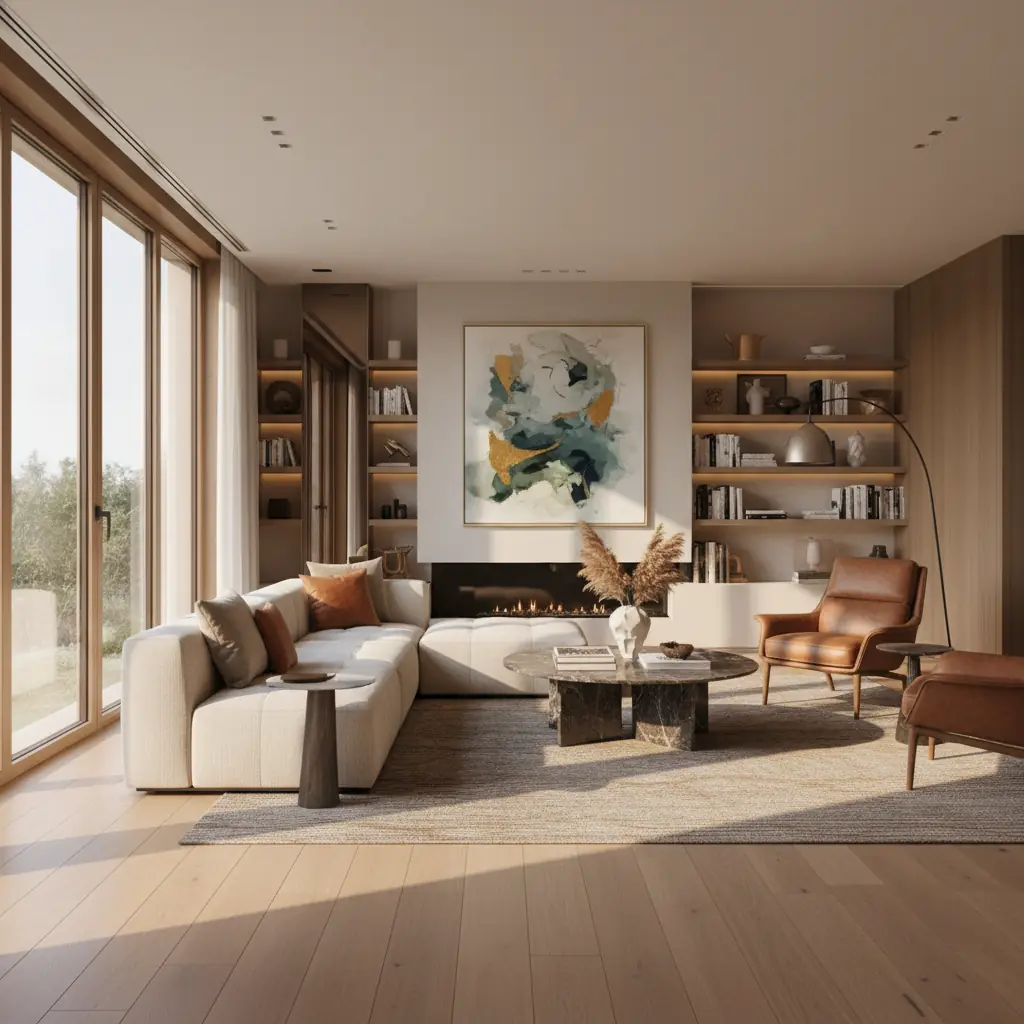
Un diseñador es un socio, no un adivino: La base del éxito
Embarcarse en un proyecto de diseño de interiores puede ser uno de los viajes más emocionantes para su hogar o negocio. Sin embargo, el camino hacia un espacio impresionante y funcional a menudo está plagado de expectativas desalineadas, por ambas partes. Los diseñadores con frecuencia expresan frustración cuando los clientes dan directivas vagas como "Quiero que se vea bonito", sin ofrecer una visión más concreta. Por el contrario, los clientes pueden sentirse decepcionados cuando la estética personal de un diseñador eclipsa su gusto y estilo de vida únicos.
La piedra angular de cualquier proyecto de diseño exitoso es una comunicación sólida y clara. Piense en su diseñador de interiores no solo como un proveedor de servicios, sino como un socio estratégico, un profesional calificado cuya experiencia puede transformar sus aspiraciones en una realidad tangible. Cuanto más precisamente pueda articular sus deseos, necesidades e incluso sus aversiones, mejor equipado estará su diseñador para ofrecer resultados que no solo cumplan, sino que superen sus expectativas. Esta guía lo llevará a través de cómo cultivar esta asociación crucial, asegurando un proceso fluido y un resultado que le encantará.
Fase 1: La preparación es clave
Antes incluso de pensar en firmar un contrato, el trabajo más valioso que puede hacer es prepararse. Este trabajo inicial sienta las bases para una colaboración eficiente y asegura que su diseñador entienda su visión desde el primer día.
### ¿Cómo prepararse para su primera reunión con un diseñador de interiores?
Su primera reunión con un diseñador de interiores no es solo una entrevista; es una oportunidad para sentar las bases de una asociación exitosa. Llegar preparado con algo más que entusiasmo mejorará drásticamente la eficiencia y el resultado de su proyecto.
**Referencias visuales curadas: Más allá del tablero de Pinterest** Si bien Pinterest, Instagram y las revistas de diseño son excelentes fuentes de inspiración, presentarle a un diseñador 500 pines o recortes puede ser abrumador y contraproducente. En su lugar, apunte a una colección muy curada de 10 a 15 imágenes. Estas deben representar una dirección consistente, capturando la esencia del estilo, el ambiente, las paletas de colores y los elementos funcionales que usted visualiza.
Fundamentalmente, no se enfoque solo en lo que le encanta. Incluya imágenes de cosas que _odia_ – diseños, colores, texturas o distribuciones que desea evitar absolutamente. Saber qué excluir es a menudo tan valioso como saber qué buscar, lo que ayuda a reducir las posibilidades y prevenir errores costosos. Organice estas imágenes en una presentación clara y concisa, quizás con breves notas que expliquen qué le gusta o disgusta específicamente de cada una.
**Articulando su estilo de vida y necesidades funcionales** Más allá de la estética, un buen diseño es profundamente funcional. Considere cómo realmente vive y utiliza su espacio:
- **¿Quién usa el espacio?** ¿Es solo usted, una pareja, una familia con niños pequeños o mascotas? - **¿Cómo lo usa?** ¿La sala de estar es para lectura tranquila, entretenimiento animado o ambos? ¿Trabaja desde casa y necesita una zona dedicada y tranquila? - **¿Cuáles son sus puntos débiles?** ¿Falta almacenamiento? ¿La iluminación es inadecuada? ¿La distribución es incómoda para entretener? - **¿Qué actividades desea facilitar?** Rincones de lectura, zonas de juego, espacios de meditación, áreas de comedor grandes. - **¿Planes futuros?** ¿Piensa ampliar su familia, recibir visitas con más frecuencia o eventualmente vender la casa?
Esta comprensión detallada de su estilo de vida ayuda a un diseñador a crear un espacio que no solo se vea bien, sino que realmente funcione para usted.
### Definiendo su estilo: Aprovechando la IA para mayor claridad
Para muchos clientes, articular su estilo puede ser un desafío. Es posible que sepa lo que le gusta cuando lo ve, pero le cueste expresarlo con palabras o traducir ideas abstractas en elementos visuales concretos. Aquí es donde las herramientas modernas sobresalen.
Las plataformas impulsadas por IA como Habitas aceleran esta preparación drásticamente. En lugar de revisar innumerables imágenes en línea con la esperanza de encontrar algo similar a su espacio, simplemente puede subir fotos de sus habitaciones reales a Habitas. La plataforma le permite experimentar con diferentes estilos de diseño, arreglos de muebles y paletas de colores. Puede visualizar instantáneamente cómo una estética escandinava minimalista se vería en su sala de estar, o cómo los principios de diseño biofílico podrían transformar su dormitorio.
Llevar estas imágenes generadas por IA a su reunión con el diseñador ofrece varias ventajas profundas:
1. **Dirección clara:** Usted llega con una representación visual altamente específica de sus preferencias, adaptada a su espacio real, no solo con inspiración genérica. 2. **Lenguaje común:** Las imágenes sirven como un lenguaje visual compartido, reduciendo la ambigüedad y asegurando que usted y su diseñador estén en la misma sintonía desde el principio. 3. **Eficiencia:** Reduce significativamente la fase de exploración inicial, permitiendo que el diseñador pase directamente a refinar un concepto que usted ya adora.
De hecho, la visualización con IA puede reducir el tiempo de desarrollo de conceptos iniciales en un impresionante 50-70%, permitiendo a los diseñadores enfocar su experiencia en soluciones personalizadas en lugar de interminables iteraciones de estilo. [Descubra cómo los diseños de habitaciones generados por IA pueden lucir increíblemente realistas e informar su visión](/blog/ai-generated-room-designs-realistic).
Fase 2: El viaje de la colaboración
Una vez que haya hecho su tarea, los siguientes pasos implican seleccionar al diseñador adecuado e iniciar una colaboración transparente y productiva.
### ¿Cómo hablar de su presupuesto con un diseñador de interiores?
El presupuesto suele ser el tema más delicado, pero también el más crítico para el éxito del proyecto. Nunca, bajo ninguna circunstancia, oculte su presupuesto a su diseñador. Su función principal es maximizar su inversión, elaborando el diseño más impactante dentro de sus parámetros financieros. Solo pueden lograr esto cuando tienen una comprensión clara de los fondos totales disponibles.
**Desglosando el presupuesto:** Espere que el presupuesto de su proyecto cubra generalmente cuatro categorías principales:
1. **Honorarios del diseñador:** Esto suele ser del 10 al 20% del presupuesto total del proyecto, aunque puede variar según la experiencia, el alcance del proyecto y la estructura de honorarios. Esta tarifa cubre su experiencia, tiempo, gestión del proyecto y acceso a recursos comerciales. 2. **Mobiliario, materiales y acabados:** Esto incluye todo, desde sofás y alfombras hasta pintura, papel tapiz, pisos, iluminación y carpintería a medida. 3. **Mano de obra e instalación:** Esto cubre a los profesionales (pintores, electricistas, plomeros, contratistas), mudadores e instaladores. 4. **Contingencia:** Siempre asigne del 10 al 15% de su presupuesto total para gastos imprevistos. Las renovaciones, especialmente, son propensas a sorpresas una vez que se abren las paredes.
Un buen diseñador puede ofrecer resultados impresionantes, ya sea que su presupuesto sea de $10,000 o $100,000, pero su enfoque será completamente diferente. Por ejemplo, una renovación completa de cocina en una casa de gama media suele costar entre $25,000 y $75,000, mientras que simplemente redecorar una sala de estar con muebles y accesorios nuevos podría oscilar entre $5,000 y $20,000. Conocer su número les permite priorizar, sugerir artículos de calidad apropiada y gestionar las expectativas desde el principio.
**Entendiendo las estructuras de honorarios:** Los diseñadores suelen emplear una o una combinación de estas estructuras de honorarios:
- **Tarifa por hora:** Ideal para proyectos o consultas más pequeños, pero los costos pueden aumentar si no se gestionan. - **Tarifa fija:** Un precio fijo para un alcance de trabajo definido. Ofrece previsibilidad de costos. - **Porcentaje del costo del proyecto:** Común para renovaciones más grandes, ya que vincula la compensación del diseñador a la inversión total. - **Margen de venta al por menor:** Algunos diseñadores compran artículos a precios de mayorista y los venden a los clientes a precio minorista, siendo la diferencia parte de su compensación. - **Modelos híbridos:** Una tarifa fija para conceptos de diseño más un porcentaje sobre la adquisición, o por hora para el tiempo de diseño y un margen sobre los productos.
Siempre obtenga una propuesta clara y detallada que describa los honorarios del diseñador, el alcance del trabajo y cómo se manejará la adquisición _antes_ de que comience cualquier trabajo. La transparencia aquí evita malentendidos en el futuro.
### Seleccionando al socio adecuado: Más allá del portafolio
Elegir un diseñador de interiores es muy parecido a elegir cualquier proveedor de servicios profesional: debe asegurarse de que tenga las habilidades, la experiencia y la personalidad adecuadas.
**Preguntas de entrevista y química:** Más allá de admirar su portafolio, haga preguntas detalladas durante sus consultas iniciales:
- ¿Cuál es su proceso de diseño? (Esto ayuda a alinear las expectativas). - ¿Cómo gestiona los presupuestos y los plazos? - ¿Cómo maneja los comentarios y las revisiones del cliente? - ¿Cuál es su estilo de comunicación? (¿Correo electrónico, teléfono, reuniones?) - ¿Ha trabajado en proyectos similares al mío? (por ejemplo, estilo específico, presupuesto, tipo de habitación). - ¿Qué desafíos prevé con mi proyecto? - ¿Cómo incorpora la tecnología, como la visualización con IA, en su flujo de trabajo?
Una conexión personal fuerte y el respeto mutuo son primordiales. Recuerde, trabajará de cerca con esta persona durante semanas o meses. Asegúrese de que su personalidad, estilo de trabajo y filosofía de diseño resuenen con los suyos. Si bien las herramientas de IA son cada vez más potentes, el toque humano de un diseñador sigue siendo invaluable para el asesoramiento personalizado y la resolución de problemas complejos. Para comprender las diferentes propuestas de valor, puede encontrar útil nuestro artículo sobre [IA vs. Diseñador de Interiores Humano](/blog/ai-vs-human-interior-designer).
**Verificando referencias y reseñas:** Siempre solicite referencias de clientes anteriores y tómese el tiempo para contactarlos. Pregunte sobre:
- La experiencia general del cliente. - Si el proyecto se mantuvo dentro del presupuesto y del cronograma. - Cómo el diseñador manejó los desafíos o problemas imprevistos. - La calidad de la comunicación. - Su satisfacción con el resultado final.
Las reseñas en línea en plataformas como Houzz o Google también pueden ofrecer información valiosa, pero las referencias personales brindan una perspectiva más directa y sincera.
Fase 3: El proceso de diseño del concepto a la finalización
Una vez que haya seleccionado a su diseñador y establecido un presupuesto claro, comienza el trabajo de diseño real. La mayoría de los diseñadores siguen un enfoque estructurado y por fases, lo que garantiza un progreso metódico y permite la opinión del cliente en etapas cruciales.
### ¿Cuáles son las fases clave de un proyecto de diseño de interiores?
Comprender las fases típicas del diseño le ayudará a saber qué esperar y cuándo su aporte es más valioso.
**1. Descubrimiento y Programación:** Esta fase inicial se trata de inmersiones profundas. Su diseñador realizará una consulta en profundidad, a menudo involucrando visitas al sitio, cuestionarios detallados y conversaciones informales. Medirán su espacio, fotografiarán las condiciones existentes y discutirán su estilo de vida, necesidades, preferencias, presupuesto y cronograma en detalle. Aquí es donde recopilan toda la información necesaria para formar una comprensión integral de su proyecto. Piense en ello como la etapa de recopilación de información donde se sientan las bases para todo lo demás.
**2. Diseño Conceptual:** Basándose en la fase de descubrimiento, su diseñador desarrollará conceptos de diseño preliminares. Esto normalmente implica presentar paneles de inspiración (mood boards), planos de planta iniciales, opciones de paletas de colores y quizás algunas imágenes inspiradoras. Podrían presentar dos o tres direcciones distintas, cada una con una sensación única, permitiéndole reaccionar y elegir un camino preferido. Esta es una etapa emocionante donde las ideas abstractas comienzan a tomar forma visual.
Esta es también una excelente oportunidad para aprovechar herramientas como Habitas. Puede traer sus propios [diseños de habitaciones generados por IA](/blog/ai-generated-room-designs-realistic) a esta reunión, usándolos para comunicar rápidamente su visión. Esto puede agilizar significativamente la fase conceptual, permitiendo que el diseñador capte rápidamente sus preferencias estéticas y funcionales.
**3. Diseño Esquemático y Desarrollo del Diseño:** Una vez que se aprueba una dirección conceptual, el diseñador la refina. Esta fase implica dibujos más detallados, planificación del espacio, selecciones preliminares de muebles, accesorios, materiales (FF&E) e iluminación. Comenzará a ver sugerencias de productos específicos, muestras de materiales y diseños más detallados. Aquí es donde la dirección elegida comienza a solidificarse en decisiones de diseño concretas. El diseñador presentará estos elementos para su aprobación, buscando su opinión sobre selecciones específicas.
**4. Documentación y Adquisición:** Con todos los elementos de diseño aprobados, el diseñador pasa a la fase de documentación. Esto incluye la creación de planos de construcción detallados (si corresponde), especificaciones para todos los artículos elegidos y la preparación de órdenes de compra. Se encargarán de la búsqueda, pedido, seguimiento y logística de todos los muebles y materiales. Esta es una etapa crítica, a menudo compleja, que requiere una atención meticulosa a los detalles y sólidas relaciones con los proveedores. Durante esta fase, el aprovechamiento de herramientas digitales para la gestión de inventario y el seguimiento de pedidos se vuelve esencial para la eficiencia.
**5. Gestión del Proyecto e Instalación:** ¡Aquí es donde ocurre la magia! El diseñador supervisa la implementación del diseño. Esto incluye la coordinación con contratistas, artesanos y proveedores, la realización de visitas al sitio, la resolución de cualquier problema que surja y la gestión del cronograma del proyecto. Finalmente, llega la instalación, el emocionante día en que llegan los muebles, se cuelga el arte y se colocan los accesorios, culminando en la "revelación" de su espacio transformado.
**El papel crítico de la retroalimentación:** A lo largo de estas fases, especialmente durante el diseño conceptual y esquemático, su retroalimentación es crucial. Los mayores retrasos en el cronograma y los excesos presupuestarios a menudo provienen de clientes que tardan semanas en revisar las presentaciones o proporcionan comentarios poco claros e inconsistentes. Sea receptivo, sea claro y sea honesto. Si no le gusta algo, explique _por qué_. Esto permite a su diseñador realizar ajustes específicos, manteniendo el proyecto avanzando de manera eficiente. Una retroalimentación rápida puede ahorrar semanas en un cronograma de proyecto y reducir significativamente el potencial de frustración.
Fase 4: Navegando desafíos y asegurando el éxito
Incluso con la mejor preparación, pueden surgir desafíos. Saber qué buscar y cómo mantener una comunicación efectiva asegurará un viaje más fluido.
### ¿Qué señales de alerta debe observar al contratar un diseñador de interiores?
Si bien la mayoría de los diseñadores son muy profesionales, es prudente estar atento a posibles señales de advertencia que podrían indicar una asociación menos que ideal.
- **Un diseñador que no escucha:** Si un diseñador descarta constantemente sus ideas, preferencias o necesidades funcionales, o parece más interesado en imponer su propio estilo distintivo independientemente de su opinión, esto es una señal de alerta importante. Un buen diseño es colaborativo. - **Falta de referencias o portafolio:** Un diseñador de buena reputación debería poder proporcionar múltiples referencias de clientes anteriores y tener un portafolio profesional que muestre su trabajo. Desconfíe si no pueden hacerlo. - **Precios poco claros o cambios en el alcance sin discusión:** Su contrato debe detallar claramente todos los honorarios, lo que se incluye en el alcance del trabajo y cómo se manejarán los cambios. Si los precios parecen vagos, o el diseñador comienza a realizar cambios significativos en el alcance o el presupuesto sin su discusión y aprobación previas, proceda con precaución. - **Presión agresiva para productos de alto margen:** Si bien los diseñadores a menudo tienen acceso a productos exclusivos para el sector, siempre deben ofrecer alternativas o explicar la propuesta de valor si se sugiere un artículo de alto costo. Si se siente presionado a comprar artículos caros sin comprender la justificación, es una preocupación. - **Descartar sus referencias generadas por IA como "no es diseño real":** Esto indica un diseñador que podría ser resistente a la innovación o la colaboración. Los buenos diseñadores acogen con agrado las herramientas que mejoran la comunicación y la eficiencia. Entienden que las imágenes generadas por IA, especialmente de plataformas como Habitas, son puntos de partida potentes que ahorran tiempo en la fase de exploración y brindan a ambas partes un lenguaje visual común y concreto desde el primer día. Lo ven como una mejora, no como una amenaza. - **Mala comunicación:** Llamadas o correos electrónicos sin respuesta, plazos de presentación incumplidos o una falta general de capacidad de respuesta pueden indicar problemas organizacionales más profundos.
### Manteniendo una comunicación abierta durante todo su proyecto
La comunicación es la base de una relación exitosa entre cliente y diseñador. Establezca canales y expectativas claras desde el principio.
- **Revisiones periódicas:** Acuerde un cronograma para reuniones regulares (semanales, quincenales) para discutir el progreso, la retroalimentación y los próximos pasos. - **Métodos preferidos:** Aclare cómo prefieren comunicarse para preguntas rápidas versus decisiones formales (por ejemplo, correo electrónico para actualizaciones menores, llamadas programadas para discusiones más importantes). - **Retroalimentación constructiva:** Al proporcionar retroalimentación, sea específico y orientado a la solución. En lugar de "No me gusta", intente "Me gusta la idea general, pero el color me parece demasiado frío y prefiero texturas más naturales". Esto le da a su diseñador información útil. Recuerde, aproximadamente el 30% de los retrasos en los proyectos se atribuyen a fallas en la comunicación, por lo que la claridad es primordial.
### Aprovechando la tecnología para un viaje de diseño más fluido
La industria del diseño de interiores está evolucionando rápidamente con los avances tecnológicos. Adoptar estas herramientas puede agilizar su proyecto y mejorar el proceso colaborativo.
- **IA para visualización y paneles de inspiración (mood boards):** Como se mencionó, herramientas como Habitas le permiten [explorar diferentes estilos de diseño para su espacio](/blog/best-interior-design-styles-2026) y visualizarlos al instante. Esto no solo aclara su visión, sino que también ayuda a los diseñadores a comprender sus preferencias más rápido que nunca. Puede [generar paletas de colores con IA](/blog/ai-color-palette-generator) y verlas aplicadas instantáneamente a sus habitaciones. - **Plataformas de gestión de proyectos digitales:** Muchos diseñadores utilizan software dedicado para la gestión de proyectos, lo que permite a los clientes seguir el progreso, revisar documentos, aprobar selecciones y comunicarse sin problemas. - **Realidad Virtual (RV) y Realidad Aumentada (RA):** Algunos diseñadores están adoptando RV/RA para brindar a los clientes experiencias inmersivas de sus futuros espacios antes de que se ordene un solo artículo, lo que reduce aún más la incertidumbre y el potencial de insatisfacción. [Explore cómo se comparan las aplicaciones de diseño de interiores con IA en 2026](/blog/ai-interior-design-apps-compared-2026) para ver qué hay disponible.
Al integrar estas tecnologías, puede disfrutar de una experiencia de diseño más eficiente, transparente y satisfactoria.
Trabajar con un diseñador de interiores es una inversión en su hogar y en su calidad de vida. Al hacer su tarea, fomentar la comunicación abierta, ser transparente con su presupuesto y aprovechar las herramientas modernas, puede asegurar una asociación que brinde resultados impresionantes y personalizados que apreciará durante años.
Preguntas Frecuentes
### ¿Cuál es la diferencia entre un diseñador de interiores y un decorador de interiores?
Los términos a menudo se usan indistintamente, pero existe una diferencia significativa en el alcance y las calificaciones. Un **diseñador de interiores** es un profesional capacitado que se enfoca en la planificación, funcionalidad, seguridad y estética de un espacio interior. A menudo tienen educación formal, certificaciones y pueden trabajar en cambios estructurales, planificación espacial, diseños eléctricos y colaborar con arquitectos y contratistas. Un **decorador de interiores**, por otro lado, se enfoca típicamente en los elementos estéticos de un espacio, como paletas de colores, muebles, telas y accesorios. Los decoradores no suelen lidiar con cambios estructurales o especificaciones técnicas. La mayoría de los diseñadores de interiores pueden decorar, pero no todos los decoradores son diseñadores calificados.
### ¿Cuánto tiempo suele durar un proyecto de diseño de interiores?
El cronograma de un proyecto de diseño de interiores varía ampliamente según su alcance y complejidad. Una simple renovación de una habitación podría llevar de 4 a 8 semanas desde el concepto hasta la instalación, mientras que una renovación integral de una vivienda o un proyecto de nueva construcción podría extenderse de 6 meses a 2 años, o incluso más. Factores como la capacidad de respuesta del cliente, los plazos de entrega de los productos (que pueden ser de 8 a 24 semanas para muebles a medida), la disponibilidad del contratista y los problemas de construcción imprevistos juegan un papel importante. Su diseñador debería proporcionar una estimación de cronograma realista en su propuesta.
### ¿Puedo usar mis muebles existentes con un diseñador?
¡Absolutamente! Un diseñador de interiores experto sobresale en la integración de piezas existentes que le encantan en un nuevo esquema de diseño. Pueden ayudarle a determinar qué artículos vale la pena conservar (y quizás retapizar o restaurar) y cuáles deberían reemplazarse. Incorporar muebles, arte o artículos sentimentales apreciados puede agregar carácter y un toque personal único a su espacio, creando una mezcla armoniosa de lo antiguo y lo nuevo. Asegúrese de mostrarle a su diseñador cualquier artículo que desee conservar durante la fase de descubrimiento.
### ¿Qué pasa si no me gustan las ideas de mi diseñador?
Es perfectamente normal no amar cada una de las ideas presentadas por su diseñador. El proceso de diseño es iterativo y su retroalimentación honesta es crucial. Si no le gusta un concepto, no se limite a decir "no". En su lugar, explique _por qué_ no resuena con usted. ¿Es el color, el estilo, la funcionalidad o algo más? Una retroalimentación específica y constructiva permite a su diseñador comprender mejor sus preferencias y revisar su enfoque. Un buen diseñador agradecerá este aporte y trabajará con usted para refinar la visión hasta que se alinee con sus deseos.
### ¿Vale la pena el costo de contratar un diseñador de interiores?
Muchos clientes encuentran que contratar un diseñador de interiores es una inversión que vale la pena. Los diseñadores aportan experiencia profesional, le ahorran tiempo y errores costosos, tienen acceso a recursos y descuentos exclusivos del sector, y pueden crear un espacio cohesivo, funcional y estéticamente agradable que quizás no lograría por su cuenta. A menudo pueden añadir un valor significativo a su hogar; por ejemplo, los espacios diseñados profesionalmente pueden aumentar el valor de la vivienda entre un 5 y un 10% y venderse un 25% más rápido que propiedades comparables sin diseño. Si bien existe un costo inicial, los beneficios a largo plazo en términos de comodidad, eficiencia y un posible aumento del valor de la propiedad a menudo superan el gasto.