Diseña un Rincón de Lectura Acogedor: 8 Ideas para Cualquier Tamaño de Habitación
Transforma cualquier rincón en un acogedor espacio de lectura. Descubre 8 ideas creativas para cada tamaño de habitación, desde asientos junto a la ventana hasta escondites debajo de la escalera, con consejos expertos de estilo.
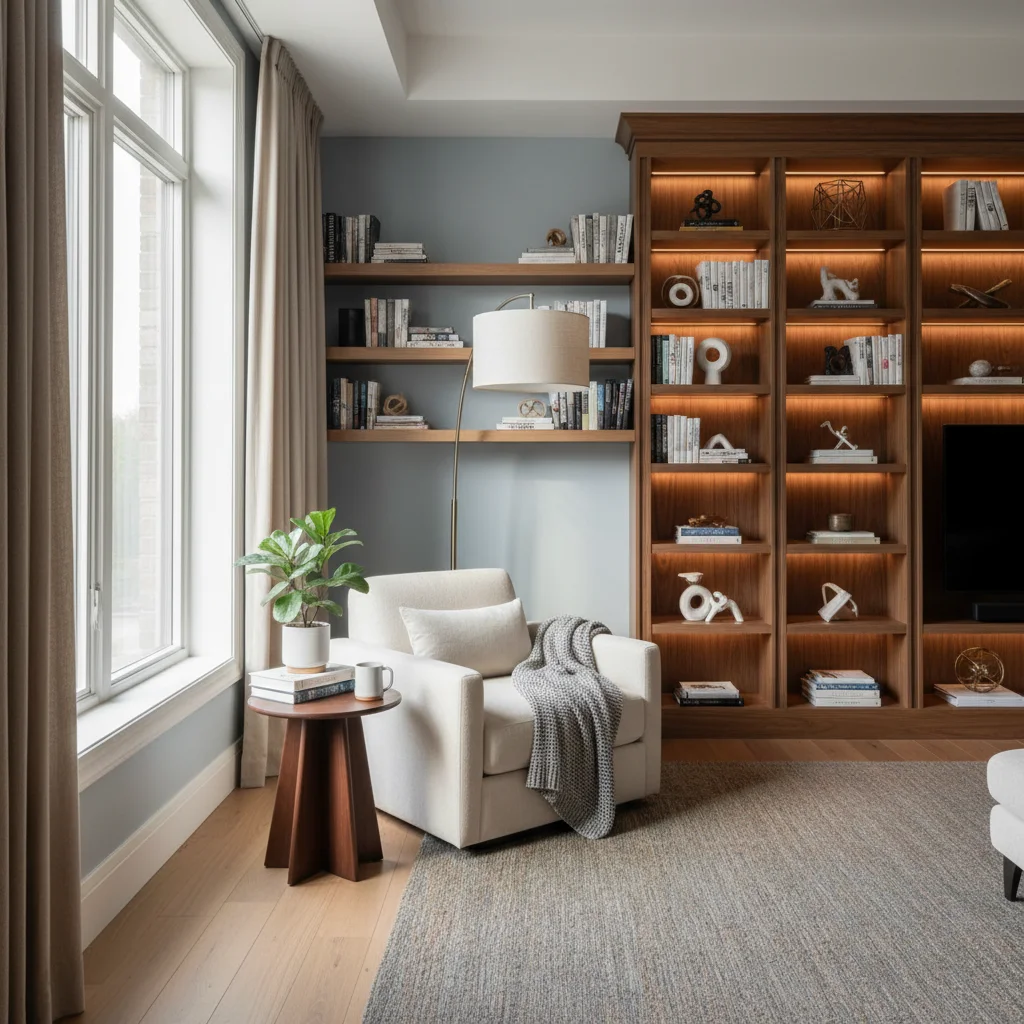
¿Qué Hace Tan Especial un Espacio Dedicado a la Lectura?
Hay algo profundamente satisfactorio en un espacio diseñado con un único propósito. Un rincón de lectura le indica a tu cerebro que es hora de bajar el ritmo, a diferencia de un sofá en una sala, que a menudo compite con la televisión, las conversaciones y los teléfonos. El encierro físico de un rincón crea una sensación de seguridad psicológica que las habitaciones abiertas simplemente no pueden replicar, fomentando una conexión más profunda con tu libro. Incluso una pequeña alcoba con un cojín mullido y una lámpara perfectamente ubicada cambia la forma en que experimentas una narrativa.
Estudios han demostrado que los entornos diseñados para actividades específicas pueden mejorar significativamente la concentración y el bienestar. Por ejemplo, **el 68% de las personas reporta una reducción en los niveles de estrés cuando tienen una "zona de descompresión" dedicada en casa**, como un rincón de lectura. Esto no se trata solo de escapar; se trata de vivir con intención. Los mejores rincones de lectura comparten tres cualidades fundamentales: buena iluminación (ya sea abundante luz natural o luz artificial cálida y bien dirigida), asientos cómodos con un ángulo ligeramente reclinado, y al menos una superficie estable para una bebida, una pila de libros o un par de gafas de lectura. Todo lo demás —estanterías empotradas, vistas panorámicas desde la ventana, doseles suaves o cortinas de privacidad— es una mejora. Comienza con estos tres fundamentos y construye a partir de ahí para crear tu santuario literario personal.
Asientos en Alcobas de Ventana: El Refugio de Lectura Por Excelencia
Una alcoba de ventana profunda es quizás el formato más codiciado para un rincón de lectura. Si tu hogar cuenta con ventanales o ventanas profundas con un alféizar de al menos cuarenta centímetros de profundidad, ya tienes los huesos arquitectónicos perfectos. Este espacio, a menudo subutilizado, está listo para ser transformado.
**Transformando Espacios de Ventana Existentes:** Comienza con un cojín a medida cortado con precisión para encajar en el alféizar. Opta por telas duraderas y resistentes a las manchas como mezclas de lino, lona de algodón o incluso un suave terciopelo para un lujo adicional. Debajo, integra cajones de almacenamiento o tapas con bisagras para la base, convirtiendo el espacio muerto en una valiosa área para mantas, artículos de temporada o incluso más libros. Unos cuantos cojines decorativos cuidadosamente elegidos —que varíen en tamaño, textura y patrón— te invitarán a acomodarte. Para una comodidad de lectura óptima, orienta tu asiento perpendicular a la ventana. Esto permite que la luz natural incida suavemente en tus páginas desde un lado, minimizando el deslumbramiento y la fatiga visual.
**Creando Profundidad Donde No Existe:** Para ventanas sin profundidad existente, un banco con plataforma construido desde la pared hasta el marco de la ventana crea el mismo efecto. Este es un proyecto de carpintería moderado, pero uno que cambia drásticamente la sensación y la funcionalidad de una habitación. La plataforma no solo define tu rincón, sino que también crea un valioso almacenamiento oculto debajo, perfecto para organizar y despejar. La naturaleza empotrada asegura que el modesto espacio se sienta arquitectónicamente intencional y permanente, en lugar de un añadido. Para ayudarte a visualizar cómo se verían los diferentes materiales y acabados, considera usar una [herramienta de diseño de habitaciones generada por IA](/blog/ai-generated-room-designs-realistic) como Habitas para experimentar con varios diseños de plataforma y opciones de tapicería antes de comprometerte. Esto puede ahorrarte mucho tiempo y posibles retrabajos.
Cuevas de Lectura Debajo de la Escalera: Maximizando el Potencial Oculto
El espacio debajo de una escalera se utiliza con poca frecuencia, a menudo relegado a sostener un solitario perchero o simplemente a acumular polvo. Convertir este espacio a menudo incómodo en un rincón de lectura es una de las transformaciones más eficientes y encantadoras en el diseño de interiores. El techo bajo inherente y los tres lados cerrados crean un cerramiento natural, similar a una cueva, perfecto para la introspección.
**Elementos de Diseño para Rincones Debajo de la Escalera:** Las dimensiones típicas de un área debajo de la escalera pueden variar, pero incluso un espacio compacto (por ejemplo, 0.9-1.2 metros de profundidad, 1.8-2.4 metros de largo) puede transformarse. Agrega un banco hecho a medida, idealmente con cajones de almacenamiento debajo para mantas adicionales o libros infantiles. Estanterías en la pared trasera, siguiendo la inclinación de la escalera, maximizan el espacio vertical para tu colección literaria. Dada la falta de luz natural, la iluminación es primordial. Tiras de luz LED empotradas a lo largo del borde del techo proporcionan un brillo ambiental, mientras que una lámpara de lectura flexible y direccional (quizás una lámpara de pared tipo aplique o una luz pequeña con clip) asegura una iluminación de trabajo adecuada para tus páginas.
**Mejorando la Privacidad y la Diversión:** Cortinas de privacidad —un simple panel en una barra de tensión o un riel decorativo a través de la abertura— pueden elevar una cueva de lectura debajo de la escalera de un lugar lúdico a uno genuinamente funcional, ofreciendo una verdadera sensación de retiro. Los niños se sienten naturalmente atraídos por estos escondites secretos, pero los adultos que los prueban rara vez los abandonan. Para las familias, este puede ser un lugar maravilloso y acogedor para los cuentos antes de dormir. Este uso creativo del espacio es un ejemplo brillante de cómo abordar las [soluciones para habitaciones con formas difíciles](/blog/awkward-room-shape-solutions), convirtiendo un desafío de diseño en una característica apreciada.
Conversiones de Clósets: Tu Retiro de Lectura en el Dormitorio
Un clóset de dormitorio estándar, con sus puertas retiradas y las barras de ropa despejadas, puede ser reimaginado como un rincón de lectura sorprendentemente íntimo y acogedor. Las dimensiones típicas de un clóset de pared —generalmente de 60 a 76 centímetros de profundidad y de 90 a 150 centímetros de ancho— son perfectamente adecuadas para un cómodo banco acolchado, estanterías poco profundas en las paredes traseras o laterales para libros y decoración, y una lámpara colgante desde la caja de la luminaria de techo existente.
**Haciéndolo Intencional y Diseñado:** Para que esta conversión se sienta intencional y sofisticada en lugar de temporal, considera pintar el interior del clóset con un color contrastante o complementario a las paredes principales del dormitorio. Esto crea una zona distinta y añade profundidad visual. Por ejemplo, un tono joya intenso o un verde bosque profundo dentro de un dormitorio neutro puede sentirse increíblemente lujoso. Esta conversión es particularmente efectiva en hogares donde un dormitorio cuenta con dos clósets; convertir el más pequeño en un rincón de lectura mientras se conserva el más grande para almacenamiento es un beneficio neto tanto para la función como para la experiencia estética. El dormitorio gana un destino más allá de la cama, y la arquitectura se beneficia de una profundidad por capas que a menudo carecen las paredes planas y los arreglos de muebles simples. Al planificar tu esquema de color, un [generador de paletas de colores con IA](/blog/ai-color-palette-generator) puede ayudarte a explorar combinaciones armoniosas.
Rincones en Esquinas en Salas y Dormitorios: Diseñando con Intención
No todos los hogares cuentan con convenientes alcobas, ventanales o huecos debajo de las escaleras. Afortunadamente, un encantador rincón de lectura en una esquina puede crearse en cualquier lugar donde tengas dos paredes perpendiculares. La clave reside en un diseño intencional y una cuidadosa disposición del mobiliario.
**El Rincón de Esquina Independiente:** Comienza colocando un sillón individual cómodo o un pequeño chaise lounge en un ángulo de cuarenta y cinco grados respecto a la esquina. Esta ubicación diagonal inmediatamente indica que esta esquina es una zona distinta, operando con su propia lógica, separada del arreglo principal de muebles. Define aún más el espacio con una lámpara de pie redonda que proyecte un brillo suave y acogedor, una pequeña mesa auxiliar para lo esencial, y una estantería delgada o estantes flotantes en una de las paredes adyacentes para tu colección literaria. Añadir una pequeña alfombra mullida debajo de la silla puede anclar el espacio y añadir calidez.
**El Banco de Esquina Integrado:** Para una solución de asientos más integrada y maximizada, se puede construir un banco de esquina con un retorno de noventa grados de forma relativamente económica utilizando MDF o contrachapado. Estos bancos maximizan los asientos dentro de una huella mínima y se sienten anclados y permanentes de una manera que las sillas independientes no lo hacen. Tapiza el banco con una tela duradera y texturizada como boucle, terciopelo o un lino de tejido apretado, que resistirá el uso regular mientras añade interés visual. Agrega un cojín tipo rollo en la esquina para un apoyo lumbar esencial al leer en una posición relajada y de descanso. Incorporar almacenamiento empotrado debajo del banco es una forma inteligente de mantener un ambiente libre de desorden. Para los decoradores con un presupuesto ajustado, un rincón de esquina ofrece una excelente oportunidad para mejorar un espacio sin una renovación completa, a menudo demostrando ser uno de los proyectos más impactantes y amigables con el [presupuesto de decoración de apartamentos](/blog/apartment-decorating-budget).
¿Qué Tan Importante es la Iluminación para un Rincón de Lectura?
La iluminación es, sin duda, el elemento más crítico en un rincón de lectura, impactando directamente en la comodidad, el enfoque y el ambiente. La lectura requiere iluminación de trabajo —típicamente de 400 a 500 lux en la superficie de lectura—, al mismo tiempo que se beneficia de una calidez ambiental que hace que el espacio se sienta como un refugio en lugar de una oficina. La configuración ideal combina magistralmente una lámpara de lectura direccional con una fuente ambiental más suave y difusa.
**Estrategia de Iluminación de Doble Propósito:** Combina una lámpara de pie con brazo ajustable, un aplique de pared o una luz con clip para iluminación directa, asegurando que el haz de luz caiga directamente sobre tu libro. Para la luz ambiental, considera LED cálidos empotrados, una elegante lámpara colgante (especialmente efectiva en clósets o rincones debajo de la escalera), o incluso guirnaldas de luces decorativas para un toque caprichoso. El objetivo es proporcionar suficiente brillo para una lectura sin esfuerzo y sin deslumbramientos fuertes.
**Temperatura de Color y Regulación:** La temperatura de color importa más en los rincones de lectura que en casi cualquier otro lugar de la casa. Mantente en el espectro cálido, entre 2700K y 3000K. Este rango imita la luz incandescente, reduciendo la fatiga visual y señalando la relajación nocturna. Evita las bombillas de luz fría de más de 4000K, que promueven el estado de alerta y pueden alterar el ritmo circadiano natural de tu cuerpo. **Investigaciones indican que usar iluminación de tonos cálidos (2700K-3000K) puede reducir los síntomas de fatiga visual digital hasta en un 25% en comparación con temperaturas más frías.** Los interruptores con regulador de intensidad son esenciales para la versatilidad: luz brillante para una lectura concentrada y un ajuste más bajo y cálido para un ambiente relajante, señalando una transición suave hacia el sueño. Esta estrategia de iluminación bien pensada hace que el rincón sea adaptable durante el día y la noche.
Estilizando Tu Rincón Terminado: Capas de Comodidad y Personalidad
Un rincón de lectura gana su carácter a través de una cuidadosa disposición por capas, transformando un espacio funcional en un santuario acogedor. Resiste la tentación de sobre-decorar; en su lugar, selecciona elementos que mejoren la comodidad y reflejen tu estilo personal.
**La Base de la Comodidad:** Comienza con un cojín sustancial o un asiento acolchado hecho a medida como tu tapicería principal. Aquí es donde realmente comienza la comodidad. Luego, introduce dos o tres cojines decorativos, variando sus tamaños, formas y texturas. Mezcla un tejido grueso con un terciopelo suave, o un lino con una piel sintética, para crear interés visual y atractivo táctil. Una manta ligera, doblada artísticamente sobre un extremo del asiento o simplemente colocada, añade otra capa de calidez e invitación.
**Toques Personales y Practicidad:** En cualquier superficie de estantería o mesa auxiliar, organiza de tres a cinco libros con el lomo hacia afuera. Deben ser libros que estés leyendo genuinamente o que planees leer pronto, contribuyendo a una sensación de habitado. Más allá de los libros, añade uno o dos objetos personales que te brinden alegría: una pequeña lámina enmarcada de una obra de arte apreciada, una taza de cerámica favorita, una escultura pequeña y única, o una vela aromática. Incorporar una planta pequeña y de bajo mantenimiento como una sansevieria o un potos puede añadir un toque de diseño biofílico y aire fresco; para ideas, explora nuestra guía sobre las [mejores plantas para diseño de interiores](/blog/best-plants-for-interior-design).
**El Arte de la Perfección Deshecha:** Los rincones de lectura más exitosos se sienten genuinamente tuyos —ligeramente imperfectos, cómodamente usados y auténticamente curados. Los libros deben ser aquellos con los que realmente interactúas. La manta debe ser la que instintivamente buscas. La luz debe estar ajustada exactamente a tu gusto. Cuando el espacio se siente intuitivo y habitado, está haciendo su magia. Recuerda, el objetivo final de un rincón de lectura es proporcionar un escape dedicado que se sienta profundamente personal y sumamente cómodo, un lugar donde puedas realmente desconectar y sumergirte en una historia.
Preguntas Frecuentes
### ¿Cuánto cuesta construir un rincón de lectura?
El costo de construir un rincón de lectura varía ampliamente dependiendo de la complejidad del proyecto y de si eliges hacerlo tú mismo (DIY) o contratar una instalación profesional. Un rincón de esquina simple con un nuevo sillón, mesa auxiliar y lámpara podría costar entre $300 y $800. Un asiento de ventana empotrado o una conversión de clóset con carpintería a medida, cojines e iluminación puede oscilar entre $1,500 y $4,000 o más, especialmente si contratas a un carpintero. Las construcciones empotradas DIY utilizando madera precortada o "hacks" de IKEA pueden reducir significativamente los costos, a menudo cayendo en el rango de $500 a $1,500 para materiales.
### ¿Cuáles son los elementos esenciales para un rincón de lectura acogedor?
Los elementos esenciales para un rincón de lectura verdaderamente acogedor son: asientos cómodos (un sillón mullido, un banco acolchado o un asiento de ventana profundo), buena iluminación (una combinación de luz ambiental cálida e iluminación de trabajo ajustable) y una superficie pequeña para una bebida y un libro. Más allá de estos, elementos como textiles suaves (cojines decorativos, mantas), objetos decorativos personales y una sensación de encierro (ya sea arquitectónico o creado con muebles/cortinas) realzan la sensación de confort y retiro.
### ¿Cómo puedo crear un rincón de lectura en un apartamento pequeño?
Crear un rincón de lectura en un apartamento pequeño se centra en maximizar los espacios existentes y en la elección inteligente del mobiliario. Utiliza áreas debajo de la escalera, convierte un clóset poco profundo o designa una esquina en una sala o dormitorio. Opta por muebles compactos y multifuncionales, como bancos con almacenamiento oculto o sillones delgados. Las estanterías montadas en la pared y la iluminación tipo aplique ahorran espacio en el suelo. Emplea colores claros y espejos para hacer que el área se sienta más grande, y considera usar un papel tapiz o un color de pintura distintivo dentro del rincón para darle una personalidad definida sin invadir el resto de la habitación.
### ¿Cuál es la mejor manera de elegir muebles para un rincón de lectura?
Al elegir muebles para un rincón de lectura, prioriza la comodidad y la escala. Para los asientos, busca piezas que permitan una postura ligeramente reclinada, buen soporte lumbar y suficiente ancho para encoger las piernas. Considera un sillón con brazos anchos, un chaise lounge o un banco hecho a medida. Para las mesas auxiliares, asegúrate de que sea lo suficientemente alta para alcanzarla cómodamente desde tu asiento y lo suficientemente grande solo para tus esenciales. Evita los muebles demasiado grandes en rincones pequeños, ya que esto puede hacer que el espacio se sienta estrecho. Si optas por un mueble empotrado, utiliza herramientas de IA como Habitas para visualizar diferentes estilos y configuraciones de muebles en tu espacio antes de comprar.
### ¿Puede una herramienta de diseño de interiores con IA ayudarme a planificar mi rincón de lectura?
¡Absolutamente! Las herramientas de diseño de interiores con IA como Habitas son increíblemente útiles para planificar un rincón de lectura. Puedes subir una foto de tu espacio existente –ya sea una alcoba de ventana, una esquina vacía o un clóset sin usar– y usar la IA para generar conceptos de diseño. Esto te permite experimentar virtualmente con diferentes configuraciones empotradas, estilos de muebles, paletas de colores y accesorios de iluminación. Es una forma eficiente de visualizar el resultado final, refinar tus ideas e incluso comparar diferentes opciones de diseño sin comprometerte con cambios físicos o compras, ahorrando tanto tiempo como posibles costos de renovación.
### ¿Qué colores funcionan mejor en un rincón de lectura para promover la relajación?
Para promover la relajación en un rincón de lectura, opta por paletas de colores suaves e introspectivas. Los tonos suaves y apagados son generalmente los mejores. Piensa en neutros cálidos como blancos cremosos, grises claros o beiges sutiles. Los verdes y azules terrosos (salvia, musgo, azul marino, azul polvo) son excelentes opciones, ya que evocan la naturaleza y promueven una sensación de calma. Colores más profundos y con tonos joya como el esmeralda, el zafiro o el ciruela oscuro también pueden crear una sensación lujosa y envolvente, especialmente en un espacio más cerrado como un clóset o un rincón debajo de la escalera. Evita los colores demasiado brillantes o estridentes, que pueden ser estimulantes en lugar de relajantes.