Color Drenching 2026: A Tendência de Pintura Imersiva que Você Precisa Experimentar
Tudo o que você precisa saber sobre color drenching — pintar paredes, teto, rodapés e portas da mesma cor para um efeito imersivo e moderno.
O que é Color Drenching? A Técnica de Pintura Imersiva Explicada
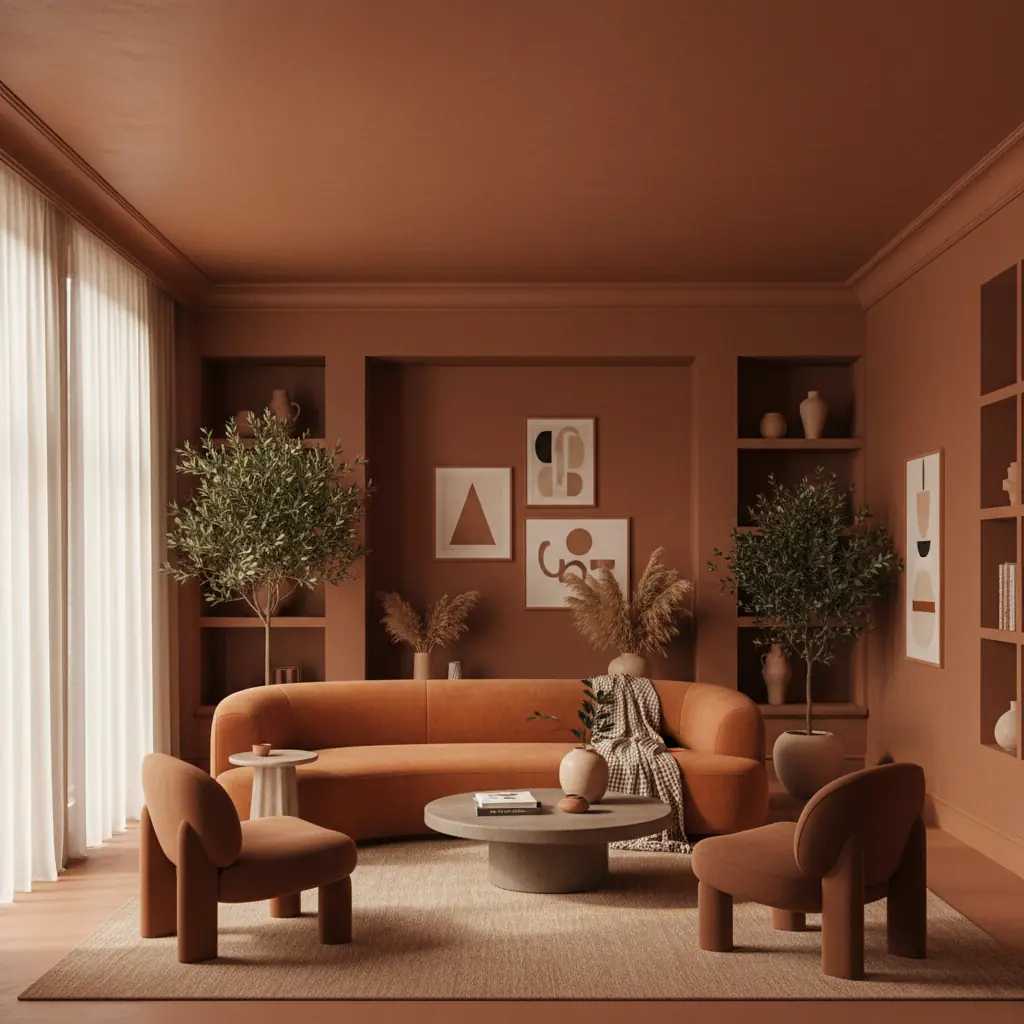
Color drenching, por vezes referida como pintura monocromática ou imersão de cor única, é a técnica de pintura definitiva para 2026. Envolve a aplicação de um único tom consistente em todas as superfícies de um cômodo: paredes, teto, rodapés, portas e, frequentemente, até mesmo em estantes embutidas ou radiadores. A intenção é eliminar quebras visuais e criar uma tela de cor ininterrupta que envolva completamente o espaço. Esqueça o teto branco tradicional ou os rodapés contrastantes; o color drenching exige um compromisso total com um tom contínuo, transformando um mero cômodo em uma experiência.
O efeito resultante é ao mesmo tempo marcante e profundamente impactante. Em um cômodo pintado convencionalmente, o olho naturalmente registra limites distintos — onde a parede encontra o teto branco nítido, ou onde a parede faz a transição para um rodapé contrastante. O color drenching dissolve meticulosamente essas distinções arquitetônicas. Os cantos suavizam, o teto recua para o esquema geral e a sensação avassaladora é de estar totalmente imerso na cor escolhida, em vez de observá-la à distância. É a diferença entre vestir uma camisa colorida e entrar em um cômodo colorido — uma mudança sensorial completa em direção à imersão total. Essa técnica cria uma estética coesa e unificada, oferecendo um afastamento da fragmentação visual que pode fazer um cômodo parecer confuso ou desconectado. É uma declaração ousada que reflete o desejo de intencionalidade e simplicidade sofisticada no design de interiores moderno.
Por Que o Color Drenching Funciona Tão Bem?
A eficácia do color drenching reside em seu poder de eliminar a fragmentação visual e estimular uma estética mais serena. Em um cômodo padrão, seu olho está constantemente processando micro-contrastes: um teto branco, uma parede colorida, um rodapé branco, uma parede diferente, um batente de porta. Esse incessante "salto visual", embora muitas vezes subconsciente, contribui para uma sensação de "ruído visual" que pode impedir o olho de realmente descansar. O drenching remove essa cacofonia inteiramente. Sem nada competindo por atenção, o olho relaxa, permitindo que o próprio cômodo se torne um pano de fundo sereno. Essa simplicidade intencional permite que os móveis, a arte e os objetos cuidadosamente escolhidos dentro do espaço surjam como os verdadeiros pontos focais, brilhando contra uma tela harmoniosa. Estudos de psicologia do design sugerem que a redução da desordem visual pode diminuir a carga cognitiva em até 20%, contribuindo para um ambiente mais calmo e focado.
Além de seus benefícios psicológicos, o color drenching também tem um efeito notável e muitas vezes contraintuitivo nas proporções percebidas de um cômodo. O teto branco tradicional, embora uma escolha clássica, invariavelmente cria uma linha horizontal distinta que chama a atenção para a altura do teto. Quando o teto combina com as paredes, essa fronteira se dissolve, fazendo com que o olho viaje para cima sem interrupção, muitas vezes fazendo o cômodo parecer consideravelmente mais alto do que realmente é. Da mesma forma, os rodapés contrastantes criam interrupções verticais e horizontais nas paredes, segmentando o espaço. A remoção dessas quebras visuais permite que as paredes pareçam mais largas e expansivas. Paradoxalmente, o color drenching pode fazer um cômodo parecer maior e mais aberto, em vez de menor ou claustrofóbico, precisamente porque apaga os marcadores visuais que tradicionalmente definem e restringem as bordas de um cômodo. Para cômodos com [formatos de sala incomuns ou características arquitetônicas desafiadoras](/blog/awkward-room-shape-solutions), essa técnica pode ser uma revelação, unificando elementos díspares em um todo coeso.
Os designers de interiores há muito utilizam essa técnica sofisticada em projetos residenciais e hoteleiros de alto padrão, apreciando sua capacidade de criar uma sensação de luxo refinado e continuidade perfeita. Sua entrada na consciência mainstream em 2026 é amplamente impulsionada por sua prevalência nas mídias sociais, onde suas dramáticas transformações de "antes e depois" capturam atenção significativa, alinhando-se com uma mudança cultural mais ampla em direção ao uso de cores mais ousadas, intencionais e profundamente personalizadas em casas.
Quais são as Melhores Cores para um Quarto "Drenched"?
Escolher a cor certa é fundamental para um drenching bem-sucedido, pois o tom escolhido definirá todo o envelope atmosférico do seu espaço.
**Azuis Profundos: A Escolha Infalivelmente Sofisticada** Azuis ricos e profundos continuam sendo a cor mais popular e versátil para o drenching. Um azul-marinho clássico, como o Hague Blue da Farrow & Ball ou o Hale Navy da Benjamin Moore, evoca instantaneamente uma atmosfera sofisticada, semelhante à de uma biblioteca. Esses tons funcionam lindamente em quartos, salas de jantar formais e escritórios, criando uma sensação de gravidade e aconchego que é ao mesmo tempo dramática e profundamente calmante. O drenching em azul é notavelmente versátil; é quase impossível fazer um azul-marinho bem escolhido parecer ruim, tornando-o uma opção de risco relativamente baixo e alto retorno para aqueles que são novos na técnica. A profundidade desses azuis absorve a luz lindamente, criando uma profundidade sombria que realça a sensação imersiva.
**Brancos Quentes: O Movimento Sutil e Poderoso** Para aqueles que apreciam a estética minimalista, mas anseiam por calor, pintar um cômodo com um off-white cremoso é uma estratégia sofisticada. Crucialmente, não se trata de usar um branco puro e imaculado. Em vez disso, opte por tons como White Dove da Benjamin Moore ou Pointing da Farrow & Ball — cores com sutis subtons quentes (pense em greige, bege ou amarelo suave) que evitam que pareçam frias ou estéreis. Essa abordagem resolve elegantemente o problema comum de paredes brancas encontrando um teto branco ligeiramente diferente, ou rodapés que não combinam perfeitamente. O resultado é um espaço contínuo, tipo galeria, que parece incrivelmente moderno, sereno e infinitamente habitável. É o ponto de entrada mais seguro e discreto para o color drenching, oferecendo um luxo discreto que se concentra na textura e na forma. Para esquemas de branco mais sutis, consulte nosso guia sobre [dicas de design de interiores todo branco](/blog/all-white-room-design-tips).
**Verde Sálvia e Terracota Suave: Os Destaques de 2026** Essas duas cores estão prestes a dominar a tendência de drenching em 2026, oferecendo apelo contemporâneo com raízes atemporais.
- **Drenching em Verde Sálvia**: Cria cômodos que parecem um pavilhão de jardim tranquilo — calmos, naturais e infinitamente convidativos. Sua conexão inerente com a natureza promove uma sensação de design biofílico, promovendo relaxamento e bem-estar. É particularmente eficaz em quartos, varandas ou cantinhos de leitura aconchegantes. - **Drenching em Terracota Suave**: Oferece uma declaração mais quente e ousada, criando espaços com um caráter terroso, mediterrâneo e ensolarado. Esse tom é fantástico para áreas de jantar ou salas de estar onde você deseja injetar calor e um toque de exotismo sem sobrecarregar os sentidos.
Tanto o verde sálvia quanto a terracota suave possuem subtons cinzentos ou terrosos suficientes para evitar que se tornem avassaladores quando aplicados em um cômodo inteiro. Eles oferecem profundidade e caráter, mantendo uma sensação de sofisticação contida. Ao selecionar seu tom, considere a luz natural do cômodo e sua função pretendida. Para recomendações específicas, explore nossa lista selecionada das [melhores cores de tinta para 2026](/blog/best-paint-colors-2026).
Quais Cômodos se Adequam Melhor ao Color Drenching?
Embora o apelo do color drenching seja generalizado, certos cômodos se prestam mais naturalmente a essa técnica imersiva, maximizando seu impacto e habitabilidade.
**Lavabos Pequenos: O Ponto de Partida Ideal** Lavabos compactos são inequivocamente a tela ideal para sua primeira experiência de color drenching. Sua pequena escala garante que o drenching pareça intencional e impactante, em vez de acidental ou avassalador. Frequentemente sem janelas, os lavabos oferecem controle total sobre a iluminação, permitindo que você crie o clima exato que deseja. Além disso, os convidados geralmente passam apenas alguns minutos lá dentro, fazendo com que escolhas de cores ousadas pareçam emocionantes e memoráveis, em vez de potencialmente exaustivas para exposição prolongada. Um lavabo verde escuro ou azul rico, totalmente "drenched" do chão ao teto, é uma das jogadas de design mais consistentemente impressionantes e comentadas que você pode fazer com um investimento relativamente baixo — frequentemente por menos de $50 em tinta. Este pequeno espaço serve como uma "caixa de joias" de design perfeita.
**Quartos: Seu Santuário Pessoal** Os quartos são o segundo melhor candidato para o color drenching, especialmente considerando como esses espaços são tipicamente usados. Você experimenta o quarto principalmente à noite e pela manhã, quando a iluminação ambiente quente pode fazer as cores "drenched" brilharem com incrível riqueza e profundidade. Um quarto "drenched" em azul profundo, complementado por roupa de cama branca nítida e texturas sutis, evoca a sensação de dormir em um hotel boutique luxuoso. Da mesma forma, um verde sálvia ou ameixa suave pode criar um ambiente profundamente reconfortante e restaurador. Pesquisas da Universidade do Texas sugerem que esquemas de cores coesos podem aumentar a sensação de conforto e relaxamento em 15-20% em espaços residenciais, tornando o quarto um candidato principal para essa abordagem unificadora.
**Bibliotecas e Home Offices: Promovendo Foco e Calma** Esses espaços se beneficiam imensamente do efeito aconchegante do color drenching. Ao eliminar distrações visuais e criar uma atmosfera envolvente, o drenching ajuda a promover a concentração e uma sensação de calma focada. Um bordô rico, um cinza carvão ou um verde floresta profundo podem transformar um home office em um retiro sofisticado, permitindo um trabalho mais profundo sem interrupções visuais externas. Essa técnica cria uma zona dedicada que parece formal e íntima, perfeita para produtividade ou contemplação tranquila.
**Salas de Estar Grandes e de Plano Aberto: Prossiga com Cautela (ou Zonas Estratégicas)** Grandes áreas de estar de plano aberto exigem uma abordagem mais cuidadosa. O drenching funciona melhor em espaços definidos com limites arquitetônicos claros. Uma ampla área de estar-jantar-cozinha "drenched" em uma única cor intensa pode, às vezes, parecer monótona ou avassaladora, especialmente se não for cuidadosamente equilibrada com móveis e acessórios. Se você deseja incorporar o drenching em um layout de plano aberto, considere aplicar a técnica a uma zona específica, como apenas a área de estar, parando em uma quebra arquitetônica natural — como uma viga estrutural, uma coluna, uma mudança na altura do teto ou até mesmo uma meia parede. Em seguida, use uma abordagem complementar ou mais clara nos espaços adjacentes para manter o fluxo visual sem sacrificar o impacto. Este "zone drenching" pode ajudar a definir áreas funcionais dentro de um espaço maior.
Como Executar o Color Drenching para um Acabamento Impecável
Alcançar um cômodo perfeitamente "drenched" é um processo meticuloso que combina planejamento cuidadoso com execução precisa. Os aspectos técnicos são diretos, mas exigem atenção aos detalhes para garantir um acabamento verdadeiramente impecável.
**1. A Preparação é Fundamental:** Comece limpando cuidadosamente todas as superfícies — paredes, teto, rodapés e portas — para remover poeira, sujeira e teias de aranha. Remende quaisquer buracos ou imperfeições no drywall, lixe até ficar liso e limpe. Aplique fita adesiva de pintor para proteger quaisquer áreas que você absolutamente não queira pintar (por exemplo, janelas, luminárias, tomadas). Um primer de boa qualidade é crucial, especialmente se você estiver pintando sobre uma cor drasticamente diferente ou usando um tom muito profundo, pois garante absorção uniforme e uma cor final mais rica. Este trabalho de preparação inicial, embora demorado, garante um acabamento de nível profissional.
**2. O Teste de Cor Crucial:** Antes de se comprometer com galões de tinta, compre um único litro ou galão da cor escolhida para testar. Pinte uma amostra generosa (pelo menos 90x90 cm) em uma parede que receba luz variada ao longo do dia. Crucialmente, pinte também uma amostra de teste diretamente no teto. As cores aparecem de forma diferente em superfícies horizontais versus verticais devido à forma como a luz as atinge e reflete. Observar a cor em ambos os planos sob várias condições de iluminação (luz natural diurna, luz de lâmpada noturna) é essencial para confirmar que ela funciona perfeitamente em seu espaço. Esta etapa é inegociável. Se você estiver em dúvida, ferramentas como [Habitas podem gerar designs de cômodos realistas com inteligência artificial](/blog/ai-generated-room-designs-realistic) para visualizar sua cor escolhida em todas as superfícies antes mesmo de comprar uma amostra.
**3. Escolhendo o Acabamento Certo:** Para máxima imersão e o visual mais unificado, use o _mesmo acabamento de tinta_ em todo o cômodo.
- **Acetinado ou Semibrilho Suave (Eggshell ou Satin)**: Essas são geralmente as melhores escolhas. Elas oferecem um brilho sutil que é mais tolerante em paredes e proporciona durabilidade para áreas de alto toque, como rodapés e portas, sem ser excessivamente reflexivo. - **Fosco (Matte)**: Embora na moda para paredes, os acabamentos foscos tendem a mostrar arranhões e marcas mais facilmente em rodapés e portas, que recebem mais desgaste. Eles também podem criar muita diferença de textura entre as superfícies. - **Semibrilho/Brilho (Semi-Gloss/Gloss)**: Usar semibrilho ou brilho em todas as superfícies criará um cômodo altamente reflexivo, o que pode parecer intenso e destacar cada imperfeição. Se usado apenas nos rodapés, a diferença visível de brilho entre paredes e teto minará o efeito de "superfície única" que define o drenching. Alguns designers usam um acabamento fosco nas paredes e um acetinado nos rodapés/portas. Isso adiciona uma dimensão sutil e sofisticada brincando com a reflexão da luz sem quebrar o monocromático. Se optar por isso, certifique-se de que a diferença seja sutil.
**4. Técnica de Pintura:** Pinte todos os rodapés, molduras, guarnições, batentes de portas e portas exatamente da mesma cor. Não pule o teto — é indiscutivelmente a superfície mais importante para alcançar o verdadeiro efeito de drenching, pois elimina a quebra visual mais proeminente. Aplique demãos finas e uniformes, permitindo tempo de secagem adequado entre cada uma. Para um cômodo típico, um projeto de color drenching DIY pode ser concluído por menos de $500 em materiais, embora provavelmente leve 2-3 dias inteiros de trabalho dedicado, incluindo preparação e tempo de secagem, em comparação com a pintura profissional que pode custar entre $2.000 e $6.000 para um espaço semelhante.
Além da Tinta: Acessoriando um Quarto "Drenched"
Uma vez que seu quarto esteja "drenched" em cor, o próximo passo emocionante é adicionar camadas de texturas, móveis e acessórios. A beleza de um pano de fundo "drenched" em cor é que ele permite que outros elementos realmente se destaquem sem competir.
- **Textura é Rainha:** Com um esquema de cores monocromático, a textura se torna sua ferramenta principal para adicionar profundidade e interesse. Pense em sofás de veludo luxuoso, mantas de tricô grosso, cortinas de linho, tapetes tecidos e móveis de madeira bruta. Essas texturas variadas impedem que o cômodo de cor única pareça plano. - **Contrastes Estratégicos:** Embora a tinta seja monocromática, seus móveis não precisam ser. Introduza cores contrastantes através de almofadas decorativas, obras de arte ou objetos decorativos. Uma cadeira de destaque verde esmeralda vibrante contra um cômodo "drenched" em azul marinho profundo, ou um conjunto de cerâmicas cor de ferrugem em um espaço verde sálvia, pode ser incrivelmente impactante. - **Acentos Metálicos:** Os metálicos adicionam glamour instantâneo e contraste sofisticado. Ferragens, luminárias e itens decorativos em dourado, latão, preto fosco ou níquel escovado brilharão contra a cor envolvente. - **Verde:** Plantas trazem vida e um toque orgânico fresco a qualquer cômodo "drenched". Os verdes naturais da folhagem proporcionarão um belo contraste e suavizarão a intensidade de uma cor ousada.
Abordando Preocupações Comuns: Isso fará com que meu quarto pareça muito pequeno ou escuro?
Esta é talvez a preocupação mais frequente em relação ao color drenching, e é uma preocupação válida. No entanto, a resposta é muitas vezes surpreendente: não, não necessariamente.
Como discutido anteriormente, ao eliminar as fronteiras visuais, o color drenching pode, na verdade, fazer um cômodo parecer _maior_ e mais expansivo porque o olho não para em linhas artificiais criadas por elementos contrastantes. A sensação de "pequenez" muitas vezes vem das dimensões físicas de um cômodo sendo enfatizadas por esses contrastes, e não pela cor em si.
Em relação à escuridão, isso depende muito da cor escolhida e da luz natural do cômodo.
- **Cores Profundas:** Sim, azuis profundos, carvões ou verdes florestais absorverão mais luz e criarão uma atmosfera mais sombria e íntima. Este é frequentemente o efeito desejado, contribuindo para uma sensação aconchegante e sofisticada de "casulo", perfeita para quartos, escritórios ou lavabos. - **Cores Claras:** Pintar com um branco quente, cinza pálido ou verde sálvia claro manterá uma sensação brilhante e arejada, enquanto ainda se beneficia do fluxo contínuo. Essas opções são excelentes para espaços onde o brilho é fundamental, mas você ainda deseja o visual sofisticado e contínuo. - **Estratégia de Iluminação:** Independentemente da cor, um esquema de iluminação bem planejado é crucial para um cômodo "drenched". A iluminação em camadas — incluindo iluminação ambiente, de tarefa e de destaque — pode transformar a aparência da cor ao longo do dia e da noite, evitando qualquer sensação de escuridão opressora. Os dimmers são seus melhores amigos, permitindo ajustar o ambiente sem esforço.
Em última análise, confie em suas amostras de teste. Veja como a cor se comporta em todas as superfícies sob diferentes condições de luz. Se uma cor profunda parecer muito intensa, considere um tom ligeiramente mais claro da mesma família de cores, ou introduza mais superfícies reflexivas através de espelhos e metálicos para fazer a luz ricochetear.
O Impacto Transformador: Antes e Depois do Color Drenching
A reação mais comum a um cômodo com color drenching é de surpresa pela sua profunda diferença em comparação com a mesma cor usada apenas nas paredes com rodapés e teto brancos. A abordagem padrão geralmente é lida como "um cômodo com paredes azuis", onde a cor é simplesmente aplicada _nas_ superfícies. A abordagem "drenched", no entanto, é lida como "um cômodo azul", onde a cor _é_ o ambiente. Essa distinção, embora sutil em palavras, é dramaticamente aparente pessoalmente — é a diferença entre a cor como um acento e a cor como um ambiente imersivo.
A mudança é de simplesmente decorar um espaço para realmente criar uma atmosfera. É um movimento em direção a uma estética mais sofisticada, intencional e coesa que muitos proprietários estão adotando. Usuários que visualizam seus designs com ferramentas de IA como Habitas relatam estar 3x mais confiantes em suas escolhas de design antes de iniciar um projeto, reduzindo significativamente erros dispendiosos e garantindo que sua visão se torne realidade. Imóveis com elementos de design únicos e bem executados, como o color drenching, podem ter um aumento no valor percebido de 5 a 10% e atrair mais interesse de compradores, de acordo com as tendências recentes do mercado imobiliário em mercados com foco em design.
Se você está considerando o color drenching, mas acha difícil imaginar o resultado final, use o Habitas para gerar uma pré-visualização. Basta enviar uma foto do seu cômodo existente e descrever o efeito de drenching que você imagina — seja um azul marinho profundo em todas as superfícies ou um verde sálvia calmante que se estende pelo teto. Ver seu espaço real totalmente "drenched" no tom escolhido é muito mais informativo e aumenta a confiança do que qualquer mood board, oferecendo a clareza de que você precisa antes de abrir uma única lata de tinta. É um passo inestimável para dar vida às suas visões de design mais ousadas.
Perguntas Frequentes
### Qual a principal diferença entre color drenching e uma parede de destaque?
Color drenching é o oposto de uma parede de destaque. Uma parede de destaque chama a atenção para uma única característica usando uma cor contrastante ou ousada em uma parede, enquanto mantém as outras neutras. O color drenching visa dissolver todas as fronteiras arquitetônicas pintando todas as superfícies (paredes, teto, rodapés, portas) em uma única cor contínua, criando um efeito imersivo e envolvente onde o cômodo em si se torna um único tom, em vez de ter pontos focais criados por diferenças de cor.
### O color drenching só funciona com cores escuras?
Não, o color drenching funciona eficazmente tanto com cores escuras quanto claras. Embora azuis profundos, cinzas carvão ou verdes florestais criem uma atmosfera mais sombria, sofisticada e aconchegante, tons mais claros como brancos quentes, cinzas pálidos ou pastéis suaves podem criar uma sensação serena, expansiva e tipo galeria. A chave é a aplicação monocromática em todas as superfícies, o que unifica o espaço independentemente da profundidade da cor.
### Posso usar diferentes acabamentos de tinta para color drenching?
Para o efeito mais uniforme e imersivo, geralmente é recomendado usar o mesmo acabamento de tinta em todo o cômodo (por exemplo, acetinado ou semibrilho suave para tudo). Isso garante um brilho e uma reflexão de luz consistentes, evitando quebras visuais. Alguns designers optam por uma variação muito sutil, como fosco nas paredes e acetinado nos rodapés, para adicionar um toque de dimensão sem interromper o monocromático geral. No entanto, acabamentos significativamente diferentes (como paredes foscas com rodapés semibrilho) podem anular o efeito de drenching ao destacar as fronteiras.
### Como faço para que um quarto com color drenching pareça menos monótono?
Para evitar que um quarto com color drenching pareça monótono, concentre-se em camadas de texturas, incorporando iluminação variada e introduzindo acessórios cuidadosamente escolhidos. Use têxteis como veludo, linho, lã e madeira natural para os móveis. Integre elementos metálicos, espelhos e obras de arte para adicionar superfícies reflexivas e interesse visual. Plantas e acessórios contrastantes sutis também podem quebrar o esquema de cor única, mantendo a harmonia. O pano de fundo monocromático, na verdade, faz com que esses elementos curados se destaquem com mais força.
### O color drenching é uma tendência passageira ou uma técnica atemporal?
Embora o color drenching seja atualmente uma tendência proeminente para 2026, os princípios subjacentes que utiliza — criar unidade visual, aprimorar a percepção espacial e cultivar humores específicos — são técnicas de design atemporais. Designers de interiores usam esquemas monocromáticos há décadas. Sua popularidade atual indica uma mudança mais ampla em direção ao uso de cores mais ousadas e intencionais em casas. Embora as escolhas de cores específicas possam evoluir, a técnica de envolver um cômodo em um único tom provavelmente permanecerá uma opção de design sofisticada e impactante.