Concreto no Design de Interiores: Acabamentos Modernos para Lares Refinados e Sustentáveis
Como o concreto — pisos polidos, paredes de microcimento, bancadas de concreto — cria interiores marcantes que equilibram a rusticidade com o aconchego.
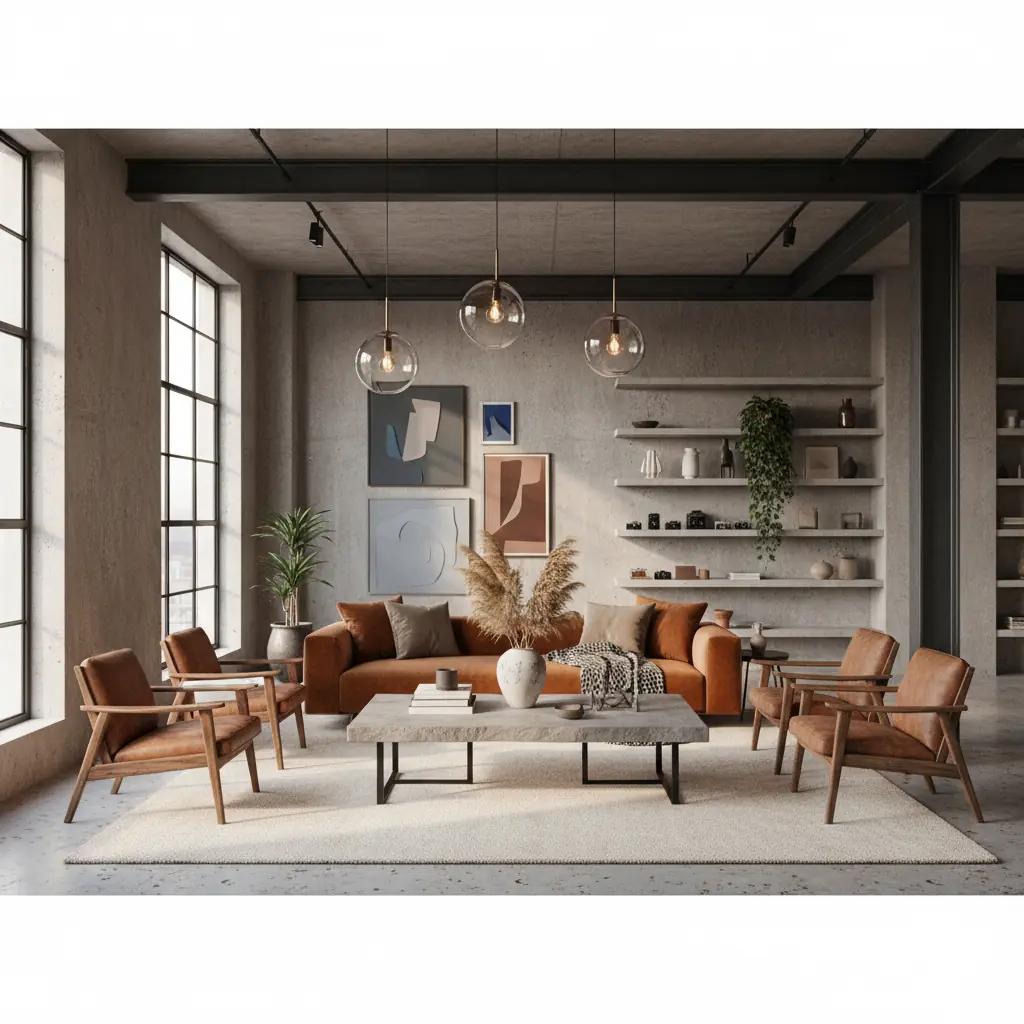
Quais são as principais formas de concreto utilizadas em interiores modernos?
O concreto no design de interiores evoluiu muito além das paredes estruturais expostas em conversões de lofts brutos. Hoje, o concreto aparece em pelo menos seis formas distintas, cada uma com diferentes estéticas, custos e aplicações, permitindo que designers e proprietários de imóveis integrem seu caráter único e de forma harmoniosa em quase qualquer estilo. Do minimalista ao industrial, e até com um toque de luxo, a versatilidade do concreto é incomparável.
**Pisos de Concreto Polido:** Esta é talvez a forma mais reconhecida. Envolve o lixamento e selagem de uma laje de concreto existente para criar uma superfície elegante e refletiva, que é praticamente indestrutível. Além de seu apelo estético, o concreto polido é excepcionalmente durável, tornando-o ideal para áreas de alto tráfego em espaços residenciais e comerciais. O processo pode expor o agregado dentro do concreto, criando um efeito semelhante ao terrazzo, ou permanecer um acabamento sólido e monocromático. Os custos geralmente variam de **US$ 3 a US$ 8 por pé quadrado** para lixamento e selagem básicos, ou **US$ 8 a US$ 15 por pé quadrado** para um acabamento decorativo de alto brilho com exposição de agregado, dependendo do número de estágios de lixamento e do tipo de selador.
**Microcimento (Micro-concreto ou Micro-revestimento):** Este é um revestimento cimentício de camada fina aplicado sobre superfícies existentes – paredes, pisos, bancadas, áreas de banho e até móveis. Com apenas 2 a 3 milímetros de espessura, o microcimento pode ser aplicado sobre azulejos, drywall, compensado e concreto existente sem o peso ou os requisitos estruturais do concreto vazado. Tornou-se o acabamento de concreto mais popular para interiores residenciais devido à sua incrível versatilidade e aparência contínua, sem juntas, permitindo um visual monolítico em várias superfícies.
**Bancadas de Concreto:** Vazadas sob medida ou pré-moldadas, essas superfícies oferecem a estética industrial com personalização completa. Cubas integradas, escorredores de louça sem emendas, objetos embutidos (como vidro moído ou flocos metálicos) e perfis de borda personalizados são todos possíveis, tornando cada bancada uma peça única de arte funcional. As bancadas de concreto são conhecidas por sua resistência e caráter, desenvolvendo uma pátina ao longo do tempo que adiciona ao seu charme.
**Móveis de Concreto:** Mesas de centro, mesas de jantar, bancos, aparadores e floreiras – os móveis de concreto trazem o material para uma escala de interação humana. Essas peças frequentemente misturam concreto bruto com outros materiais como madeira ou metal, mostrando a forma robusta do concreto e seu surpreendente potencial escultural. Eles adicionam um elemento arquitetônico e sólido a qualquer ambiente.
**Cubas de Concreto (de Apoio e Integradas):** Estas proporcionam uma qualidade escultural que nenhum outro material pode replicar. Seja uma cuba de apoio independente sobre uma bancada ou uma cuba integrada perfeitamente moldada em uma bancada de concreto, elas oferecem uma solução limpa, moderna e altamente durável para banheiros e cozinhas.
**Painéis de Concreto Pré-moldado:** Embora menos comuns em _acabamentos_ internos em residências típicas, os painéis de concreto pré-moldado são cada vez mais usados para paredes de destaque ou revestimentos de lareira em designs modernos e minimalistas. Eles oferecem precisão e uma superfície acabada que pode ser instalada relativamente rápido em comparação com as opções vazadas, proporcionando uma declaração arquitetônica distinta.
Microcimento: Sua escolha versátil para a estética moderna do concreto
O microcimento merece uma seção dedicada porque é, de longe, a forma mais acessível e versátil de introduzir a estética do concreto em uma casa existente sem grandes demolições ou considerações estruturais. Suas propriedades únicas o tornam a escolha principal para designers que buscam aquele visual sofisticado e sem emendas.
O processo de aplicação é meticuloso, envolvendo várias camadas. Primeiro, uma camada de primer prepara a superfície existente. Em seguida, aplicam-se duas a três camadas de microcimento, com cada demão meticulosamente lixada para obter um acabamento liso. Por fim, são aplicadas duas a três demãos de selador de poliuretano, que são cruciais para a durabilidade e resistência à água. Um aplicador experiente pode concluir um banheiro típico, incluindo pisos e paredes do chuveiro, em três a quatro dias. O custo do material em si é relativamente modestos, geralmente de **US$ 2 a US$ 4 por pé quadrado**, mas a mão de obra representa a maior parte da despesa – a aplicação profissional varia de **US$ 8 a US$ 15 por pé quadrado no total**, dependendo da localização, complexidade da superfície (por exemplo, curvas, cantos) e o nível de acabamento desejado.
A durabilidade é excelente quando devidamente selado. Pisos de microcimento suportam o tráfego diário, móveis e até cadeiras de home office com rodinhas sem problemas, resistindo a arranhões e abrasões muito parecido com uma madeira de alta qualidade. As paredes de chuveiro de microcimento resistem perfeitamente à água quando seladas com um poliuretano à base de água (não à base de solvente, que pode amarelar ou degradar em ambientes úmidos). A superfície desenvolve um brilho fosco a acetinado, dependendo do selador usado, e é lisa, mas não escorregadia quando molhada – uma consideração importante para pisos de banheiro, aumentando a segurança.
Um dos maiores atrativos do microcimento é sua customização em textura. Ele pode ser finalizado para ser sedoso e suave, quase como pedra polida, ou deixado com sutis marcas de desempenadeira para uma sensação mais orgânica e artesanal. Isso permite que ele se adapte a vários estilos de design, do minimalista ultramoderno ao industrial rústico.
A principal limitação é que o microcimento **não é, de forma alguma, um material para "faça você mesmo"**. A aplicação inadequada leva a uma série de problemas: rachaduras, delaminação (descolamento do substrato), cor irregular e má vedação. As proporções de mistura precisas, a pressão de aplicação, as condições ambientais durante a cura e as técnicas específicas de lixamento exigem extenso treinamento e experiência. Tentar a aplicação de microcimento por conta própria, embora possa economizar **30-50% nos custos de mão de obra inicialmente**, acarreta um risco estimado de **70%** de erros de aplicação que podem levar à delaminação, rachaduras ou acabamentos irregulares, muitas vezes exigindo custosa remediação profissional. Orce para uma instalação profissional e sempre verifique se o aplicador possui um portfólio robusto de projetos concluídos – preferencialmente aqueles que você possa visitar pessoalmente para verificar a qualidade após um ano ou mais de uso. Ao considerar um material tão impactante, visualizá-lo corretamente é fundamental. Ferramentas como Habitas permitem que você explore diferentes acabamentos e texturas de concreto em seu espaço real, ajudando a tomar decisões informadas antes de investir. Você pode facilmente ver como os pisos de microcimento podem ficar com [designs de ambientes gerados por IA](/blog/ai-generated-room-designs-realistic) para refinar sua visão.
Além do Cinza: Quais opções de cores o concreto oferece?
A suposição de que interiores de concreto significam espaços cinzas, frios e monolíticos está deliciosamente desatualizada. O microcimento moderno e o concreto decorativo vêm em um espectro completo de cores, obtidas através de pigmentação integral (misturando a cor diretamente na massa de cimento) ou coloração tópica.
O cinza natural continua sendo o mais popular, oferecendo um pano de fundo neutro e atemporal. No entanto, variantes quentes – greige, taupe, areia e argila – criam uma sensação mais suave e residencial, integrando-se perfeitamente a paletas mais quentes. O concreto branco, obtido com cimento Portland branco e agregado de mármore branco, produz uma estética clara, semelhante a uma galeria, que parece moderna sem a frieza percebida do cinza padrão. O concreto branco combina lindamente com estilos de design de interiores minimalistas, Japandi ou até mesmo serenos como o Scandinavian, oferecendo uma sensação clara e expansiva.
Tons escuros – carvão, antracite e quase preto – criam interiores dramáticos e introspectivos quando usados em paredes de destaque ou pisos. Essas tonalidades mais escuras absorvem a luz, tornando os espaços mais íntimos e sofisticados. No entanto, vale a pena considerar para aplicações em pisos que essas tonalidades mais escuras tendem a mostrar poeira e pegadas com mais facilidade.
Opções pigmentadas em verde sálvia, terracota, azul empoeirado e rosa pálido levam o concreto a um território inesperado, permitindo que funcione como material e declaração de cor simultaneamente. Imagine uma parede de destaque em microcimento rosa empoeirado em um quarto boêmio, ou uma bancada de concreto verde floresta profundo em uma cozinha moderna. Essas opções permitem que o concreto se torne um ponto focal, funcionando dentro de diversos esquemas de cores. Para inspiração, considere usar um [gerador de paleta de cores com IA](/blog/ai-color-palette-generator) para explorar como esses tons únicos de concreto podem se integrar ao seu design geral. Em 2025, relatórios de tendências de design de interiores indicaram um **aumento de 35% ano a ano** nas solicitações de clientes por estéticas industrial-chic ou minimalistas contemporâneas, impulsionadas em grande parte pelo apelo versátil de materiais como o concreto e pelas paletas de cores expandidas disponíveis.
Concreto Real vs. Falso: Qual é o certo para o seu espaço?
Nem toda superfície com aparência de concreto é concreto real, e as alternativas possuem vantagens e limitações distintas que são importantes de entender. A escolha entre real e falso geralmente se resume a orçamento, aplicação, necessidades de durabilidade e autenticidade desejada.
**Microcimento** (material cimentício real, aplicado como um revestimento fino) é o mais próximo do concreto real em aparência e toque. Oferece verdadeira continuidade, uma textura mineral genuína e a experiência tátil única do concreto. É a opção mais autêntica para imitar concreto vazado sem o peso.
**Porcelanatos com efeito de concreto** reproduzem a cor e a textura fotograficamente. Embora incrivelmente duráveis e resistentes à água, eles inerentemente carecem da qualidade contínua e sem juntas que torna o concreto real tão atraente. No entanto, avanços em placas de grande formato (por exemplo, 120 por 260 centímetros) com bordas retificadas e linhas de rejunte mínimas podem se aproximar muito de uma aparência monolítica. A principal diferença reside na interrupção visual das linhas de rejunte e na sensação mais fria e dura da cerâmica em comparação com a textura ligeiramente mais orgânica do cimento real.
**Acabamentos de pintura com efeito de concreto** (pintura de cal, Romabio Classico Limewash, tintas especiais com efeito de concreto) fornecem a cor e a variação sutil da textura do concreto por uma fração do custo – tipicamente de **US$ 1 a US$ 3 por pé quadrado**, incluindo materiais e mão de obra. Estes são mais adequados para paredes e tetos onde a durabilidade física (resistência a impactos, abrasão) é menos crítica. Eles oferecem um acabamento fosco bonito e respirável, mas não replicam a profundidade, a frescura ou a sensação estrutural do concreto real.
O **cimento queimado** oferece uma versão mais suave e refinada do visual do concreto com profundidade e translucidez adicionadas. Muitas vezes possui um leve brilho e uma sensação mais suave que o concreto, tornando-o adequado para espaços mais elegantes ou luxuosos que buscam um pano de fundo mineral, porém sofisticado.
A decisão entre concreto real e falso depende das suas prioridades. Para pisos e áreas úmidas (chuveiros, bancadas de cozinha), onde a verdadeira durabilidade, resistência à água e longevidade são primordiais, utilize microcimento real ou concreto polido – a durabilidade justifica o custo mais alto e a instalação profissional. Para paredes e tetos, especialmente em salas de estar ou quartos, uma tinta com efeito de concreto ou pintura de cal entrega 80% do impacto visual por 20% do preço, tornando-a uma excelente alternativa econômica. Para bancadas, concreto vazado ou microcimento sobre um substrato existente são ambos viáveis, dependendo do orçamento, personalização desejada e condições da superfície existente.
Manutenção do Concreto: Dicas práticas para longevidade e conforto
Superfícies de concreto e microcimento seladas são surpreendentemente de baixa manutenção, mas entender suas necessidades específicas é fundamental para garantir sua longevidade e beleza.
**Limpeza:** A limpeza diária requer apenas um esfregão úmido com um limpador de pH neutro. Evite produtos de limpeza ácidos (como vinagre, produtos à base de frutas cítricas) que podem embaçar ou corroer o selador ao longo do tempo, comprometendo sua barreira protetora. Abrasivos fortes também devem ser evitados para prevenir arranhões na superfície selada.
**Nova Selagem:** Sele os pisos a cada dois a três anos com uma camada de manutenção de poliuretano. Esta é tipicamente uma aplicação simples de passar com um pano que pode ser feita sem remover o selador original, protegendo contra o desgaste. As bancadas, devido ao uso mais intenso e exposição a ácidos e líquidos alimentares, devem ser seladas anualmente para manter sua resistência a manchas. A selagem regular é crítica, pois uma superfície devidamente selada repelirá a maioria dos derramamentos, mas o concreto não selado pode absorver líquidos e manchar facilmente.
**Dureza e Conforto:** Pisos de concreto são inerentemente duros sob os pés, o que pode causar fadiga durante longos períodos em pé e também pode ser menos tolerante se objetos caírem. Em cozinhas, use tapetes anti-fadiga nas áreas da pia e do fogão para melhorar o conforto. Em espaços de estar, tapetes estrategicamente posicionados podem adicionar suavidade e aconchego. Ao considerar o [arranjo geral dos seus móveis](/blog/ai-furniture-arrangement-tool), lembre-se de como elementos mais macios podem equilibrar a paisagem rígida.
**Temperatura:** O concreto também é frio no inverno, pois é um excelente condutor térmico. A combinação de concreto polido ou microcimento com piso radiante elimina completamente este problema e é uma das combinações de piso mais confortáveis disponíveis. A alta massa térmica do concreto armazena e libera calor uniformemente ao longo do dia, proporcionando um aquecimento consistente. Casas que integram pisos de concreto com sistemas de aquecimento radiante podem observar uma redução média de **15-20%** nos custos de aquecimento em comparação com sistemas de ar forçado tradicionais, graças às propriedades superiores de massa térmica do concreto. Esta combinação não é apenas eficiente em termos de energia, mas também cria um ambiente de vida incrivelmente luxuoso e confortável.
Como aquecer interiores de concreto com materiais complementares?
O erro mais comum em interiores de concreto é uma dependência excessiva do próprio material. Uma sala com pisos de concreto, paredes de concreto e bancadas de concreto pode rapidamente parecer uma garagem ou um espaço inacabado, em vez de um lar acolhedor. A chave para uma integração bem-sucedida do concreto é o **contraste**: combinar o concreto com materiais quentes, orgânicos e táteis que criam um alívio visual e tátil. Esse equilíbrio é crucial para alcançar uma atmosfera sofisticada e convidativa, tornando-o um pilar dos [melhores estilos de design de interiores para 2026](/blog/best-interior-design-styles-2026).
**Madeira Natural:** Este é o parceiro mais óbvio e eficaz para o concreto. O calor, o grão e as variações naturais da madeira fornecem um contraponto perfeito à frieza e uniformidade do concreto.
- Imagine uma rica mesa de jantar de nogueira sobre um piso de concreto polido, adicionando um toque de elegância e ancorando o espaço. - Prateleiras de carvalho contra uma parede de microcimento introduzem textura e calor natural. - Um tapete de banho de teca ou um toucador de madeira personalizado sobre o piso de concreto do banheiro suaviza instantaneamente o espaço e adiciona um toque orgânico. Madeiras mais claras como bétula ou bordo podem criar uma sensação mais brilhante e escandinava, enquanto madeiras mais escuras como wengué ou mogno introduzem drama e riqueza.
**Têxteis:** Estofados e tecidos são igualmente importantes para mitigar a dureza do concreto.
- Tapetes de lã macios sob os pés não só adicionam calor e cor, mas também melhoram a acústica em um ambiente com muito concreto. - Cortinas de linho fluidas proporcionam maciez e difundem a luz, criando um ambiente suave. - Mantas de algodão confortáveis drapeadas sobre sofás e estofamento de veludo em cadeiras convidam ao toque e proporcionam um contraste luxuoso. Incorporar diversas texturas em têxteis é fundamental para criar um espaço em camadas e convidativo.
**Plantas e Design Biofílico:** Trazer vida e cor para o que de outra forma pode parecer monocromático é essencial. Grandes vasos de plantas com folhagem exuberante, delicadas samambaias ou suculentas esculturais introduzem formas orgânicas, verdes vibrantes e uma sensação de frescor. Isso se alinha perfeitamente com os [princípios do design biofílico](/blog/biophilic-design-guide), que buscam conectar os ocupantes com a natureza dentro de ambientes construídos, fazendo com que os espaços de concreto pareçam mais vivos e menos austeros.
**Metais em Tons Quentes:** Latão, cobre e bronze envelhecido adicionam riqueza, brilho e um toque de charme vintage sem competir com a neutralidade do concreto. Considere luminárias de latão, detalhes em cobre ou puxadores de bronze em armários. Metais frios como cromo e níquel polido podem amplificar a sensação de frio se usados excessivamente, então devem ser usados com moderação ou combinados com outros elementos de aquecimento.
**Iluminação Cuidadosa:** O tipo e a temperatura da luz podem alterar drasticamente a sensação das superfícies de concreto. Uma iluminação ambiente quente de luminárias estrategicamente posicionadas e luzes indiretas pode suavizar o concreto, fazendo-o parecer menos austero. Evite iluminação superior dura e de tons frios que possa acentuar suas qualidades industriais, a menos que essa seja a estética específica que você busca.
Ao planejar um interior focado em concreto, Habitas pode ajudar a encontrar o equilíbrio certo. Utilizando plataformas alimentadas por IA como Habitas, designers e proprietários podem visualizar acabamentos de concreto em mais de **90% da área de superfície de um espaço em minutos**, reduzindo significativamente as suposições e o potencial de erros dispendiosos associados aos processos tradicionais de seleção de materiais. Carregue seu espaço e teste diferentes combinações de superfícies de concreto com materiais quentes antes de se comprometer com acabamentos irreversíveis. A diferença entre um ambiente de concreto que parece sofisticado e um que parece institucional muitas vezes se resume à proporção de superfícies duras e macias, e essa proporção é muito mais fácil de julgar visualmente do que imaginar abstratamente.
Perguntas Frequentes
### O design de interiores com concreto é caro em comparação com outros materiais?
O custo do concreto no design de interiores varia significativamente de acordo com sua forma e aplicação. Pisos de concreto polido podem variar de US$ 3 a US$ 15 por pé quadrado, tornando-os competitivos com pisos de porcelanato de alta qualidade ou madeira. A aplicação de microcimento, devido à mão de obra especializada, geralmente custa de US$ 8 a US$ 15 por pé quadrado. Embora os custos iniciais de instalação profissional possam ser mais altos do que alguns acabamentos padrão como laminado, a durabilidade extrema e a longevidade do concreto significam menores custos de substituição e manutenção ao longo de sua vida útil, oferecendo excelente valor a longo prazo. Para elementos sob medida como bancadas ou móveis, os custos serão mais altos devido à personalização.
### Quão durável é o microcimento em um banheiro ou chuveiro?
O microcimento é altamente durável em banheiros e chuveiros quando aplicado e selado corretamente. Sua superfície contínua e não porosa, uma vez selada com poliuretano à base de água, cria uma barreira impermeável contra a água, tornando-o uma excelente alternativa ao revestimento cerâmico sem as linhas de rejunte. Ele resiste ao crescimento de mofo e bolor e pode suportar a umidade diária e a limpeza sem problemas. A chave é a aplicação profissional, pois uma selagem inadequada pode levar à penetração de água e danos ao longo do tempo.
### Pisos de concreto podem ser confortáveis e quentes?
Sim, pisos de concreto podem ser muito confortáveis e quentes, especialmente quando combinados com aquecimento radiante de piso. A alta massa térmica do concreto permite que ele armazene e irradie calor uniformemente, criando um calor consistente e confortável em todo o ambiente. Sem aquecimento radiante, os pisos de concreto podem parecer frios ao toque em climas mais frios, portanto, tapetes e tapetes anti-fadiga estrategicamente colocados são recomendados em áreas de permanência prolongada, como cozinhas.
### Quais são as principais vantagens do microcimento sobre o concreto vazado?
O microcimento oferece várias vantagens importantes sobre o concreto vazado, especialmente para casas existentes. Primeiramente, sua aplicação fina (2-3mm) significa que não são necessárias alterações estruturais significativas, e pode ser aplicado diretamente sobre superfícies existentes como azulejos ou drywall. Isso reduz o tempo de instalação e a sujeira. Em segundo lugar, o microcimento é mais leve, mais flexível e menos propenso a rachaduras do que o concreto vazado tradicional. Ele também oferece um acabamento contínuo e sem juntas, o que geralmente é difícil de conseguir com grandes lajes vazadas, e está disponível em uma ampla gama de cores e texturas.
### Como faço para evitar que as superfícies de concreto manchem?
Evitar manchas em superfícies de concreto depende muito de uma selagem adequada e limpeza oportuna. O concreto é naturalmente poroso, então um selador penetrante de alta qualidade ou um selador de poliuretano tópico é essencial para criar uma barreira protetora. Para bancadas, sele anualmente e limpe derramamentos, especialmente os ácidos (vinagre, suco de limão, vinho), imediatamente. Para pisos, sele a cada 2-3 anos e use limpadores de pH neutro para a manutenção diária. Manchas menores podem ser frequentemente removidas com limpadores especializados para concreto, mas a prevenção através da selagem regular é a melhor abordagem.