Design Minimalista para o Lar: Seu Guia Completo para uma Vida Serena
Desvende o design de interiores minimalista. Descubra princípios essenciais, passos práticos e evite armadilhas comuns para criar espaços bonitos, funcionais e profundamente serenos que se sentem completos.
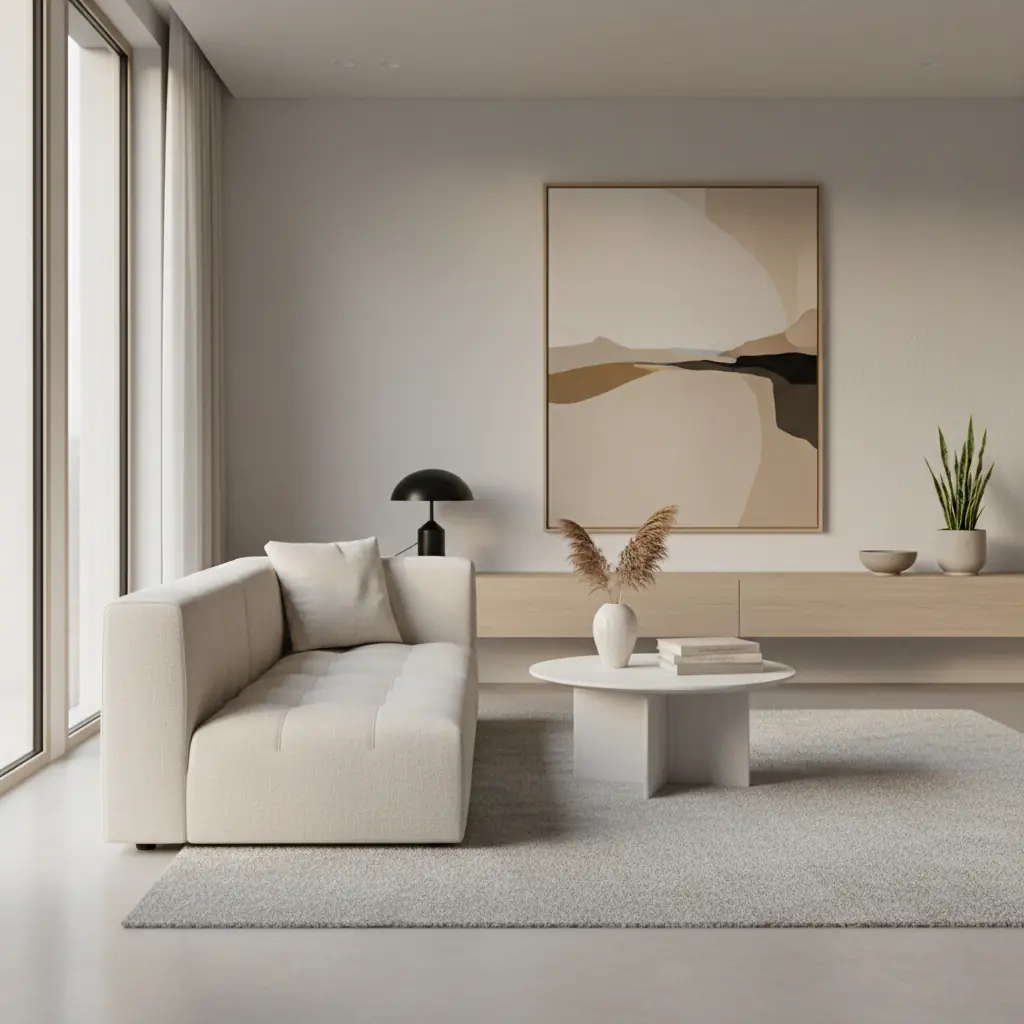
Minimalismo não é ter menos — é ter o suficiente
A maior concepção errada sobre o design minimalista é que ele significa cômodos vazios, sem personalidade, desprovidos de cor ou aconchego. O verdadeiro minimalismo está longe de ser austero; trata-se de seleção intencional — escolher menos coisas, mas que cada uma traga valor genuíno, alegria ou sirva a um propósito claro. É sobre criar um ambiente onde cada elemento é apreciado, onde a desordem visual é reduzida e onde o foco muda da acumulação para a apreciação. O resultado? Um cômodo que parece completo, coerente e profundamente pessoal, não escasso ou inacabado.
Um lar minimalista bem projetado é acolhedor, funcional e profundamente pessoal. Ele simplesmente não tem trinta itens onde cinco seriam suficientes. Ele prioriza clareza, funcionalidade e calma, oferecendo um santuário contra o mundo superestimulante lá fora.
Por Que Adotar o Minimalismo Além da Estética?
Embora o apelo estético de um espaço limpo e organizado seja inegável, os benefícios de um estilo de vida minimalista se estendem muito além da beleza superficial. Adotar o minimalismo no design da sua casa pode impactar significativamente seu bem-estar mental, produtividade e até mesmo sua saúde financeira.
Primeiramente, um ambiente organizado geralmente leva a uma mente organizada. Estudos mostram que espaços caóticos ou excessivamente desorganizados podem aumentar os níveis de estresse e ansiedade. Por outro lado, um lar simplificado promove uma sensação de paz e calma, permitindo maior foco e relaxamento. Por exemplo, pesquisas sugerem que espaços minimalistas e organizados podem reduzir os níveis de estresse em 15-20% e melhorar o foco cognitivo. Quando seus olhos não estão constantemente procurando por itens perdidos ou sobrecarregados por ruído visual, seu cérebro tem mais capacidade para descansar e rejuvenescer.
Em segundo lugar, o design minimalista naturalmente incentiva a funcionalidade. Ao selecionar intencionalmente menos itens, mas de maior qualidade, você garante que tudo em sua casa sirva a um propósito. Essa abordagem geralmente leva a um uso mais eficiente do espaço, melhor organização e um lar que realmente apoia suas rotinas diárias. Imagine uma cozinha onde cada utensílio tem seu lugar, ou uma sala de estar onde os assentos são confortáveis e propícios à conversa, livres de bugigangas distrativas. Em média, uma sessão completa de desapego pode reduzir os itens domésticos em 30-40%, levando a uma redução de 20% no tempo gasto em tarefas diárias como limpeza e arrumação.
Finalmente, o minimalismo promove o consumo consciente. Em vez de compras por impulso ou de acumular tendências passageiras, você investe em peças duráveis, atemporais e verdadeiramente amadas. Isso não só leva a um lar mais refinado, mas também reduz o desperdício e pode economizar dinheiro a longo prazo. Ele muda o foco da quantidade para a qualidade, um princípio fundamental que exploraremos mais adiante.
Comece Pela Subtração: O Passo Fundamental do Design Minimalista
Antes de comprar um único item minimalista, o passo mais poderoso e transformador que você pode dar é remover coisas. Essa limpeza inicial é frequentemente referida como "edição" e é a pedra angular do verdadeiro design minimalista. É gratuita, imediata e cria a base limpa que o estilo minimalista exige. Pense nisso como limpar a tela antes de começar a pintar.
Tire tudo das suas superfícies: mesas de centro, estantes, cômodas, bancadas da cozinha. Esvazie suas prateleiras e armários. Remova obras de arte ou decorações das suas paredes. Viva com este espaço vazio e limpo por uma semana. Preste atenção em como ele se sente. Do que você realmente sente falta? Quais itens você realmente precisa para a função diária ou alegria? A maioria das pessoas descobre que sente falta de muito pouco, e este exercício fornece uma visão profunda sobre o que realmente importa em seu lar.
### Como Abordar o Desapego de Forma Eficaz?
O desapego pode parecer avassalador, especialmente se você acumulou anos de posses. Aqui está uma abordagem estruturada para torná-lo gerenciável:
1. **Trabalhe Zona por Zona**: Não tente abordar toda a sua casa de uma vez. Comece por um único cômodo, ou mesmo apenas uma única gaveta ou superfície. Isso evita que a tarefa se torne muito intimidante. 2. **O Método das "Quatro Caixas"**: Para cada item, pergunte-se: - **Manter**: Este item serve a um propósito claro ou me traz alegria genuína? É uma peça de alta qualidade que amo? - **Doar/Vender**: Está em boas condições, mas não é mais necessário? Poderia outra pessoa se beneficiar disso? - **Lixo/Reciclar**: Está quebrado, desgastado ou não funciona mais? - **Realocar**: Pertence a outro cômodo? 3. **Seja Implacável, mas Realista**: O minimalismo não é sobre privação. Se um item é realmente essencial ou profundamente sentimental, mantenha-o. No entanto, desafie-se a se desfazer de itens "só para garantir", duplicatas ou coisas que você guarda por culpa. Lembre-se, você está curando seu espaço, não esvaziando-o. 4. **Digitalize Onde Possível**: Papéis, fotos e documentos antigos podem ser escaneados e armazenados digitalmente, liberando espaço físico valioso. 5. **Concentre-se nas Superfícies Horizontais**: Estas são frequentemente o maior ímã para a desordem. Limpá-las cria um impacto visual imediato e uma sensação de calma.
Este processo de "edição" não é apenas sobre arrumar; é um ato profundo de autodescoberta. Ao se desfazer do supérfluo, você abre espaço para o que realmente aprimora sua vida e seu ambiente. Para ver o poder transformador desta edição inicial, explore conceitos como transformações de cômodos antes e depois, que ilustram vividamente o impacto da subtração no design. Você pode encontrar inspiração e orientação sobre este processo em guias como nosso [before-after-room-transformation-guide](/blog/before-after-room-transformation-guide).
Qualidade Acima da Quantidade: Um Investimento no Seu Estilo de Vida
Em um cômodo maximalista, peças baratas ou de baixa qualidade podem se esconder entre muitas outras. Em um cômodo minimalista, cada peça é visível, atraindo a atenção para sua forma, material e acabamento. Isso significa que a qualidade importa mais do que nunca. Uma cadeira bonita e bem feita vale dez medíocres que se desgastam rapidamente. Um cobertor luxuoso e bem feito supera cinco mantas finas e ásperas.
Investir em qualidade significa escolher itens que sejam duráveis, bem projetados e feitos de bons materiais. Essas peças não só ficam melhores, mas também duram mais, reduzindo a necessidade de substituições frequentes e alinhando-se aos princípios de vida sustentável. Investir em móveis de alta qualidade pode estender sua vida útil em até 50-70% em comparação com alternativas de "fast-furniture", tornando-o uma escolha mais ecologicamente consciente e econômica a longo prazo.
Invista principalmente nas peças com as quais você interage diariamente: seu sofá, sua mesa de jantar, sua cama. Estes são os pilares do seu espaço; eles definem como você experiencia seu lar e resistem ao maior desgaste. Um sofá confortável e bem construído pode ser uma herança valorizada, enquanto um frágil rapidamente irá tirar o brilho da sua estética minimalista. Todo o resto pode ser simples, funcional e cuidadosamente escolhido.
### Quais Materiais Definem uma Estética Minimalista?
A escolha dos materiais é crucial no design minimalista. Materiais naturais, táteis e autênticos contribuem para o aconchego e a autenticidade de um espaço minimalista. Procure por:
- **Madeira**: Madeiras claras como carvalho, bordo ou bétula para uma sensação Scandinavian; madeiras mais escuras como nogueira para um toque de sofisticação. A madeira traz aconchego e textura orgânica. - **Pedra**: Mármore, granito ou concreto (muitas vezes polido para refinamento) adicionam uma sensação de permanência e linhas frias e limpas. Explore o apelo versátil do [concrete-in-interior-design](/blog/concrete-in-interior-design) para espaços minimalistas modernos. - **Metais**: Aço escovado, ferro preto fosco ou sutis detalhes em latão podem introduzir um toque industrial ou um toque de elegância sem ser ostensivo. - **Têxteis Naturais**: Linho, algodão, lã e juta proporcionam maciez, textura e absorvem o som, tornando os ambientes mais convidativos. - **Vidro**: O vidro transparente mantém os espaços abertos e arejados, frequentemente usado para tampos de mesa ou elementos decorativos.
Esses materiais, muitas vezes deixados em seu estado natural ou com acabamentos mínimos, enfatizam sua beleza inerente e contribuem para a sensação autêntica e calmante de um lar minimalista.
O Papel Indispensável da Textura em Espaços Minimalistas
Embora as paletas de cores possam ser suaves, os cômodos minimalistas precisam de textura para se sentirem vivos e convidativos. Sem contraste de textura, o minimalismo pode se tornar estéril, frio e inacessível. A textura é a arma secreta para adicionar profundidade e personalidade sem desordem.
Imagine um piso de concreto, que pode parecer austero por si só. Agora adicione um tapete de lã macio, e de repente o cômodo ganha aconchego e uma sensação de aterramento. Uma vasta parede branca, embora limpa, pode parecer plana; mas cubra-a com uma cortina de linho fluida, e ela se transforma, capturando a luz e adicionando uma dimensão suave e orgânica. Uma mesa de mármore lisa pode parecer fria até ser combinada com um vaso de cerâmica artesanal ou um jogo americano tecido.
Camada texturas na mesma família de cores ou dentro de uma paleta contida — linho branco, lã creme, pedra natural, madeira clara, cerâmica fosca — para criar riqueza e interesse visual através da variação tátil, em vez de cores vibrantes. Essa técnica permite que seus olhos apreciem as sutis diferenças de material e acabamento, fazendo com que o espaço pareça luxuoso e cuidadosamente curado. Pense em combinar uma manta de tricô robusta com estofamento de couro liso, ou um elegante abajur de metal com uma mesa lateral de madeira rústica. Cada elemento adiciona uma camada sensorial, convidando ao toque e envolvendo o olhar sem adicionar ruído visual. Para saber mais sobre como criar profundidade em monocromia, consulte nosso guia sobre [all-white-room-design-tips](/blog/all-white-room-design-tips).
Além do Branco: Criando Sua Paleta de Cores Minimalista
O mito de que lares minimalistas devem ser totalmente brancos é persistente, mas impreciso. Embora branco, branco-off e neutros claros sejam fundamentais para muitos designs minimalistas, eles não são as únicas opções. Um espaço minimalista verdadeiramente atraente frequentemente incorpora um ou dois tons suaves ou acentos estratégicos para adicionar aconchego, profundidade e personalidade.
Pense em uma paleta de neutros quentes: cinzas suaves, beges delicados, marrons terrosos, ou até verdes e azuis suaves inspirados na natureza. Essas cores podem criar um pano de fundo calmante que se sente convidativo e sereno. Por exemplo, uma sala de estar com paredes brancas cremosas pode apresentar um sofá cinza carvão e detalhes em madeira natural, criando um visual equilibrado e sofisticado.
O uso estratégico de tons mais escuros também pode aprimorar um esquema minimalista. Uma única parede de destaque preta pode ancorar um espaço e fornecer um ponto focal dramático sem sobrecarregar a simplicidade do cômodo. Trata-se de consideração cuidadosa e contenção. A utilização de ferramentas como um [AI color palette generator](/blog/ai-color-palette-generator) pode ajudá-lo a explorar combinações de cores harmoniosas que se alinham com os princípios minimalistas e visualizá-las em seu espaço antes de se comprometer.
Móveis com Propósito: Selecionando e Disposicionando Peças
Em um lar minimalista, cada peça de mobiliário conquista seu lugar. Isso significa escolher itens que não sejam apenas esteticamente agradáveis, mas também altamente funcionais, bem proporcionados e complementares ao design geral.
- **Escala e Proporção**: Evite móveis que sejam muito pequenos ou muito grandes para o cômodo. Menos peças devem ser dimensionadas apropriadamente para o espaço, criando uma sensação de equilíbrio e fluxo. Um sofá grande e confortável pode ser perfeito para uma sala de estar, enquanto uma versão menor e mais elegante se adequaria a um apartamento compacto. - **Linhas Limpas**: Móveis minimalistas geralmente apresentam linhas limpas e simples, muitas vezes sem ornamentação excessiva. Este design atemporal garante que as peças se integrem perfeitamente ao espaço e não disputem atenção. - **Peças Multifuncionais**: Especialmente em casas menores, os móveis multifuncionais são o melhor amigo do minimalista. Pense em pufes com armazenamento, sofás-cama ou mesas de jantar que podem ser estendidas. - **Espaço Negativo**: Tão importante quanto os próprios móveis é o espaço _ao redor_ deles. Permita amplo espaço negativo (áreas vazias) para respirar. Isso evita que o cômodo pareça apertado e realça a beleza de cada peça individual. Usar uma [AI furniture arrangement tool](/blog/ai-furniture-arrangement-tool) pode ser incrivelmente útil aqui, permitindo que você experimente diferentes layouts e garanta o fluxo ideal e o espaço negativo antes de mover quaisquer itens físicos.
Iluminando Seu Lar Minimalista: O Poder da Luz
A iluminação é frequentemente negligenciada, mas desempenha um papel crítico no design de interiores minimalista, influenciando o humor, a funcionalidade e a percepção do espaço.
- **Maximize a Luz Natural**: Abrace a luz natural o máximo possível. Mantenha as janelas minimamente vestidas com cortinas transparentes ou persianas que possam ser totalmente abertas. A luz natural faz com que um cômodo pareça maior, mais aberto e conecta o interior com o mundo exterior. - **Iluminação Artificial Estratégica**: Camada sua iluminação artificial para criar profundidade e versatilidade. - **Iluminação Ambiente**: Fornece iluminação geral, frequentemente de luzes embutidas, luminárias de teto ou lâmpadas gerais. - **Iluminação de Tarefa**: Essencial para atividades específicas como leitura ou culinária. Pense em pendentes sobre uma ilha de cozinha ou uma luminária de leitura focada ao lado de um sofá. - **Iluminação de Destaque**: Destaca características arquitetônicas específicas, obras de arte ou texturas, adicionando interesse visual e aconchego. Isso pode incluir iluminação pontual ou arandelas.
Em um espaço minimalista, as próprias luminárias podem ser elementos esculturais, escolhidas por suas linhas limpas e formas simples. Evite lustres excessivamente ornamentados ou lâmpadas que prejudicam a estética minimalista.
Integrando Personalidade: Arte, Plantas e Objetos Significativos
Uma concepção errônea comum é que lares minimalistas carecem de personalidade. Isso não poderia estar mais longe da verdade. Embora a quantidade de itens decorativos seja reduzida, o impacto de cada peça escolhida é amplificado. Isso permite expressões muito deliberadas de personalidade e paixão.
- **Arte Curada**: Em vez de uma parede de galeria cheia de muitas peças pequenas, opte por uma ou duas obras de arte impactantes que ressoem profundamente com você. Uma pintura abstrata de grande escala, uma impressionante impressão fotográfica ou uma escultura podem servir como um poderoso ponto focal sem sobrecarregar o espaço. - **Verde Vivo**: As plantas são as melhores amigas de um minimalista. Elas introduzem formas orgânicas, textura natural e um toque de vida vibrante sem adicionar ruído visual. Plantas grandes e esculturais como uma Figueira Lira (Fiddle Leaf Fig) ou uma Espada de São Jorge (Snake Plant) podem aprimorar dramaticamente a estética de um cômodo e contribuir para uma melhor qualidade do ar. Escolha vasos simples e elegantes que complementem a planta e a paleta do cômodo. Descubra as [best plants for interior design](/blog/best-plants-for-interior-design) que prosperam em ambientes minimalistas. - **Objetos Significativos**: É aqui que a verdadeira personalidade brilha. Exiba alguns objetos que possuam valor sentimental, evoquem belas lembranças ou o inspirem. Pode ser uma peça de cerâmica única de uma viagem, um relógio vintage passado de geração em geração, ou uma coleção de livros lindamente encadernados. A chave é exibi-los com intenção, permitindo que cada item tenha espaço para ser admirado.
Ao selecionar e posicionar cuidadosamente esses elementos, seu lar minimalista conta sua história e reflete sua essência, provando que menos pode, de fato, revelar mais.
Erros Comuns a Evitar em Sua Jornada Minimalista
Embarcar em uma jornada de design minimalista é empolgante, mas é fácil cair em armadilhas comuns que podem fazer seu espaço parecer frio ou inacabado, em vez de sereno e sofisticado.
- **Tudo branco**: Como discutido, minimalismo não significa ausência de cor. Embora o branco seja uma base fantástica, depender apenas dele pode fazer um cômodo parecer estéril, clínico ou até mesmo plano. Introduza um ou dois tons suaves ou neutros quentes, e lembre-se que a textura é fundamental para adicionar profundidade às paletas monocromáticas. - **Móveis muito pequenos para o cômodo**: Menos peças devem ser dimensionadas apropriadamente, não em miniatura. Móveis subdimensionados podem fazer um cômodo parecer estranho e desconectado. Em vez disso, invista em peças substanciais que dominem seu espaço sem sobrecarregá-lo. - **Ausência de elementos macios**: Superfícies duras sem têxteis parecem institucionais, ecoando o erro clínico. Incorpore mantas, tapetes, almofadas e cortinas feitas de tecidos naturais e texturizados para adicionar aconchego, conforto e suavidade acústica. - **Falta de armazenamento**: O minimalismo não é sobre jogar tudo fora; é sobre soluções de armazenamento inteligentes. Sem armazenamento adequado e oculto, as superfícies rapidamente ficam desordenadas, derrotando o propósito do design minimalista. Armários embutidos, estantes fechadas elegantes e móveis com armazenamento integrado são excelentes investimentos. - **Ignorar o poder da luz**: Um cômodo minimalista sem iluminação bem pensada pode parecer monótono ou pouco convidativo. Maximize a luz natural e incorpore iluminação artificial em camadas (ambiente, de tarefa, de destaque) para criar clima, realçar características e garantir funcionalidade. - **Ausência de toques pessoais**: Um lar deve refletir seus habitantes. Espaços excessivamente despojados podem parecer genéricos e sem alma. Integre arte, plantas e objetos significativos cuidadosamente escolhidos que contem sua história.
A melhor maneira de encontrar seu equilíbrio minimalista único e evitar essas armadilhas é visualizá-lo. Faça o upload do seu cômodo para o Habitas e experimente o Minimal Moderno, Scandinavian ou Japandi — cada um oferece um toque diferente de minimalismo adaptado ao seu espaço. Você pode ver instantaneamente como vários elementos de design interagem, ajudando-o a tomar decisões informadas sobre a estética do seu lar.
Mantendo Seu Santuário Minimalista: Hábitos Contínuos
Conquistar um lar minimalista é uma realização, mas mantê-lo é uma prática contínua. A filosofia se estende além da fase inicial de design para hábitos diários que ajudam a manter seu espaço harmonioso e livre de desordem.
- **Regra "Um Entra, Um Sai"**: Para cada novo item que você traz para sua casa (um novo livro, uma nova peça de roupa, um novo objeto decorativo), comprometa-se a se desfazer de um existente. Esta regra simples evita o acúmulo. - **Arrume-se Diariamente**: Dedique 10-15 minutos todos os dias para arrumar. Coloque os itens de volta em seus lugares designados, limpe as superfícies e organize as principais áreas de convivência. Este pequeno esforço evita grandes limpezas e impede que a desordem se acumule. - **Limpezas Regulares**: Mesmo com as melhores intenções, a desordem pode voltar. Agende uma "miniedição" sazonal ou trimestral para reavaliar seus pertences e se desfazer de qualquer coisa que não sirva mais a um propósito ou não traga alegria. - **Consumo Consciente**: Antes de fazer uma compra, pause e considere se o item é realmente necessário, se é de alta qualidade e se ele se encaixa perfeitamente na sua estética minimalista. Essa abordagem consciente ajuda você a resistir a compras por impulso e pressões externas.
Ao integrar esses hábitos, seu lar minimalista permanece uma fonte de calma e clareza, um verdadeiro reflexo da vida intencional.
Visualize Seu Sonho Minimalista com Habitas
A jornada para um lar minimalista é profundamente pessoal e pode ser incrivelmente recompensadora. Trata-se de projetar um espaço que apoie sua vida, reduza o estresse e reflita seus valores. Embora os princípios forneçam uma base sólida, ver como esses conceitos se traduzem em seu ambiente específico pode ser desafiador.
É aqui que o Habitas entra. Nossa plataforma de design de interiores impulsionada por IA permite que você visualize sem esforço diferentes estilos minimalistas e escolhas de design dentro do seu cômodo real. Imagine ver instantaneamente sua sala de estar transformada com móveis inspirados no Japandi, ou experimentar várias paletas de cores neutras e texturas em suas paredes e pisos. Ferramentas como o Habitas permitem que você experimente diferentes estilos e layouts minimalistas em suas fotos reais do cômodo, fornecendo feedback visual instantâneo e ajudando você a tomar decisões de design com confiança. Usuários do Habitas relatam economizar uma média de 4-6 semanas na fase de planejamento de design em comparação com métodos tradicionais, com renderizações de IA frequentemente geradas em menos de 60 segundos. Essa capacidade economiza seu tempo e dinheiro, eliminando erros caros e garantindo que você esteja completamente satisfeito com seu design antes de fazer quaisquer compras ou compromissos. Explore como o [AI interior design works](/blog/ai-interior-design-how-it-works) para revolucionar o planejamento do seu lar.
Seja você atraído pelas linhas limpas do Minimal Moderno, pela simplicidade acolhedora do Scandinavian, ou pelo equilíbrio sereno do Japandi, o Habitas oferece uma oportunidade única de explorar, refinar e dar vida à sua visão minimalista com facilidade e precisão inigualáveis.
Perguntas Frequentes
### Quais são os princípios centrais do design de interiores minimalista?
Os princípios centrais do design de interiores minimalista giram em torno da intencionalidade, funcionalidade e clareza. Isso significa priorizar "o suficiente" em vez de "mais", desapegar-se completamente para criar espaço aberto, abraçar linhas limpas e formas simples nos móveis, escolher qualidade em vez de quantidade, e usar uma paleta de cores contida, muitas vezes aprimorada por texturas variadas. O objetivo é criar espaços serenos e funcionais que promovam a calma e reduzam o ruído visual, onde cada item serve a um propósito ou traz alegria.
### O design minimalista pode ser colorido?
Absolutamente! Embora frequentemente associado a paletas neutras, o design minimalista pode certamente incorporar cores. A chave é usar a cor intencionalmente e com moderação. Em vez de tons vibrantes e conflitantes, concentre-se em tons suaves, tons terrosos ou uma ou duas cores de destaque cuidadosamente escolhidas. Estas podem ser um verde floresta profundo, um azul empoeirado suave ou um terracota quente, usados em elementos como uma parede de destaque, uma única peça de mobiliário ou têxteis. O objetivo é adicionar personalidade e aconchego sem sobrecarregar a estética limpa.
### Como adicionar aconchego a um espaço minimalista?
Adicionar aconchego a um espaço minimalista é crucial para evitar que ele pareça frio ou austero. Concentre-se na integração de materiais naturais como madeira, lã, linho e cerâmica. A sobreposição de diferentes texturas dentro de uma família de cores semelhante cria profundidade e interesse visual. Incorpore iluminação suave de várias fontes (ambiente, de tarefa, de destaque) e use neutros em tons quentes (como creme, bege ou cinza suave) para sua paleta principal. Finalmente, introduza plantas vivas e alguns objetos pessoais significativos cuidadosamente escolhidos para infundir o espaço com vida e personalidade.
### O design minimalista é adequado para famílias com crianças?
Sim, o design minimalista pode ser muito adequado para famílias com crianças e, de certas formas, ainda mais prático. Ele incentiva superfícies e móveis duráveis e fáceis de limpar, e prioriza o armazenamento eficiente e oculto para brinquedos e pertences. Menos itens significam menos para arrumar e limpar, potencialmente reduzindo o estresse para os pais. O foco no espaço aberto proporciona mais espaço para brincar, enquanto um ambiente calmo pode ser benéfico para todos. A chave é escolher materiais adequados para crianças e integrar soluções de armazenamento inteligentes de forma contínua ao design.
### Qual a diferença entre minimalismo e design Scandinavian?
Minimalismo é uma filosofia de design mais ampla focada em simplicidade, funcionalidade e viver apenas com o essencial. O design Scandinavian é um estilo específico que frequentemente incorpora muitos princípios minimalistas, mas possui suas próprias características distintas. O design Scandinavian tipicamente apresenta tons de madeira clara (como bétula ou pinho), umaênfase na luz natural, móveis funcionais com formas orgânicas e uma atmosfera aconchegante e convidativa conhecida como 'hygge'. Embora ambos compartilhem linhas limpas e espaços desobstruídos, o design Scandinavian frequentemente parece inerentemente mais quente e rústico-moderno devido à sua paleta de materiais específica e à ênfase cultural no conforto e bem-estar.