Segredos de Design de Casas Decoradas: Conquiste o Visual Perfeito em Casa
Descubra as técnicas profissionais que designers de casas decoradas usam para fazer cada cômodo parecer espaçoso, iluminado e convidativo. Aprenda a aplicar esses truques inteligentes para elevar a estética da sua própria casa.
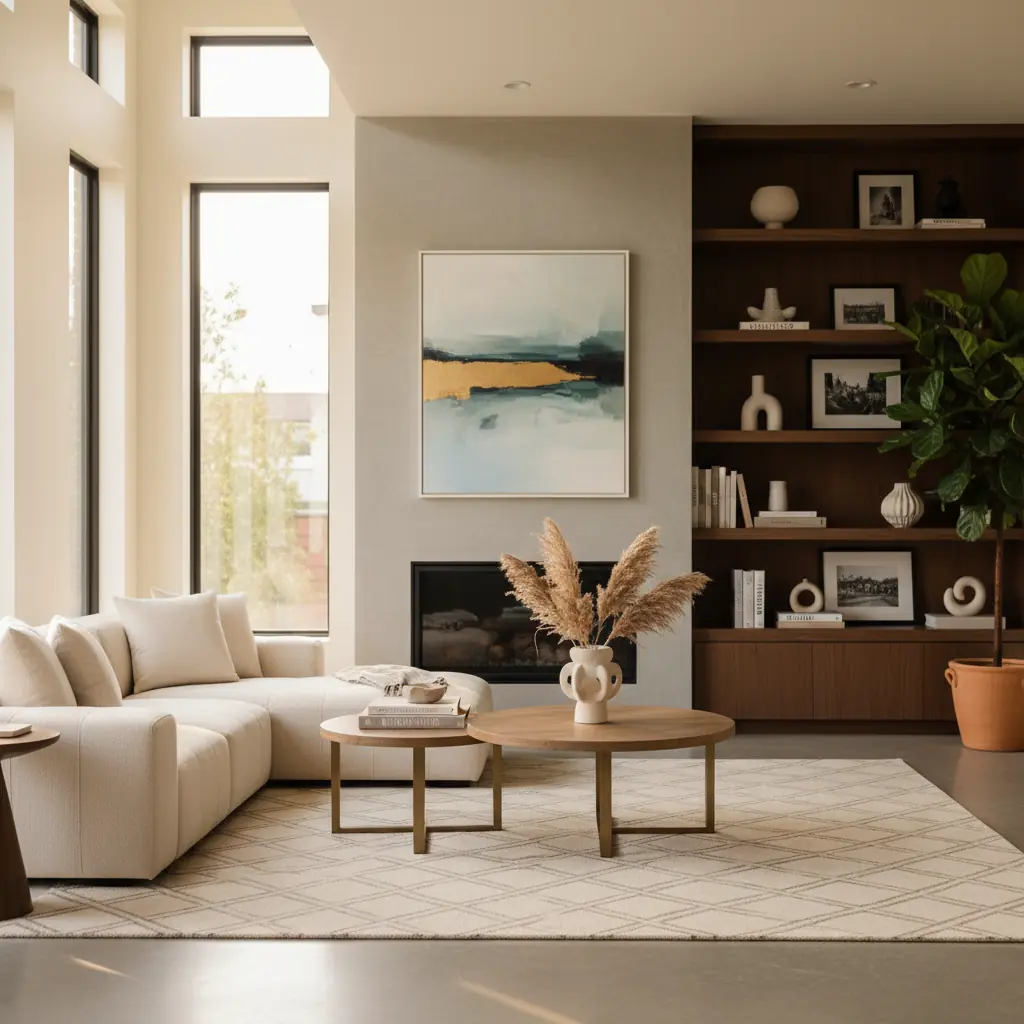
O segredo não é móveis caros — é um design estratégico
Entre em qualquer casa decorada, e você instantaneamente sentirá: uma sensação de aspiração, calma e perfeição sem esforço. Cada cômodo parece espaçoso, banhado em luz e impecavelmente proporcionado. A maioria das pessoas assume que isso vem unicamente de móveis de design caros, uma metragem quadrada generosa ou brilhantismo arquitetônico. Embora esses fatores possam contribuir, a verdadeira magia é muito mais deliberada. Designers de casas decoradas empregam um conjunto específico e altamente sistemático de técnicas que manipulam perfeitamente a percepção, fazendo com que os espaços pareçam significativamente maiores, mais brilhantes e mais coesos do que realmente são.
Essas técnicas não são segredos comerciais guardados; em vez disso, são princípios fundamentais bem documentados no mundo do design de interiores e home staging. A diferença crucial reside na sua aplicação: designers de casas decoradas as aplicam rigorosamente e sem concessões, enquanto a maioria dos proprietários tende a aplicá-las de forma inconsistente ou a ignorá-las completamente. A boa notícia? Você não precisa de um orçamento ilimitado ou de um designer profissional em sua equipe para replicar esses efeitos. Com um pouco de compreensão e esforço intencional, você pode aplicar esses mesmos truques poderosos para transformar seus próprios espaços.
Como as casas decoradas fazem os cômodos parecerem maiores e mais brilhantes?
### Escala Estratégica: Espelhos grandes e móveis em escala reduzida
Um dos segredos mais impactantes e frequentemente negligenciados no design de casas decoradas é a manipulação precisa da escala. Designers quase sempre optam por móveis que são sutilmente menores do que as peças residenciais padrão. Imagine um sofá com 1,98 metro de comprimento em vez de 2,13 metros, ou uma mesa de jantar projetada para acomodar confortavelmente seis pessoas em vez de oito. Criados-mudos são tipicamente mais estreitos, e poltronas podem ter uma pegada mais compacta. Essa redução sutil no tamanho cria uma poderosa ilusão de ótica: os cômodos parecem significativamente mais espaçosos porque há mais área visível no chão, maior espaço para "respirar" entre as peças e ampla folga ao redor das passagens. Esse uso intencional de "espaço negativo" evita que os cômodos pareçam desordenados ou apertados, aumentando a sensação de fluxo e abertura.
Espelhos são a outra metade, igualmente crítica, desta equação espacial. Casas decoradas utilizam estrategicamente espelhos grandes, muitas vezes variando de 1,2 a 1,8 metro de altura ou largura. Sua colocação é fundamental: diretamente opostos às janelas. Esse posicionamento inteligente alcança dois efeitos notáveis. Primeiro, ele reflete a luz natural mais profundamente no cômodo, dobrando efetivamente a fonte de luz percebida e iluminando cada canto. Segundo, e talvez de forma mais impressionante, ele cria a ilusão de metragem quadrada adicional ao refletir o próprio cômodo, expandindo os limites visuais. Para o máximo impacto, um único espelho grande e imponente consistentemente supera um arranjo de múltiplos espelhos menores, tanto para reflexão de luz quanto para expansão espacial. De fato, estudos sugerem que espelhos estrategicamente posicionados podem fazer um cômodo parecer até **50% maior e duas vezes mais brilhante** ao refletir eficientemente a luz existente.
Quais paletas de cores fazem uma casa sentir-se mais luxuosa?
### Paletas monocromáticas e a regra 60-30-10 para elegância atemporal
Casas decoradas são uma aula magna em harmonia visual, e sua estratégia de cores é central para isso. Raramente você encontrará mais de três cores primárias em qualquer cômodo, e essas cores aderem meticulosamente à clássica proporção 60-30-10. Essa regra dita:
- **60% cor dominante:** Esta é a tonalidade fundamental, tipicamente cobrindo paredes, grandes peças de mobiliário (como sofás) e amplos revestimentos de piso. - **30% cor secundária:** Esta cor proporciona contraste e profundidade, aparecendo em móveis de destaque (ex: uma poltrona), têxteis (cortinas, tapetes) e, às vezes, uma parede de destaque. - **10% cor de destaque:** Este é o "pop" – usado com moderação em acessórios como almofadas, objetos decorativos, flores frescas ou peças de arte selecionadas.
A cor dominante é quase universalmente um neutro quente. Isso significa afastar-se de brancos puros e frios que podem parecer clínicos e abraçar tons como branco quente, greige (uma mistura de cinza e bege) ou bege suave. Essa paleta é cuidadosamente escolhida por várias razões: fotografa lindamente, agrada à mais ampla gama possível de gostos e, crucialmente, faz os cômodos parecerem maiores porque não há transições de cores agressivas para cortar visualmente o espaço. A continuidade visual permite que o olho flua ininterruptamente, aumentando a percepção de amplitude. Estatísticas mostram que casas com cores neutras na pintura interna, como as comumente usadas em casas decoradas, podem aumentar o valor percebido da casa em **1-2%** e ampliar significativamente o apelo ao comprador. Para ajuda na exploração de paletas sofisticadas, considere usar um [gerador de paleta de cores com IA](/blog/ai-color-palette-generator).
Por que a iluminação é tão importante no design de casas?
### Iluminação: o orçamento que casas decoradas gastam 3x mais
Se há uma área onde as casas decoradas superam drasticamente o orçamento médio do proprietário, é na iluminação. Uma casa decorada típica alocará pelo menos três vezes o orçamento médio de iluminação de um proprietário. Enquanto um proprietário pode gastar de US$ 500 a US$ 1.000 por cômodo em luminárias, uma casa decorada frequentemente investe **US$ 1.500 a US$ 3.000 ou mais**, reconhecendo seu profundo impacto no ambiente e na percepção. Cada cômodo apresenta iluminação em camadas, combinando estrategicamente três tipos:
- **Iluminação ambiente:** A luz geral e fundamental em um cômodo, frequentemente fornecida por luminárias de teto como luzes embutidas, lustres ou plafons. - **Iluminação de tarefa:** Iluminação focada para atividades específicas, como abajures de leitura ao lado de um sofá, luzes sob os armários em uma cozinha ou arandelas ao lado de uma penteadeira. - **Iluminação de destaque:** Usada para realçar características arquitetônicas, obras de arte ou objetos decorativos, incluindo luzes para quadros, fitas de LED sob prateleiras flutuantes ou uplights atrás de plantas.
Crucialmente, a temperatura de cor de todas as fontes de luz é meticulosamente consistente em toda a casa: um branco quente a 2700K. Você nunca encontrará lâmpadas fluorescentes frias ou uma mistura desarmônica de diferentes temperaturas de lâmpadas. Essa consistência cria um brilho uniforme e convidativo que imita a luz natural do dia e contribui para uma sensação coesa e sofisticada. As casas decoradas também maximizam obsessivamente a luz natural. Isso significa usar cortinas transparentes ou nenhuma cobertura de janela, garantindo que nenhum móvel bloqueie as janelas e optando por pisos de cores claras que reflitam a luz para cima. Se sua casa tem um cômodo que consistentemente parece escuro, sua ação imediata e mais impactante deve ser adicionar duas a três fontes de luz adicionais (combinando ambiente, tarefa e destaque) antes de considerar quaisquer outras mudanças de design.
Como as casas decoradas criam uma sensação de "curadoria" sem bagunça?
### Vazio estratégico e a arte das prateleiras estilizadas
A sensação curada e impecável das casas decoradas não é alcançada através de ornamentação interminável; ela nasce da escassez intencional — o que chamamos de "vazio estratégico". Ao contrário da maioria das casas onde cada superfície se torna um ponto de apoio, as casas decoradas entendem o poder do espaço negativo. Estantes de livros são tipicamente apenas 60% preenchidas, permitindo que o olho descanse e aprecie os poucos itens expostos. Balcões de cozinha podem apresentar apenas um eletrodoméstico estiloso, como uma chaleira sofisticada ou uma batedeira, ao lado de uma simples fruteira ou uma única planta. As bancadas de banheiro são mantidas no mínimo: um único dispensador de sabonete elegante, uma pequena e vibrante planta e talvez uma toalha de mão dobrada com cuidado. Isso não é minimalismo por si só; é uma escolha deliberada para deixar a arquitetura, os móveis e os elementos centrais do design respirarem. Isso aumenta a percepção de espaço e exibe itens de verdadeiro valor decorativo.
O estilo das prateleiras em casas decoradas segue uma fórmula altamente específica e repetível:
- **Agrupe itens em números ímpares:** Três e cinco são visualmente mais atraentes e dinâmicos. - **Varie as alturas dentro de cada grupo:** Crie interesse visual misturando objetos altos, médios e baixos. - **Misture materiais e texturas:** Combine diferentes elementos como um objeto de madeira, uma peça metálica, um item orgânico (como uma pequena planta ou uma pedra) e algo de cerâmica ou vidro. - **Deixe espaço negativo entre os grupos:** Não amontoe tudo junto. Permita espaço para respirar para que cada arranjo possa ser apreciado.
Se você adotar apenas um princípio do design de casas decoradas, que seja este: remover três itens de qualquer superfície em sua casa quase invariavelmente a fará parecer melhor, mais intencional e menos bagunçada.
O Poder do Fluxo e Layout: Projetando para o Movimento
Além dos elementos individuais, as casas decoradas se destacam na criação de um fluxo contínuo que guia os visitantes pelo espaço. Isso envolve uma cuidadosa consideração do arranjo dos móveis para garantir caminhos claros e linhas de visão desobstruídas. Designers posicionam os móveis para definir zonas funcionais (sala de estar, jantar, cantos de leitura) enquanto mantêm uma sensação aberta e arejada. Você notará que sofás e cadeiras são frequentemente ligeiramente afastados das paredes, permitindo um melhor fluxo de energia e uma atmosfera mais convidativa. As passagens são sempre generosas, garantindo que os visitantes possam se mover livremente sem esbarrar nos móveis. Esse layout deliberado não apenas faz uma casa parecer maior, mas também mais intuitiva e confortável. A utilização de ferramentas como um [gerador de arranjo de móveis com IA](/blog/ai-furniture-arrangement-tool) pode ajudar você a visualizar layouts ideais para seu próprio espaço, garantindo transições suaves e zonas funcionais.
Camadas de Texturas e Envolvimento Sutil dos Sentidos
Enquanto as paletas de cores são contidas, as casas decoradas são ricas em textura. Designers habilmente sobrepõem diferentes materiais para adicionar profundidade e interesse sem introduzir desordem visual. Pense em uma sala de estar: um tapete macio de lã sob os pés, um sofá de linho, almofadas de veludo, uma cesta de vime e uma mesa de centro de madeira polida. Essa interação de texturas — lisa, áspera, macia, dura — envolve os sentidos e cria uma experiência luxuosa e tátil. É uma maneira sutil, porém poderosa, de fazer um espaço parecer mais rico e convidativo. Além da textura, as casas decoradas frequentemente empregam sutis sinais sensoriais, como uma fragrância leve e limpa (nunca avassaladora), aprimorando ainda mais a experiência aspiracional geral.
Acessórios e Arte Curados: Os Toques Finais
Cada acessório e peça de arte em uma casa decorada é escolhido com propósito. Trata-se de qualidade em vez de quantidade. Em vez de numerosos itens pequenos e díspares, você encontrará algumas peças cuidadosamente selecionadas que complementam a estética do cômodo. A arte é frequentemente dimensionada apropriadamente para a parede que adorna, servindo como um ponto focal ou um elemento coeso que une uma paleta de cores. Esses elementos parecem pessoais sem serem excessivamente específicos, permitindo que potenciais compradores visualizem suas próprias vidas dentro do espaço. Ao selecionar arte, considere peças que evoquem calma ou sofisticação, e ao escolher acessórios, prioritize aqueles com formas, texturas interessantes ou uma conexão com o esquema de cores escolhido.
Como aplicar esses truques de casas decoradas em sua casa (sem o orçamento de uma casa decorada)
Você absolutamente não precisa de um orçamento de casa decorada para integrar essas poderosas técnicas de design em seus próprios espaços. Comece com as mudanças de maior impacto e menor custo, e avance.
1. **Desordene Implacavelmente:** Este é o primeiro passo mais eficaz e barato. Limpe cada superfície — balcões de cozinha, bancadas de banheiro, estantes de livros, mesas de centro — ao mínimo essencial. Então, adicione de volta lenta e intencionalmente apenas aqueles itens que servem a um propósito visual claro ou são genuinamente estimados. Lembre-se da regra da casa decorada: remover três itens quase sempre melhora uma superfície. 2. **Otimize Sua Iluminação:** Substitua todas as lâmpadas existentes por LEDs brancos quentes consistentes de 2700K. Em seguida, identifique os cômodos que atualmente dependem apenas de iluminação de teto e adicione pelo menos um abajur de chão ou de mesa. O objetivo é iluminação em camadas em cada cômodo. 3. **Introduza um Espelho Grande:** Isso é um divisor de águas para a percepção espacial e a luz. Procure em lojas de segunda mão, Goodwill, Facebook Marketplace ou lojas de consignação locais por espelhos grandes (mais de 1,2 metro de altura) a preços incrivelmente acessíveis (frequentemente de US$ 20 a US$ 50). Posicione-o estrategicamente em frente à maior janela do cômodo. 4. **Avalie a Escala dos Móveis:** Se algum cômodo parecer realmente apertado, não se apresse em comprar móveis novos. Primeiro, tente remover uma peça. Você se surpreenderá com o impacto que a remoção de um único item inadequado pode ter no tamanho e fluxo percebidos do cômodo. Para layouts mais complexos, Habitas pode ajudar você a visualizar vários arranjos de móveis instantaneamente. Ferramentas como [Habitas](/blog/ai-interior-design-how-it-works) permitem que você carregue uma foto do seu cômodo real e experimente diferentes layouts e escalas de móveis, facilitando a visualização do impacto dessas mudanças antes de se comprometer. 5. **Simplifique Sua Paleta de Cores:** Caminhe pela sua casa e avalie a história de cores de cada cômodo. Se um cômodo tiver mais de três cores dominantes competindo por atenção, simplifique. Isso pode significar substituir almofadas incompatíveis por outras na sua cor de destaque escolhida, trocar um tapete vibrante e chamativo por um neutro e texturizado, ou repintar uma parede de destaque para combinar com a tonalidade dominante do cômodo. O objetivo é a continuidade visual. 6. **Camadas de Texturas:** Mesmo com um orçamento limitado, você pode introduzir riqueza textural. Adicione uma manta barata ao seu sofá, troque cortinas antigas por cortinas de linho transparentes, ou coloque uma cesta de vime em um canto. Essas pequenas adições adicionam profundidade sem desordem.
Ao implementar essas mudanças estratégicas, você não está apenas redecorando; você está aplicando os mesmos princípios visuais sofisticados que fazem as casas decoradas parecerem perfeitamente sem esforço, transformando sua própria casa em um refúgio aspiracional e convidativo. Lembre-se, proprietários que preparam estrategicamente suas propriedades usando esses princípios frequentemente veem retornos significativos; casas com home staging profissional podem vender até **7% mais caro** do que casas não preparadas, e estatísticas da National Association of Realtors mostram que elas geralmente vendem **50% mais rápido** em média, provando o poder desses segredos de design.
Perguntas Frequentes
### Quais são as principais diferenças entre uma casa decorada e uma casa-modelo?
A principal diferença reside na intencionalidade e no propósito. Uma casa decorada frequentemente reflete o gosto pessoal, as posses acumuladas e o conforto individual. Uma casa-modelo, ao contrário, é meticulosamente projetada para atrair o público mais amplo possível, destacar as melhores características da propriedade e criar uma ilusão de estilo de vida aspiracional. Ela utiliza truques específicos da psicologia do design — como móveis em escala, iluminação em camadas e vazio estratégico — para manipular a percepção, fazendo com que os espaços pareçam maiores, mais brilhantes e mais universalmente atraentes do que uma casa tipicamente habitada.
### Como os designers de casas decoradas escolhem as cores?
Os designers de casas decoradas optam quase exclusivamente por paletas monocromáticas neutras e quentes. Eles geralmente aderem à regra 60-30-10: 60% de cor neutra quente dominante (ex: greige, bege suave nas paredes), 30% de cor neutra secundária (ex: bege um pouco mais escuro ou cinza claro em têxteis) e 10% de cor de destaque (um verde, azul ou terracota suaves). Essa escolha é estratégica: neutros fotografam bem, agradam a uma ampla gama de gostos e permitem que o próprio espaço seja o ponto focal, criando uma ilusão de maior tamanho e sofisticação.
### Os móveis de casas decoradas são menores do que os móveis regulares?
Sim, os móveis de casas decoradas são frequentemente sutilmente menores em comparação com os móveis de varejo padrão. Sofás podem ser alguns centímetros mais curtos, mesas de jantar dimensionadas para menos convidados e criados-mudos mais estreitos. Essa redução intencional no tamanho é um truque óptico inteligente projetado para fazer os cômodos parecerem mais espaçosos, deixando mais área visível no chão e espaço para respirar ao redor de cada peça. Não se trata de ser desconfortável, mas de maximizar a percepção de abertura do espaço.
### Qual é a temperatura de iluminação ideal para um lar acolhedor?
A temperatura de iluminação ideal para um lar acolhedor e coeso, espelhando os padrões de casas decoradas, é um branco quente consistente de 2700K (Kelvin). Essa temperatura de cor produz um brilho suave e convidativo que imita a luz incandescente natural, criando um ambiente aconchegante e confortável. Evitar temperaturas mistas e iluminação fria e intensa é crucial para alcançar aquela sensação harmoniosa e sofisticada vista em casas decoradas.
### Como posso fazer minha pequena sala de estar parecer maior como uma casa decorada?
Para fazer uma pequena sala de estar parecer maior como uma casa decorada, comece desorganizando completamente para maximizar o espaço negativo. Incorpore um espelho grande estrategicamente colocado em frente a uma janela para refletir a luz e expandir visualmente o cômodo. Escolha móveis em escala reduzida e organize-os para garantir caminhos claros. Opte por uma paleta de cores monocromática neutra e quente para paredes e itens maiores, e introduza iluminação em camadas (ambiente, tarefa, destaque) com lâmpadas consistentes de 2700K para iluminar cada canto.