Dominando o design de Ambientes Virados para o Norte: Cores, Iluminação e Layout para Aconchego
Aproveite ao máximo um ambiente virado para o norte com as cores de tinta certas, iluminação adequada e disposição de móveis estratégica.
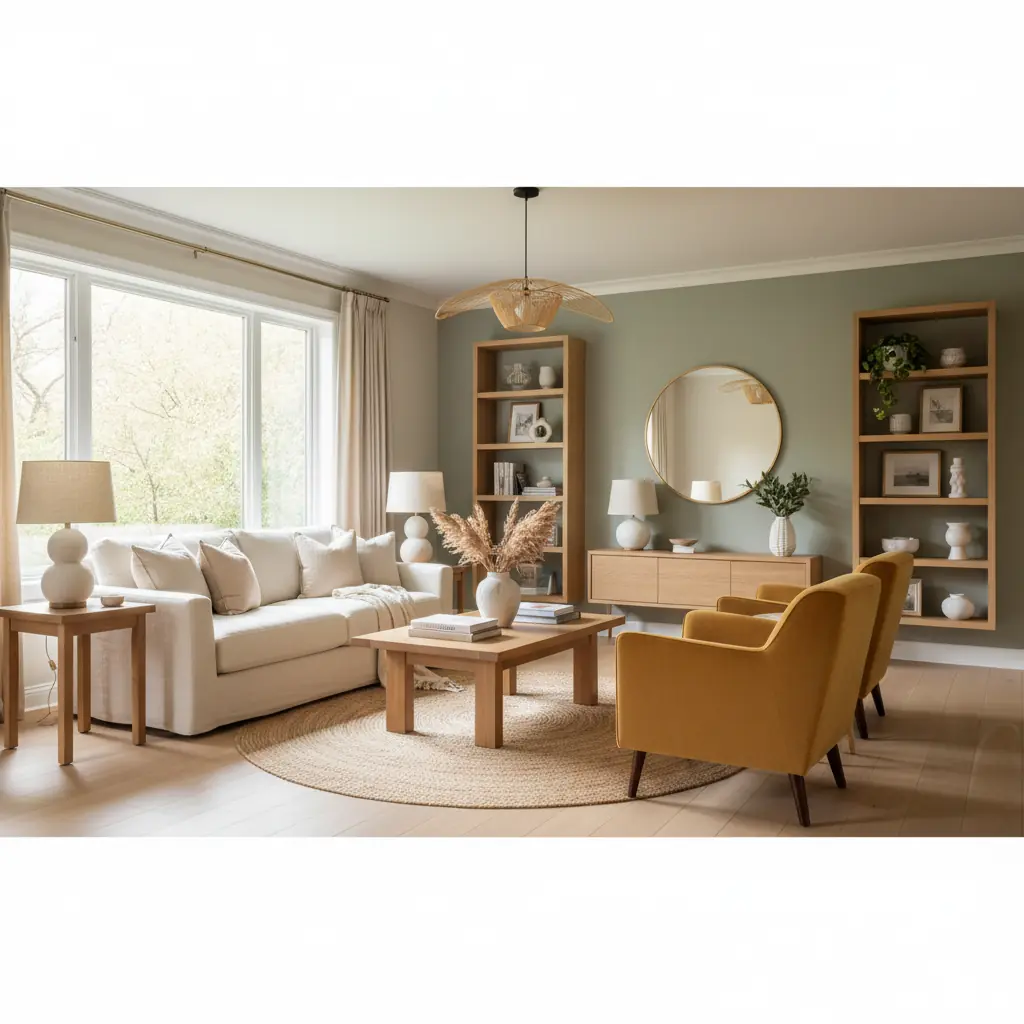
Compreendendo a Luz Norte: A Base do seu design
Ambientes virados para o norte apresentam um desafio e uma oportunidade únicos para designers de interiores e proprietários de casas. Ao contrário dos seus homólogos virados para o sul, que desfrutam de luz solar direta e intensa, os espaços voltados para o norte não recebem exposição solar direta em nenhum momento do dia. Em vez disso, são banhados por uma luz ambiente consistente, difusa e de tom frio. Isso não é necessariamente uma desvantagem; na verdade, fotógrafos e artistas frequentemente preferem a luz norte devido à sua uniformidade e ausência de sombras duras, o que evita o brilho excessivo e reproduz as cores com precisão.
No entanto, em um espaço de convivência, essa luz fria, caracterizada por seu tom azulado, pode ser problemática. Ela pode fazer com que as cores pareçam chapadas, transformar cinzas quentes em tons opacos ou arroxeados e deixar o ambiente inteiro com uma sensação de frio perpétuo, independentemente da configuração do termostato. Estudos mostram que indivíduos frequentemente percebem ambientes virados para o norte como sendo 3-5 graus Fahrenheit mais frios do que ambientes virados para o sul, mesmo na mesma temperatura real. Esse impacto psicológico torna a compreensão e a neutralização da luz fria primordiais para criar uma atmosfera verdadeiramente confortável e convidativa.
O principal desafio reside nessa mudança inerente de cor: qualquer cor, seja em uma amostra de tinta, retalho de tecido ou peça de mobiliário, tenderá a ficar mais fria sob a luz norte. Um coral vibrante pode parecer opaco, um branco cremoso pode parecer austero, e um bege suave pode assumir um tom acinzentado. Essa compreensão fundamental é a pedra angular de cada decisão de design bem-sucedida que você tomará para seu ambiente virado para o norte.
Quais Cores Funcionam Melhor para Ambientes Virados para o Norte?
O segredo para escolher a paleta certa para um ambiente virado para o norte reside na seleção de cores com subtons quentes que neutralizam eficazmente a luz fria do espectro azul. Pense nisso como equilibrar uma balança: a luz fria adiciona azul, então você precisa adicionar cores com um toque de vermelho, laranja ou amarelo para trazer aconchego.
### Abraçando Brancos Quentes e Off-Whites
Enquanto brancos puros e brilhantes podem parecer clínicos e frios em um ambiente virado para o norte, brancos quentes e off-whites cremosos são seus melhores amigos. Esses tons contêm subtons sutis de amarelo, rosa ou bege que permitem que sejam percebidos como brancos verdadeiros e convidativos, em vez de tenderem para um cinza-azulado.
- **Benjamin Moore Simply White OC-117:** Um branco versátil e ligeiramente quente que se mantém nítido sem parecer frio. - **Farrow & Ball Wimborne White:** Um off-white suave e acolhedor que evita qualquer austeridade. - **Sherwin-Williams Alabaster SW 7008:** Um branco cremoso popular que se sente suave e convidativo.
Essas cores proporcionam uma sensação luminosa e arejada, enquanto injetam sutileza de aconchego. Ao explorar suas opções, considere experimentar nosso [gerador de paleta de cores IA](/blog/ai-color-palette-generator) para visualizar diferentes tons de branco em uma representação virtual do seu ambiente.
### Invocando Aconchego com Amarelos, Rosas e Terracotas
Além dos brancos, um espectro de tons quentes pode prosperar em ambientes virados para o norte:
- **Amarelos Suaves:** Amarelos amanteigados ou suaves podem introduzir um brilho ensolarado, tornando o ambiente mais luminoso e alegre. Evite amarelos muito brilhantes ou primários, que podem parecer agressivos. - **Rosas Blush:** Rosas sutis, especialmente aqueles com subtons pêssego ou terrosos, criam um aconchego suave e gentil. Eles podem variar de um rosa delicado a um rosa empoeirado sofisticado. - **Terracota e Laranjas Suaves:** Esses tons terrosos injetam instantaneamente um aconchego acolhedor e fundamentado. Eles combinam lindamente com materiais naturais e podem evocar uma sensação de sol mediterrâneo. - **Beges Quentes e Greiges:** Se você adora a versatilidade dos neutros, opte por beges com subtons amarelos ou avermelhados. Greige (cinza + bege) é um excelente compromisso, mas seja extremamente cauteloso. Sempre escolha um greige com um subtom quente definido, às vezes quase um tom taupe, e teste-o extensivamente na sua parede real. Cinzas frios, uma escolha extremamente popular, são notórios por ficarem quase roxos ou azuis sob a luz norte.
### O Poder das Cores Escuras e Saturadas
Não hesite em usar cores escuras e saturadas em ambientes virados para o norte. Embora pareça contraintuitivo, tons profundos como azul-marinho, verde-floresta, cinza-carvão (com subtons quentes) ou até um ameixa rico podem criar um efeito maravilhosamente aconchegante e envolvente. Em vez de tentar combater a falta de luz, essas cores a abraçam, tornando o ambiente íntimo e luxuoso. A chave é o compromisso: se você optar por cores escuras, deve compensar com iluminação artificial quente abundante e móveis de tons quentes para evitar que o ambiente pareça uma caverna ou seja opressor.
### Quais Cores Abordar com Cautela (ou Evitar Completamente)
- **Cinzas Frios:** A menos que tenham um subtom quente claro, os cinzas frios quase certamente ficarão azul-gelo ou roxos. - **Azuis e Verdes Gélidos:** Essas cores serão amplificadas pela luz fria, fazendo o ambiente parecer ainda mais frio. - **Brancos Puros e Austeros:** Sem nenhum pigmento quente, esses podem parecer estéreis e clínicos.
Lembre-se, a percepção de cores pode mudar em até 10-15% dependendo da exposição à luz natural, tornando os testes de amostra inegociáveis. Pinte grandes amostras em várias paredes e observe-as em diferentes horas do dia e sob várias condições de iluminação. Para mais inspiração, confira nosso guia sobre as [melhores cores de tinta para 2026](/blog/best-paint-colors-2026).
Estratégias de Iluminação que Compensam e Elevam
A iluminação artificial é talvez o elemento mais crítico na transformação de um ambiente virado para o norte. Como você não pode adicionar mais luz solar natural, deve replicar seu calor e brilho através de uma iluminação bem pensada.
### Camadas de Luz para Profundidade e Aconchego
A estratégia mais eficaz é sobrepor luz artificial quente em todo o ambiente. Pense nisso em três níveis:
1. **Iluminação Ambiente:** Esta é a sua iluminação geral. Luminárias de teto como plafons, semi-embutidos ou iluminação embutida devem ser equipadas com lâmpadas que emitam um brilho quente, idealmente na faixa de 2700K a 3000K. Evite qualquer coisa acima de 3500K, que tende a parecer fria e com aspecto de escritório. 2. **Iluminação de Tarefa:** Esta foca a luz em áreas específicas para atividades como leitura, culinária ou trabalho. Abajures, luminárias de piso e arandelas são excelentes para isso. Elas também adicionam interesse visual e quebram as sombras. 3. **Iluminação de Destaque:** Esta realça características arquitetônicas, obras de arte ou objetos decorativos. Luzes para quadros, fitas de LED sob prateleiras ou atrás de painéis de mídia, e uplights podem adicionar calor e dimensão sutis, evitando que o ambiente pareça chapado.
A iluminação de diferentes direções e em várias alturas é crucial. Uma única luz de teto projeta sombras duras e deixa os cantos escuros. Um par de abajures em cada lado de um sofá, combinado com uma luminária de piso em um canto e talvez alguma iluminação de fita de LED, cria uma atmosfera muito mais convidativa e dinâmica.
### A Importância da Quantidade e do Controle
Ambientes virados para o norte frequentemente se beneficiam de serem ligeiramente "superiluminados" em comparação com seus homólogos virados para o sul. Não se trata de um brilho ofuscante, mas de garantir luz suficiente para afastar a melancolia. Uma sala de estar média requer cerca de 20 lúmens por pé quadrado, mas um ambiente virado para o norte pode precisar de 25-30 lúmens por pé quadrado para parecer adequadamente iluminado.
Crucialmente, cada luminária deve ter um dimmer. Isso permite aumentar o brilho em dias cinzentos e nublados, quando a luz natural é escassa, e diminuí-lo durante tardes mais claras ou para um ambiente noturno. Sistemas de iluminação inteligentes, que podem ser programados para ajustar a intensidade e até a temperatura da cor ao longo do dia, oferecem uma solução avançada para iluminação adaptativa.
Considere luminárias que direcionam a luz para cima (uplighters) para refletir a luz no teto, criando uma ilusão de altura e suavidade, ou luminárias que 'lavam' uma parede com luz, como arandelas, para adicionar brilho ambiente e destacar texturas. Lâmpadas com alto Índice de Reprodução de Cores (CRI) (90+) também são importantes, pois garantem que as cores em seu ambiente apareçam fiéis ao seu tom, em vez de serem turvadas por uma baixa qualidade de luz.
Layout, Mobiliário e Vantagens Ocultas: Maximizando o Potencial
Além da pintura e da luz, a disposição dos seus móveis e a seleção de materiais desempenham um papel significativo na criação de um ambiente virado para o norte acolhedor e convidativo.
### Layout Estratégico e Tratamentos de Janela
**Disposição dos Móveis:** Posicione seu assento principal para ficar de frente para a janela sempre que possível. Mesmo que a luz seja indireta, ainda é natural, e encará-la faz o ambiente parecer mais claro e mais conectado ao exterior do que sentar de costas para ela. Considere a escala dos seus móveis; peças grandes e volumosas podem absorver a luz, fazendo o ambiente parecer menor e mais escuro. Para ajudar a visualizar diferentes arranjos, uma [ferramenta de arranjo de móveis IA](/blog/ai-furniture-arrangement-tool) pode ser inestimável.
**Tratamentos de Janela:** Mantenha-os mínimos. Cortinas translúcidas que filtram a luz suavemente enquanto permitem a entrada máxima de fótons são ideais. Em alguns casos, nenhuma cortina pode ser a melhor opção se a privacidade não for uma preocupação. Se precisar de privacidade ou controle de luz, opte por persianas rolô ou cortinas romanas que podem ser completamente levantadas e retiradas do caminho visual da janela quando abertas, maximizando cada centímetro de vidro. Cortinas pesadas e escuras apenas amplificarão a sensação de frescor do ambiente. Dado que os ambientes virados para o norte também podem ser mais frios, considere cortinas com forro térmico para isolamento, garantindo que possam ser completamente abertas durante o dia.
### Materiais Quentes e Superfícies Refletivas
**Mobiliário e Têxteis:** Escolha materiais que intrinsecamente tragam calor e textura. Madeira natural com subtons quentes (pense em carvalho, nogueira, cerejeira em vez de freixo ou bétula), couro em tons quentes e metais como latão ou ouro são excelentes escolhas. Evite cromo e metais de tons frios, que podem amplificar a frieza. Os têxteis são primordiais: pense em bouclé cremoso, veludo macio, tapetes de lã texturizados, tricôs grossos e almofadas em tons âmbar, terracota, mostarda ou azeitona. Esses materiais adicionam calor tátil e profundidade visual, tornando o ambiente mais convidativo.
**Espelhos e Superfícies Refletivas:** Espelhos estrategicamente posicionados são a arma secreta de um ambiente virado para o norte. Posicione-os opostos ou adjacentes à janela para refletir a luz disponível mais profundamente no ambiente, criando uma ilusão de espaço expandido e maior luminosidade. Além dos espelhos, considere outros elementos refletivos: uma mesa de centro com tampo de vidro, detalhes em latão polido ou até acabamentos brilhantes em móveis podem ajudar a distribuir a luz.
### Trazendo Vida e Toques Pessoais
**Obras de Arte e Decoração:** Ambientes virados para o norte são ideais para exibir obras de arte, pois a luz consistente e sem brilho evita o desbotamento e permite que as cores sejam visualizadas com precisão. Escolha arte com cores ou temas quentes para realçar ainda mais a atmosfera do ambiente. Integre toques pessoais como fotos de família em molduras de tons quentes.
**Design Biofílico:** As plantas prosperam em luz consistente e indireta. Introduza o verde para adicionar vida, cor e uma sensação de conexão com a natureza. Plantas grandes e frondosas podem suavizar cantos e trazer um toque vibrante. Explore nosso [guia de design biofílico](/blog/biophilic-design-guide) para inspiração.
### As Vantagens Subestimadas dos Ambientes Virados para o Norte
Apesar dos desafios, os ambientes virados para o norte possuem vantagens genuínas que os tornam alguns dos espaços mais confortáveis de uma casa:
- **Sem Reflexos em Telas:** Isso os torna ideais para um home office, sala de mídia ou setup de jogos, onde a visibilidade da tela é primordial. Você não terá que lidar com o brilho do sol ao longo do dia. - **Proteção para Obras de Arte e Têxteis:** A ausência de raios UV diretos significa que obras de arte, fotografias e têxteis delicados são protegidos do desbotamento, preservando sua vivacidade por anos. Esta é uma vantagem significativa para colecionadores de arte. - **Qualidade de Luz Consistente:** A luz é maravilhosamente uniforme durante todo o dia. Isso significa que não há padrões de sombra duros mudando pelo chão, sem raios ofuscantes em certas horas e uma ambiência estável e previsível. Essa consistência os torna perfeitos para berçários, estúdios de arte ou cantos de leitura. - **Temperaturas Mais Frescas:** Embora nos esforcemos para adicionar aconchego visualmente, a frescura natural dos ambientes virados para o norte pode ser uma bênção em climas mais quentes ou durante os meses de verão, potencialmente reduzindo os custos de energia para refrigeração.
Ao aplicar estrategicamente as cores certas, camadas de iluminação quente e escolher materiais convidativos, um ambiente virado para o norte pode ser transformado de um espaço frio em uma das áreas mais confortáveis, íntimas e produtivas da sua casa. Ferramentas como Habitas podem ajudar você a visualizar essas mudanças na foto real do seu ambiente antes de se comprometer com um estilo, otimizando seu processo de design e garantindo escolhas confiantes. Usar ferramentas de IA pode reduzir a fase inicial de visualização do design de semanas para minutos, permitindo iterações mais rápidas e decisões mais seguras.
---
Perguntas Frequentes
### Quais são os principais desafios ao projetar um ambiente virado para o norte?
O principal desafio de projetar um ambiente virado para o norte é sua exposição consistente a uma luz fria, difusa e indireta, que carece de luz solar direta. Esse tipo de luz tende a fazer as cores parecerem mais frias, às vezes transformando cinzas quentes em azuis ou roxos, e pode fazer o ambiente parecer perpetuamente gelado. A ausência de sol direto também significa que o ambiente pode parecer mais escuro e menos convidativo se não for projetado com atenção.
### Quais cores de tinta devo evitar em um ambiente virado para o norte?
Você deve geralmente evitar cinzas de tons frios, azuis gélidos e brancos puros e brilhantes em um ambiente virado para o norte. Essas cores serão amplificadas pela luz natural fria, tornando o ambiente ainda mais frio, clínico ou sombrio. Se você preferir cinzas, certifique-se de que eles tenham um forte subtom quente (greige) e sempre teste-os extensivamente na parede antes de se comprometer.
### Como posso fazer uma sala de estar virada para o norte parecer mais clara e aconchegante?
Para fazer uma sala de estar virada para o norte parecer mais clara e aconchegante, concentre-se em cores de tinta de tons quentes (brancos cremosos, amarelos suaves, rosas blush, beges quentes), iluminação artificial em camadas (lâmpadas de 2700K-3000K com dimmers) e materiais quentes (madeira natural, latão, lã, veludo). Maximize a luz natural com tratamentos de janela mínimos e use espelhos estrategicamente para refletir a luz mais profundamente no espaço. Não tenha medo de abraçar cores escuras e saturadas se você as equilibrar com iluminação quente abundante e mobiliário para criar uma sensação acolhedora e íntima.
### Um ambiente virado para o norte é bom para um quarto ou home office?
Sim, ambientes virados para o norte são frequentemente excelentes para quartos e home offices. Para quartos, a luz consistente e suave é ideal para dormir, pois não há sol forte da manhã para lidar. Para escritórios, a falta de brilho nas telas é uma vantagem significativa, reduzindo o cansaço visual e melhorando a produtividade. A luz consistente também os torna perfeitos para espaços criativos como estúdios de arte ou cantos de leitura, pois as cores aparecem verdadeiras e as sombras são mínimas.
### Quantas fontes de luz um ambiente virado para o norte deve ter?
Um ambiente virado para o norte deve idealmente ter pelo menos 3-5 fontes de luz distintas, criando camadas de luz em vez de depender de uma única luminária de teto. Isso geralmente inclui iluminação ambiente (luminárias de teto), iluminação de tarefa (abajures ou luminárias de piso) e iluminação de destaque (arandelas, luzes para quadros, fitas de LED). O uso de múltiplas fontes de luz em diferentes alturas ajuda a eliminar sombras, adicionar profundidade e criar um brilho quente e convidativo que imita a luz solar natural. Todas as luminárias devem ter dimmers para controle máximo.