Otimizando o Design de Escritórios para Produtividade Máxima: Um Guia Baseado em Pesquisas
Insights baseados em pesquisas sobre como o design de escritórios afeta a produtividade — desde elementos biofílicos e luz natural até a psicologia das cores e o gerenciamento acústico.
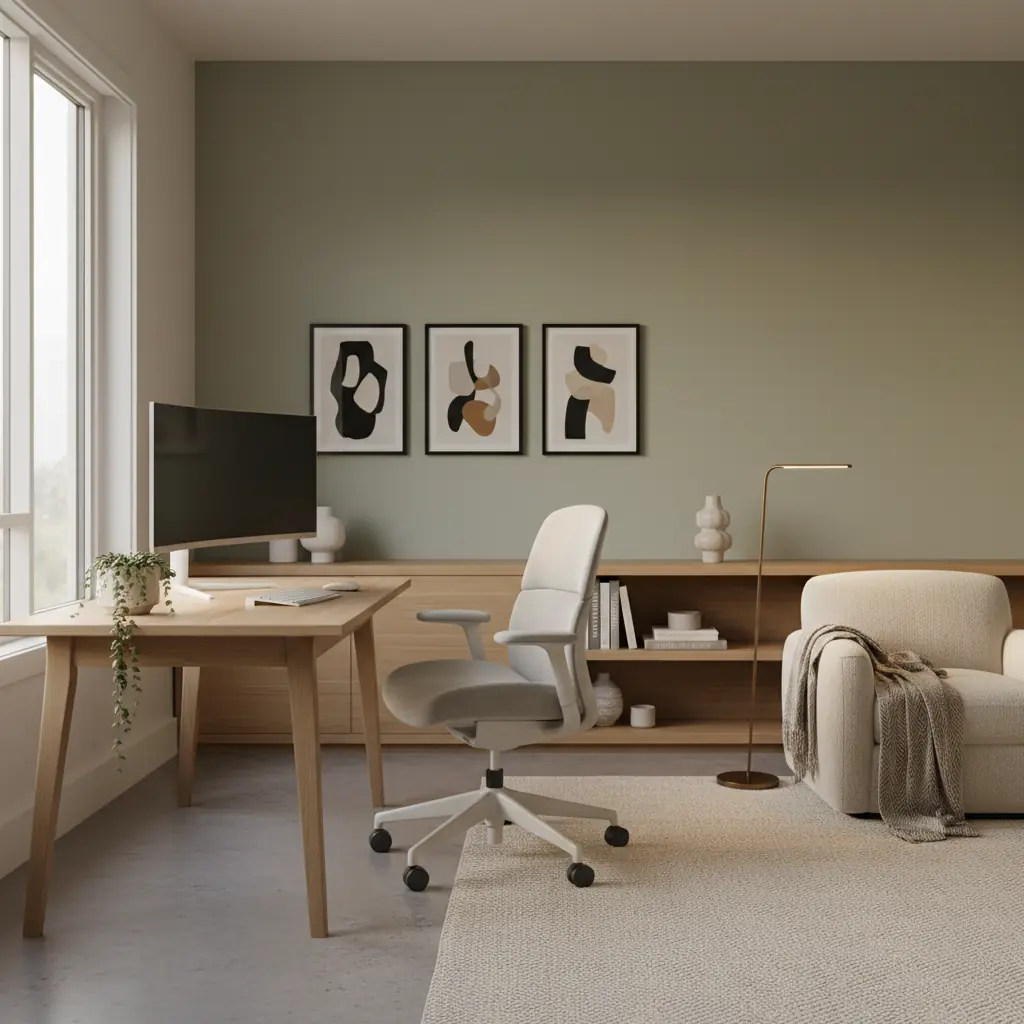
O que a ciência diz sobre o design do espaço de trabalho e o desempenho dos funcionários
A relação entre o design de escritórios e a produtividade é uma das áreas mais estudadas na psicologia ambiental, e os achados são claros: o espaço de trabalho físico tem um impacto mensurável e significativo no desempenho cognitivo, criatividade, bem-estar dos funcionários e, em última análise, no sucesso do negócio. Isso não é apenas uma opinião ou uma tendência de design passageira — é um corpo de pesquisa revisada por pares, replicada em centenas de estudos globalmente.
Um estudo marcante do World Green Building Council descobriu que os fatores do design de escritórios são responsáveis por uma variação de 5% a 15% na produtividade dos funcionários. Dado que os custos com pessoal geralmente representam 90% das despesas operacionais de uma empresa, mesmo um ganho de produtividade de 5% com um design melhor supera drasticamente o custo de sua implementação. Na verdade, muitas organizações relatam que para cada dólar investido em design de escritório focado no bem-estar, elas veem um retorno médio de $3,50 em melhoria no desempenho dos funcionários e redução de custos de saúde. Isso não é apenas sobre estética; é sobre criar um ambiente que ativamente apoie e aprimore o potencial humano, impactando diretamente o seu resultado final.
Design biofílico: Aproveitando a natureza para um escritório mais produtivo
O design biofílico — a prática de incorporar elementos naturais em ambientes construídos — é a intervenção de design mais embasada em evidências para impulsionar a produtividade e o bem-estar. Seus princípios derivam de nossa conexão humana inata com a natureza, um conceito conhecido como biofilia. Quando estamos cercados por elementos naturais, nossos níveis de estresse diminuem, nossa função cognitiva melhora e nossa sensação de bem-estar aumenta.
Um estudo da Universidade de Exeter descobriu que enriquecer um escritório com plantas aumentou a produtividade em 15%. Um estudo separado publicado na revista PLOS ONE descobriu que trabalhadores com vistas de elementos naturais relataram 15% mais bem-estar e 6% mais produtividade do que aqueles sem. Os mecanismos psicológicos em jogo são profundos: a natureza ajuda a restaurar a função cognitiva, reduzindo a fadiga mental, promovendo uma sensação de calma e estimulando a criatividade.
Você não precisa de uma parede viva ou de um jardim interno expansivo para colher esses benefícios, embora estes possam ser impactantes. A pesquisa mostra que mesmo intervenções modestas fazem maravilhas:
- **Plantas de mesa:** Fáceis de implementar e altamente eficazes. Mesmo uma pequena planta pode fazer a diferença. - **Materiais naturais:** Priorize móveis e acabamentos feitos de madeira, pedra, cortiça ou argila reais. Se materiais reais não forem viáveis, procure alternativas de alta qualidade que imitem convincentemente texturas e padrões naturais. Uma mesa feita de madeira real (ou material com aparência convincente de madeira) desencadeia uma resposta psicológica diferente de uma superfície laminada branca, embora funcionalmente sejam idênticas. - **Padrões inspirados na natureza:** Incorpore formas orgânicas no design de móveis, têxteis ou obras de arte. Procure padrões fractais – aqueles designs geométricos repetitivos encontrados em flocos de neve ou folhas de samambaia – que são conhecidos por serem visualmente calmantes e estimulantes. - **Vistas da natureza:** Maximize as janelas existentes que oferecem vistas de árvores, céu ou água. Se as vistas naturais forem limitadas, considere fotografia de natureza de alta qualidade ou até mesmo instalações de vídeo. - **Fontes de água:** O som de água fluindo suavemente pode ser incrivelmente relaxante, ajudando a mascarar ruídos que distraem e criar uma atmosfera serena. - **Integração de luz natural:** Embora muitas vezes considerada separadamente, a luz natural é um pilar do design biofílico, conectando-nos aos ciclos diários e sazonais da natureza.
Para um aprofundamento na integração da natureza em seus espaços, explore nosso [guia completo de design biofílico](/blog/biophilic-design-guide).
Luz natural e temperatura ideal: Os elementos fundamentais de um espaço de trabalho produtivo
Ao projetar um escritório, alguns fatores são inegociáveis para a produtividade, e a luz natural lidera essa lista. Um estudo da Universidade Cornell descobriu que trabalhadores em escritórios com luz natural otimizada relataram um aumento de 18% na produtividade e uma diminuição de 84% na fadiga ocular, dores de cabeça e visão turva. A explicação está enraizada em nossa biologia: a luz natural ajuda a regular nossos ritmos circadianos, o relógio interno do corpo que afeta diretamente o estado de alerta, o humor e a função cognitiva. Sem exposição suficiente à luz natural, especialmente pela manhã, nossos corpos lutam para produzir melatonina nos momentos certos, levando à fadiga e à redução do foco.
Se você está projetando um escritório e só pode otimizar uma coisa, escolha a luz natural. Isso significa maximizar o acesso às janelas, usar superfícies claras e refletivas para que a luz se espalhe mais profundamente no espaço e evitar tratamentos pesados nas janelas que bloqueiem a iluminação natural. Considere vidros inteligentes que podem ajustar o tom para gerenciar o brilho sem obscurecer totalmente a vista, ou incorpore prateleiras de luz para refletir a luz do dia para cima e mais profundamente nos cômodos.
### A temperatura ideal e a qualidade do ar para o desempenho máximo
Além da luz, a temperatura também tem um efeito profundo e mensurável na função cognitiva. Pesquisas publicadas no jornal _Indoor Air_ descobriram que o desempenho diminui em 2% para cada grau Celsius acima de 25 graus (77 graus Fahrenheit). A faixa ideal de conforto térmico para a maioria dos trabalhadores de escritório é de 21 a 23 graus Celsius (70 a 73 graus Fahrenheit). Fornecer controles individuais de temperatura ou aquecimento/resfriamento por zona permite que os funcionários personalizem seu ambiente imediato, o que aumenta significativamente o conforto e o controle percebido, ambos ligados a maior satisfação e desempenho.
A qualidade do ar, muitas vezes um fator negligenciado, é imensamente importante. Altos níveis de dióxido de carbono (CO2) – comuns em salas de reunião mal ventiladas ou em escritórios de plano aberto densamente ocupados – podem reduzir a função cognitiva em até 15% quando excedem 1.000 ppm. Dores de cabeça, fadiga e dificuldade de concentração são todos sintomas de má qualidade do ar interno. Abrir janelas periodicamente, investir em filtros de ar de alta eficiência (HEPA) ou implementar sistemas HVAC avançados com ventilação controlada por demanda são investimentos em produtividade, não meros luxos de conforto. Estudos indicam que investir em sistemas HVAC avançados com filtragem melhorada pode reduzir os dias de doença dos funcionários em até 10-12%, traduzindo-se em economias significativas de custos para as empresas.
Como a psicologia das cores influencia o foco e a criatividade no escritório
A cor em ambientes de escritório não é meramente estética — diferentes tonalidades têm efeitos mensuráveis na psicologia humana, influenciando o humor, os níveis de energia e até o desempenho em tarefas cognitivas. Pesquisas da Universidade da Colúmbia Britânica descobriram que ambientes azuis aumentam o desempenho criativo em tarefas que exigem imaginação, enquanto ambientes vermelhos melhoram o desempenho em tarefas orientadas a detalhes que exigem precisão.
Compreender esses impactos permite escolhas estratégicas de cores que apoiam atividades específicas:
- **Azul e Verde:** Essas tonalidades frias estão associadas à calma, estabilidade e inteligência. Use tons de azul ou azul-esverdeado em áreas designadas para foco e trabalho profundo (escritórios individuais, zonas de silêncio, bibliotecas). O verde, com sua forte associação com a natureza, é excelente para espaços destinados à calma, restauração e reflexão, como salas de descanso, áreas de meditação ou cantos de leitura tranquilos. - **Amarelo e Laranja:** Cores quentes como amarelo e laranja são conhecidas por evocar energia, otimismo e criatividade. Use-as com moderação e estrategicamente em espaços colaborativos onde a energia e o brainstorming criativo são o objetivo, como salas de reunião de equipe ou áreas de descanso informais. Tenha cuidado com cores quentes excessivamente saturadas, pois muita intensidade pode levar à superestimulação ou ansiedade. Versões mais suaves ou pastel são frequentemente mais eficazes para exposição prolongada. - **Vermelho:** Embora o vermelho possa estimular a atenção aos detalhes e ser útil para tarefas breves que exigem precisão, a exposição prolongada aumenta os hormônios do estresse e pode levar à agitação. Evite vermelhos saturados em grandes áreas. Se usado, aplique como um pequeno toque para chamar a atenção ou indicar urgência. - **Neutros:** Neutros quentes e suaves (como cinzas suaves, beges e brancos-sujos) servem como excelentes cores de fundo. Eles fornecem uma tela calma e não distrativa que pode ser acentuada com cores mais vibrantes em zonas específicas.
Para assistência na criação da paleta perfeita para o seu escritório, um [gerador de paletas de cores com IA](/blog/ai-color-palette-generator) pode fornecer recomendações inteligentes com base nos humores desejados e elementos existentes.
Layouts abertos vs. privados vs. híbridos: Design para diversos estilos de trabalho
O debate sobre escritórios abertos foi amplamente resolvido pela pesquisa, e os resultados não são lisonjeiros para o modelo tradicional de plano aberto. Embora inicialmente concebido para promover a colaboração e a comunicação, um estudo da Harvard Business School descobriu que a transição para um escritório aberto reduziu a interação face a face em 73%, enquanto aumentou o e-mail e as mensagens em 67%. Trabalhadores em escritórios abertos gastam energia cognitiva significativa filtrando distrações auditivas e visuais, levando a uma diminuição mensurável na produtividade para trabalhos que exigem foco. As interrupções constantes e a falta de privacidade também podem contribuir para o aumento do estresse e menor satisfação no trabalho.
A evidência apoia esmagadoramente uma abordagem híbrida: fornecer espaços variados para diferentes modos de trabalho. O objetivo é oferecer um "menu de ambientes" que capacite os trabalhadores a escolher o ambiente mais adequado para sua tarefa atual e preferência pessoal.
- **Zonas de Trabalho Profundo:** Exigem espaços privados e silenciosos, como escritórios fechados, cabines tipo phone-booth ou bibliotecas dedicadas e silenciosas. Essas áreas devem ser projetadas para minimizar distrações, com excelente tratamento acústico e controle individual sobre iluminação e temperatura, sempre que possível. - **Centros Colaborativos:** Áreas abertas podem ser altamente eficazes para trabalho em equipe, brainstorming e interações espontâneas. Esses espaços devem apresentar móveis flexíveis, superfícies escritas (quadros brancos, paredes de vidro) e tecnologia que suporte fácil compartilhamento de tela e videoconferência. O design acústico aqui deve ter como objetivo conter o som dentro da zona, evitando que se espalhe para áreas silenciosas. - **Zonas Sociais e de Recarga:** A interação casual, que muitas vezes impulsiona o aprendizado informal e a inovação, acontece melhor em áreas comuns confortáveis e convidativas. Pense em cafeterias, lounges relaxantes e cozinhas bem equipadas. Essas áreas promovem um senso de comunidade e oferecem oportunidades para os funcionários descompressão e recarga, o que é vital para a produtividade a longo prazo. - **Modelos Híbridos são o Futuro:** Os melhores escritórios não se comprometem com um único layout; eles fornecem uma gama diversificada de ambientes e permitem que os trabalhadores escolham com base em sua tarefa atual. Essa flexibilidade é crucial no cenário de trabalho dinâmico de hoje. Ferramentas como Habitas podem ajudar a visualizar diferentes layouts de escritório e arranjos de móveis antes de se comprometer com decisões caras de mobiliário e construção, garantindo que seu espaço se alinhe perfeitamente às necessidades de sua equipe.
A transição para um modelo de escritório híbrido bem projetado, embora inicialmente custe entre $500-$1.500 por funcionário para reconfigurações e novos equipamentos, pode gerar uma melhoria de 20-30% na satisfação dos funcionários e um aumento de 15% nas taxas de retenção ao longo de dois anos. Esse investimento fomenta uma força de trabalho mais ágil e resiliente. Se você está com dificuldades para otimizar seu layout atual, uma [ferramenta de arranjo de móveis com IA](/blog/ai-furniture-arrangement-tool) pode ajudar a explorar possibilidades de forma rápida e eficiente.
Gerenciamento de som e a inesperada vantagem do home office
O ruído é consistentemente relatado como a principal queixa em ambientes de escritório, e por uma boa razão. Pesquisas mostram que mesmo o ruído de fundo moderado (o nível típico de 60-65 decibéis de um escritório aberto) reduz significativamente o desempenho em tarefas cognitivas complexas em 5% a 10%. O cérebro gasta considerável energia tentando filtrar sons irrelevantes, deixando menos capacidade para o trabalho focado.
O gerenciamento eficaz do som em um ambiente de escritório envolve uma abordagem multifacetada:
- **Sistemas de Mascaramento de Som:** Esses sistemas emitem um ruído branco (ou ruído rosa) suave e discreto que eleva o nível sonoro ambiente, tornando a fala humana ininteligível além de uma curta distância (tipicamente 4,5-6 metros). Isso cria privacidade percebida e reduz o impacto disruptivo das conversas. - **Absorção Acústica:** Implemente painéis acústicos em paredes e tetos, use carpetes ou tapetes em pisos duros e selecione móveis com propriedades de absorção sonora. Esses materiais absorvem as ondas sonoras, reduzindo o eco e a reverberação. - **Bloqueio de Som:** Use estrategicamente divisórias sólidas, do chão ao teto, para escritórios privados e salas de reunião. Considere janelas com vidros duplos se o ruído externo for um problema. - **Layout Estratégico:** Posicione equipamentos barulhentos longe de áreas de trabalho silenciosas. Crie zonas de amortecimento entre diferentes áreas funcionais.
### Aproveitando o home office para produtividade ideal
É aqui que os home offices frequentemente têm uma vantagem estrutural. O home office médio é inerentemente mais silencioso, oferece mais controle sobre temperatura e iluminação, e fornece o espaço privado e fechado que a pesquisa mostra ser ideal para trabalho profundo. A ausência de interrupções constantes de colegas e a capacidade de personalizar o próprio ambiente podem levar a ganhos substanciais de produtividade.
Se você trabalha em home office, é crucial investir em seu ambiente da mesma forma que uma empresa faria:
- **Iluminação Adequada:** Não dependa apenas da iluminação do teto. Invista em uma boa luminária de mesa que forneça iluminação ajustável e sem reflexos. A exposição à luz natural ainda é primordial. - **Elementos Biofílicos:** Adicione uma ou duas plantas, incorpore materiais naturais e certifique-se de ter uma vista para o exterior, se possível. - **Temperatura e Qualidade do Ar Consistentes:** Mantenha sua faixa de temperatura ideal e garanta boa ventilação. - **Tratamento Acústico:** Se o seu ambiente doméstico for barulhento, considere adicionar tapetes, cortinas pesadas ou até mesmo painéis acústicos DIY para minimizar as distrações. - **Ergonomia:** Investir em uma cadeira de escritório ergonômica e uma mesa ajustável para trabalhar em pé pode levar a uma redução de 10-15% nas queixas musculoesqueléticas e um aumento de 5-7% na produção diária por funcionário. - **Definição de Limites:** Psicologicamente, é importante delinear seu espaço de "trabalho" do seu espaço de "vida", mesmo que seja apenas um canto de um cômodo. Isso ajuda seu cérebro a alternar entre os modos de trabalho e relaxamento.
A pesquisa sugere que seu ganho de produtividade ao otimizar um home office pode ser substancial — potencialmente de 10% a 20% em comparação com um ambiente corporativo típico de plano aberto, desde que você crie um espaço dedicado e de apoio. Habitas também pode ajudá-lo a projetar e visualizar seu home office ideal, permitindo que você experimente layouts, cores e móveis para criar um espaço que maximize seu foco e bem-estar.
Perguntas Frequentes
### Quais são os elementos de design mais impactantes para aumentar a produtividade no escritório?
Os elementos de design mais impactantes para aumentar a produtividade no escritório são a luz natural, elementos biofílicos (plantas, materiais naturais), temperatura e qualidade do ar ideais, e gerenciamento acústico eficaz. Esses fatores influenciam diretamente a função cognitiva, o humor e os níveis de estresse, levando a melhorias mensuráveis no desempenho, criatividade e bem-estar dos funcionários.
### O quanto um bom design de escritório aumenta a produtividade?
Pesquisas indicam que um bom design de escritório pode aumentar a produtividade dos funcionários em 5% a 15%. Intervenções específicas mostram ganhos ainda maiores; por exemplo, escritórios com luz natural otimizada relatam um aumento de 18%, e aqueles enriquecidos com plantas veem um impulso de 15%. O retorno sobre o investimento muitas vezes supera em muito os custos iniciais do design, especialmente considerando que os custos com pessoal são geralmente a maior despesa de uma empresa.
### Por que a luz natural é tão importante para os trabalhadores de escritório?
A luz natural é crucial porque regula nossos ritmos circadianos, que são os relógios internos do nosso corpo que controlam os ciclos de sono-vigília, o estado de alerta e o humor. A exposição adequada à luz natural, principalmente pela manhã, ajuda a manter esses ritmos, levando a um aumento do estado de alerta, melhor humor, redução da fadiga ocular e, em última análise, maior desempenho cognitivo e produtividade.
### Qual é o melhor layout de escritório para colaboração e foco?
O melhor layout de escritório é um modelo híbrido que oferece uma variedade de espaços para apoiar diferentes modos de trabalho. Isso inclui zonas privadas e silenciosas (escritórios fechados, cabines) para trabalho de foco profundo, centros colaborativos abertos e flexíveis para interações em equipe e brainstorming, e áreas sociais confortáveis para conexões informais e pausas. Essa abordagem permite que os funcionários escolham o ambiente mais adequado para sua tarefa atual, maximizando tanto a produtividade individual quanto a sinergia da equipe.
### A cor realmente pode afetar a produtividade em um escritório?