Móveis de Veludo: O Guia Definitivo para Comprar, Cuidar e Estilizar
Móveis de veludo são duráveis? Aprenda sobre veludo de alta performance vs. tradicional, melhores cores, dicas de cuidado e sofás de veludo por orçamento (US$ 500-3000) neste guia completo.
Por Que os Móveis de Veludo Estão Tão Populares Agora?
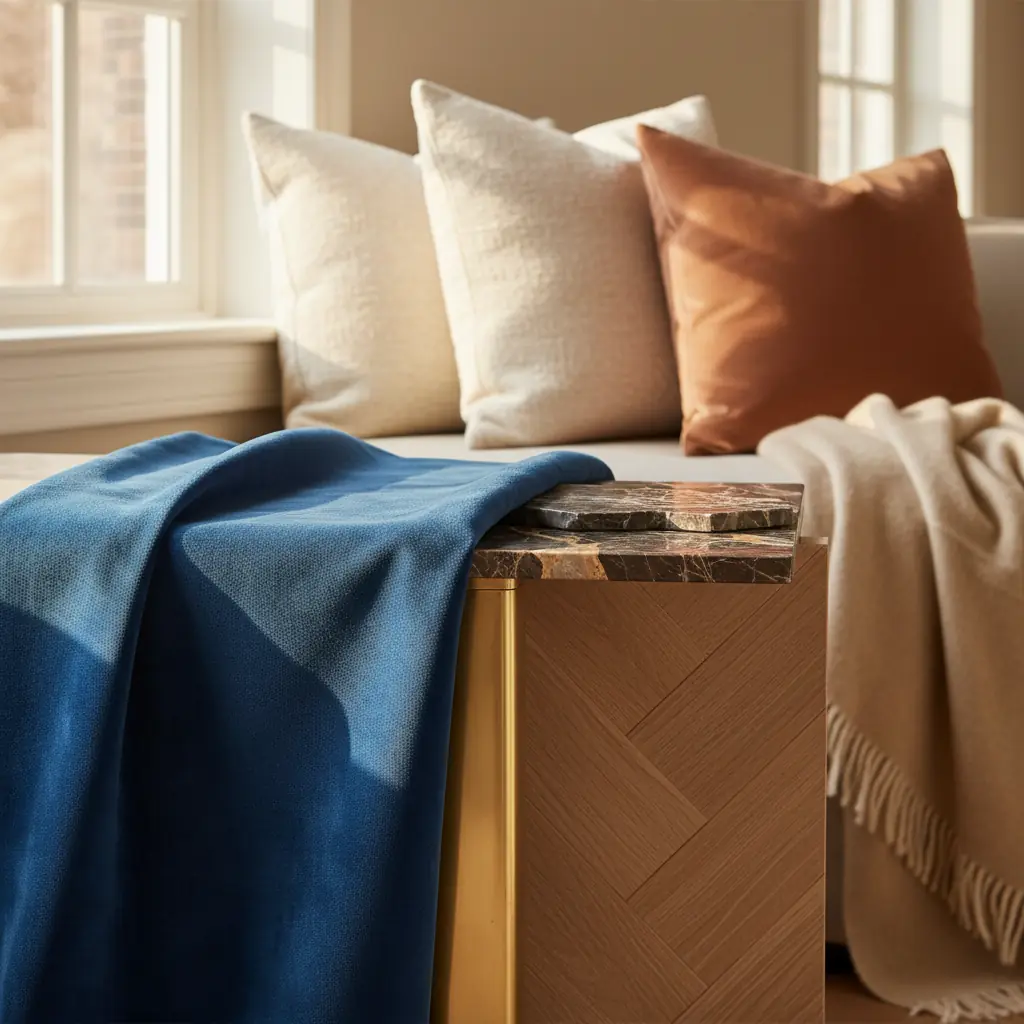
O veludo tem aparecido e desaparecido das tendências de design de interiores por séculos, adornando palácios, passarelas de moda e casas chiques. No entanto, o ressurgimento atual – agora entrando em seu quinto ano – tem demonstrado uma notável permanência, impulsionado tanto por inovações práticas quanto por uma estética duradoura. Não é apenas uma moda passageira; é um testemunho de como a fabricação moderna conseguiu resolver as desvantagens históricas do veludo, tornando-o uma escolha viável e altamente desejável para a vida contemporânea.
A principal razão para seu retorno sustentado reside no advento dos **veludos de alta performance**. Esses têxteis avançados têm a mesma aparência e toque do veludo tradicional de seda, algodão ou viscose, mas são projetados para resistir a manchas, suportar um desgaste significativo e até mesmo as travessuras de animais de estimação. Este desenvolvimento inovador eliminou efetivamente a principal objeção que a maioria das pessoas tinha: que o veludo era simplesmente muito delicado, de alta manutenção ou impraticável para casas reais. Agora, famílias com crianças e animais de estimação podem desfrutar do luxo do veludo sem preocupação constante.
Além de sua recém-descoberta durabilidade, o veludo oferece vantagens estéticas incomparáveis. A estrutura única de sua trama captura e brinca com a luz de maneiras dinâmicas que os tecidos de trama plana não conseguem replicar. Isso cria uma profundidade visual e um brilho sutil que eleva instantaneamente um ambiente, fazendo com que os espaços pareçam mais luxuosos, intencionais e acolhedores. Em uma era onde as casas são cada vez mais compartilhadas nas redes sociais e destacadas em anúncios imobiliários, a qualidade fotogênica do veludo é um ativo significativo, atraindo consistentemente atenção positiva e aumentando o valor percebido.
Designers de interiores frequentemente observam que as peças de veludo geram as reações mais entusiasmadas dos clientes durante as instalações. Há algo na riqueza tátil e na opulência visual do veludo que provoca uma profunda resposta emocional, uma sensação de conforto e indulgência que vai além do que materiais como algodão, linho ou mesmo couro podem oferecer. Essa conexão emocional, combinada com a resiliência prática, garante o lugar proeminente do veludo nos interiores modernos. Globalmente, o mercado de móveis estofados deve crescer 5,5% anualmente, com tecidos de luxo como o veludo registrando uma adoção ainda mais rápida em esquemas de design modernos, refletindo o desejo do consumidor por conforto entrelaçado com elegância e um toque de glamour. O veludo se integra perfeitamente a muitos dos [melhores estilos de design de interiores de 2026](/blog/best-interior-design-styles-2026) atuais, desde revivals Art Deco ao maximalismo moderno e até looks industriais suavizados.
Veludo de Alta Performance vs. Tradicional: Qual a Diferença e Por Que Isso Importa?
Compreender a distinção entre veludo tradicional e de alta performance é crucial para tomar uma decisão de compra informada, especialmente para móveis que terão uso diário.
**Veludo Tradicional** Historicamente, o veludo era tecido a partir de fibras naturais como seda, algodão ou viscose. Embora inegavelmente bonitos, esses veludos tradicionais são genuinamente delicados. São propensos a amassar sob pressão sustentada, deixando marcas visíveis onde as pessoas se sentam. Absorvem manchas rapidamente, tornando derramamentos uma preocupação significativa, e podem ser facilmente danificados por métodos de limpeza à base de água, muitas vezes deixando marcas. Este é o veludo sobre o qual sua avó provavelmente te advertiu — requintado, mas temperamental. Embora ainda tenha seu lugar em aplicações de baixo tráfego, como almofadas decorativas, cortinas ou cadeiras de destaque formais e raramente usadas, é geralmente uma escolha arriscada para um sofá, cadeira de jantar ou outras peças que suportam o desgaste diário. Sua beleza é melhor preservada em ambientes onde não será tocado ou sujo regularmente.
**Veludo de Alta Performance** Também comercializado como microveludo, veludo resistente a manchas ou veludo 'pet-friendly', esta maravilha moderna é tipicamente tecida com 100% poliéster. O que o diferencia é sua construção de pelo curto e densamente compactado e tratamentos de fibra especializados. As fibras individuais de poliéster são frequentemente tratadas com revestimentos resistentes a manchas (semelhante à tecnologia encontrada no Scotchgard), que fazem com que os líquidos formem gotas na superfície em vez de serem imediatamente absorvidos pelo tecido. Isso proporciona uma janela de tempo crucial para remover derramamentos antes que eles se fixem.
A durabilidade dos veludos de alta performance de qualidade é notável. Eles geralmente pontuam bem acima de 50.000 no **teste de fricção dupla Wyzenbeek**, um teste padronizado da indústria que mede a resistência à abrasão de um tecido. Uma pontuação de 50.000 significa que o tecido pode suportar 50.000 ciclos de abrasão antes de mostrar desgaste significativo. Para contextualizar, móveis residenciais idealmente requerem um tecido com uma contagem de fricção acima de 15.000, enquanto estofados de nível comercial geralmente precisam estar acima de 30.000. O veludo de alta performance frequentemente excede esses padrões, tornando-o adequado para ambientes residenciais de alto tráfego ou comerciais leves. Com mais de 67% dos lares nos EUA possuindo um animal de estimação, a demanda por tecidos duráveis e 'pet-friendly' como o veludo de alta performance disparou, tornando-o uma escolha principal para casas movimentadas.
A diferença visual entre o veludo de alta performance premium e o veludo tradicional de algodão ou seda é muitas vezes desprezível para o olho destreinado. O veludo de alta performance pode parecer ligeiramente menos macio ao toque de uma mão experiente, ou talvez ter um brilho ligeiramente menos iridescente do que o veludo de seda pura, mas ele drapeia lindamente, captura a luz com elegância e parece igualmente luxuoso. Para qualquer peça de mobiliário que será usada diariamente, suportará a vida familiar ou receberá convidados frequentemente, o veludo de alta performance é o campeão indiscutível. Guarde o veludo tradicional para peças de destaque puramente decorativas e tratamentos de janela onde sua natureza delicada pode ser apreciada sem as exigências do uso diário.
Quais São as Melhores Cores de Veludo para Móveis e Como Escolher?
O tecido de veludo amplifica a cor de uma maneira que os materiais de trama plana simplesmente não conseguem. A trama única cria uma interação cativante de sombras e destaques que infunde até mesmo tons suaves com uma riqueza e profundidade semelhantes a joias. Isso significa que cores que poderiam parecer um tanto sóbrias ou sem inspiração em linho ou algodão se tornam vibrantes, complexas e luxuosas quando apresentadas em veludo.
Aqui estão cinco das cores de veludo mais versáteis para móveis, juntamente com suas notas estilísticas:
1. **Verde Esmeralda:** Um tom sofisticado e reconfortante que harmoniza lindamente com tons de madeira natural, detalhes metálicos quentes (como latão ou ouro) e uma variedade de cores de parede neutras. Evoca uma sensação de natureza e elegância atemporal, perfeito para interiores clássicos e contemporâneos. 2. **Azul Marinho:** Um favorito perene por sua capacidade de exalar sofisticação e esconder pequenos desgastes ou poeira excepcionalmente bem. O veludo azul marinho combina sem esforço com quase qualquer esquema de cores, desde brancos e cremes nítidos até amarelos vibrantes e vermelhos profundos. É uma peça-chave versátil que parece clássica e atual ao mesmo tempo. 3. **Rosa Chá (Blush Pink):** No veludo, o rosa chá transcende sua doçura frequentemente percebida, tornando-se uma tonalidade suave, sofisticada e inesperadamente versátil. A profundidade do tecido confere-lhe uma sensação mais madura e matizada do que em outros materiais, tornando-o uma escolha elegante para adicionar calor e um toque de romance moderno. 4. **Amarelo Mostarda:** Para aqueles que buscam um toque de ousadia, o amarelo mostarda em veludo é uma excelente escolha. A trama do veludo transforma o que poderia ser uma cor berrante em uma declaração rica, convidativa e maravilhosamente quente. Ele combina maravilhosamente com tons de cinza, azul marinho e verdes profundos, adicionando um toque otimista a qualquer ambiente. 5. **Cinza Chumbo (Charcoal Gray):** Enquanto o cinza às vezes pode parecer estéril, o veludo cinza chumbo é tudo, menos isso. É o neutro seguro, incrivelmente versátil, que ainda parece excepcionalmente luxuoso. A trama do veludo adiciona um interesse visual significativo, textura e profundidade que um tecido cinza plano simplesmente não possui, tornando-o uma base sofisticada para sobrepor outras cores e texturas.
Ao escolher uma cor de veludo, sempre considere as **condições de iluminação** do seu ambiente. As propriedades de captura de luz do veludo significam que sua aparência pode mudar dramaticamente. O veludo sob luz natural quente, virada para o sul, parecerá diferente do veludo sob luz fria, virada para o norte. Cores profundas como esmeralda e azul marinho se tornarão incrivelmente ricas e saturadas sob luz quente, mas podem parecer quase pretas ou muito suaves em ambientes escuros e de tons frios. Por outro lado, cores mais claras como blush, champanhe ou até um cinza prateado suave brilham lindamente em todas as condições de iluminação, tornando-as escolhas mais seguras para espaços mais escuros onde se deseja manter a luminosidade.
Uma nota prática: evite veludo branco puro e creme muito claro para móveis de assento em áreas de alto tráfego, especialmente se você tiver crianças ou animais de estimação. Embora o veludo de alta performance resista a manchas significativamente melhor do que o veludo tradicional, tecidos de cores muito claras ainda mostram poeira, fiapos, pelos de animais e transferência de jeans (marcas azuis de calças) mais visivelmente do que veludos de tons médios ou escuros. Para visualizar perfeitamente essas tonalidades dinâmicas em seu espaço único, a Habitas oferece uma ferramenta inovadora que permite experimentar diferentes cores de veludo na foto real do seu ambiente, ajudando você a encontrar o tom ideal antes de se comprometer. Você também pode usar um [gerador de paleta de cores com IA](/blog/ai-color-palette-generator) para explorar tons complementares para o veludo escolhido.
Como Cuidar e Limpar Móveis de Veludo?
Com sua reputação de delicadeza, muitos assumem que móveis de veludo exigem manutenção excessiva. No entanto, com os veludos de alta performance modernos e alguns hábitos simples, manter suas peças de veludo bonitas é surpreendentemente simples.
**Manutenção Diária e Semanal:**
- **Escove Suavemente:** Diariamente ou a cada poucos dias, escove o tecido de veludo suavemente na direção da trama usando uma escova de roupas de cerdas macias ou um pano de microfibra sem fiapos. Isso mantém a trama alinhada, evita o desenvolvimento de marcas de amassado e ajuda a desalojar poeira superficial e pelos de animais. - **Aspire Semanalmente:** Use um bico para estofados com baixa sucção em seu aspirador de pó. Alta sucção pode puxar as fibras, potencialmente danificando a trama ao longo do tempo. A aspiração regular evita que poeira e pequenos detritos se incorporem ao tecido. - **Gire as Almofadas:** Assim como em qualquer sofá, girar e virar suas almofadas regularmente (semanal ou quinzenalmente) ajuda a distribuir o desgaste de maneira uniforme e a manter sua forma, prolongando a vida útil do seu móvel.
**Limpeza Pontual de Derramamentos e Manchas:**
- **Aja Imediatamente:** A rapidez é crucial com derramamentos. Seque (nunca esfregue) derramamentos líquidos com um pano de microfibra limpo e seco. Esfregar pode empurrar o líquido mais fundo nas fibras e alterar permanentemente a trama. - **Para Veludo de Alta Performance Seguro para Água:** Para a maioria dos derramamentos de comida ou bebida, misture uma pequena quantidade (uma gota do tamanho de uma ervilha) de sabão neutro e transparente com água fria para criar uma solução espumosa. Umedeça levemente um pano limpo (não o encharque) e seque suavemente a mancha de fora para dentro. Em seguida, seque com um pano umedecido apenas com água limpa para enxaguar, e depois seque com outro pano limpo e seco. Deixe secar completamente ao ar livre. - **Para Manchas Fixas ou Trama Amassada:** Um vaporizador de roupas portátil é sua arma secreta. Mantenha o vaporizador a 15-20 cm da superfície e escove suavemente a trama com uma escova macia enquanto vaporiza. A combinação de calor e umidade ajuda a remover manchas, liberar rugas e restaurar a trama amassada simultaneamente. Sempre teste em uma área discreta primeiro.
**Cuidados a Longo Prazo e Limpeza Profissional:**
- **Limpeza Profissional:** Para sofás de veludo em uso diário, a limpeza profissional é recomendada uma vez ao ano. Certifique-se de especificar que o estofamento é de veludo para que o profissional utilize métodos e soluções apropriados. Produtos químicos de limpeza comerciais agressivos podem danificar a delicada trama do veludo e alterar sua cor. Um profissional pode realizar uma limpeza profunda sem causar danos, removendo óleos corporais acumulados, poeira e detritos microscópicos que a limpeza geral pode não atingir. - **Vaporização Regular:** Entre as limpezas profissionais, uma vaporização completa de toda a sua peça de veludo a cada três ou quatro meses pode mantê-la com aparência fresca. Isso evita o embotamento gradual que vem da poeira e dos óleos corporais acumulados e mantém a trama vibrante.
Quanto Custa um Sofá de Veludo de Qualidade? Uma Análise de Orçamento
O custo de um sofá de veludo pode variar drasticamente, refletindo diferenças na qualidade do tecido, construção da estrutura, enchimento das almofadas e reputação da marca. Compreender o que esperar em diferentes faixas de preço pode ajudá-lo a orçar de forma eficaz e fazer uma escolha que se alinhe às suas necessidades e expectativas de longevidade. Ao orçar um sofá de veludo, é útil entender o compromisso financeiro geral de mobiliar sua casa, assim como comparar o [custo de design de interiores com IA vs. contratação](/blog/ai-interior-design-vs-hiring-cost) para todo o seu projeto.
**Sofás de Veludo de Entrada (US$ 500 a US$ 1.000)** Nesta faixa de orçamento, você encontrará sofás de veludo de marcas populares de venda direta ao consumidor como IKEA (por exemplo, as linhas Viskafors ou Kivik frequentemente oferecem capas de veludo), Article, Zinus e vários varejistas online.
- **Tecido:** Espere veludo de alta performance de poliéster. Embora ofereça resistência a manchas e uma estética de veludo, a textura pode ser ligeiramente menos refinada do que as opções de maior custo. - **Almofadas:** Tipicamente, esses sofás possuem almofadas de espuma. Embora confortáveis inicialmente, a espuma tende a perder sua forma e densidade em dois a três anos, levando a afundamentos e suporte reduzido. - **Estrutura:** As estruturas são geralmente construídas com madeira maciça básica ou madeira engenheirada (compensado ou aglomerado). A união pode ser feita com grampos e cola, em vez de reforçada. - **Vida Útil:** Esses sofás ficam ótimos quando novos e são perfeitamente adequados para apartamentos, quartos de hóspedes ou espaços onde você prevê atualizar seus móveis a cada poucos anos. Sua vida útil funcional é geralmente de 2 a 5 anos.
**Sofás de Veludo de Custo Médio (US$ 1.000 a US$ 2.000)** Esta é frequentemente considerada a "faixa ideal" para a maioria dos compradores, onde a qualidade melhora significativamente sem atingir os patamares de preço de luxo. Marcas como West Elm, CB2, Castlery e Joybird oferecem excelentes opções nesta faixa.
- **Tecido:** Você encontrará veludos de alta performance de poliéster de grau superior, frequentemente com um toque mais macio e contagens de fricção bem acima de 50.000, indicando durabilidade superior. Alguns podem até incorporar misturas para textura adicional. - **Almofadas:** Uma melhoria notável aqui é a introdução de almofadas de espuma envoltas em plumas. Esta construção apresenta um núcleo de espuma de suporte envolto em uma camada de plumas, penas ou alternativas sintéticas de plumas. Isso proporciona um assento muito mais confortável, resiliente e duradouro em comparação com a espuma pura. - **Estrutura:** Estruturas de madeira maciça seca em estufa (por exemplo, bétula, bordo, pinho) são padrão. A secagem em estufa remove a umidade, prevenindo empenamentos e rachaduras. Os métodos de união melhoram, frequentemente incorporando blocos de canto, cavilhas e parafusos para maior estabilidade. - **Vida Útil:** Sofás nesta faixa parecem premium e, com os devidos cuidados, podem durar de cinco a oito anos, oferecendo um bom equilíbrio entre estética, conforto e durabilidade.
**Móveis de Veludo de Alto Padrão e Qualidade de Investimento (Acima de US$ 2.000)** Neste patamar de preço, você entra no território de móveis de veludo de verdadeira qualidade de investimento, oferecidos por marcas como Restoration Hardware, Rove Concepts, Arhaus e muitas lojas de estofamento sob medida.
- **Tecido:** Espere tecidos de veludo de fabricação europeia, frequentemente com maciez excepcional, brilho sutil e tramas intrincadas. Estes ainda podem ser veludos de alta performance (poliéster ou misturas), mas com um acabamento muito mais fino e, muitas vezes, tratamentos de manchas proprietários. Você também pode encontrar opções para veludos tradicionais de seda ou algodão para aplicações específicas e formais. - **Construção:** É aqui que a habilidade artesanal interna realmente se destaca. Procure por uma construção de molas com amarração manual em oito direções – o padrão ouro para conforto e longevidade do assento. Cada mola é amarrada individualmente em oito direções, proporcionando suporte uniforme e prevenindo o afundamento. Molas sinuosas também são comuns na parte inferior desta faixa de preço. - **Almofadas:** Misturas premium de plumas e penas, frequentemente com uma alta proporção de plumas para máxima maciez, ou núcleos de espuma de múltiplas densidades com generoso revestimento de plumas, são típicos. Essas almofadas mantêm seu volume e conforto por anos. - **Estrutura:** Estruturas de madeira maciça, secas em estufa, são meticulosamente construídas, frequentemente com encaixes de mortise e espiga ou tipo cauda de andorinha para máxima resistência e durabilidade. Essas peças são projetadas para durar de 10 a 15 anos, muitas vezes acompanhadas por extensas garantias de estrutura. - **Personalização:** A partir dos US$ 3.000, você também pode encomendar sofás de veludo personalizados, permitindo especificar dimensões exatas, configurações, escolhas de tecido e até composições de enchimento para combinar perfeitamente com seu espaço e preferências. Ao visualizar uma peça personalizada, ferramentas como Habitas ou um [simulador de arranjo de móveis com IA](/blog/ai-furniture-arrangement-tool) podem ajudá-lo a confirmar o tamanho e o posicionamento ideais.
Enquanto sofás econômicos (US$ 500-1.000) geralmente oferecem uma vida útil de 2 a 5 anos, investir em um sofá de veludo de custo médio (US$ 1.000-2.000) ou de alto padrão (acima de US$ 2.000) pode estender seu conforto e apelo estético por 8 a 15 anos ou mais, representando um valor significativo a longo prazo.
Quando os Móveis de Veludo Não São a Escolha Certa Para Sua Casa?
Embora o veludo de alta performance moderno tenha superado muitas limitações tradicionais, o veludo não é universalmente apropriado para todo ambiente ou estilo de vida. Compreender suas limitações restantes é fundamental para evitar frustrações e garantir que seu investimento em móveis seja feliz.
**Considerações Ambientais:**
- **Ambientes de Alta Umidade:** A trama do veludo pode ser sensível à umidade excessiva. Jardins de inverno sem climatização, banheiros ou espaços adjacentes ao exterior com alta umidade podem fazer com que a trama do veludo fique emaranhada, forme grumos ou até mesmo desenvolva mofo ao longo do tempo, mesmo com tecidos de alta performance. Mantenha um controle climático interno consistente para obter os melhores resultados. - **Luz Solar Direta e Sustentada:** A exposição direta e prolongada à luz solar pode desbotar o veludo mais rapidamente do que muitos outros tecidos. A estrutura intrincada da trama cria mais área de superfície exposta aos raios UV, acelerando a degradação da cor. Se o seu sofá fica diretamente em uma janela ensolarada, considere investir em tratamentos de janela com filtro UV (persianas transparentes, cortinas) ou selecionar um tecido resistente ao desbotamento projetado especificamente para exposição intensa à luz.
**Desafios de Estilo de Vida:**
- **Vários Cães Grandes:** Embora o veludo de alta performance resista à incrustação de pelos de animais melhor do que alguns tecidos tramados, a trama ainda mostra visualmente os pelos, especialmente em cores escuras. Se você tem vários cães grandes que soltam muito pelo e se deitam nos móveis, um rolo de fiapos ou um aspirador de mão se tornará um ritual diário. O tecido é durável, mas a aparência pode exigir vigilância constante. - **Gatos com Hábito de Arranhar:** Esta é talvez a preocupação prática mais significativa. A trama do veludo, por sua própria natureza, é inerentemente propensa a desfiar. Mesmo o veludo de alta performance mais robusto não consegue resistir totalmente às garras determinadas de gatos. Um único arranhão pode puxar laços na trama, criando danos visíveis. Se seus gatos arranham móveis com frequência, é mais seguro usar veludo em peças de destaque (como almofadas ou pufes) que sejam menos acessíveis, ou investir em treinamento e arranhadores para redirecionar seu comportamento antes de introduzir um sofá de veludo.
**Contexto e Integração de Estilo:**
- **Configurações de Estilo Incongruentes:** O veludo carrega um peso visual inerente e uma conotação de luxo, riqueza e, às vezes, formalidade. Em certos estilos de design de interiores, uma peça de veludo proeminente pode parecer incongruente. Por exemplo, em uma cabana rústica, um loft industrial com tijolos expostos e metal, ou um espaço minimalista verdadeiramente despojado, um sofá de veludo macio pode parecer fora do lugar – como usar um vestido de seda em um acampamento. - **Alcançando a Harmonia:** O veludo funciona melhor em espaços que abraçam algum elemento de polimento, refinamento ou design intencional. Isso inclui linhas limpas, paletas de cores bem pensadas e materiais complementares como mármore, latão, madeira acabada ou metais sofisticados. Se você deseja uma peça de veludo em um ambiente mais casual ou não convencional, considere uma cor mais suave ou uma peça com linhas muito limpas e modernas para preencher a lacuna estética. A chave é uma justaposição cuidadosa, não um choque acidental. Se você não tem certeza de como o veludo ficará em seu espaço, a Habitas pode ajudar — carregue uma foto do seu ambiente e visualize diferentes opções de estofamento antes de se comprometer com uma compra. Nossas ferramentas alimentadas por IA podem ajudá-lo a ver sua visão de design ganhar vida.
Perguntas Frequentes
### Móveis de veludo são duráveis para o uso diário?
Móveis de veludo modernos, especialmente o **veludo de alta performance** (feito de poliéster com tratamentos resistentes a manchas), são altamente duráveis para o uso diário. Ele é projetado para resistir a manchas, desbotamento e desgaste, frequentemente ostentando altas pontuações no teste de fricção dupla Wyzenbeek (mais de 50.000 é comum). O veludo tradicional feito de seda ou algodão é mais delicado e mais adequado para peças decorativas de baixo tráfego. Para lares movimentados, sempre opte pelo veludo de alta performance.
### Móveis de veludo mostram arranhões ou pelos de animais facilmente?
O veludo de alta performance é geralmente mais resistente a pelos de animais e pequenos arranhões do que o veludo tradicional. Sua trama densa e curta ajuda a evitar que os pelos de animais se incrustem profundamente, tornando mais fácil aspirar ou remover com rolo. No entanto, cores de veludo escuras ainda podem mostrar visivelmente pelos de animais mais claros. As garras de gatos são uma preocupação mais significativa; a trama em laços do veludo pode desfiar, levando a danos visíveis. Para casas com animais de estimação ativos, recomenda-se escolher um veludo de alta performance de tom médio ou estampado e fornecer amplas alternativas de arranhadores para gatos.
### Como remover vincos ou marcas de amassado do veludo?
Marcas de amassado ou pequenas indentations são comuns em veludo, especialmente em áreas de alto uso. Para veludo de alta performance, você pode frequentemente restaurar a trama escovando-o suavemente com uma escova de roupas de cerdas macias na direção do pelo. Para vincos mais persistentes, um vaporizador de roupas portátil é altamente eficaz. Mantenha o vaporizador a 15-20 cm de distância do tecido, permitindo que o vapor levante suavemente as fibras, e então escove delicadamente a área para restaurar a trama. Sempre teste em uma área discreta primeiro.
### Quais estilos de design de interiores melhor se adequam a móveis de veludo?
Móveis de veludo são incrivelmente versáteis, adequando-se a inúmeras estéticas de design. É um encaixe natural para os estilos **Glam**, **Art Deco** e **Hollywood Regency**, onde sua textura luxuosa realça a opulência. Também funciona lindamente em espaços **Transicionais** e **Contemporâneos**, adicionando calor e sofisticação. Mesmo em designs **Mid-Century Modern** ou **Maximalista Moderno**, o veludo pode proporcionar um elemento rico e tátil. A chave é escolher cores e silhuetas que complementem a estética geral do seu ambiente, desde sofás de linhas limpas em tons de joia até peças tufadas mais tradicionais.
### Móveis de veludo podem ser usados em casas com crianças?
Sim, o veludo de alta performance é uma excelente escolha para casas com crianças. Suas propriedades resistentes a manchas significam que derramamentos frequentemente formam gotas na superfície, permitindo uma limpeza rápida e fácil antes que as manchas se fixem. Ao contrário do veludo tradicional, que pode ser delicado, o veludo de alta performance é projetado para suportar os rigores da vida familiar diária, oferecendo durabilidade e um toque de luxo sem preocupação constante. A aspiração regular e a limpeza pontual imediata o manterão com ótima aparência, mesmo com crianças ativas por perto.