Art Deco Interior Design: Modern Glamour Without Overwhelm
A guide to incorporating Art Deco design — geometric patterns, rich materials, and bold symmetry — into modern interiors without going full 1920s theme.
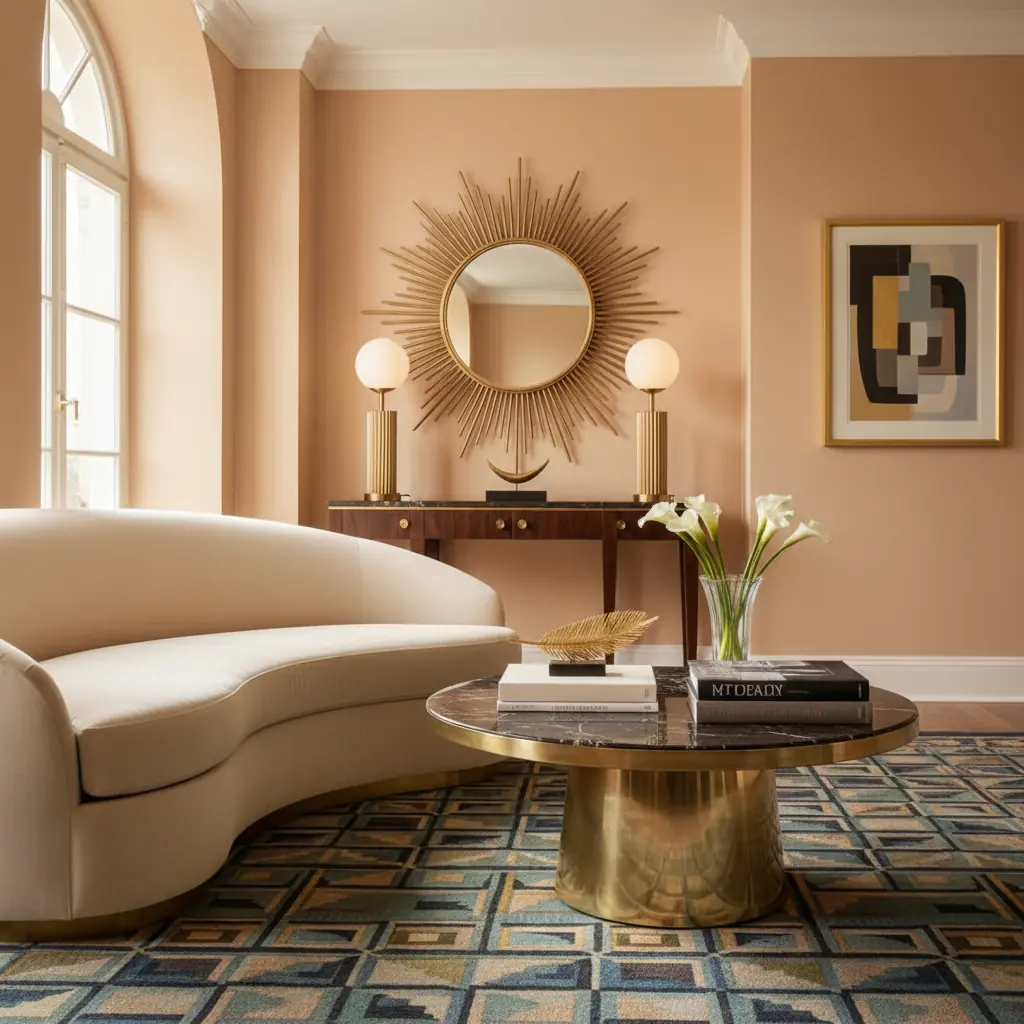
What Defines Art Deco Interior Design? Geometry, Richness, and Symmetry
Art Deco emerged in the 1920s, a dazzling response to the organic fluidity of Art Nouveau. It was a style forged in an era of unprecedented technological advancement, economic boom, and cultural shifts, celebrating modernity, luxury, and bold geometric forms. Unlike the intricate, nature-inspired curves of its predecessor, Deco embraced sharp angles, stepped profiles, sunburst motifs, and rigid symmetry. It embodied confidence — unapologetically glamorous, meticulously crafted, and utterly modern for its time.
At its core, Art Deco is about sophisticated drama. While minimalist trends often whisper tranquility, Deco makes a compelling statement. Its enduring appeal in contemporary interiors lies in its ability to inject a sense of opulence and deliberate design that many modern styles, with their emphasis on clean lines and utility, sometimes lack. The key to successful integration today is understanding which Deco elements translate seamlessly into 21st-century living and which might feel out of place or overly thematic. A strategically placed geometric pattern, a gleaming brass accent, or a sumptuous velvet texture can instantly elevate a room, creating a focal point of refined glamour. However, attempting a full-scale "Gatsby" recreation can often miss the mark, turning sophistication into kitsch. The true art of modern Art Deco lies in its subtle, curated application.
The Luxurious Material Palette: What Are Art Deco's Signature Textures?
Art Deco interiors are defined by their reliance on materials that feel inherently luxurious, celebrating both natural beauty and the manufactured precision of the Machine Age. These materials are chosen not just for their aesthetic appeal but for their ability to interact with light, adding layers of reflectivity and depth.
**Marble** stands as a cornerstone of the Deco aesthetic. White Calacatta, with its dramatic grey or gold veining, is a classic choice, often used for fireplace surrounds, grand console tables, and lavish bathroom walls. For a bolder statement, deep green Verde Guatemala or black Nero Marquina marble provides a striking contrast, particularly when paired with metallic accents. Marble's cool, smooth surface and unique patterns bring a sense of natural grandeur.
**Metals**, primarily brass, are indispensable. Art Deco demands shine, so brass appears in its polished or unlacquered, gleaming form, eschewing brushed or matte finishes. This lustrous metal is found in everything from intricate cabinet pulls and mirror frames to statement light fixtures and elegant table legs. Chrome and polished steel also make appearances, particularly in furniture frames and architectural details, offering a cooler, sleek alternative to brass.
**Velvet** is the quintessential textile, embodying warmth and opulence. It's often chosen in rich jewel tones like emerald green, sapphire blue, deep plum, or ruby red, though soft champagne or charcoal velvets can also provide a luxurious base. Velvet graces expansive sofas, elegant dining chairs, and plush throw pillows, its deep pile absorbing and reflecting light to create a dynamic texture. Beyond velvet, other fine textiles like silk, satin, and even polished leather contribute to the lavish feel.
**Lacquer** adds a high-gloss finish that is distinctively Deco. Surfaces in black, navy, forest green, or deep red achieve an almost mirror-like quality, reflecting light and adding incredible depth to cabinetry, side tables, bar carts, and even feature walls. This sleek, reflective finish instantly communicates luxury and a sense of meticulous craftsmanship.
**Mirror** is used not just functionally, but as a decorative element. Beyond traditional wall mirrors, you'll find it in furniture inlays, wall panels, and statement frames, often with beveled or etched details. Its ability to expand a space and amplify light makes it a powerful tool in achieving Deco's signature grandeur.
**Exotic Woods and Inlays**: Dark, highly polished woods such as Macassar ebony, rosewood, and walnut were frequently used, often paired with intricate inlays of lighter woods, mother-of-pearl, or metal. These fine veneers were applied to furniture, doors, and wall panels, showcasing geometric patterns and elaborate craftsmanship. The combination of these materials creates a multi-sensory experience of texture, reflection, and inherent richness that defines the Art Deco interior. A custom marble fireplace surround, for example, can become the luxurious heart of a living space, often costing upwards of $5,000–$15,000 depending on the stone and complexity of design, a testament to Deco's commitment to high-quality materials.
A Disciplined Color Strategy: Jewel Tones on a Neutral Base
One of the most common pitfalls in designing Art Deco spaces is the temptation to go too bold with color everywhere. True to its sophisticated nature, effective Deco interiors employ a highly disciplined color strategy: a carefully chosen neutral base punctuated by vibrant, deep jewel-tone accents and gleaming metallics. This balance prevents the space from becoming overwhelming or feeling like a period costume drama.
The foundation typically consists of warm creams, soft grays, matte blacks, or even crisp whites. These neutrals provide a calm, elegant backdrop that allows the richer elements to truly shine. Think of them as the canvas upon which the drama unfolds.
For accents, emerald green, sapphire blue, and gold form the classic Deco triad, a combination that instantly evokes the era's opulence. However, the palette is broader and can include amethyst purple, ruby red, deep teal, and even burnt orange. The key is to select one or two dominant jewel tones to maintain cohesion.
The ratio is critical for achieving a balanced look. A good guideline is to aim for approximately 70% neutral, 20% one dominant jewel tone, and 10% metallic gold or brass accents. For instance, a living room might feature ivory walls and a soft gray area rug (70% neutral), an opulent emerald velvet sofa (20% jewel tone), and brass-framed artwork with gold decorative objects (10% metallic). In a bathroom, this might translate to white marble walls, black geometric floor tiles, and striking gold fixtures.
This strategic restraint is what elevates a sophisticated Deco interior from a themed space. It allows each element to be appreciated, creating depth and visual interest without overwhelming the senses. When planning your color scheme, tools like Habitas's [AI Color Palette Generator](/blog/ai-color-palette-generator) can help you visualize how different jewel tones and neutrals interact, ensuring your chosen palette aligns perfectly with the Deco aesthetic you're aiming for.
Essential Furniture Pieces and Art Deco Lighting Styles
Certain furniture forms are immediately recognizable as synonymous with Art Deco, acting as powerful anchors that define the style in any room. You don't need every piece, but incorporating one or two key items can instantly signal the luxurious aesthetic.
**Signature Furniture Forms:**
- **The Curved Velvet Sofa:** Often featuring channel tufting, a rounded back, or waterfall arms, these sofas exude comfort and glamour. An emerald or sapphire velvet sofa, for instance, can become the undeniable focal point of an entire living room. This reflects a broader [trend in curved furniture design](/blog/curved-furniture-design-trend) that continues to captivate. - **The Brass-and-Glass Bar Cart:** A symbol of 1920s sophistication, this piece is both functional and decorative, perfect for displaying elegant glassware and decanters. - **The Sunburst Mirror:** A classic Deco motif, often with a large central mirror surrounded by radiating segments, creating a dramatic focal point. - **Fluted or Reeded Consoles and Side Tables:** Furniture adorned with vertical fluting or reeding adds textural interest and a classical yet streamlined feel. - **Waterfall Edge Furniture:** Desks, dressers, and tables where the top surface curves smoothly down to form the legs, creating a continuous, flowing line. - **Chrome or Lacquered Dining Sets:** Dining tables often feature dark wood or high-gloss lacquer tops with bold pedestals or chrome bases, paired with upholstered chairs.
**Art Deco Lighting:** Lighting is more than just illumination in Deco design; it’s an integral part of the decor, creating mood and highlighting reflective surfaces. Art Deco lighting favors fixtures that are precise, intentional, and often grand.
- **Crystal Chandeliers:** Look for geometric forms, tiered designs, or stepped silhouettes, often combining crystal with brass or chrome. - **Wall Sconces:** Frosted or reeded glass paired with polished brass or chrome arms, casting a soft, diffused glow. - **Pendant Lights:** Often featuring stepped or tiered glass, sometimes with metal accents, adding vertical elegance. - **Torchieres:** Upright floor lamps that direct light upwards, providing ambient illumination and accentuating ceiling heights.
Avoid anything overtly rustic, industrial, or organic in form; Deco lighting should feel meticulously designed and sophisticated. The interplay between the ambient light cast by these fixtures and the reflective surfaces (brass, mirror, lacquer) is what gives Art Deco spaces their characteristic warmth, glow, and unparalleled sense of luxury. Investing in quality lighting fixtures can significantly elevate an Art Deco-inspired space; a statement chandelier can easily range from $800 to $5,000, underscoring its importance as a design element.
How to Add Art Deco Touches Without Full Commitment
Not every home needs to, or should, be a full-blown Art Deco museum. The style is incredibly impactful when introduced through specific, well-chosen accent pieces rather than applied wholesale. This approach allows for a modern, integrated aesthetic that draws on Deco's glamour without feeling overwhelming or overly thematic.
**Start with Hardware:** A subtle yet highly effective change is upgrading your cabinet pulls or door handles. Swapping standard hardware for sleek brass geometric pulls, or handles with a stepped or linear design, instantly adds a touch of Deco elegance to kitchens, bathrooms, or built-in cabinetry.
**Introduce Statement Mirrors:** A mirror with a sunburst, stepped, or highly geometric frame is a quintessential Deco accent. Place it in an entryway, above a console table, or as a focal point in a living room. Its reflective quality will also enhance the sense of light and space.
**Select One or Two Velvet Furniture Pieces:** You don't need a full velvet living room set. A single velvet accent chair in a jewel tone, a set of dining chairs, or even a channel-tufted ottoman can introduce the luxurious texture and color palette. This keeps the look fresh and prevents it from feeling heavy.
**Incorporate Geometric Patterns Thoughtfully:** Art Deco's geometric patterns are iconic but best used in contained doses. Consider a Deco-inspired wallpaper on a single accent wall, a bold geometric rug to anchor a seating area, or patterned tile in an entryway or powder room. These elements provide visual interest without dominating the entire space. Even switching out cushion covers for those with an Art Deco print can make a difference.
**Add Fluted or Reeded Details:** A fluted table lamp, a reeded glass cabinet door, or even a simple fluted vase can bring in a sophisticated architectural detail synonymous with the era.
**Accessorize with Purpose:** Simple changes like adding a marble-and-brass tray to a coffee table, incorporating a vintage bar cart with polished chrome details, or selecting decorative objects with stepped profiles or sunburst motifs can shift a room's aesthetic. Look for sculptural lamps, elaborate clocks, or elegant barware.
**Feature Art Deco-Inspired Artwork:** Choose abstract geometric prints, stylized figures reminiscent of the era, or framed vintage posters that evoke the glamour of the 1920s and 30s. The right artwork can tie a room together and reinforce the chosen style.
The beauty of a platform like Habitas is its ability to let you visualize these changes before committing. You can [generate photorealistic redesigns](/blog/ai-generated-room-designs-realistic) of your actual rooms, allowing you to test how a new Deco accent wall, a curved velvet sofa, or a set of brass sconces would look in your space. This reduces costly mistakes and helps you refine your vision with confidence. Homeowners using AI interior design platforms like Habitas report saving an average of 30-50 hours in design planning compared to traditional methods, streamlining the design process significantly.
Architectural Details: Beyond the Furnishings
While furniture and decor are crucial, Art Deco's impact often extended into the very structure of buildings. Incorporating architectural details, even subtly, can imbue a home with authentic Deco character.
**Fireplace Surrounds:** A dramatic fireplace surround in black marble, or one featuring stepped profiles and geometric carved details, can become an instant focal point. The mantelpiece itself can be simple and streamlined or adorned with more elaborate fluting.
**Doorways and Moldings:** Look for opportunities to introduce stepped archways or apply moldings with a clean, linear, or subtly geometric pattern. These can define zones within an open-plan space or elevate a simple doorway.
**Flooring:** Terrazzo, with its composite mix of marble, quartz, granite, or glass chips, was a popular choice, often laid in bold geometric patterns. Alternatively, highly polished black and white checkerboard tiles, or more intricate parquet patterns, can provide a striking Deco foundation, especially in entryways or bathrooms.
**Built-In Cabinetry:** Integrated shelving or cabinetry with high-gloss lacquer finishes, chrome detailing, or fluted panels can provide both storage and a strong design statement. These custom elements are where Deco's emphasis on precision and craftsmanship truly shines.
**Windows and Doors:** Consider replacing standard glass with reeded or fluted glass in interior doors or cabinet fronts to diffuse light and add texture. Stained glass in geometric patterns can also provide a stunning, era-appropriate accent, though this is a more significant undertaking.
Curating Art and Accessories: The Finishing Touches
The accessories and art you choose are the final layer that brings an Art Deco space to life, emphasizing its inherent glamour and attention to detail.
**Decorative Mirrors as Art:** Beyond functional mirrors, consider pieces where the frame itself is a work of art – elaborate sunbursts, layered geometric shapes, or mirrors with etched or beveled glass details. Placing these strategically can amplify light and add dynamic visual interest.
**Sculpture and Figurines:** Art Deco embraced stylized human figures, animals (often gazelles or panthers), and abstract forms. Look for bronze or chrome sculptures, often streamlined and elegant, to place on consoles, bookshelves, or pedestals. Clocks, too, were often designed as sculptural elements.
**Vases and Planters:** Opt for vases with strong geometric lines, metallic accents, or made from polished glass or ceramic in deep, saturated colors. While Deco is not overtly biophilic, the strategic placement of a dramatic, tall plant in an elegant metallic planter can add life and verticality.
**Barware and Entertaining Essentials:** The 1920s were synonymous with sophisticated entertaining. Polished chrome or brass bar carts, crystal decanters, elegant cocktail shakers, and glassware with etched patterns or gold rims are essential for completing the Deco look.
**Artwork and Posters:** Seek out abstract geometric art, highly stylized portraiture, or reproductions of iconic Art Deco travel posters (e.g., from the French Riviera or New York) to adorn your walls. These pieces often feature bold colors and strong lines that complement the overall aesthetic. The arrangement of art also matters; symmetry and balance are key in Deco, often featuring matching pieces flanking a central mirror or fireplace.
Integrating Art Deco with Modern Styles: The Art of Blending
The greatest challenge and opportunity in contemporary Art Deco design is the harmonious integration of its bold elements with existing modern or minimalist aesthetics. The goal is to elevate, not overpower.
**The "Less is More" Deco:** Instead of recreating a period room, select a few high-impact Deco pieces and allow them space to breathe within a more neutral, contemporary setting. A single channel-tufted velvet sofa in an otherwise sleek, modern living room becomes a luxurious focal point rather than just another piece of furniture.
**Mix and Match Materials:** Pair a polished brass console table with a concrete floor and minimalist artwork. The contrast of the sleek Deco metal against raw, modern textures creates a dynamic tension that is very appealing. Consider the enduring appeal of styles like [mid-century modern](https://habitas.com/blog/best-interior-design-styles-2026) that also champion clean lines but use natural materials.
**Color as a Bridge:** Use Art Deco's signature jewel tones as accent colors within a largely neutral modern palette. A contemporary dining room with minimalist furniture could feature dining chairs upholstered in emerald velvet, tying in the Deco glamour without feeling out of place. This approach resonates with contemporary preferences for flexible and adaptable design.
**Lighting as a Statement:** In an otherwise simple room, a geometric crystal chandelier or a pair of elegant brass wall sconces can introduce Deco's drama and refined ambiance without cluttering the space.
**Embrace Symmetry with Modern Simplicity:** While Deco loves symmetry, applying it rigidly in a fully modern home might feel too formal. Instead, aim for balanced compositions. For example, two Deco-inspired table lamps flanking a minimalist credenza can achieve balance without being overtly symmetrical in all elements.
Integrating classic Art Deco elements into a contemporary home requires a discerning eye and a focus on curation. By selectively incorporating its signature materials, forms, and color palette, you can achieve a space that is both glamorous and undeniably current. Studies show that a well-designed interior can increase perceived home value by up to 15-20%, making thoughtful design choices like these a valuable investment.
Room-by-Room Art Deco Inspiration
Let's explore how Art Deco can infuse glamour into specific areas of your home.
**Living Room:** Make the sofa your centerpiece. A curved velvet sofa in a rich jewel tone like sapphire or ruby instantly sets the Deco mood. Complement it with a polished brass and glass coffee table, perhaps with a stepped profile. A large sunburst mirror above a lacquered console table can provide a dramatic focal point. Layer in geometric throw pillows and a luxurious area rug with a subtle Art Deco pattern. Lighting should be layered, combining a geometric chandelier with floor lamps featuring frosted glass shades.
**Dining Room:** Opt for a dining table with a dark wood top (like walnut or ebony) or a high-gloss lacquer finish, potentially with a dramatic pedestal base. Pair it with dining chairs upholstered in velvet or a high-quality leather, perhaps with a subtle curved back or brass detailing. A tiered crystal or brass chandelier above the table will add an unparalleled sense of occasion. Consider a mirrored or lacquered buffet for serving and storage, adorned with elegant barware.
**Bedroom:** Create a luxurious retreat with a grand headboard. This could be channel-tufted velvet, a mirrored panel design, or one with intricate wood inlay. Side tables with brass details, fluted drawers, or a waterfall edge add elegance. Use high-thread-count sheets, silk throw pillows, and a plush velvet throw for ultimate comfort and opulence. Lighting should be soft and ambient; think wall sconces with frosted glass or elegant bedside lamps with geometric bases. A small, mirrored dressing table can complete the look.
**Bathroom:** Marble is your best friend here. Use it generously on vanity tops, shower walls, or as dramatic floor tiling. Pair white marble with black geometric accent tiles for a classic contrast. Gold or polished chrome fixtures are essential, from faucets to showerheads and towel rails. A large, ornate mirror with a beveled edge or a geometric frame will make a statement. Consider reeded glass for shower screens or cabinet doors.
**Entryway:** Make a grand first impression with a sleek lacquered console table or a small marble-topped table. Above it, hang a striking sunburst mirror. A bold geometric rug can define the space, and a statement pendant light or a pair of elegant wall sconces will provide a warm, welcoming glow. This space is perfect for a singular, impactful Deco accent.
Frequently Asked Questions
### What are the core characteristics of Art Deco interior design?
Art Deco interior design is characterized by its celebration of modernity, luxury, and bold geometric forms. Key elements include sharp angles, stepped profiles, sunburst motifs, and strong symmetry. It relies heavily on rich, reflective materials like polished brass, marble, velvet, lacquer, and mirrors. The color palette typically features a neutral base punctuated by vibrant jewel tones such as emerald, sapphire, and ruby, often accented with gold or chrome.
### How can I incorporate Art Deco elements into a modern home without it feeling dated?
To integrate Art Deco seamlessly into a modern home, focus on curation rather than recreation. Choose a few high-impact pieces like a channel-tufted velvet sofa, a sunburst mirror, or a brass-and-glass bar cart. Use geometric patterns in controlled doses, such as on an accent wall or a rug. Employ Art Deco's rich material palette through hardware upgrades (brass pulls), statement lighting, and luxurious textiles like velvet in accent chairs or throw pillows. The key is to blend these elements with your existing modern aesthetic, allowing them to provide sophisticated contrast.
### What color schemes are typical in Art Deco design?
Art Deco typically uses a disciplined color strategy: a neutral base (warm cream, soft gray, or matte black) accented by bold jewel tones and metallics. Classic jewel tones include emerald green, sapphire blue, ruby red, amethyst purple, and deep teal. Gold and polished brass are the primary metallic accents. The ideal ratio is often around 70% neutral, 20% dominant jewel tone, and 10% metallic to ensure sophistication without overwhelming the space.
### What materials are commonly used in Art Deco interiors?
The signature materials of Art Deco interiors emphasize luxury and reflectivity. These include polished metals like brass, chrome, and steel; luxurious stones like marble (especially white Calacatta or black Nero Marquina); high-gloss lacquered surfaces in black, navy, or deep green; and rich textiles such as velvet, silk, and satin. Mirrored surfaces, often beveled or etched, and exotic woods like Macassar ebony are also integral to the style.
### Is Art Deco still a popular interior design style in 2026?