Your 2026 Guide to Bedroom Redesign Costs
Itemized bedroom redesign costs across budget, mid-range, and luxury tiers — plus where to save and where to invest.
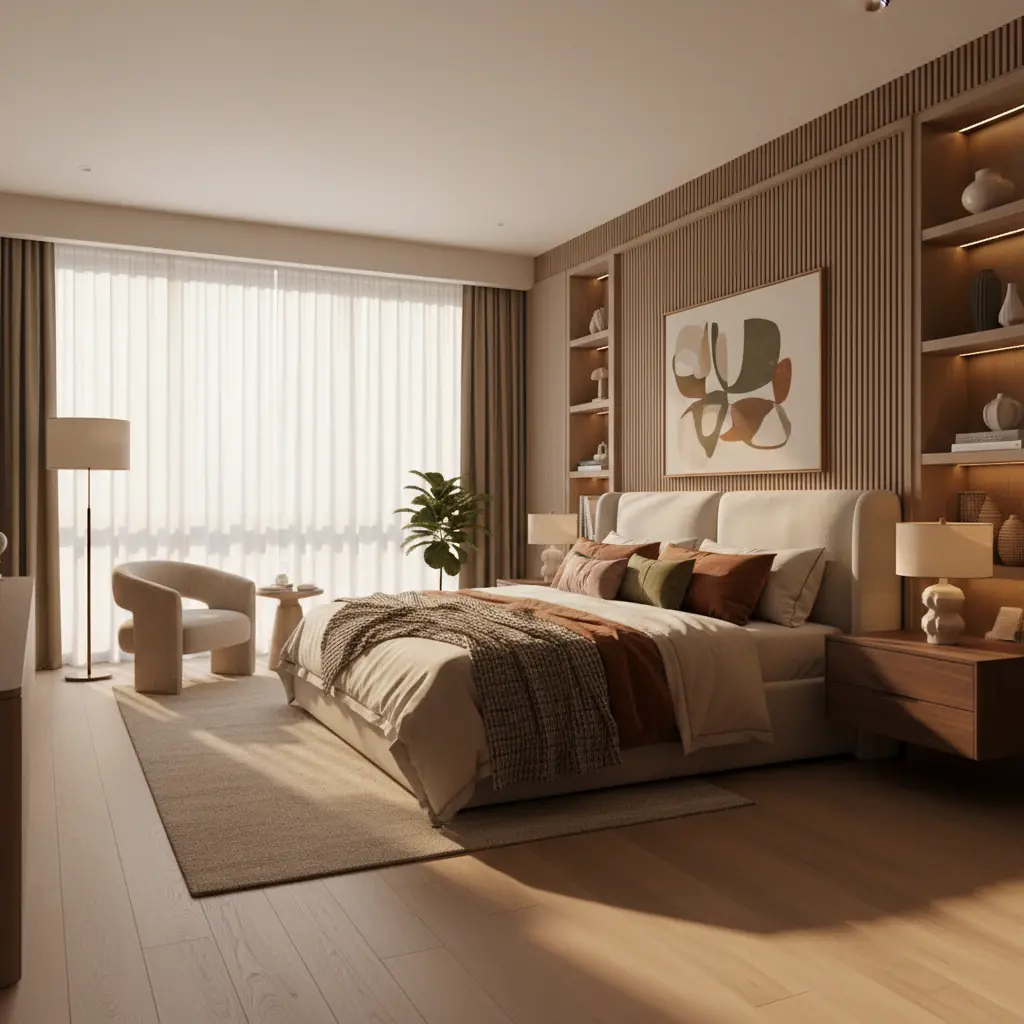
Why Invest in a Bedroom Redesign in 2026?
Your bedroom is more than just a place to sleep; it's a sanctuary, a personal retreat where you begin and end each day. In an increasingly fast-paced world, creating a space that promotes rest, relaxation, and rejuvenation is paramount. A well-designed bedroom can significantly impact your mental well-being, sleep quality, and overall productivity. Research by the National Sleep Foundation consistently links sleep quality to bedroom environment, with 70% of individuals reporting improved sleep in a room they find aesthetically pleasing and comfortable. Investing in a bedroom redesign isn't just about aesthetics; it's an investment in your health and happiness.
The total cost for a bedroom redesign in 2026 varies widely, ranging from $1,500 for a strategic refresh to $8,000 for a comprehensive mid-range transformation, and upwards of $20,000 for a truly luxurious overhaul. Understanding what goes into these costs and where your money is best spent is key to achieving your dream space within your budget.
What goes into a bedroom redesign, item by item?
A bedroom redesign, while often involving fewer furniture pieces than a living room, carries significant weight in its individual components. Each item contributes to the room's functionality, comfort, and overall aesthetic. The bed, naturally, is the focal point and typically consumes 30 to 40 percent of the total budget. Beyond that, a range of elements come together to create a cohesive and inviting space:
- **The Bed System:** This includes the bed frame (which sets the stylistic tone), the mattress (critical for sleep quality), and often a headboard (which can be integrated into the frame or a standalone piece). - **Nightstands:** Essential for bedside storage and surfaces, they provide balance and practicality. - **Storage Solutions:** Beyond nightstands, this might include a dresser, chest of drawers, or even a custom closet system, crucial for maintaining a clutter-free environment. - **Lighting:** Layered lighting is key. This encompasses overhead fixtures, task lighting (like bedside lamps or sconces for reading), and accent lighting to create mood. - **Window Treatments:** Curtains, blinds, or shades provide privacy, light control, and add a significant textural and stylistic element. - **Textiles & Bedding:** High-quality sheets, duvet covers, pillows, throws, and decorative cushions are vital for comfort and adding layers of texture and color. - **Paint & Wall Treatments:** The color on your walls forms the backdrop for the entire room. This could be a fresh coat of paint, wallpaper, or a more elaborate wall paneling. - **Flooring & Rugs:** While often existing, adding an area rug can define the space, add warmth, and introduce another layer of texture and color. - **Art & Accessories:** Mirrors, artwork, plants, and decorative objects personalize the space and tie the design together.
The biggest variable determining your total cost is whether you replace the mattress, which alone can range from $300 for a basic model to $3,000 or more for a high-end, specialized sleep system. Considering we spend approximately one-third of our lives in bed, investing in a quality mattress (which typically lasts 7-10 years) translates to an average cost of just $0.27-$0.82 per night for a $1,000-$3,000 mattress over its lifespan, underscoring its long-term value.
Budget tier: How to Redesign Your Bedroom for $1,500 to $3,000
At the budget tier, the strategy is about maximizing impact with smart, targeted upgrades rather than a complete overhaul. The goal is to refresh the room's aesthetic and improve functionality without breaking the bank.
**Core Investment Strategy:** Keep your existing bed frame and mattress if they are still functional and comfortable. If your mattress is truly past its prime, consider a mid-range option around $300-$600, possibly from an online direct-to-consumer brand, as this is one area that significantly impacts daily well-being.
**Key Upgrades:**
1. **Quality Bedding ($200 to $400):** This is where you get the most bang for your buck. Opt for quality materials like linen or percale cotton for a luxurious feel. Brands like Brooklinen, Parachute, or even Target Threshold (for percale or sateen) offer excellent value. This includes a duvet cover, fitted sheet, flat sheet, and two pillowcases. Add $80 to $150 for new pillows, including two supportive sleeping pillows and two Euro shams to elevate the bed's look. 2. **Paint ($150 to $300):** A fresh coat of paint is the most transformative element in a budget redesign. Choose a calming neutral, a soft pastel, or a deeper accent wall to completely change the mood. DIY paint jobs can save homeowners 50-70% on labor costs compared to hiring a professional painter, making it a popular budget-tier strategy. Remember to factor in primer, tape, and brushes. 3. **Lighting ($100 to $200):** Ditch dated lamps. Matching bedside lamps (either table lamps or wall-mounted sconces) instantly upgrade the room. Look for affordable yet stylish options at stores like IKEA, Target, or even vintage shops. Warm LED bulbs are a must for ambiance. 4. **Window Treatments ($100 to $200):** Swap flimsy blinds or old curtains for new ones. Blackout curtains are a great investment for sleep quality. Look for simple, unlined linen-blend or cotton curtains in a neutral color, ensuring they touch the floor or puddle slightly for a custom look. 5. **Accent Statement Piece ($570 to $1,750 remaining):** With the foundational elements covered, you have room for one significant upgrade. Choose whichever piece currently detracts most from your room visually: - **A new headboard ($300 to $800):** An upholstered headboard can dramatically change the feel of the bed. - **A pair of nightstands ($200 to $500):** Matching nightstands create symmetry and provide essential storage. Look for second-hand options on Facebook Marketplace or flea markets for unique finds. - **A dresser ($300 to $700):** If your current dresser is an eyesore, a new piece can provide much-needed storage and style.
**Smart Savings & High-Impact Details:**
- **Hardware Upgrades:** Replacing brass-tone hardware on a dated dresser or nightstands with matte black pulls or sleek brass knobs ($20 to $40) reads as far more expensive than it actually is. - **Light Fixture Swap:** Swapping out a builder-grade overhead light fixture for a simple pendant or flush mount ($50 to $100) can make a huge difference. - **DIY Art:** Create your own abstract art or print high-resolution public domain images to frame for a personalized touch. - **Decluttering:** Free and highly effective, decluttering creates a sense of calm and makes even budget items shine.
At this tier, small, thoughtful upgrades make a disproportionate difference. Focus on clean lines, a cohesive color palette, and quality textiles to elevate the overall feel.
Mid-range tier: How to Achieve a Designer Look for $5,000 to $8,000
The mid-range budget is often considered the "sweet spot" for a bedroom redesign, allowing for significant upgrades that create a genuinely designed and cohesive feel without venturing into custom territory. You can replace key pieces and introduce more substantial design elements.
**Key Upgrades:**
1. **New Bed Frame ($800 to $2,000):** This is where you can invest in a stylish and durable foundation. Options include upholstered platform beds, solid wood frames (walnut, oak), or elegant metal frames. Brands like Floyd, Thuma, West Elm, or Crate & Barrel offer excellent choices that balance design and quality. 2. **New Mattress ($600 to $1,200):** A quality hybrid or memory foam mattress from reputable direct-to-consumer brands like Helix, Brooklyn Bedding, Saatva (entry-level), or Casper significantly improves sleep. 3. **Matching Nightstands ($400 to $800 for a pair):** Invest in nightstands that complement your bed frame and offer good storage. This is where you can explore different materials like wood, metal, or even stone tops, enhancing the room's texture. 4. **Quality Bedding & Textiles ($300 to $500):** Step up to higher thread-count cotton, premium linen, or Tencel sheets. Add a layered look with a quality duvet cover, shams, and a decorative throw blanket. 5. **Area Rug ($300 to $600 for an 8x10):** An 8x10 rug placed under the bed (extending at least 18-24 inches on the sides and foot) defines the sleeping zone, adds warmth, and introduces pattern or texture. Look for wool, jute, or low-pile synthetic options. 6. **Updated Lighting ($200 to $400):** Consider a statement overhead fixture (like a semi-flush mount or small chandelier) in addition to refined bedside lamps or sconces. This allows for layered lighting that creates ambiance and task functionality. 7. **Paint or Feature Wall ($150 to $300):** A fresh paint job remains essential. You might also consider a subtle wallpaper on an accent wall for added texture or pattern, or a more sophisticated paint treatment like limewash or Venetian plaster for a high-end look. 8. **Curtains ($200 to $400):** Invest in lined curtains for better light control and insulation, choosing heavier fabrics like linen, velvet, or textured cotton. Ensure they are long enough to graze the floor and wide enough to cover the window fully when closed. 9. **Styling Accessories & Art ($200 to $400):** Thoughtfully curated accessories, such as decorative objects, mirrors, framed prints, or a few well-chosen plants, elevate the room from furnished to genuinely designed. This is where you inject personality.
**Achieving Cohesion:** The key at this tier is choosing a cohesive material palette and design style. For example, a walnut bed frame with matching walnut nightstands, warm white bedding, and soft brass lighting creates a unified warmth that looks intentional and sophisticated. Tools like Habitas allow you to [explore different interior design styles](/blog/best-interior-design-styles-2026) and visualize a cohesive look before committing to purchases. While less dramatic than kitchen or bathroom renovations, a thoughtfully redesigned primary bedroom can subtly increase perceived home value, with real estate experts estimating a 3-5% return on investment when the design elevates the overall aesthetic and functionality.
Luxury tier: The Bespoke Bedroom Transformation for $12,000 to $20,000+
At the luxury level, you are not just buying furniture; you are investing in an experience, unparalleled quality, and bespoke design that reflects your unique taste. These pieces are often made to last a decade or more, becoming heirlooms.
**Signature Investments:**
1. **Premium Bed Frame ($2,500 to $5,000):** Expect designer pieces from brands like Restoration Hardware, B&B Italia, or Poliform, or a fully custom upholstered bed designed to your exact specifications. These often feature premium woods, exquisite fabrics, or unique architectural details. 2. **High-End Mattress ($2,000 to $3,500+):** Indulge in a premium mattress from Hästens (entry models), Saatva (Loom & Leaf, Zenhaven), Avocado (organic luxury), or Tempur-Pedic's top lines. These offer advanced support, comfort, and often organic or hypoallergenic materials. 3. **Custom Nightstands or Built-in Headboard Wall ($1,500 to $3,000):** This is where true customization shines. Bespoke nightstands designed to integrate seamlessly with the bed or a custom built-in headboard wall with integrated lighting, shelves, and charging stations creates a high-end architectural statement. 4. **Custom Closet System ($2,000 to $4,000+):** Beyond a simple dresser, a fully customized closet system from brands like California Closets or local millworkers provides optimal organization, eliminates visual clutter, and can even include integrated lighting and display areas. 5. **Designer Lighting ($500 to $1,500+):** Invest in sculptural, designer lighting fixtures. This includes statement pendants or chandeliers, high-quality wall sconces for task lighting, and possibly accent lighting strips to highlight architectural features. 6. **Premium Textiles & Drapery ($800 to $1,500+):** This encompasses sumptuous bedding (Egyptian cotton, silk, high-end linen), custom-tailored drapes in luxurious fabrics (silk, velvet, or fine wool) with professional installation. Rugs will be hand-knotted, natural fiber, or designer pieces. 7. **Professional Painting or Wall Treatment ($500 to $1,500+):** This isn't just paint; it's expert application, potentially with specialized finishes like Venetian plaster, grasscloth wallpaper, or wood paneling. This category also accounts for professional installation of complex wall coverings. 8. **Luxury Seating & Accessories ($500 to $2,000+):** A chaise lounge, an elegant armchair, or a custom bench at the foot of the bed adds functionality and a touch of grandeur. Curated art, high-end decorative objects, and large-scale mirrors complete the sophisticated look.
The difference at this tier is not just quality — it is precision, craftsmanship, and an unwavering attention to detail. Custom window treatments fit perfectly, built-in storage eliminates visual clutter, and every material is chosen not just for how it looks in photos, but for how it feels to the touch, how it ages, and its inherent durability. This is about creating a truly personalized, multi-sensory experience.
Where to invest and where to save in your bedroom redesign
Strategic allocation of your budget is crucial, regardless of your overall spending tier. Knowing which elements deliver the most impact for your investment and where you can economize can significantly influence the success and longevity of your redesign.
**Where to Invest:**
- **Your Mattress and Bedding:** This cannot be overstated. You spend a third of your life in bed, and sleep quality has a measurable impact on health, mood, and productivity. A $1,000 mattress and $300 in quality linen sheets will improve your daily life more than a $2,000 decorative bed frame. Prioritize comfort, support, and breathable, natural fibers for your sheets, duvet, and pillows. - **Lighting:** Good lighting transforms a room. Invest in layered lighting – ambient (overhead), task (bedside lamps/sconces), and accent (dimmable strips or picture lights). Quality fixtures and dimmers allow you to control the mood and functionality of your space, enhancing both aesthetics and usability. - **Window Treatments:** Well-chosen, properly installed curtains or blinds provide privacy, light control, and insulation. They can also add significant softness, texture, and color to a room. Opt for lined curtains in a fabric that drapes beautifully. - **One Statement Piece (if budget allows):** This could be a unique headboard, a striking piece of art, or a sculptural armchair. This piece should anchor the room visually and reflect your personal style, elevating the entire space.
**Where to Save:**
- **Nightstands and Dressers:** Functional storage pieces don't always need to be high-end. IKEA Malm and Hemnes dressers are functional workhorses that look perfectly acceptable, especially when paired with upgraded hardware. Vintage and secondhand nightstands from Facebook Marketplace, Etsy, or estate sales often have more character and a unique story than new options at the same price, making them excellent candidates for [before-and-after room transformations](/blog/before-after-room-transformation-guide). - **Decorative Accessories:** While important for personality, decorative accessories like vases, trays, and small sculptures can be found affordably. Explore discount home stores, thrift shops, or even repurpose items you already own. Curate slowly over time rather than buying everything new at once. - **Art:** Original art can be expensive, but there are many affordable alternatives. Look for prints from independent artists, digital downloads you can print and frame yourself, or visit local art fairs. Gallery walls can be an excellent way to display a mix of high and low art. - **DIY Painting:** If you have the time and patience, painting your bedroom yourself can save a significant amount on labor costs, redirecting those funds to higher-quality materials or furniture. - **Rugs:** While a good rug can be an investment, you can find stylish and durable options at accessible price points from retailers like Rugs USA, Wayfair, or even IKEA, especially for less trafficked areas like a bedroom.
Use Habitas to visualize different configurations and material choices before committing. Seeing your room with a dark walnut bed versus a light oak frame, or with moody green walls versus crisp white, prevents the expensive mistake of buying something that looks great in a showroom but wrong in your specific space. [AI interior design tools like Habitas](/blog/ai-interior-design-how-it-works) offer unparalleled visualization capabilities, allowing you to experiment with countless styles and arrangements.
Planning Your Bedroom Redesign: A Step-by-Step Approach
A successful bedroom redesign, regardless of budget, starts with a clear plan. Here's a structured approach to guide your transformation:
### 1. Define Your Vision & Style
Before buying anything, spend time gathering inspiration. Browse Pinterest, Instagram, and interior design magazines. What styles resonate with you? Are you drawn to minimalist, bohemian, modern, or classic aesthetics? Think about the mood you want to create—calm, energetic, luxurious? This is an excellent time to use Habitas to explore [AI color palette generator](/blog/ai-color-palette-generator) ideas or identify [best interior design styles for 2026](/blog/best-interior-design-styles-2026) that align with your preferences. Create a mood board, either physical or digital, to consolidate your ideas.
### 2. Set a Realistic Budget
Determine your overall spending limit, then break it down by category (bed, mattress, lighting, paint, etc.). Be honest about what you can afford and prioritize accordingly. This guide provides a framework, but personalize it to your needs. Remember to factor in a 10-15% buffer for unexpected costs.
### 3. Measure Your Space Accurately
Take precise measurements of your room, including wall dimensions, ceiling height, windows, and doorways. This is critical for selecting appropriately sized furniture and ensuring everything fits. Pay attention to electrical outlets and light switches. Habitas offers [AI furniture arrangement tools](/blog/ai-furniture-arrangement-tool) that can help you digitally map out your room and test layouts without moving a single piece of furniture.
### 4. Create a Functional Layout
Consider traffic flow, how you use the room, and where natural light comes from. The bed is usually centered on the longest wall or a wall without windows. Experiment with furniture placement to optimize for both aesthetics and practicality.
### 5. Prioritize Your Purchases
Start with the most impactful and essential items: the mattress (if needed), the bed frame, and then foundational pieces like nightstands and a dresser. Move onto lighting, paint, and window treatments, and finish with rugs, art, and accessories. A phased approach can also help spread costs over time.
The Future of Bedroom Design: How AI is Changing the Game
The interior design industry is undergoing a significant transformation, and AI is at the forefront of this revolution. For bedroom redesigns, AI-powered platforms like Habitas offer unprecedented levels of efficiency, personalization, and cost-effectiveness.
Traditional design processes can take weeks, but with AI tools like Habitas, users can generate multiple design concepts for their bedroom in less than 60 seconds, drastically accelerating the visualization phase. This means you can experiment with different styles, color schemes, furniture arrangements, and even custom finishes in real-time. Whether you're exploring [how AI interior design works](/blog/ai-interior-design-how-it-works) or weighing [AI vs. human interior designers](/blog/ai-vs-human-interior-designer), the benefits of speed and accessibility are clear. AI can analyze your existing space, understand your preferences, and suggest furniture that fits your budget and style, making the redesign process more approachable and less intimidating for everyone.
Frequently Asked Questions
### How long does a bedroom redesign typically take?
The duration of a bedroom redesign varies significantly based on its scope and your budget. A simple budget-tier refresh involving new paint, bedding, and accessories might take only a weekend or a few days of focused effort. A mid-range transformation that includes ordering new furniture, painting, and installing new lighting could take anywhere from 2-6 weeks, primarily due to furniture delivery times. A luxury, custom-designed bedroom with bespoke furniture and professional installation can easily span 2-4 months, or even longer, depending on lead times for custom pieces and contractors' schedules. Planning ahead and ordering items with long lead times first can help streamline the process.
### Can I redesign a bedroom on a very tight budget (under $1,000)?
Yes, it's absolutely possible to give your bedroom a significant refresh for under $1,000, though it will require creativity and a strong DIY spirit. Focus on high-impact, low-cost changes. Prioritize fresh paint ($150-$250), new quality bedding ($150-$300), and updated lighting ($100-$200). You'll likely need to keep your existing bed frame and mattress. Look for secondhand nightstands or dressers on marketplaces like Facebook Marketplace or thrift stores, and be prepared to refinish them. Small upgrades like new hardware on existing furniture ($20-$40), a large mirror to expand the space, or DIY art can make a huge difference. The key is strategic spending and leveraging your own labor.
### What's the best way to choose a cohesive style for my bedroom?
Choosing a cohesive style starts with introspection. Consider what colors, textures, and moods make you feel calm and happy. Browse design platforms like Pinterest or Instagram and save images that appeal to you, looking for recurring themes. Create a mood board with colors, fabric swatches, and images of furniture and accessories you love. Habitas is an excellent tool for this, allowing you to upload your room photo and experiment with different styles and themes in real-time, helping you visualize what truly works in your space. Focus on 2-3 main colors and a mix of textures to create depth without visual clutter.
### Is it worth hiring an interior designer for a bedroom?
Hiring an interior designer for a bedroom redesign can be a worthwhile investment, particularly for mid-range to luxury budgets, or if you feel overwhelmed by the process. A designer brings expertise in space planning, color theory, sourcing unique pieces, and managing the project. They can often prevent costly mistakes and help you achieve a more polished, professional result that you might not achieve on your own. For smaller budgets, consider an e-design service or a one-time consultation for guidance on specific challenges. While [AI interior design apps compared in 2026](/blog/ai-interior-design-apps-compared-2026) offer powerful tools, a human designer's nuanced understanding of your lifestyle and personal tastes can still provide an edge.
### How often should I redesign my bedroom?
There's no strict rule for how often you should redesign your bedroom; it largely depends on personal preference, lifestyle changes, and budget. On average, a major redesign (mid-range to luxury) might occur every 7-10 years to refresh the aesthetic, update worn furniture, or accommodate changing needs (e.g., a new mattress, a shift in personal style). Smaller refreshes, like new paint or bedding, can be done every 2-3 years to keep the space feeling fresh and current. It's often driven by necessity (worn-out items), a desire for change, or a significant life event that alters your needs or tastes.