Living Room Makeover: Max Impact for $500, $5K, or $15K
What you can actually achieve at three different budget levels for a living room makeover.
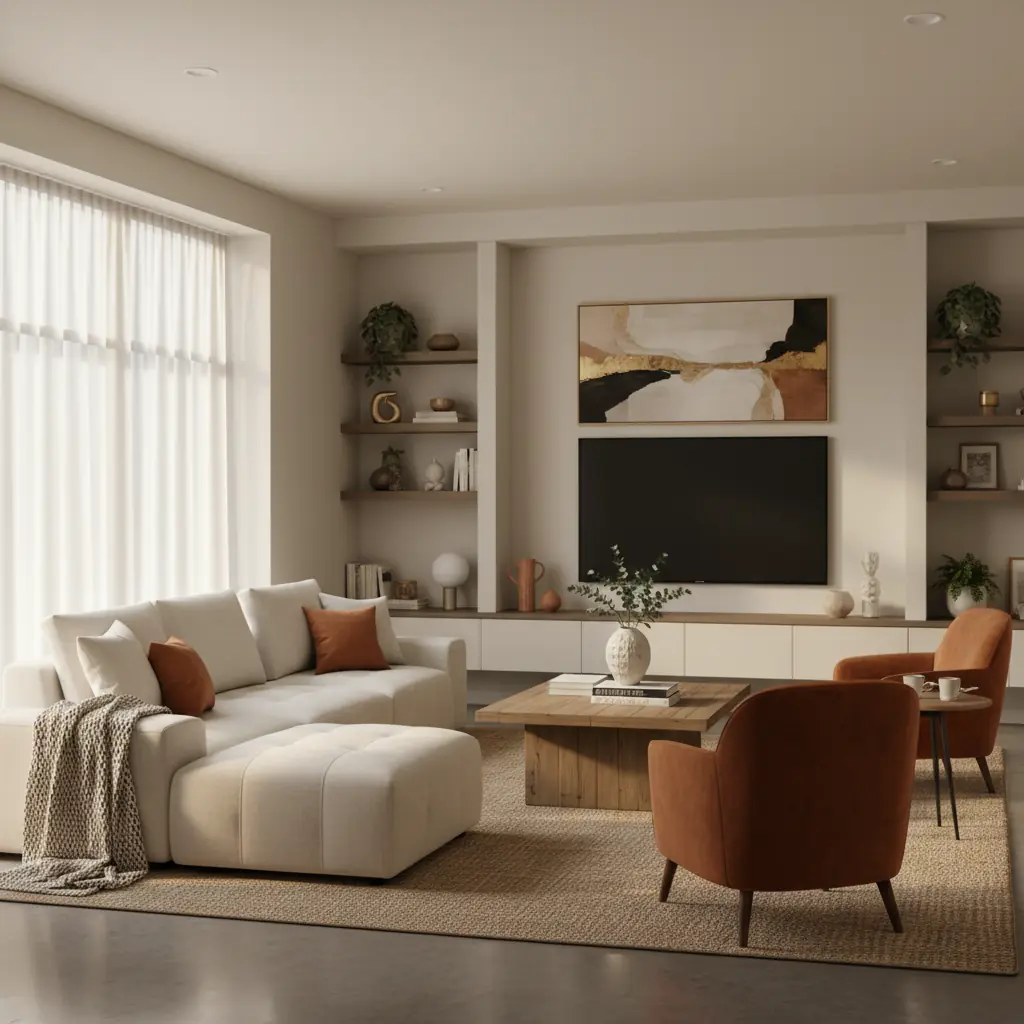
Why Strategic Budget Tiers are Crucial for Any Living Room Makeover
Every living room has untapped potential for improvement, but the degree of transformation is directly tied to a well-thought-out budget. The most common pitfall homeowners encounter is attempting to stretch a modest budget across too many changes. This often leads to a room that feels incrementally different but lacks a truly cohesive or intentional design upgrade. The secret to a successful makeover, regardless of the funds available, lies in strategic spending – prioritizing a few high-impact changes that deliver significant visual and functional returns.
Below, we'll dissect three realistic budget tiers, providing actionable advice, specific product categories, price ranges, and clear priorities. Our goal remains constant, whether you’re working with $500 or $15,000: to help you achieve a living room that feels intentional, harmonious, and genuinely elevated, making the most of every dollar.
The $500 Refresh: Maximizing Impact Through Paint, Rearrangement, and Accessories
When your budget is limited to $500, your focus must be on high-impact, low-cost interventions. Forget about replacing major furniture pieces; instead, concentrate on elevating what you already have. This tier is about clever styling, fresh perspectives, and strategic pops of color and texture.
### 1. The Power of Paint: A Foundation for Change ($80-$150)
A fresh coat of paint is arguably the single most impactful change you can make on a budget. For $80-$150, you can purchase a gallon of premium paint and necessary supplies (brushes, rollers, tape). Choose a warm neutral to brighten the space or a rich, inviting accent color for a single wall. Lighter colors can make a room feel larger and more airy, while deeper tones can create coziness and drama. Remember, good prep work (cleaning, taping) is crucial for a professional finish. Studies show that a fresh coat of paint can offer an astounding **107% return on investment (ROI)**, often making a room feel completely new without significant structural changes.
### 2. Strategic Lighting: Setting the Mood ($100-$150)
Lighting is a design superpower, and often overlooked. At this budget, aim for one statement floor lamp or two stylish table lamps. The goal is to introduce multiple light sources at different heights to eliminate harsh overhead shadows and create a layered, inviting ambiance. Look for lamps with warm-tone LED bulbs (2700K to 3000K) to enhance comfort. Think about diffusing light with fabric shades rather than exposed bulbs. This small investment can dramatically alter the perception and mood of your space.
### 3. Textile Tactician: Pillows and Throws ($80-$120)
Inject personality and comfort with new throw pillows and a lightweight throw blanket. For $80-$120, you can find a set of four quality pillow covers (to fit existing inserts) and a stylish throw. Choose textures like faux fur, chunky knits, or linen blends to add depth. Select colors that complement your new paint scheme or introduce a subtle accent. These items can instantly refresh an old sofa or armchair, making your seating arrangement feel more curated and inviting.
### 4. Curated Accessories & Greenery ($80-$240)
The remaining budget is perfect for the details that make a room feel complete and lived-in.
- **Plants:** A medium-sized houseplant or a few smaller ones add life, color, and improve air quality. Look for affordable options at local nurseries or even grocery stores. - **Decorative Objects:** Candles, a unique vase, or a stack of aesthetically pleasing books can elevate surfaces. Thrift stores, discount retailers, and online marketplaces like Etsy can be goldmines for unique finds. - **DIY Art:** Frame existing family photos, print high-resolution digital art, or create your own abstract piece. Affordable frames can be found at craft stores or discount retailers.
### Before You Spend: The Free Fundamentals
Before reaching for your wallet, dedicate time to these cost-free activities:
- **Decluttering:** Ruthlessly remove anything that feels cluttered, purposeless, or doesn't bring you joy. A clean slate is essential for any makeover. - **Rearranging Furniture:** This is often the single highest-impact change you can make. Pull the sofa away from the wall, angle chairs to create a conversation area, and experiment with different layouts. This can redefine zones and improve flow. Tools like [Habitas' AI furniture arrangement tool](/blog/ai-furniture-arrangement-tool) can help you visualize these shifts before you start moving heavy pieces.
**What NOT to buy at this budget:** A new rug or sofa. These items will quickly consume your entire $500, leaving no room for the crucial accessories that truly complete a room and make it feel intentionally designed. Focus on layering texture and warmth over your existing foundation.
The $5,000 Transformation: Replacing Anchor Pieces for a Cohesive Design
With a $5,000 budget, you move beyond mere refreshing into genuine transformation. This tier allows you to replace one or two major anchor pieces, significantly altering the room's aesthetic and comfort, while still leaving room for essential finishing touches.
### 1. The Sofa: Your Living Room's Centerpiece ($1,200-$2,500)
Investing in a new, quality mid-range sofa is the cornerstone of this budget. Brands like Article, Castlery, Interior Define, or even higher-end IKEA collections offer durable, stylish options. Consider the fabric (performance velvet, linen blends, or sturdy synthetics), color (a timeless neutral or a bold statement), and style (mid-century modern, contemporary, traditional) that best suits your vision. A comfortable and visually appealing sofa anchors the entire room.
### 2. The Rug: Defining Your Space and Adding Warmth ($300-$800)
A new 8x10 rug can dramatically ground your seating area, add warmth, and introduce pattern or texture. Brands like Ruggable (washable options), Loloi, or well-curated selections from West Elm or Pottery Barn often fall within this range. Ensure the rug is appropriately sized – all front legs of your sofa and accent chairs should ideally sit on the rug to create a cohesive zone. This is where AI visualization tools like Habitas truly shine, allowing you to preview different rug patterns and sizes within your actual room before making a purchase, helping you avoid costly returns.
### 3. Layered Lighting: Beyond the Basic ($200-$500)
Elevate your lighting strategy. Combine overhead ambient lighting (a stylish new ceiling fixture or flush mount) with task lighting (a floor lamp next to a reading chair) and accent lighting (table lamps or a small picture light). This layered approach ensures your room is functional for various activities and beautifully lit at all times. Consider smart bulbs for flexibility in color temperature and dimming.
### 4. Window Treatments: Adding Softness and Privacy ($150-$300)
New curtains can drastically improve a room's aesthetic. Choose floor-length panels hung wide and high to make windows appear larger and ceilings taller. Materials like linen, cotton, or light-filtering synthetics add softness and privacy without blocking all natural light. Custom-look drapes from ready-made retailers like IKEA, Pottery Barn, or Target can achieve a high-end feel without the custom price tag.
### 5. Coffee Table or Side Tables: Function and Form ($300-$700)
Replace an outdated or ill-sized coffee table or invest in a pair of side tables that complement your new sofa. Look for materials that add interest – wood, glass, metal, or stone. Consider functionality like storage or multiple tiers.
### 6. Art & Mirror: Personality and Dimension ($200-$500)
Elevate your wall decor with a significant piece of art, a gallery wall of complementary prints, or a large decorative mirror. A mirror can amplify light and make a room feel larger. Seek out emerging artists on platforms like Etsy, explore framed prints from reputable online art stores, or discover unique pieces at local art markets.
### 7. Paint Refresh & Styling Accessories ($150-$400)
Even with new anchor pieces, a fresh coat of paint (if not done at the $500 stage) makes everything feel new. Then, spend the remainder on curated accessories: plants, decorative bowls, unique objets d'art, and perhaps a stylish magazine holder. These final touches are what truly make a house feel like a home. On average, homeowners who invest in a moderate redesign can see their homes sell **15-20% faster** than unstaged properties, highlighting the value of thoughtful design.
At this tier, your living room will feel genuinely cohesive and intentionally designed, showcasing a significant upgrade from its previous state.
The $15,000 Full Renovation: Building a Dream Living Space from the Ground Up
With a $15,000 budget, you're entering the realm of a full living room renovation. This isn't just about replacing items; it's about fundamentally transforming the space, addressing structural elements, and investing in quality, durable finishes that will last for years.
### 1. Flooring: The Foundation of Luxury ($3,000-$5,000)
New flooring dramatically impacts the look and feel of your entire room. For $3,000-$5,000, you can install engineered hardwood, high-quality luxury vinyl plank (LVP), or premium carpeting in a typical living room. Engineered hardwood offers the look of solid wood with greater stability, while LVP provides exceptional durability and water resistance – perfect for homes with pets or children. Professional installation is highly recommended here to ensure longevity and a flawless finish.
### 2. Complete Furniture Refresh: Quality & Cohesion ($4,000-$6,000)
This budget allows for a complete overhaul of your furniture. Invest in a high-quality sofa, a pair of complementary accent chairs, a durable coffee table, elegant side tables, and functional storage pieces like a credenza or built-in shelving. Focus on pieces with solid construction, quality upholstery, and a timeless design aesthetic. Consider mixing custom-made pieces for unique focal points with retail items for practicality. This is your opportunity to define a clear design style, whether it’s [Art Deco](/blog/art-deco-interior-design), modern minimalist, or classic transitional.
### 3. Professional Painting & Accent Wall Treatment ($500-$1,500)
Beyond a simple paint job, this budget allows for professional painters to achieve a flawless finish throughout the room. Consider an accent wall with high-quality wallpaper (perhaps a textured grasscloth or a bold botanical print), Venetian plaster, or even custom millwork for added architectural interest. This level of detail elevates the room from standard to sophisticated.
### 4. Lighting Overhaul: Architectural & Smart Integration ($1,000-$2,000)
This budget covers a comprehensive lighting plan, potentially including recessed lighting, track lighting for highlighting art, and stylish decorative fixtures like a statement chandelier or sculptural sconces. This is also an ideal time to integrate smart home lighting systems, allowing you to control brightness, color temperature, and scheduling from your phone. Professional electricians ensure safe installation and optimal placement.
### 5. Custom Window Treatments: Tailored Elegance ($800-$1,500)
Elevate your windows with custom drapes, Roman shades, or even plantation shutters. Custom treatments offer a perfect fit, superior light control, and an unparalleled level of sophistication. Materials like silk, velvet, or high-quality linen can dramatically enhance the room's luxurious feel. Consider motorization for convenience on hard-to-reach windows.
### 6. Art, Accessories & Integrated Technology ($1,000-$2,000)
With a strong foundation, the styling budget can be used to source impactful original art, large-scale mirrors, and unique decorative objects from galleries or artisan markets. Invest in lush, healthy plants and elegant planters. This budget also allows for discreet integration of technology, such as hidden speaker systems or a television mounted flush with a built-in media unit. This level of detail ensures the room is not only beautiful but also highly functional and personalized. A well-executed $15,000 renovation can boost a home’s market value by **5-10%**, making it a sound investment in both lifestyle and equity.
At this level, while you might hire a contractor for flooring and electrical, consider managing the furniture selection and styling yourself to save on design fees. However, if unsure, exploring Habitas' AI-generated room designs can provide realistic visualizations, helping you confidently plan every detail. A detailed execution plan – listing every item, its source, and installation requirements – is paramount to keeping this comprehensive project on track and preventing budget overruns.
Universal Tips That Elevate Every Living Room, Regardless of Budget
Certain design principles transcend budget limitations, offering significant impact for minimal cost. These are the golden rules for any living room makeover.
### 1. Master the Art of Layered Lighting
Lighting consistently offers the highest impact-to-cost ratio of any design change. A single well-placed floor lamp with a warm-tone LED bulb (2700K to 3000K) can transform the mood of a room for under $100. The key is **layering**. Overhead lighting alone creates flat, unflattering spaces. Always aim for at least three light sources at different heights:
- **Ambient:** General, overall illumination (ceiling fixture, recessed lights). - **Task:** Directed light for specific activities (reading lamp, desk lamp). - **Accent:** Highlights architectural features or art (picture light, small spot up-light). Utilize dimmer switches to control intensity and create various moods throughout the day. Smart lighting systems, even with just a few bulbs, can offer incredible flexibility.
### 2. Embrace Color Consistency and Harmony
Color choice and consistency matter more than the individual items themselves. Instead of scattering many different colors, pick one warm neutral as your base (e.g., warm white, greige, soft taupe) and one or two accent colors (e.g., deep blue, sage green, terracotta). Then, repeat these colors across your pillows, throws, art, and accessories. A room with five disparate colors often looks chaotic, regardless of budget. Conversely, a room with two or three colors used intentionally looks designed, cohesive, and sophisticated, no matter how much you spent. If you struggle with color palettes, explore tools like [Habitas' AI color palette generator](/blog/ai-color-palette-generator) to find harmonious schemes tailored to your preferences.
### 3. Measure Twice, Buy Once: The Importance of Scale
The number one reason for furniture returns is incorrect sizing. A sofa that looks perfect online might overwhelm a small room or get lost in a large one. Before buying anything substantial, tape out the dimensions of the furniture on your floor using painter's tape. This visual aid will give you a clear understanding of how the piece will fit and impact the room's flow. Consider the visual weight of items too – a bulky piece of furniture will feel heavier than a leggy, open-base design of the same dimensions. This foresight prevents costly mistakes and ensures your purchases enhance, rather than hinder, your design.
### 4. Harness the Power of Mirrors
Mirrors are a designer's secret weapon. Strategically placed, a large mirror can reflect light, making a room feel larger and brighter. It can also act as a stunning piece of art, especially if it has an interesting frame. Hang a mirror opposite a window to maximize natural light or above a console table to create a focal point.
### 5. Incorporate Greenery: Life and Liveliness
Even if you're not a plant parent, a few well-chosen plants can breathe life into any space. Plants add natural texture, color, and a sense of calm. Choose low-maintenance varieties if you're new to gardening. A large floor plant can fill an empty corner, while smaller plants on shelves or coffee tables add softness and organic appeal.
### 6. Create Focal Points
Every living room benefits from a clear focal point – something that immediately draws the eye. This could be a fireplace, a large piece of art, a stunning window view, or even your carefully chosen sofa. Arrange your furniture to highlight this focal point, creating a natural flow and inviting atmosphere. Without a focal point, a room can feel aimless and undefined.
By adhering to these universal principles, you can ensure that your living room makeover, whatever the budget, results in a space that is not only beautiful and functional but also feels truly designed and reflective of your style.
Frequently Asked Questions
### What are the best ways to update a living room on a very tight budget ($500 or less)?
On a very tight budget, prioritize changes that offer high visual impact for low cost. The absolute best strategies are a fresh coat of paint (for walls or even outdated furniture), rearranging your existing furniture to optimize flow and conversation areas, and strategically updating textiles (throw pillows, blankets) and lighting (new lamps with warm bulbs). Decluttering and deep cleaning cost nothing but provide immense visual improvement. Focus on maximizing what you already own before considering any new purchases.
### How much does a professional interior designer cost for a living room makeover?
The cost of a professional interior designer varies significantly based on their experience, location, and scope of work. They typically charge hourly rates ($75-$500+ per hour), flat fees per room ($1,000-$10,000+ for a living room), or a percentage of the total project budget (10-20%). While a designer can provide invaluable expertise and access to trade discounts, tools like Habitas can offer similar visualization and design guidance at a fraction of the cost, often for a subscription fee of $20-$100 per month, allowing you to manage the project yourself with expert-level ideas.
### What is the average ROI for a living room renovation?
The return on investment (ROI) for a living room renovation can vary widely depending on the extent of the changes and your local real estate market. Minor cosmetic updates, like fresh paint and updated lighting, can offer an ROI of over 100% by making a home more appealing. A mid-range renovation, including new flooring and furniture, might see an ROI of 60-80%. High-end, luxury renovations can have a lower percentage ROI but significantly increase the overall value and salability of a home, especially if it aligns with neighborhood expectations. Overall, a well-executed living room update almost always adds value and appeal.
### How long does a typical living room makeover take?
The duration of a living room makeover depends entirely on the scope of work. A $500 refresh involving paint, rearranging, and new accessories can often be completed in a single weekend. A $5,000 transformation that includes new furniture and a rug might take 2-4 weeks, largely due to furniture delivery times. A full $15,000 renovation with new flooring and professional installations could take 4-8 weeks, factoring in contractor scheduling, material procurement, and unexpected delays. Planning ahead and having a clear timeline is essential for any budget tier.