Descubre Tu Estilo: Los 8 Estilos de Diseño de Interiores Principales para 2026
Descubre las características que definen los estilos de diseño de interiores más influyentes de este año.
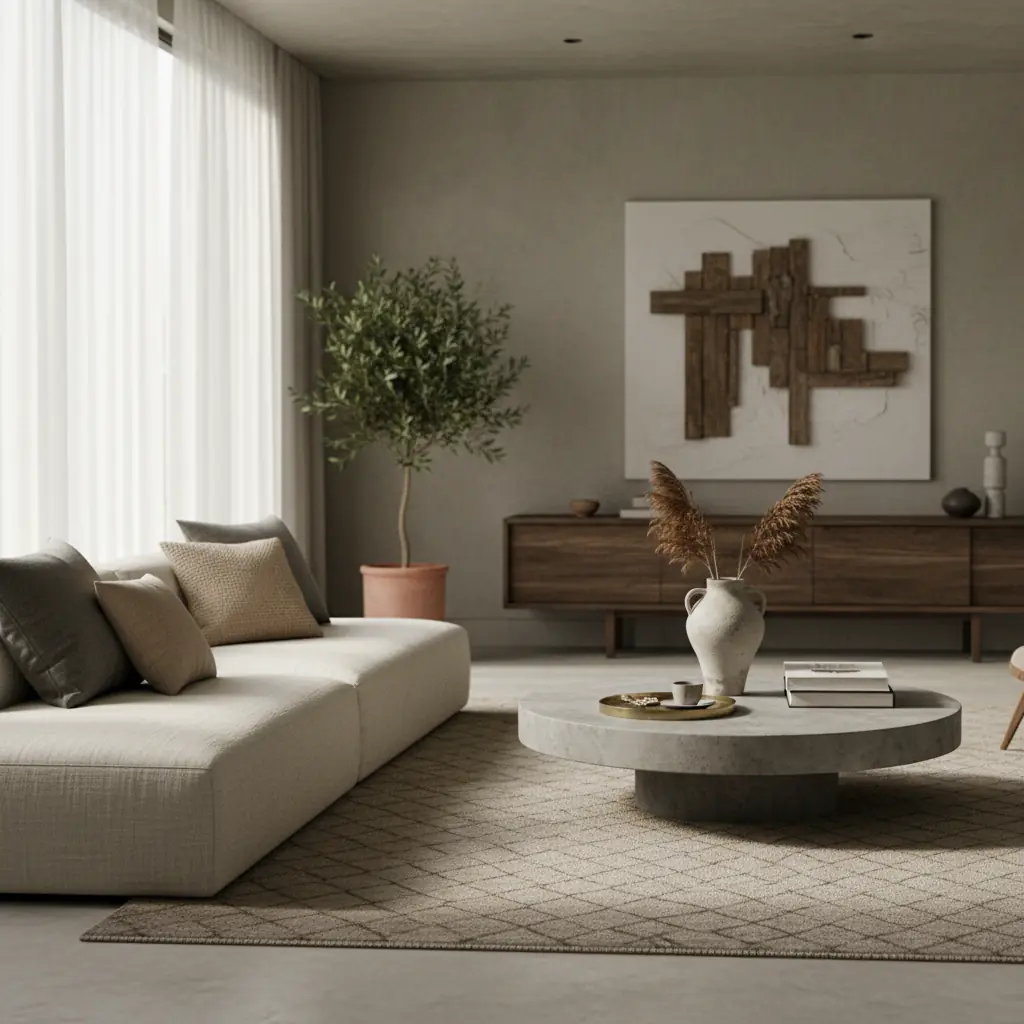
Encontrando Tu Identidad de Diseño: Más Allá de las Tendencias
Tu hogar es una extensión de tu personalidad, un lienzo que refleja tus pasiones, confort y aspiraciones. Si bien las redes sociales a menudo muestran tendencias pasajeras, la verdadera identidad de diseño reside en comprender lo que resuena profundamente contigo. Esta guía completa te ayuda a articular tus preferencias estéticas explorando los ocho estilos de diseño de interiores más influyentes de 2026. Cada estilo ofrece una filosofía distinta, una personalidad única y una paleta de elementos específica para crear espacios que realmente se sientan como en casa.
Comprender estos estilos fundamentales no solo te empodera para tomar decisiones de diseño informadas, sino que también te ayuda a comunicar tu visión de manera efectiva, ya sea que trabajes con un profesional o utilices una plataforma de diseño impulsada por IA como Habitas. Con Habitas, puedes visualizar al instante cómo estos estilos transforman las fotos reales de tu habitación, haciendo lo abstracto concreto y asegurando que tus decisiones de diseño sean perfectas para tu espacio.
Sumergámonos en los estilos que están moldeando los hogares este año.
1. Scandinavian — El Arte de lo Esencial, La Acogida del Hygge
### ¿Qué define el diseño de interiores Scandinavian?
En su esencia, el diseño Scandinavian es una celebración de la simplicidad, la funcionalidad y la belleza de la luz natural. Originario de los países nórdicos, donde los largos y oscuros inviernos hacen que los interiores luminosos y estimulantes sean una necesidad, este estilo enfatiza la claridad y la calma. Se trata menos del minimalismo austero y más de crear una atmósfera cálida y acogedora a través de elementos cuidadosamente elegidos. El concepto de "Hygge" – una palabra danesa y noruega para un estado de bienestar y camaradería confortable con sentimientos de calma y satisfacción – es central en su atractivo.
### Elementos clave del estilo Scandinavian
- **Paleta de Colores:** Dominada por blancos nítidos, grises claros y cremas pálidos, que sirven como un lienzo brillante. Se introducen pasteles sutiles como el verde menta, el rosa empolvado y los azules suaves como acentos delicados, evitando que el espacio se sienta estéril. - **Materiales:** Los materiales naturales son primordiales. Piensa en maderas claras y sin tratar como el abedul, el fresno y el pino para muebles y suelos. Los textiles son suaves y naturales: lana, algodón, lino y piel de oveja añaden calidez y textura. El vidrio y la cerámica son comunes para objetos decorativos y vajilla. - **Mobiliario:** Líneas limpias, formas funcionales y construcción robusta son sellos distintivos. Las piezas de mobiliario suelen ser multipropósito, priorizando la ergonomía y el confort. Las icónicas sillas, mesas y soluciones de almacenamiento Scandinavian están construidas para durar y se integran sin problemas en el entorno. - **Iluminación:** Maximizar la luz natural es crucial. Las ventanas a menudo se dejan descubiertas o se visten con telas transparentes que filtran la luz. La iluminación artificial suele ser cálida, difusa y funcional, con énfasis en crear brillos ambientales a través de lámparas colgantes, lámparas de pie y una abundancia de velas. - **Decoración y Accesorios:** Libre de desorden es clave. Los accesorios son mínimos pero significativos, a menudo involucrando plantas en maceta (especialmente suculentas y helechos, contribuyendo a un sentido de diseño biofílico), cerámica simple y arte abstracto. Menos es realmente más, con cada elemento sirviendo a un propósito o evocando una sensación.
### ¿Para quién es mejor el diseño Scandinavian?
El estilo Scandinavian es ideal para cualquiera que busque un ambiente hogareño tranquilo, luminoso y libre de desorden. Es particularmente adecuado para apartamentos o casas más pequeños donde maximizar la luz y la sensación de amplitud es crucial. Si valoras la practicidad, el confort y una atmósfera serena por encima de la ornamentación excesiva, este estilo atemporal podría ser tu combinación perfecta. Para explorar cómo un telón de fondo totalmente blanco aún puede exudar calidez, nuestra guía sobre [consejos de diseño para habitaciones completamente blancas](/blog/all-white-room-design-tips) podría serte útil.
2. Japandi — Oriente se Une al Norte para una Vida Serena
### ¿Cuál es la filosofía detrás del estilo Japandi?
Japandi es una fusión armoniosa del minimalismo japonés (Wabi-sabi) y la calidez escandinava (Hygge). Toma la serena simplicidad y la estética natural de Japón y las mezcla con la acogedora funcionalidad de Scandinavian, resultando en una estética que es profundamente tranquila y elegantemente chic. Si bien ambos estilos parentales priorizan el minimalismo, Japandi se distingue por una paleta ligeramente más oscura y terrosa y una apreciación más profunda por la artesanía y la contemplación tranquila. Se trata de encontrar la belleza en la imperfección (Wabi-sabi) y crear espacios diseñados para el descanso, la reflexión y una vida consciente.
### ¿Qué materiales funcionan mejor para interiores Japandi?
- **Paleta de Colores:** Japandi se inclina hacia una paleta más apagada y terrosa que el Scandinavian puro. Piensa en grises cálidos, blancos rotos suaves, carbón, verdes profundos, terracota y negros suaves. Estos tonos más profundos proporcionan un efecto de anclaje, que recuerda a los paisajes naturales. - **Materiales:** Un hermoso juego de materiales naturales define a Japandi. Maderas más oscuras como el nogal y el roble a menudo se combinan con maderas más claras y fibras naturales como el bambú, el ratán, el lino y el algodón. La cerámica, el papel (especialmente para la iluminación) e incluso el concreto se incorporan para textura y autenticidad. - **Mobiliario:** Las piezas de mobiliario son de perfil bajo, líneas limpias y elegidas deliberadamente por su calidad y utilidad. La funcionalidad es primordial, pero la forma es igualmente respetada, a menudo mostrando diseños simples y elegantes y detalles artesanales. - **Iluminación:** La iluminación suave y difusa es clave para crear una atmósfera contemplativa. La luz natural se maximiza, complementada por farolillos de papel, apliques sutiles y lámparas de pie ambientales que proyectan un brillo suave. - **Decoración y Accesorios:** Extremadamente minimalista. Los objetos son pocos pero altamente seleccionados, enfatizando la calidad artesanal sobre la cantidad. Las plantas de interior (especialmente formas escultóricas como bonsáis o sansevierias) se utilizan con moderación para aportar un toque de naturaleza y vida al entorno sereno. Este énfasis en los elementos naturales también se alinea con los principios discutidos en nuestra [guía de diseño biofílico](/blog/biophilic-design-guide).
### ¿Es el diseño Japandi adecuado para espacios pequeños?
Absolutamente. Japandi sobresale en la creación de espacios sofisticados pero increíblemente funcionales, lo que lo hace perfecto para apartamentos, hogares urbanos o cualquier área diseñada para el descanso y la reflexión. Su énfasis en el orden, las líneas limpias y la intencionalidad puede hacer que incluso las habitaciones pequeñas se sientan amplias y tranquilas.
3. Modern Minimal — Precisión y Sobriedad
### ¿Qué define el diseño de interiores Modern Minimal?
El diseño Modern Minimal es la expresión más pura de "menos es más". Es un estilo reducido a sus elementos esenciales, centrándose en la geometría limpia, las líneas precisas y la ausencia de ornamentación. A diferencia del Scandinavian, que abraza la calidez a través de la textura, el Modern Minimal logra su calma a través de la quietud visual y una ejecución impecable. Es una estética sofisticada para aquellos que aprecian la pureza de la forma y creen que cada elemento en un espacio debe cumplir un propósito claro o crear una declaración visual poderosa.
### Características clave de los espacios Modern Minimal
- **Paleta de Colores:** Predominantemente monocromática. Blanco, negro y varios tonos de gris forman el núcleo, a menudo con un solo color de acento controlado (ej., un azul marino profundo o un rojo vibrante) usado con moderación. El enfoque está en la interacción de luz y sombra, y las sutiles variaciones dentro de estos tonos neutros. - **Materiales:** Se favorecen los materiales elegantes, a menudo industriales. Piensa en suelos de concreto pulido, acentos de acero, grandes extensiones de vidrio, superficies lacadas lisas y piedra de tonos fríos. Estos materiales contribuyen a la sensación nítida y despejada del estilo. - **Mobiliario:** El mobiliario es escultórico, arquitectónico y altamente funcional. Las piezas a menudo presentan ángulos agudos, formas geométricas y están colocadas con precisión dentro del espacio. El almacenamiento suele ser empotrado y oculto para mantener superficies sin fisuras. - **Iluminación:** La iluminación integrada, a menudo oculta o a ras de las superficies, es común. La iluminación de riel, los accesorios empotrados y las lámparas de pie minimalistas proporcionan iluminación focalizada sin llamar la atención. La luz natural es primordial, a menudo enmarcada por grandes ventanas sin adornos. - **Decoración y Accesorios:** Extremadamente escaso. Una sola pieza de arte abstracto, un jarrón perfectamente colocado o un objeto escultural podría ser el único adorno. El espacio en sí se convierte en arte, con el espacio negativo jugando un papel crucial.
### ¿Por qué elegir Modern Minimal para tu hogar?
El Modern Minimal es ideal para lofts, estudios y entornos urbanos donde el espacio puede ser limitado y se desea una sensación de calma expansiva. Atrae a aquellos que valoran la quietud visual, creen en el poder de la simplicidad refinada y aprecian el diseño sofisticado sin excesos. Las investigaciones indican que los hogares bien diseñados, particularmente aquellos que promueven el orden y la calma visual como el Modern Minimal, pueden reducir el estrés hasta en un 20% y mejorar significativamente el estado de ánimo.
4. Industrial — Materiales Genuinos, Encanto Crudo
### ¿Cuál es la filosofía detrás del diseño Industrial?
El diseño Industrial celebra la belleza cruda de los espacios utilitarios, inspirándose en fábricas, almacenes y lofts urbanos. Se trata de revelar la estructura y los materiales de un edificio en lugar de ocultarlos, abrazar las imperfecciones y encontrar la belleza en lo inacabado. Este estilo exuda un encanto rústico y auténtico, creando espacios que se sienten tanto robustos como intrínsecamente geniales.
### Cómo incorporar elementos industriales en tu hogar
- **Paleta de Colores:** Compuesta principalmente por tonos neutros: grises, negros, blancos y los tonos naturales del ladrillo expuesto y la madera. Acabados metálicos – plata, bronce, cobre – añaden toques de luz. - **Materiales:** La piedra angular del diseño industrial. Espera paredes de ladrillo expuesto, suelos de concreto pulido, conductos de aire visibles, vigas de acero y madera cruda y recuperada. El metal es omnipresente, se encuentra en la plomería, las luminarias y los marcos de los muebles. Para más información sobre este material, explora nuestra guía sobre [el concreto en el diseño de interiores](/blog/concrete-in-interior-design). - **Mobiliario:** Piezas resistentes y funcionales, a menudo hechas de metal, madera envejecida o cuero. Los muebles de estilo industrial vintage o recuperados, como taquillas metálicas, bancos de trabajo o mesas de dibujo, son muy valorados. Los sofás y sillas de cuero proporcionan calidez y confort frente a los elementos más duros. - **Iluminación:** Un componente esencial. Bombillas Edison, bombillas de filamento expuesto, luces de jaula metálica y grandes lámparas colgantes utilitarias son características. La iluminación de riel y las lámparas de trabajo añaden funcionalidad, a menudo mostrando acabados metálicos. - **Decoración y Accesorios:** Énfasis en artículos reutilizados y decoración funcional. Relojes de pared de gran tamaño, letreros vintage, piezas de maquinaria industrial y arte abstracto pueden realzar la estética. Las ventanas grandes, a menudo con marcos de metal oscuro, maximizan la luz natural.
### ¿Es el diseño Industrial solo para lofts?
Si bien prospera en almacenes y lofts convertidos, el diseño Industrial puede adaptarse a varios hogares. Es mejor para espacios creativos, áreas de entretenimiento o cualquier hogar donde los ocupantes aprecien la autenticidad, un sentido de historia y una estética robusta y sin pretensiones. Es perfecto para aquellos que quieren que su hogar se sienta energético, poco convencional y arraigado.
5. Mid-Century Modern — Íconos Atemporales Reinterpretados
### ¿Qué define el diseño Mid-Century Modern?
Mid-Century Modern se refiere al período que abarca aproximadamente desde mediados de la década de 1940 hasta finales de la de 1960, una era post-Segunda Guerra Mundial marcada por el optimismo, la innovación y el deseo de una vida funcional pero con estilo. Este estilo produjo muebles y diseños arquitectónicos que todavía se celebran como íconos hoy en día, caracterizados por curvas orgánicas, patas cónicas, formas esculturales y una integración lúdica de acentos audaces con materiales naturales. Es un look que se siente tanto retro como absolutamente contemporáneo.
### Características clave de los interiores Mid-Century Modern
- **Paleta de Colores:** Una mezcla distintiva de tonos terrosos (verde aguacate, amarillo mostaza, naranja quemado) con toques de colores vibrantes como el verde azulado, el carmesí y el azul profundo. Los fondos neutros permiten que estos colores distintivos y tonos de madera brillen. - **Materiales:** Maderas ricas y oscuras como la teca, el nogal y el palo de rosa son centrales, a menudo utilizadas en formas elegantes y minimalistas. La madera contrachapada, los plásticos (revolucionarios en la época), el vidrio y el cuero también fueron clave, reflejando un espíritu de innovación. - **Mobiliario:** Aquí es donde el Mid-Century Modern realmente brilla. Piezas icónicas de diseñadores como Eames, Saarinen, Knoll y Nelson presentan líneas limpias, a menudo elevadas sobre patas esbeltas y cónicas. La funcionalidad y la ergonomía eran primordiales, lo que resultó en diseños cómodos pero visualmente impactantes. - **Iluminación:** Distintiva y a menudo escultural. Lámparas de araña Sputnik, diseños de la era atómica, lámparas de arco y sencillos colgantes de tambor son característicos. Estos accesorios a menudo se convierten en puntos focales. - **Decoración y Accesorios:** Minimalista pero expresivo. Estampados gráficos, arte abstracto, jarrones de cerámica con formas orgánicas y plantas de interior completan el look. El énfasis está en la calidad sobre la cantidad, permitiendo que las piezas individuales hagan una declaración.
### ¿Por qué el Mid-Century Modern sigue siendo tan popular en 2026?
El atractivo perdurable del Mid-Century Modern reside en su calidad atemporal y su capacidad para mezclarse sin problemas con estéticas contemporáneas. Es mejor para salas de estar, comedores y espacios que valoran la personalidad, una vibra sofisticada pero lúdica y una calidad duradera. Los hogares que presentan diseños clásicos Mid-Century Modern a menudo conservan su valor, con piezas auténticas y bien mantenidas que se revalorizan entre un 5% y un 10% anualmente, convirtiéndolas no solo en muebles sino en inversiones. Si aprecias el diseño icónico y una mezcla equilibrada de forma y función, el Mid-Century Modern ofrece una base rica y elegante para tu hogar.
6. Bohemian — Maximalismo Curado, Alma Global
### ¿Cómo defines el diseño de interiores Bohemian?
El estilo Bohemian, a menudo abreviado como "Boho", es el epítome del maximalismo curado. Es una estética bohemia y ecléctica que abraza texturas ricas, influencias globales y un carácter coleccionado. Lejos de ser aleatorio, un verdadero espacio Bohemian cuenta una historia, con cada pieza contribuyendo a una narrativa estratificada de viajes, arte y expresión personal. Se trata menos de seguir reglas y más de crear un ambiente cálido, acogedor y verdaderamente único que se sienta vivo.
### ¿Cuáles son los elementos esenciales de un hogar Bohemian?
- **Paleta de Colores:** Si bien puede incorporar tonos vibrantes, el diseño Bohemian a menudo comienza con neutros terrosos (marrones, beiges, olivas, cremas) como base, y luego se superponen tonos joya ricos como rojos profundos, naranjas, azules y morados. La clave es una sensación de calidez y profundidad natural. - **Materiales:** Los materiales naturales y táctiles son primordiales. Piensa en ratán, mimbre, bambú, macramé y una profusión de fibras naturales como algodón, lino, yute y lana. La madera expuesta, a menudo rústica o tallada, y metales como el latón y el cobre se suman a la mezcla ecléctica. - **Mobiliario:** Cómodo, a menudo de perfil bajo y ecléctico. Hallazgos vintage, piezas artesanales y artículos recolectados de viajes son comunes. Divanes, cojines de suelo, grandes sofás tapizados y mesas de madera tallada encuentran su lugar. - **Iluminación:** Suave, ambiental y a menudo variada. Farolillos marroquíes, guirnaldas de luces, lámparas de sal y una abundancia de velas crean un brillo cálido y acogedor. La luz natural difusa, a menudo filtrada a través de cortinas transparentes, también es clave. - **Decoración y Accesorios:** Aquí es donde el Bohemian realmente brilla. Textiles en capas (alfombras, mantas, tapices), una abundancia de cojines, patrones globales, arte coleccionado, espejos, plantas (en maceta y colgantes) y recuerdos personales crean un rico tapiz visual. Cada artículo tiene una historia. Nuestra guía sobre [ideas de dormitorios bohemios](/blog/bohemian-bedroom-ideas) ofrece inspiración más específica.
### ¿Para quién es más adecuado el estilo Bohemian?
El Bohemian es para almas creativas, aventureros y coleccionistas que desean que su hogar se sienta vibrante, vivido y lleno de carácter. Si aprecias diversas culturas, disfrutas mezclando lo antiguo con lo nuevo y priorizas el confort y la expresión personal sobre la uniformidad austera, el Bohemian es tu santuario. Herramientas como Habitas te permiten experimentar con diferentes texturas y patrones bohemios en tu habitación real, asegurando que tu "maximalismo curado" se sienta armonioso, no caótico.
7. Coastal — Calma Sin Esfuerzo, Horizonte Infinito
### ¿Cuál es la filosofía detrás del diseño Coastal?
El diseño Coastal busca capturar el ambiente sereno, espacioso y relajado de un retiro junto a la playa, trayendo la tranquilidad del océano al interior. Se trata de crear espacios luminosos, frescos y serenamente tranquilos, evocando los sonidos y texturas relajantes del mar. Si bien hay variaciones (ej., estilo Hamptons, costero mediterráneo), el núcleo sigue siendo una celebración de la luz natural, la elegancia discreta y una profunda conexión con el agua.
### Elementos esenciales para un hogar con temática Coastal
- **Paleta de Colores:** Dominada por colores frescos y relajantes. Blancos y cremas forman la base, complementados por varios tonos de azules oceánicos (desde aguamarina suave hasta azul marino profundo), verdes espuma de mar y beiges arenosos. Toques de coral o amarillo brillante pueden añadir un toque de vida vibrante. - **Materiales:** Las texturas naturales y desgastadas son clave. Piensa en maderas envejecidas o blanqueadas para suelos y muebles, acentos de mimbre y ratán, y telas de lino y algodón. Elementos de vidrio, conchas, madera flotante y cuerda realzan aún más la conexión con el mar. - **Mobiliario:** Cómodo, a menudo de gran tamaño y diseñado para la relajación. Sofás y sillas desenfundables en telas claras son comunes, junto con asientos de mimbre o ratán. Mesas de madera natural simples, a veces con un acabado envejecido, completan el look. - **Iluminación:** Maximizar la luz natural es crucial. Cortinas transparentes o estores romanos permiten que la luz del sol inunde el espacio. Las luminarias suelen ser simples y discretas, con materiales naturales como vidrio, cuerda o elementos tejidos, a menudo en estilos de farol. - **Decoración y Accesorios:** Recuerdos del mar, como conchas, corales y madera flotante, se incorporan con buen gusto. Rayas náuticas, sutiles motivos de vida marina, grandes espejos para reflejar la luz y exuberantes plantas verdes pueden realzar la atmósfera. Nuestros artículos sobre [ideas para salas de estar costeras](/blog/coastal-living-room-ideas) e [ideas para baños costeros](/blog/coastal-bathroom-ideas) proporcionan más inspiración.
### ¿Quién se beneficia más del diseño de interiores Coastal?
El diseño Coastal es perfecto para cualquiera que busque esa sensación de vacaciones permanentes, sin importar cuán cerca estén de la playa. Es ideal para baños, dormitorios y salas de estar donde se desea una sensación de relajación y amplitud. Si sueñas con habitaciones llenas de luz, colores refrescantes y un hogar que se siente como una brisa suave constante, el diseño Coastal ofrece un escape.
8. Farmhouse — Carácter Cálido, Toque Moderno
### ¿Cuál es el encanto del diseño de interiores Farmhouse?
El diseño Farmhouse se trata menos de una tendencia pasajera y más de evocar una sensación: la comodidad, calidez y tradición de un hogar rústico, centrado en la familia, infundido con sensibilidades modernas. Mezcla bellamente el encanto del viejo mundo con un toque contemporáneo, creando espacios que se sienten tanto nostálgicos como frescos. Este estilo celebra la simplicidad, la practicidad y la belleza perdurable de los elementos artesanales y los materiales naturales.
### Elementos clave que definen el estilo Modern Farmhouse
- **Paleta de Colores:** Neutros cálidos predominan como base: blancos nítidos, blancos rotos cremosos, grises y beiges. Estos a menudo se complementan con azules suaves, verdes salvia y los tonos naturales de la madera y el metal. - **Materiales:** Madera recuperada (paredes de shiplap, acentos de madera de granero, vigas expuestas), metales envejecidos, hierro forjado y acero galvanizado son prominentes. Los textiles incluyen fibras naturales como algodón, lino y arpillera, a menudo en patrones simples como cuadros búfalo o rayas. - **Mobiliario:** Piezas robustas, a menudo de gran tamaño, diseñadas para el confort y la durabilidad. Grandes y cómodos sofás, mesas de granja de madera, cómodas de inspiración antigua y sillas Windsor clásicas son características. Una mezcla de lo nuevo y lo vintage es común. - **Iluminación:** Elementos como luces de granero, lámparas colgantes de estilo industrial y farolillos clásicos proporcionan iluminación ambiental y de tarea. Los apliques de pared a menudo tienen un atractivo rústico o vintage. - **Decoración y Accesorios:** Énfasis en elementos prácticos pero decorativos. Estantes abiertos que exhiben vajilla, letreros vintage, cubos galvanizados, tarros de cristal (mason jars), mantas acogedoras y abundante vegetación (como flores frescas o hierbas en maceta) son comunes.
### ¿Por qué el estilo Farmhouse es tan popular para los hogares familiares?
El diseño Farmhouse es excepcionalmente popular para cocinas, comedores y espacios familiares porque fomenta un sentido de unión y confort. Su énfasis en la durabilidad y la estética atemporal lo convierte en una opción práctica para hogares ocupados. Las cocinas de estilo Farmhouse, a menudo consideradas el corazón del hogar, pueden aumentar significativamente el valor de la propiedad hasta en un 15% debido a su atractivo atemporal y alta funcionalidad. Si valoras la calidez, la tradición y un hogar que se siente genuinamente acogedor y vivido, el Modern Farmhouse ofrece la mezcla perfecta de encanto rústico y conveniencia contemporánea.
Descubre Tu Estilo Perfecto con Habitas
Comprender los matices de estos ocho estilos de diseño influyentes es el primer paso para crear un hogar que realmente te refleje. Pero ver estos estilos cobrar vida en tu espacio real es lo que cambia el juego. La imaginación es poderosa, pero la visualización es transformadora.
Aquí es donde Habitas realmente brilla. En lugar de desplazarte sin cesar por Pinterest o intentar imaginar una cocina Scandinavian en tu espacio actual, simplemente puedes subir una foto de tu habitación a Habitas. En cuestión de segundos, nuestra IA renderizará tu espacio real en cada uno de estos estilos, permitiéndote comparar, contrastar y refinar tu visión. Esta capacidad inigualable de visualización te empodera para tomar decisiones de diseño con confianza.
El diseño de interiores tradicional puede ser un proceso largo y costoso, con tarifas que a menudo comienzan desde los $2,000 por el diseño de una sola habitación. En contraste, la visualización con IA puede reducir el tiempo de diseño hasta en un 90%, ofreciendo resultados detallados en minutos en comparación con semanas. Considerando que una renovación típica de cocina por sí sola puede costar entre $15,000 y $50,000, acertar con el estilo desde el principio no se trata solo de estética, sino de una inversión inteligente. Habitas ofrece una forma accesible, eficiente e inspiradora de embarcarte en tu viaje de diseño, ayudándote a descubrir tu estilo perfecto sin el compromiso ni el costo de los métodos tradicionales.
Preguntas Frecuentes
### ¿Cómo elijo el estilo de diseño de interiores adecuado para mi hogar?
Elegir el estilo adecuado implica una mezcla de preferencias personales, la arquitectura de tu hogar y tu estilo de vida. Comienza reflexionando sobre qué sensaciones quieres que evoque tu hogar (ej., calma, energía, calidez). Observa imágenes de habitaciones que te encanten, identificando elementos recurrentes como colores, materiales y tipos de muebles. Considera tu rutina diaria: ¿necesitas un espacio altamente funcional o uno optimizado para la relajación? Herramientas como Habitas te permiten experimentar con diferentes estilos en las fotos reales de tu habitación, proporcionando una forma libre de riesgos para visualizar lo que realmente se adapta a tus necesidades estéticas y funcionales antes de hacer cualquier compromiso.
### ¿Puedo mezclar diferentes estilos de diseño de interiores?
¡Absolutamente, y a menudo, los hogares más interesantes mezclan estilos! Este enfoque, a menudo llamado diseño "ecléctico", "transicional" o "fusión", permite un espacio verdaderamente personalizado. La clave es encontrar hilos comunes – una paleta de colores consistente, acabados de materiales similares o una escala unificadora de muebles – para asegurar la cohesión. Por ejemplo, Japandi es una mezcla perfecta de japonés y Scandinavian. Podrías combinar las líneas limpias del Modern Minimal con la calidez de algunas piezas Mid-Century Modern, o introducir texturas Bohemian en un telón de fondo Coastal. El objetivo es la armonía, no una estricta adhesión a un solo estilo.
### ¿Cuáles son los estilos de diseño de interiores más atemporales que no pasarán de moda?
Si bien las tendencias evolucionan, ciertos estilos poseen un atractivo perdurable debido a sus principios fundamentales y estéticas clásicas. Scandinavian, con su énfasis en la funcionalidad y la luz natural, sigue siendo perennemente popular. El mobiliario icónico y las líneas limpias del Mid-Century Modern han demostrado su longevidad durante décadas. El Modern Minimal también se mantiene bien debido a su enfoque en la pureza de la forma y la ausencia de detalles superfluos. Los estilos que priorizan los materiales naturales, el confort y la funcionalidad tienden a resistir mejor el paso del tiempo que aquellos impulsados por modas pasajeras.
### ¿Cuánto cuesta redecorar una habitación con un nuevo estilo?
El costo de redecorar una habitación puede variar drásticamente según la magnitud de los cambios, la calidad de los materiales y si contratas profesionales. Un refresco ligero con nueva pintura, accesorios y algunas piezas de mobiliario podría oscilar entre $500 y $5,000. Una transformación más completa, que incluya suelos nuevos, mobiliario importante y potencialmente cambios estructurales, podría fácilmente ser de $5,000 a $20,000 o más. La buena noticia es que utilizar plataformas como Habitas puede reducir significativamente los costos iniciales de diseño al ayudarte a visualizar y planificar con precisión, minimizando compras costosas por prueba y error y potencialmente ahorrando miles.