Paredes decorativas negras: profundidad, drama y estilo atemporal
¡Descubre el poder de las paredes decorativas negras! Explora las mejores pinturas, la ubicación ideal y consejos de expertos para combinar muebles y arte y crear espacios sofisticados.
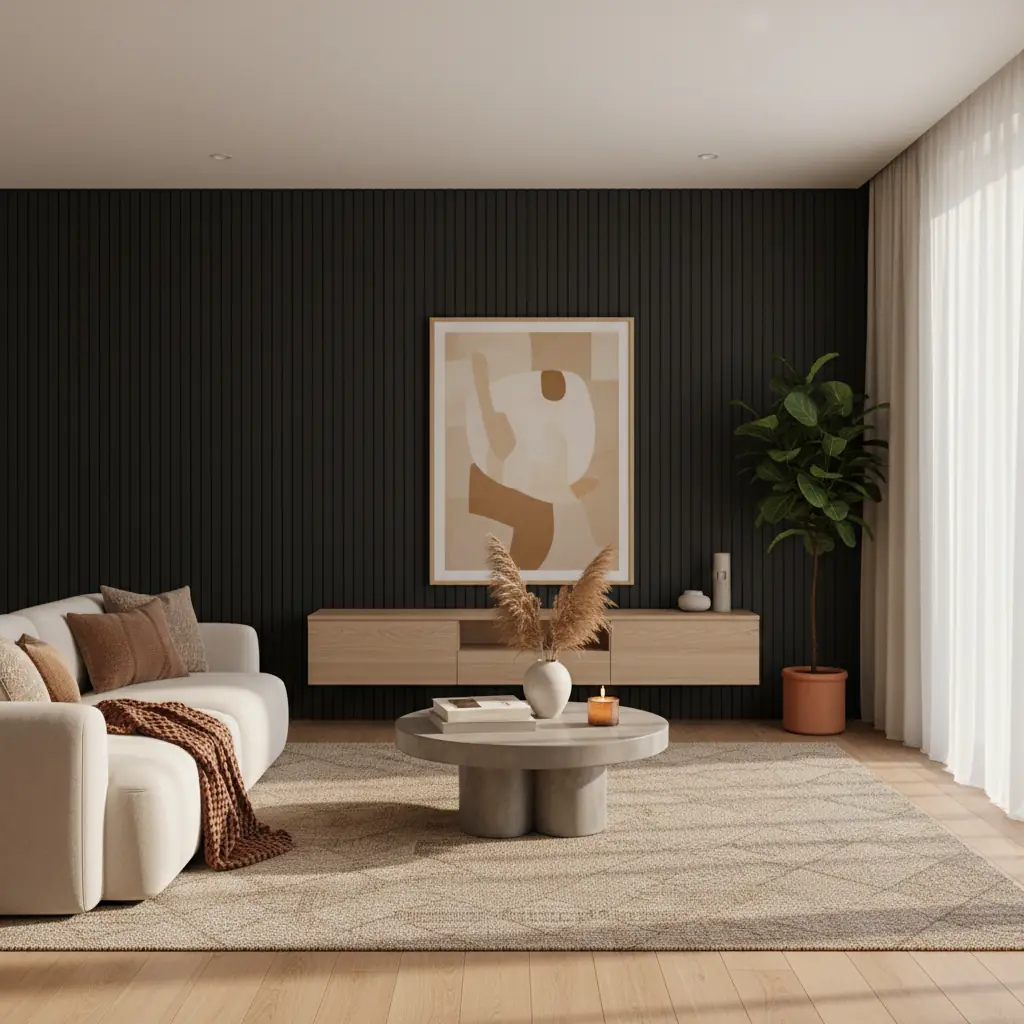
¿Por qué las paredes decorativas negras funcionan tan bien? Profundidad, drama y el efecto galería
En el ámbito del diseño de interiores, pocas elecciones son tan polarizantes —o tan profundamente poderosas— como una pared decorativa negra. Es una declaración, un susurro de sofisticación y un rugido de confianza, todo al mismo tiempo. Aunque la idea pueda evocar inicialmente imágenes de espacios cavernosos y opresivos, la realidad es que una pared decorativa negra aplicada con criterio es una de las herramientas más efectivas para crear una profundidad dramática, resaltar posesiones preciadas e inyectar un estilo innegable en cualquier habitación. Esto no es solo una tendencia pasajera; es una estrategia de diseño atemporal empleada por expertos durante décadas, desde galerías de arte hasta boutiques de lujo. Con el enfoque adecuado, una pared negra puede transformar una habitación monótona en un santuario memorable, demostrando que las elecciones audaces a menudo producen los resultados más gratificantes. De hecho, estudios demuestran que los hogares diseñados con criterio, incluso con elementos atrevidos, pueden ver un aumento significativo en el atractivo; por ejemplo, **el 73% de los compradores de viviendas informan que la puesta en escena estratégica y los elementos de diseño distintivos les ayudan a visualizar el potencial de una propiedad** y aumentan su interés, lo que convierte una pared decorativa negra en una opción sorprendentemente práctica para aumentar el valor percibido.
Una pared negra retrocede visualmente, atrayendo la mirada más allá de su superficie y haciendo que la habitación se sienta más profunda y expansiva de lo que sugieren sus dimensiones físicas. Esta ingeniosa ilusión óptica es precisamente la razón por la que museos y galerías han favorecido durante mucho tiempo los fondos negros; crea un punto focal natural que atrae la vista y hace que todo lo que se coloca contra ella —ya sea arte, estanterías esculturales o una llamativa pieza de mobiliario— resalte con mayor contraste e importancia visual. Es el último "efecto galería", que permite que tus piezas seleccionadas realmente brillen.
Más allá de su magia espacial, el negro también se fotografía excepcionalmente bien, una cualidad que es cada vez más relevante en nuestro mundo impulsado visualmente. La rica profundidad de una pared negra crea un hermoso juego de luces —las sombras se convierten en elementos esculturales, las fuentes de luz se vuelven más dramáticas y la habitación en general adquiere una cualidad cinematográfica. En una era en la que fotografiamos y hacemos videollamadas desde nuestros hogares constantemente, esta cualidad fotogénica no es solo un bonus; es una consideración cada vez más práctica que eleva la presencia de tu hogar, tanto en línea como fuera de ella.
El efecto psicológico de una pared decorativa negra es de una audacia y confianza innegables. Una habitación con una pared negra comunica que el propietario toma decisiones de diseño deliberadas, abraza la sofisticación y no teme al compromiso. Es el equivalente en diseño de interiores de un traje negro perfectamente a medida o un clásico vestido negro —llamativo, sofisticado y permanentemente de moda. Esta versatilidad permite que el negro se integre a la perfección en diversas estéticas de diseño, desde el minimalista y el industrial hasta el bohemio y el maximalista, siempre anclando el espacio con un aire de intención refinada.
Elegir la pintura negra perfecta: matices mate, satinados y de subtonos
No todos los negros son iguales, y las sutiles diferencias se vuelven claramente obvias en una gran superficie de pared. Los matices de subtono, saturación de pigmento y acabado pueden alterar drásticamente cómo se siente una pared negra en tu hogar.
Para un negro verdadero y profundo sin subtono discernible, **Benjamin Moore Black Beauty (2128-10)** destaca como uno de los negros más puros de su colección, ofreciendo un drama inalterado. Si buscas un negro más frío, **Benjamin Moore Jet Black (2120-10)** tiene el más leve subtono azul, lo que lo convierte en un excelente compañero para metales de tonos fríos como el cromo, la plata o el níquel pulido, y perfecto para espacios contemporáneos. Para un negro más suave y habitable que se inclina hacia el carbón sin perder su impacto, **Benjamin Moore Onyx (2133-10)** ofrece una cualidad cálida, casi un negro deslavado, que se siente menos duro y más acogedor.
En el espectro de Sherwin-Williams, **Sherwin-Williams Tricorn Black (SW 6258)** es su negro más puro y consistentemente se clasifica como el negro más popular de América para aplicaciones tanto interiores como exteriores. Es un negro fiable y sin sorpresas que funciona maravillosamente en casi cualquier condición de iluminación. Para aquellos que desean el efecto de pared decorativa negra con un poco menos de intensidad, **Sherwin-Williams Iron Ore (SW 7069)** es un carbón muy oscuro que se lee como negro en la pared pero contiene suficiente gris para sentirse sutilmente más suave y orgánico, complementando especialmente los tonos de madera natural y las paletas terrosas. Recuerda, al seleccionar pintura, consultar recursos como el [Generador de Paletas de Color con IA](/blog/ai-color-palette-generator) de Habitas puede ayudarte a explorar cómo estos negros interactúan con tus muebles y condiciones de iluminación existentes. También puedes explorar más tendencias y recomendaciones generales en nuestra guía de los [Mejores Colores de Pintura para 2026](/blog/best-paint-colors-2026).
Más allá del tono específico, el **acabado es tan críticamente importante como el color mismo**.
- El **negro mate** es inequívocamente el acabado más dramático y favorecedor. Absorbe la luz de manera uniforme, creando una profundidad aterciopelada que es realmente impresionante y lujosa. Sin embargo, los acabados mate son conocidos por mostrar cada rasguño, huella dactilar e imperfección, lo que los hace menos ideales para áreas de alto tránsito. - El **satinado** es a menudo el compromiso práctico. Posee suficiente brillo para resistir marcas y limpiarse fácilmente, al mismo tiempo que luce rico, oscuro y sofisticado. Ofrece una sutil reflectividad que realza la profundidad sin ser demasiado brillante. - El **cáscara de huevo** se sitúa entre el mate y el satinado, ofreciendo un poco más de durabilidad que el mate con un brillo muy bajo, a menudo una buena opción para paredes que necesitan soportar cierto desgaste pero se busca un aspecto suave. - **Evita el negro de alto brillo** en grandes superficies de pared. Aunque llamativo en pequeñas dosis o en molduras, el alto brillo amplifica cada imperfección de la pared, crea reflejos que distraen y rara vez se ve bien fuera de un espacio preparado y acabado profesionalmente donde se garantiza una ejecución impecable.
Independientemente del tono y acabado elegidos, la **preparación adecuada de la pared es clave para una pared decorativa negra impecable**. Asegúrate de que tu pared esté limpia, lisa y libre de polvo o grasa. Parchea cualquier agujero o grieta, lija ligeramente y luego aplica una imprimación de alta calidad. Una imprimación con tinte gris a menudo puede proporcionar una mejor base para la pintura negra, ayudando a lograr una verdadera saturación de color y requiriendo menos capas de la pintura negra en sí. Pintar una sola pared decorativa suele costar entre **$100 y $300 para materiales de bricolaje, o $300 y $700 para aplicación profesional**, lo que la convierte en una de las transformaciones más rentables en diseño de interiores en comparación con renovaciones más grandes.
¿Qué pared debes pintar de negro? Ubicación estratégica para un impacto máximo
La efectividad de una pared decorativa negra depende significativamente de su ubicación. La regla general es pintar la pared hacia la que tu ojo se dirige naturalmente al entrar en la habitación. Esta elección estratégica hace que la pared negra se sienta intencional, sirviendo como un punto focal anclado en lugar de un salpicón de color aleatorio.
Aquí tienes un desglose por habitación:
- **Dormitorios**: La pared del cabecero es casi siempre la elección ideal. Estarás de espaldas a ella mientras estás en la cama, evitando que se sienta opresiva, y crea un telón de fondo dramático y lujoso que enmarca bellamente la cama, las mesitas de noche y cualquier obra de arte seleccionada. - **Salas de estar**: La pared detrás del sofá principal o la pared donde se encuentra el televisor son excelentes candidatas, ya que ambas son puntos focales naturales. Si tienes una chimenea, la pared que la contiene también puede ser una elección poderosa, enfatizando su presencia arquitectónica. Al planificar tu distribución, considera usar herramientas como un [diseñador de muebles con IA](/blog/ai-furniture-arrangement-tool) para visualizar cómo la pared negra interactúa con tus piezas clave. - **Comedores**: La pared más larga de la habitación, o la pared más visible desde una cocina o sala de estar adyacente, puede crear un telón de fondo melancólico y sofisticado, perfecto para comidas íntimas y entretenimiento. - **Oficinas/Estudios (home office)**: La pared detrás de tu escritorio hace una declaración fuerte, añadiendo seriedad y enfoque a tu espacio de trabajo. También puede minimizar las distracciones, permitiendo que otros elementos retrocedan. - **Entradas/Pasillos**: Aunque a menudo pequeñas, una pared decorativa negra en una entrada puede crear una primera impresión increíblemente dramática, estableciendo inmediatamente un tono sofisticado para el resto de tu hogar. Combínala con una mesa consola contrastante y un espejo grande para expandir la percepción del espacio.
**Paredes que generalmente debes evitar:**
- **Paredes con numerosas ventanas**: Una pared negra con ventanas recortadas puede romper el drama y a menudo resulta incómoda, especialmente durante el día, cuando la luz de la ventana crea un contraste fuerte y resta valor a la profundidad uniforme del negro. - **Paredes con demasiadas puertas o interrupciones arquitectónicas**: Similar a las ventanas, demasiadas interrupciones en la superficie de la pared (como múltiples puertas o grandes empotrados) pueden disminuir el impacto singular de una pared decorativa negra y hacer que se sienta desarticulada. - **Dos paredes adyacentes**: A menos que estés buscando conscientemente una habitación completamente saturada de color (que es una técnica diferente, consulta nuestra guía sobre la [técnica de color drenching](/blog/color-drenching-technique)), pintar dos paredes adyacentes de negro puede hacer que la habitación se sienta a medio terminar o innecesariamente segmentada. Una pared negra es una declaración poderosa; más de una requiere una estrategia de diseño muy deliberada y cohesiva.
Cómo combinar paredes negras con muebles, arte y accesorios para un look cohesionado
La verdadera magia de una pared decorativa negra se despliega cuando se combina cuidadosamente con elementos complementarios. No se trata solo de pintar una pared; se trata de elaborar una narrativa cohesionada.
**Muebles**: La clave aquí es el contraste. Los muebles de color claro contra una pared negra crean instantáneamente ese efecto de galería de alto contraste que hace que esta combinación sea tan impactante. Un sofá blanco nítido o beige cremoso, una mesa de comedor de roble claro natural, un elegante sofá seccional gris o un marco de cama de madera natural resaltarán dramáticamente. Este contraste es el objetivo principal de una pared decorativa negra; si colocas muebles oscuros contra ella, perderás gran parte del efecto deseado. Reserva la pared negra para exhibir tus piezas de mobiliario más claras, interesantes o esculturales. Considera materiales como el lino, el cuero claro o el boucle para la tapicería, o maderas cálidas como el arce, el fresno o el bambú para los muebles auxiliares.
**Arte**: El arte luce extraordinario contra paredes negras, pero la presentación realmente importa.
- **Marcos**: Elige marcos que creen un borde claro entre el arte y la pared. Marcos blancos delgados, marcos de madera natural (abedul, arce, roble claro) o marcos lujosos de oro/latón funcionan maravillosamente para levantar el arte de la superficie oscura. Evita el arte sin marco o los marcos negros, que pueden hacer que el arte se mezcle o se pierda contra la pared. - **Tema**: La fotografía (especialmente en blanco y negro o color vibrante), el arte abstracto y los estampados minimalistas son particularmente impactantes. - **Paredes de galería**: Múltiples piezas agrupadas en una disposición de pared de galería son excepcionalmente efectivas contra el negro porque la pared actúa como un fondo oscuro y unificado, permitiendo que la colección se lea como una declaración única y cohesiva, muy similar a un entorno de museo.
**Accesorios**: Estos son los toques finales que dan vida al espacio.
- **Plantas verdes**: Las plantas verdes son el arma secreta absoluta para las paredes decorativas negras. El contraste entre el verde vibrante y el negro profundo es eléctrico, natural y relajante —piensa en una tierra rica y oscura que nutre un crecimiento exuberante. Plantas a gran escala como una higuera hoja de violín (fiddle leaf fig), monstera, sansevieria o un olivo en macetas blancas, de terracota o incluso metálicas crean uno de los momentos de diseño interior más simples y efectivos posibles. Para más ideas sobre cómo incorporar vegetación, consulta nuestra guía sobre las [mejores plantas para diseño de interiores](/blog/best-plants-for-interior-design). - **Metálicos**: Los accesorios de latón y oro completan la imagen, añadiendo calidez y un toque de lujo. Una lámpara de pie de latón, marcos de fotos dorados, una maceta de cobre o un espejo dorado añaden instantáneamente calidez metálica que eleva el negro y evita que se sienta austero. La plata y el cromo pueden funcionar en espacios más fríos y contemporáneos, realzando una estética nítida. - **Textiles**: Introduce textiles suaves y acogedores como mantas de punto grueso, cojines de terciopelo o una alfombra texturizada en colores contrastantes o fibras naturales (lana, yute) para añadir calidez e interés táctil.
Miedos comunes desmentidos: por qué una pared decorativa negra no es lo que piensas
Es natural sentir aprehensión ante una elección de diseño tan audaz. Abordemos las preocupaciones más comunes que disuaden a los propietarios de abrazar el poder del negro. Una encuesta reciente de la industria indicó que las **"paredes llamativas" o las elecciones de colores audaces aumentaron la satisfacción del propietario en un 15%** al rediseñar un espacio, lo que sugiere que superar estos miedos a menudo conduce a un mayor disfrute del hogar.
### Miedo número uno: "Hará que mi habitación se sienta más pequeña."
**Realidad**: Esta es una de las mayores ideas erróneas. Una sola pared decorativa negra en realidad puede hacer que una habitación se sienta _más profunda_ porque retrocede visualmente. Tu ojo la percibe como un vacío, atrayendo tu mirada más hacia atrás y creando una ilusión de mayor espacio. La habitación solo se siente más pequeña si pintas TODAS las paredes de negro en una habitación pequeña con luz natural limitada. Una sola pared decorativa, especialmente cuando se contrasta con paredes circundantes más claras, tiene el efecto opuesto, añadiendo profundidad e interés arquitectónico sin sacrificar el tamaño percibido.
### Miedo número dos: "Es demasiado oscura."
**Realidad**: Una pared decorativa negra en una habitación bien iluminada no es inherentemente oscura, es dramática. Con la luz natural adecuada que entra por las ventanas y una iluminación artificial inteligente (lámparas, apliques de pared, luminarias de techo) que se refleja en las paredes blancas o de color claro restantes, el techo y el suelo, el brillo general de la habitación apenas se ve afectado. La pared negra absorbe la luz en una superficie, creando un punto focal, mientras que el resto de la habitación la refleja normalmente. El efecto neto es profundidad, contraste y sofisticación, no oscuridad opresiva. Una iluminación efectiva es clave para hacer que cualquier habitación, especialmente una con elementos oscuros, se sienta acogedora.
### Miedo número tres: "Me cansaré de ella."
**Realidad**: Esta es quizás la preocupación más legítima, pero la historia del diseño sugiere lo contrario. A diferencia de los colores de moda que pueden anticuarse rápidamente (piensa en tonos específicos de verde salvia o rosa millennial que han ido y venido), el negro está permanentemente de moda. Es un color fundamental y clásico que trasciende las tendencias. Es mucho más probable que te canses de un color de tendencia fugaz que de la sofisticación atemporal del negro. Y si decides cambiar, cubrir el negro no es la tarea monumental que podrías imaginar. Típicamente requiere una imprimación de buena calidad (una imprimación con tinte gris hace maravillas) y dos capas de tu nuevo color elegido —un proyecto de fin de semana, no una renovación importante. Con herramientas avanzadas como [Habitas](/blog/ai-interior-design-how-it-works), puedes visualizar exactamente cómo una pared decorativa negra transformaría tu espacio, con tu iluminación específica y tus muebles existentes, mucho antes de siquiera tomar una brocha. Esta capacidad de "probar antes de comprar" es invaluable, eliminando gran parte de las conjeturas y el miedo asociados con las decisiones de diseño audaces. De hecho, las **plataformas de visualización con IA como Habitas pueden ayudarte a explorar opciones de diseño en cuestión de minutos, en comparación con las 2-4 semanas que podría llevar con un diseñador de interiores tradicional**, ahorrando tiempo y posibles errores costosos. Incluso puedes generar [diseños de habitaciones con IA realistas](/blog/ai-generated-room-designs-realistic) para ver tu visión cobrar vida al instante.
### Miedo número cuatro: "Se sentirá demasiado fría o masculina."
**Realidad**: Aunque el negro puede ser inherentemente frío y austero, su calidez y ambiente están completamente bajo tu control. La clave es el equilibrio a través de la textura, los materiales y la iluminación. Combina tu pared negra con tonos de madera cálidos (como roble o nogal), textiles suaves (terciopelo, cachemira, tejidos gruesos) e iluminación acogedora con bombillas de temperatura cálida. Introduce elementos naturales como el ratán, el yute y muchas plantas vivas. Estos elementos suavizan el negro, infunden calidez al espacio y crean una atmósfera sofisticada y acogedora que es todo menos fría o excesivamente masculina. Se trata de crear armonía entre fuerzas opuestas.
---
Preguntas Frecuentes
### ¿Cómo preparo mi pared para la pintura negra para asegurar el mejor acabado?
La preparación adecuada es crucial para una pared decorativa negra impecable. Comienza limpiando la pared a fondo para eliminar cualquier polvo, mugre o grasa. Usa una solución de agua y jabón suave, luego enjuaga y deja secar completamente. A continuación, parcha cualquier agujero o grieta con masilla, líjalos hasta que queden suaves una vez secos, y suaviza los bordes ásperos. Finalmente, aplica una imprimación de alta calidad. A menudo se recomienda una imprimación con tinte gris, ya que proporciona una excelente base para la pintura negra, ayudando a lograr una verdadera saturación de color y potencialmente reduciendo el número de capas de negro necesarias para un acabado uniforme.
### ¿Qué colores complementan una pared decorativa negra de manera más efectiva?
El negro es un neutro versátil, lo que le permite combinarse maravillosamente con una amplia gama de colores. Para una sofisticación clásica, combínalo con blancos nítidos, cremas cálidos o grises suaves. Para un contraste vibrante, introduce toques audaces de color como verde esmeralda, amarillo mostaza intenso, azul verdoso profundo o terracota vibrante a través de arte, cojines u objetos decorativos. Los metálicos como el latón, el oro y el cobre añaden calidez y lujo, mientras que los tonos de madera natural (desde arce claro hasta nogal oscuro) proporcionan textura orgánica y un equilibrio terroso. Las plantas verdes exuberantes también ofrecen un contraste natural impresionante.
### ¿Puede una pared decorativa negra realmente hacer que una habitación pequeña se sienta más grande?
Sí, una pared decorativa negra puede hacer estratégicamente que una habitación pequeña se sienta más grande, no más pequeña. Esto se debe a un truco visual: el negro absorbe la luz y crea una sensación de recesión, haciendo que la pared parezca estar más lejos de lo que realmente está. Cuando una pared retrocede, da la ilusión de mayor profundidad en la habitación. Este efecto se maximiza cuando la pared negra se contrasta con paredes más claras, un techo claro y un suelo claro, evitando que la habitación se sienta completamente encerrada. Se trata de crear profundidad y drama, no de eliminar la luz por completo.
### ¿Cómo mantengo limpia y libre de marcas una pared decorativa negra mate?
Los acabados negros mate son conocidos por mostrar las imperfecciones más fácilmente que los satinados o cáscara de huevo. Para mantener tu pared negra mate limpia, evita limpiadores abrasivos o frotar. Para el polvo, usa un paño de microfibra suave y seco. Para manchas o marcas ligeras, limpia suavemente con un paño de microfibra limpio y húmedo (solo agua) o una solución de jabón muy suave y no abrasivo, luego seca suavemente con toques. Es mejor abordar las marcas tan pronto como aparezcan para evitar que se asienten. Considera usar una fórmula de pintura mate lavable, si está disponible, ya que estas ofrecen mayor durabilidad sin sacrificar el acabado aterciopelado.
### ¿Es una pared decorativa negra una elección de diseño atemporal o solo una tendencia?
Una pared decorativa negra es una elección de diseño atemporal, no simplemente una tendencia pasajera. El negro es un color fundamental en el arte, la moda y el diseño de interiores que ha mantenido su atractivo clásico a lo largo de los siglos. Su capacidad para crear drama, resaltar otros elementos y proporcionar un telón de fondo sofisticado asegura su longevidad. Si bien aplicaciones o combinaciones específicas pueden evolucionar con los estilos actuales, el poder fundamental del negro permanece constante. Es similar a una pieza de mobiliario clásica o una característica arquitectónica duradera, siempre relevante, siempre chic y siempre capaz de elevar un espacio cuando se usa con criterio.