Dark Green Interior Design: The New Neutral for 2026 & Beyond
Explore why dark green has become the most versatile color in interior design, with specific paint picks, room ideas, and pairing strategies.
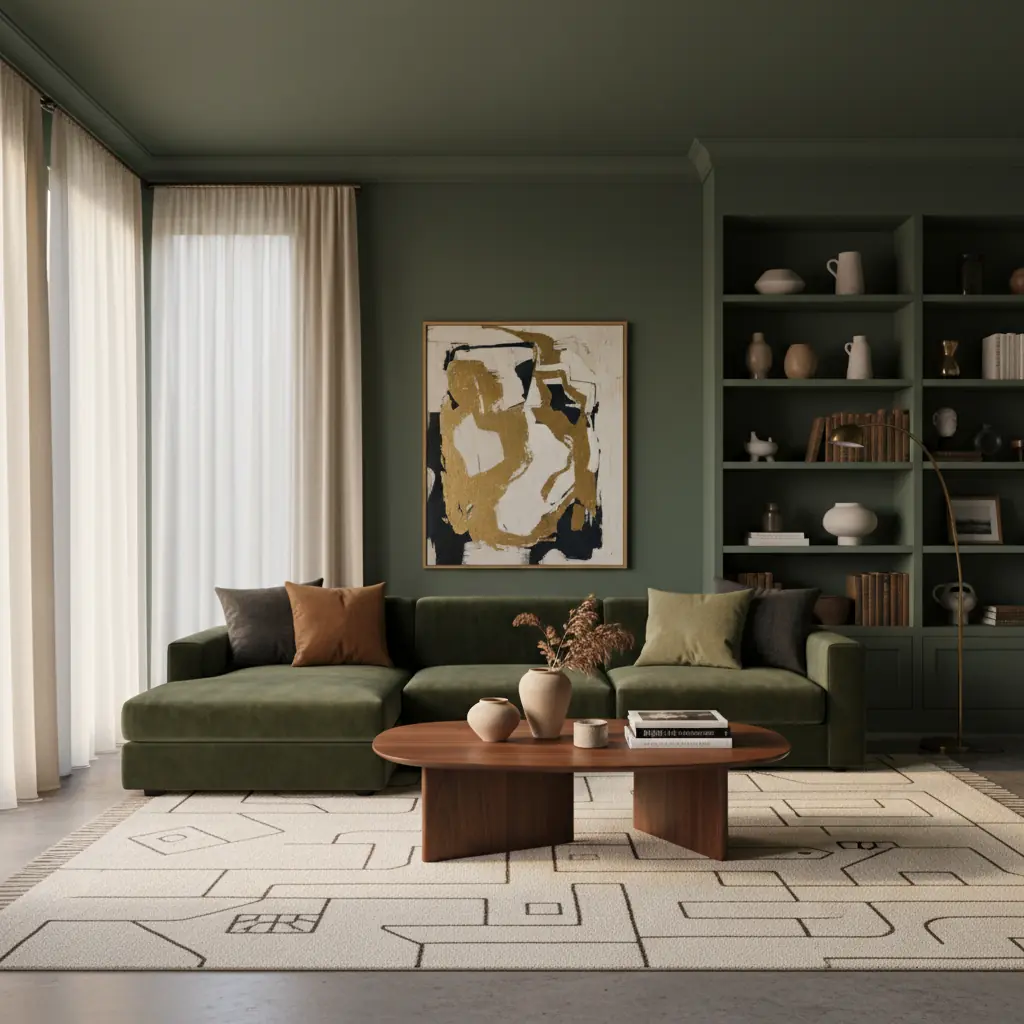
Why Dark Green Feels So Right: The Biophilic Advantage in Interior Design
Green holds a unique place in the human experience. It's the only color in the visible spectrum that our eyes process without any focal adjustment, resting comfortably in the middle of wavelengths. This inherent ease isn't just a pleasant visual experience; it's a deep-seated biological response. Our visual systems evolved over millennia in predominantly green environments, from lush forests to rolling meadows. Consequently, being surrounded by green has a profound, measurable impact on our physiology. Studies consistently demonstrate that exposure to green spaces or even green hues in interior environments can reduce stress levels by up to 15%, lower heart rate, decrease the production of stress hormones like cortisol, and significantly improve perceived comfort and well-being. This powerful connection to nature is the cornerstone of [biophilic design](/blog/biophilic-design-guide), a concept that integrates natural elements into built spaces to enhance health and productivity.
This deep-rooted biophilic connection is precisely why dark green, despite being a distinct color, functions as a practical neutral in interior design. Unlike vibrant, stimulating hues that demand attention, a deep forest or moss green recedes, creating a sense of calm and expansive depth. It doesn't shout; it supports, allowing furniture, art, and textiles to take center stage. This "neutrality in practice" has led leading designers to christen dark green the new navy or even the new black — a profoundly versatile anchor color that grounds a space, provides sophistication, and works seamlessly across nearly any room and design aesthetic.
The adaptability of dark green is truly remarkable. It effortlessly bridges design styles, appearing equally at home in a stately traditional library, complete with rich leather furniture and gleaming brass accents, as it is in a minimalist, modern Scandinavian kitchen featuring pale oak cabinetry and crisp white marble. It elegantly reconciles rustic charm with urban sophistication, injects both masculine gravitas and feminine softness, and feels just as relevant in classic revivals as it does in contemporary innovations. Very few colors can boast such a broad and enduring appeal, cementing dark green's status as a timeless yet trending choice for 2026 and beyond.
What are the Best Dark Green Paint Colors? Top Picks by Brand
Selecting the perfect dark green is crucial, as undertones and light exposure can dramatically alter how a shade presents in your home. Here are some of the most acclaimed dark greens from leading paint manufacturers:
**Benjamin Moore Hunter Green (2041-10)** is often considered the archetypal dark green. It's a true, deep forest green, remarkably balanced without strong blue or yellow biases. This shade offers profound richness, making a distinct statement while possessing an inherent timelessness that ensures long-term liveability. It’s particularly impactful in rooms with ample natural light, where its depth can truly shine without feeling oppressive. For a slightly more muted and sophisticated option, **Benjamin Moore Tarrytown Green (HC-134)** is a designer darling. It incorporates a hint of gray, giving it a softer, more understated elegance. This makes it an excellent choice for bedrooms or dining rooms where you desire deep saturation and warmth without overwhelming intensity.
**Sherwin-Williams Evergreen Fog (SW 9130)** gained widespread popularity as their 2022 Color of the Year and remains a consistent bestseller. It's a beautiful sage-green-gray, notably lighter and more muted than a traditional Hunter Green. This versatile shade excels in kitchens, living rooms, and even hallways, providing a subtle green influence and a touch of organic serenity without full color saturation. For those seeking a truly dramatic Sherwin-Williams dark green, **Ripe Olive (SW 6209)** delivers. This rich, almost olive-black green is absolutely stunning on cabinetry, adding a moody, luxurious depth that pairs beautifully with warm metals and natural wood tones.
**Farrow & Ball Studio Green (No.93)** is frequently lauded as one of the most exquisite dark greens available. What sets it apart is its extraordinary depth and chameleon-like quality – it appears to shift between deep green, an almost-black charcoal, and a classic forest hue depending on the light conditions throughout the day. This complexity is due to Farrow & Ball's signature high-pigment formula, which offers unparalleled color richness on the wall. For a more approachable version with a strong gray base, their **Smoke Green (No.47)** provides sophisticated charm. Both Farrow & Ball greens benefit immensely from their unique formulation, offering an unmatched sensory experience.
_Expert Tip for Choosing:_ Before committing to a gallon (or several!), always sample your chosen dark greens on your walls. Paint large swatches in several areas of the room, observing them at different times of day under varying light conditions. Remember, only 30% of homeowners are fully satisfied with their initial paint color choice without sampling, making this a crucial step. Consider using an [AI color palette generator](/blog/ai-color-palette-generator) to explore different green shades and see how they interact with other elements in your virtual room before even picking up a brush. It can save time and prevent costly mistakes when selecting the [best paint colors for 2026](/blog/best-paint-colors-2026).
What Rooms Benefit Most from Dark Green?
While dark green's versatility means it can truly thrive anywhere, some rooms particularly shine when imbued with its deep, calming presence.
### Kitchens: The Enduring Charm of Green Cabinetry
Kitchens continue to be the number one room for dark green in 2026, with cabinetry typically being the star rather than full walls. The quintessential combination seen across design magazines features dark green lower cabinets paired with warm white or light oak uppers, accented with brass cup pulls or matte black hardware, and topped with a marble, quartz, or butcher block counter. This formula succeeds because the green firmly grounds the space, the lighter uppers maintain an airy and bright feel, and the metallic accents inject warmth and sophistication. The specific dark green shade is less critical than the thoughtful supporting palette; almost any deep green works harmoniously within this established design language. It offers a fresh alternative to ubiquitous white or gray kitchens, providing personality without sacrificing timeless appeal. While a full kitchen renovation can range from $20,000 to $60,000, simply painting existing cabinetry in a dark green shade can refresh a space for as little as $500 to $2,000, offering a significant ROI on aesthetic appeal.
### Bedrooms: A Cocoon of Calm
Bedrooms are the second-best room for dark green, but here, the approach often shifts. The "drenching technique" is highly effective: painting all four walls, and often the ceiling, in a single deep green. This creates an immersive, cocooning effect that is both dramatically impactful and profoundly calming, perfect for restful sleep. The secret to a successful green bedroom lies in the lighting; cool-toned LED bulbs will make dark green walls appear sickly or flat, whereas warm 2700K LED bulbs will activate the pigment, making the walls glow with inviting depth. Complement this with warm wood nightstands, cream linen bedding, a textured rug, and a few terracotta or dusty pink accessories, and you've achieved one of the most photographed and beloved bedroom formulas of the decade. Consider exploring the full potential of this immersive style with our guide on the [color drenching technique](/blog/color-drenching-technique).
### Libraries, Studies, and Home Offices: Cultivating Focus and Seriousness
The library, study, or home office is the classic domain for dark green, a tradition steeped in history. There's a reason British gentlemen's clubs and Ivy League libraries have embraced deep greens for centuries: the color inherently supports concentration and fosters an atmosphere of intellectual seriousness without feeling oppressive. If your space features built-in shelving, painting both the shelves and the surrounding walls in the same dark green creates a seamless, enveloping effect. This technique not only makes the room feel larger and more integrated but also provides a stunning backdrop that makes books and curated objects stand out with enhanced beauty.
### Bathrooms: Creating a Spa-Like Sanctuary
Dark green is increasingly making its way into bathrooms, transforming utilitarian spaces into luxurious, spa-like retreats. Whether on a single accent wall behind the vanity, full wall paneling, or in the form of a custom dark green vanity, the color adds instant sophistication. Paired with polished nickel or brushed gold fixtures, crisp white porcelain, and natural wood accents, dark green bathrooms feel incredibly chic and serene. The reflective qualities of bathroom tiles and mirrors can also enhance the depth and play of light on the green, preventing it from feeling too heavy in smaller spaces. Consider a deep forest green for a truly decadent powder room or a more muted olive green for a master bath that evokes tranquility.
What Colors and Materials Pair Best with Dark Green?
The true magic of dark green lies in its ability to harmonize with a wide array of complementary colors and materials, elevating any space it inhabits.
### The Enduring Appeal of Brass and Warm Metals
Brass and dark green form one of the most consistently reliable and visually striking combinations in interior design. The warm, golden hue of brass — whether on hardware, light fixtures, picture frames, or decorative objects — beautifully draws out the warm undertones present in many dark greens, preventing the color from appearing cold or overly clinical. Aged, unlacquered, or brushed brass finishes are generally preferable to shiny polished brass, as their subtle patina adds character and a sense of history that perfectly complements the organic quality of green. Beyond brass, other warm metals like aged bronze, copper, and even matte black can create equally compelling contrasts, adding an industrial edge or rustic warmth depending on the finish and application.
### The Natural Harmony of Warm Wood Tones
Warm wood is dark green's natural, intuitive partner. Materials like light oak, rich walnut, and elegant cherry all work exquisitely, creating a sense of effortless harmony rooted in nature. The shared organic quality of wood and green creates a foundational palette that feels both grounded and sophisticated. Cool-toned woods, such as white-washed pine or gray driftwood, can certainly work but typically require more careful balancing with other warm elements to prevent the room from feeling stark. For flooring, a medium-toned hardwood strikes the ideal balance; very dark floors combined with dark green walls can sometimes feel overly heavy, while very light floors might create too much visual contrast. Integrating wooden furniture, ceiling beams, or even decorative bowls will enhance the biophilic connection.
### Softening the Look with Cream, Ivory, and Warm White Textiles
To prevent dark green from overwhelming a room, especially when used extensively, introduce textiles in cream, ivory, and warm white. These hues offer crucial breathing room and softness. Think linen curtains in a natural off-white, a plush cream boucle sofa, or ivory throw pillows that provide a gentle contrast against the deep green backdrop. The key here is _warm_ whites and creams; avoid stark, bright white, as its high contrast can appear harsh and cold next to dark green, diminishing the desired serene effect. For a nuanced, sophisticated contrast rooted in nature, consider introducing blush pink or dusty rose — think of wild roses against dark leaves. A blush velvet cushion or a dusty rose throw draped over a dark green sofa creates a surprisingly chic and inviting palette.
### Embracing Texture and Earthy Accents
Beyond color, texture plays a vital role in enriching a dark green space. Think about incorporating tactile materials like raw ceramics, rough-hewn stone, woven rattan, and rich velvet. A chunky knit throw, a sisal rug, or even exposed brick can add layers of interest. Earthy accents in terracotta, deep rust, or mustard yellow can provide vibrant pops of color that feel organic and inviting. Meanwhile, natural stone finishes like slate or a subtly veined marble can introduce sophisticated visual texture and a connection to the geological world. To ensure your pairings work flawlessly, consider using a tool like Habitas to visualize these combinations within your actual room before making any purchases. You can experiment with different textures and accent colors to find the perfect harmony.
Dark Green Cabinets: Matte vs. Satin and the Accent Wall Debate
Dark green continues its ascent, dominating kitchen and bathroom designs, and extending its reach to mudroom built-ins and bedroom wardrobes. Understanding the practicalities of finish and application is key to successful implementation.
### The Practicalities of Dark Green Cabinets: Matte or Satin?
The dark green cabinet trend shows no sign of waning in 2026, becoming a staple in modern and transitional homes alike. When selecting a finish, the key decision often comes down to matte versus satin. Matte green cabinets, with their velvety, low-sheen appearance, convey a very modern, high-design aesthetic. They absorb light beautifully, providing a sophisticated depth that designers adore. However, this aesthetic comes with a practical trade-off: matte finishes are more prone to showing fingerprints, smudges, and require more frequent, gentle cleaning. For high-traffic areas like kitchens, a satin or semi-gloss finish often proves more practical. These finishes offer better durability, are easier to wipe clean, and still provide a beautiful, subtle sheen that reflects just enough light to enhance the color's richness without being overtly shiny. Premium brands like Farrow & Ball and Benjamin Moore's Advance line offer excellent durability in their satin or subtle sheen options, making them ideal for high-use cabinetry. Interior design experts predict dark green's reign as a popular neutral will continue for at least the next 5-7 years, making it a safe, long-term investment for major design elements like cabinetry.
### Accent Wall vs. Full Room: How to Choose Your Green Statement
The debate between a dark green accent wall and drenching an entire room in the color often boils down to your commitment level, the room's size, and its natural light exposure.
In generously sized rooms with abundant natural light, embracing the full "color drench" — painting all four walls and even the ceiling in the same dark green — creates a truly stunning, immersive, and luxurious experience. This technique envelops the space, making it feel expansive and deeply comforting, almost like a jewel box.
For smaller rooms, spaces with limited natural light, or for those new to bold color, a single accent wall offers a powerful impact without the risk of the room feeling too dark or enclosed. This focal wall is typically chosen strategically: often the wall behind the bed in a bedroom, behind the sofa in a living room, or the first wall visible upon entering the space. This approach allows you to introduce the drama and sophistication of dark green while maintaining a lighter, more open feel in the rest of the room.
Making this decision often involves a leap of faith, but tools like Habitas can entirely remove the guesswork. You can upload a photo of your actual room and instantly visualize how a full-room application of Benjamin Moore Hunter Green would look in your specific living room with its unique light exposure, versus a single accent wall. The difference between theoretical inspiration and real-world application can be surprising — north-facing rooms might benefit from a slightly lighter, warmer green than anticipated, while south-facing rooms can often beautifully handle even the deepest, richest shades. AI visualization tools like Habitas can generate realistic room renders in under 60 seconds, a stark contrast to the 2-4 weeks required for traditional interior design mockups, helping you make confident, informed design choices faster. To learn more about how this technology works, explore our guide on [AI interior design: how it works](/blog/ai-interior-design-how-it-works).
Frequently Asked Questions About Dark Green in Interior Design
### Is dark green a neutral color?
While color theory traditionally classifies dark green as a color rather than a neutral, in practice, it functions very much like one. Its deep, earthy tones are incredibly versatile, receding into the background and allowing other elements to shine, similar to how navy, charcoal, or deep brown would. Our eyes find green inherently restful due to our evolutionary connection to nature, making dark green feel calming and foundational rather than stimulating, thus earning its reputation as the "new neutral."
### What colors go well with dark green?
Dark green pairs beautifully with a wide range of colors and materials. For warmth and sophistication, classic pairings include brass, aged gold, and warm wood tones like oak, walnut, and cherry. To soften the look, creams, ivories, and warm whites are ideal for textiles and accents. Unexpected but chic pairings include blush pink, dusty rose, mustard yellow, and deep terracotta, which add natural depth and interest. Matte black and aged bronze also provide elegant contrasts.
### How do I use dark green without making a room feel too dark?
To use dark green without making a room feel too dark, consider these strategies: pair it with ample natural light, use warm artificial lighting (2700K bulbs), and incorporate reflective surfaces like mirrors and metallic accents (brass, gold). Introduce lighter elements such as cream upholstery, light-colored rugs, and pale wood furniture. You can also opt for an accent wall rather than painting the entire room, or use dark green solely on cabinetry, allowing the surrounding walls to remain light.
### Is dark green a timeless color for interiors?
Yes, dark green is considered a timeless color. Its deep connection to nature gives it an enduring appeal that transcends fleeting trends. Historically, it has been a staple in elegant, traditional spaces, and its current resurgence as a modern neutral confirms its longevity. Interior design experts predict its popularity as a versatile, sophisticated choice will continue for many years, making it a safe and stylish investment for long-term design choices like cabinetry or wall paint.
### What interior design styles does dark green fit into?
Dark green is incredibly adaptable and can seamlessly integrate into a multitude of interior design styles. It's a cornerstone of traditional and classic aesthetics, often seen in libraries and studies. It's equally at home in modern and minimalist settings, providing a sophisticated backdrop. Dark green also perfectly complements rustic, farmhouse, art deco, and even bohemian styles, offering a versatile foundation that can be dressed up or down depending on accompanying furniture and decor.
### Can I use dark green in a small room?
Absolutely! While counterintuitive, dark green can actually make a small room feel more expansive and intimate. When used in a "color drench" technique (painting all walls and ceiling), it blurs the boundaries of the room, creating a jewel-box effect that feels cozy and sophisticated rather than cramped. For a less immersive approach, using dark green on an accent wall or on built-in cabinetry in a small room can add depth and character without overwhelming the space, especially when balanced with lighter elements and good lighting.