DIY Room Makeover Under $500: A Step-by-Step Guide for High-Impact Transformations
A practical step-by-step guide to transforming any room for under $500 with DIY techniques and smart shopping.
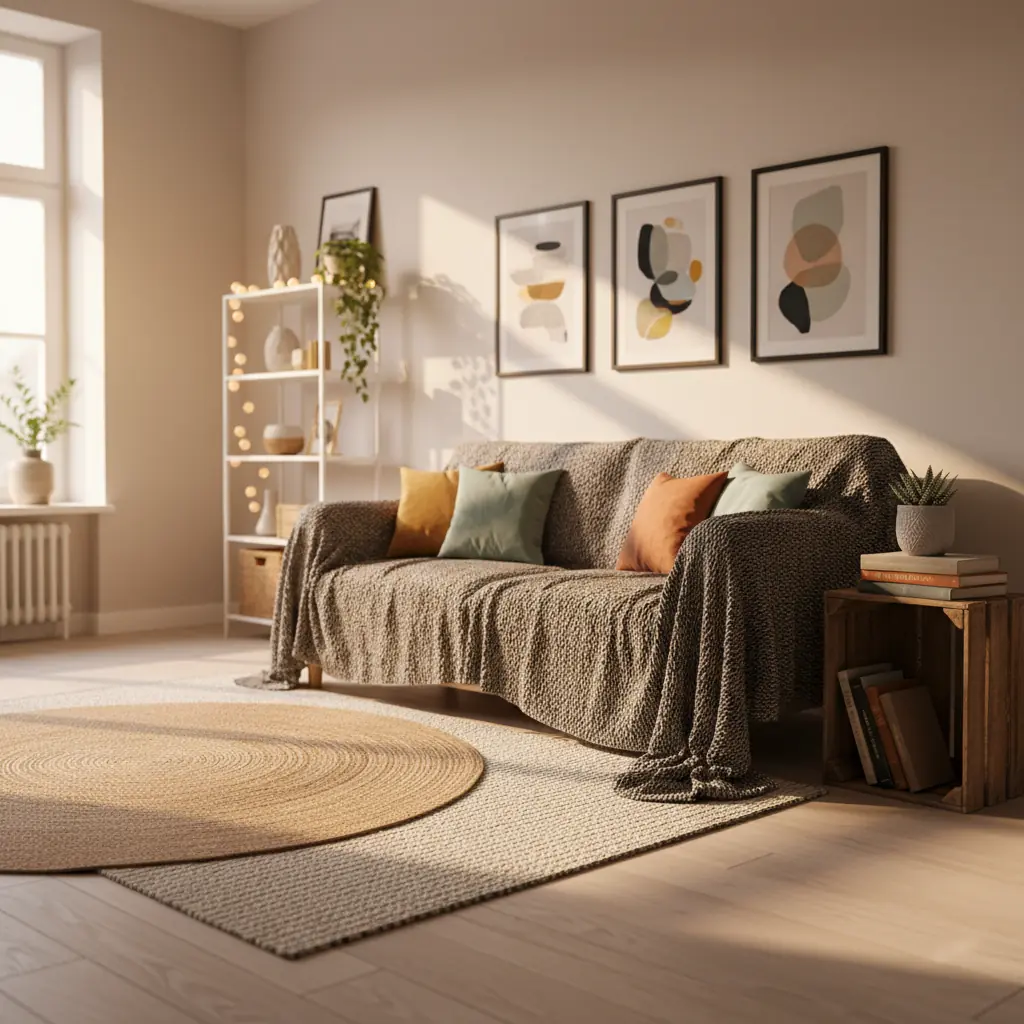
The $500 challenge: Why constraints breed creative interior design
In the world of interior design, a generous budget can certainly open doors, but a tight budget? That's where true creativity, ingenuity, and strategic thinking shine. Instead of simply buying your way to a better room, a sub-$500 constraint forces you to critically evaluate every decision, focusing on impactful changes that don't break the bank.
The secret to a beautifully designed space isn't expensive furniture or high-end finishes. It's coherence, intention, and a well-considered aesthetic. This means a clear color story, intelligent furniture arrangement, layered lighting, and a sense that every item in the room was thoughtfully curated, not just accumulated. This approach not only saves money but also leads to a more personalized, authentic space.
This comprehensive guide will walk you through six high-impact steps that, when combined, can profoundly transform a room for under $500. You don't need to implement every single step – even prioritizing two or three based on your room's greatest needs will yield a noticeable and satisfying difference. Embrace the challenge; the results might surprise you.
Step 1: Declutter and rearrange – The foundation of any transformation (Free)
Before you spend a single dollar, the most powerful transformation you can undertake is completely free: decluttering and rearranging. This isn't just about tidiness; it's about removing visual noise and optimizing functionality.
**The Decluttering Process:** Start by removing everything from the room that doesn't serve a clear purpose or bring you genuine satisfaction. Adopt a ruthless mindset. That stack of magazines you haven't touched in months? The decorative bowl you never truly liked? The side table that has become a magnet for miscellaneous clutter? Box them up. Try living without these items for two weeks. If you don't miss them, it's a clear signal to donate, sell, or discard them. Studies show that a decluttered environment can reduce stress by up to 40% and improve focus, proving that clarity in your space often leads to clarity in mind. For a methodical approach, consider the "four-box method": label boxes 'Keep,' 'Donate,' 'Trash,' and 'Relocate,' and swiftly sort through items.
**Strategic Rearrangement:** Once the clutter is gone, it's time to play with your existing furniture. Don't be afraid to experiment.
- **Pull furniture away from walls:** This creates a sense of airiness and spaciousness, especially in smaller rooms. - **Create zones:** Use larger pieces like sofas, rugs, or bookshelves to define distinct areas within an open-plan space – a reading nook, a conversation area, or a workspace. - **Angle furniture:** Instead of rigid straight lines, try angling a chair at 45 degrees to a sofa to create a more inviting and dynamic conversation nook. - **Consider traffic flow:** Ensure there's enough space to comfortably move around the room without bumping into furniture.
Take photos of each layout you try; comparing images often reveals which arrangement truly works best. The optimal layout is rarely the most obvious one. This initial step – removing visual distractions and optimizing your furniture's footprint – often creates the most dramatic, yet entirely free, transformation. It costs nothing but an afternoon of your time. If you need help visualizing new arrangements, tools like [Habitas's AI furniture arrangement tool](/blog/ai-furniture-arrangement-tool) can help you quickly mock up different layouts without breaking a sweat.
Step 2: Elevate your space with an accent wall ($50 to $100)
While painting an entire room can be a multi-day project costing $200-$400 in paint and supplies, painting just one accent wall offers incredible visual impact for a fraction of the time and cost. It takes about three hours and typically costs $50-$100 for a gallon of paint ($35-$60), a roller and tray ($10-$15), painter's tape ($8-$12), and a drop cloth ($5-$10).
**Choosing Your Accent Wall:** Select the wall that naturally draws the eye – this is often the wall behind your sofa, the headboard wall in a bedroom, or the first wall you see when you enter the room. This strategic placement ensures maximum impact.
**Color Selection for Drama:** Be bold! Go darker or richer than you might initially consider. A deep sage green, a warm terracotta, a sophisticated moody navy, or a rich charcoal gray will create dramatic depth and anchor the room. Lighter accent walls tend to blend in and feel indecisive, losing their "accent" power. Consider the existing colors in your furniture and textiles to ensure your chosen accent color complements, rather than clashes, with your current palette. For more ideas, explore our guide on [black accent walls](/blog/black-accent-walls) which shows how a dark color can truly elevate a space.
**Visualize Before You Commit:** One of the biggest hurdles in painting is fear of commitment. This is where AI technology truly shines. Use Habitas to test various wall colors on an actual photo of _your_ room before you buy a single can of paint. Seeing your space with a forest green accent wall versus a warm clay tone, or even experimenting with a [color drenching technique](/blog/color-drenching-technique), takes the guesswork out of color selection. This prevents the all-too-common sinking feeling of opening a paint can and realizing it's the wrong shade, saving you both time and money.
Step 3: Upgrade your lighting – The mood maker ($50 to $150)
Bad lighting can make even the most beautifully designed rooms feel flat, cold, or unwelcoming. Conversely, good lighting can elevate modest rooms, making them feel warm, inviting, and intentionally designed. The "rule of three" is fundamental: every room needs at least three light sources at varying heights to create depth and eliminate shadows. These include:
- **Overhead/Ambient Lighting:** General illumination, often from a ceiling fixture. - **Task Lighting:** Focused light for specific activities, like reading (table lamps, floor lamps). - **Accent Lighting:** Highlights features or creates mood (picture lights, candles, small uplights).
If your room currently relies on a single overhead fixture, it's time to layer. Add a floor lamp ($30-$80 from budget-friendly stores like IKEA, Target, or a thrift store) and a table lamp ($20-$50). When choosing lamps, consider their style – a modern tripod lamp, a classic ceramic base, or an industrial-style metal lamp can significantly contribute to your room's aesthetic.
**The Power of Warm LEDs:** Replace all existing bulbs with warm LED bulbs (around 2700K). This color temperature mimics the cozy glow of incandescent bulbs, creating an instantly more inviting atmosphere. Cooler temperatures (4000K+) tend to feel stark and office-like. Smart bulbs ($10-$15 each) are an excellent investment, allowing you to adjust brightness and color temperature throughout the day via an app or voice command, without requiring any complex rewiring. Proper lighting can boost productivity by 15% and significantly improve mood, transforming how you experience your home.
Step 4: Layer in textiles – Instant texture, color, and comfort ($50 to $100)
Textiles—throw pillows, blankets, and curtains—are arguably the fastest and most impactful way to inject color, pattern, and texture into a room. They soften hard edges, absorb sound, and instantly elevate the comfort factor.
**Pillow Power:** A set of two to four new throw pillow covers ($20-$50 on Amazon, H&M Home, or Etsy) in a coordinated color palette can instantly update a tired sofa or bed. Don't be afraid to mix patterns (just keep the scale and color palette consistent) and textures (velvet, linen, knit). Consider the dominant colors in your accent wall or a piece of art, and choose pillows that either complement or provide a sophisticated contrast.
**The Cozy Throw:** A lightweight throw blanket draped artfully over the armrest of a sofa or the corner of a bed adds an inviting touch of warmth and visual interest for $20-$30. Look for textures like chunky knits, faux fur, or soft cotton weaves. This small detail signals comfort and thoughtfulness.
**Curtain Magic:** If your windows feature basic blinds or no treatment at all, inexpensive curtains ($25-$50 per panel from IKEA or Target) can dramatically change the feel of a room.
- **Mount High and Wide:** Install curtain rods close to the ceiling (just a few inches below) and extend them beyond the window frame by 6-12 inches on each side. This makes windows appear larger and ceilings taller. - **Floor-Length:** Always choose curtains that just skim or lightly puddle on the floor. Anything shorter looks unfinished. - **Fabric Choice:** Sheer curtains allow natural light while adding privacy, while heavier linen or cotton drapes provide more insulation and a luxurious feel. For ideas on how to harmonize your textile choices with the overall room, consider exploring various [color schemes for living rooms](/blog/color-schemes-for-living-rooms).
This is one of the highest-impact, lowest-cost changes you can make to create a polished, "designed" look.
Step 5: Discover character: Thrift store and marketplace finds ($50 to $100)
To achieve a truly unique and soulful space that avoids the "catalog showroom" aesthetic, look beyond new retail. Facebook Marketplace, local estate sales, consignment shops, and thrift stores are invaluable goldmines for character-filled pieces at a fraction of their original cost. Thrifted furniture can offer up to 70% savings compared to buying new, while also contributing to sustainable living.
**What to Hunt For:**
- **Vintage Mirrors:** A beautiful mirror ($20-$50) with an ornate frame can bounce light, expand a space, and act as a focal point. - **Solid Wood Furniture:** Look for well-constructed side tables ($15-$40), small chests, or consoles. Good bones are key, even if the finish is dated. - **Art & Frames:** Framed art ($10-$30) can add personality. Don't be afraid to re-frame prints or simply use interesting frames for your own art or photos. - **Unique Ceramics & Vases:** Distinctive ceramic vases ($5-$15), bowls, or sculptures add texture and a handcrafted feel. - **Bookends & Decorative Objects:** These small details give a room a curated, lived-in feel.
**DIY Transformation Potential:** Don't dismiss an item because of its current finish. Part of the joy of thrifting is the creative process of transformation:
- **Paint:** A coat of matte black or a vibrant spray paint ($8) can modernize a dated brass lamp or a basic wooden frame. - **Hardware:** Swapping out old knobs and pulls on a dresser or cabinet with new, stylish hardware can completely refresh its look. - **Sand & Stain:** A beat-up wooden table can be sanded down and re-stained or simply sealed to reveal its natural beauty.
These unique, repurposed finds add layers of history and individuality that new, mass-produced items simply cannot replicate.
Step 6: The finishing touches: Plants and final accessories ($30 to $50)
With the larger elements in place, it's time for the vital final layer: plants and curated accessories. These small touches breathe life and personality into a room, signaling intentionality – the difference between a room that was merely decorated and one that was truly designed.
**Bringing in Greenery:** Plants are essential. They add organic texture, vibrant color, and a sense of vitality that no other accessory can replicate. Aim for two to three plants in varying sizes to create visual interest and movement:
- **Large Floor Plant:** A resilient Pothos, Snake Plant, or ZZ Plant ($15-$25) adds verticality and drama. These varieties are incredibly tolerant of neglect, making them perfect for those without a naturally "green thumb." - **Medium Shelf Plant:** A small fern, another Pothos cascading from a shelf, or a succulent arrangement ($8-$15) adds life at eye level. - **Small Desk/Windowsill Plant:** A tiny succulent, cactus, or herb ($5-$10) adds a fresh touch to a personal workspace or a bright sill. For more detailed guidance on integrating plants, refer to our comprehensive guide on the [best plants for interior design](/blog/best-plants-for-interior-design).
**Curated Accessories:** These are the small elements that reflect your personality and complete the room's story:
- **Scented Candles:** A high-quality candle ($10-$15) not only adds a decorative element but also introduces a sensory experience, making the room feel more inviting. - **Decorative Trays:** Use a stylish tray ($10-$20) to corral remotes, coasters, and other small items on a coffee table or bedside table. This instantly creates an organized and intentional look. - **Coffee Table Books:** A stack of visually appealing coffee table books ($5-$15 from used bookstores or your own collection) related to your interests adds personality and a touch of sophistication. - **Personal Photos/Art:** Integrate a few framed photos or small pieces of art that resonate with you. These intimate details make a house a home.
Step back, take a photo, and compare it to a photo from before you started your project. The transformation achieved through these six strategic steps – all within a combined budget of $280 to $500 – is consistently dramatic. The room's structure remains the same, but its feeling, functionality, and aesthetic are entirely new. Embracing these budget-friendly design principles will empower you to create a beautiful, personalized, and comfortable space that truly reflects you, proving that good design is accessible to everyone.
Frequently Asked Questions
### Is it really possible to transform a room for under $500?
Yes, absolutely! While $500 might seem like a tight budget for a full room transformation, it is entirely possible by focusing on high-impact, low-cost changes. The key is strategic spending on essentials like paint, lighting, and textiles, combined with free or low-cost activities such as decluttering, rearranging existing furniture, and sourcing unique items from thrift stores or marketplaces. This guide demonstrates how focusing on these elements can create a dramatic difference without a hefty price tag.
### How can I make my small room look bigger on a budget?
To make a small room appear larger on a budget, start by decluttering rigorously to maximize floor space and minimize visual noise. Opt for light and neutral paint colors on walls, or use a strategic accent wall to create depth. Install curtains high and wide to draw the eye upwards. Use mirrors to reflect light and create the illusion of more space. Choose furniture with slim profiles or exposed legs, and ensure multiple light sources to brighten every corner, eliminating shadows that can make a room feel cramped.
### What are the most impactful budget-friendly upgrades for a living room?
For a living room, the most impactful budget-friendly upgrades include painting an accent wall (for dramatic change), upgrading lighting (adding floor and table lamps for ambiance), and layering in new textiles (throw pillows, blankets, and curtains for color and texture). Additionally, decluttering and rearranging your existing furniture can significantly improve flow and visual appeal without any cost. Incorporating thrifted decorative elements and a few plants also adds personality and freshness.
### How do I choose a color scheme for a room makeover on a budget?
Start by identifying a color inspiration, such as a favorite piece of art, a patterned pillow, or even a photo. Then, choose a main neutral color for most walls to provide a calming base. Select an accent color (or two) for your accent wall and textiles that either complements the neutral or offers a pleasing contrast. Use a color wheel to understand relationships between colors (e.g., analogous colors for harmony, complementary colors for energy). Don't forget to test paint samples in your room's actual lighting before committing, and consider tools like Habitas to visualize your chosen palette.
### What are common mistakes to avoid in a DIY room makeover?
Common mistakes include buying new items without first decluttering and assessing existing pieces, choosing paint colors in-store without testing them in your room's lighting, overlooking the importance of layered lighting, and neglecting window treatments. Another mistake is trying to do too much at once without a clear plan, leading to an unfinished or inconsistent look. It's also easy to fall into the trap of buying cheap, mass-produced accessories that lack character instead of seeking out unique, thrifted finds. Prioritize your steps and make intentional choices.