Refined Modern Farmhouse: Timeless Warmth for Your Home in 2026
Beyond shiplap: Uncover 2026's refined modern farmhouse style. Learn how to craft a timeless, elegant interior with natural materials, warm tones, and expert design strategies.
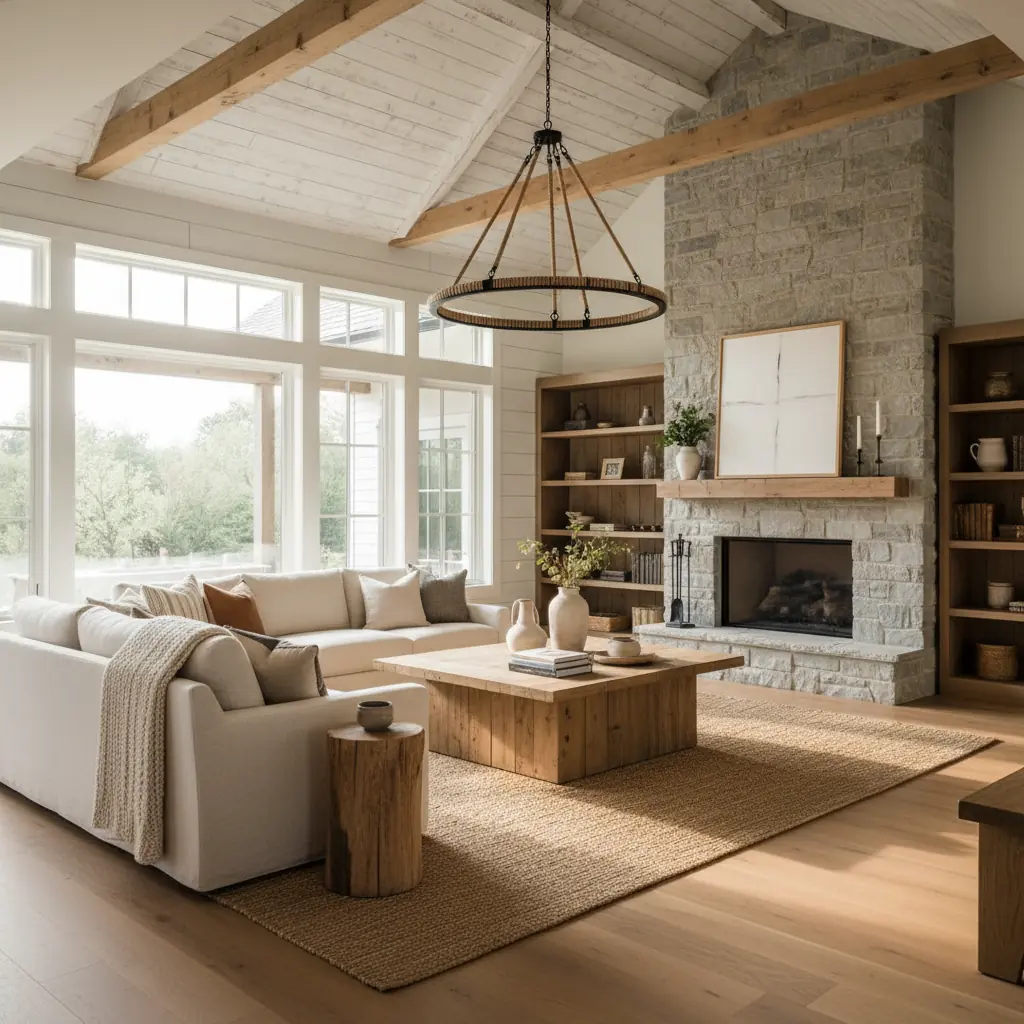
The evolution from Chip & Joanna to refined farmhouse
The modern farmhouse trend that swept American homes in the mid-2010s owed much of its popularity to Fixer Upper and the rustic-meets-white aesthetic that Chip and Joanna Gaines perfected. Shiplap walls, sliding barn doors, and distressed wood signs reading "Gather" became ubiquitous overnight. While charming in its initial iteration, this widespread adoption often led to a homogenized, almost costume-like application that quickly risked feeling dated.
A decade later, the style has matured significantly, shedding its more literal and superficial elements in favor of depth, authenticity, and global influences. Modern farmhouse in 2026 retains the inherent warmth, comfort, and approachability that made the original trend so appealing, but it has evolved into something far more sophisticated. The new farmhouse is quieter, more material-driven, and more architecturally honest. It borrows from European country homes – with their centuries-old patina and understated elegance – as much as it does from American barns, and it prioritizes texture, craftsmanship, and a sense of permanence over fleeting trends.
This evolution reflects a broader shift in design preferences towards longevity and sustainability. Homeowners are increasingly seeking interiors that feel collected and thoughtfully curated over time, rather than instantly decorated. They desire spaces that tell a story, connect with nature, and offer a calm retreat from the digital world. Think of it as farmhouse that grew up — still comfortable, still grounded, but with a sophistication that feels timeless rather than trendy. It's about creating a personal sanctuary that resonates with genuine character.
What materials define the refined modern farmhouse aesthetic?
Refined farmhouse design is built on a foundation of authentic, tactile materials that tell a story. It’s less about mimicking a farm and more about embracing the inherent beauty and strength of nature. The core palette consists of reclaimed wood, black iron, natural stone, and linen, but this is expanded with other organic textures for rich layering.
- **Reclaimed Wood:** This is arguably the hero material. It appears as substantial ceiling beams, rustic mantels, open shelving, or a grand dining table. The key is genuine patina, not factory-distressed lumber from a big box store. Reclaimed oak, pine, or barnwood planks carry the marks of time – nail holes, saw marks, natural weathering – that add an irreplaceable character and connection to history. It's a sustainable choice too, repurposing materials that might otherwise be discarded. - **Black Iron:** Providing the essential graphic contrast, black iron appears in myriad forms: elegant light fixtures, understated cabinet hardware, sleek stair railings, or even the frames of mirrors and furniture. Its strong, dark presence grounds the softer elements in the palette, preventing the space from feeling too ethereal or saccharine. Matte finishes are preferred for their contemporary edge and ability to absorb light, highlighting the textures around them. - **Natural Stone:** Honed marble, soapstone, limestone, or travertine ground kitchens and bathrooms with weight, permanence, and a luxurious yet understated feel. These stones offer subtle veining and organic imperfections that contrast beautifully with the more rustic elements. For fireplaces or accent walls, natural river stone or even rough-hewn granite can introduce a powerful connection to the earth. A recent survey indicated that 68% of prospective homebuyers are willing to pay more for properties featuring natural, sustainable materials like natural stone and reclaimed wood. - **Linen:** This natural fiber is essential for introducing relaxed texture. Whether on generously proportioned sofas with slipcovers, flowing window treatments, or luxurious layers of bedding, linen introduces an effortless, lived-in quality. Its gentle wrinkles and soft drape evoke comfort and informality, balancing the more structured elements. Beyond linen, other natural textiles like wool, jute, and cotton contribute to the overall tactile richness. - **Plaster & Limewash:** Moving beyond stark painted drywall, walls treated with plaster or limewash create an organic, textural backdrop. These finishes offer a subtle depth and softness, mimicking the ancient walls of European farmhouses. They absorb and reflect light uniquely, adding a dynamic quality to the room without relying on patterns or bold colors. - **Brick & Concrete:** Where appropriate, exposed brick walls or elements can instantly imbue a space with historic charm and warmth. For a more industrial-meets-farmhouse edge, polished concrete floors or subtle concrete countertops can introduce a contemporary, robust foundation that still feels authentic.
The key is authenticity: every material should look like it has a reason to be there, not like it was selected from a generic "farmhouse" filter.
What color palette creates an authentic modern farmhouse feel?
The bright-white-everything phase of farmhouse design has definitively given way to a warmer, more nuanced palette that feels collected and organic, as if the house evolved naturally rather than being decorated all at once. Data from leading paint brands shows that warm white tones have consistently ranked among the top 3 most popular interior paint colors for the past five years, underscoring their timeless appeal in styles like modern farmhouse.
The base is still light, but the whites lean unequivocally warm – think Benjamin Moore White Dove, Swiss Coffee, or Sherwin-Williams Alabaster, rather than stark optical white. These creamy, off-white bases allow natural materials to breathe and shine without the clinical feel that harsh cool whites can impart. They create a soft, inviting envelope that feels comforting and allows the textures of wood, stone, and linen to truly pop. Layering various warm white tones throughout a space can also create subtle depth, as explored in our guide to [all-white room design tips](/blog/all-white-room-design-tips).
Accent colors draw deeply from nature, providing moments of grounding and visual interest:
- **Muted Greens:** Sage green on a mudroom built-in, a deep olive on a powder room wall, or even a soft moss green in textiles brings the outdoors in, evoking fields and forests. - **Charcoal & Deep Grays:** These sophisticated neutrals are perfect for a kitchen island, a living room accent wall, or grounding furniture pieces. They provide crucial contrast to the warm whites and woods without feeling heavy. - **Earthy Terracottas & Rusts:** Infuse warmth through smaller accents like pottery, throw blankets, or subtly patterned rugs. These colors connect to natural clay and soil, adding an ancient, grounding feel. - **Dusty Blues & Slate Grays:** For a touch of serene calm, muted blues can appear in bedrooms or bathrooms, offering a gentle coolness that still feels organic and comforting.
Warm wood tones – white oak, walnut, or honey-toned reclaimed pine – appear throughout, creating visual warmth without relying solely on paint. Consider incorporating various wood tones and finishes to create a dynamic, layered look. Tools like an [AI color palette generator](/blog/ai-color-palette-generator) can help you visualize how these natural hues interact in your specific space. The overall effect is a palette that feels authentic, lived-in, and deeply connected to the natural world.
How to apply modern farmhouse principles room-by-room?
Achieving the refined modern farmhouse look requires intentional choices in each space, focusing on function, comfort, and an elevated aesthetic.
### The Kitchen: Heart of the Home, Redefined
In the kitchen, anchor the design with a fireclay apron-front sink – the one farmhouse element that still earns its place with its classic utility and durable charm. However, pair it with modern, unlacquered brass or matte black faucets and sleek cabinet profiles to prevent it from feeling dated. Skip the ornate cabinet doors; flat-front or simple shaker cabinets in a warm white, soft sage green, or even a light natural wood finish create that farmhouse spirit without the theme-park feel.
Top these with honed natural stone counters like soapstone, limestone, or a subtly veined marble for a sophisticated, durable surface. For a backsplash, consider handmade zellige tiles for their irregular texture, matte subway tiles, or even a simple plaster finish. Open shelving in natural wood for one section adds character and a chance to display curated ceramic collections or cookbooks. Industrial-inspired pendants over an island and simple sconces provide task and ambient lighting. A typical modern farmhouse kitchen renovation, balancing quality materials with aesthetic refinement, can range from $25,000 to $60,000, depending on scope and material choices.
### The Living Room: Inviting Comfort and Connection
The living room should feel like a haven of relaxation and genuine comfort. Combine a classic leather club chair with a generously sized linen-slipcovered sofa and a reclaimed wood coffee table. The leather-and-linen mix is the hallmark of modern farmhouse seating – one polished and enduring, one relaxed and inviting, both natural and tactile. Layer with a large jute or wool rug for texture and warmth underfoot.
For lighting, combine various sources: a substantial iron-framed chandelier, simple floor lamps, and perhaps a pair of wall-mounted sconces to create a layered, inviting glow. Incorporate iron-framed mirrors, simple ceramic vessels, and abstract art or botanical prints. Avoid overly literal farm-themed decor; instead, opt for pieces with genuine craftsmanship and a timeless appeal. Thoughtful furniture arrangement is key to creating both intimacy and spaciousness; an [AI furniture arrangement tool](/blog/ai-furniture-arrangement-tool) can help optimize your layout.
### The Bedroom: A Serene Sanctuary
In the bedroom, the focus shifts to creating a truly serene and restful environment. Start with a simple, solid wood bed frame – perhaps a white oak platform bed or a vintage iron frame. Layer the bed with an abundance of linen bedding in oatmeal, soft white, and muted earth tones. The emphasis here is on texture and comfort, so include chunky knit throws and soft cotton blankets.
Instead of traditional table lamps, consider wall-mounted iron or brass bedside sconces to free up nightstand space and create a more tailored look. Simple, mismatched wood nightstands or small antique chests add character. Consider adding a small upholstered bench at the foot of the bed or a cozy armchair in a quiet corner. Remember, a [bedroom redesign cost breakdown](/blog/bedroom-redesign-cost-breakdown) can help you plan your budget effectively.
### The Dining Room: Gathering with Authenticity
The dining room in a modern farmhouse home serves as a central gathering space, combining functionality with an inviting aesthetic. A substantial reclaimed wood dining table is often the centerpiece, providing an anchor of authenticity and warmth. Pair it with a mix of seating: perhaps classic Windsor chairs alongside linen-upholstered host chairs, or even a simple bench for a more casual feel. The mix-and-match approach prevents the space from feeling too formal or contrived.
Above the table, a statement pendant light crafted from iron, woven natural fibers, or simple glass provides both ambient light and a focal point. A large, natural fiber rug can define the dining area and add softness. Consider a simple, elegant buffet or hutch for storage and display, keeping the surfaces uncluttered to highlight the natural materials.
### The Bathroom: Spa-like Simplicity
For the modern farmhouse bathroom, the goal is a balance of rustic charm and spa-like cleanliness. A simple wood vanity, perhaps a repurposed antique chest or a custom-built piece in white oak, grounds the space. Pair it with a vessel sink in natural stone or a classic fireclay undermount. Fixtures in unlacquered brass or matte black add a touch of sophistication and contrast against lighter surfaces.
For wall and floor tiles, opt for natural materials: zellige tiles for a handmade look, classic subway tiles in a matte finish, or large format limestone for a seamless, earthy feel. Consider a simple, framed mirror with an iron or wood frame. Lighting should be functional yet atmospheric – simple sconces flanking the mirror and a discreet overhead light. Check out more [bathroom remodel ideas](/blog/bathroom-remodel-ideas) for inspiration, and plan your budget with a thorough [bathroom renovation cost](/blog/bathroom-renovation-cost-2026) estimate.
What common pitfalls should you avoid in modern farmhouse design?
While the modern farmhouse aesthetic is incredibly appealing, it's easy to fall into traps that can quickly date your interior or make it feel less authentic. The fastest way to do this is to lean into the literal and kitschy elements that defined the earlier, less refined trend.
- **"Farmhouse" Signage Overload:** Signs reading "Gather," "Farmhouse," "Eat," "Blessed," or other overly sentimental, mass-produced phrases. These lack originality and instantly brand your home as generic. - **Excessive Distressed Wood:** Factory-distressed furniture and decor often look artificial and lack the genuine patina of truly reclaimed or antique pieces. It reads as trying too hard to achieve a rustic look, rather than allowing it to evolve naturally. - **Mason Jar Everything:** While mason jars have a place for practical storage, using them indiscriminately for light fixtures, soap dispensers, or flower vases can feel childish and uninspired. - **Barn Star Wall Art:** This is a direct, literal farm reference that lacks the subtlety and sophistication of the refined style. It's decorative without being artful. - **Monochromatic Finishes:** Avoid the urge to match everything to a single finish – all brushed nickel, all matte black, all oil-rubbed bronze. This creates a showroom feel that contradicts the collected-over-time aesthetic. A blend of two to three complementary finishes adds depth and personality. - **The All-White Trap:** While warm whites are foundational, an interior where every wall, every cabinet, and every trim piece is the same stark white loses depth, warmth, and visual interest. Modern farmhouse thrives on contrast and layering – dark against light, rough against smooth, old against new. Without these elements, a space can feel clinical and cold, rather than inviting.
If you are planning a farmhouse-inspired redesign, remember that true authenticity comes from thoughtful curation and a blend of old and new, raw and refined. Using platforms like Habitas can help you visualize how these material and color combinations work in your specific space before committing to purchases, saving you both time and potential design missteps. Using tools like Habitas, you can visualize complex design changes on your actual room photo in mere minutes, a stark contrast to the 2-4 weeks a traditional designer might take for initial renderings.
By focusing on genuine materials, a warm and nuanced color palette, and carefully curated accents, you can create a modern farmhouse interior that is not only beautiful and comfortable but also enduring and truly reflective of your personal style.
Frequently Asked Questions
### Is modern farmhouse still in style for 2026?
Yes, modern farmhouse is very much still in style for 2026, but it has significantly evolved. The trend has moved away from the overly literal and mass-produced elements of the mid-2010s (like excessive shiplap and barn doors) towards a more refined, sophisticated, and authentic aesthetic. Today's modern farmhouse emphasizes natural materials, warmer color palettes, quality craftsmanship, and a global influence, creating a timeless and elegant feel rather than a passing fad.
### What is the difference between classic farmhouse and modern farmhouse?
Classic farmhouse style is typically more rustic, literal, and nostalgic, often featuring distressed finishes, overtly farm-themed decor, and a heavier reliance on white paint with stark contrasts. Modern farmhouse, in contrast, is more refined and subtle. It prioritizes high-quality natural materials (reclaimed wood, stone, linen), a warmer and more nuanced color palette, cleaner lines, and a minimalist approach to decor. It blends traditional comfort with contemporary elegance, focusing on authenticity over cliché.
### How can I achieve a modern farmhouse look on a budget?
Achieving a modern farmhouse look on a budget is entirely possible by focusing on key elements. Prioritize warm white paint colors, incorporate affordable natural textiles like cotton and jute, and seek out reclaimed wood accents from local salvage yards or DIY projects. Look for vintage or thrifted furniture pieces that can be given new life with a simple coat of paint or new hardware. Focus on a few impactful, high-quality pieces (like a salvaged dining table) and balance them with more budget-friendly decor.
### What are the best paint colors for a modern farmhouse interior?
The best paint colors for a modern farmhouse interior lean towards warm, inviting tones. Start with warm whites like Benjamin Moore White Dove, Swiss Coffee, or Sherwin-Williams Alabaster for your primary walls. For accent colors, draw inspiration from nature: sage green, deep olive, charcoal gray, muted dusty blues, or earthy terracotta. These colors add depth and sophistication without overwhelming the natural material palette.
### Can I mix modern farmhouse with other design styles?
Absolutely! Modern farmhouse is highly adaptable and blends beautifully with several other design styles, enriching its appeal and preventing it from feeling monotonous. It pairs particularly well with Scandinavian design for a lighter, minimalist feel, industrial design (using elements like concrete and metal), and even traditional or minimalist aesthetics. The key is to select elements from each style that share a common thread of natural materials, clean lines, or a comfortable, understated elegance.
### What are the essential elements for a modern farmhouse kitchen?
An essential modern farmhouse kitchen features a combination of classic utility and modern refinement. Key elements include a fireclay apron-front sink, simple shaker or flat-front cabinetry in warm whites or muted greens, honed natural stone countertops (like soapstone or marble), and open shelving made from reclaimed wood. Hardware in unlacquered brass or matte black adds a sophisticated touch, while industrial-inspired pendant lighting completes the look.