Smart Furniture Investments: 10 Pieces That Elevate Any Room
A comprehensive guide to the 10 furniture pieces truly worth investing in for enduring quality, comfort, and timeless style — with detailed price ranges, essential quality indicators, and expert advice on what to save on instead.
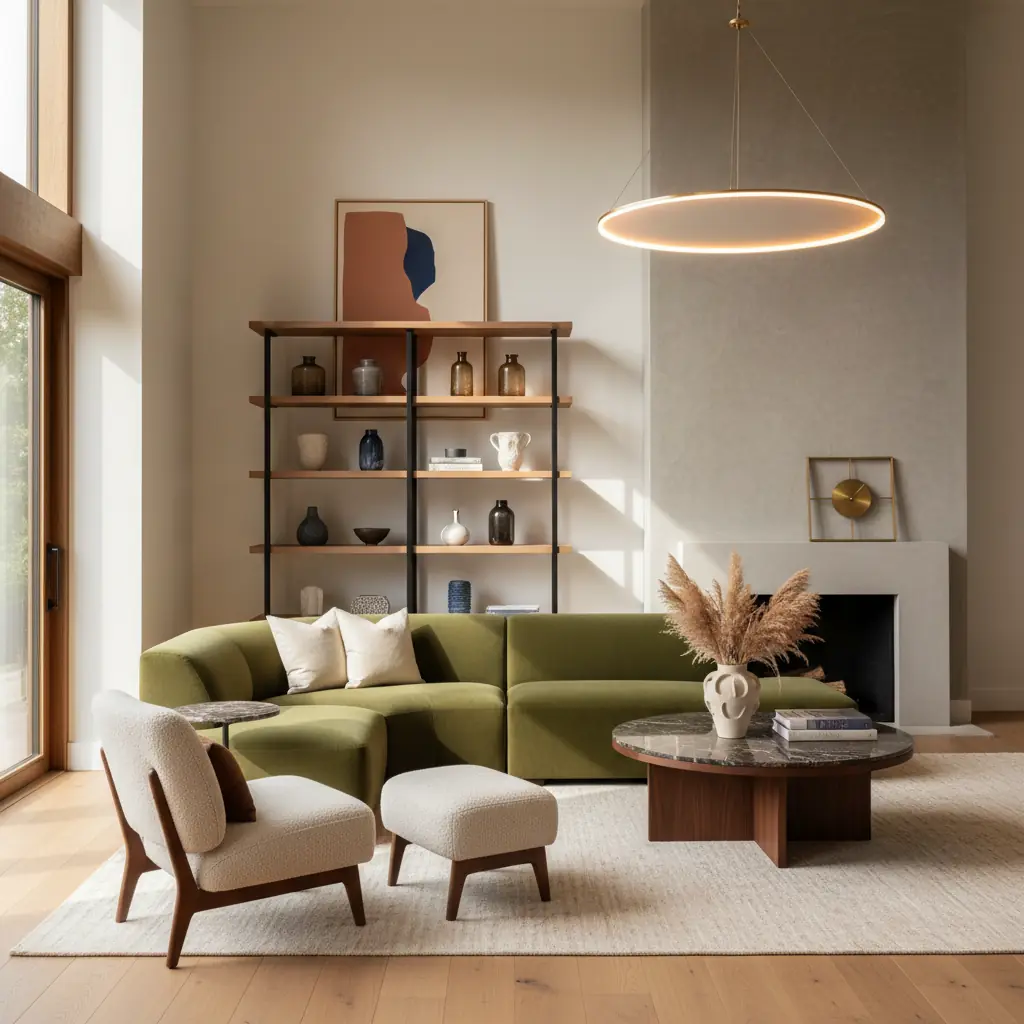
Why Does Strategic Furniture Investment Outperform a Full Matching Set?
The biggest furniture mistake people make is buying a complete matching set from one store at a middle-ground price point. This approach often leads to a room full of mediocre pieces that all age at the same rate, lacking individuality and looking more like a catalog page than a lived-in, curated home. The smarter, more sustainable strategy is investing in a few anchor pieces — the items you use every day or that significantly define the room visually — and saving aggressively on everything else.
An investment piece isn't just expensive furniture; it's a strategic purchase where the price difference between cheap and quality directly correlates with daily comfort, lasting durability, or profound visual impact. Consider the "cost per use" metric: a $2,000 sofa you sit on for 4 hours daily for ten years might cost less per hour of use than a $500 sofa that sags in two years and needs early replacement. Focus your budget where quality translates to tangible, everyday benefit and long-term value. This curated approach not only creates a more unique and personalized space but also supports a more sustainable lifestyle by reducing consumption and waste associated with 'fast furniture.' In fact, studies show that investing in quality furniture can extend the lifespan of your home furnishings by an average of 5-10 years, significantly reducing your environmental footprint.
1. What Makes a Sofa the Ultimate Room Anchor Investment?
A quality sofa is the cornerstone of any living room, designed to last 10-15 years or even longer with proper care. In stark contrast, a cheaply constructed sofa can begin to sag, creak, and show significant wear in just 2-3 years, making it a frustrating and ultimately more expensive purchase. The investment range of $1,500-$3,500 typically buys you a sofa built to endure.
**What to look for:**
- **Frame:** Insist on a kiln-dried hardwood frame (e.g., maple, oak, birch). Kiln-drying removes moisture, preventing warping and cracking. Look for frames joined with mortise-and-tenon, double dowels, or corner blocks that are glued and screwed. Avoid sofas with plywood, particleboard, or metal frames as their primary structure — these are prone to breaking down quickly. - **Cushions:** High-resilience (HR) foam with a density of 1.8+ lb/ft3 is ideal for seat cushions, often wrapped in Dacron or down for added softness. This combination offers excellent support and prevents premature sagging. Back cushions might use a softer foam or feather/down blend. - **Upholstery:** Performance fabrics (like Sunbrella, Crypton, or various microfibers) offer stain, fade, and wear resistance, making them perfect for active households. Top-grain or full-grain leather is another excellent, durable option that ages beautifully. Avoid bonded leather (a manufactured material that peels) and delicate fabrics like linen for high-traffic pieces. - **Spring System:** Look for an 8-way hand-tied spring system (the gold standard) or sturdy sinuous (S-shaped) springs. These provide durable support that won't sag.
**Brands worth examining at this range:** Article, Interior Define, Burrow, and Joybird for modern styles; Ethan Allen and Arhaus for more traditional or transitional aesthetics. Whenever possible, test sofas in person. Back support and seat depth are highly personal preferences that photos can't convey. Choose a neutral color (charcoal, navy, warm gray, camel) for timeless longevity, allowing you to easily update your room's personality with [ai color palette generator](/blog/ai-color-palette-generator) and throw pillows you can swap seasonally.
2. Why a High-Quality Mattress is Crucial for Well-being
You spend roughly a third of your life on your mattress, making it arguably the highest-ROI purchase in your entire home. The investment range of $800-$2,000 ensures quality materials and a construction designed for restorative sleep and long-term durability.
**What to look for:**
- **Materials:** Natural latex offers exceptional durability, responsiveness, and breathability. Individually wrapped coils provide targeted support and minimize motion transfer. Certified foams (like CertiPUR-US) ensure they are free from harmful chemicals. - **Warranty:** A meaningful warranty (10+ years) is a strong indicator of a manufacturer's confidence in their product. - **Trial Period:** Many reputable brands offer generous in-home trial periods (e.g., 100 nights), allowing you to truly test if the mattress is right for you.
Brands like Casper, Saatva, WinkBed, and Avocado consistently rank well in this range for their blend of comfort, support, and durability. Don't skimp here — consistent, quality sleep affects literally every other aspect of your physical and mental health. Studies have shown that poor sleep can decrease productivity by up to 30%, making a quality mattress a direct investment in your daily performance and well-being.
3. How to Choose a Dining Table That Lasts Generations
A solid dining table isn't just a place to eat; it's often the social center of your home, hosting family meals, celebrations, and even work sessions. Investing $600-$2,000 ensures you get a piece that can withstand daily use and look beautiful for decades.
**What to look for:**
- **Material:** Real hardwood (oak, walnut, maple, cherry) is the gold standard. These woods are dense, durable, and can be refinished multiple times. Quality engineered wood with a thick hardwood veneer is a good alternative, offering stability and the look of solid wood without the higher cost. - **Construction:** The table should feel heavy and stable. Examine the joinery — sturdy legs attached with bolts or solid mortise-and-tenon joints indicate quality. Wobble is a clear sign of poor construction or weak joinery. - **Finish:** A durable, multi-layer finish will protect the wood from spills and scratches. Matte or semi-gloss finishes tend to be more forgiving for daily wear. - **Avoid:** MDF (medium-density fiberboard) core tables with a thin veneer layer. These are highly susceptible to chipping, peeling, and water damage, often degrading quickly with regular use.
West Elm, Article, and Poly & Bark offer good mid-range options that balance style and durability. If your budget is tight, consider the timeless value of a vintage solid-wood table from a secondhand market for $200-$400. These often boast superior craftsmanship to new tables under $500 and carry a unique character.
4. Why an Ergonomic Desk Chair is Essential for Productivity and Health
If you work from home even part-time, a quality desk chair ($400-$800) is not an indulgence but a necessity that pays for itself in avoided back pain, improved posture, and increased focus. Prolonged sitting in an unsupportive chair can lead to chronic pain, which impacts productivity and overall quality of life.
**What to look for:**
- **Adjustability:** Key features include adjustable lumbar support (to match your spine's natural curve), seat depth adjustment (to ensure proper leg support), armrest height and width adjustment, and tilt tension/lock. - **Ergonomics:** The chair should support the natural S-curve of your spine and allow your feet to be flat on the floor with knees at a 90-degree angle. - **Materials:** Breathable mesh or quality fabric upholstery prevents heat buildup and offers comfort during long hours. High-quality casters and a stable base are also crucial.
The Herman Miller Aeron, Steelcase Leap, and Humanscale Freedom are widely considered the gold standards for ergonomic design. While new, they can be pricey, you can often buy them refurbished from reputable dealers like BTOD or Crandall Office for 40-60% off retail, making them a fantastic value investment. A cheap office chair will undoubtedly cost you more in chiropractor visits within two years than the investment in a truly supportive chair.
5. How Statement Lighting Transforms a Room's Atmosphere
Lighting is arguably the most transformative investment relative to its cost. A striking pendant light ($150-$500) over a dining table, or a sculptural floor lamp ($100-$300) in a living room, instantly elevates a space from generic to intentional, adding depth, warmth, and a focal point.
**What to look for:**
- **Design Impact:** Choose a fixture with a unique shape, material, or finish that complements your interior style. It should be a piece of art in itself. - **Quality of Light:** Consider the type of bulb (LED for efficiency and longevity), color temperature (warm white for coziness, cool white for task areas), and dimmer compatibility. - **Scale:** Ensure the size of the fixture is appropriate for the room and the furniture it illuminates. An oversized pendant can be a dramatic statement, but too small can get lost.
Brands like Schoolhouse, Cedar & Moss, and West Elm's mid-century collection offer enduring designs that stand the test of time. Instead of spreading your budget thinly across three mediocre fixtures, invest in one truly impactful statement piece per room. Utilize an AI tool like Habitas to test how different lighting placements and fixture styles affect a room's mood and functionality before purchasing, saving you from costly guesswork and ensuring your vision comes to life seamlessly.
6. The Enduring Value of a Quality Area Rug
A quality area rug ($300-$800 for an 8x10) does more than just decorate; it anchors furniture, adds warmth, dampens sound, and defines distinct zones in open floor plans. It's a tactile and visual cornerstone of a well-designed room.
**What to look for:**
- **Material:** Wool rugs are the gold standard — they're incredibly durable, naturally stain-resistant, flame-retardant, and feel luxurious underfoot. Jute and sisal offer natural texture for specific styles but can be less soft. Performance synthetic blends can be a good choice for high-traffic or pet-owner homes. - **Construction:** Hand-knotted rugs are the most durable and valuable, lasting generations. Hand-tufted or machine-made rugs are more affordable but have varying lifespans. Check for a dense pile and a sturdy backing. - **Size:** The rug should be large enough to at least fit the front two legs of all primary furniture pieces (e.g., a sofa and armchairs in a living room) to properly anchor the space.
Rugs USA, Loloi, and Ruggable (for excellent washability in high-traffic or pet-owner homes) are worth exploring. Avoid thin, low-pile polyester or polypropylene rugs that pill, flatten, and show wear within a year, becoming an eyesore rather than an asset. An estimated 60% of consumers regret purchasing a cheap rug due to its rapid deterioration and inability to stand up to daily life.
7. Selecting a Bed Frame That Defines Your Bedroom's Style
A bed frame ($400-$1,200) is more than just a support structure for your mattress; it sets the aesthetic tone for your entire bedroom. A well-chosen frame elevates the space and provides a sense of permanence and style.
**What to look for:**
- **Material & Construction:** Solid wood or quality metal frames last decades, resist creaking, and offer robust support. Look for sturdy joinery and a solid foundation for your mattress. - **Durability:** Avoid beds with flimsy slats that shift or platforms with thin MDF panels that can break or sag over time, compromising your mattress's integrity and your sleep quality. - **Style:** Consider how the frame's style (e.g., upholstered, platform, sleigh, four-poster) complements your desired bedroom aesthetic. The bed is typically the largest piece of furniture and the first thing you see in the room, so its visual presence matters disproportionately. - **Storage:** Some bed frames offer integrated storage solutions, which can be a valuable feature for smaller bedrooms, keeping the space clutter-free.
When planning a [bedroom redesign cost breakdown](/blog/bedroom-redesign-cost-breakdown), remember that the bed frame is a foundational element that impacts both aesthetics and comfort.
8. Why a Sturdy Bookshelf is Both Storage and Statement Art
For bookshelves ($200-$600), opt for solid wood or steel-frame designs over particleboard or thin laminate. A well-styled bookshelf doubles as both essential storage and a personal art installation, making it one of the few functional pieces that also serves as a focal point in a room.
**What to look for:**
- **Material Strength:** Books are heavy! Shelves need to be robust enough to prevent sagging over time. Solid wood (pine, oak) or thick, powder-coated steel are excellent choices. - **Stability:** A wide, stable base and potential wall-anchoring options are crucial, especially for tall units. - **Design:** Consider open shelving for a minimalist look, or units with integrated drawers/cabinets for hidden storage. The style of the bookshelf should align with your home's overall aesthetic. - **Adjustability:** Adjustable shelves offer versatility for displaying items of various heights, from large art books to small decorative objects.
This is an opportunity to express your interests and add character, showcasing your personality through your book collection, travel mementos, and cherished objects.
9. The Accent Chair: A Design Moment That Elevates Your Space
An accent chair ($300-$800) adds a unique design moment that a cohesive matching sofa set simply cannot achieve. It's an opportunity to introduce visual interest, a pop of color, or an intriguing silhouette, creating a layered and thoughtful interior.
**What to look for:**
- **Design & Form:** Look for interesting shapes, unique leg designs, or an unexpected material combination. This is where you can truly express more personality — a bold color or a distinctive silhouette in the accent chair contrasts beautifully against a neutral sofa. - **Quality Upholstery:** Just like with a sofa, prioritize durable, attractive fabrics or leathers that will hold up to occasional use. - **Solid Construction:** Press on the arms, check the legs — the frame should feel solid and stable, indicating good craftsmanship. - **Comfort:** While it might not be your primary lounging spot, an accent chair should still be comfortable enough for reading or conversation.
An accent chair can be a powerful tool for [awkward room shape solutions](/blog/awkward-room-shape-solutions) by drawing the eye and providing an additional functional zone.
10. A Quality Dresser: Beyond Just Storage
A quality dresser ($400-$1,000) in solid wood replaces the ubiquitous IKEA MALM that everyone owns and instantly gives your bedroom a grown-up, finished feel. It’s a piece that combines significant storage with aesthetic appeal.
**What to look for:**
- **Material:** Solid wood (e.g., pine, oak, mahogany) is superior, offering durability and the ability to be refinished if desired. Veneered plywood can be a good compromise if the veneer is thick and the core is stable. - **Drawer Construction:** Look for dovetail or dado joints on drawer boxes, which are much stronger and more durable than simple staples or glue. Drawers should glide smoothly on full-extension metal glides. - **Hardware:** Quality hardware (knobs, pulls) not only enhances the aesthetic but also endures daily use without breaking or tarnishing. - **Finish:** A durable, even finish protects the wood and resists scratches.
### And What to Save On Instead
Aggressively saving on non-essential or less-used items allows you to free up budget for your crucial investment pieces. Here’s where you can smartly cut costs without compromising your overall design:
- **Side Tables and Coffee Tables:** These bear little weight and take minimal wear compared to a sofa or dining table. Secondhand finds, upcycled pieces, or even stylish IKEA options are perfectly fine here. Their function is primarily supportive, not foundational. - **Decorative Accessories:** Think throw blankets, small vases, picture frames, and trinkets. Target, H&M Home, thrift stores, and even dollar stores offer stylish, budget-friendly options that can be swapped out frequently to refresh your decor. - **Throw Pillows:** These are excellent for adding seasonal color, texture, and personality. Instead of expensive designer pillows, buy covers from affordable retailers (e.g., Etsy, Amazon, H&M Home) and reuse inserts. You can swap them seasonally for $50-$100, dramatically altering a room's mood. - **Curtains:** While good curtains can elevate a room, custom drapes are a huge expense. IKEA's linen or cotton curtains at $30-$50/pair often look incredibly chic and expensive when properly hung high and wide. Ready-made options from places like Wayfair or Amazon also offer great value. - **Anything in a Kid's Room:** Children grow, and their tastes change quickly. Invest in sturdy, versatile basics (like a simple dresser that can transition to an adult's room) but save on trendy decor, play tables, and other items they'll outgrow or out-play in a few years. - **Wall Art:** Original art can be costly. Instead, explore printable art from Etsy, digital downloads, framed posters, or create your own DIY pieces. Secondhand stores are also treasure troves for unique framed art.
By strategically allocating your budget, you create a home that is both beautiful and functional, filled with pieces that bring lasting joy and comfort. Before making any significant purchase, remember that using an AI tool like Habitas to visualize how a piece will look in your specific room takes mere minutes and can prevent a costly purchase you'd regret. This simple step can save you countless hours and thousands of dollars in returns or redesigns.
Frequently Asked Questions
### How do I spot quality furniture if I'm not an expert?
Beyond specific material and construction checks, a good rule of thumb is to trust your senses.
1. **Feel the Weight:** Quality pieces are generally heavy. Pick up or try to move furniture; if it feels surprisingly light or flimsy, it's likely made with lower-quality materials like particleboard. 2. **Examine the Finish:** Look for an even, smooth finish without drips, bubbles, or rough patches. On wood, the grain should be visible and consistent. 3. **Check Joinery:** For wood pieces, look for traditional joinery like dovetails (for drawers), mortise-and-tenon, or dowels. Avoid visible staples, nails, or excessive glue. 4. **Test Stability:** Push, pull, and sit on the piece. It should feel solid, not wobbly or creaky. Cushions should spring back quickly. 5. **Research Brands:** Familiarize yourself with brands known for quality in your price range. Online reviews and interior design forums can be helpful resources.
### What is the average lifespan of quality investment furniture compared to cheap alternatives?
The lifespan varies significantly by piece and material. A quality investment sofa, made with a kiln-dried hardwood frame and high-resilience foam, can last 10-15 years, possibly longer. A cheap sofa, often made with plywood or particleboard and low-density foam, might only last 2-4 years before significant sagging or structural issues. Similarly, a solid wood dining table can last for generations, while a veneer-over-MDF table might show severe wear or damage within 5 years. The upfront cost difference is often amortized over a much longer period, resulting in a lower "cost per year" for investment pieces.
### Can AI-powered tools like Habitas really help me make better furniture investment decisions?
Absolutely. AI tools like Habitas are invaluable for visualizing how potential investment pieces will look and fit within your existing space _before_ you commit to a purchase. You can upload a photo of your room and experiment with different furniture styles, sizes, and colors, seeing realistic renderings. This capability significantly reduces the risk of making expensive mistakes due to misjudging scale, color, or overall aesthetic impact. It essentially provides a virtual design consultation in minutes, potentially saving you thousands in returns, restocking fees, or professional design costs. Discover more about how this works by exploring [ai interior design how it works](/blog/ai-interior-design-how-it-works).
### Is it worth investing in quality furniture if I rent or plan to move frequently?
Even if you rent or anticipate moving, investing in quality furniture can be a smart decision. High-quality pieces are built to withstand disassembly and reassembly better than cheap furniture, which often degrades with each move. They also maintain their value better, meaning you can often resell them for a significant portion of their original price if your style changes or you truly need to downsize. Moreover, investing in a few key pieces that you genuinely love can make any temporary space feel more like "home," improving your daily comfort and well-being regardless of your living situation. Consider pieces that are versatile and can adapt to different room layouts and styles, such as a timeless sofa or a classic dining table.
### What are common mistakes people make when trying to buy investment furniture?
A common mistake is confusing "expensive" with "quality." Not all high-priced furniture is built to last. Another pitfall is neglecting to research construction details (frame, joinery, cushioning for upholstered pieces; wood type and finish for case goods). People often prioritize aesthetics over comfort or durability, leading to beautiful but ultimately impractical pieces. Lastly, failing to measure their space accurately or to visualize the piece within their home (which is where Habitas comes in handy!) can lead to awkward sizing and mismatched proportions, turning an investment into a regrettable purchase. By focusing on fundamental quality indicators and utilizing visualization tools, you can avoid these common traps.