Home Office Setup Costs 2026: Budget, Functional, & Premium Guide
How much it costs to set up a home office in 2026 — from a $300 starter kit to a $3,000+ premium workspace, covering all essential elements.
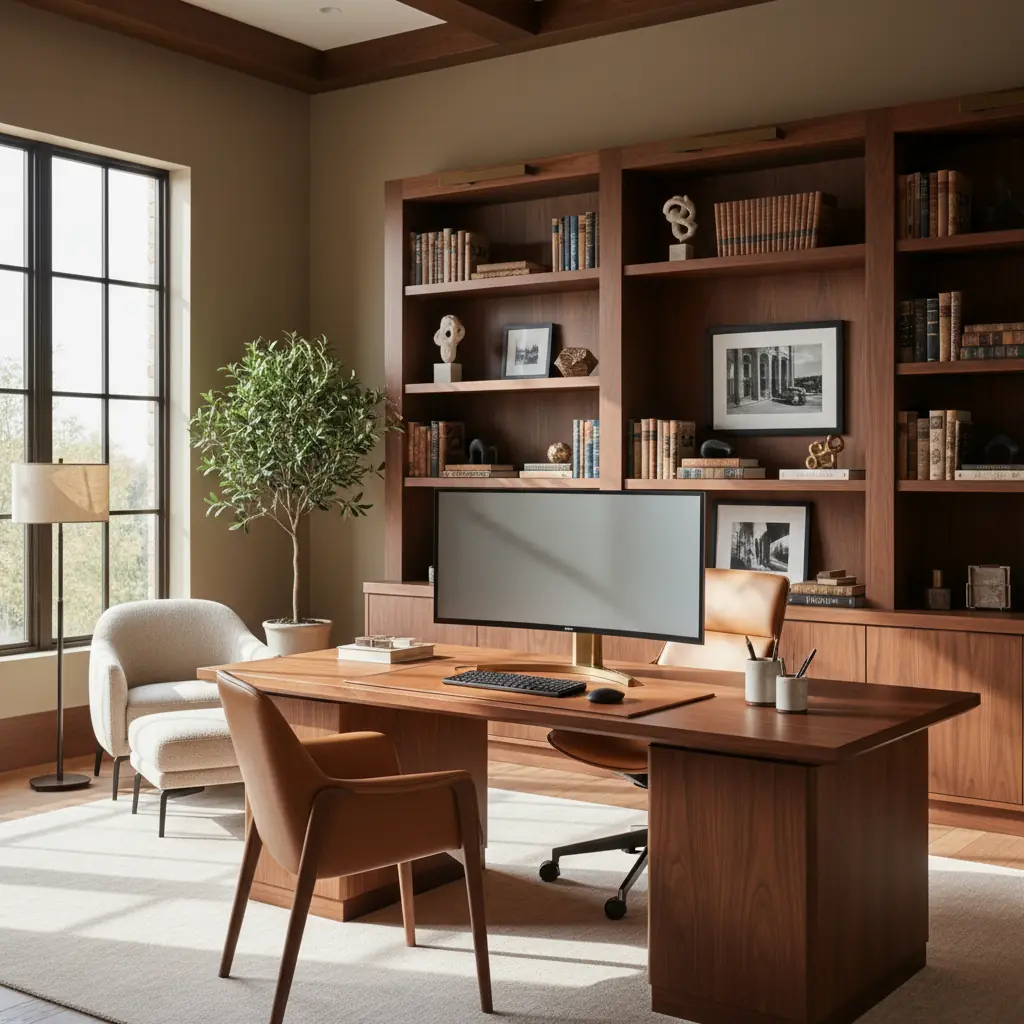
Why your home office setup matters in 2026
Remote and hybrid work is no longer a pandemic experiment — it is the default for millions of knowledge workers across the globe. By 2026, it's projected that over 36.2 million Americans will be working remotely, a staggering 87% increase compared to pre-pandemic levels. This widespread shift underscores the critical importance of a dedicated, well-designed home office. Such a space directly impacts your productivity, fosters better posture, and creates a crucial mental separation between your professional and personal life.
Yet, despite this paradigm shift, many professionals still find themselves working from kitchen tables, couches, or cramped corners with inadequate lighting and no ergonomic support. This can lead to decreased focus, chronic pain, and blurred boundaries that impact overall well-being. The good news is that achieving a functional and comfortable home office doesn't require a massive upfront investment. The key is to prioritize the items that most affect your health and productivity — your ergonomic chair, proper monitor positioning, and sufficient lighting — and spend less on aesthetics that can be upgraded over time.
How much does a basic home office cost? The $300 starter setup
A $300 budget covers the absolute essentials and nothing more, focusing on fundamental ergonomics to prevent strain. With careful planning and some DIY spirit, you can establish a surprisingly functional workspace.
**Key Investments for the $300 Tier:**
- **Desk ($80 - $120):** Look for robust, entry-level options. The IKEA Lagkapten/Adils combination (a popular choice for its simplicity and affordability) or a secondhand desk found on marketplaces like Facebook Marketplace or Craigslist are excellent starting points. Consider upcycling an old dining table or even a sturdy console table if you already own one. The goal is a stable, appropriately sized surface. - **Chair ($80 - $120):** This is where you should allocate a significant portion of your budget. While a top-tier ergonomic chair is out of reach, you can find surprisingly supportive options. The IKEA Markus is a widely recommended budget task chair known for its high back and decent lumbar support. Alternatively, explore refurbished office chairs from liquidators or office supply stores, where you might find a gently used mid-range model at a steep discount. Focus on adjustable seat height and basic lumbar support. - **Lighting ($30 - $50):** A good desk lamp with adjustable brightness is crucial for reducing eye strain. LED models are energy-efficient and offer various light temperatures. Look for lamps with flexible arms to direct light precisely where needed. - **Monitor Riser/Laptop Stand ($30 - $50):** This is non-negotiable for good posture. A laptop stand or monitor riser brings your screen to eye level, preventing neck and shoulder strain. You can find inexpensive plastic or metal stands, or even stack sturdy books temporarily.
At this tier, it's wise to skip luxury items like standing desks or premium ultrawide monitors. Your primary focus should be on maintaining good posture: ensure your screen is at eye level, your feet are flat on the floor (or on a footrest), and your wrists are neutral while typing. A simple $10 keyboard wrist rest and proper screen height can prevent more health issues than a $1,500 chair used incorrectly.
**Upgrade Tip:** If you already own a suitable desk and chair, redirect that portion of your budget toward a quality external monitor ($150 - $250 for a 24-inch IPS panel). This is arguably the single biggest productivity upgrade for anyone primarily working from a laptop, significantly increasing screen real estate and reducing eye fatigue.
Building a professional setup: The $1,000 functional workspace
Stepping up to a $1,000 budget allows you to build a workspace that not only feels genuinely professional but also significantly enhances long-term comfort and productivity. This tier focuses on integrating more advanced ergonomics and quality components that offer better durability and user experience.
**Key Investments for the $1,000 Tier:**
- **Sit-Stand Desk ($200 - $350):** This is a game-changer for many. Options like the FlexiSpot E7 or IKEA Uppspel offer motorized height adjustment, allowing you to easily switch between sitting and standing throughout the day. This simple change can reduce the health risks associated with prolonged sitting and boost energy levels. - **Ergonomic Chair ($250 - $400):** A quality ergonomic chair provides comprehensive adjustability and superior support. Look for models like the HON Ignition 2.0, Branch Ergonomic Chair, or a refurbished Steelcase Leap. These chairs offer multiple adjustments for lumbar support, armrests, seat depth, and tilt tension, allowing you to fine-tune your seating position for optimal comfort and posture. Investing in ergonomic equipment can reduce musculoskeletal injury rates by up to 59%, making a strong case for this expenditure. - **Monitor ($150 - $250):** A larger 27-inch monitor provides ample screen real estate for multitasking. Focus on IPS panels for better color accuracy and viewing angles, crucial for visual tasks. - **Monitor Arm ($50 - $80):** A monitor arm frees up valuable desk space and allows for precise positioning of your screen, including height, tilt, swivel, and rotation. This flexibility is key to maintaining proper eye-level ergonomics, regardless of your sitting or standing posture. - **Lighting ($80 - $120):** Beyond a primary desk lamp, consider a bias light (LED strip) placed behind your monitor. This soft ambient light reduces the contrast between your screen and the surrounding environment, significantly decreasing eye strain, especially during long hours. - **Accessories ($50 - $150):** This budget covers crucial organizational elements and minor comforts: - **Cable Management ($20 - $30):** A cable tray mounted under the desk and a set of velcro ties will keep your workspace tidy, prevent tangled wires, and make cleaning easier. - **Quality Mousepad ($20 - $30):** A large, comfortable mousepad (perhaps with wrist support) can make a surprising difference in long-term comfort. - **Organizational Accessories:** A desk shelf, drawer unit, or even simple pen holders and file organizers can keep your essentials within reach and your desk clutter-free. Tools like an [AI furniture arrangement tool](/blog/ai-furniture-arrangement-tool) can help you visualize how these elements fit into your space before you buy.
This setup mirrors what you would typically find in a well-equipped corporate office, offering a solid foundation for consistent productivity and long-term health.
The $3,000+ premium office: Investing in longevity and peak performance
A premium home office is an investment in furniture and equipment designed for exceptional performance, durability (five to ten years or more), and an aesthetic that genuinely inspires. This tier isn't just about functionality; it's about creating an environment you genuinely want to work in, day after day.
**Key Investments for the $3,000+ Tier:**
- **Premium Sit-Stand Desk ($500 - $900):** The centerpiece of a premium office, these desks boast superior build quality, whisper-quiet motors, greater stability at height, and often come with programmable presets. Brands like Fully Jarvis, Uplift V2, or a custom butcher-block top on a high-end motorized frame offer both functionality and sophisticated design. - **Premium Ergonomic Chair ($800 - $1,500):** This is the ultimate investment in your health and comfort. Chairs like the Herman Miller Aeron, Steelcase Leap, or Humanscale Freedom are engineered for extensive adjustability and long-term support, often backed by impressive warranties. They adapt to your body's movements, reducing pressure points and preventing chronic pain. Back pain is a leading cause of disability worldwide, with healthcare costs and lost productivity estimated to be over $100 billion annually in the US alone; a top-tier chair can be a powerful preventative measure. - **High-Resolution Monitor(s) ($400 - $700):** Upgrade to a large 32-inch 4K monitor for exceptional clarity and screen real estate, or an ultrawide monitor for immersive multitasking. Many professionals opt for a dual-monitor setup to maximize productivity. - **Premium Monitor Arm ($100 - $150):** A robust monitor arm can support heavier, larger monitors with effortless adjustment, ensuring precise ergonomic positioning. - **Quality Webcam and Microphone ($100 - $200):** For frequent video calls, a dedicated webcam (e.g., Logitech Brio) and an external microphone (e.g., Blue Yeti or Rode NT-USB Mini) significantly improve your audio and video quality, making a professional impression. - **Acoustic Management ($100 - $300):** If noise is an issue, consider acoustic panels for walls or ceiling, or a stylish room divider to create a quieter, more focused zone. This is particularly important for those in open-plan homes or apartments. - **Dedicated Task and Ambient Lighting ($150 - $300):** Beyond a simple desk lamp, integrate a more sophisticated lighting scheme. This might include a smart desk lamp with tunable white light, smart bulbs for ambient room lighting, and perhaps an LED light bar for monitor backlighting. - **Personalization & Comfort ($250 - $500+):** This remaining budget transforms a functional space into a personal sanctuary. - **Shelving & Storage:** Custom or modular shelving units keep books, files, and personal items organized and displayed elegantly. - **Art & Decor:** Thoughtfully chosen artwork, sculptural pieces, or decorative objects reflect your personality and inspire creativity. - **Plants:** Incorporating plants (see our guide on [best plants for interior design](/blog/best-plants-for-interior-design)) adds life, improves air quality, and has been shown to reduce stress by up to 37%. - **Ergonomic Accessories:** Consider a high-quality balance board or anti-fatigue mat for your standing desk, or an advanced keyboard and mouse tailored to your needs. - **Smart Home Integration:** Integrate smart plugs for lighting or a smart thermostat for temperature control to optimize your environment effortlessly.
A well-designed office space can boost productivity by up to 20% and reduce errors by 10%, highlighting the tangible return on investment for a premium setup. This is a space designed for long-term comfort, focus, and personal expression.
Beyond the basics: Essential peripherals and hidden costs
While the core furniture and tech are critical, a truly functional home office often involves additional, sometimes overlooked, expenses. Budgeting for these ensures your setup is truly complete and hassle-free.
- **Internet Connection Upgrade:** If you're sharing bandwidth with a household, a faster, more reliable internet plan might be necessary to support video calls and cloud-based work without interruption. This could be an extra $20-$50 per month. - **Power Management:** Invest in quality surge protectors to protect your valuable electronics. For critical work, a UPS (Uninterruptible Power Supply) can provide battery backup during power outages, preventing data loss – expect to pay $70-$200. - **Storage Solutions (Digital & Physical):** Beyond physical drawers, consider cloud storage subscriptions (e.g., Dropbox, Google Drive) or external hard drives for local backups. Physical filing cabinets or attractive storage boxes are essential for documents. - **Software and Subscriptions:** Factor in costs for productivity software, specialized applications, VPNs, or collaboration tools not covered by your employer. - **Office Supplies:** Pens, paper, printer ink (if you have a printer), notebooks, sticky notes – these small costs add up. - **Security:** A secure lock for your office door if sensitive documents are stored, or even a shredder for confidential papers. - **Utilities:** A dedicated home office may slightly increase your electricity bill, especially if you add more monitors, powerful computers, or specific heating/cooling for that space.
Tax deductions and the ROI of ergonomic investments
If you are self-employed, a freelancer, or run a business from your home office, many furniture and equipment purchases are typically tax-deductible as business expenses. For 2026, the simplified home office deduction allows you to deduct $5 per square foot, up to a maximum of 300 square feet ($1,500 maximum). The regular method, while more complex, allows you to deduct actual expenses (like a portion of rent, utilities, insurance, and depreciation) proportional to your office's percentage of your home's total square footage. Consult with a tax professional to understand which method is best for your situation.
Beyond the financial incentives, ergonomic investments offer a profound return on investment in your health and well-being. A quality chair prevents chronic back pain, a properly positioned monitor prevents neck strain and headaches, and a sit-stand desk reduces the health risks associated with prolonged sitting, such as cardiovascular disease and type 2 diabetes. Access to natural light has been shown to improve mood and cognitive performance by 15%. If you can only invest in one premium item for your home office, make it the chair — your back will thank you for years, potentially saving you significant medical costs and lost productivity in the long run.
Designing your office for productivity and well-being with Habitas
Beyond the tangible furniture and tech, the thoughtful design of your office space profoundly impacts your focus, creativity, and overall well-being. It's not just about what you buy, but how you arrange and personalize it.
- **Natural Light Optimization:** Position your desk to face a window if possible. Natural light reduces eye strain, improves mood, and helps regulate your circadian rhythm. If natural light is limited, use a daylight-temperature desk lamp (5000K to 6500K) during work hours to mimic natural light and boost alertness. Switch to warm light (2700K to 3000K) in the evening to prepare your body for rest. - **Color Psychology:** Colors can dramatically influence mood and productivity. Greens and blues can evoke calmness and focus, while hints of yellow or orange might stimulate creativity. Consider a [biophilic design guide](/blog/biophilic-design-guide) for integrating natural colors and elements. - **Decluttering and Organization:** A clean, organized workspace reduces mental clutter and improves focus. Incorporate smart storage solutions and make it a habit to tidy up at the end of each workday. - **Personal Touches:** Surround yourself with items that inspire you – plants, framed photos, artwork, or meaningful trinkets. These elements make the space uniquely yours and contribute to a positive work environment. - **Flow and Zoning:** Even in a small space, consider how you can create different "zones" – a work zone, a relaxation zone (even just a comfortable armchair), and a storage zone. This mental and physical separation helps with focus.
Before making significant purchases, visualize different layouts and styles for your home office. Tools like Habitas leverage AI to transform your actual room photo with various interior design styles, furniture arrangements, and color palettes. Seeing your actual space transformed with a mid-century desk, wall-mounted shelves, and warm lighting versus a minimalist Scandinavian setup helps you commit to a direction that matches both your work needs and your personal aesthetic. This foresight prevents the common issue of slowly accumulating mismatched furniture that many home offices suffer from, ensuring your investment is cohesive and optimized from day one. Our [AI-generated room designs](/blog/ai-generated-room-designs-realistic) provide realistic previews, saving you time and money.
Frequently Asked Questions
### What's the most important item to invest in for a home office, regardless of budget?
Without a doubt, the most critical investment for any home office is an ergonomic chair. While a high-end model is ideal, even a budget-friendly chair with good lumbar support and adjustable height will make a significant difference. Your chair directly impacts your posture, comfort, and long-term spinal health. After the chair, a properly positioned monitor (at eye level) is the next priority to prevent neck and eye strain.
### Can I really set up a functional home office for just $300?
Yes, it is entirely possible to set up a functional home office for $300, but it requires careful budgeting and prioritizing essentials. Focus on a basic but stable desk, a supportive task chair (even if secondhand), adequate task lighting, and a way to elevate your monitor or laptop to eye level. You'll likely need to be resourceful with finding deals and potentially using items you already own. The emphasis is on fundamental ergonomics over advanced features or aesthetics.
### How does an AI interior design platform like Habitas help with home office planning?
Habitas simplifies home office planning by allowing you to visualize design changes on your actual room photos using AI. Instead of guessing how a new desk, chair, or color scheme might look, you can upload a photo of your space and instantly generate various design concepts. This includes different furniture arrangements, style applications (e.g., minimalist, mid-century modern), and even [AI color palette generator](/blog/ai-color-palette-generator) suggestions. This helps you make informed decisions, ensuring your purchases fit your space and aesthetic preferences before you spend any money, preventing costly mistakes and mismatched elements.
### Is a standing desk worth the investment for a home office?
For many, a standing desk is absolutely worth the investment, especially if you spend long hours working. It allows you to easily switch between sitting and standing, which can alleviate back pain, improve circulation, boost energy levels, and reduce the health risks associated with prolonged sitting. While it's a larger upfront cost, the long-term health benefits and potential increase in productivity often outweigh the expense. Even a $1,000 budget can comfortably include a good quality sit-stand desk.
### Are home office expenses still tax-deductible in 2026?
Yes, home office expenses are generally still tax-deductible in 2026 for qualifying individuals, particularly self-employed individuals or business owners using a dedicated space exclusively and regularly for business. The IRS offers a simplified option ($5 per square foot up to 300 square feet) or a regular method based on the percentage of your home's square footage used for business. However, W-2 employees working remotely are typically not eligible for the home office deduction. Always consult a tax professional for personalized advice specific to your situation.