Budget Room Redesign: Transform Your Space Affordably in 2026
Practical strategies to transform any room without breaking the bank.
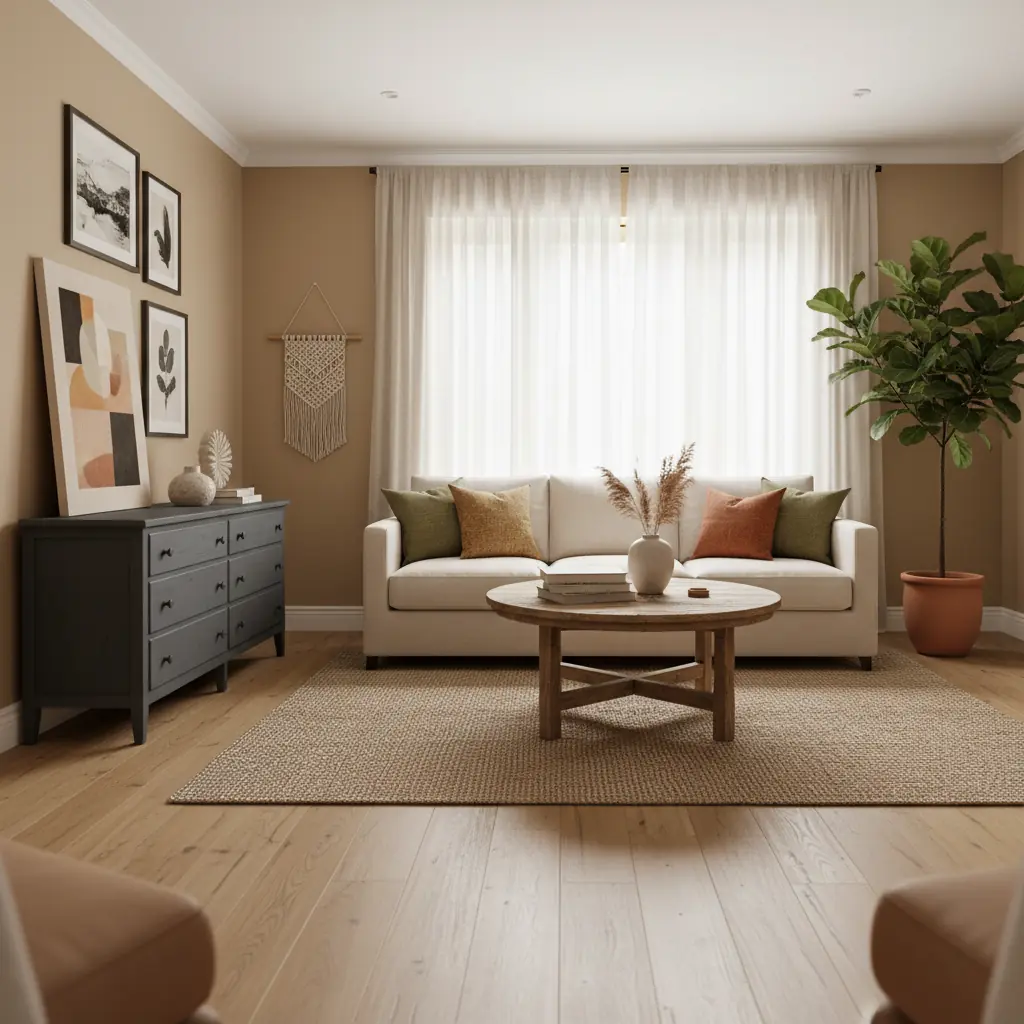
You Do Not Need $10K to Transform a Room: The Truth About Budget Design
The interior design industry often promotes aspirational, high-budget transformations, but here’s a dirty secret: most of the truly impactful changes in any room makeover come from strategic adjustments that cost under $500. We're talking about the foundational elements like paint, intentional lighting, and textile swaps. These core changes account for roughly 80% of a room's aesthetic transformation – and none of them require a contractor or a substantial financial outlay.
The real skill in budget design isn't about spending less; it's about knowing which changes deliver the highest visual impact per dollar. This is where modern tools shine. AI design platforms like Habitas empower you to visualize the outcome of your design choices _before_ you spend a single cent. This eliminates guesswork, prevents costly mistakes, and ensures every dollar you invest goes towards changes that genuinely matter and align with your vision. This efficiency can save homeowners an average of **$500-$1000** on unnecessary purchases or re-dos during a typical room refresh.
In this comprehensive guide, we'll dive deep into the most effective, budget-friendly strategies to give any room a stunning makeover in 2026, proving that good design is accessible to everyone.
Paint: The Unrivaled Highest ROI Change in Any Room
If there's one single element that can completely revolutionize a room's mood and perceived size, it's paint. A gallon of premium paint typically costs between $40-$60, yet its transformative power far exceeds this modest investment. This makes it arguably the highest return-on-investment (ROI) change you can make.
### Strategic Paint Applications for Maximum Impact:
- **Color Psychology and Mood:** White walls are a classic for making small rooms feel larger, brighter, and more open. Conversely, a deep, rich accent wall can create an instant focal point, adding drama and sophistication without overwhelming the space. Consider painting the wall behind your bed in a bedroom or the longest wall in a living room. - **Beyond the Walls:** Don't limit your paint brush to just the main walls. - **Trim and Doors:** Painting just the trim in a contrasting color (or even refreshing existing white trim) can make a room feel crisper and more defined. Painting an interior door a bold color adds an unexpected pop. - **Ceilings:** A light-colored ceiling typically lifts the room, while a darker shade can create intimacy, especially in larger spaces. For a truly unique look, consider [color drenching](/blog/color-drenching-technique), where walls, trim, and even the ceiling are painted the same color for an immersive effect. - **Furniture Refurbishment:** An old dresser or bookshelf can get a new lease on life with a fresh coat of paint. This is an excellent way to introduce color and personalize a hand-me-down piece. - **Choosing the Right Finish:** - **Matte/Flat:** Best for ceilings and low-traffic areas, hides imperfections well, but less durable. - **Eggshell/Satin:** Most popular for walls, offers a subtle sheen, good durability, and easy to clean. - **Semi-Gloss/Gloss:** Ideal for trim, doors, and high-traffic areas due to its durability and easy-to-wipe surface. - **Leveraging AI for Color Confidence:** The most common (and most expensive) mistake in budget redesigns is choosing the wrong paint color. What looks good on a swatch can appear drastically different on your walls, influenced by natural and artificial light. Using an AI design tool, like the one offered by Habitas, allows you to instantly test hundreds of colors on an actual photo of your room. Seeing warm gray versus cool gray, or a bold blue versus a muted green, on _your specific walls_, in _your specific lighting conditions_, eliminates doubt and ensures you buy the right gallon the first time. You can even explore various [AI color palette generator](/blog/ai-color-palette-generator) options to find unexpected combinations that perfectly suit your style.
Lighting: The Instant Atmosphere Upgrade
Lighting is perhaps the most underrated and underutilized tool in budget design, yet it has an unparalleled ability to dictate a room's mood, perceived size, and overall sophistication. Swapping a single outdated light fixture, which can cost anywhere from $50-$150, can completely transform the character of a room.
### Types of Lighting and How to Use Them:
- **Ambient Lighting:** This is your general, overall illumination. Replacing builder-grade flush mounts with a more stylish statement pendant or semi-flush mount instantly elevates a space. Consider softer, diffused light sources to create a welcoming glow. - **Task Lighting:** Focused light for specific activities. Adding a stylish table lamp next to a sofa for reading, or a desk lamp in a home office, enhances functionality while contributing to the aesthetic. - **Accent Lighting:** Used to highlight specific features, like artwork or architectural details. While often seen in higher-end designs, even a simple floor lamp with an adjustable head can serve this purpose on a budget. - **The Power of Dimmers:** Installing dimmer switches (an easy DIY for most homeowners, costing $15-$30 per switch) provides instant mood control. You can shift from bright, functional light to soft, intimate ambiance with the flick of a switch. - **Bulb Temperature Matters:** Pay attention to the Kelvin (K) rating on light bulbs. Warm-toned bulbs (2700K-3000K) create a cozy, inviting atmosphere, ideal for living rooms and bedrooms. Cooler tones (3500K-5000K) are better for task-oriented areas like kitchens or home offices where brighter, more stimulating light is preferred. A room with great furniture but bad, harsh lighting often looks cheap, whereas a room with modest furniture but intentional, layered lighting looks expensive and well-designed.
Textiles: The Quick-Change Artist for Texture and Warmth
Textiles are the unsung heroes of instant room transformations. They are the elements that bring color, pattern, and texture into a space, making it feel designed rather than merely furnished. New throw pillows ($20-$40 each), a strategically sized rug ($100-$300), and updated curtains ($50-$100) can collectively transform a room in a single afternoon.
### Mastering Textile Selection:
- **Pillows and Throws:** These are your most accessible tools for introducing new colors, patterns, and textures. Don't be afraid to mix patterns, but keep a common thread – usually one or two dominant colors – to maintain cohesion. Consider varying sizes and shapes for visual interest. - **Rugs:** A rug defines a space, adds warmth, and absorbs sound. The biggest mistake people make is buying a rug that's too small. For a living room, ensure at least the front two legs of your main seating furniture rest on the rug. For dining rooms, chairs should remain on the rug even when pulled out. Large rugs can be pricey, but look for end-of-season sales, online retailers, or even outdoor rugs that can be surprisingly durable and stylish indoors. - **Curtains and Drapes:** These can dramatically alter the perceived height and coziness of a room. Hang curtains high and wide – close to the ceiling and extending beyond the window frame – to make windows appear larger and ceilings taller. Sheer curtains offer privacy while maximizing natural light, while thicker drapes provide insulation and a sense of luxury. - **Beyond the Basics:** Don't forget other textiles like bedding (a new duvet cover can refresh a bedroom), tablecloths, or even decorative tea towels in a kitchen. - **Cohesive Color Palette:** The secret to making diverse textiles look pulled-together, not haphazard, is sticking to a cohesive color palette. Choose two to three primary colors and repeat them across different elements. For example, if your dominant color is a muted blue, ensure your rug has hints of blue, your throw pillows feature various shades of blue, and perhaps your artwork echoes this tone. This thoughtful repetition creates a harmonious and sophisticated look that costs hundreds, not thousands. For inspiration, check out our guide on [color schemes for living rooms](/blog/color-schemes-for-living-rooms).
Furniture: Edit Before You Buy and Invest Wisely
Before you even consider buying new furniture, embark on a crucial first step: editing your existing pieces. Removing clutter and unnecessary items is not only free but immediately makes a room feel more spacious, intentional, and designed. That accent table nobody truly uses, the extra chair crowding a corner, the bookshelf overflowing with random objects – clear it out. This simple act of decluttering can increase a home's perceived value by **up to 10%** and helps homeowners visualize the potential of a room.
### Smart Furniture Strategies:
- **Declutter Ruthlessly:** Adopt a "less is more" philosophy. Store items that don't serve a purpose or bring joy. Organize what remains. A clean, uncluttered room inherently feels more luxurious and peaceful. - **Rearrange and Repurpose:** Before purchasing, experiment with rearranging your current furniture. A sofa on a different wall, or a dresser moved to serve as a console table, can entirely alter a room's flow and function. Check out our [AI furniture arrangement tool](/blog/ai-furniture-arrangement-tool) for instant layout ideas. - **Thrift and DIY:** Scour local thrift stores, consignment shops, and online marketplaces for hidden gems. An old wooden piece with good bones can be transformed with paint, new hardware, or even just a good sanding and staining. This is a fantastic way to acquire unique pieces with character on a shoestring budget. - **Invest in One Statement Piece:** When you _do_ decide to buy something new, prioritize quality over quantity. Instead of several cheap, flimsy items, invest in one beautiful, well-designed statement piece. This could be a striking coffee table, a comfortable armchair, or a unique shelving unit. A strong anchor piece elevates everything around it, making the entire room feel more considered and expensive. This investment doesn't have to break the bank if you shop smart; look for sales or floor models. - **Multi-functional Furniture:** In smaller spaces, prioritize items that serve more than one purpose – an ottoman with storage, a sofa bed, or nesting tables.
Beyond the Core Four: Small Details, Big Impact
While paint, lighting, textiles, and smart furniture are the heavy-hitters, several other budget-friendly elements can round out your room transformation and add layers of personality and polish.
### Greenery: Bringing Life Indoors
Introducing plants is one of the most cost-effective ways to add freshness, texture, and a sense of calm to any space. Plants purify the air, add vibrant color, and literally bring life into a room.
- **Budget-Friendly Options:** Look for affordable plants like Pothos, Snake Plants, ZZ Plants, or Spider Plants, which are also very forgiving for beginner plant parents. - **Strategic Placement:** Place larger plants in empty corners to fill space, or smaller ones on shelves and tables for visual interest. - **Stylish Planters:** Even a cheap plant can look high-end in a beautiful pot. Thrift stores often have unique ceramics, or you can paint basic terracotta pots. For more ideas, explore our guide on [best plants for interior design](/blog/best-plants-for-interior-design).
### Art & Decor: Personality on a Budget
Don't underestimate the power of carefully chosen art and decorative objects.
- **DIY Art:** Create your own abstract art using leftover paint. Frame free high-resolution digital prints found online. - **Gallery Walls:** Collect postcards, personal photos, or small prints over time. Use affordable frames (ikea, target) to create a cohesive gallery wall that tells a story. - **Mirror Magic:** Mirrors are fantastic for bouncing light, making rooms feel larger, and adding a touch of elegance. A large, well-placed mirror can be a stunning focal point and visually expand a small room.
### Hardware & Fixtures: The Jewelry of a Room
Changing out small details can have a surprising impact:
- **Cabinet Pulls & Knobs:** Swapping old, dated hardware on kitchen cabinets, bathroom vanities, or dressers for new, modern handles can instantly update the look for minimal cost. - **Faucet Heads:** A new faucet in a bathroom or kitchen can feel like a mini-renovation, especially if you opt for a sleek, contemporary design.
### Organizational Solutions: Beautiful and Functional
Smart storage doesn't have to be boring.
- **Baskets & Bins:** Use attractive woven baskets or stylish storage bins to hide clutter in plain sight. They add texture and keep your space tidy. - **Floating Shelves:** Install a few floating shelves to display decorative items, books, or plants, freeing up floor space and adding vertical interest.
The Habitas $500 Room Transformation Formula (2026 Edition)
Here's a proven budget breakdown to achieve a remarkable room transformation for around $500, leveraging the principles we’ve discussed and the power of AI:
1. **Paint Transformation ($60):** Allocate for one accent wall (a bold color or even a dramatic [black accent wall](/blog/black-accent-walls)) or a fresh coat for trim and a single door. This immediately defines the space and sets the mood. 2. **Statement Lighting ($100):** Invest in a new pendant light for a central area or a stylish floor lamp that provides both ambient and accent lighting. This shifts the room's entire character. 3. **Textile Refresh ($120):** Purchase two to three new throw pillows for your sofa or bed, and a cozy throw blanket. This introduces texture, color, and comfort. 4. **Area Rug ($150):** Find a mid-sized area rug that anchors your main seating arrangement or defines a specific zone within the room. Look for sales or durable, attractive synthetic blends. 5. **Greenery & Minimal Decor ($70):** Grab 2-3 live plants (e.g., a larger floor plant and a couple of smaller table plants) and stylish planters. Add one or two curated decorative items – perhaps a thrifted vase or a new candle – to bring personality.
**Total Estimated Cost: ~$500**
This formula isn't rigid; it's a flexible framework. You might spend less on paint if you have some leftover, allowing more for a larger rug. The key is strategic allocation.
To ensure your $500 goes exactly where it needs to, start by uploading photos of your room to Habitas. Our AI visualizes these changes on your actual room, letting you experiment with different paint colors, rug styles, and furniture arrangements _before_ spending a cent. The AI-generated execution plan includes budget-friendly alternatives for every item, empowering you to hit your target number while still achieving a professionally designed look. This process, from visualization to execution plan, often takes less than **5 minutes** with Habitas, compared to days or weeks of manual planning. For a deeper dive into how AI can streamline your design process, check out our guide on [AI interior design apps compared 2026](/blog/ai-interior-design-apps-compared-2026).
Redesigning on a budget isn't about compromise; it's about smart choices and maximizing impact. With these strategies and the assistance of AI, transforming your home into a beautiful, functional, and personal sanctuary is more attainable than ever.
Frequently Asked Questions
### What is the cheapest way to update a room?
The absolute cheapest way to update a room is by decluttering and rearranging existing furniture. These actions are free and can dramatically alter the perception of space and flow. Following this, painting an accent wall or refreshing existing trim with a new coat of paint offers the highest visual impact for the lowest cost, typically under $60 for a gallon of paint.
### How can I make my room look expensive on a budget?
To make a room look expensive on a budget, focus on creating a cohesive aesthetic through intentional choices. Prioritize excellent lighting (layered sources, dimmers), a unified color palette for textiles and paint, and strategic decluttering. Invest in one statement piece of furniture or art rather than many cheap items, and ensure all fabrics (curtains, pillows, throws) look intentional and well-maintained. Utilizing AI design tools like Habitas can help you visualize a high-end look and select affordable alternatives to achieve it.
### What are the most impactful budget-friendly decor changes?
The most impactful budget-friendly decor changes involve paint, lighting, and textiles. Painting an accent wall or trim can instantly refresh a space. Swapping out old light fixtures or adding dimmer switches significantly enhances atmosphere. Introducing new throw pillows, a textured throw blanket, or a new area rug can transform the color scheme and comfort level. Finally, adding plants or well-framed art provides personal touches and vibrancy.
### How long does a budget room redesign usually take?
A budget room redesign can range from an afternoon to a weekend, depending on the scope of work. Simple changes like decluttering, rearranging furniture, or swapping textiles can be done in a few hours. Painting an accent wall might take a day, including prep and drying time. If you incorporate thrifting and DIY furniture projects, the process could extend over a couple of weekends as you source and refurbish items. AI tools can significantly shorten the planning phase, helping you visualize and decide on changes in minutes rather than days.
### Can AI really help me redesign my room on a budget?
Yes, AI can significantly help you redesign your room on a budget. Platforms like Habitas allow you to upload a photo of your actual room and instantly visualize different paint colors, furniture layouts, lighting options, and textile combinations. This eliminates expensive mistakes by showing you the outcome before you buy. AI tools can also suggest budget-friendly alternatives for items, help you stick to a cohesive design style, and generate an execution plan, ensuring every dollar you spend is effective and aligned with your vision.