Industrial Kitchen Design: Mastering the Loft-Inspired Aesthetic for Modern Homes
How to create an industrial kitchen with open shelving, metal accents, and raw charm.
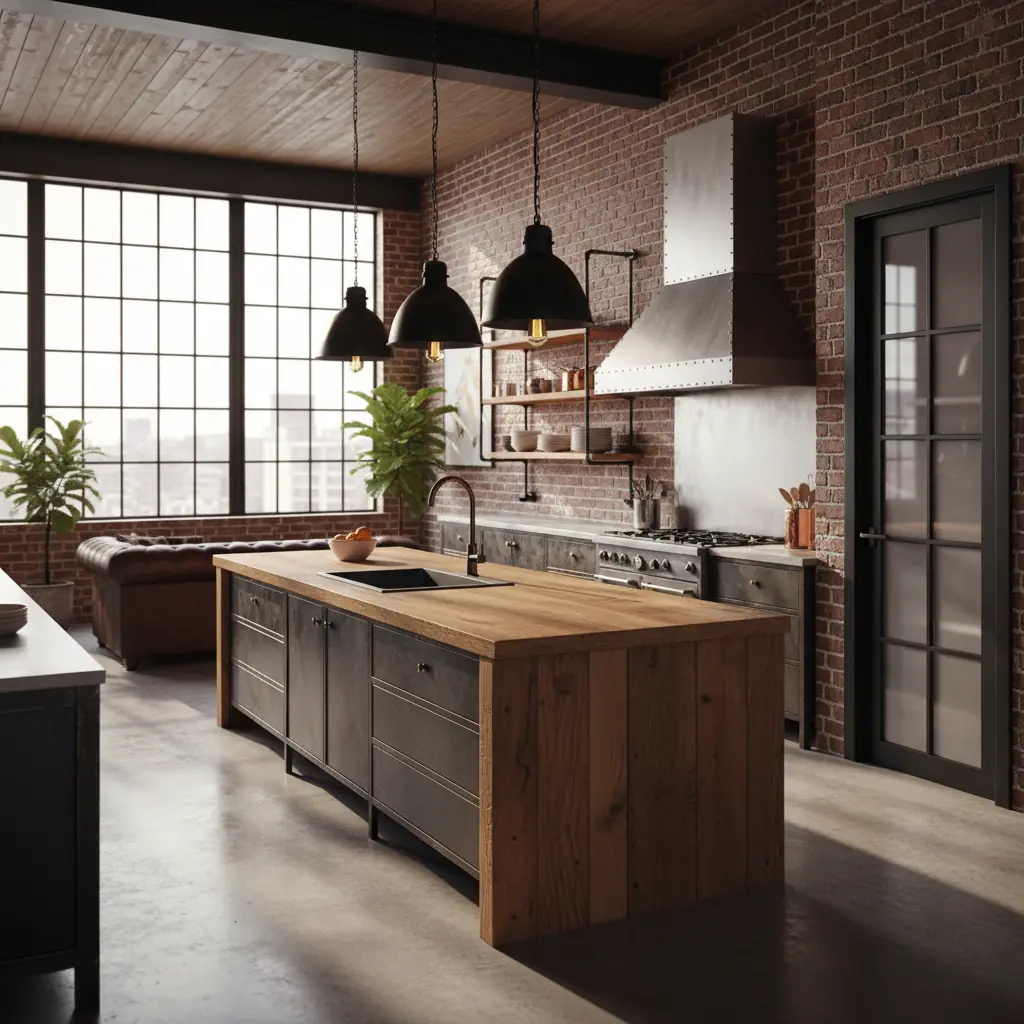
The Kitchen as Workshop: Embracing Industrial Chic
The industrial kitchen aesthetic is more than just a style; it's a philosophy that treats cooking as a craft and the kitchen itself as a sophisticated, functional workshop. Drawing inspiration from professional restaurant kitchens, converted warehouse lofts, and the raw beauty of utilitarian spaces, this design trend celebrates exposed elements, robust materials, and a no-nonsense approach to culinary function. It’s a look that speaks to authenticity and durability, where every surface, fixture, and tool tells a story of purpose and use.
For decades, the allure of industrial design has captivated homeowners looking to infuse their spaces with a sense of urban grit and understated elegance. Originally born from the repurposing of old factories and commercial buildings, this style brings the character of a bygone industrial era into the heart of the modern home. The beauty lies in its ability to blend raw materials with refined finishes, creating a space that is both visually striking and incredibly practical.
The Art of Balance: How to Avoid a Cold Industrial Feel
While the core of industrial design leans towards the utilitarian, a purely raw aesthetic can sometimes feel cold, stark, or even institutional. The true mastery of an industrial kitchen lies in striking a delicate balance: injecting warmth and invitation into an otherwise unembellished setting. This is where strategic design choices become paramount, transforming a potentially unwelcoming space into a cozy, gathering-friendly hub.
To counteract the coolness of concrete and metal, integrate elements that soften the edges and invite touch. Butcher block countertops or a large reclaimed wood island, for instance, introduce organic warmth and a tactile surface that naturally draws people in. Soften overhead lighting with ambient sources, such as under-cabinet LEDs or sconces that cast a warm glow. Textured textiles—think natural fiber rugs, linen dish towels, or even a simple woven bench cushion—can add layers of comfort and visual interest. Even small details, like strategically placed houseplants, can bring life and a touch of biophilic design to the space, helping to achieve that coveted raw-meets-warm balance.
The Open Shelving Question: Display vs. Storage
Open shelving is arguably the most defining characteristic of an industrial kitchen, immediately evoking the sense of a working space where tools and ingredients are readily at hand. However, this commitment to visible storage requires a thoughtful approach. The items on display inherently become part of your kitchen's decor, demanding curation and organization. This isn't just about functionality; it's about aesthetic integrity.
### Navigating the Open Shelf Dilemma:
- **Curate, Don't Clutter**: Only display items that are aesthetically pleasing and frequently used. Think matching ceramic dishes, neatly stacked cookbooks, or glass jars filled with dry goods. Avoid overcrowding; negative space is crucial for a clean, industrial look. - **Strategic Placement**: The most effective approach often involves a blend. Consider open shelving on one prominent wall—perhaps above a countertop or a coffee station—to create a curated display zone. For items you prefer to keep out of sight, closed cabinetry on another wall or below the counter offers essential storage without compromising the aesthetic. This hybrid model gives you the best of both worlds: the distinctive industrial look without the maintenance headache of an entirely open kitchen. - **Material Choices for Shelving**: While raw wood or metal are classic choices, consider mixing them. Reclaimed wood shelves supported by black iron pipes or brackets offer a robust, authentic industrial feel. Perforated metal shelves can add another layer of texture and light. - **Lighting Your Display**: Integrated LED strips beneath shelves can highlight your curated items, adding a functional and atmospheric layer to your kitchen design.
Surfaces That Tell a Story: Texture, Durability, and Patina
The materials chosen for an industrial kitchen are not merely decorative; they are foundational, speaking to strength, durability, and a willingness to embrace the imperfections that come with time and use. These surfaces are designed to develop character, telling a unique story of culinary adventures.
### Countertops: The Workhorses of Industrial Design
- **Concrete Countertops**: The undisputed signature surface for industrial kitchens. Concrete offers a raw, monolithic presence that is both incredibly durable and visually striking. Its natural variations and potential for subtle staining over time contribute to its unique character. However, real concrete requires sealing and can be porous. For a similar aesthetic with less maintenance, consider **concrete-look quartz** or **compact laminate**. These alternatives offer the visual appeal of concrete with enhanced stain and scratch resistance, and they can significantly reduce overall project costs. - **Butcher Block**: To introduce essential warmth and contrast, butcher block is an ideal choice, especially for an island or a dedicated prep zone. Its natural wood grain and the ability to be sanded and re-oiled provide a living surface that ages beautifully. Maple, walnut, and oak are popular choices, each offering a distinct color and grain pattern. - **Stainless Steel**: Echoing professional kitchens, stainless steel countertops are incredibly hygienic and durable. While they can show fingerprints, their sleek, reflective surface instantly shouts "serious kitchen." They pair exceptionally well with other metal elements and high-performance appliances.
For an extensive dive into one of these cornerstone materials, consider exploring our post on [Concrete in Interior Design](/blog/concrete-in-interior-design).
### Backsplashes: A Nod to Utility and Practicality
- **Subway Tile with Dark Grout**: This is the quintessential industrial backsplash. The classic 3x6 inch white subway tile, especially when paired with charcoal or black grout, provides a crisp, clean, and highly practical surface that nods to its utilitarian origins in urban transit systems. The dark grout emphasizes the grid pattern, adding visual interest and a graphic quality. - **Exposed Brick**: If you're lucky enough to have it, an exposed brick wall adds incredible texture, warmth, and an authentic loft vibe. It instantly grounds the space and provides a rich, historical backdrop. - **Concrete Panels**: Large format concrete-look tiles or actual concrete panels can create a seamless, minimalist industrial backsplash that complements concrete countertops beautifully. - **Pressed Tin or Metal Tiles**: For a touch of vintage charm or an unexpected metallic texture, pressed tin or aged metal tiles can be used sparingly as an accent backsplash.
### Flooring: Grounding the Industrial Aesthetic
The right flooring choice is crucial for anchoring your industrial kitchen. Durability and ease of maintenance are key considerations, along with aesthetic alignment.
- **Polished Concrete**: Unsurprisingly, polished concrete floors are a top choice, offering a seamless, resilient, and highly durable surface that perfectly matches the industrial ethos. It's cool underfoot but can be softened with rugs. - **Reclaimed Wood**: For added warmth and character, reclaimed wood planks offer a rich patina and a story of their own. They provide a beautiful contrast to metal and concrete elements. - **Large Format Tiles**: Porcelain or ceramic tiles in concrete, stone, or even rusted metal finishes can mimic larger industrial surfaces while offering superior resistance to water and stains. - **Rubber Flooring**: A less common but highly practical option, often found in commercial kitchens, rubber flooring is comfortable underfoot, slip-resistant, and comes in various industrial-appropriate colors.
Metals and Hardware: The Industrial Palette
Metal is the backbone of industrial design, manifesting in everything from structural elements to decorative accents. The choice of finish is critical for achieving the desired look.
- **Matte Black**: This is the dominant metal finish in contemporary industrial kitchens. From faucets and cabinet pulls to light fixtures and open shelf brackets, matte black provides a strong, sophisticated contrast that reads as both modern and robust. It's versatile and pairs well with almost any other material. - **Copper and Aged Brass**: These metals work beautifully as accents, introducing warmth and a touch of refined vintage appeal. Consider a copper range hood, aged brass pendant lights, or small hardware details to break up the matte black and introduce a softer metallic sheen. Avoid overly polished or shiny finishes; the beauty of copper and brass in an industrial setting lies in their developing patina. - **Stainless Steel**: Beyond appliances and countertops, stainless steel can appear in professional-grade range hoods, sinks, or even as an accent in shelving. Its cool, neutral tone harmonizes with the overall industrial palette. - **The Commercial Faucet**: A high-arc, commercial-style faucet with a pull-down sprayer is perhaps the single most impactful industrial kitchen upgrade. It immediately signals "serious kitchen" and elevates the functional aspect of the space, becoming a focal point above the sink.
When selecting hardware, lean towards simple, robust forms: pipe-style pulls, square bar pulls, or industrial-style latches. Exposed fasteners and visible mechanics further enhance the authentic workshop feel.
Lighting: Illuminating the Industrial Vibe
Lighting in an industrial kitchen is about more than just illumination; it's about creating ambiance, highlighting key features, and reinforcing the raw aesthetic. Think layers of light for both task and mood.
- **Pendant Lights**: Often featuring cage designs, exposed Edison bulbs, or metal shades, industrial pendant lights are perfect for hanging over an island or dining area. Their raw aesthetic contributes significantly to the overall theme. - **Track Lighting**: Functional and flexible, track lighting can provide adjustable task illumination over various workstations, allowing you to direct light precisely where it's needed. - **Wall Sconces**: Metal-caged sconces or simple bare-bulb fixtures can add localized light and a touch of vintage factory charm to walls or specific display areas. - **Under-Cabinet Lighting**: Essential for task lighting, particularly under open shelves or closed upper cabinets, LED strips provide bright, even light for food prep. Opt for warmer temperature LEDs to maintain the cozy-yet-raw balance. - **Bulb Choice**: Edison bulbs, with their visible filaments, are a popular choice for adding a nostalgic, warm glow to exposed fixtures. Pair them with dimmer switches to easily transition from bright task lighting to a more relaxed, ambient setting.
Appliances: Function Meets Form in the Heart of the Home
In an industrial kitchen, appliances are not just functional necessities; they are integral design elements. Their robust forms and professional-grade appearance contribute directly to the workshop aesthetic.
- **Stainless Steel**: This is the default for industrial kitchen appliances. The sleek, durable finish of stainless steel refrigerators, ranges, dishwashers, and microwaves instantly evokes a professional kitchen environment. Opt for models with clean lines and minimal fuss. - **Professional-Style Ranges**: A large, pro-style range with substantial knobs and a powerful visible burner array is often a centerpiece. Brands that offer robust, high-performance appliances with a commercial feel are ideal. - **Integrated Appliances**: While visible stainless steel is characteristic, sometimes integrating appliances behind custom panels can create a more streamlined, almost hidden, appearance, allowing other industrial elements to take center stage. This choice depends on the specific nuance of the industrial look you're aiming for. - **Range Hoods**: An exposed, often oversized, metal range hood is a must-have. Whether it's stainless steel, copper, or even custom fabricated from raw steel, it serves as both a powerful ventilation system and a dominant visual statement.
Furniture and Decor: Adding Personality and Comfort
To complete the industrial kitchen narrative, furniture and decor should complement the raw materials while introducing comfort and personality.
- **Seating**: - **Bar Stools**: Metal bar stools (perhaps with wood seats for warmth), backless industrial stools, or even vintage-inspired factory stools are perfect for an island or breakfast bar. - **Dining Tables**: A reclaimed wood tabletop with a metal base, or a solid, chunky wood table, provides a sturdy focal point for dining. Pair with mismatched industrial chairs or a simple bench. - **Art and Wall Decor**: - **Abstract or Urban Art**: Large-scale abstract art with strong lines or urban-themed photography can enhance the modern industrial feel. - **Vintage Signage**: Old factory signs, metal letters, or vintage advertising signs add an authentic, historical touch. - **Large Clocks**: An oversized wall clock with exposed gears or a simple metal frame can be a functional and stylish accent. - **Plants**: Greenery offers a vital organic contrast. Consider large-leaf plants like a Fiddle Leaf Fig or Snake Plant in simple concrete or metal planters to soften the hard edges. - **Textiles**: Don't underestimate the power of textiles. A durable, natural fiber rug (jute, wool) underfoot, linen dish towels, or even heavy canvas curtains can add texture and absorb sound, making the space feel more inviting.
Planning Your Industrial Kitchen: A Step-by-Step Guide
Designing an industrial kitchen requires careful thought, from conceptualization to execution. Here's a structured approach to bring your loft-inspired dream to life:
1. **Gather Inspiration**: Start by collecting images of industrial kitchens that resonate with you. Pay attention to specific elements you love: a type of shelving, a particular faucet, a specific material combination. This will help you articulate your vision. 2. **Define Your "Industrial"**: Decide how "raw" or "refined" you want your industrial aesthetic to be. Do you lean towards hardcore factory chic or a softer, modern industrial look? This choice will guide your material and finish selections. 3. **Assess Your Space**: Consider your existing kitchen layout and architecture. Does your home lend itself to exposed elements? Can walls be opened for a more loft-like feel? What structural elements can be celebrated (e.g., exposed beams, brick)? 4. **Budgeting**: Industrial kitchens can range widely in cost depending on the materials chosen. A full kitchen renovation can cost anywhere from **$25,000 to $75,000 or more**, with high-end materials like custom concrete countertops or professional-grade appliances pushing costs higher. Prioritize your must-haves and explore more budget-friendly alternatives where possible (e.g., concrete-look quartz instead of poured concrete). 5. **Material Selection**: Carefully choose your core materials (countertops, backsplash, flooring) and your accent materials (metals, wood). Ensure they complement each other and align with your desired balance of raw and warm. 6. **Layout Considerations**: Plan for functionality. Industrial kitchens prioritize workflow. Think about the "kitchen triangle" (sink, stove, refrigerator) and how open shelving or a large island will impact traffic flow. 7. **Visualize with Habitas**: This is where Habitas truly shines. Instead of struggling with abstract ideas or costly architectural drawings, you can upload your existing kitchen photos to Habitas. The AI platform can transform your space, applying the industrial style, complete with specific open shelving configurations, metal accents, concrete surfaces, and the perfect raw-meets-warm balance. This visualization process takes mere seconds, compared to the **2-4 weeks** it might take with a traditional designer for initial concepts, saving you time and giving you immediate clarity on your design choices. 8. **Execution Plan**: Once your design is finalized through Habitas, the platform can even generate an execution plan, specifying exact products for every element, from specific faucet models to lighting fixtures and even paint colors. This streamlines the procurement process, making your industrial kitchen dream a tangible reality.
The Habitas Advantage: AI-Powered Industrial Kitchen Design
Habitas is revolutionizing how homeowners approach interior design, especially for complex styles like industrial where the balance of elements is key. Our AI-powered platform takes the guesswork out of design by allowing you to experiment with industrial aesthetics in your actual space. Imagine seeing your current kitchen instantly transformed with open pipe shelving, a concrete island, and matte black fixtures, all rendered realistically.
Whether you're starting from scratch or looking to update an existing space, Habitas offers a powerful tool to explore industrial kitchen design ideas. It empowers you to refine your vision, visualize changes before committing, and ultimately create a kitchen that is not only beautiful but also perfectly suited to your lifestyle and culinary aspirations. Dive into the future of design and let Habitas help you craft your ideal industrial kitchen today. Want to see how AI can transform your room? Check out our guide on [AI-Generated Room Designs: Realistic Visualizations](/blog/ai-generated-room-designs-realistic).
Frequently Asked Questions
### What are the key elements of an industrial kitchen design?
The core elements of industrial kitchen design include robust, utilitarian materials like concrete, exposed brick, wood, and various metals (matte black, stainless steel, aged brass/copper). Open shelving, commercial-style appliances, exposed lighting fixtures (often with Edison bulbs), and practical, durable surfaces like subway tile with dark grout are also defining features. The aesthetic emphasizes functionality, raw finishes, and a balance between gritty texture and modern simplicity.
### How can I make my industrial kitchen feel warmer and less sterile?
To infuse warmth into an industrial kitchen, balance the raw elements with organic and tactile materials. Incorporate substantial wood elements like butcher block countertops, a reclaimed wood island, or wooden bar stools. Use warm lighting temperatures (2700K-3000K) and include ambient lighting sources like dimmable pendants or under-cabinet strips. Introduce textiles such as natural fiber rugs, linen dish towels, or upholstered seating. Lastly, strategic placement of greenery and plants can soften hard lines and bring life into the space.
### What are the best countertop materials for an industrial kitchen?
Concrete (or concrete-look quartz/laminate) is the signature countertop material, offering a raw, durable, and monolithic appearance. Butcher block is excellent for adding warmth and a natural touch, especially on an island. Stainless steel countertops provide a professional, hygienic, and highly durable surface, perfectly mimicking commercial kitchens. Less common but fitting options include soapstone or zinc for a unique patina development.
### Is open shelving practical for everyday use in an industrial kitchen?
Open shelving can be practical if approached thoughtfully. It requires a commitment to curation and organization, as all items on display become part of your decor. It works best for frequently used, aesthetically pleasing items like matching dishware, glasses, and decorative storage jars. For items you prefer to keep out of sight, a combination of open shelving and closed cabinetry (e.g., open shelves on one wall, closed cabinets on another) offers the best balance of industrial style and practical storage without the maintenance challenges of an entirely open kitchen.
### What type of flooring is ideal for an industrial kitchen?
Polished concrete floors are ideal, offering a seamless, durable, and authentic industrial look that is easy to maintain. Reclaimed wood planks add significant warmth, character, and historical appeal. Large-format porcelain or ceramic tiles in concrete, stone, or even rusted metal finishes provide a similar aesthetic with enhanced water and stain resistance. For a more commercial feel, practical rubber flooring can also be considered.