Dominando el Diseño de Salas Japandi: Tu Guía Experta para Espacios Serenos
Descubre los secretos de una sala Japandi que equilibra a la perfección el zen japonés y la calidez nórdica. Explora muebles, materiales, colores y estilos para un hogar sereno e intencional.
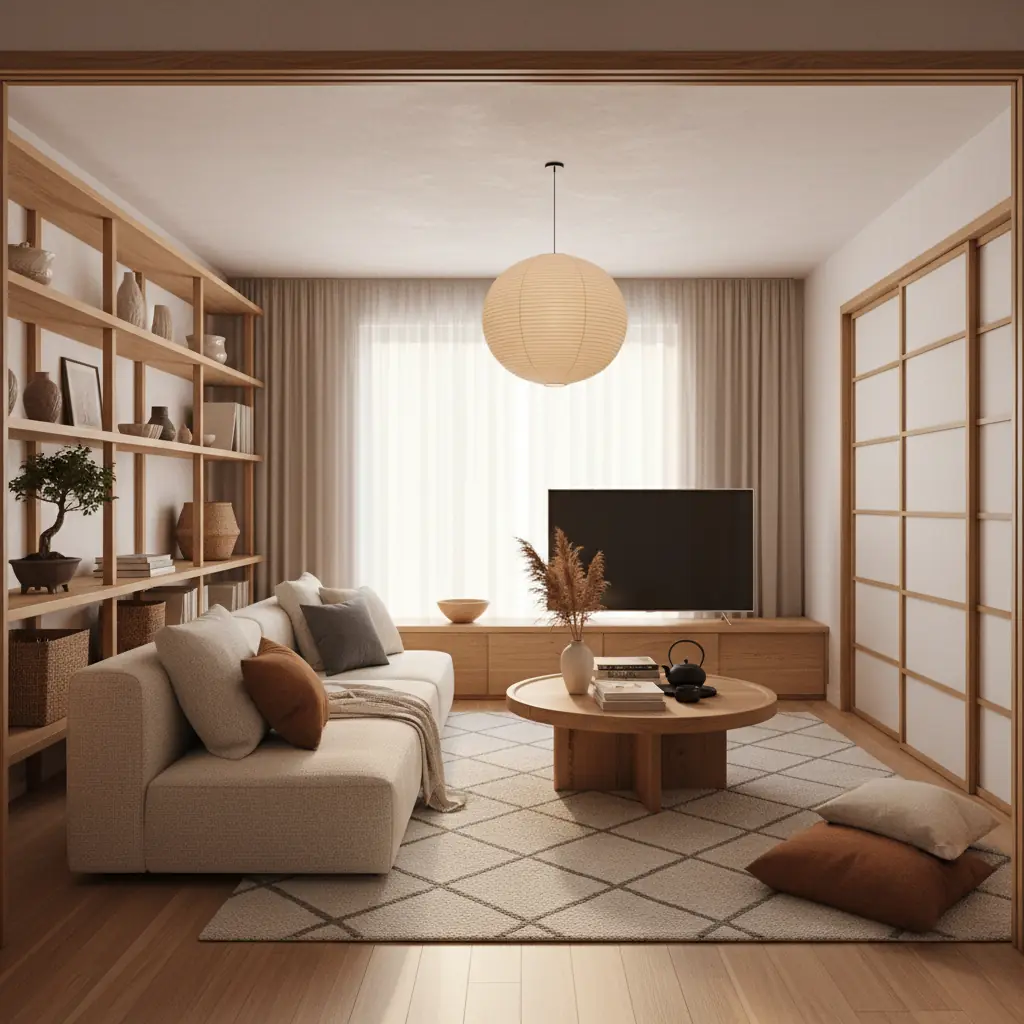
Japandi no es una tendencia, es una filosofía para una vida intencional
En un mundo cada vez más abarrotado, el encanto de la simplicidad y la armonía resuena profundamente. Japandi, una fusión reflexiva de la estética japonesa y los principios del diseño Scandinavian, ofrece precisamente eso. Es más que una tendencia pasajera; es una profunda filosofía de diseño arraigada en la sabiduría cultural. Tanto el wabi-sabi japonés, que valora la belleza en la imperfección, como el hygge Scandinavian, que celebra la calidez y el bienestar, llegaron de forma independiente a conclusiones profundas: menos es más, la naturaleza es el diseñador supremo, y la vida intencional cultiva los espacios más hermosos y enriquecedores.
Una sala Japandi, por lo tanto, trasciende la mera decoración. Es un santuario creado con propósito, donde cada objeto es elegido conscientemente por su utilidad, belleza y resonancia emocional. Igualmente importante, cada espacio vacío es un elemento deliberado del diseño, contribuyendo a una sensación de paz y amplitud. No se trata de reglas rígidas, sino de cultivar un entorno que fomente la calma, la reflexión y la conexión.
### Las raíces filosóficas: Wabi-Sabi se encuentra con Hygge
Para entender verdaderamente Japandi, debemos profundizar en sus filosofías fundamentales. El wabi-sabi, una antigua cosmovisión japonesa, abraza la transitoriedad y la imperfección. Encuentra la belleza en los procesos naturales del envejecimiento, las texturas irregulares de los objetos hechos a mano y la tranquila dignidad de la decadencia. Nos anima a apreciar lo gastado, lo imperfecto y lo efímero: un jarrón agrietado, un textil descolorido o la veta cruda de la madera. Esta perspectiva fomenta la humildad y la satisfacción con lo que es.
Hygge, por otro lado, es un concepto danés y noruego que describe una cualidad de calidez y convivencia cómoda que genera una sensación de satisfacción o bienestar. Se trata de crear un ambiente de calidez, ya sea a través de una iluminación suave, textiles mullidos o el simple acto de compartir una comida con seres queridos. Es una experiencia sensorial centrada en la comodidad, la alegría y una sensación de seguridad.
Cuando estas dos filosofías se entrelazan, surge una poderosa sinergia. La reverencia del wabi-sabi por la imperfección natural arraiga la calidez del hygge en la autenticidad, evitando que se vuelva excesivamente pulido o superficial. Hygge, a su vez, suaviza la austeridad del wabi-sabi con una calidez acogedora, asegurando que el espacio minimalista siga siendo acogedor y habitable. La sala Japandi se convierte en un lugar donde la belleza se encuentra en la honesta simplicidad de los materiales y el abrazo confortable de un espacio querido.
¿Cuál es la paleta de colores ideal para una sala Japandi?
La paleta de colores Japandi es un ejercicio magistral de equilibrio, existiendo en el espacio sereno entre la luz y la oscuridad. A diferencia de la sensación predominantemente clara y ventilada a menudo asociada con el diseño puramente Scandinavian, o los tonos a veces más oscuros y melancólicos de los interiores japoneses tradicionales, Japandi integra hábilmente ambos. El enfoque se centra en una base neutra cálida, enriquecida con acentos oscuros intencionales que arraigan el espacio y añaden profundidad.
Imagina los tonos suaves y reconfortantes de avena o blanco cálido adornando tus paredes, creando un lienzo de tranquilidad. Contra esto, introduce elementos como un sofá de carbón, un sillón auxiliar verde bosque profundo o muebles de nogal oscuro. Estos elementos más oscuros no tienen la intención de dominar, sino de proporcionar anclas visuales y un contraste sofisticado.
El principio fundamental es que la paleta siempre debe ser tenue y orgánica. Los colores brillantes, saturados o los tonos primarios están notablemente ausentes. Cada matiz debe evocar elementos que se encuentran en la naturaleza: el gris suave de las piedras de río, la calidez terrosa de la arcilla, la profunda resistencia del carbón vegetal, la sutil vitalidad del musgo o la extensión blanqueada por el sol de la arena. Esta moderación natural asegura un ambiente perpetuamente calmante y cohesivo. Habitas ofrece un increíble [generador de paletas de color con IA](/blog/ai-color-palette-generator) que puede ayudarte a experimentar con estas combinaciones orgánicas directamente en las fotos de tu habitación, asegurando resultados armoniosos.
### Superponiendo neutros para dar profundidad
Lograr profundidad en un espacio Japandi neutro implica una cuidadosa superposición. Comienza con el color principal de la pared: un blanco roto suave, un beige apagado o un greige sutil. Luego, introduce textiles con texturas variadas pero familias de colores similares. Una cortina de lino color crema podría complementar una alfombra de lana blanquecina, mientras que una manta táctil de color avena colocada sobre un sofá añade otra capa sutil. Esta superposición monocromática, rica en textura, evita que la habitación se sienta plana o estéril.
### Acentos oscuros estratégicos
Los acentos oscuros son cruciales para definir el espacio y añadir sofisticación. Piensa más allá del negro; el carbón profundo, el marrón espresso, el verde oliva oscuro o incluso un índigo apagado pueden cumplir este propósito maravillosamente. Estos acentos pueden manifestarse de varias maneras:
- **Muebles:** Una mesa de centro de madera oscura y perfil bajo o un sofá tapizado en una tela oscura y texturizada. - **Arte y Decoración:** Arte minimalista enmarcado con líneas oscuras, un jarrón de cerámica negro o cuencos de madera teñida de oscuro. - **Detalles Arquitectónicos:** Marcos de ventanas oscuros, una sola pared de acento en un tono tierra profundo (si la habitación es lo suficientemente grande como para manejarlo) o vigas de madera oscura expuestas.
La clave es la intencionalidad: cada elemento oscuro debe sentirse a propósito, actuando como un ancla visual sin abrumar la sensación general de calma.
¿Qué tipo de muebles definen una sala Japandi?
La selección de muebles es, sin duda, uno de los aspectos más definitorios de una sala Japandi. El principio rector es claro: el perfil bajo es esencial. Inspirándose fuertemente en las casas tradicionales japonesas, donde la interacción a menudo ocurre más cerca del suelo, Japandi traduce esto en muebles que se asientan más bajos que las piezas occidentales típicas.
Imagina hundirte en un sofá de perfil bajo que invita a la relajación, rodeado de cojines de suelo que fomentan la reunión informal, y una mesa de centro que se asienta más cerca de la altura de la rodilla que de la cadera. Esta bajura deliberada no es solo una elección estética; cambia sutilmente tu perspectiva, haciendo que la habitación se sienta más expansiva, arraigada e intrínsecamente zen. Cuanto más cerca de la tierra te sientas, más conectado y tranquilo se siente el espacio.
Más allá de la altura, la forma de los muebles es igualmente crucial. Elige piezas con curvas orgánicas en lugar de ángulos agudos y abruptos. Los bordes redondeados en las mesas, los reposabrazos suavemente curvos en las sillas y las superficies de madera con veta natural son primordiales. Cada pieza debe evocar una sensación de haber sido moldeada por la naturaleza —quizás suavizada por el agua o esculpida por el viento— en lugar de haber sido producida en masa con precisión rígida. Materiales como el fresno, el roble claro o el nogal oscuro, a menudo con un acabado mate o de aceite natural, son preferidos por su belleza honesta y calidad táctil. Los estudios demuestran que la incorporación de elementos naturales como la madera en el diseño de interiores puede aumentar el bienestar de los ocupantes hasta en un 15%.
### Piezas clave de mobiliario y sus características:
- **Sofás y asientos:** Busca sofás modulares de perfil bajo con asientos profundos y líneas limpias. La tapicería debe ser de telas naturales y táctiles como lino, algodón o lana en colores tenues. Los cojines de suelo y los pufs añaden opciones de asientos flexibles, enfatizando el concepto de vida a nivel del suelo. - **Mesas de centro:** Opta por mesas resistentes y bajas, a menudo elaboradas con madera maciza (nogal, roble) o incluso piedra natural. Podrían presentar esquinas redondeadas o una forma irregular y orgánica. Considera las mesas nido para mayor versatilidad, manteniendo una huella minimalista. - **Almacenamiento:** Japandi abraza el almacenamiento oculto para mantener un ambiente libre de desorden. Piensa en aparadores elegantes, estanterías minimalistas (usadas con moderación) y gabinetes empotrados que se integren perfectamente con las paredes. El objetivo es mantener los artículos cotidianos fuera de la vista, honrando el principio del espacio negativo. - **Sillones auxiliares:** Un sillón lounge bellamente elaborado en madera curvada o con un sencillo respaldo de mimbre puede ser un elemento escultórico. Asegúrate de que se alinee con la estética de perfil bajo y curva orgánica. - **Camas (si aplica):** Aunque esto se centra en las salas de estar, el principio del perfil bajo se extiende a otras áreas. Las camas de plataforma son un elemento Japandi por excelencia, reforzando la sensación de arraigo.
Al seleccionar muebles, considera el principio de calidad sobre cantidad. Una pieza bien elaborada y duradera que envejecerá con gracia se alinea perfectamente con el wabi-sabi. Herramientas como la [herramienta de organización de muebles con IA](/blog/ai-furniture-arrangement-tool) de Habitas pueden ayudarte a visualizar cómo las diferentes piezas de perfil bajo encajarán y fluirán dentro del espacio real de tu sala de estar antes de realizar cualquier compra.
El arte del espacio vacío: Abrazando el Ma
Ma (間) es el concepto japonés de espacio negativo, y es la fuerza superlativa de Japandi. No se trata simplemente de vacío; se trata de la presencia consciente y deliberada del espacio, donde la ausencia de objetos está tan cuidadosamente diseñada como los objetos mismos. En una sala Japandi, el 'Ma' es el compañero silencioso, permitiendo que todo lo demás respire y realmente brille.
Aquí es donde muchas personas luchan intuitivamente con el diseño Japandi. El instinto de llenar cada pared, cada rincón, cada superficie está profundamente arraigado en muchas tradiciones de decoración. Sin embargo, en Japandi, este instinto debe ser resistido conscientemente. Deja las paredes parcialmente desnudas. Permite un amplio espacio entre los muebles. El vacío mismo se convierte en un elemento activo, creando pausas visuales que fomentan la contemplación y la calma.
Considera un ejemplo simple: un estante con tres objetos bellamente elegidos y cinco espacios vacíos es profundamente más Japandi que un estante atiborrado de quince artículos "curados". El espacio vacío alrededor de cada objeto amplifica su presencia, permitiendo que su forma, textura e historia sean apreciadas en su totalidad. Esta restricción deliberada cultiva una sensación de tranquilidad y claridad, transformando una habitación de una colección de cosas en una experiencia armoniosa. Es un ejercicio de edición consciente, donde menos realmente se vuelve más impactante.
### Practicando el Ma en tu sala de estar:
- **Despeja sin piedad:** Antes que nada, retira todos los elementos innecesarios. Si un objeto no tiene un propósito claro o no evoca una fuerte sensación de belleza/alegría, no pertenece. - **Colocación estratégica:** No pegues los muebles a todas las paredes. Permite que las piezas "floten" o tengan espacios deliberados entre ellas. Esto define las rutas de circulación y crea espacio para respirar. - **Arte de pared:** En lugar de una pared galería, elige una o dos piezas de arte impactantes que tengan mucho espacio en blanco a su alrededor. El arte abstracto o las impresiones inspiradas en la naturaleza con colores suaves funcionan bien. - **Superficies:** Mantén las mesas de centro y las mesas auxiliares mínimamente adornadas. Un jarrón cuidadosamente elegido, un libro o una sola vela suelen ser suficientes. - **Rutas visuales:** Considera cómo tu ojo viaja por la habitación. El `Ma` ayuda a crear rutas visuales claras y despejadas que conducen a puntos focales, en lugar de encontrar desorden visual en cada esquina.
¿Por qué los materiales hechos a mano y naturales son esenciales en Japandi?
En la filosofía Japandi, la autenticidad y la conexión con la naturaleza son primordiales. Esto se expresa maravillosamente a través del abrazo de materiales hechos a mano y naturales sobre sus contrapartes artificiales y producidas en masa. La decoración producida en masa, que a menudo carece de alma o carácter único, se siente fundamentalmente incorrecta en un contexto Japandi. En cambio, el enfoque se desplaza hacia elementos que llevan el toque de manos humanas y la esencia de la tierra.
La cerámica hecha a mano, con sus sutiles imperfecciones y esmaltes únicos, cuenta una historia. Los jarrones torneados a mano pueden tener un borde ligeramente irregular o una impresión dactilar; no son defectos, sino marcadores de su creación singular, que resuenan con la apreciación del wabi-sabi por la imperfección. Los textiles tejidos con fibras naturales como lino, lana, yute o cáñamo ofrecen texturas ricas y táctiles que invitan al tacto y añaden calidez sin abrumar el campo visual. Las velas artesanales, elaboradas con ceras naturales, aportan un brillo sutil y reconfortante y a menudo un aroma natural.
Cada objeto debería parecer hecho por alguien, porque idealmente, alguien lo hizo. Esto impregna el espacio con un sentido de historia, artesanía y un lujo discreto que habla de calidad y cuidado. Elegir artículos hechos a mano también se alinea con un enfoque más sostenible y consciente del consumo, conectándonos con los creadores y los materiales de una manera más profunda. Más del 60% de los consumidores a nivel mundial priorizan el diseño sostenible y los materiales naturales al tomar decisiones de mobiliario para el hogar, lo que refleja esta creciente apreciación por el consumo consciente.
### Materiales y texturas: Una sinfonía de la naturaleza
Más allá del aspecto artesanal, los materiales fundamentales en sí mismos son clave. Japandi celebra una apreciación honesta por las texturas y acabados naturales.
- **Madera:** Esta es la columna vertebral de Japandi. Desde fresno claro y abedul (influencia Scandinavian) hasta nogal oscuro y roble (influencia japonesa), la madera se utiliza para muebles, pisos y acentos decorativos. Busca acabados mate o de aceite natural que permitan que la veta brille realmente, celebrando la belleza inherente del material. - **Piedra:** Piedras tenues como el travertino, la pizarra o el concreto pulido se pueden incorporar a través de mesas de centro, cuencos decorativos o incluso revestimientos de chimeneas. Su presencia fresca y enraizada equilibra la calidez de la madera. - **Cerámica:** La cerámica sin esmaltar o con esmalte mate en tonos tierra es perfecta para jarrones, maceteros y vajillas. Su tacto crudo y orgánico se alinea perfectamente con la estética wabi-sabi. - **Textiles:** Lino, algodón, lana y yute son preferidos por su textura natural y transpirabilidad. Úsalos para mantas, cojines, alfombras y cortinas. Añaden suavidad y amortiguación acústica, contribuyendo al factor hygge. - **Papel:** Piensa en pantallas de papel de arroz japonesas tradicionales o pantallas de lámparas que difunden la luz suavemente.
Iluminando la serenidad: El enfoque Japandi de la iluminación
La iluminación juega un papel fundamental en la configuración del ambiente y la funcionalidad de una sala Japandi. Se trata de crear una atmósfera de calidez suave y difusa en lugar de una iluminación cruda y brillante.
- **Primero, luz natural:** Maximiza la luz natural siempre que sea posible. Mantén los tratamientos de ventanas minimalistas, quizás cortinas de lino transparentes o ninguna cortina si la privacidad lo permite. La suave interacción de la luz solar y la sombra a lo largo del día es un elemento clave de la estética natural. - **Iluminación artificial por capas:** Evita la iluminación superior fuerte como fuente principal. En su lugar, enfócate en la superposición: - **Luz ambiental:** Proporcionada por lámparas de pie y de mesa con luz cálida y difusa. Busca pantallas hechas de materiales naturales como papel de arroz, lino o cerámica. - **Luz de tarea:** Si tienes un rincón de lectura, una lámpara de pie simple y elegante con un haz enfocado es apropiada. - **Luz de acento:** Lámparas pequeñas de bajo nivel o incluso velas pueden resaltar características arquitectónicas u objetos decorativos específicos, añadiendo profundidad e intimidad. - **Accesorios minimalistas:** Las luminarias deben ser escultóricas pero discretas. Materiales como la madera, el bambú, la cerámica o un simple metal mate son ideales. El objetivo es que la luz misma sea el foco, no un accesorio demasiado ornamentado. Piensa en las icónicas lámparas Noguchi o en simples colgantes de cerámica modernos.
Aportando verdor: Toques biofílicos para un espacio Japandi
Integrar plantas es una extensión natural de la reverencia de Japandi por la naturaleza. Sin embargo, no se trata de crear una jungla interior; se trata de adiciones pensadas y escultóricas que mejoran la sensación de calma y conexión con el exterior. Esto se alinea perfectamente con los principios del [diseño biofílico](/blog/biophilic-design-guide).
- **Selección consciente:** Elige plantas con formas arquitectónicas llamativas o un follaje simple y elegante. Ejemplos incluyen: - **Ficus Lyrata:** Por sus hojas grandes y dramáticas. - **Lengua de suegra (Sansevieria):** Por su cualidad vertical y escultural. - **Bonsái:** Una pieza de arte vivo, que encarna la paciencia y la belleza natural. - **Pothos o Filodendro:** Las variedades colgantes pueden suavizar las líneas duras cuando se colocan en un estante alto. - **Helechos:** Por su textura delicada e intrincada en una esquina. - **Maceteros minimalistas:** El recipiente es tan importante como la planta misma. Opta por maceteros de materiales naturales y terrosos como terracota sin esmaltar, concreto, cerámica mate o simples cestas tejidas. Evita macetas excesivamente ornamentadas o de colores brillantes. - **Colocación estratégica:** Cada planta debe tener espacio para respirar y ser apreciada. Coloca una sola planta grande como punto focal, o agrupa algunas plantas más pequeñas en una disposición deliberada que aún permita el espacio negativo. Las plantas deben realzar la sensación de `Ma`, no restarle valor.
Estilo y decoración: La edición consciente
Diseñar una sala Japandi es un ejercicio de curación extrema. Cada elemento elegido para exhibir debe contribuir a la sensación general de paz e intencionalidad. Aquí es donde el concepto de "menos es más" cobra vida.
- **Colecciones curadas:** En lugar de numerosos artículos pequeños, selecciona unas pocas piezas significativas. Un solo jarrón de cerámica bellamente elaborado en una mesa de centro, una pila de libros de arte estéticamente agradables o una simple bandeja de madera con un par de velas artesanales. - **Arte:** El arte debe ser calmante y contemplativo. Las piezas abstractas con colores suaves y apagados o los dibujos lineales minimalistas funcionan bien. La fotografía inspirada en la naturaleza o las sutiles impresiones de paisajes también pueden mejorar la conexión biofílica. Enmarca el arte de forma sencilla, a menudo con un generoso paspartú blanco. - **Espejos:** Los espejos estratégicamente colocados pueden amplificar la luz natural y expandir la sensación de espacio, especialmente en salas de estar más pequeñas. Elige espejos sin marco o con marcos delgados de madera natural. - **Libros:** Si disfrutas de los libros, muéstralos con atención. Una pequeña pila curada en un estante o mesa de centro puede añadir un toque personal, pero evita las estanterías desbordadas. - **Acentos textiles:** Usa mantas y cojines para añadir suavidad y textura. Selecciona materiales como lino, lana o algodón en tu paleta de colores Japandi. Estos contribuyen al elemento hygge sin introducir desorden visual.
El rediseño completo de una sala puede oscilar entre $5,000 para una actualización y más de $25,000 para una renovación total, pero las elecciones estratégicas Japandi que se centran en la calidad sobre la cantidad pueden ser sorprendentemente económicas a largo plazo. Al adoptar piezas atemporales y materiales naturales, inviertes en durabilidad y estilo perdurable.
Diseñando tu sala Japandi con Habitas
Dar vida a la matizada filosofía Japandi en tu propia sala puede ser una empresa gratificante, pero compleja. Entender los principios de los muebles de perfil bajo, las paletas naturales, el `Ma` y los elementos hechos a mano es una cosa; visualizarlos en tu espacio real es otra. Aquí es donde Habitas realmente brilla como un socio invaluable.
Nuestra plataforma de diseño de interiores impulsada por IA te permite subir fotos de tu sala existente y explorar innumerables posibilidades de diseño Japandi. Con Habitas, puedes ver instantáneamente cómo las diferentes distribuciones de muebles se adhieren a la estética de perfil bajo, cómo varias paletas de colores orgánicos transforman el ambiente y, fundamentalmente, cómo el concepto de `Ma` afecta la amplitud general. Habitas puede generar docenas de conceptos de salas Japandi en cuestión de minutos, un marcado contraste con los procesos de diseño tradicionales que podrían llevar semanas y costar significativamente más. Un hogar bien diseñado puede aumentar su valor percibido entre un 7 y un 10%, y visualizar ese potencial con IA ayuda a asegurar que tu inversión sea sólida.
Ya sea que estés luchando por encontrar el sofá perfecto de perfil bajo, experimentando con acentos de carbón o tratando de lograr ese delicado equilibrio de espacio vacío, Habitas proporciona [diseños de habitaciones generados con IA](/blog/ai-generated-room-designs-realistic) realistas que respetan la filosofía del vacío intencional y la calidez orgánica. Es como tener un diseñador de interiores senior que entiende Japandi, disponible 24/7, listo para dar vida a tu visión antes de que siquiera muevas un dedo. Experimenta el futuro del diseño de interiores y comienza a crear tu sala Japandi serena hoy mismo.
---
Preguntas Frecuentes
### ¿Cuál es la diferencia entre el diseño Japandi y Scandinavian?
Si bien tanto el diseño Japandi como el Scandinavian enfatizan el minimalismo, la funcionalidad y los materiales naturales, difieren en sus estéticas específicas y matices filosóficos. El diseño Scandinavian (a menudo asociado con el hygge) típicamente favorece los tonos de madera más claros, una paleta de colores predominantemente blanca o neutra clara, y a menudo incluye toques de pasteles o colores más brillantes. Se inclina hacia una sensación de ligereza aireada y comodidad. Japandi, por otro lado, es una fusión. Incorpora elementos más oscuros y melancólicos de la estética japonesa, utilizando una paleta más equilibrada de neutros cálidos y acentos más profundos como el carbón y el nogal oscuro. También pone un mayor énfasis en el wabi-sabi, abrazando la imperfección y las texturas crudas y orgánicas de manera más explícita que el diseño Scandinavian típico. Los muebles Japandi suelen ser más bajos, reflejando la tradición japonesa, mientras que los muebles Scandinavian pueden variar en altura.
### ¿Cómo logro un estilo Japandi con un presupuesto limitado?
Lograr un estilo Japandi con un presupuesto limitado es absolutamente posible, centrándose en los principios básicos y las elecciones inteligentes. Prioriza el despeje primero, esto no cuesta nada y es fundamental para el `Ma`. Para los colores, opta por pinturas neutras asequibles en blancos cálidos, grises o beiges apagados. En lugar de muebles de diseñador caros, busca piezas de perfil bajo hechas de materiales naturales como pino o fresno en tiendas de segunda mano o minoristas económicos, y luego retocarlos con tintes mate o aceites naturales. Abraza los proyectos de bricolaje para elementos hechos a mano como maceteros de cerámica simples o tapices tejidos. Usa textiles naturales como lino o algodón para mantas y cojines, que a menudo se pueden encontrar a precios asequibles. Concéntrate en unas pocas piezas clave e impactantes en lugar de muchos artículos de decoración pequeños, y deja que el espacio vacío sea tu elemento de diseño más rentable.
### ¿Qué tipo de plantas son las mejores para una sala Japandi?
Para una sala Japandi, las mejores plantas son aquellas con líneas limpias, formas esculturales y una sensación de calma. Evita los arreglos florales demasiado tupidos o vibrantes. En su lugar, opta por plantas que hagan una declaración a través de su forma y belleza sutil, reflejando la estética minimalista. Excelentes opciones incluyen la **Lengua de suegra (Sansevieria)** por sus hojas verticales y arquitectónicas; el **Ficus Lyrata** por su follaje grande y audaz; los **árboles Bonsái** por su cualidad de arte vivo y sereno; o la **Monstera Deliciosa** por sus icónicas hojas perforadas. Incluso simples **Pothos** o **Filodendros** pueden funcionar si se colocan en una maceta de cerámica minimalista y se les permite caer elegantemente. La clave es la colocación estratégica y maceteros simples y terrosos (terracota sin esmaltar, concreto o cerámica mate) que permitan que la planta misma sea el foco.
### ¿Puede funcionar Japandi en una sala de estar pequeña?
Sí, Japandi es excepcionalmente adecuado para salas de estar pequeñas, quizás incluso más que para espacios grandes. Sus principios fundamentales de minimalismo, intencionalidad y `Ma` (espacio vacío) son intrínsecamente beneficiosos para hacer que las habitaciones más pequeñas se sientan más grandes y menos abarrotadas. Al elegir muebles de perfil bajo, abres espacio vertical, haciendo que el techo se sienta más alto. La paleta de colores neutra y terrosa también contribuye a una sensación de amplitud. Fundamentalmente, el énfasis en despejar y el espacio negativo deliberado asegura que cada artículo tenga un propósito y espacio para respirar, evitando la sensación de estrechez a menudo asociada con las habitaciones pequeñas. El uso estratégico de espejos puede mejorar aún más la sensación de espacio y luz. Japandi fomenta activamente la curación reflexiva sobre la acumulación, lo cual es ideal para maximizar el potencial de una huella compacta.