Timeless Mediterranean Interior Design: Your Guide to Sun-Drenched Style
Discover how to infuse your home with the warmth, texture, and organic beauty of Mediterranean interiors. Explore materials, colors, and architectural elements for a timeless, inviting space, adaptable to any climate.
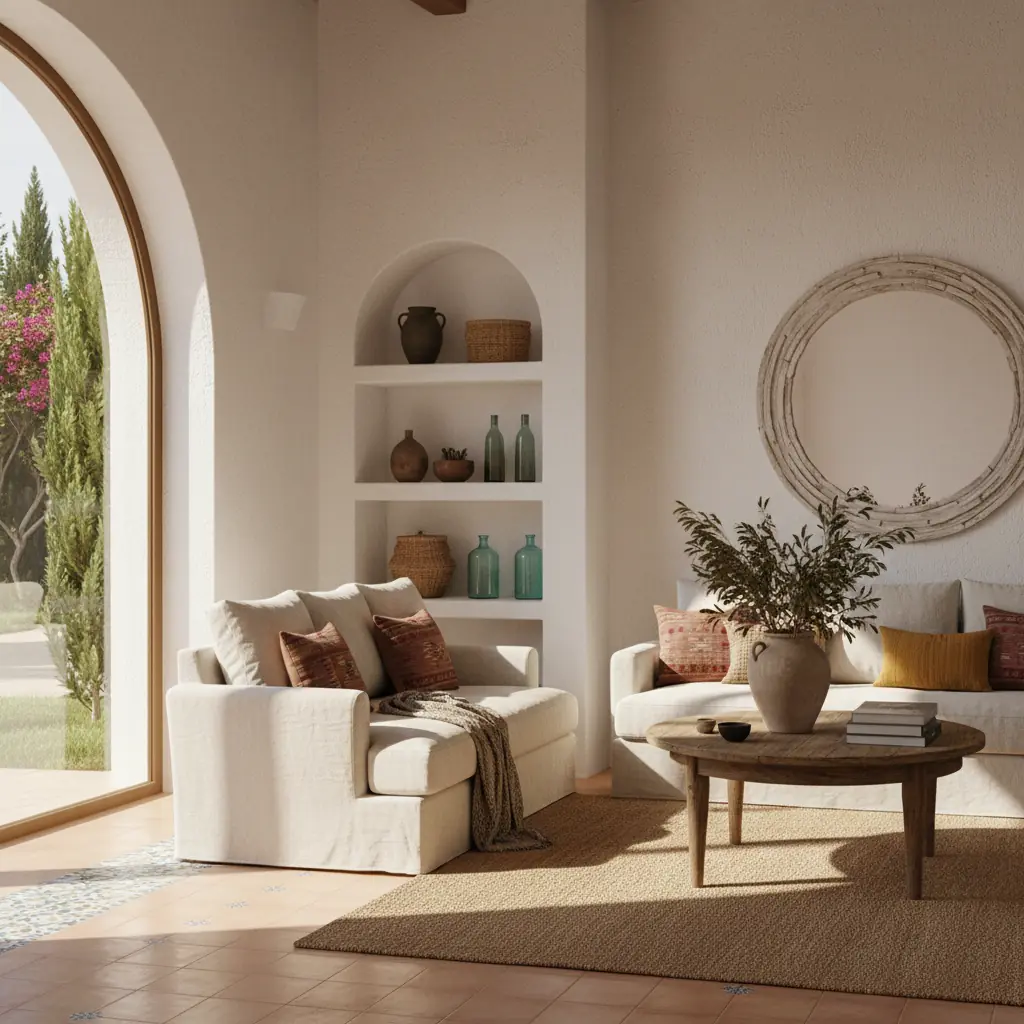
Core Philosophy: Embracing Warmth, Texture, and Organic Forms
Mediterranean design, at its heart, is a love letter to the relaxed, sun-drenched lifestyle of southern Europe. Drawing inspiration from the coastal villas and rural farmhouses of Spain, Italy, Greece, and southern France, it's a style born from practical necessity and deep-rooted craft traditions. Imagine thick stucco walls offering respite from the summer heat, terracotta floors that gain character with every passing year, hand-glazed tiles shimmering under natural light, and wrought ironwork that marries strength with intricate artistry. Every element serves a purpose, yet each contributes to an overarching aesthetic of enduring beauty.
What truly sets Mediterranean interiors apart is their inherent inviting quality, a result of prioritizing texture over rigid patterns, warmth over stark precision, and organic, natural forms over sharp, industrial geometry. This is a design language where perfection is found in imperfection. Plastered walls exhibit subtle undulations, aged wood beams proudly display their grain, and individual tiles boast unique variations in shade. This profound material honesty cultivates spaces that feel genuinely alive, lived-in, and deeply comfortable. It’s this authentic, unpretentious charm that allows the style to resonate profoundly, captivating homeowners far beyond the picturesque coastal villages that first inspired it.
### Regional Flavors: Exploring Mediterranean Sub-Styles
While a unified spirit pervades Mediterranean design, distinct regional influences lend unique characteristics:
- **Spanish Mediterranean:** Often characterized by darker wood tones, ornate wrought iron, vibrant Talavera tiles, and a strong Moorish influence with intricate patterns and architectural arches. It feels grand yet rustic. - **Italian Mediterranean (Tuscan):** Known for warm ochre and terracotta hues, natural stone, heavy wooden beams, and a focus on durability and comfort. Interiors often feature elaborate frescos or murals and a rich, earthy palette. - **Greek Mediterranean:** Defined by crisp whites and blues, minimalist forms, and natural textures like linen and stone. It's lighter, airier, and reflective of island living, emphasizing connection to the sea and sky. - **French Mediterranean (Provençal):** Blends rustic charm with a touch of refined elegance. Expect soft pastels, floral patterns (though still subtle compared to other styles), whitewashed wood, and an abundance of natural light.
Understanding these nuances allows for a more personalized approach, ensuring your Mediterranean-inspired space truly reflects the specific ambiance you wish to create.
What Materials Work Best for Mediterranean Interiors?
The cornerstone of Mediterranean design lies in its rich, tactile material palette. These aren't just aesthetic choices; they are integral to the enduring charm and comfort of the style.
- **Terracotta**: This signature material is truly the heartbeat of Mediterranean design. Whether in floor tiles, roofing, decorative pottery, or even subtle accents, its warm, reddish-orange tone provides an instant anchor for the entire color scheme. Beyond its aesthetic appeal, terracotta is incredibly durable and ages beautifully, acquiring a rich patina over time. Consider large format terracotta-look porcelain tiles for low-maintenance floors, or incorporate smaller, handmade terracotta tiles for a charming kitchen backsplash or fireplace surround. - **Stucco and Lime-Wash Walls**: These provide the essential textured backdrop. Ranging from the bright, crisp whites seen in Greek island homes to the warm, sun-baked ochres of Tuscany and the dusty pinks of Provence, these finishes add an irreplaceable tactile quality. Stucco is traditionally applied plaster, offering a rustic, imperfect finish. Lime wash provides a softer, matte finish with subtle movement and depth, creating a breathable, natural surface. Both options eschew the cold flatness of standard painted drywall, instantly imbuing a room with character. Opting for a lime-wash finish can elevate a standard wall, adding a perceived value increase of up to 10% compared to a plain painted wall, due to its artisanal appeal and depth. - **Wrought Iron**: A true Mediterranean staple, wrought iron introduces graphic structure and sophisticated artistry. It appears in robust railings, elegant light fixtures, simple curtain rods, and intricate decorative grilles. Its dark, often matte finish provides a grounding contrast to the softer, warmer materials, adding an element of timeless craftsmanship. For a subtle touch, even incorporating a single wrought-iron coffee table or a pair of wall sconces can make a significant impact. - **Hand-Glazed Ceramic Tiles**: These vibrant accents are splashes of color and pattern against the earthy backdrop. From deep cobalt blues and emerald greens to intricate hand-painted Moroccan or Spanish patterns (like Zellige or Talavera tiles), they are perfect for kitchen backsplashes, bathroom walls, shower enclosures, and even stair risers. Each tile's unique variation catches the light differently, adding depth and bespoke charm. A common kitchen backsplash renovation using hand-glazed tiles can range from $1,500 to $4,000, significantly enhancing the room's character. - **Wood Elements**: Olive wood, with its distinctive grain and warm hue, frequently appears in smaller decorative pieces like cutting boards, bowls, and accent furniture. For larger structural and furniture elements, darker, weathered woods are preferred. Think rustic ceiling beams, solid wood doors, and distressed furniture pieces that evoke a sense of history and permanence. The choice of wood adds authenticity, connecting the interior to the natural world.
How to Select a Mediterranean-Inspired Color Palette?
The Mediterranean palette is a direct reflection of its breathtaking natural surroundings: the earth, the sea, and the sun.
- **Earth Tones as a Foundation**: Terracotta, sun-faded ochre, warm sand, and deep sienna form the essential base. These grounding colors evoke clay soil, arid landscapes, and ancient stone. They create a naturally warm and inviting envelope for any room. - **Deep Blues and Greens for Contrast**: Cobalt blue, turquoise, and deep olive green provide striking yet harmonious contrast. These hues are pulled directly from the deep Mediterranean sea, clear skies, and lush olive groves. They appear predominantly in tile work, textiles, and painted woodwork or accent pieces. Consider using a vibrant [AI color palette generator](/blog/ai-color-palette-generator) to experiment with these combinations on your actual room photo. - **Warm Whites and Creams**: Instead of stark, cool whites, Mediterranean design embraces warm whites and creams for walls. These shades keep spaces feeling light and expansive while gently reflecting the natural warmth of the surrounding materials and colors. They act as a canvas, allowing the textures and accent colors to truly sing. - **Sun-Faded Quality**: The overarching principle is that every color should look like it originated from the landscape itself. Avoid anything synthetic or overly saturated. Mediterranean colors possess a slightly muted, softened quality, as if they've been gently bleached by decades of sunshine. This "sun-faded" characteristic is precisely what imparts the palette's distinctive warmth, timelessness, and relaxed sophistication.
Architectural Elements: Beyond the Villa
You don't need to reside in an actual Mediterranean villa to infuse your home with its most impactful architectural characteristics. These elements can profoundly transform the ambiance of a space.
- **Arched Doorways and Openings**: Perhaps the most recognizable feature, arched doorways — whether structurally integrated or created through clever plaster overlays — instantly evoke Mediterranean grandeur. Even a single arched opening connecting a kitchen to a living room or defining an entryway can dramatically alter a room's character, adding a sense of flow and softness. - **Textured Walls**: Moving beyond plain painted drywall is crucial. Textured finishes like lime wash, Venetian plaster, or Roman clay create the subtle variation, depth, and organic feel of authentic Mediterranean plaster. These finishes not only add visual interest but also contribute to the tactile experience of the room, making walls feel substantial and handcrafted. - **Stone or Terracotta-Look Floors**: Grounding the space with stone or terracotta-look porcelain tile on floors brings immediate warmth and a sense of permanence. These materials are incredibly durable and practical, especially in high-traffic areas. For a more traditional feel, real terracotta is unparalleled, but modern porcelain alternatives offer the look with easier maintenance and radiant heating compatibility. - **Exposed Wooden Beams**: Whether structural or purely decorative, dark, rustic wooden beams on the ceiling add significant architectural interest and a sense of history. They visually lower the ceiling, creating a more intimate and cozy atmosphere, reminiscent of ancient farmhouses. - **Window and Door Casings**: Consider simple, thick plaster casings around windows and doors instead of elaborate wood trim. This creates a softer, more integrated look that blends seamlessly with textured walls.
Layers of Natural Textiles and Accessories
The tactile quality of Mediterranean design extends to its choice of soft furnishings and decorative elements. These layers are essential for creating that relaxed, lived-in feel.
- **Linen Curtains**: Opt for lightweight, billowy linen curtains in warm whites, creams, or natural flax tones. They allow light to filter softly while adding texture and movement. - **Cotton Throws and Jute Rugs**: Layering comfortable cotton throws on sofas and chairs, alongside natural fiber rugs like jute or sisal, enhances warmth and adds organic texture underfoot. - **Ceramic and Terracotta Vessels**: Handmade pottery, ceramic vases, and terracotta pots are indispensable accessories. Display them in clusters, filled with olive branches, wildflowers, or simply as sculptural elements. - **Woven Baskets**: Functional and decorative, woven baskets in various sizes can be used for storage, holding blankets, or simply adding a natural, rustic touch. - **Lighting**: Beyond wrought-iron fixtures, consider pendant lights with woven shades, ceramic bases, or antique brass finishes. Layered lighting is key to creating that sun-drenched warmth, especially in less sunny climates.
Adapting Mediterranean Style to Non-Mediterranean Climates: A Habitas Approach
The most common concern when considering Mediterranean design outside its native region is the quality of natural light. "My house doesn't get that kind of sun," is a valid sentiment. However, this challenge is entirely solvable, requiring only a thoughtful adjustment of the palette and materials to harmonize with your specific natural light conditions, rather than fighting them.
- **Compensating for Cooler Light**: In northern climates, where skies are often grayer and natural light cooler, avoid stark white walls. Instead, opt for warmer wall tones—a soft cream, a pale terracotta, or a muted sage green. Crucially, supplement with a generous amount of warm-toned artificial lighting (2700K-3000K color temperature). Layered lighting, using dimmable fixtures, floor lamps, and table lamps with warm bulbs, can create the illusion of perpetual sunshine. Habitas can help you visualize these light adjustments and their effects on your actual room photo before you commit, saving you time and potential missteps. According to industry data, visualizing design changes with AI tools like Habitas can reduce project planning time by up to 80% compared to traditional methods. - **Bringing Warmth Underfoot**: Terracotta-look porcelain tiles are an excellent choice in any climate. When paired with radiant floor heating beneath, they literally bring Mediterranean warmth underfoot, making chilly mornings feel cozy and inviting. This combination offers the aesthetic appeal with modern comfort. - **Strategic Material Choices**: Many core elements translate effortlessly. Linen curtains, olive wood accessories, and wrought-iron fixtures are universally appealing and maintain their Mediterranean character regardless of latitude. Incorporate more exposed natural wood elements (like ceiling beams or furniture) and textured fabrics to add warmth even in the absence of direct sunlight. - **Greenery and Biophilic Elements**: Integrate plenty of indoor plants, especially those that evoke a Mediterranean feel like olive trees (dwarf varieties), figs, or lavender (if light permits). Biophilic design, the integration of nature into interior spaces, is inherent to Mediterranean style and helps to brighten and enliven any room. For more plant ideas, explore our [best plants for interior design](/blog/best-plants-for-interior-design) guide. - **Embracing the "Feel"**: Remember, the _feel_ of Mediterranean design—relaxed, warm, textured, inviting—does not strictly require a specific latitude. It demands intentional material choices that prioritize warmth, character, and a connection to natural elements. A modern home in a cool climate can absolutely exude Mediterranean charm through thoughtful design, perhaps even more effectively by offering a beautiful escape from the outdoors.
Kitchen and Bathroom Applications: Where Function Meets Flair
Mediterranean design truly shines in the kitchen and bathroom, where natural materials, texture, and handcrafted elements come together to create spaces that are both functional and deeply beautiful.
### Crafting a Mediterranean Kitchen
Mediterranean kitchens are the heart of the home, prioritizing a warm, inviting atmosphere over sterile modernity.
- **Cabinetry**: Open shelving is a hallmark, showcasing beautiful ceramic dishes, terracotta pots, and glassware. For closed storage, opt for simple shaker-style cabinets in warm whites, creams, sage green, or natural wood tones. Distressed or glazed finishes enhance the artisanal feel. - **Tile Backsplashes**: This is where you can truly introduce color and pattern. Hand-glazed Moroccan Zellige tiles, Spanish Talavera, or simple subway tiles in a warm white or earthy tone are perfect. A stunning arched range hood in plaster becomes the hero element, visually grounding the space. - **Countertops and Sinks**: Natural stone countertops like marble or limestone, often with a honed or leathered finish, add a luxurious yet organic touch. A large farmhouse sink (apron front) in ceramic or a hammered copper sink elevates the rustic charm. - **Flooring**: Terracotta or stone-look porcelain tiles are ideal. For a modern twist, consider concrete floors, which offer a cool, durable surface that complements the rustic elements. - **Hardware and Fixtures**: Wrought iron pulls and knobs, or unlacquered brass (which develops a beautiful patina over time), are excellent choices. Consider a classic bridge faucet in a coordinating finish. - **Island Design**: A substantial kitchen island with a natural wood top or a stone slab can serve as a central gathering point, perhaps with an integrated olive wood butcher block section. - **Open Shelving and Storage**: Beyond typical cabinetry, integrate niches within plaster walls, open shelves supported by rustic brackets, or even a freestanding hutch to display cherished items.
The overall effect is a kitchen that feels deeply rooted, a place for gathering, cooking, and making memories—not just a sterile showroom. While a complete kitchen renovation can cost anywhere from $15,000 to $50,000 on average, strategic updates to tile and hardware can deliver significant Mediterranean impact on a smaller budget.
### Designing a Mediterranean Bathroom Retreat
Mediterranean bathrooms are true havens, leveraging stone and tile to create a spa-like escape. For more ideas, refer to our comprehensive [bathroom remodel ideas](/blog/bathroom-remodel-ideas) guide.
- **Shower Design**: A walk-in shower with Zellige tile walls is quintessential. These handmade tiles offer incredible depth and variation. Consider a built-in bench within the shower for added comfort and functionality. A frameless glass enclosure maintains an open feel. - **Vanity**: A reclaimed wood vanity with a stone vessel sink or a custom plaster-built vanity with an integrated basin exudes Mediterranean charm. Wrought-iron mirrors and sconces complete the look, adding a touch of rustic elegance. - **Flooring**: Stone, terracotta, or patterned cement tiles are excellent choices for bathroom floors, providing durability and visual interest. - **Bathtub Niche**: If space allows, a freestanding tub nestled within an arched niche, perhaps with a mosaic tile backdrop, creates an incredibly luxurious and private retreat. - **Fixtures**: Opt for unlacquered brass, oil-rubbed bronze, or matte black fixtures to complement the natural material palette. Avoid overly shiny chrome. - **Textiles and Accessories**: Linen towels, woven bath mats, and ceramic soap dispensers reinforce the natural, tactile quality. Incorporate small plants like ferns or succulents to add a touch of greenery.
For both kitchens and bathrooms, the guiding principle remains consistent: prioritize natural materials over synthetic, warm tones over cool, and textured surfaces over slick, smooth ones. The result is spaces that feel authentic, inviting, and steeped in timeless charm.
### Why Choose Mediterranean Design?
Beyond its aesthetic appeal, Mediterranean design offers a lifestyle. It’s about creating spaces that are durable, comfortable, and conducive to a relaxed way of living. It encourages gathering, connection to nature, and an appreciation for craftsmanship. In an increasingly fast-paced world, this style offers a beautiful antidote, a timeless sanctuary that feels both ancient and refreshingly current.
Using Habitas, you can easily explore various Mediterranean design elements, visualize them in your own home, and iterate on different combinations until you find the perfect blend. Whether you're planning a full renovation or just looking for some fresh inspiration, our AI-powered design platform can help bring your Mediterranean dreams to life. With tools like our [AI furniture arrangement tool](/blog/ai-furniture-arrangement-tool), you can experiment with layouts that optimize flow and functionality within your newly styled space.
Frequently Asked Questions
### Is Mediterranean design only suitable for warm climates?
Absolutely not! While its origins are in warm, sunny regions, Mediterranean design is highly adaptable. The core principles of warmth, texture, and organic forms can be achieved in any climate. In cooler climates, you might emphasize warmer wall colors (creams, pale ochres), layer in more textiles, integrate radiant floor heating, and prioritize warm-toned artificial lighting to compensate for less natural sun. The goal is to evoke the _feeling_ of sun-drenched warmth, regardless of external weather.
### What are the main differences between Spanish, Italian, and Greek Mediterranean styles?
While all fall under the Mediterranean umbrella, they have distinct characteristics. **Spanish Mediterranean** often features darker woods, ornate wrought iron, vibrant Talavera tiles, and strong Moorish architectural influences. **Italian (Tuscan) Mediterranean** is known for earthy ochres, terracotta, natural stone, sturdy wooden beams, and a rustic, durable aesthetic. **Greek Mediterranean** is characterized by crisp whites and blues, minimalist forms, natural textures like linen, and a light, airy connection to the sea. Understanding these sub-styles allows for a more targeted design approach.
### Can I achieve a Mediterranean look on a budget?
Yes, you can! Focus on impactful, budget-friendly elements. Prioritize textured walls using lime wash or Roman clay (some DIY options exist). Incorporate terracotta pottery and ceramic vases from thrift stores or local craft markets. Use natural textiles like cotton and jute for throws and rugs. Instead of expensive natural stone floors, opt for terracotta-look porcelain tiles. Accent with wrought-iron elements like sconces or a small side table. Strategic use of paint colors and found objects can transform a space without breaking the bank.
### What type of furniture best complements Mediterranean interior design?
Mediterranean furniture leans towards sturdy, natural, and often rustic pieces. Look for solid wood furniture (oak, pine, olive wood, often distressed or dark-stained), wrought iron tables and chairs, and upholstered pieces covered in natural fabrics like linen, cotton, or even aged leather. Shapes tend to be substantial and comfortable, with a focus on durability rather than delicate forms. Built-in benches and niches are also common, providing seamless integration with the architectural style. Avoid overly sleek, modern, or mass-produced synthetic furniture.
### How important is natural light in Mediterranean design?