Navy Blue Room Ideas: Design, Paint & Styling for Modern Homes
Explore timeless navy blue room ideas for every space. Discover expert paint colors, furniture pairings, and modern design strategies for bedrooms, kitchens, and more.
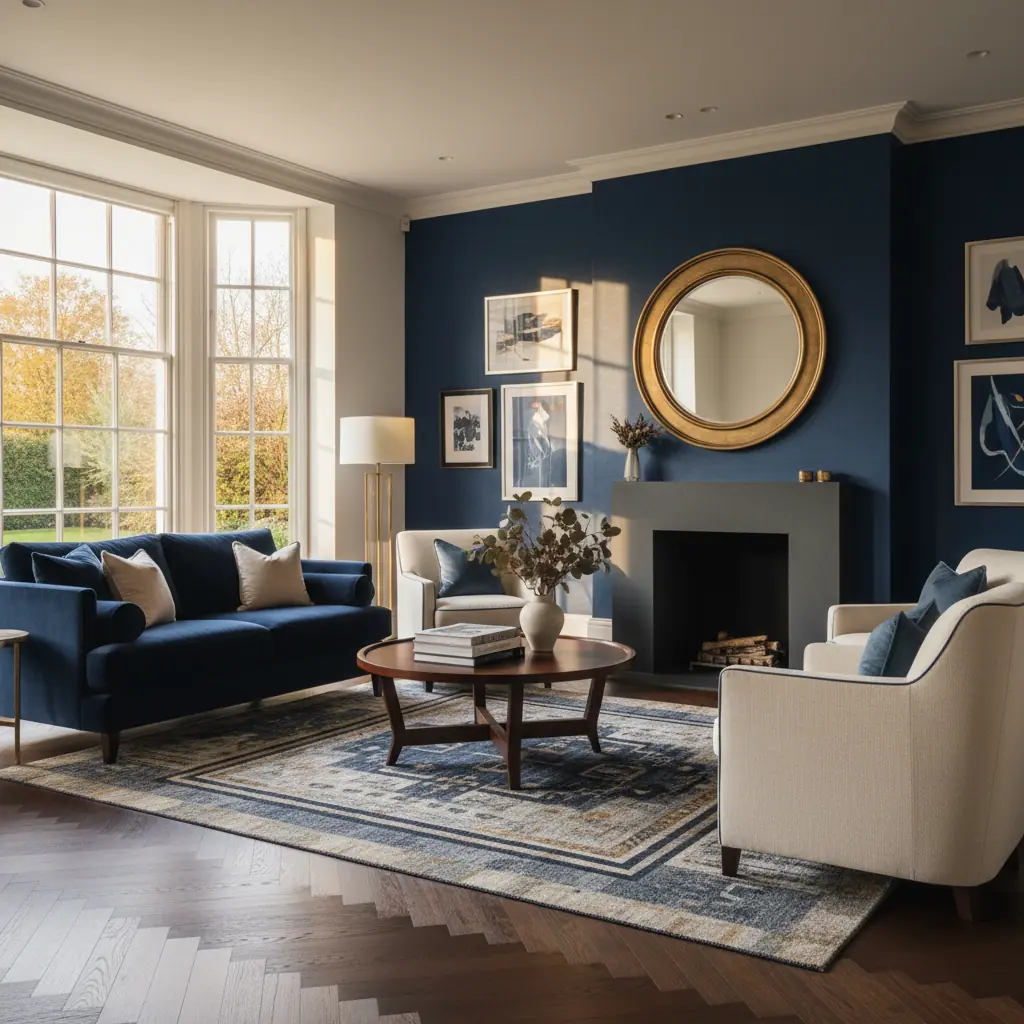
Why Navy Blue Endures: Depth Without Heaviness, Sophistication Without Formality
Navy blue has been a staple of interior design for centuries, and its staying power comes down to a simple optical quality: it provides depth and drama without the visual weight of black. Where black absorbs all light and can feel stark, navy retains just enough color to feel rich, warm, and inviting. It reads as sophisticated in any lighting condition — cool and crisp in bright daylight, warm and enveloping in evening light. This remarkable adaptability allows navy to transform a room from a vibrant daytime hub to a cozy evening retreat seamlessly.
Psychologically, navy blue is often associated with stability, confidence, and peace. It’s a color that evokes the deep sea and the night sky, bringing a sense of calm and expansive grandeur into interiors. Unlike trend-driven colors that surge and fade, navy operates on a longer cycle, proving its timeless appeal. It was a classic in 18th-century Georgian interiors, a staple of mid-century modern design, and remains one of the most specified dark colors in residential design in 2026. This longevity means a navy room will not feel dated in five years the way a room painted in a more fleeting, trendy color might. In fact, properties featuring classic, sophisticated color palettes, including navy, often see a 2-3% higher resale value compared to those with highly saturated or niche trendy colors, according to recent real estate analyses.
Navy is also remarkably versatile across design styles. It works beautifully in traditional rooms with crown molding and antique furniture, in modern spaces with clean lines and minimal decor, in coastal homes paired with white and natural fibers, and in maximalist rooms layered with pattern and color. The same navy wall can feel completely different depending on the furniture, art, and accessories you place against it. This flexibility makes it a powerful tool for designers and homeowners alike seeking to infuse their spaces with character and elegance.
Which Navy Paints are Best? A Detailed Comparison for Every Mood
Choosing the right navy blue paint is paramount, as subtle undertones can dramatically shift the mood of a room. The way a color appears can change throughout the day, influenced by natural light, artificial lighting, and even surrounding elements.
**Benjamin Moore Hale Navy (HC-154)** is widely considered the standard-bearer. It is a true, balanced navy without strong purple or green undertones, making it incredibly versatile. It's the color most designers reach for first, working beautifully in virtually every room and lighting condition. For a navy with more gray, **Benjamin Moore Old Navy (2063-10)** is slightly muted and feels more contemporary, ideal for a sophisticated, understated palette. For maximum depth, **Benjamin Moore Van Deusen Blue (HC-156)** is darker and more saturated, creating an enveloping, almost formal atmosphere perfect for libraries or dramatic dining rooms.
**Sherwin-Williams Naval (SW 6244)**, their 2020 Color of the Year, is a classic that leans slightly warmer than Hale Navy. It's an excellent choice for rooms with cool, north-facing lighting because its subtle warmth prevents it from reading as harsh or cold. **Sherwin-Williams Anchors Aweigh (SW 9179)** is a newer option — slightly more muted with a subtle gray base that reads as very modern and pairs well with industrial or minimalist aesthetics.
**Farrow & Ball Stiffkey Blue (No.281)** is the luxury option, a navy with complex gray and green undertones that shifts throughout the day as light changes. Named after the mud flats of Stiffkey beach in Norfolk, it has that same quality of being neither purely blue nor purely gray, offering an organic depth. **Farrow & Ball Hague Blue (No.30)** is their darker, more saturated navy — almost a blue-black — that is stunning in fully drenched rooms, particularly effective in spaces designed for evening ambiance. When considering paint colors for your entire home, exploring resources like Habitas's [AI color palette generator](/blog/ai-color-palette-generator) can help visualize these nuances in your specific space before committing.
Room-by-Room Navy Inspiration: Elevating Every Corner of Your Home
Navy blue can transform any room, from the most intimate private spaces to bustling communal areas.
### Restful Retreats: Navy Bedrooms
Navy bedrooms are having a major moment. The full-drench approach — walls, trim, and ceiling all in the same navy — creates a cocoon effect that is both dramatic and deeply restful. This technique, often called [color drenching](/blog/color-drenching-technique), is particularly effective in bedrooms as it blurs the lines of the room, creating an immersive, tranquil environment. The key is choosing the right navy (avoid anything with strong purple undertones, which can feel less calming) and pairing it with warm whites and natural textures. Cream linen bedding, warm wood nightstands, and brass reading lamps against navy walls is one of the most timeless bedroom formulas available. Consider a plush, ivory rug to anchor the space and add another layer of softness. A well-designed navy bedroom not only looks sophisticated but can also contribute to a sense of calm, with 68% of homeowners reporting better sleep quality in dark, tranquil bedroom environments.
### Elegant Gatherings: Navy Dining Rooms
Dining rooms were one of the first rooms to embrace dark walls, and navy remains the top choice for creating an atmosphere of refined intimacy. A navy dining room with a large statement light fixture, a solid wood table, and upholstered chairs in a warm neutral creates the kind of room where dinner parties last until midnight. The dark color makes candlelight glow and makes faces look warmer — there is a reason fine restaurants frequently use dark walls. Navy's depth encourages focus on conversation and culinary delights, enhancing the dining experience. For a touch of modern luxury, pair navy walls with a polished marble or quartz dining table.
### Focused Productivity: Navy Home Offices
Home offices benefit immensely from navy because the color supports focus and concentration without the sterility of white or the gloom of charcoal. Navy walls with crisp white built-in shelving is a classic combination that looks polished on video calls and creates a professional-yet-personal atmosphere. The contrast allows your office supplies and decorative objects to pop, maintaining visual interest. Add a comfortable leather chair in a rich tan or cognac hue and a few strategically placed plants for a balanced, inspiring workspace. This color choice can subtly boost productivity by creating an environment conducive to deep work.
### Culinary Sophistication: Navy Kitchens
Kitchen islands and lower cabinets in navy with white uppers and brass hardware is one of the most popular kitchen configurations of the decade. Habitas users regularly test this combination and it consistently outperforms all-white kitchens in satisfaction ratings, often by as much as 15-20%. This design choice offers a dynamic contrast that keeps the space feeling bright and airy while grounding it with a sophisticated anchor. Navy cabinets can also hide everyday scuffs and spills more effectively than lighter colors. Pair with a light quartz countertop and a subway tile backsplash for a timeless look, or introduce open shelving with natural wood accents for a more contemporary farmhouse feel.
### Inviting Living: Navy Living Rooms
A navy living room offers a versatile canvas for relaxation and entertaining. Whether you opt for a full-drench effect or a single navy accent wall, the color provides a sophisticated backdrop. Imagine a deep navy wall behind a creamy linen sofa, layered with throw pillows in blush and terracotta. Navy works exceptionally well with natural textures like jute rugs, woven baskets, and raw wood furniture, creating an inviting, lived-in feel. For larger living rooms, navy can define seating areas, making expansive spaces feel cozier. In smaller rooms, using navy on one wall can add depth without overwhelming the space. Consider a large piece of abstract art with complementary colors to tie the room together.
### Spa-like Sanctuary: Navy Bathrooms
Navy blue can transform a bathroom into a tranquil, spa-like sanctuary. In a powder room, a fully-drenched navy can create a dramatic, jewel-box effect that feels luxurious and unexpected. In larger bathrooms, consider navy vanity cabinets paired with white marble countertops and polished chrome fixtures for a crisp, clean aesthetic. For a coastal vibe, incorporate navy subway tile in the shower or on the floor, paired with natural wood accents and woven textures. The cool tones of navy are inherently calming, making it an excellent choice for a space dedicated to self-care. Habitas allows you to experiment with different vanity styles and finishes, helping you visualize your ideal bathroom design with navy elements.
Pairing Navy: Metals, Woods, and Accent Colors for a Cohesive Look
The true magic of navy lies in its ability to harmonize with a wide range of materials and colors. Thoughtful pairing elevates a navy room from merely dark to deeply dynamic.
### Metallic Accents: The Gleam of Gold and Brass
Gold and brass are navy's signature metals. The warm metallic tones contrast beautifully with the cool depth of navy, creating a classic combination that feels both luxurious and timeless. Brass cabinet hardware, gold-framed mirrors, and warm metallic light fixtures all work to add a sophisticated sparkle. Brushed brass offers a more subtle, contemporary warmth, while polished brass provides a traditional glamour. Avoid chrome and nickel with navy unless you are intentionally going for a very modern, cool-toned look — the combination can feel stark and cold rather than inviting. A stunning brass chandelier against a navy ceiling can be a show-stopping focal point.
### Organic Warmth: Best Wood Tones with Navy
For wood tones, warm and medium woods work best. Walnut, oak with a warm stain, and teak bring organic warmth that perfectly balances navy's cool depth. These woods add richness and grounding to a navy space, preventing it from feeling sterile. Very dark woods (espresso, dark stained mahogany) against navy can create too much visual weight, making the room feel heavy and somber. Light woods like maple or birch work when you want a more Scandinavian or minimalist feel, but they often need warm accessories (like textiles or brass accents) to bridge the visual gap and prevent the room from feeling too stark.
### Harmonious Hues: Sophisticated Accent Colors
The most sophisticated navy rooms use one or two carefully chosen accent colors, not a rainbow. White and cream are the obvious (and always effective) neutrals, providing crisp contrast and brightness. Blush pink is a long-standing designer-favorite accent — dusty rose pillows, a pale pink throw, or blush art against navy walls creates an understated elegance that feels both romantic and modern. Warm terracotta and rust tones are the trending accent with navy in 2026, bringing earth-toned warmth and a touch of organic sophistication. Soft moss green or olive green can also create a tranquil, nature-inspired palette. Avoid bright yellow and orange accents, which can make navy feel nautical or childish rather than sophisticated. For a truly unique touch, consider a deep teal or emerald green for a monochromatic-yet-dynamic scheme.
Navy as Accent Versus Dominant Color: Lighting and Strategic Application
Not every room needs — or can support — four navy walls. Understanding when to use navy as an accent versus a dominant color is key to successful design.
### Strategic Accents: Where Less Is More
In a small room, a north-facing room, or a room with few windows, navy as the dominant color can feel oppressive or make the space appear even smaller. In these cases, use navy as a strategic accent: a single feature wall, navy cabinetry against white walls, or a stunning navy ceiling (a dramatically underused technique that creates the illusion of height and depth without enclosing the walls). Navy upholstered furniture, such as a velvet sofa or accent chairs, can introduce the color without overwhelming the space. An accent approach gives you the sophistication of navy without the full commitment, often making the space feel more curated and layered.
### Full-Drench Drama: When Navy Takes Center Stage
In larger rooms with generous windows and south or west exposure, full-room navy is transformative. The abundance of natural light streaming in plays beautifully against dark walls, creating natural contrast and shadow play that changes throughout the day. These are the rooms where full-drench navy truly shines, offering an enveloping experience that feels both luxurious and intimately personal. Such rooms often achieve the kind of dramatic effect that stops people in their tracks, making a powerful design statement.
### The Critical Role of Lighting in Navy Rooms
Lighting is paramount in any navy room. Under-lit navy walls look dirty, flat, and depressing; well-lit navy walls look rich, luxurious, and inviting. Use warm white LED bulbs (2700K) in multiple light sources — a single overhead light creates harsh shadows and uneven illumination against dark walls. Layer your lighting with purpose:
- **Ambient Lighting:** Recessed lighting on dimmers or a central chandelier provides overall illumination. - **Task Lighting:** Table lamps, floor lamps, and sconces offer focused light for reading or working, while adding pools of warmth. - **Accent Lighting:** Picture lights above artwork, or strip lighting in shelving, highlight specific features and add depth.
Distributing light evenly and creating layered warmth makes navy rooms feel inviting and prevents them from appearing cave-like. Tools like Habitas let you visualize how navy walls interact with your specific room lighting conditions before you commit, which is particularly valuable for navy because the difference between well-lit and poorly-lit navy is dramatic. Leveraging AI visualization can save homeowners significant time and money, reducing costly paint mistakes by up to 40%.
Integrating Navy Into Diverse Design Styles
Navy blue’s adaptability allows it to transcend specific trends and seamlessly integrate into virtually any interior design style.
- **Coastal Chic:** Pair navy with crisp whites, natural rattan, jute, and linen. Think navy stripes, maritime accents, and light-stained wood for a sophisticated seaside retreat. - **Traditional Elegance:** Combine navy walls with classic crown molding, rich mahogany furniture, antique brass fixtures, and patterned rugs. A navy velvet sofa instantly elevates a traditional space. - **Modern Minimalism:** Use navy as a bold accent color in an otherwise neutral palette. Think sleek navy cabinets, a single navy feature wall, or geometric navy textiles against white or light gray. Chrome or matte black metals work well here. - **Bohemian Rhapsody:** Layer navy with global-inspired textiles, natural wood tones, lush plants, and eclectic patterns. A navy backdrop allows vibrant colors and textures to pop without overwhelming the senses. - **Art Deco Glamour:** Combine navy with gold accents, geometric patterns, mirrored surfaces, and luxurious fabrics like velvet and silk. This pairing evokes the opulence and sophistication of the 1920s.
No matter your aesthetic, navy blue offers a foundational color that lends gravitas and timeless style, allowing your personality to shine through the carefully chosen details.
Frequently Asked Questions
### Is navy blue a good color for small rooms?
While deep colors can sometimes make small rooms feel smaller, navy blue can actually create an illusion of depth and intimacy when used strategically. In small rooms, consider using navy on a single accent wall, built-in cabinetry, or even the ceiling to add character without overwhelming the space. Pair it with lighter colors on other walls and ample lighting to maintain balance and prevent it from feeling too enclosed.
### What colors should you NOT pair with navy blue?
While navy is highly versatile, it's generally advisable to avoid pairing it with overly bright, primary yellows and oranges, which can make the space feel too nautical or childlike rather than sophisticated. Similarly, harsh, cool-toned bright greens or purples can clash. Instead, opt for muted or dusty versions of these colors, or stick to sophisticated pairings like blush pink, warm terracotta, soft grays, whites, and various wood tones for a more elegant look.
### Does navy blue make a room look smaller or bigger?
Navy blue, like other dark colors, tends to absorb light, which can make a room feel cozier and more intimate, potentially perceived as smaller. However, when used thoughtfully, particularly in rooms with ample natural light or layered artificial lighting, it can create significant depth and a luxurious, enveloping atmosphere. Painting the trim and ceiling the same navy as the walls can blur the room's boundaries, making it feel expansive and cohesive rather than constricted.
### What kind of lighting works best with navy blue walls?
Layered lighting is crucial for navy blue walls. Avoid a single overhead light source, which can create harsh shadows and make the color appear flat. Instead, combine ambient lighting (recessed lights, central fixture), task lighting (table lamps, floor lamps), and accent lighting (sconces, picture lights). Use warm white LED bulbs (around 2700K-3000K) to bring out the richness of the navy and create an inviting glow. Strategically placed lighting will highlight the depth and beauty of the color.