Scandinavian Bedroom Ideas: Your Guide to a Serene Nordic Sleep Sanctuary
Everything you need to design a serene Scandinavian bedroom.
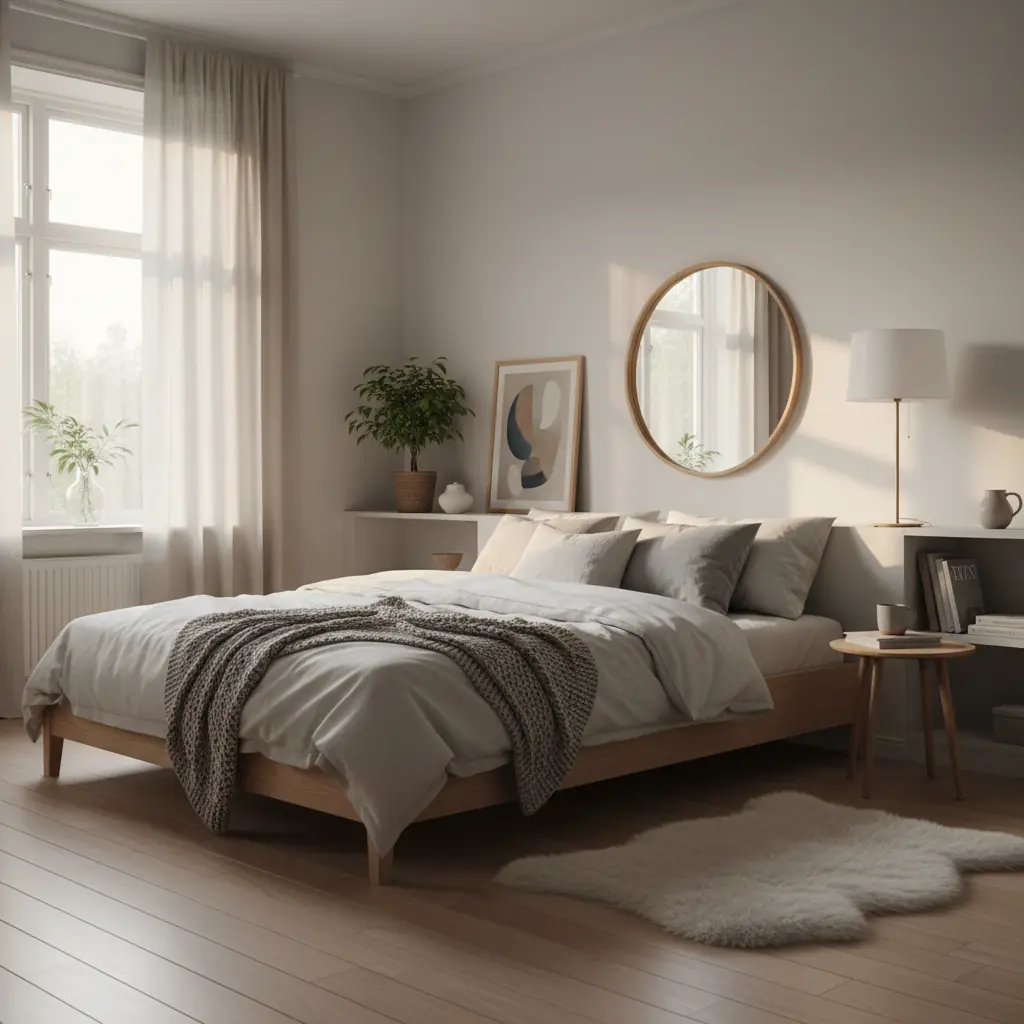
Why Scandinavian Bedrooms are the Ultimate Sleep Environment
In an increasingly chaotic world, the bedroom should be a refuge – a space dedicated entirely to rest, rejuvenation, and peace. No design philosophy embodies this ethos more profoundly than Scandinavian style, particularly when applied to the bedroom. Nordic countries consistently rank among the highest globally for sleep quality, and their approach to interior design is a significant contributing factor.
Scandinavian bedrooms are not just aesthetically pleasing; they are meticulously crafted environments designed to foster deep, restorative sleep through intentional simplicity. This means eliminating visual noise, reducing clutter, and creating an atmosphere where nothing competes for your attention. The focus is on calming the senses, signaling to your brain that it's time to unwind. In fact, studies by sleep foundations frequently indicate that a decluttered and serene bedroom environment can improve perceived sleep quality by up to 25%, directly impacting overall well-being.
The palette is deliberately tranquil: soft whites, muted grays, earthy beiges, and natural wood tones. These are colors chosen for their inherent ability to lower heart rate, reduce stress, and signal rest to your brain. This minimalist yet warm aesthetic, often associated with concepts like _hygge_ (coziness and contentment) and _lagom_ (just enough), creates a holistic environment where every element contributes to a sense of peace and groundedness.
The Bed: Simple Form, Luxurious Comfort
At the heart of any Scandinavian bedroom lies the bed – modest in its visual form but undeniably luxurious in its tactile experience. The quintessential Scandinavian bed often features a simple, low-profile wood frame, typically crafted from light ash, birch, or bleached oak, sometimes with a slatted headboard that offers visual texture without being overbearing. The beauty lies in its unpretentious structure, allowing the sumptuous bedding to truly shine.
When it comes to materials, comfort reigns supreme. The bed is dressed in layers of high-quality, natural textiles, predominantly linen, in shades of white, cream, and natural flax. Washed linen is a favorite, known for its breathable qualities and the way it becomes incredibly softer and more inviting with each wash. Complementing the linen might be a waffle-knit throw for subtle texture, and for colder months, a weighty wool or alpaca blanket adds warmth and coziness without visual bulk.
Forget the excessive display of decorative pillows often seen in other styles. A truly Scandinavian bedroom embraces authenticity: two high-quality sleeping pillows per person, perhaps one thoughtfully chosen accent pillow in a complementary texture or subtle pattern, and that's it. The bed should look like a beloved space someone actually sleeps in, not an untouchable hotel room display. The emphasis is on functionality and genuine comfort, inviting you to sink in and relax.
Lighting That Whispers: Crafting Ambience with Intent
In a Scandinavian bedroom, harsh overhead lighting is a rare sight. Instead, the focus is on creating layers of soft, diffused light sources that can be controlled and adjusted to suit the mood and time of day. This multi-layered approach ensures optimal relaxation and eye comfort.
Consider wall-mounted reading lights with adjustable arms placed above nightstands. These provide targeted task lighting without occupying precious surface space, and their directional nature helps create intimacy. A single pendant light with a warm, diffused glow – perhaps a frosted glass orb or a paper lantern design – can provide gentle ambient light without being overly bright. Table lamps with fabric shades, preferably in natural tones, offer a similar soft illumination. Crucially, every single light source should be dimmable. This allows you to gradually adjust the intensity, mirroring the natural progression from daylight to dusk and preparing your body for sleep. For a truly cohesive design, consider using an [AI color palette generator](/blog/ai-color-palette-generator) to select optimal light temperatures and fixture finishes that complement your chosen bedroom scheme.
Candles, far from being optional, are fundamental to achieving _hygge_. A cluster of three to five unscented candles, varying slightly in height, on the nightstand or windowsill creates that inimitable warm, flickering atmosphere that defines Scandinavian evenings. The gentle glow of candlelight has a unique ability to calm the nervous system, making it an essential tool for winding down.
The Nightstand Edit: Minimalism as Self-Care
The Scandinavian nightstand is a testament to the power of thoughtful constraint. Its purpose is singular: to hold the absolute essentials for your evening and morning routines, nothing more. Typically, this means a candle, a current book, and a glass of water. That is it.
This deliberate reduction of bedside items isn't about deprivation; it's an act of self-care. By removing non-essential objects, you eliminate visual clutter and decision fatigue from your evening routine. Your mind isn't subconsciously processing a multitude of items, allowing for a clearer, more relaxed state before sleep.
Choose a nightstand in light oak, birch, or even a simple painted white finish. Opt for a design with one discreet drawer for things you genuinely need but don't want to see – perhaps a lip balm, hand cream, or charging cables. In smaller bedrooms, wall-mounted floating shelves can be even more effective, maximizing floor space while maintaining the minimalist aesthetic. Tools like an [AI furniture arrangement tool](/blog/ai-furniture-arrangement-tool) can help you visualize optimal nightstand placement and size for your specific room dimensions.
What Colors Create a Scandinavian Bedroom Palette?
The foundation of any Scandinavian bedroom is its serene color palette, which predominantly features light, airy, and muted tones. The goal is to create a sense of spaciousness, calm, and connection to natural light.
- **Soft Whites & Off-Whites:** These are the bedrock. Instead of stark, cold whites, Scandinavian design often leans towards warmer off-whites with subtle undertones of gray, beige, or even a hint of peach. These colors reflect light beautifully, making rooms feel larger and brighter, while still providing a crisp, clean canvas. - **Muted Grays:** From light ash gray to a warm greige, grays add sophistication and depth without overpowering the space. They serve as excellent neutrals, grounding the room and complementing natural wood tones. - **Earth Tones:** Soft beige, taupe, and sandy tones bring warmth and an organic feel, echoing natural landscapes. These are perfect for walls, textiles, and larger furniture pieces. - **Subtle Blues & Greens:** Inspired by nature – the sky, the sea, the forest – these colors are introduced sparingly and in very muted forms. Think pale sage green, dusty blue, or a soft, almost-white seafoam. They provide a gentle touch of color without disrupting the overall tranquility. - **Accents of Warmth:** While the base palette is cool and neutral, warmth is introduced through texture and very subtle pops of color like a faded terracotta, a hint of blush pink, or a deep, rich charcoal in an accent pillow or a piece of art. The key is moderation; these are whispers, not shouts.
The interaction of natural light with these colors is crucial. A room with abundant natural light might lean towards cooler whites, while a north-facing room might benefit from warmer off-whites to prevent it from feeling too cold.
Essential Scandinavian Furniture Pieces Beyond the Bed
While the bed is paramount, other furniture pieces in a Scandinavian bedroom follow the same principles: functionality, clean lines, and natural materials.
- **Dressers and Wardrobes:** These are typically streamlined, often built-in or featuring flush fronts to maintain a seamless look. Light wood finishes or matte white are common choices. Handles might be minimalist cut-outs or small, subtle pulls. The emphasis is on maximizing storage discreetly to keep clutter out of sight. - **Seating:** If space allows, a small, elegantly designed armchair with clean lines and natural upholstery (wool, linen, or leather) can create a cozy reading nook. A simple wooden bench at the foot of the bed can also serve multiple purposes – a place to sit, or a surface for a stack of books or a throw. - **Desks:** For those who need a workspace in their bedroom, a minimalist, wall-mounted or slender wooden desk maintains the light aesthetic. It should be just large enough for a laptop and a few essentials, ensuring it doesn't dominate the room. - **Shelving:** Open shelving is used sparingly and intentionally, usually for a few curated items. Floating shelves in light wood are popular for their unobtrusive design, contributing to the airy feel.
A typical bedroom redesign, including new furniture and decor, can range from $1,500 to $5,000, depending on the quality and brand of items chosen. Planning your budget and selections carefully can make a significant difference, and tools like Habitas can help you visualize the overall cost impact of different furniture choices. For a detailed breakdown of potential expenses, explore our guide on [bedroom redesign cost breakdown](/blog/bedroom-redesign-cost-breakdown).
Scandinavian Textiles & Textures: Layering for Warmth and Depth
Texture is paramount in Scandinavian design, especially in minimalist spaces where color is subdued. It's how warmth, depth, and coziness are introduced without adding visual clutter.
- **Rugs:** A soft, natural-fiber rug is essential. Think plush wool rugs (often in a simple solid color or subtle geometric pattern), sheepskin throws draped over a chair or laid beside the bed, or durable jute rugs for a more rustic, earthy feel. These not only add warmth underfoot but also define zones and absorb sound, contributing to a tranquil atmosphere. - **Curtains:** Keep window treatments simple and functional. Sheer linen or cotton curtains allow natural light to filter in gently while providing privacy. In bedrooms, blackout lining might be incorporated for sleep, but the outer fabric should remain light and natural. Heavy, ornate drapes are typically avoided. - **Throws & Blankets:** Beyond the bed, draped throws over an armchair or a bench add an inviting layer. Wool, alpaca, chunky knit cotton, or even a soft faux fur can introduce different tactile experiences, encouraging relaxation and comfort.
The emphasis on natural fibers (wool, cotton, linen, alpaca) isn't just aesthetic; it’s about breathability, durability, and a connection to nature. Consumers are increasingly prioritizing sustainable home goods, with 60% of buyers willing to pay more for eco-friendly products made from natural, ethically sourced materials.
Bringing Nature Indoors: Plants in Scandinavian Bedrooms
The connection to nature is a cornerstone of Scandinavian design, and bringing greenery indoors is a simple yet powerful way to enhance the sense of calm and well-being. Plants introduce natural life, color, and texture, purifying the air and contributing to a serene environment.
- **Plant Choices:** Opt for plants known for their clean lines and air-purifying qualities. Snake plants (Sansevieria), ZZ plants (Zamioculcas zamiifolia), and Pothos are excellent choices for their low maintenance and ability to thrive in various light conditions. For larger spaces, a small Fiddle Leaf Fig or a sculptural bird of paradise can make a statement without being overwhelming. Smaller succulents or a cluster of air plants can adorn a nightstand or shelf. For more ideas on how to incorporate nature, check out our guide on the [best plants for interior design](/blog/best-plants-for-interior-design). - **Pots and Planters:** Keep pots simple and natural. Terracotta, unglazed ceramic, light concrete, or woven baskets in neutral tones allow the plant itself to be the star. Avoid overly decorative or colorful planters.
The concept of biophilic design – integrating nature into built environments – is deeply ingrained in Scandinavian aesthetics and is proven to reduce stress and improve cognitive function, making plants ideal bedroom companions.
Storage Solutions: The Art of Hidden Clutter
A hallmark of Scandinavian design is its immaculate appearance, achieved through smart and often invisible storage solutions. The philosophy is simple: everything has a home, and that home is usually out of sight.
- **Built-in Wardrobes:** These are preferred for their seamless integration, creating a flush wall that doesn't visually intrude on the space. Custom joinery ensures every inch is utilized efficiently, providing ample space for clothing, accessories, and even seasonal items. - **Hidden Drawers and Under-Bed Storage:** Beds with integrated drawers or platform beds with discreet storage are excellent for linens, extra blankets, or off-season clothing. - **Minimalist Shelving and Cabinets:** While some open shelving can be used for curated displays, closed cabinets and drawers dominate. These keep everyday items tucked away, maintaining a visually calm and uncluttered environment. - **Baskets:** Natural fiber baskets (wicker, felt, canvas) are stylish and functional for holding laundry, extra throws, or toys in a child's Scandinavian bedroom. They offer flexibility and can be easily moved or tucked away.
Effective storage is crucial for mental well-being; studies consistently show that cluttered environments can increase stress hormones by up to 30%, while organized spaces promote a sense of calm and control.
The Finishing Touches: Minimalist Decor & Art
In a Scandinavian bedroom, less truly is more when it comes to decor. Each piece is chosen with intention, contributing to the overall sense of calm rather than detracting from it.
- **Curated Art:** Opt for abstract pieces, nature-inspired prints (landscapes, botanical illustrations), or simple black and white photography. Choose art that evokes tranquility. Framing should be clean and minimalist – light wood, black, or white frames. A single large piece can make a statement without overwhelming the room, or a small gallery wall of carefully selected prints. - **Mirrors:** A large, simple mirror, either leaning against a wall or hung with a minimalist frame, can amplify natural light and make the room feel more spacious. It's a functional decor piece that serves a purpose beyond aesthetics. - **Thoughtful Objects:** Resist the urge to fill every surface. A small, handcrafted ceramic vase, a sculptural wooden bowl, or a small stack of beautiful books can add personality. These items should have meaning or bring you joy, reflecting the _hygge_ philosophy of surrounding yourself with things you love. Avoid excessive knick-knacks or purely decorative items that serve no functional or emotional purpose.
Homes with minimalist, clean designs, often inspired by Scandinavian principles, can appeal to a wider range of buyers, potentially increasing sale value by 5-10% due to their broad appeal and perceived spaciousness.
Floor & Wall Treatments: The Foundation of Your Nordic Retreat
The surfaces of your bedroom form the canvas for your Scandinavian design, providing the foundational elements of light, warmth, and texture.
- **Flooring:** Light wood flooring is a classic choice, ideally bleached oak, white-washed planks, or light ash. This reflects light beautifully and creates an airy, open feel. If hardwood isn't feasible, consider light-colored laminate or luxury vinyl plank (LVP) that mimics natural wood. Carpeting, if desired, should be in a light, neutral tone and a low pile or natural fiber (like wool) to maintain the minimalist aesthetic. - **Wall Treatments:** Matte paint finishes are preferred over glossy, as they absorb light more softly and create a tranquil backdrop. Stick to the core Scandinavian palette of soft whites, muted grays, or very pale natural tones. While feature walls are less common, a subtle textured wallpaper in a natural fiber or a very subtle geometric pattern might be used on one wall for understated interest. The key is subtlety and ensuring the walls enhance, rather than detract from, the sense of calm. For deeper insights into creating a clean, bright canvas, you might find inspiration in our [all-white room design tips](/blog/all-white-room-design-tips).
Integrating Personal Touches Without Clutter
While Scandinavian design champions minimalism, it's far from stark or cold. The warmth comes from intentionality and the integration of personal touches that make the space uniquely yours, without resorting to clutter.
- **Curated Heirlooms:** A single, meaningful heirloom piece – perhaps a vintage ceramic vase, a small wooden sculpture, or a framed photograph of a beloved landscape – can add depth and history to your room. Place it strategically where it can be appreciated without feeling crowded. - **Thoughtful Collections:** If you collect something, choose a few favorite pieces to display in a simple, organized manner. For example, a small collection of minimalist pottery on a floating shelf, or a few well-chosen books on a nightstand. The goal is to celebrate these items, not to overwhelm the space with them. - **Layered Comfort:** Personal warmth also comes from the textiles you choose. Select throws and blankets that you love to snuggle into. These tactile elements make the room feel lived-in and inviting. - **Scent:** Introduce subtle, natural scents through essential oil diffusers (e.g., lavender, chamomile) or unscented candles. A pleasant, non-overpowering aroma contributes to the sensory experience of a peaceful retreat.
The essence of integrating personal touches in a Scandinavian bedroom is to ensure every item has a purpose – whether functional, aesthetic, or emotional – and contributes to your overall sense of calm and well-being.
See Your Bedroom in Scandinavian Style with Habitas AI
Transforming your bedroom into a Scandinavian sanctuary doesn't have to be a daunting task. Visualizing these changes before committing is crucial, and that's where Habitas, your AI-powered interior design platform, comes in.
Simply upload a photo of your current bedroom to Habitas and select "Scandinavian" as your desired style. Our advanced AI then transforms your space with the exact principles described above: appropriate scale for furniture, correct calming tones, and styling that respects the Nordic philosophy of restful, minimalist design. You'll see how light wood flooring, linen bedding, soft wall colors, and strategic lighting can instantly elevate your room.
Habitas AI can generate realistic room designs in minutes, a process that traditionally takes weeks with a human designer and can be significantly more expensive. This efficiency means you can experiment with different layouts, textures, and furniture placements (e.g., a simple wooden bed frame versus a platform bed with hidden storage) without any commitment or cost, helping you refine your vision with unprecedented speed and accuracy. Ready to see your own [AI-powered interior design before and after](/blog/ai-interior-design-before-and-after) transformation? Begin your journey to a serene Nordic retreat today with Habitas.
---
Frequently Asked Questions
### What are the main characteristics of a Scandinavian bedroom?
A Scandinavian bedroom is defined by its intentional simplicity, focus on natural light, and a calming, muted color palette. Key characteristics include minimalist furniture with clean lines, predominantly light wood tones, natural textiles (like linen and wool), strategic layered lighting, and a strong emphasis on decluttering to promote a tranquil atmosphere conducive to rest and sleep. Concepts like _hygge_ (coziness) and _lagom_ (just enough) guide the design, ensuring comfort and functionality without excess.
### What colors are best for a Scandinavian bedroom?
The best colors for a Scandinavian bedroom are soft, muted, and inspired by nature. Dominant colors include warm off-whites, cool grays, earthy beiges, and natural flax tones. These serve as a serene backdrop. Subtle touches of pale sage green, dusty blue, or very soft pink can be introduced, often in textiles or small decor items, to add a hint of color without disrupting the overall calm. The goal is to create a bright, airy, and restful environment.
### How can I make my Scandinavian bedroom cozy without adding clutter?
Creating coziness in a Scandinavian bedroom without clutter relies heavily on texture, lighting, and natural elements. Layer soft, natural textiles like wool blankets, linen bedding, and sheepskin rugs. Introduce warm, dimmable lighting from multiple sources, including candles. Incorporate a few thoughtfully chosen plants in simple pots. Select furniture with inviting finishes and focus on quality over quantity for every item, ensuring each piece contributes to the overall feeling of warmth and comfort.
### What kind of bed is typical for Scandinavian design?
A typical Scandinavian bed features a simple, low-profile frame, often made from light wood such as birch, ash, or bleached oak. The design emphasizes clean lines and understated elegance, sometimes including a minimalist slatted headboard. The bed itself is modest in form, allowing high-quality, natural bedding – layers of linen, cotton, and wool in neutral tones – to be the star, creating an inviting and comfortable sleeping surface.